81st UN General Assembly Opens: Who Will Be the Next UN Secretary-General?Eight Candidates Compete Without a Consensus—Could a “Ninth Candidate” Emerge as the Compromise Choice?
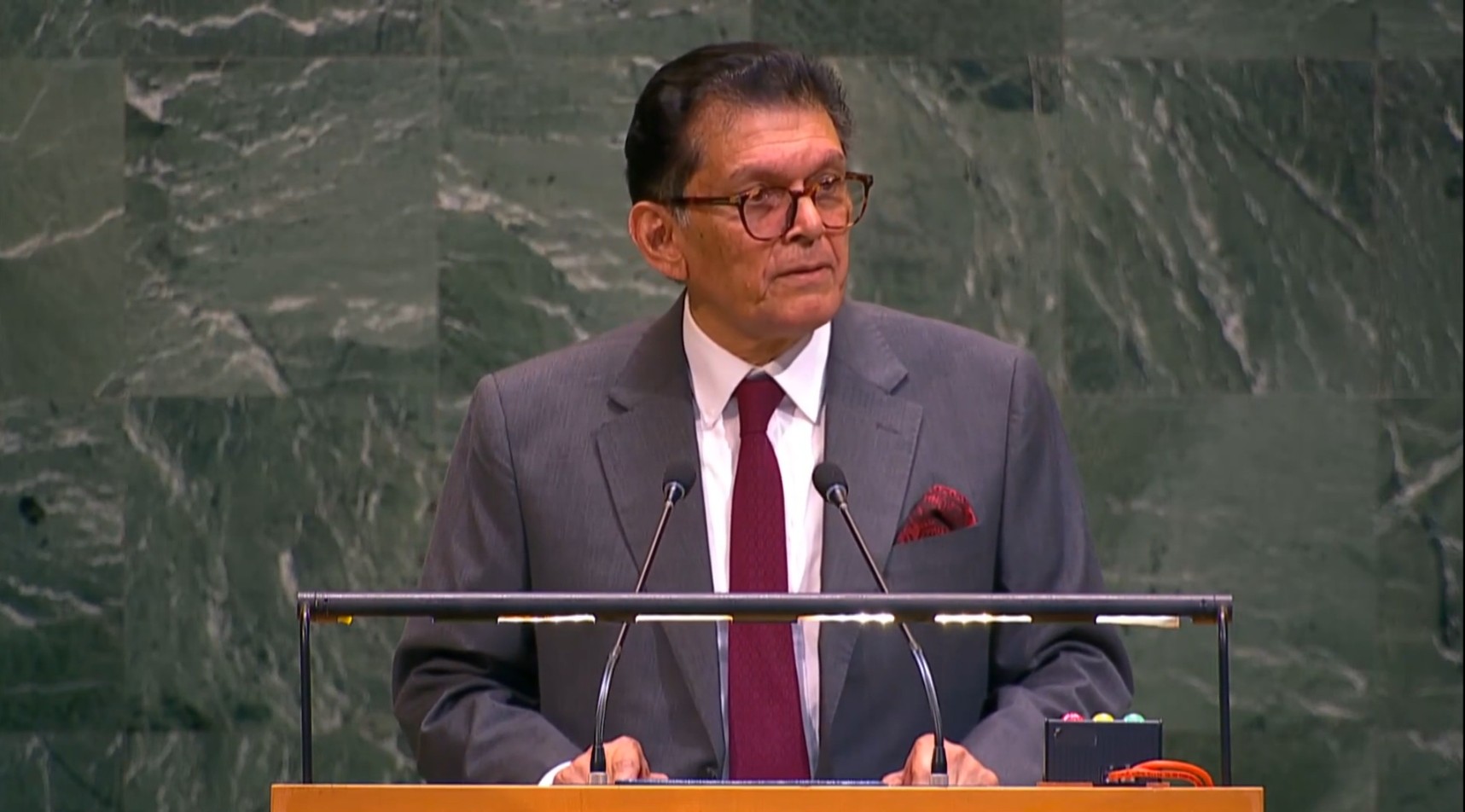
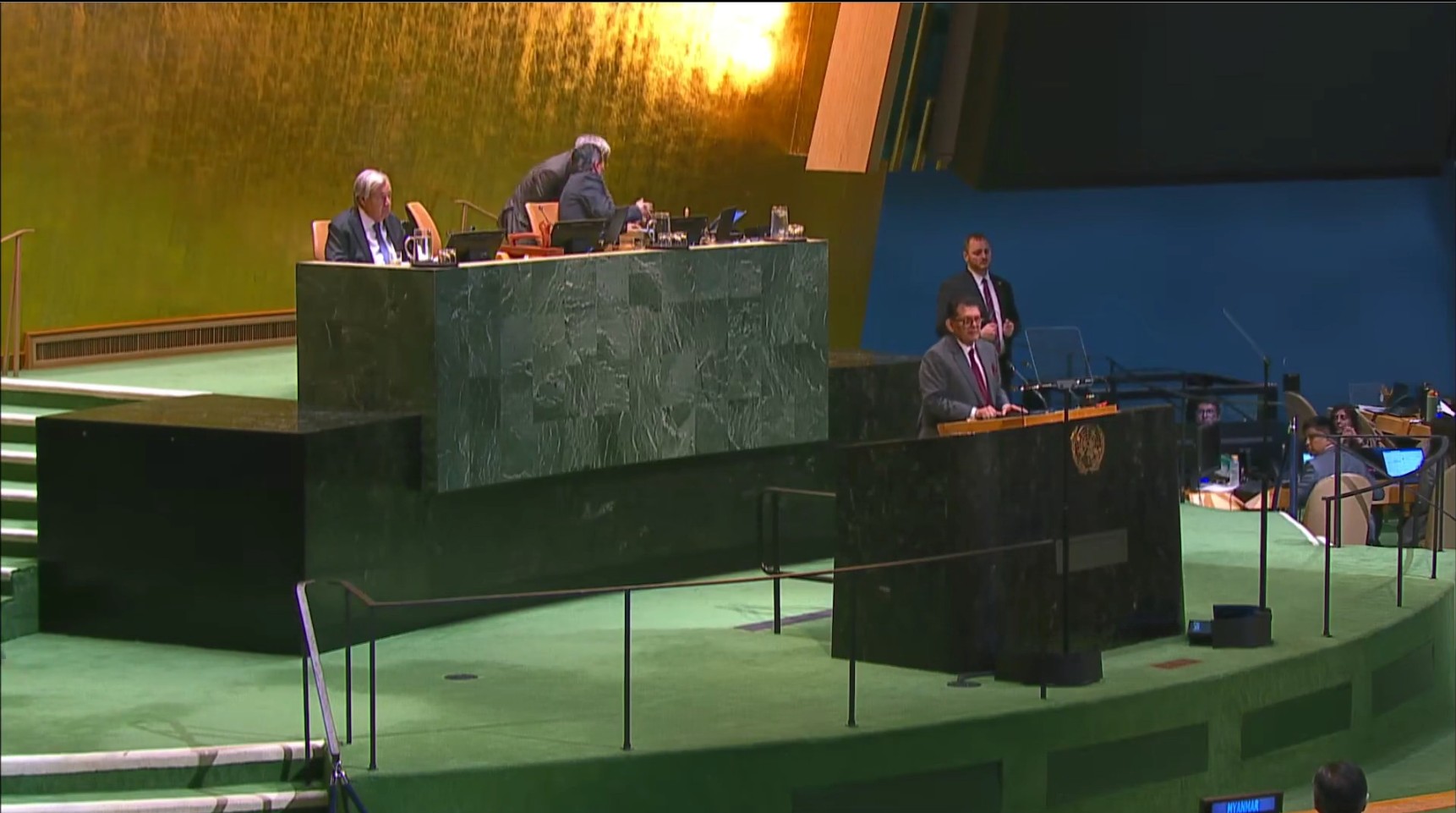
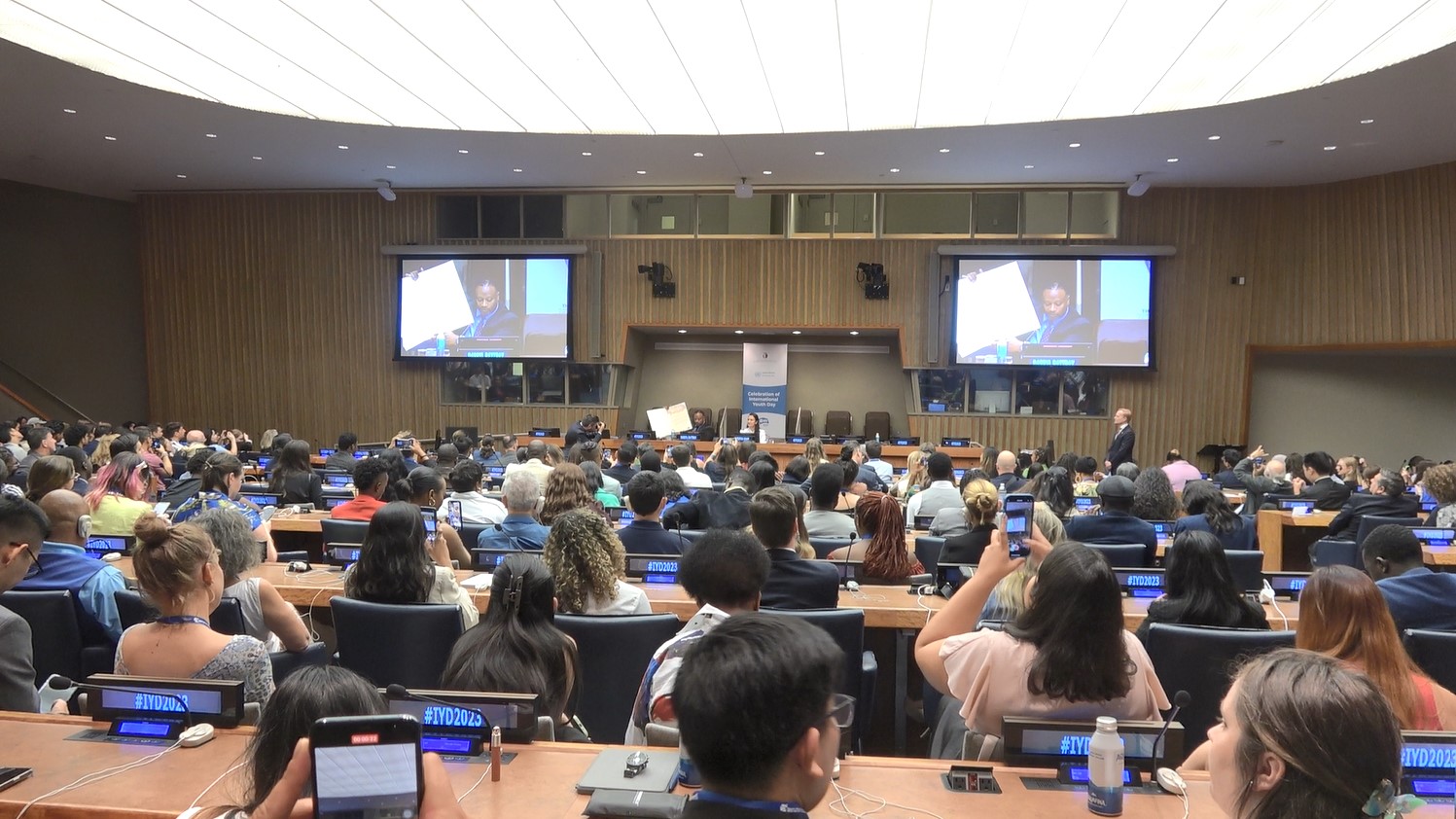
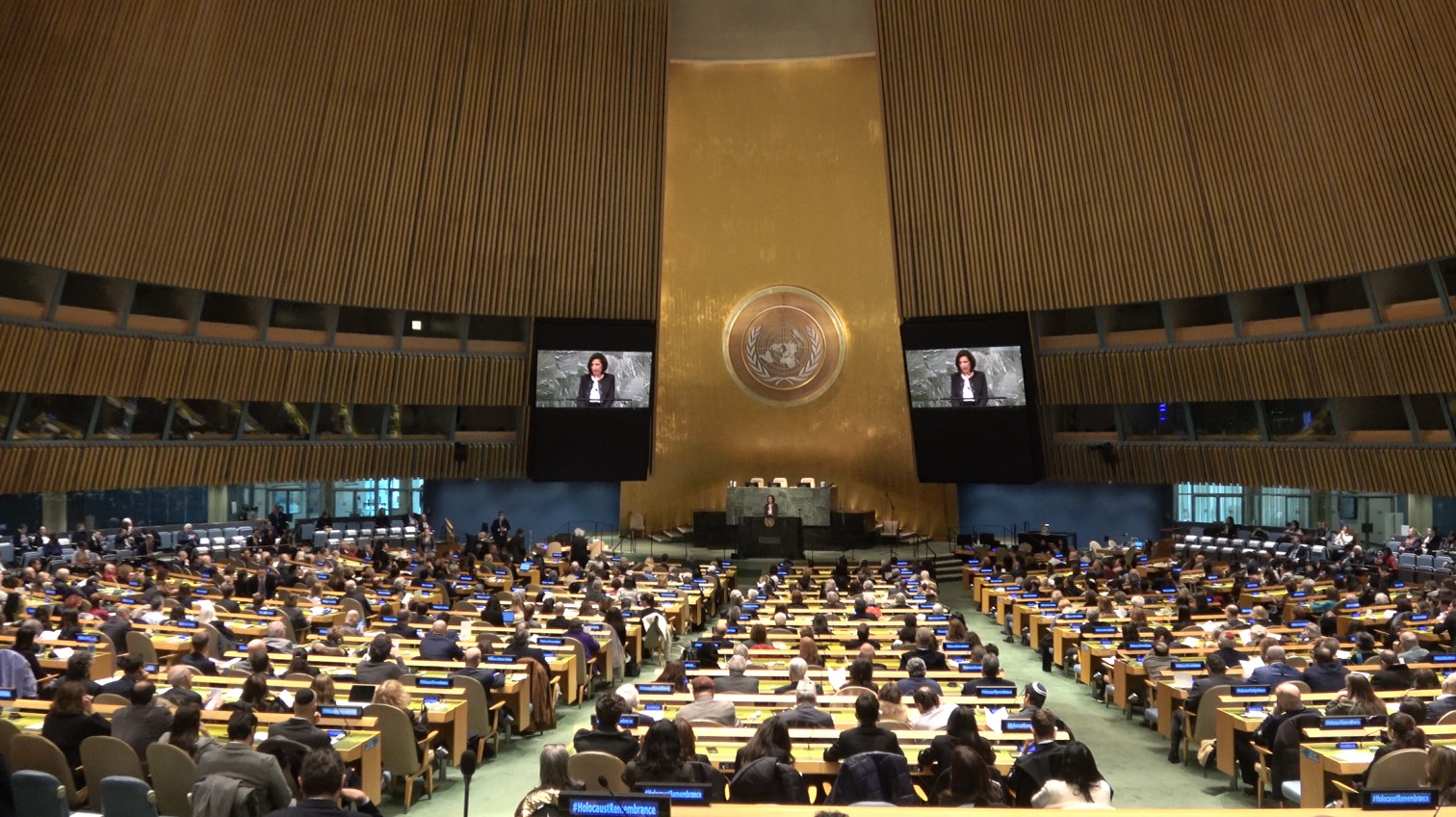
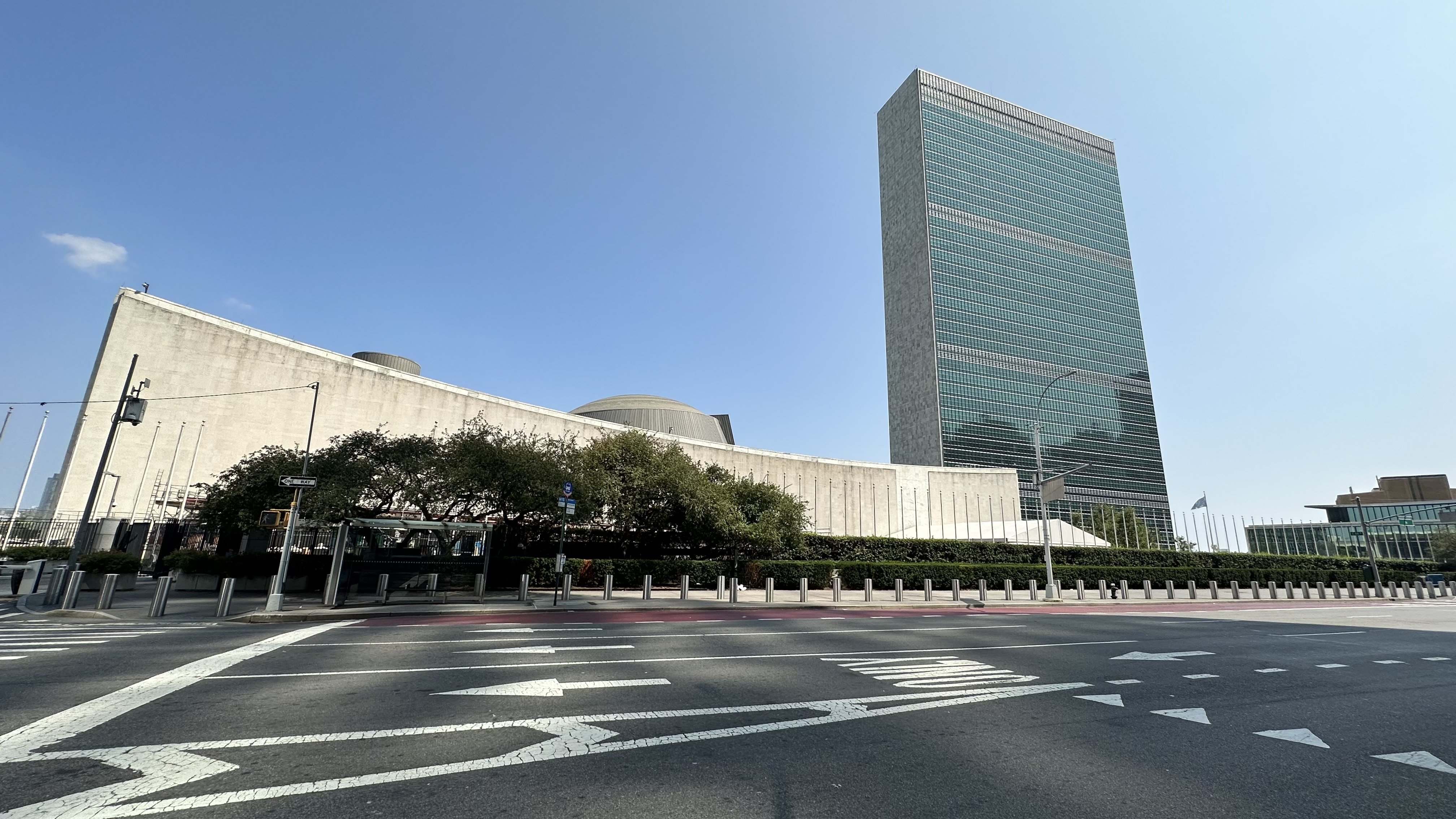
Celebrity Media News Commentary: The 81st session of the United Nations General Assembly officially opened at UN Headquarters in New York on the afternoon of September 8.
This session convenes amid multiple challenges, including ongoing wars, geopolitical divisions, the climate crisis, uneven development, and declining confidence in multilateralism. It is also responsible for an important task that will shape the direction of the United Nations for the next five years—the appointment of the next UN Secretary-General.
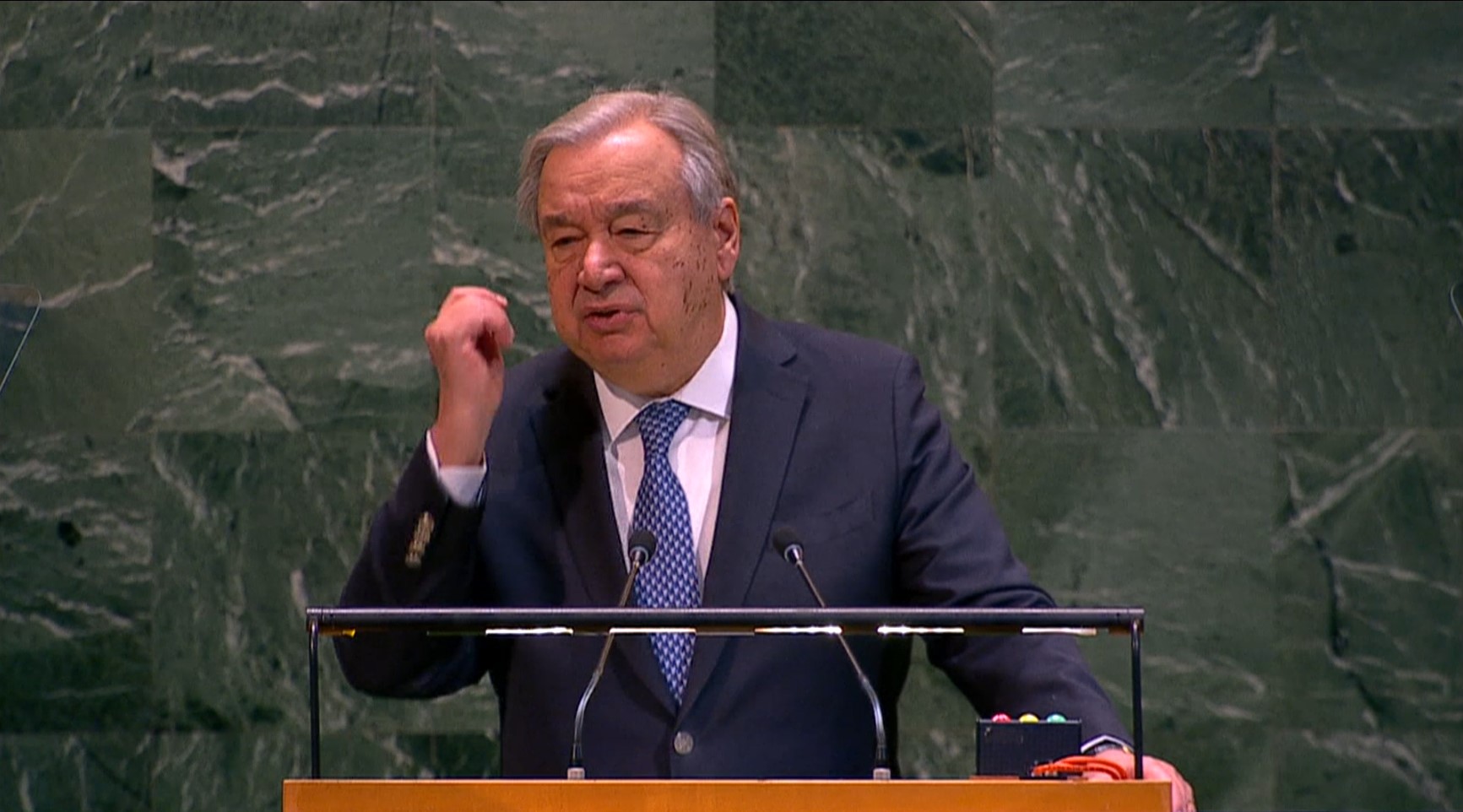
Current Secretary-General António Guterres will complete his second term on December 31, 2026. With the opening of the 81st General Assembly, the selection process for his successor is entering a more intensive phase of political consultations.
播放器加载中....
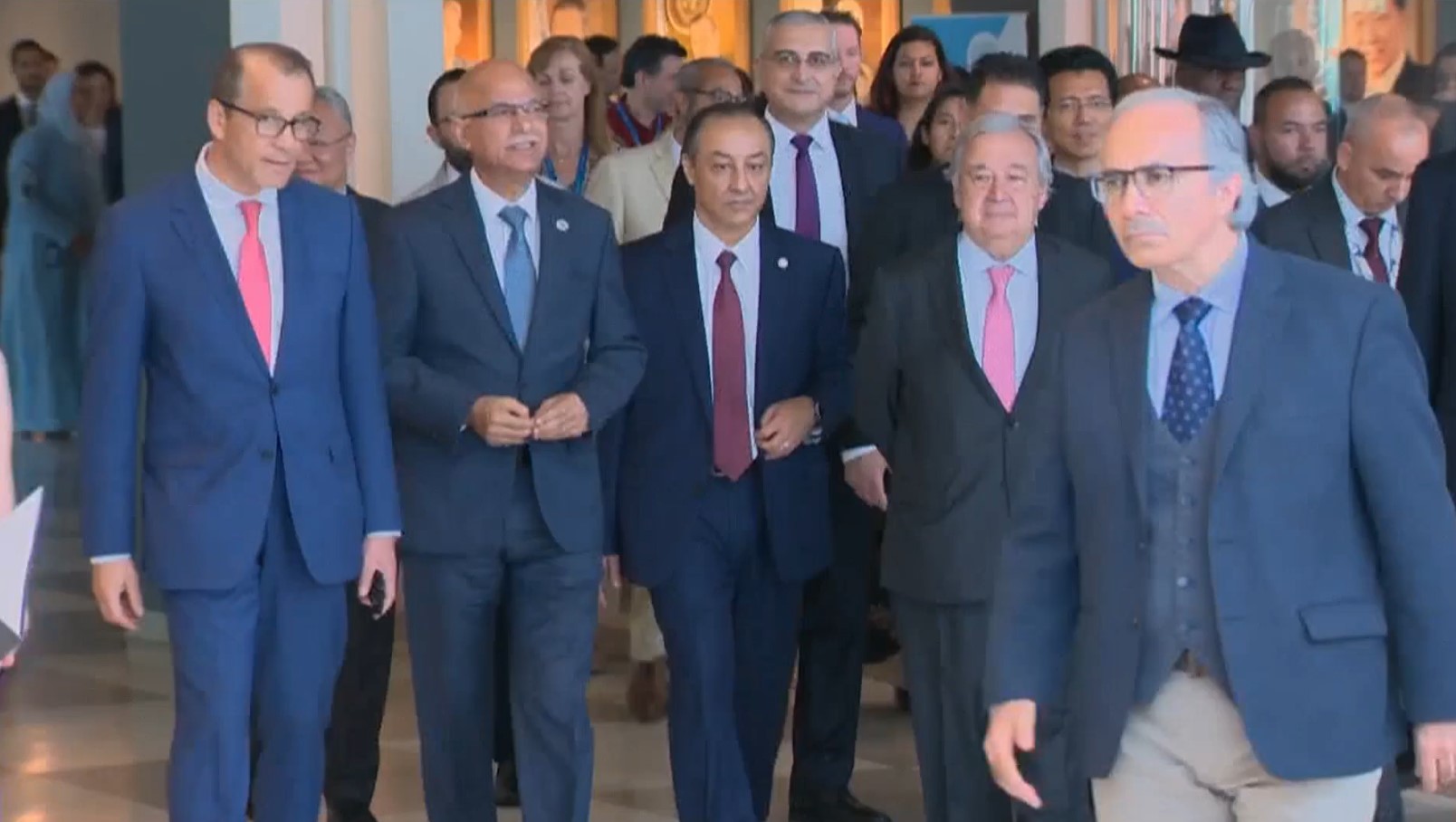
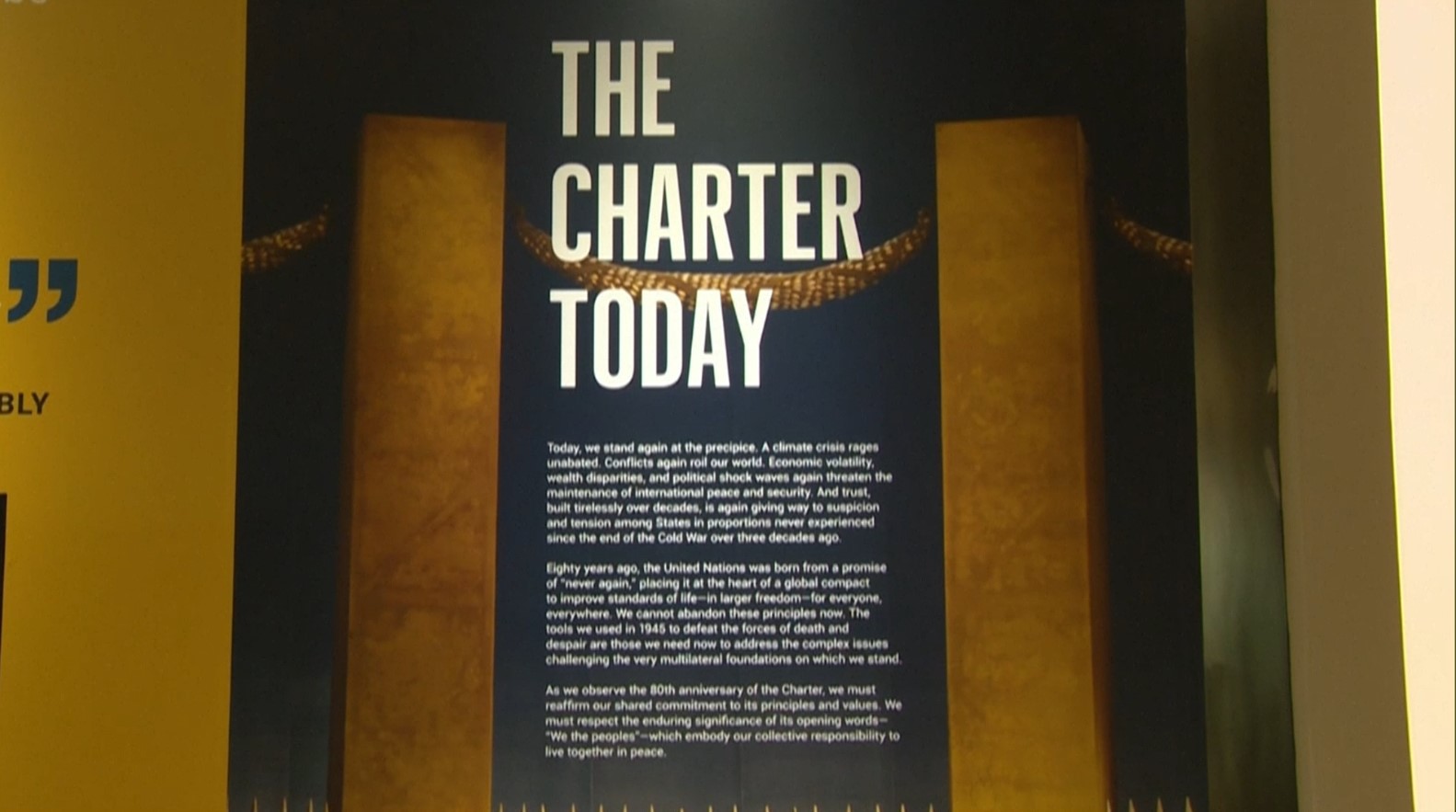
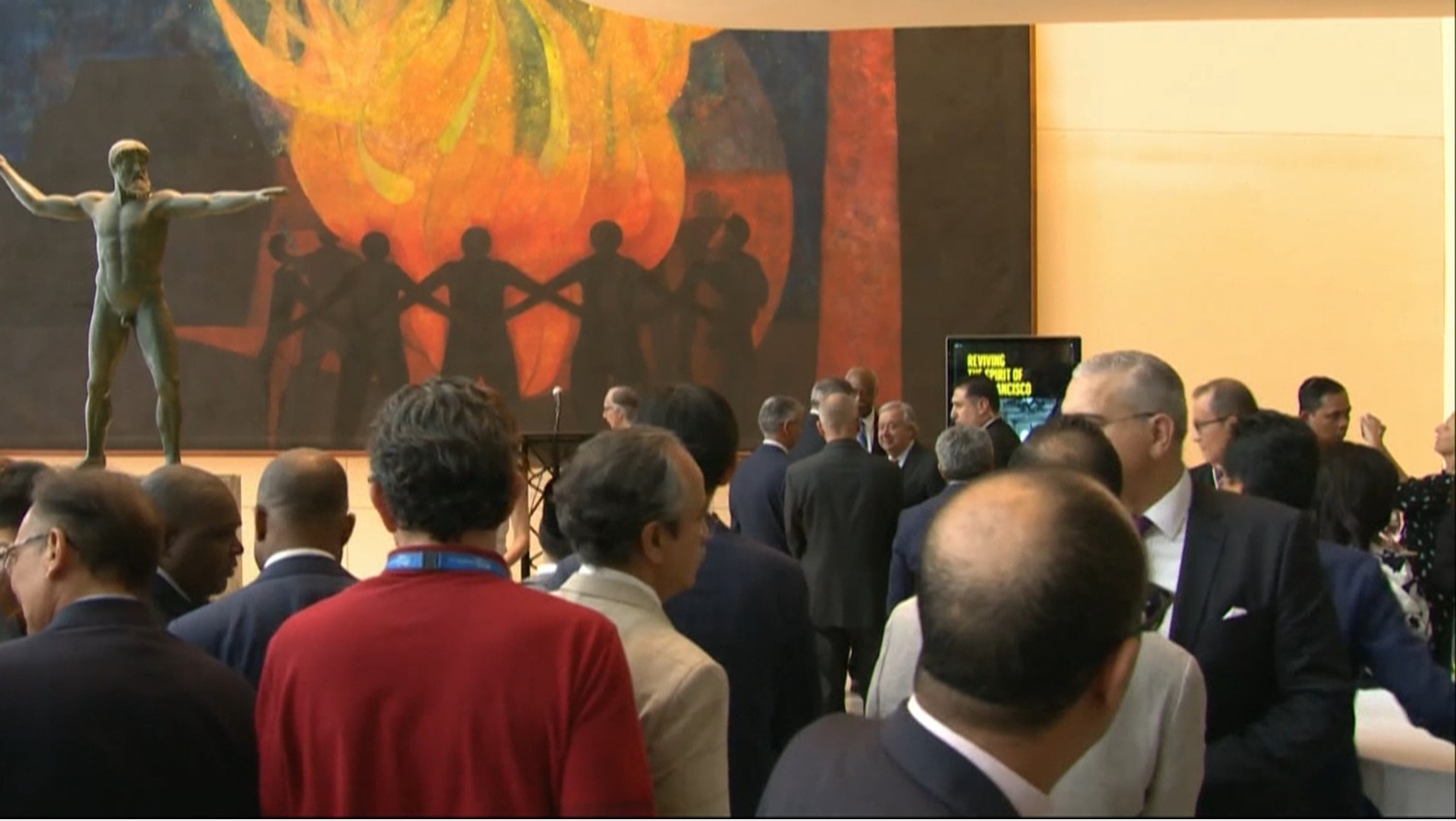
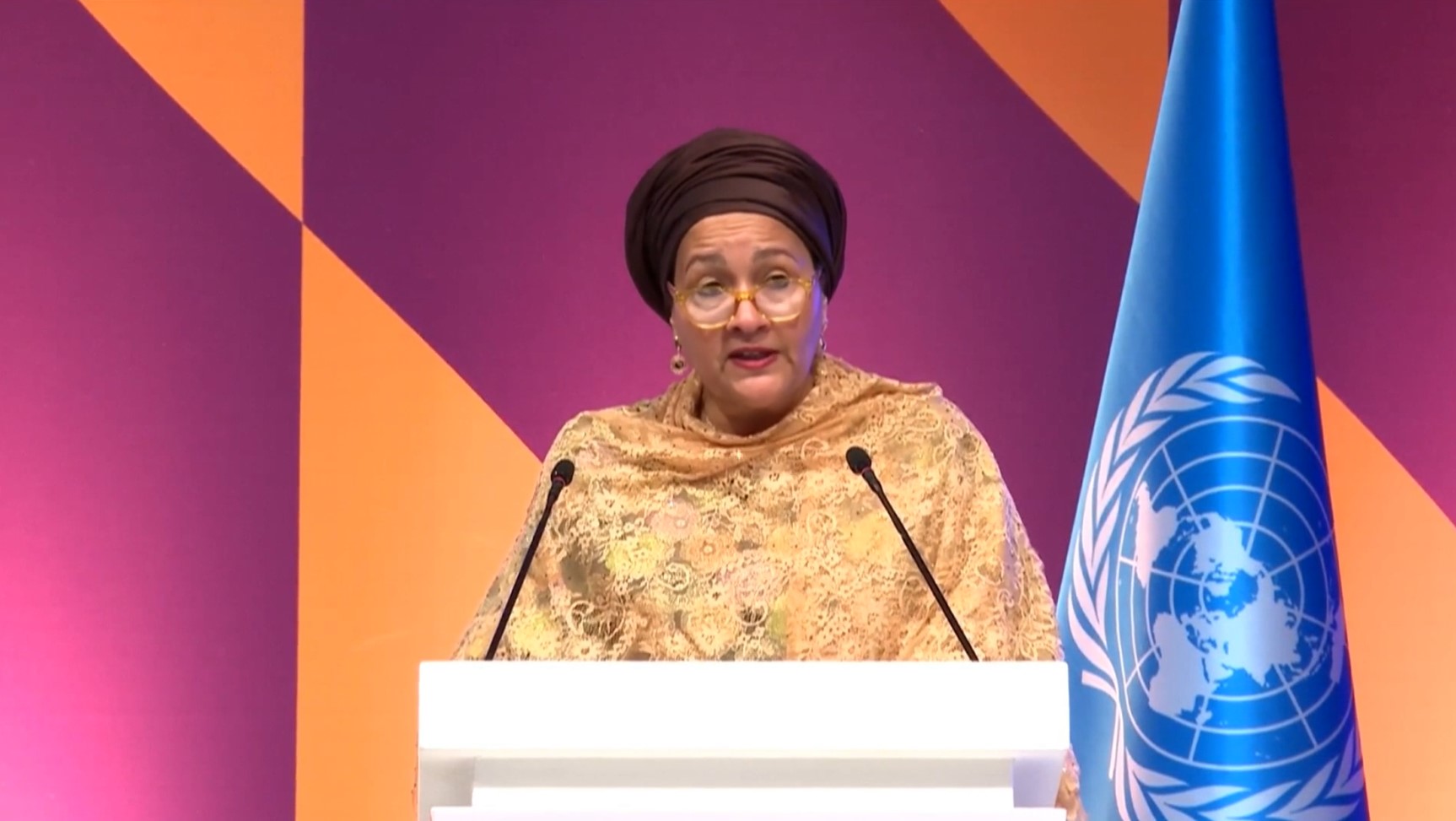
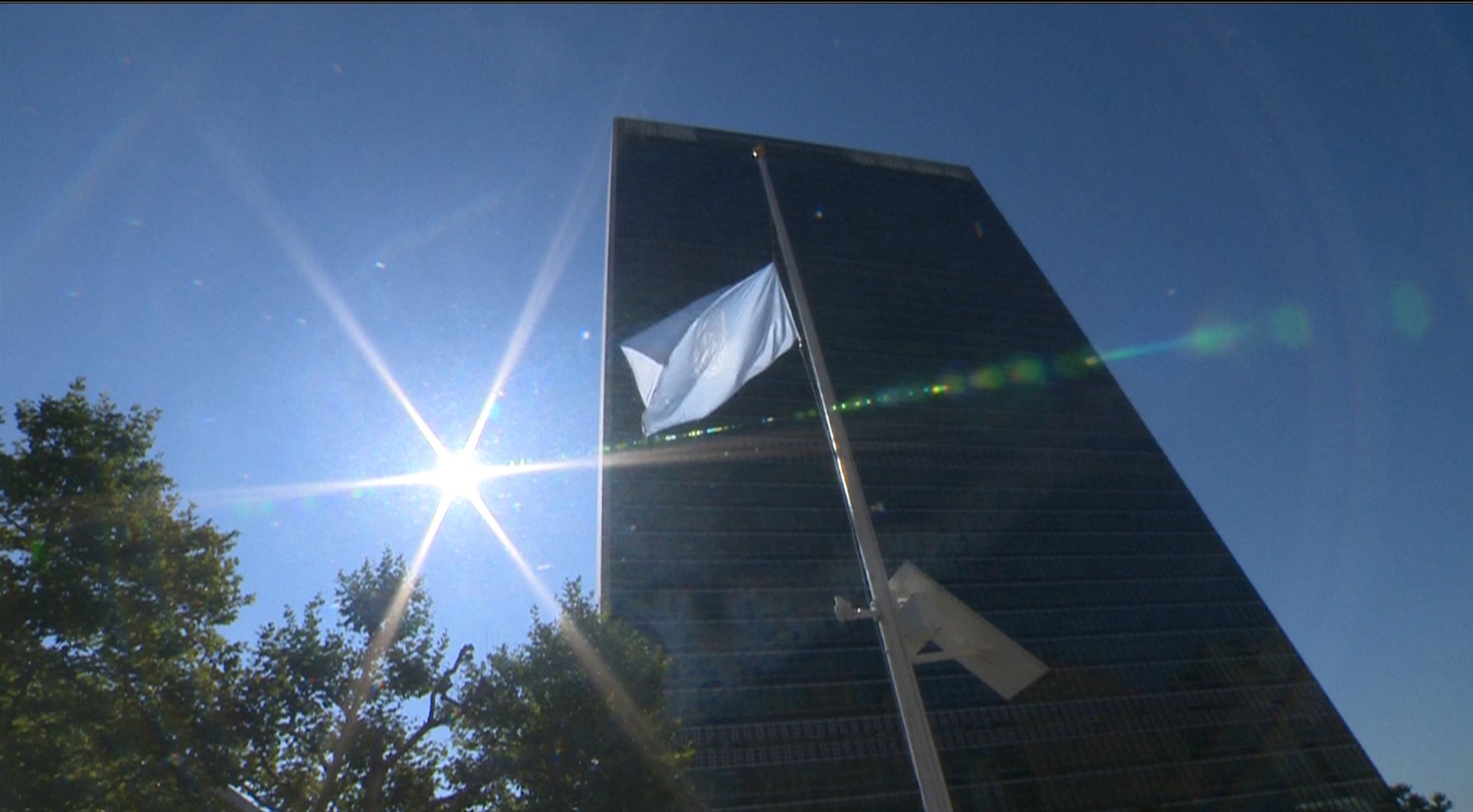
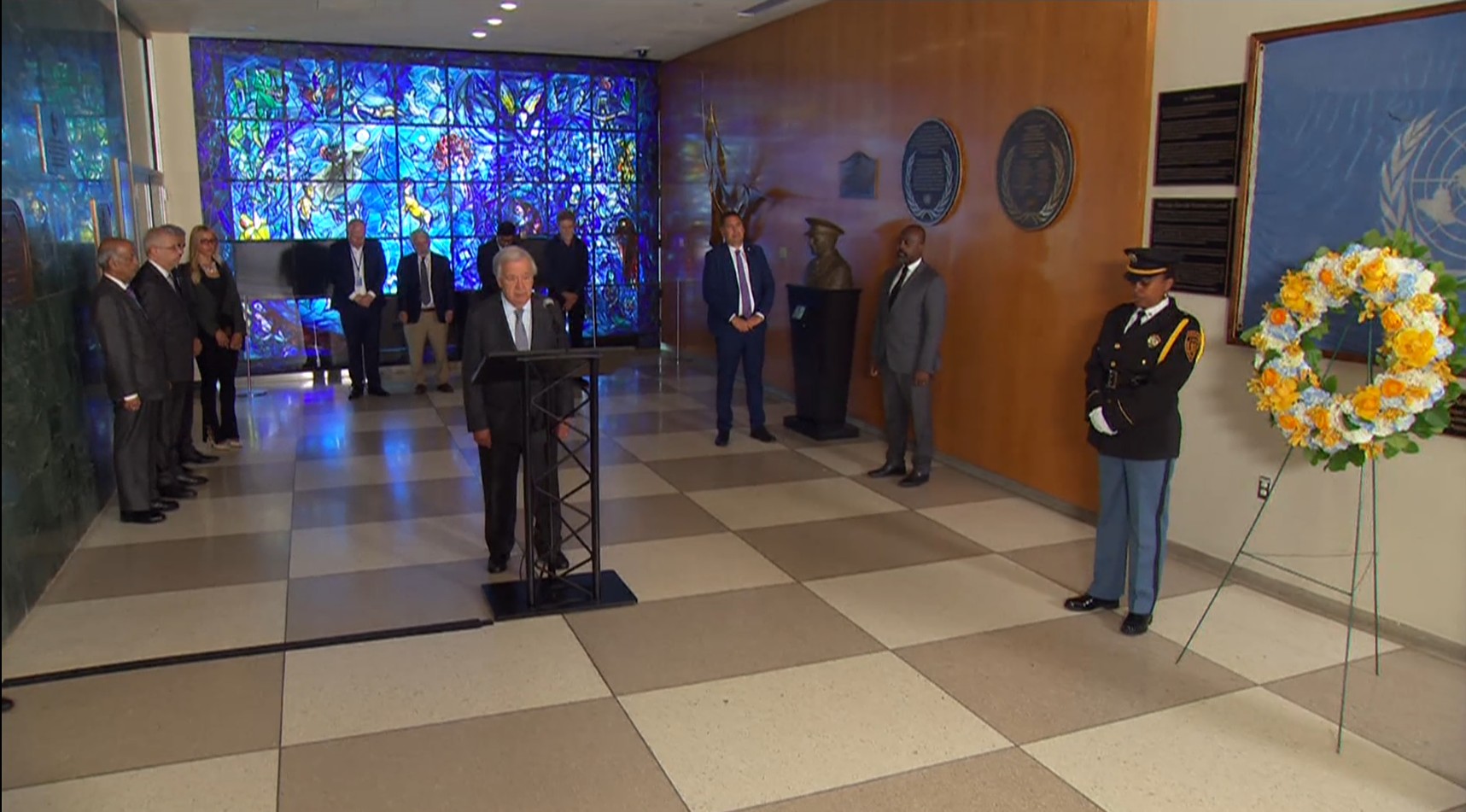
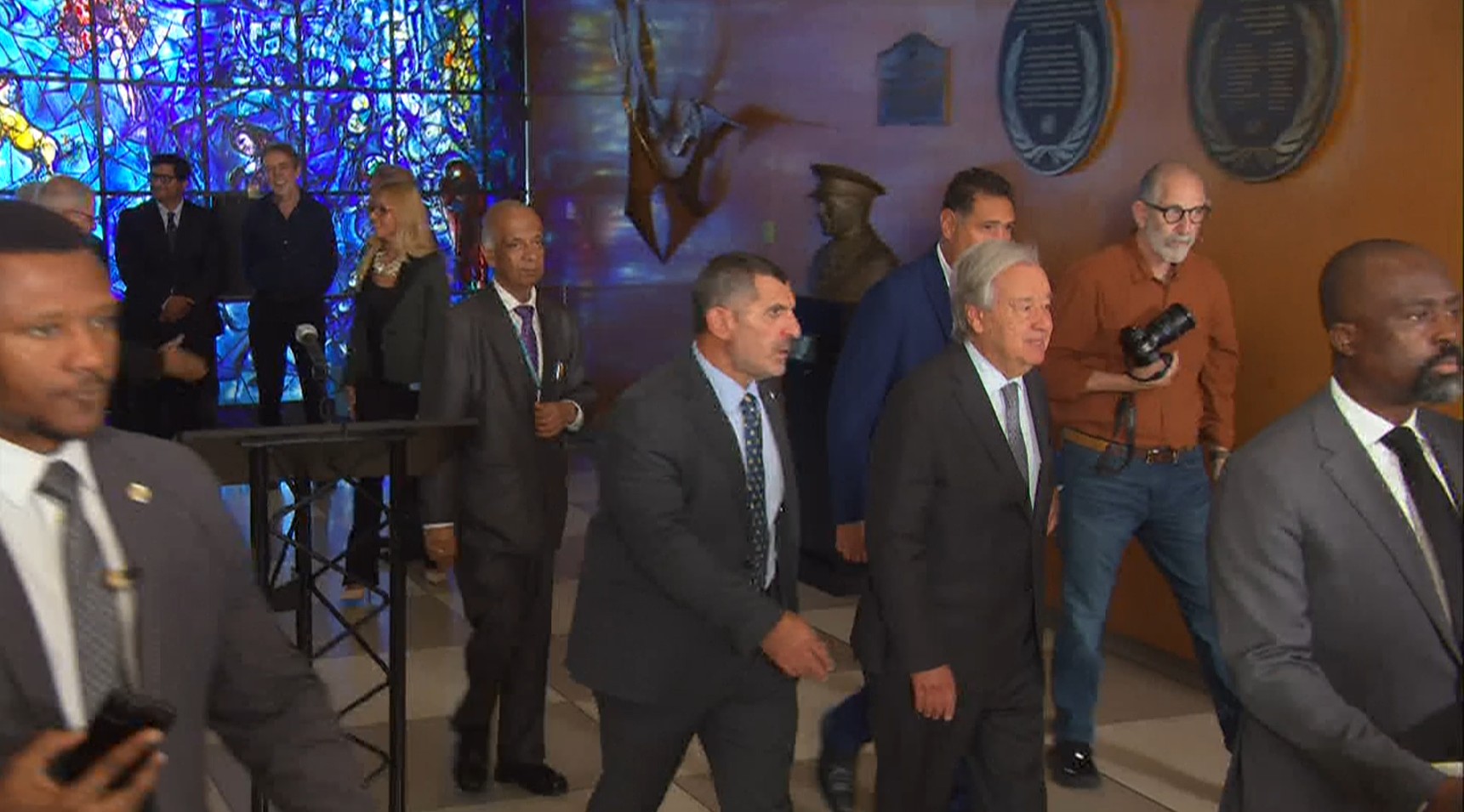
The images and video above were taken by Celebrity Media during the public display of the original United Nations Charter at UN Headquarters.
The new President of the General Assembly, Bangladeshi diplomat Khalilur Rahman, has chosen the following theme for the 81st session:
“Restoring Trust, Managing Transformation: A United Nations That Delivers for All”
This is not only the working theme of the current General Assembly; it can also be viewed as a test for the next Secretary-General: in an environment where international cooperation is becoming increasingly difficult, who can rebuild trust and help the United Nations adapt to a world that is no longer the world of 1945?
The General Assembly Will Appoint the Tenth UN Secretary-General—but the Security Council Will Decide Whom to Recommend
In his opening remarks, Rahman directly addressed the “trust deficit” confronting the United Nations. He stated that today’s world is no longer the world of 1945 and that the United Nations must adapt to change, advance reform, and regain the trust of both its Member States and the international public.
谁能跨过“五常”这道门槛?联合国下一任秘书长进入真正的幕后博弈
▶0
He also identified the selection of the next Secretary-General as one of the 81st General Assembly’s major responsibilities, pledging to work with the President of the Security Council and all Member States to ensure a fair, inclusive, and transparent process.
Under Article 97 of the United Nations Charter, the Secretary-General is appointed by the General Assembly upon the recommendation of the Security Council.
This means that although the 193 Member States formally make the appointment through the General Assembly, the Security Council remains the primary arena in which the finalist is determined. A candidate must secure the support of at least nine Security Council members while avoiding a veto from any of its five permanent members—the United States, China, Russia, the United Kingdom, or France.
The selection process is therefore not only a contest of individual qualifications and leadership ability, but also a process through which the major powers seek the minimum political consensus they can all accept.
Eight Candidates in the Race, but No One Secures Nine “Encourage” Votes in the Second Round
Eight candidates are currently competing for the position:
Carolyn Rodrigues Birkett, Permanent Representative of Guyana to the United Nations
Rebeca Grynspan, Secretary-General of UN Trade and Development
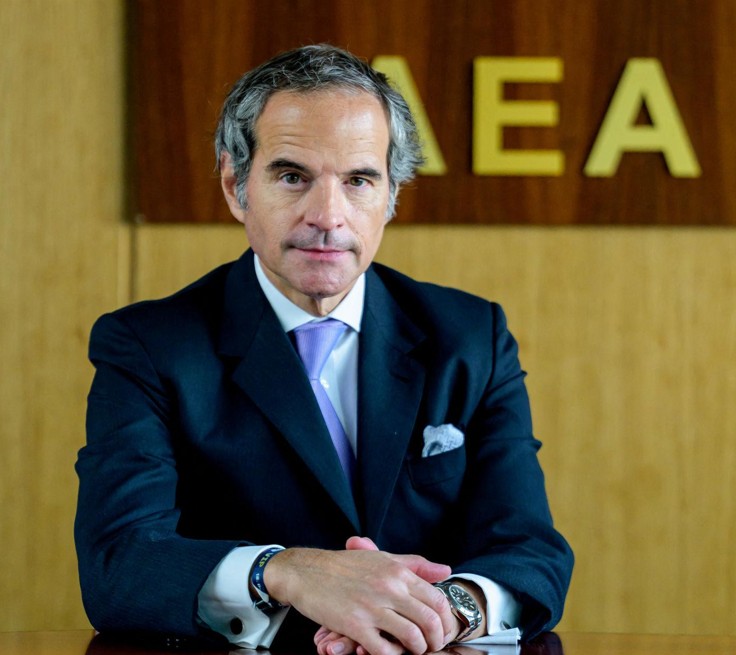
Rafael Grossi, Director General of the International Atomic Energy Agency
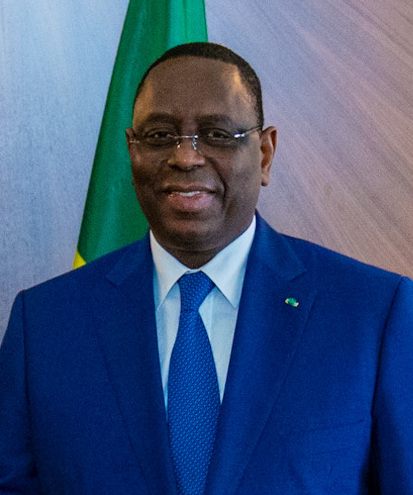
Macky Sall, former President of Senegal
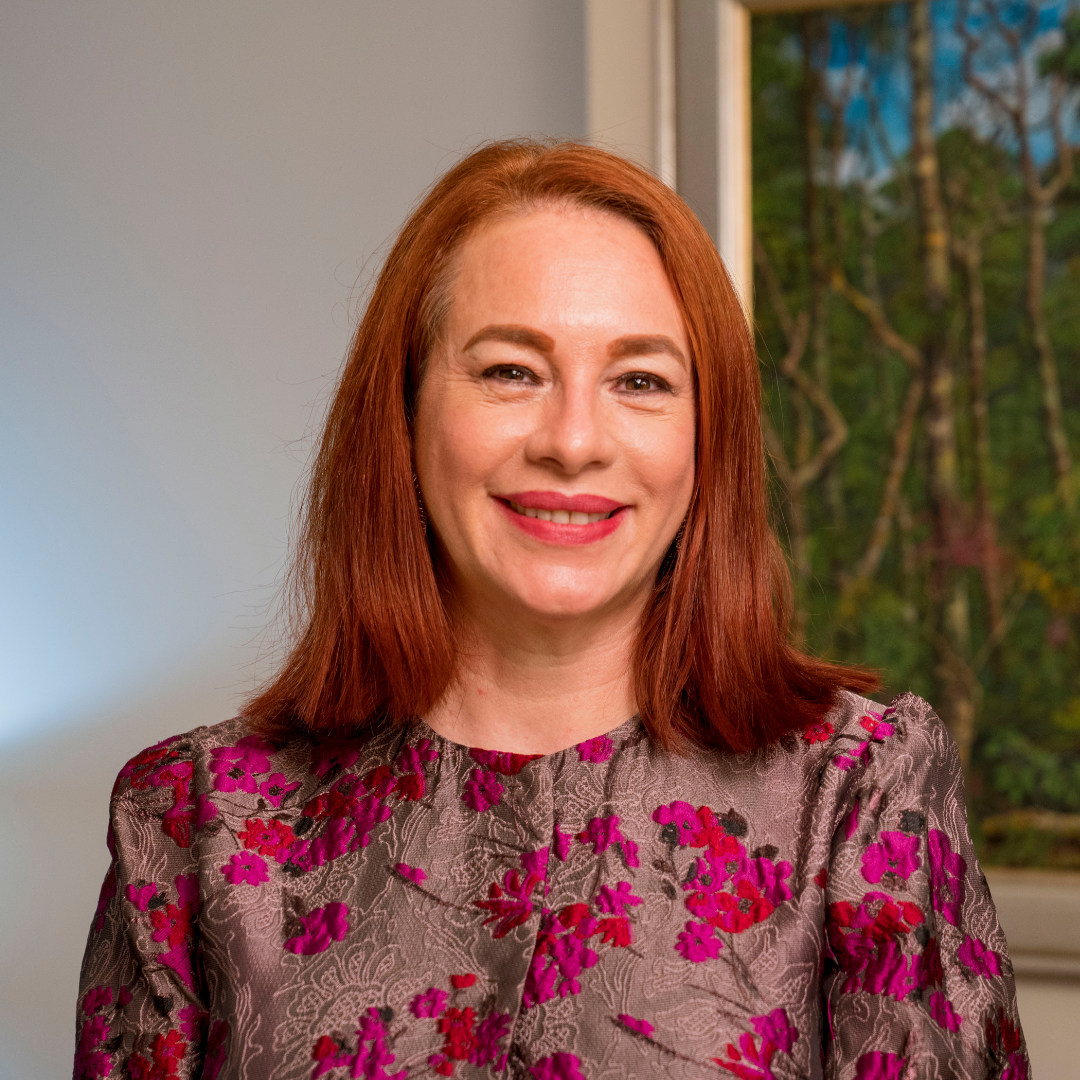
María Fernanda Espinosa, former Foreign Minister of Ecuador and former President of the UN General Assembly
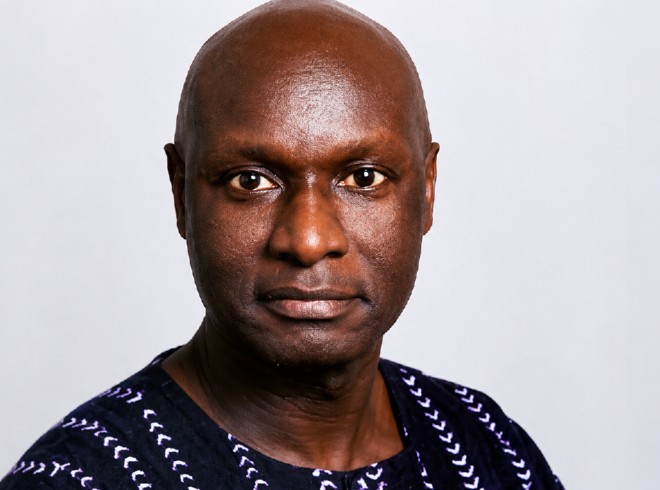
Olara Otunnu, former UN Under-Secretary-General from Uganda
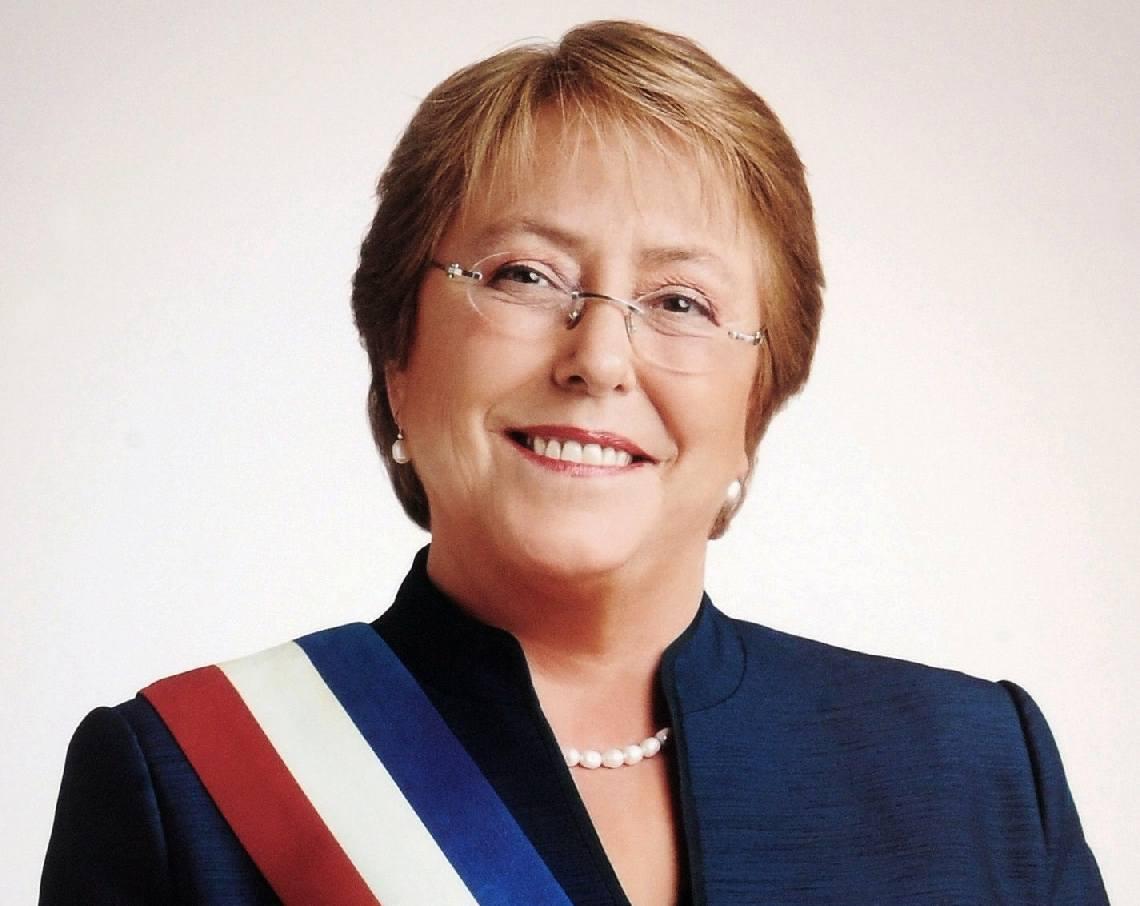
Michelle Bachelet, former President of Chile and former UN High Commissioner for Human Rights
Ivonne A-Baki, former Ecuadorian diplomat and government minister
The Security Council held its second informal straw poll on August 21. Although the Council did not officially release the detailed vote totals, PassBlue, a news outlet specializing in United Nations affairs, cited sources as reporting the following results:
Candidate
Encourage
Discourage
No Opinion
Carolyn Rodrigues Birkett
8
3
4
Rebeca Grynspan
7
4
4
Rafael Grossi
7
6
2
Macky Sall
6
7
2
Olara Otunnu
5
5
5
María Fernanda Espinosa
4
3
8
Michelle Bachelet
2
6
7
Ivonne A-Baki
0
8
7
Rodrigues Birkett is provisionally in the lead with eight “encourage” votes, while Grynspan and Grossi each received seven. Their positions, however, are not identical: Grynspan received four “discourage” votes, while Grossi received six, indicating that Grossi faces greater resistance.
Although Espinosa received only four “encourage” votes, she received just three “discourage” votes. This demonstrates that a candidate’s prospects cannot be judged solely by the number of supportive votes. The number of opposing votes must also be considered, along with whether any of them may have come from permanent members with veto power.
Support for the Frontrunners Remains Unstable
Compared with the first round, the second-round results also reveal a noteworthy shift.
In the first straw poll held on July 30, media reports indicated that Grynspan received 10 “encourage” votes, Rodrigues Birkett received nine, and Grossi received seven. In the second round, Grynspan’s support fell to seven votes, while Rodrigues Birkett’s declined to eight.
This suggests that although frontrunners have emerged, their support has not yet stabilized, and no clear consensus has formed within the Security Council.
Nevertheless, straw polls are nonbinding tests of support and are not equivalent to a formal vote. At this stage, the ballots also do not distinguish between permanent and non-permanent Security Council members. The public therefore cannot determine whether a candidate’s “discourage” votes include a potential veto from one or more of the permanent five.
In other words, the fact that a candidate reached the nine-vote threshold in the first round does not mean that the candidate had cleared all obstacles. Likewise, the fact that no one received nine “encourage” votes in the second round does not necessarily mean that the race has reached a deadlock. The real question is who can secure sufficient support while avoiding a veto from the permanent five.
Will the Prospect of the “First Female Secretary-General” Become a Deciding Factor?
In more than 80 years since the founding of the United Nations, no woman has ever served as Secretary-General. Five of the eight current candidates are women, making the selection of the first female Secretary-General a realistic possibility.
The two current frontrunners, Rodrigues Birkett and Grynspan, are both women. However, Bachelet’s support fell from six “encourage” votes in the first round to only two in the second. This shows that although gender may be an important advantage, it does not automatically translate into Security Council support.
The real question is no longer whether a woman can serve as Secretary-General, but rather:
Which female candidate can balance regional representation, political experience, diplomatic ability, and demands for reform while also securing the minimum level of acceptance from all five permanent members?
This selection cycle is widely regarded as an opportunity for Latin America and the Caribbean. Combined with calls from Member States to appoint the first female Secretary-General, women and candidates from the region may enjoy a certain political advantage. However, both region and gender are merely factors influencing the selection process—not guarantees of the final outcome.
When Will the Permanent Five Begin Serious Negotiations Over a Candidate?
The most important turning point ahead will come when the five permanent members move from observing candidates and testing their levels of support to negotiating over the final nominee.
The United States, China, Russia, the United Kingdom, and France may not share the same view about which issues the next Secretary-General should prioritize:
Peace and security, or global development?
Human rights, or coordination among the major powers?
Advancing UN reform, or first ensuring that the organization can continue to perform its essential functions?
Different priorities may point to entirely different candidates.
Therefore, even if a candidate receives a relatively high number of “encourage” votes, firm opposition from a single permanent member could still prevent that candidate from reaching the final stage. Conversely, a lower-ranked candidate with fewer opposing votes and broader acceptability could rise during subsequent consultations.
In the next phase, the key question will not simply be who has the most supportive votes, but who faces the lowest risk of a veto.
Could a “Ninth Candidate” Emerge Beyond the Current Field of Eight?
This is currently the most intriguing variable in the selection process.
Selecting the Secretary-General is not a direct election in the conventional sense. If, after multiple rounds of consultations, none of the current candidates can secure at least nine votes while avoiding a veto from the permanent five, the Security Council would still have political room to seek a compromise candidate.
At present, there is no public evidence that any particular “ninth candidate” has entered substantive consultations among the permanent five. However, the possibility of additional nominations has not been institutionally excluded. The absence of a clear frontrunner in the second round may also encourage other potential candidates to reassess whether they should enter the race.
The true “dark horse” may not be the person who has attracted the most public attention or announced a candidacy first. Instead, it may be someone capable of meeting all of the following conditions:
Acceptable to the United States, acceptable to China, acceptable to Russia, and not strongly opposed by the United Kingdom or France.
If the current frontrunners cannot clear this hurdle, a person with less public recognition but relatively little political opposition could emerge as the compromise candidate.
However, until a specific name emerges and reliable diplomatic information becomes available, the “ninth candidate” should still be regarded as a possibility rather than an established political arrangement.
What Should We Watch After September 22?
The general debate of the 81st General Assembly will begin on September 22. Heads of state, heads of government, and foreign ministers from around the world will gather in New York, creating opportunities for numerous bilateral meetings and informal diplomatic contacts.
Although no date for the next straw poll has been publicly confirmed, four signals will be particularly important to watch in the coming weeks:
Whether the leading candidates from the second round can expand their support again;
Whether candidates with a high number of “discourage” votes decide to withdraw;
When the Security Council will introduce color-coded ballots that reveal the positions of the permanent five;
Whether another country formally nominates a ninth candidate.
These developments will reveal more about the likely final outcome than any candidate’s ranking in a single straw poll.
The Real Contest Has Only Just Begun
The 81st General Assembly is now underway, and the selection of the next Secretary-General is moving from the presentation of candidates into a more complex stage of political bargaining.
The second straw poll produced provisional frontrunners, but no consensus candidate. Rodrigues Birkett currently ranks first, followed by Grynspan and Grossi. However, none of the three has yet established stable support sufficient to overcome the risk of a veto from the permanent five.
What matters next is not simply how many “encourage” votes each candidate receives, but who can reduce opposition, broaden their acceptability, and ultimately become a choice that the major powers can accept.
If none of the eight current candidates can clear that hurdle, a new nominee or compromise candidate may enter the picture.
The United Nations is looking not only for Guterres’ successor, but also for a leader capable of maintaining dialogue, bridging the Global North and South, and advancing institutional reform at a time of geopolitical division and declining confidence in multilateralism.
Which candidate will ultimately prevail—or whether someone outside the current field of eight will emerge victorious—remains far from certain. The real contest has only just begun.
On August 21, the United Nations Security Council held its second round of informal straw polling. Guyanese candidate Carolyn Rodrigues-Birkett received 8 “encourage” votes, placing her provisionally in first place; Costa Rica’s Rebeca Grynspan and Argentina’s Rafael Grossi each received 7 “encourage” votes, following closely behind.
On the surface, the shape of the competition appears to be gradually becoming clearer. But it would still be premature to conclude that the next UN Secretary-General will most likely emerge from among these current frontrunners.
The reason is that what ultimately determines the outcome of this selection process is not who temporarily ranks first, but who can ultimately become acceptable to the Security Council—especially to all five permanent members. In the second round of voting, the ballots cast by the five permanent members and the other 10 Security Council members were still not differentiated, so the public does not currently know whether any of the “discourage” votes received by candidates already include a potential veto from one of the permanent members.
Therefore, the question truly worth watching today may not be: Who is leading among the eight candidates? Rather, it is: If none of the eight can ultimately generate consensus, could a ninth candidate emerge?
Celebrity Media proposed as early as before November 2025 that the United Nations should have a female Secretary-General
In fact, as early as November last year, when the selection of the next UN Secretary-General had just begun attracting international attention, Celebrity Media put forward a clear proposal: At this historic moment, we hope the United Nations will choose the first female Secretary-General since the organization was founded.
This is not simply a slogan in pursuit of “political correctness.” The United Nations has existed for more than 80 years, yet the position of Secretary-General has never been held by a woman. Historical information published by the United Nations itself also clearly states that the organization has never had a female Secretary-General.
The composition of this year’s field of candidates itself also shows that this issue is no longer merely a symbolic discussion.
Among the eight currently declared candidates are several women, including Carolyn Rodrigues-Birkett, Rebeca Grynspan, Michelle Bachelet, María Fernanda Espinosa, and Ivonne A-Baki. In the second round of straw polling, Rodrigues-Birkett and Grynspan, currently in first and second place respectively, are also both women.
Therefore, whether the United Nations will choose a female Secretary-General for the first time in 2026 has become a realistic and concrete possibility in this selection process rather than a distant political aspiration. But Celebrity Media is also focusing on another question: What if the first female Secretary-General ultimately chosen is not among these eight candidates?Eight people competing does not mean the field is already closed
First, it is necessary to clarify how the UN Secretary-General is selected.
Under Article 97 of the Charter of the United Nations, the Secretary-General is appointed by the General Assembly upon the recommendation of the Security Council. In other words, although the General Assembly formally completes the appointment, it is the Security Council that effectively determines who can reach the final stage.
The Security Council has 15 members. A candidate ultimately needs not only sufficient support, but more importantly must avoid a veto from any of the five permanent members: the United States, China, Russia, the United Kingdom, and France.
This means that the selection of the UN Secretary-General has never been a conventional “democratic election.” A candidate may enjoy the support of many member states, perform impressively in public debates, or rank first in the early rounds of straw polling, but if that candidate cannot overcome the threshold posed by any one of the five permanent members in the final stage, an early lead may become meaningless.
The current results demonstrate precisely that such a consensus has not yet been reached.
In the second round, frontrunner Rodrigues-Birkett received 8 “encourage” votes, while Grynspan and Grossi each received 7. No candidate has demonstrated an overwhelming advantage, and the true positions of the five permanent members remain undisclosed. The selection process could continue into September or even October.
More importantly, these eight candidates were not a fixed group from the beginning.
Uganda’s Olara Otunnu was nominated only on July 24 and entered the first round of straw polling, while the current eighth candidate, Ivonne A-Baki, was nominated as late as August 17. She did not even participate in the first round of straw polling held on July 30. The selection rules published by the United Nations also allow member states to continue submitting new candidates after the original nomination deadline.
In other words: “There are currently eight candidates” and “the final choice must come from these eight candidates” are two entirely different propositions. In fact, before the second round of voting, Russia’s Permanent Representative to the United Nations, Vasily Nebenzya, publicly stated that if the existing candidates became deadlocked and none could emerge, other candidates might still appear.
This is also why Celebrity Media believes it remains worthwhile to look beyond the current eight.
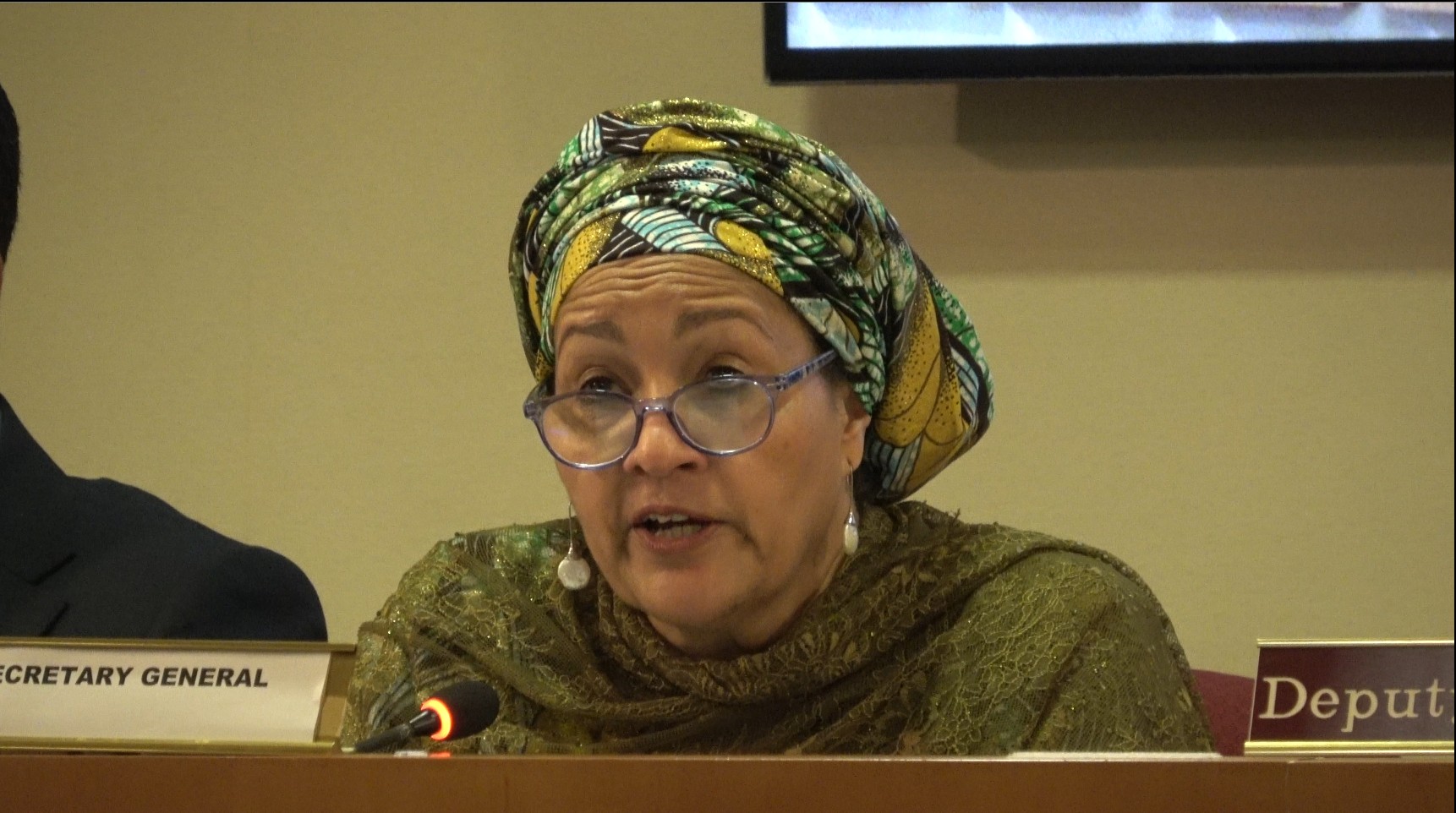
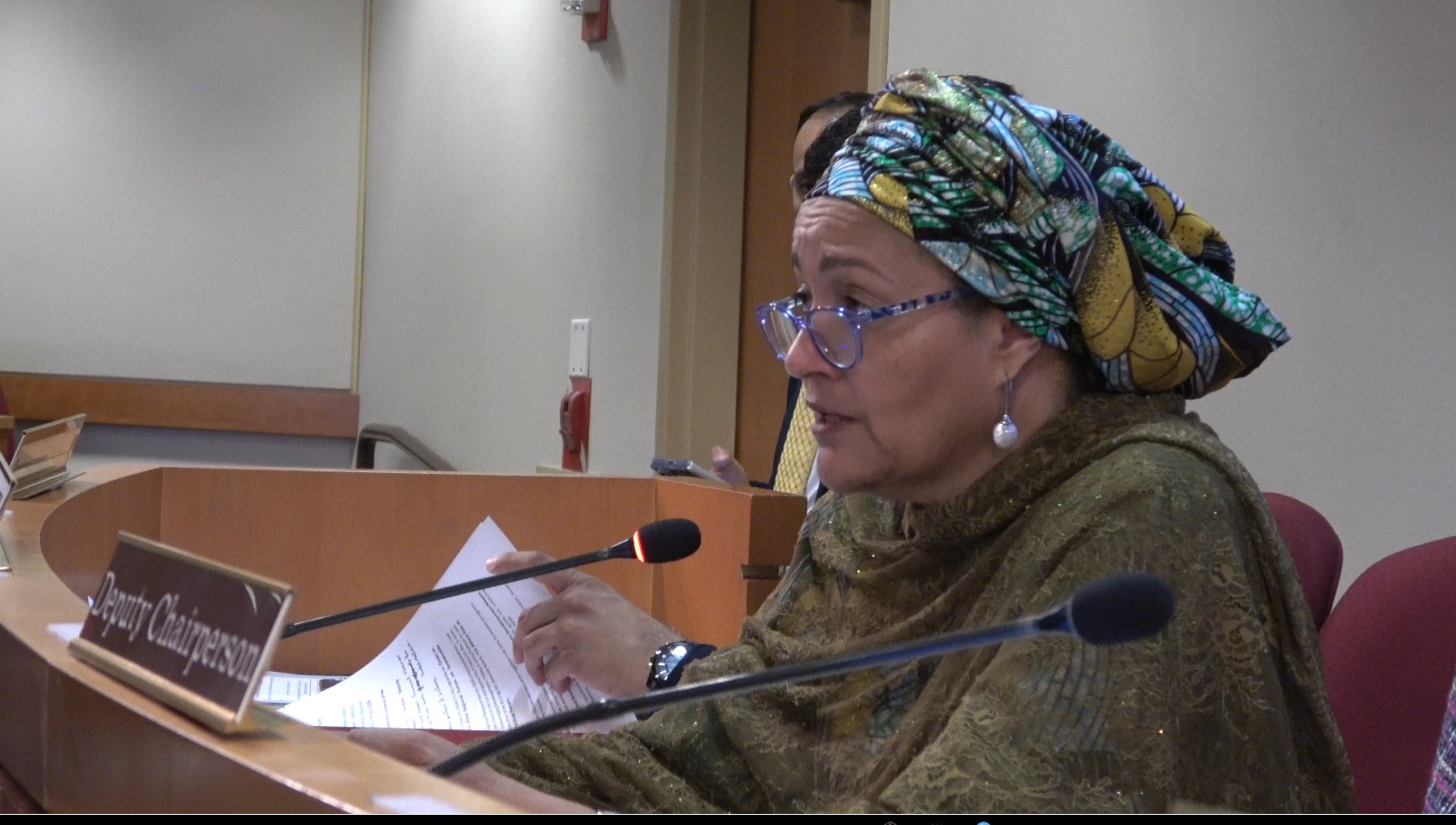
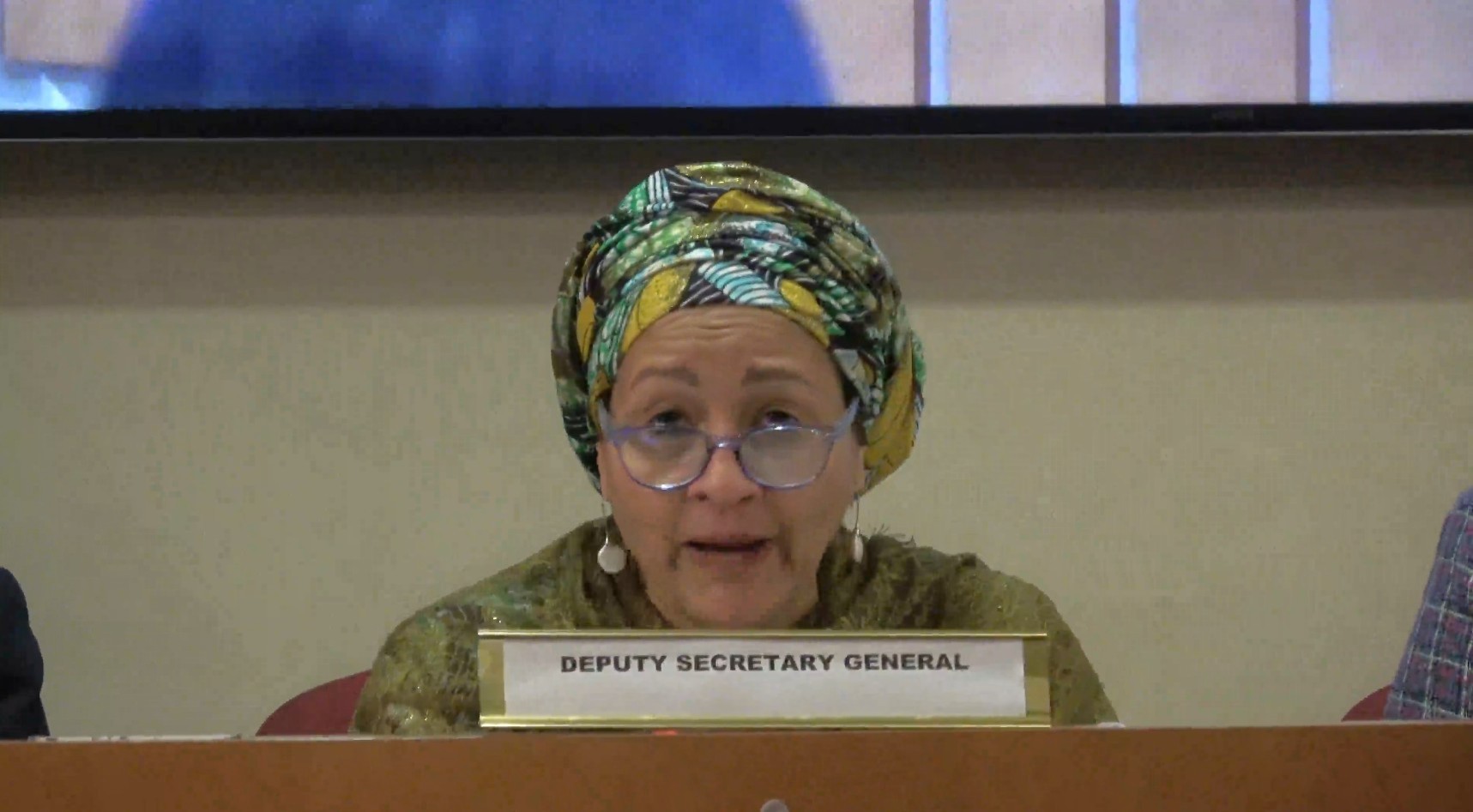
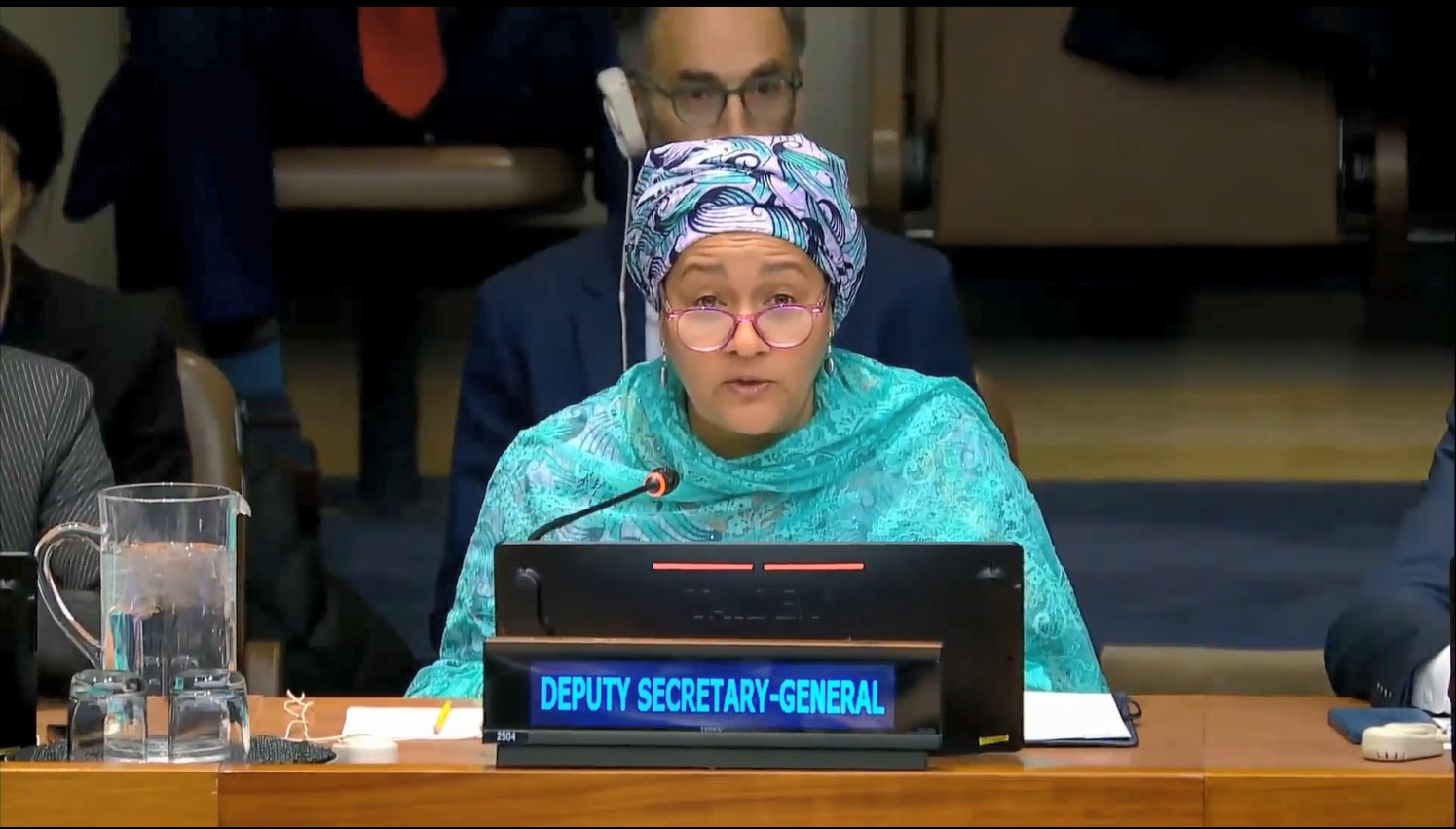
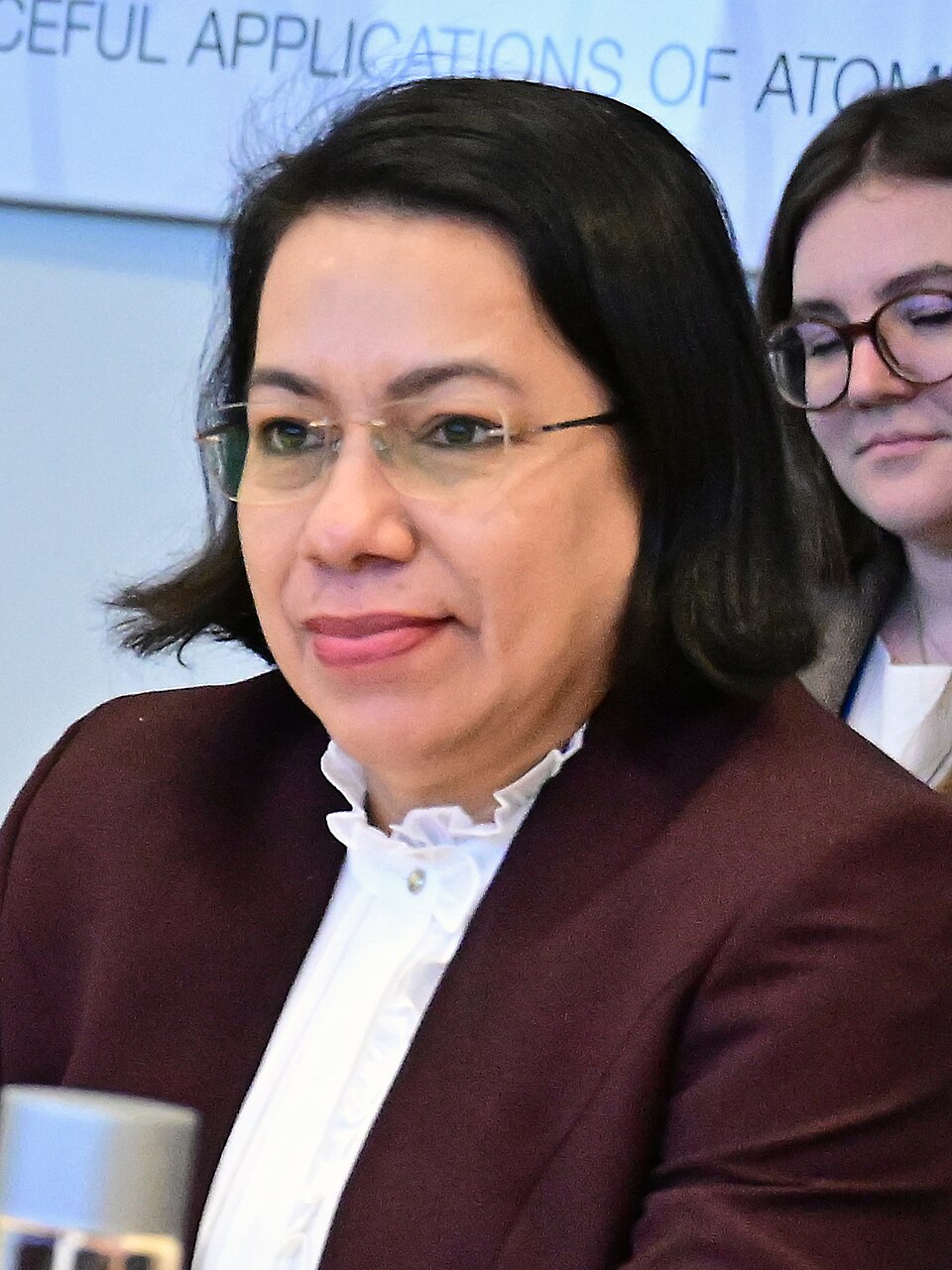
So why are we paying attention to Amina J. Mohammed? Among the potential figures who could emerge from outside the current field, one name that cannot easily be ignored is the current Deputy Secretary-General of the United Nations: Amina J. Mohammed. We are paying attention to her not because there is evidence that she is secretly campaigning. Quite the opposite: the publicly available facts show that she is not a candidate.
We are watching her primarily because her background is highly distinctive among potential “consensus candidates.” Amina Mohammed has served as Deputy Secretary-General of the United Nations since February 2017 and also serves as Chair of the United Nations Sustainable Development Group. Before joining the UN’s highest leadership level, she served as Nigeria’s Minister of Environment. Earlier, she was Special Adviser to then UN Secretary-General Ban Ki-moon and was directly involved in advancing the development of the 2030 Agenda for Sustainable Development and the Sustainable Development Goals (SDGs).
This means that for nearly a decade, she has operated at the highest levels of UN decision-making and management. She is familiar with the Office of the Secretary-General, understands the coordination mechanisms among UN agencies, and has long worked with national governments, international organizations, and global development institutions.
From the perspective of her political résumé, she carries several highly distinctive attributes: African background, female leadership, the Global South, senior UN management experience, sustainable development, climate and environmental policy, and extensive experience in multilateral cooperation.
In today’s international political environment, these characteristics are not insignificant.
The next UN Secretary-General will have to deal not only with the internal management of the United Nations, but also with a series of major challenges including the Russia-Ukraine war, conflict in the Middle East, security crises in Africa, climate change, the global North-South development gap, great-power competition, and the decline of the United Nations’ own credibility.
In a discussion published by the Financial Times on August 27 regarding the next UN Secretary-General, former UN official and historian Thant Myint-U noted that, given the United Nations’ declining influence and the divisions within the Security Council today, the next Secretary-General will particularly need political courage, composure, and strong diplomatic and mediation skills in order to reactivate the UN’s role as a mediator.
By this standard, Amina Mohammed has clear strengths: she possesses extensive experience at the core of the United Nations and has a strong record in global development and international cooperation.
However, she also has a significant issue that must be acknowledged: her public record in peace mediation, war settlement, and major security crises is not as prominent as her experience in development and UN governance.
Therefore, paying attention to her does not mean concluding that she already possesses every qualification necessary to become Secretary-General. This is precisely the distinction that must be maintained between political commentary and political “betting.”
The strongest evidence against such speculation is that she herself has clearly said, “I am not running”
Any discussion of Amina Mohammed must acknowledge one very important fact.
On July 7, at a press conference held at United Nations Headquarters, when a journalist directly asked whether she might run for the position of the next Secretary-General, she gave a very clear answer:
She is not a candidate and has no intention of becoming one.
She further stated that she supports the UN tradition of regional rotation for the position of Secretary-General, believes this cycle should produce a candidate from Latin America and the Caribbean, and hopes that the eventual choice will be a woman.
This statement effectively establishes a very clear factual boundary around all speculation concerning her. As of now, Amina Mohammed is not a candidate for UN Secretary-General.
There is no evidence that she is campaigning. There is no evidence that she is seeking nomination by any country. Nor is there any public evidence proving that the United States, China, Russia, the United Kingdom, and France already regard her as a mutually acceptable candidate.
Therefore, describing her now as a “hidden candidate,” a “dark horse,” or even “the next Secretary-General” would go beyond what the existing evidence can support. Celebrity Media does not intend to do so.
If there are already several women among the eight candidates, why still look at Amina?
This is a question that must be answered. If Celebrity Media advocates for the United Nations to choose its first female Secretary-General, there are already several highly qualified women among the eight current candidates, and indeed the current frontrunners are women.
So why look beyond the official list?
The answer is: we are not asking whether “Amina is better than the other female candidates.” We are examining another political scenario that could emerge in the Secretary-General selection process.
If Rodrigues-Birkett, Grynspan, Bachelet, Espinosa, or any of the other candidates ultimately secures the required support in the Security Council while avoiding a veto from the five permanent members, then the question of candidates outside the current field will naturally become irrelevant.
But if future rounds of voting show that the leading candidates can secure support from ordinary members but cannot get past one particular permanent member; while other candidates may be acceptable to several major powers but cannot obtain enough Security Council support; and the parties continue rejecting candidates acceptable to one another without being able to agree on a mutually acceptable alternative—then the entire logic of the selection process could change.
At that point, the question may no longer be “Who currently ranks highest?” Instead, it could become:
Who is someone that no one necessarily prefers, but everyone can accept?
This is precisely the political value of a “consensus candidate” in the selection of the UN Secretary-General. And it is only under such a hypothetical scenario that Amina Mohammed—with many years of experience at the highest levels of the United Nations, roots in the Global South, and the symbolic significance of female leadership—becomes particularly worth watching. The key word is watching, not “predicting victory.” The two must not be confused.
What truly needs to be watched is the P5, not the rankings
Therefore, after the second round of straw polling, Celebrity Media is not rushing to create a simple “leaderboard” for the eight candidates. Who currently ranks first certainly matters. But for this selection process, three questions are actually more important:
First, when will the positions of the five permanent members begin to become clear in the upcoming rounds of voting?
Second, is there anyone among the current frontrunners who can genuinely meet the standard of “sufficient support and no veto from any permanent member”?
Third, if none of the existing candidates can meet that standard, will another country nominate a new candidate?
If the first two questions remain unanswered for too long, the importance of the third will rise rapidly. This is why we are still looking beyond the current eight.
Celebrity Media’s assessment
Last November, Celebrity Media expressed the hope that, after more than 80 years of the United Nations, the organization could finally produce the first female Secretary-General in its history. Today, we continue to hold that expectation.
Judging from the current state of the race, that possibility is far from remote—several of the eight candidates are highly experienced female leaders with extensive backgrounds in international politics and the United Nations, and female candidates are currently leading in the second round of voting.
But our attention does not stop at the single label of “woman.” The next UN Secretary-General will ultimately have to confront a deeply divided international environment. A candidate who can truly prevail must possess leadership ability, international experience, political judgment, and the most difficult capability of all:
Getting major powers that sharply disagree with one another to at least agree not to veto her.
Is there already such a person among the current eight candidates? It is still too early to conclude. If the eventual answer is “yes,” the next Secretary-General will most likely come from today’s list. If the answer ultimately proves to be “no,” the international community will have to search again for someone capable of breaking the deadlock. At that point, figures outside the current field will become important.
Amina J. Mohammed is one of the names worth watching.
She is not currently a candidate. She has publicly denied any intention to run. She has even clearly stated that she hopes a woman from Latin America and the Caribbean will become Secretary-General. None of these facts should be ignored.
But it should likewise not be ignored that she has nearly a decade of experience at the highest levels of the United Nations, as well as multiple dimensions to her background: the developing world, the Global South, female leadership, and multilateralism.
So what Celebrity Media is raising today is not a conclusion, but a question: If none of the current eight candidates can ultimately cross the threshold imposed by the five permanent members, who will become the new consensus candidate? The answer may still not be Amina Mohammed.
Perhaps there will never be a ninth candidate at all. But in the selection of a UN Secretary-General—a process fundamentally determined by major-power coordination and political consensus—not being on the list today does not mean never entering the discussion.
This is precisely why looking “beyond the eight” is truly worth our attention. Celebrity Media will continue to follow the selection process for the next Secretary-General of the United Nations.
— What the Viral Success of Niu Lai Reveals About Audience Sovereignty and the New Rules of Media Distribution
Recently, a previously little-noticed film titled Niu Lai suddenly became a widely discussed topic online.
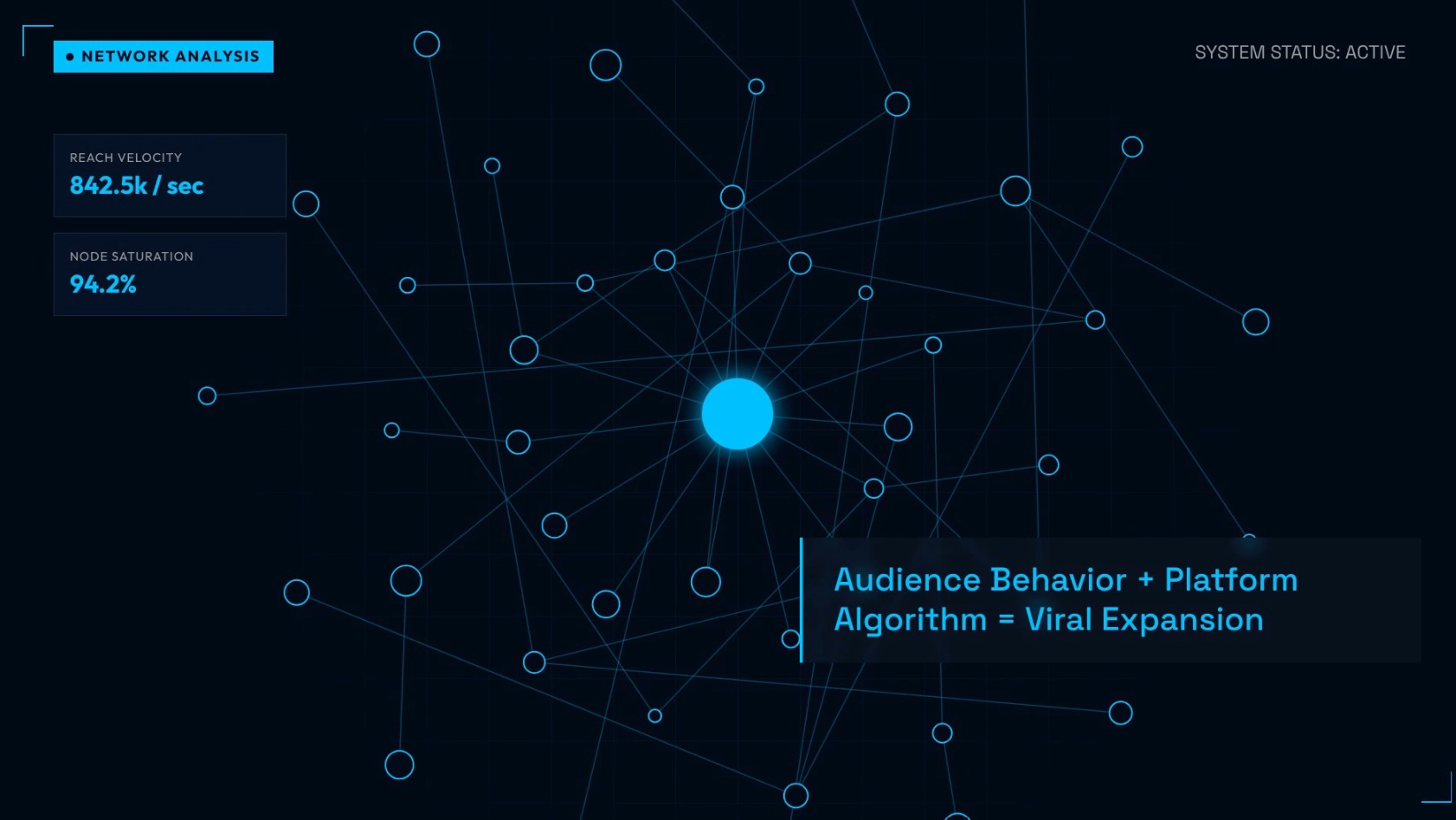
This phenomenon deserves attention—not simply because a film “unexpectedly went viral,” but because it once again reveals how the rules of media distribution are changing. In the age of the internet, and especially artificial intelligence, how far a piece of content can spread is no longer determined solely by professional institutions, media editors, or creators themselves. Instead, it results from the combined influence of audiences, platform algorithms, and social networks.
More precisely, audiences express their preferences through watch time, clicks, comments, shares, and derivative creations, while platform algorithms record and amplify those choices. Their interaction determines which content will be seen by more people.
In the era of traditional media, content distribution generally followed a relatively clear path: professional institutions produced content, editors selected it, media organizations published it, and audiences received it.
Before a news story could enter the public eye, it first had to pass through professional gatekeepers. A story could become a headline only if editors considered it important. A project could receive resources only if producers believed it had value. A program could be broadcast only if television networks thought it met audience needs. A film could receive additional screenings only if theaters judged it to have market potential.
Traditional media thus established a powerful content-filtering system. It could screen information, verify facts, and maintain certain professional standards. At the same time, it meant that a small number of institutions held the power to select and distribute content for many years.
The internet first disrupted this relatively centralized structure of media distribution.
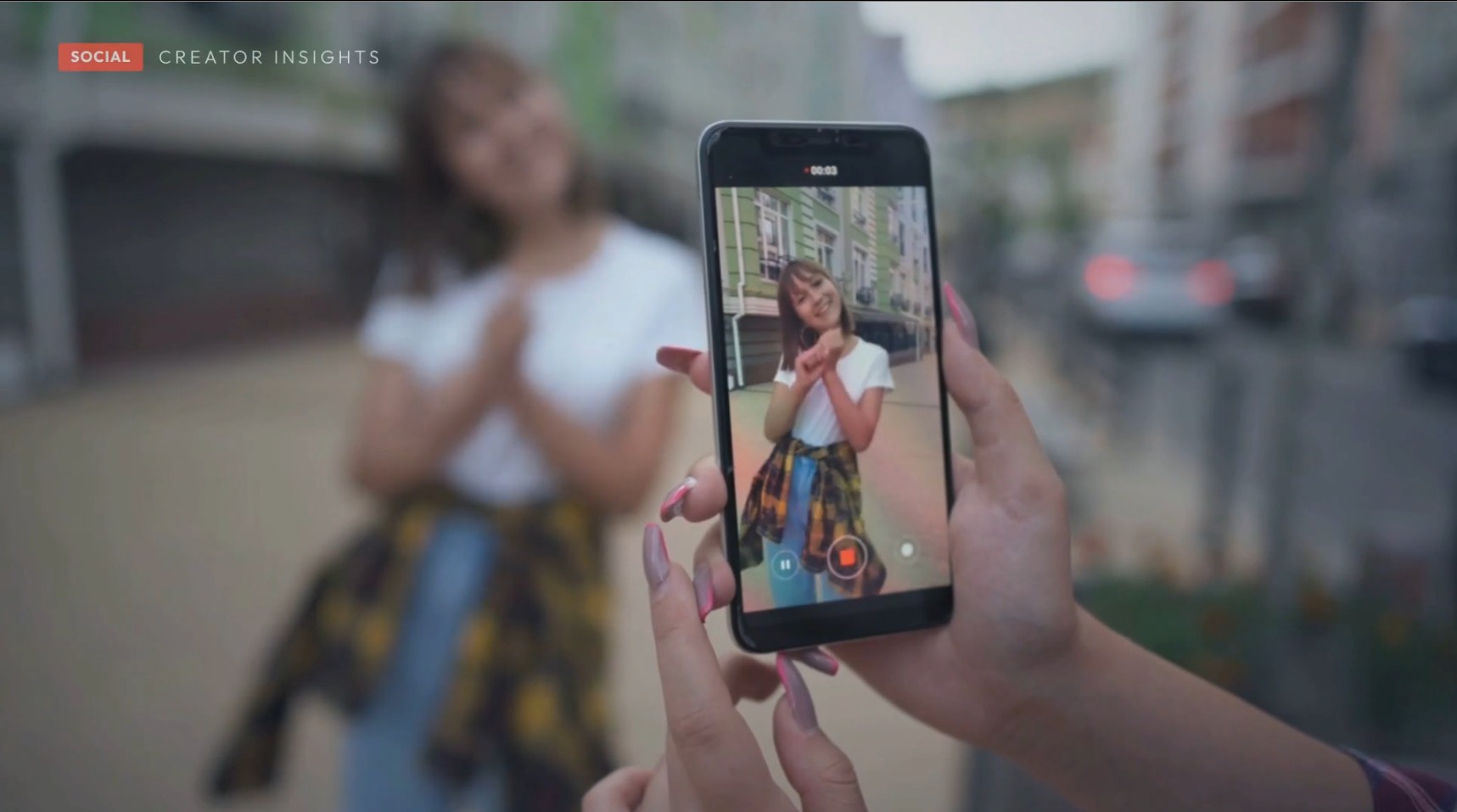
With the rise of YouTube, TikTok, and numerous social platforms, ordinary people gained access to communication tools that had once belonged only to media institutions. A smartphone and an account could now constitute a small media outlet. Creators no longer had to depend on television networks, newspapers, publishers, or professional distribution channels to reach the public.
However, an even more profound change than “everyone can produce content” is that audiences have begun to participate directly in deciding which content deserves to continue spreading.
Whether anyone watches a video after it is published is no longer determined entirely by editors. It depends on whether viewers are willing to stop scrolling, continue watching, and respond. Platform algorithms continuously analyze these behaviors and use them to determine whether the content should be recommended to more people.
How Algorithms Are Changing the Rules of Distribution
When explaining its “For You” recommendation system, TikTok has stated that user interactions—including likes, shares, comments, follows, views, and replays—serve as important signals for identifying user interests. Video information such as captions, sounds, and hashtags also influences recommendation results.
YouTube has similarly explained that its recommendation system considers signals such as clicks, watch time, shares, likes, dislikes, and user surveys to determine which content is most likely to satisfy viewers. YouTube has also stated that recommendations generate more viewing activity than subscriptions or searches.
This means that the fundamental logic of media distribution has changed.
In the past, the dominant model was “editors decide what is worth watching.” Today, it is increasingly becoming “audience behavior tells algorithms what content should continue to be recommended.”
However, this does not mean that audiences directly determine the quality of content, nor does it mean that algorithms can judge whether something is truthful, important, or socially valuable. Algorithms primarily identify behavioral signals rather than make value judgments. They can measure how long people watch and whether they interact, but they may not understand why people are watching. Nor can they automatically determine whether the content is trustworthy.
Consequently, algorithms often amplify not “the best content,” but the content most likely to provoke a reaction.
“Good Content” Is Not the Same as “Highly Shareable Content”
This also explains a phenomenon that confuses many traditional media professionals: Why can some crudely produced short videos attract millions or even tens of millions of views, while professionally produced programs requiring substantial human and financial resources may receive little attention?
The reason is that “content quality” and “distribution potential” are two different dimensions.
A film may have considerable artistic value but lack strong social-sharing potential. A simply produced video, however, may surprise people, make them laugh, provoke anger, or stimulate curiosity, prompting users to comment, share, and imitate it.
From a distribution perspective, it has already met the conditions necessary for further amplification.
The internet competes first not for awards, but for attention. In a constantly refreshing information feed, the first threshold for distribution is not “Is this an excellent work?” but “Is the user willing to stop scrolling?”
More importantly, in a social media environment, even “dislike” can be converted into distribution.
When users like a video, they may click “Like,” save it, or share it. When they dislike it, they may leave a critical comment or even forward it to friends with a message such as, “Look at this ridiculous thing.”
As a result, approval can generate distribution, but so can criticism, ridicule, controversy, and curiosity. Recommendation systems may interpret all these behaviors as evidence that the content has attracted attention and interaction.
Therefore, high traffic does not necessarily indicate high quality, nor does it mean widespread approval. It only shows that the content successfully triggered a large volume of user behavior.
In the AI era, it will become increasingly important to distinguish among content value, news value, social value, and distribution value.
The Distribution Chain Behind the Viral Success of Niu Lai
What makes Niu Lai especially worthy of study may not be the film itself, but how it entered the public eye and gradually became a trending topic.
Its distribution followed a typical internet pathway: the content first appeared and attracted the attention of a small number of users; controversy and commentary followed; users began sharing, editing, imitating, and reinterpreting it; the topic stimulated greater curiosity; and new views and interactions encouraged platforms to recommend it further.
Once such a cycle forms, distribution may gradually move beyond the creator’s control.
Creators cannot completely determine how the public interprets their work. Media organizations cannot fully control how a topic develops. Platforms do not create popularity out of nothing; they continually adjust their recommendations by tracking user behavior.
What truly drives distribution is a complex system composed of content, audiences, algorithms, social relationships, emotional responses, and derivative creations.
Within this system, the original work is merely a “seed.” Only when large numbers of users begin discussing, adapting, and reinterpreting it can it develop into a complete media phenomenon.
AI Makes Content Easier to Produce—but Attention More Scarce
If the mobile internet enabled “everyone to become a media outlet,” generative AI is now taking this transformation further by allowing everyone to produce media content at a low cost.
In the past, producing a professional video required collaboration among camera operators, lighting technicians, editors, voice actors, translators, designers, and other specialists. It also required substantial funding and time. Today, AI is rapidly lowering these barriers.
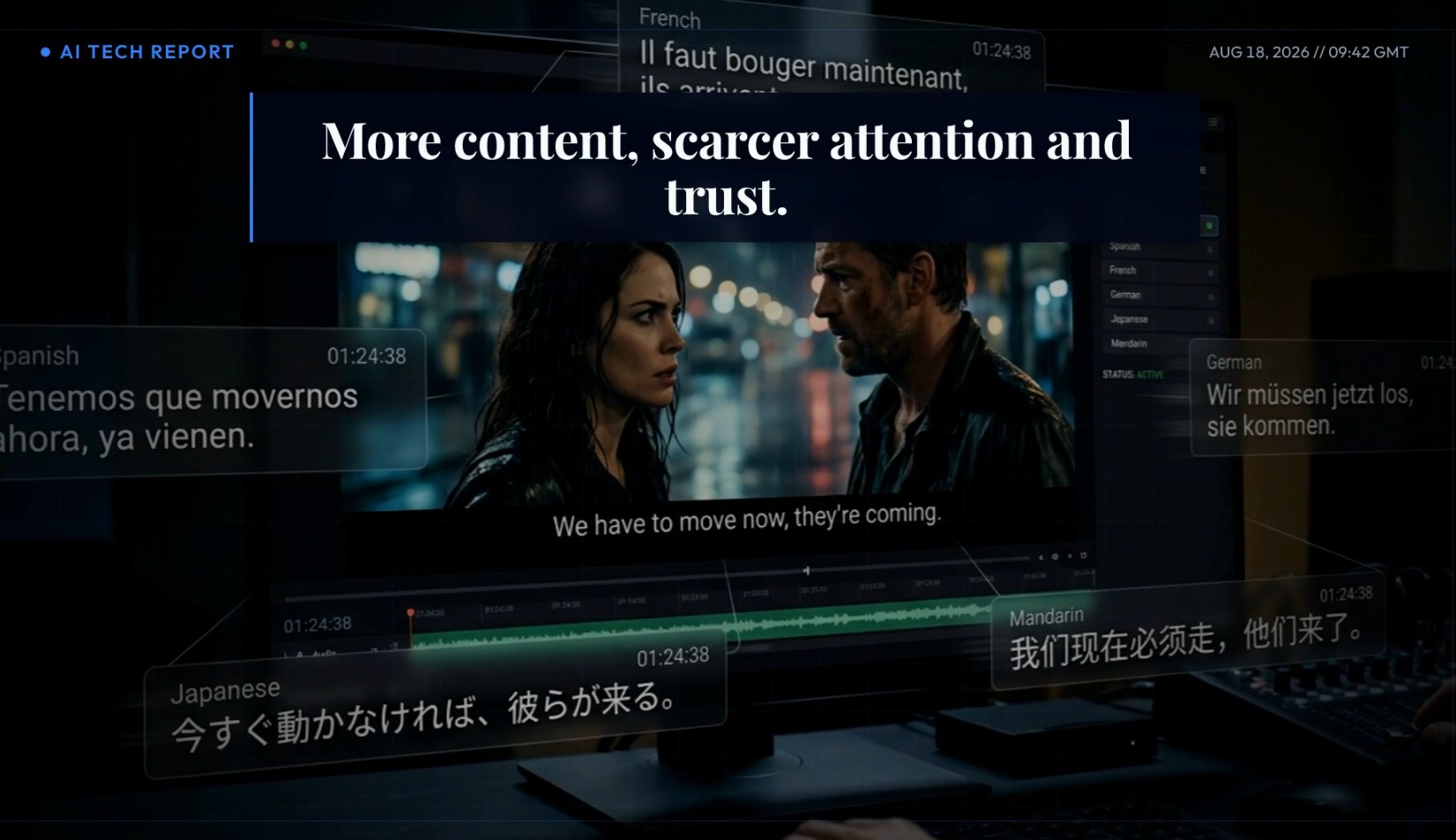
One person can now complete some of the work that once required an entire team. An article can quickly be transformed into a video. An interview can generate multilingual subtitles and voice-overs. A video can be adapted for different countries and cultural audiences. Even a still image can be converted into dynamic content.
This means that, in the future, the truly scarce resource may no longer be the ability to produce content, but human attention.
As the volume of content grows rapidly, the central competition in media will shift from “Who can produce content?” to “Who can make audiences stop?”, “Who can earn their trust?”, and “Who can build lasting relationships?”
Understanding the Audience Is Becoming a New Core Media Capability
Within the traditional media system, gathering information, editing, verification, production, and publication were core capabilities. These skills remain important in the AI era, but media organizations must also develop another essential capability: understanding their audiences.
Who is watching? Why are they watching? How long do they watch? Why do they share? What makes people stop scrolling? What makes them leave? Why are audiences willing to comment, participate, or create derivative content?
These questions will directly influence content planning, presentation formats, publishing platforms, and distribution timing.
Future competition in media may not be about who produces the most content, but about who understands their audience best and can translate that understanding into a consistent content capability.
From this perspective, a new form of “audience sovereignty” is emerging.
Today’s audiences are no longer passive recipients of content. They are simultaneously consumers, distributors, commentators, participants, and sometimes content creators. After a video goes viral, those who sustain its continued spread are often not the original creators, but the thousands of ordinary users who share, comment, edit, imitate, dub, and translate it.
However, “audience sovereignty” does not mean that audiences have completely independent choices. What users see is still influenced by platform rules, commercial interests, social relationships, and algorithm design. Therefore, rather than saying that distribution power has been completely transferred to audiences, it is more accurate to say that this power is being redistributed among media institutions, platforms, and audiences.
The Logic of Traffic Cannot Replace Professionalism
Studying the rules of internet distribution does not mean that media organizations should deliberately cater to low-quality content.
If traditional media organizations see crudely produced videos attracting enormous traffic and conclude that “the rougher the content, the more easily it spreads,” they are also misunderstanding the rules of distribution.
The question worth studying is not “Why does it look so bad?” but “Why does it make audiences stop scrolling?”
These are fundamentally different questions.
Excellent media must integrate truthfulness, professionalism, news value, and expressive ability with audience psychology, social distribution, platform mechanisms, and AI tools. Media organizations must understand how traffic is generated without treating traffic as the only standard.
In fact, as AI makes content increasingly easy to produce, professionalism will become even more important.
In an environment overwhelmed by misinformation, information overload, and low-quality content, verifying facts, finding credible sources, providing necessary context, explaining complex issues, and accepting responsibility for what is published will become increasingly rare and valuable capabilities.
The most competitive media model of the future should not simply be “traditional media versus new media,” nor “human production versus AI production.” It should combine professional media capabilities, AI-powered production, platform distribution, and audience participation.
The Media Organization of the Future May No Longer Be a “Large Company”
In the past, people generally understood a media organization as a fixed institution with offices, reporters, editors, camera crews, and distribution channels.
Media organizations in the AI era may look entirely different.
They may consist of only a few people, yet use AI to organize information, translate, edit videos, generate subtitles, produce voice-overs, and create visual designs. At the same time, they may connect with audiences across YouTube, TikTok, Facebook, Instagram, WeChat, and other platforms, using multilingual content to reach different countries and cultural groups.
The core assets of such a media organization will no longer be limited to offices, equipment, and staff size. Instead, they will include content databases, brand credibility, AI capabilities, distribution networks, and a sustained understanding of audiences.
This also means that small media organizations have, for the first time, an opportunity to gain the multilingual and cross-platform distribution capabilities that were once available only to large institutions. However, lowering the barriers to production does not automatically establish credibility. Tools can expand scale, but trust must still be built over time.
Conclusion: Only Those Who Earn Trust Can Sustain Distribution
From the viral success of Niu Lai and the recommendation systems of YouTube and TikTok to the rapid development of AI-generated content, a new trajectory of media evolution is emerging:
In the traditional media era, media organizations primarily selected content and searched for audiences. In the internet era, audiences began actively selecting their media. In the AI era, content production, algorithmic recommendations, and audience participation are becoming more deeply integrated, jointly creating distribution.
Therefore, when evaluating content today, we cannot ask only, “Is it good?” We must also ask: Who is willing to watch it? Why are they willing to watch? Why are they willing to share it? Can it stimulate participation? Does it generate approval, controversy, or merely temporary curiosity?
In an era of abundant content and continually declining production costs, human attention is undoubtedly a scarce resource. Yet capturing attention alone is not enough to create genuine media value.
Attention can only open the door to distribution; trust is what sustains a long-term relationship. Algorithms can generate exposure, but only professionalism can establish credibility.
Niu Lai may simply be a case of unexpected viral success, but the question it raises is one that the entire media industry must confront: In an era when everyone can speak and AI can produce content on a massive scale, who ultimately decides what deserves to be seen by the world?
The answer is no longer a particular editor or a single media organization.
Audiences make choices through their behavior. Algorithms record and amplify those choices. Creators and media organizations help shape the environment in which those choices occur. The media organizations with genuine distribution power in the future will be those that understand their audiences, use AI and platforms effectively, and remain committed to truthfulness, professionalism, and public responsibility.
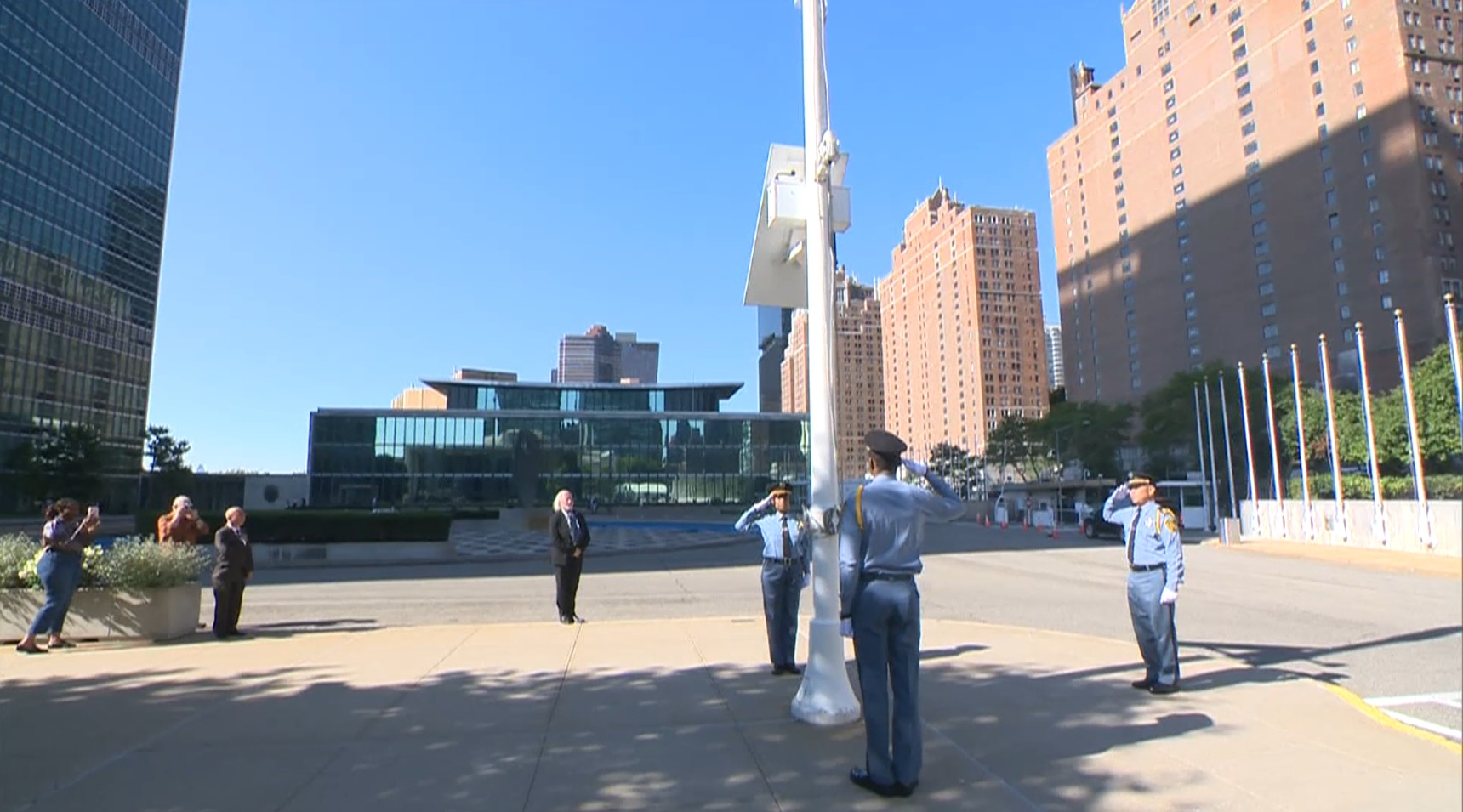
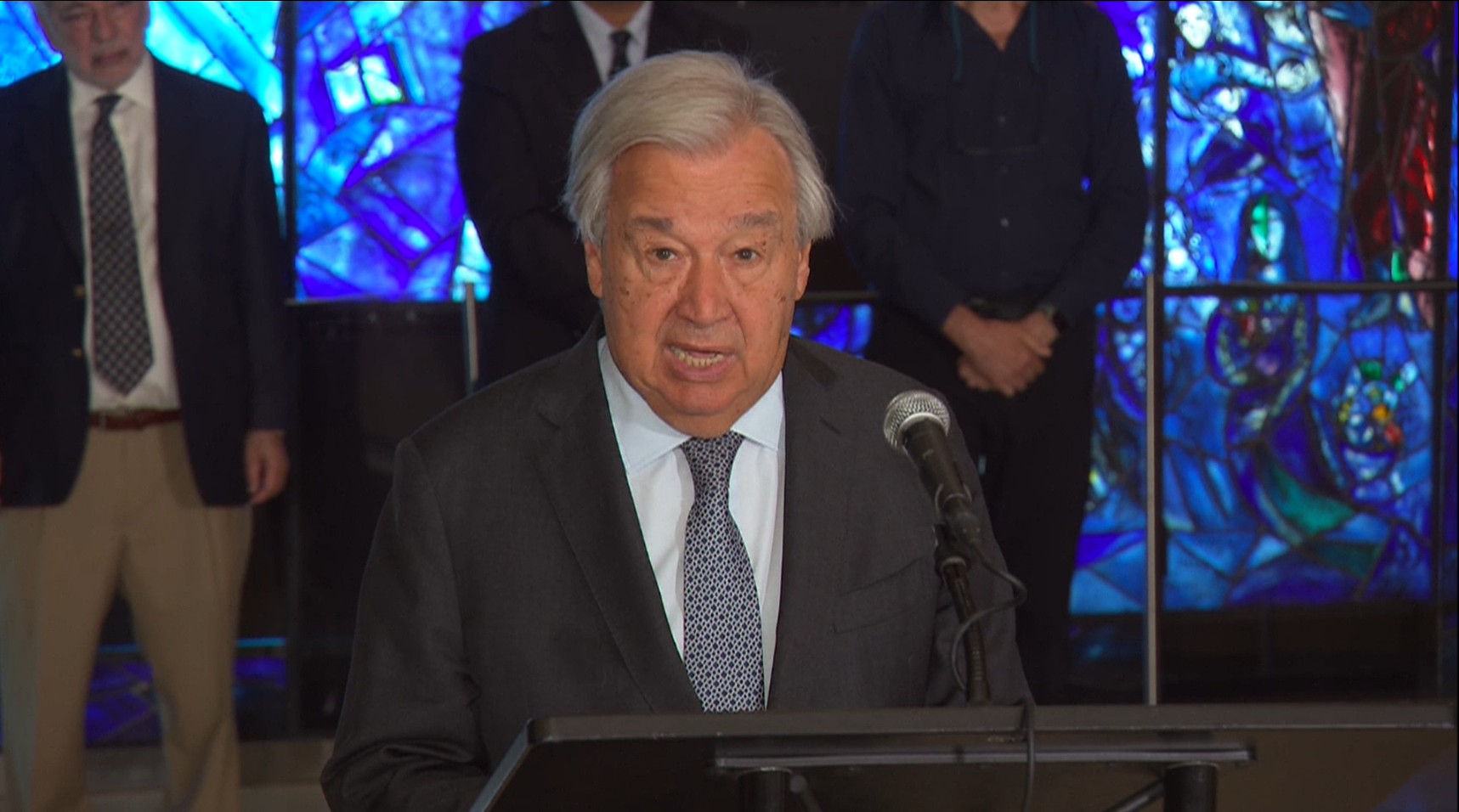
Marking the 23rd anniversary of the bombing of the United Nations Headquarters in Baghdad, Secretary-General António Guterres today (19 Aug) said, “around the world, humanitarians face escalating dangers – attacked, detained, injured and killed,” while, the rules designed to protect humanitarian personnel “are being violated with alarming frequency and impunity.”
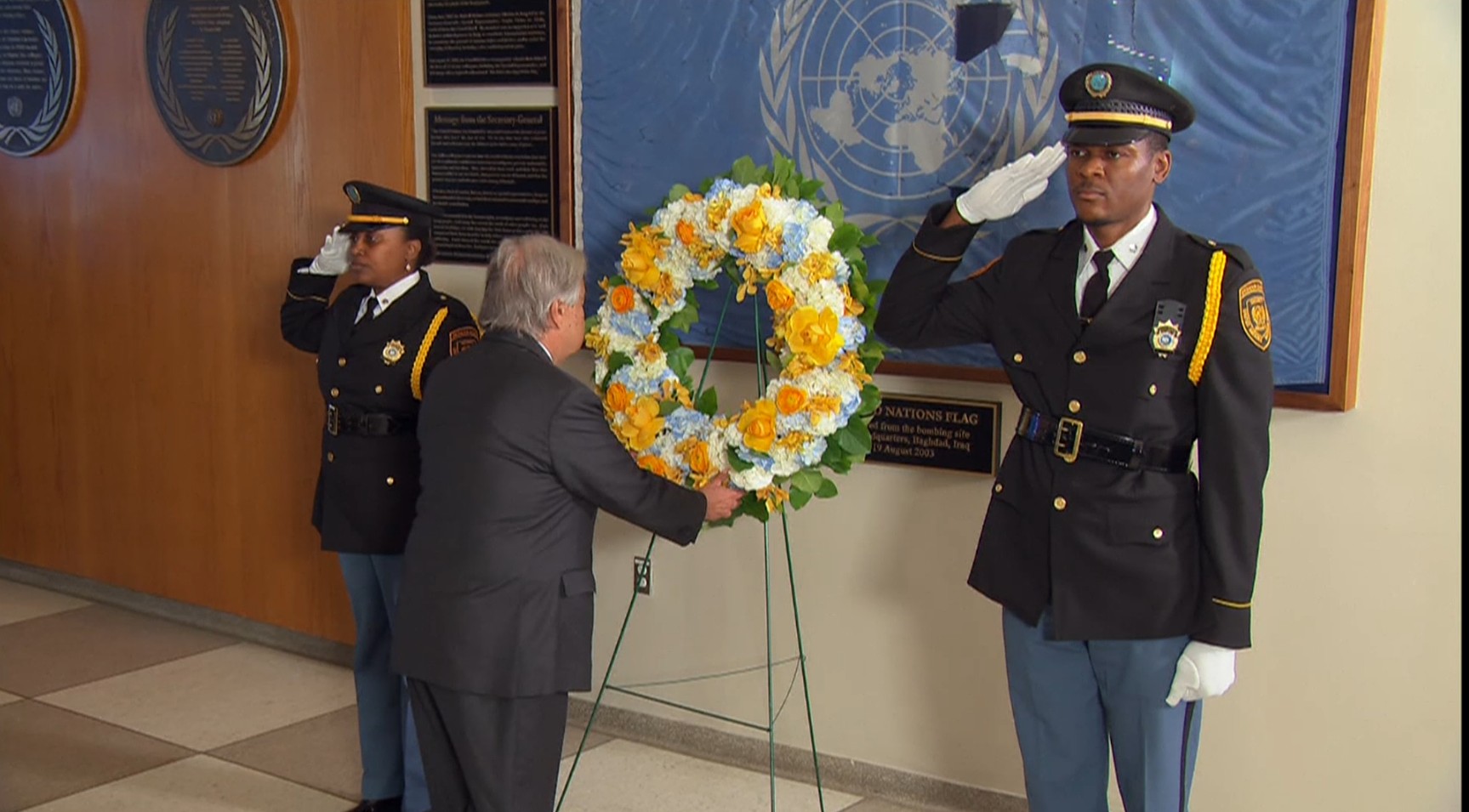
Following a wreath-laying ceremony in front of the plaque honouring those who lost their lives in Baghdad, Guterres said the Canal Hotel, where the UN Headquarters in Baghdad were housed, “was a place filled with people driven by a shared conviction: that even in the most difficult circumstances, humanity, solidarity and hope must prevail.”
Among them, he recalled was Sérgio Vieira de Mello, “a remarkable servant of peace,” while alongside him were “women and men of exceptional courage and dedication, from many countries and backgrounds, united by a commitment to serve others.”
Their legacy, the Secretary-General said, “lives on in every humanitarian worker delivering assistance amid conflict, disaster and despair.”
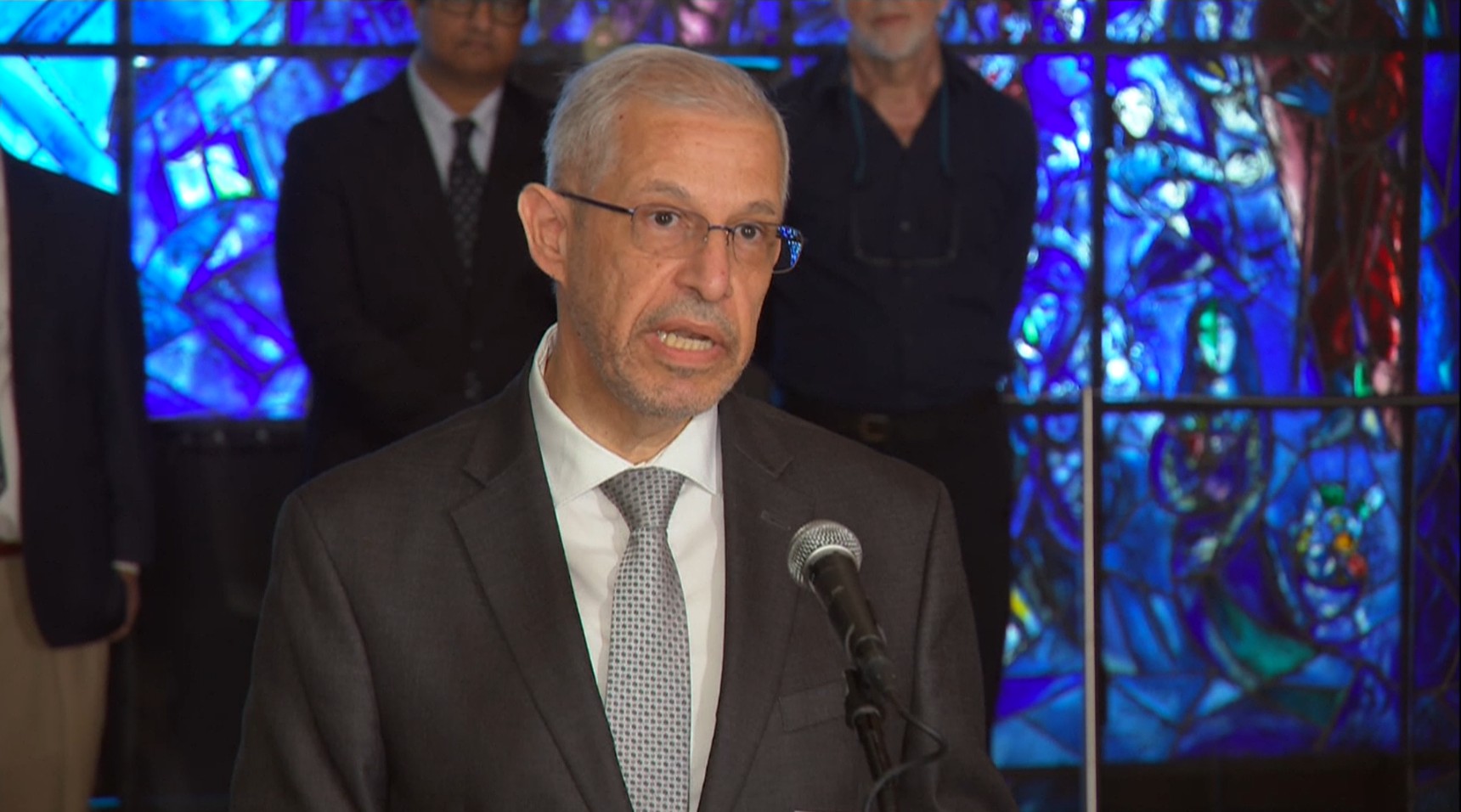
For his part, Iraq’s Deputy Permanent Representative Mohammed Marzooq said, “terrorism knows no nationality, no religion or border. It's against of humanity. And it must be confronted with unity, determination and courage.”
Marzooq reaffirmed Iraq's “unwavering commitment to supporting all efforts to alleviate human suffering, and to continuing our collective fight against terrorism,” and expressed “deep appreciation to the men and women of the United Nations who served or have served and continue to serve in Iraq.”
The ceremony also marked the observance of World Humanitarian Day designated by the General Assembly in 2008 to coincide with the date of the bombing in Baghdad. The Day also honours humanitarian aid workers who have been killed or injured in the course of their work.
Celebrity Media Editorial Department: In 2026, the selection of the next United Nations Secretary-General has entered a critical stage.
Seven candidates are undergoing closed-door assessments by the United Nations Security Council. According to diplomatic sources cited by multiple media outlets, two female candidates emerged as the early frontrunners after the first informal straw poll. This has renewed the possibility that the United Nations may appoint its first female Secretary-General and brought a question debated for decades back before the international community:
Is the United Nations ready for its first female Secretary-General?
The answer depends not only on the candidates’ abilities, but also on whether the Security Council can rise above the interests of major powers, political inertia, and gender bias to make a choice that will stand the test of history.
▶
The United Nations was founded in 1945. For more than eight decades, its Secretaries-General have come from Europe, Asia, Africa, and Latin America—but every one of them has been a man.
From the Cold War to the post-Cold War era, from peacekeeping to the advancement of sustainable development, and from the Millennium Development Goals to the 2030 Agenda for Sustainable Development, the United Nations has undergone one major transformation after another. Yet today, when women make up nearly half of the world’s population, no woman has ever held the organization’s highest administrative office.
Is this merely a historical accident, or the result of long-standing inertia in international politics?
The world today faces unprecedented complexity: regional conflicts drag on, geopolitical competition continues to intensify, artificial intelligence is rapidly reshaping how society operates, and climate change, public health, poverty, and the global development divide are increasingly intertwined.
The United Nations Secretary-General is not the leader of a “world government,” cannot decide international affairs alone, and cannot make choices on behalf of sovereign states. Nevertheless, the Secretary-General is not only the UN’s chief administrative officer, but also an important embodiment of the spirit of the UN Charter, a mediator in international crises, a champion of multilateral cooperation, and a vital voice for vulnerable and overlooked communities around the world.
The world therefore needs more than someone capable of managing the UN system. It needs a leader who can exercise independent judgment amid the competing interests of major powers, promote dialogue among parties to conflict, and rebuild consensus when trust within the international community has eroded.
Are women inherently better suited than men to serve as United Nations Secretary-General?
The answer, of course, is no.
Gender should not be the sole criterion in selecting a Secretary-General. The decision should also reflect competence, character, global vision, credibility, independence, and the political wisdom to navigate complex international relations. Female leaders differ in their political positions, governing experience, and leadership abilities, and they should not be judged alike simply because they share the same gender.
Yet when several female candidates already possess the experience and ability required of a Secretary-General, the international community must seriously consider whether the United Nations should continue an eight-decade history in which no woman has ever been selected for the role.
True equality does not mean supporting a candidate unconditionally because she is a woman. It means ensuring that when she is equally—or even better—qualified, she is no longer denied the opportunity because she is a woman.
The appointment of the first female Secretary-General would undoubtedly carry profound symbolic significance, but symbolism alone is not enough.
If a woman is merely the safest compromise among major powers but cannot maintain her independence, advance reform, or speak openly during major crises, then a breakthrough in gender representation will not necessarily translate into a breakthrough in UN leadership.
What the international community needs is not merely a change in the gender of the person occupying the UN’s highest office, but a genuine renewal of leadership, institutional reform, and the spirit of multilateralism.
The Secretary-General must ultimately be recommended by the Security Council. A candidate must secure at least nine votes in the Council without being vetoed by any of its permanent members, and must then be appointed by the United Nations General Assembly.
This means that the final outcome will still be determined by the complex politics of major powers, rather than solely by the candidates’ résumés, public expectations, or international reputations.
History also shows that the person ultimately selected as United Nations Secretary-General is often not the most prominent candidate or the one receiving the greatest public attention, but rather someone broadly acceptable to the members of the Security Council—especially its five permanent members.
Consequently, the coming rounds of informal straw polls and any shifts in the positions of the permanent members will directly shape the final outcome of this selection process.
This once again exposes long-standing problems in the way the United Nations selects its Secretary-General.
In recent years, candidates have begun participating in public dialogues, allowing the international community to learn about their backgrounds, ideas, and policy positions. This is a welcome step forward. Yet the Security Council negotiations and decisive votes that determine the outcome still take place behind closed doors.
If the United Nations expects countries to practice good governance, public accountability, and institutional transparency, then the process by which it selects its own highest administrative official should also be subject to fuller international scrutiny.
The outcome matters, but whether the selection process is fair, open, and credible is equally important to the credibility of the United Nations itself.
Celebrity Media believes that whoever is ultimately selected, the next Secretary-General must confront the real challenges facing the United Nations: the Security Council is frequently deadlocked over major conflicts; UN agencies are under financial strain; multilateralism is being weakened by unilateral action and rivalry among major powers; the development priorities of Global South countries remain inadequately addressed; and the ethical and governance challenges posed by emerging technologies are expanding rapidly.
The next Secretary-General must place greater emphasis on peace, development, human rights, technology ethics, and equitable participation by countries of the Global South, while working to restore international trust in the United Nations amid an increasingly divided global environment.
If the United Nations selects the first female Secretary-General in its history in 2026, it will mark not only a historic breakthrough in UN leadership but also an important moment in the global pursuit of gender equality.
Whether that historic significance can be transformed into genuine progress, however, will depend on her future leadership, independent judgment, and actions.
If this selection process still fails to produce the first female Secretary-General, the international community will be justified in asking whether other candidates were truly more qualified—or whether invisible barriers rooted in closed-door negotiations, major-power interests, and political inertia have yet to disappear.
The vote can tell the world only who was ultimately selected. Whether that choice was the right one will be judged by time, action, and history.
The United Nations must also make the selection process more open and transparent, reduce behind-the-scenes political bargaining, and allow the international community to examine the candidates’ abilities, ideas, and independence more fully.
A fairer, more inclusive, and more united United Nations was not only an ideal at the organization’s founding in 1945; it should also be a shared goal for the international community in the twenty-first century.
The United Nations has reached a new crossroads.
The 2026 vote will determine who becomes the next Secretary-General, while her or his actions will determine how the international community ultimately judges that choice.
The answer may be revealed soon, but history’s judgment is only beginning.
Celebrity Media has reason to say this: The United Nations should not choose a woman merely to make history—but neither should it preserve history by once again passing over the most qualified woman.



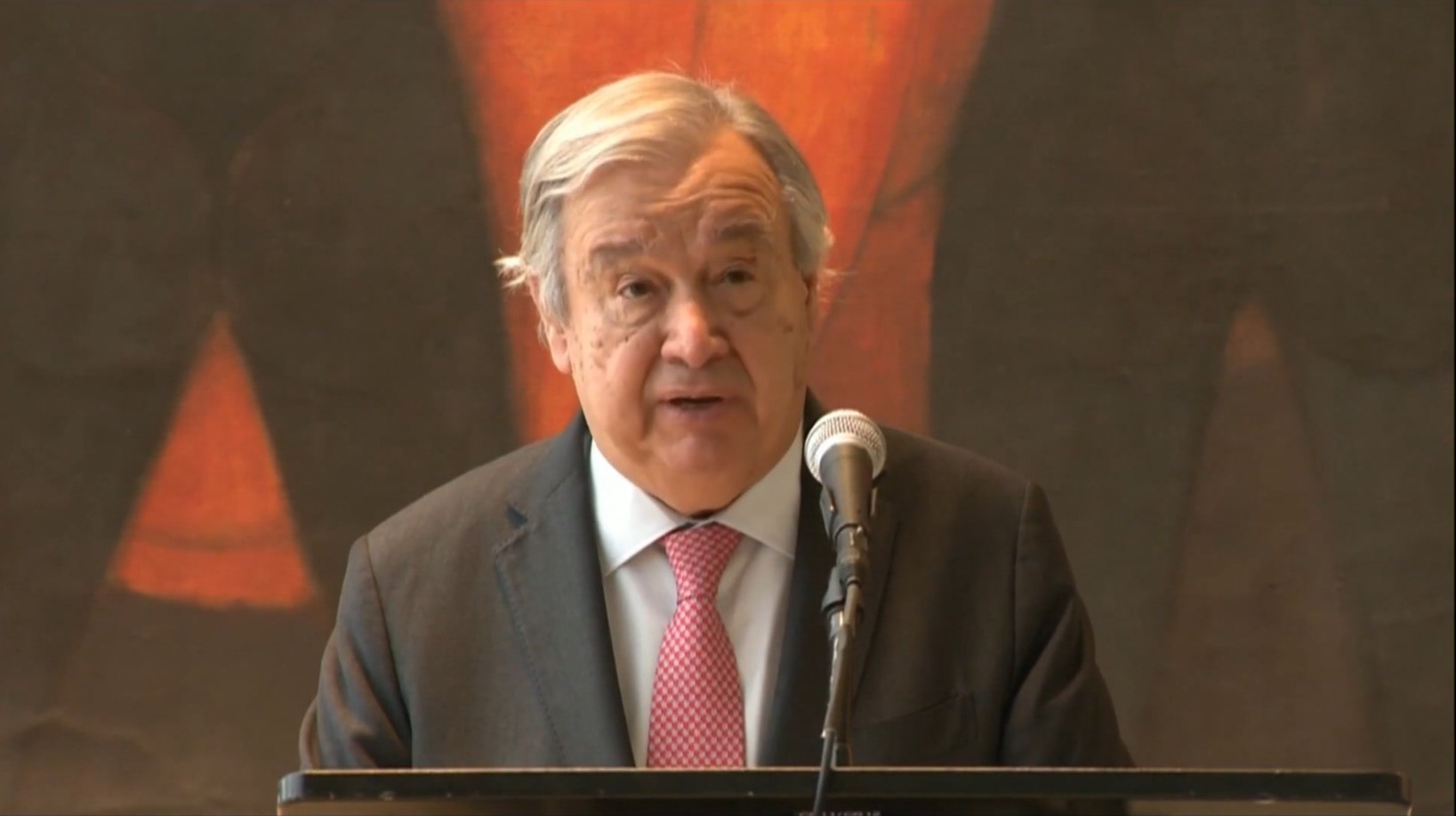
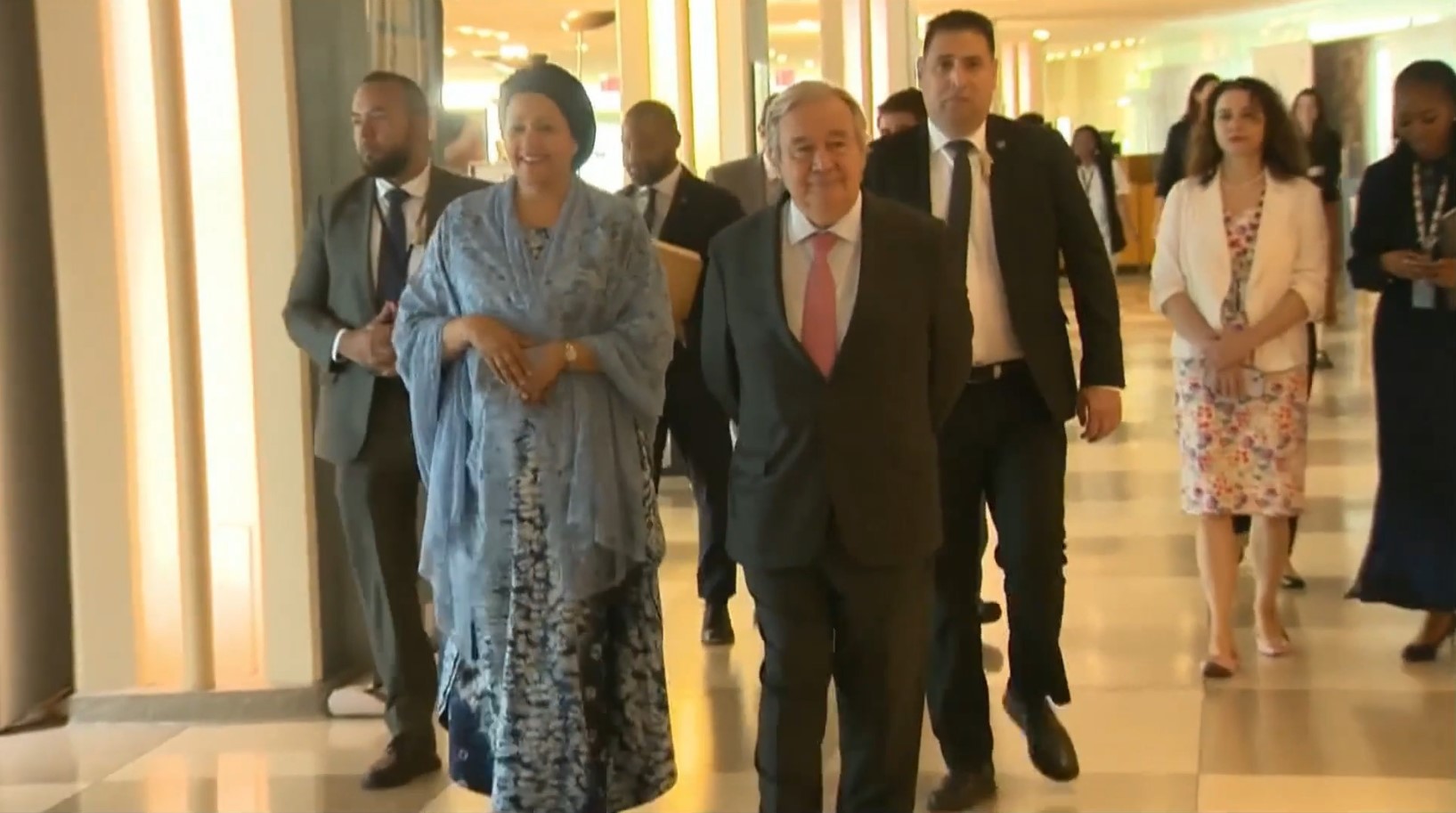 The images and video above were taken by Celebrity Media during the public display of the original United Nations Charter at UN Headquarters.