

UN Deputy Secretary-General Amina Mohammed and African Ministers Review SDG Progress at 2026 HLPF Africa Day


- Details
- Category: English Media
- Published: Thursday, 16 July 2026 18:37
- Written by Eager
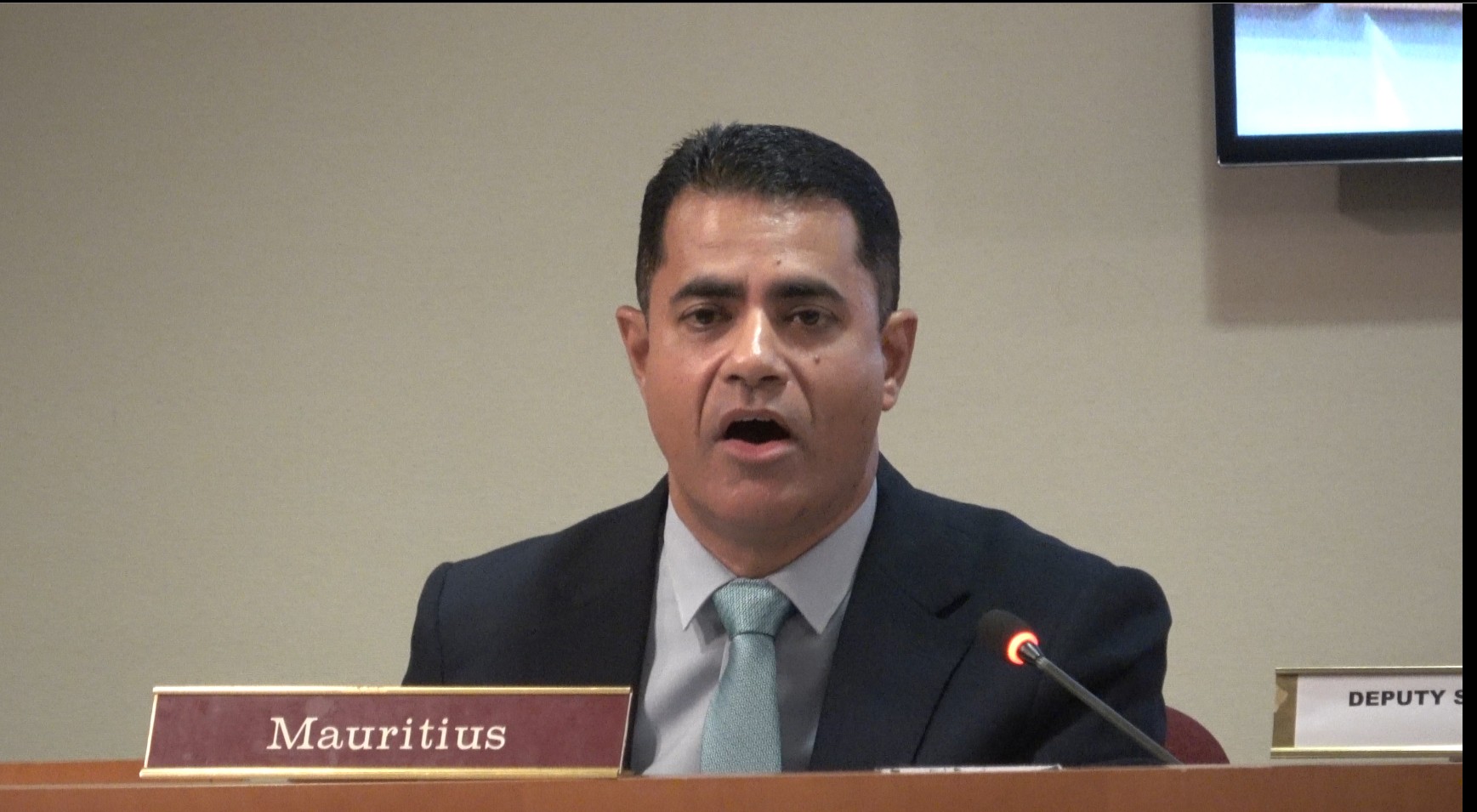
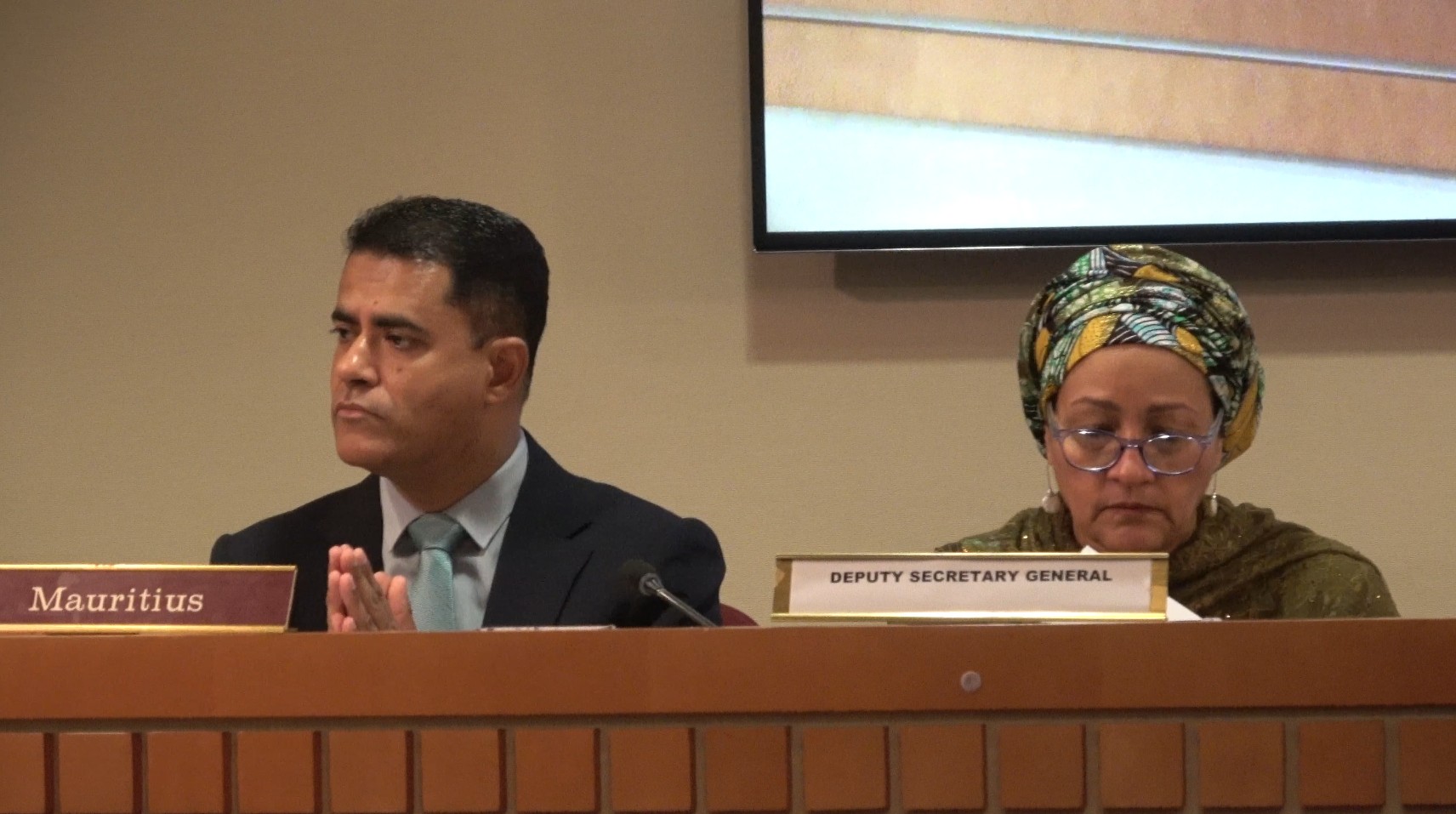
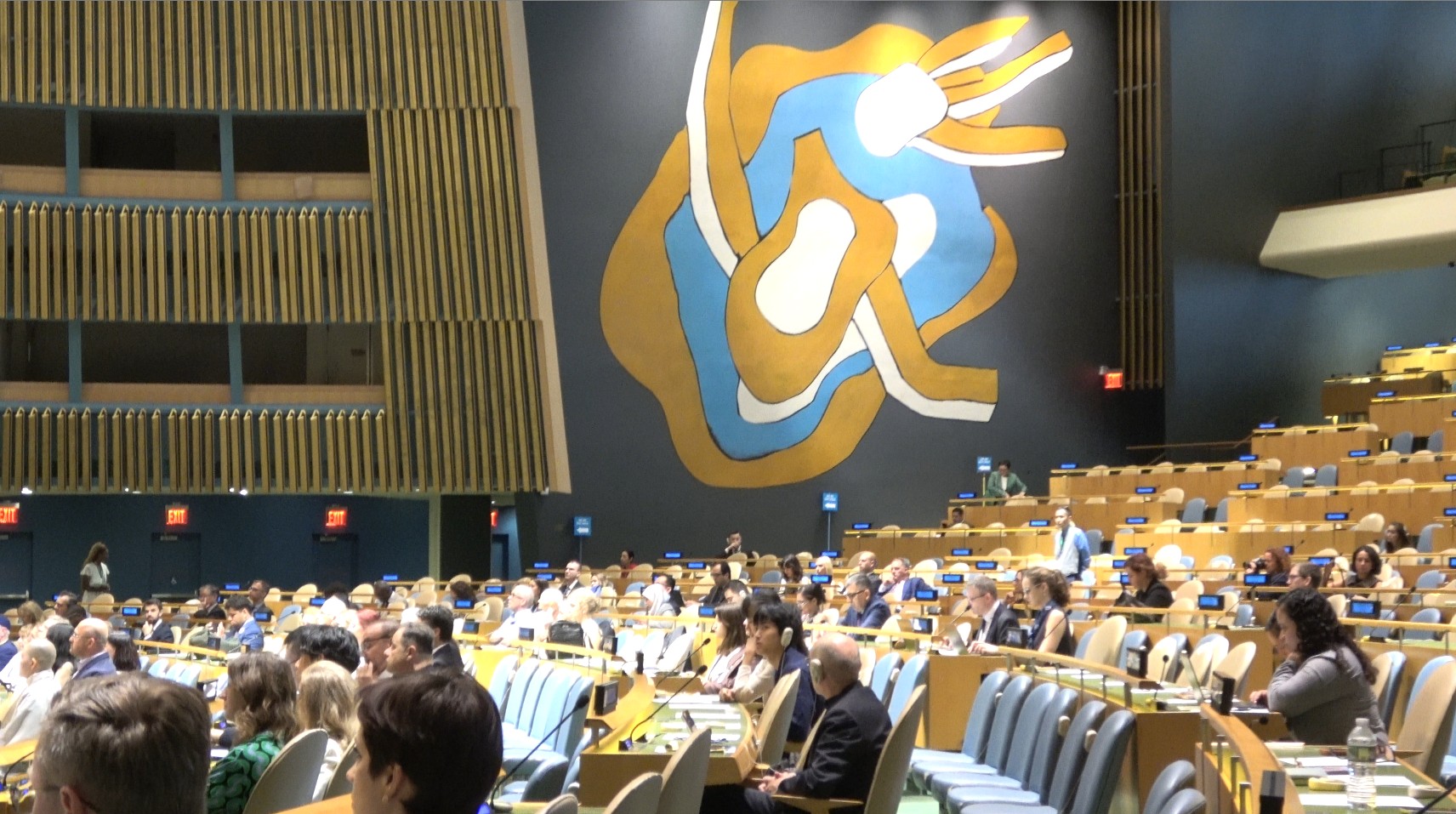
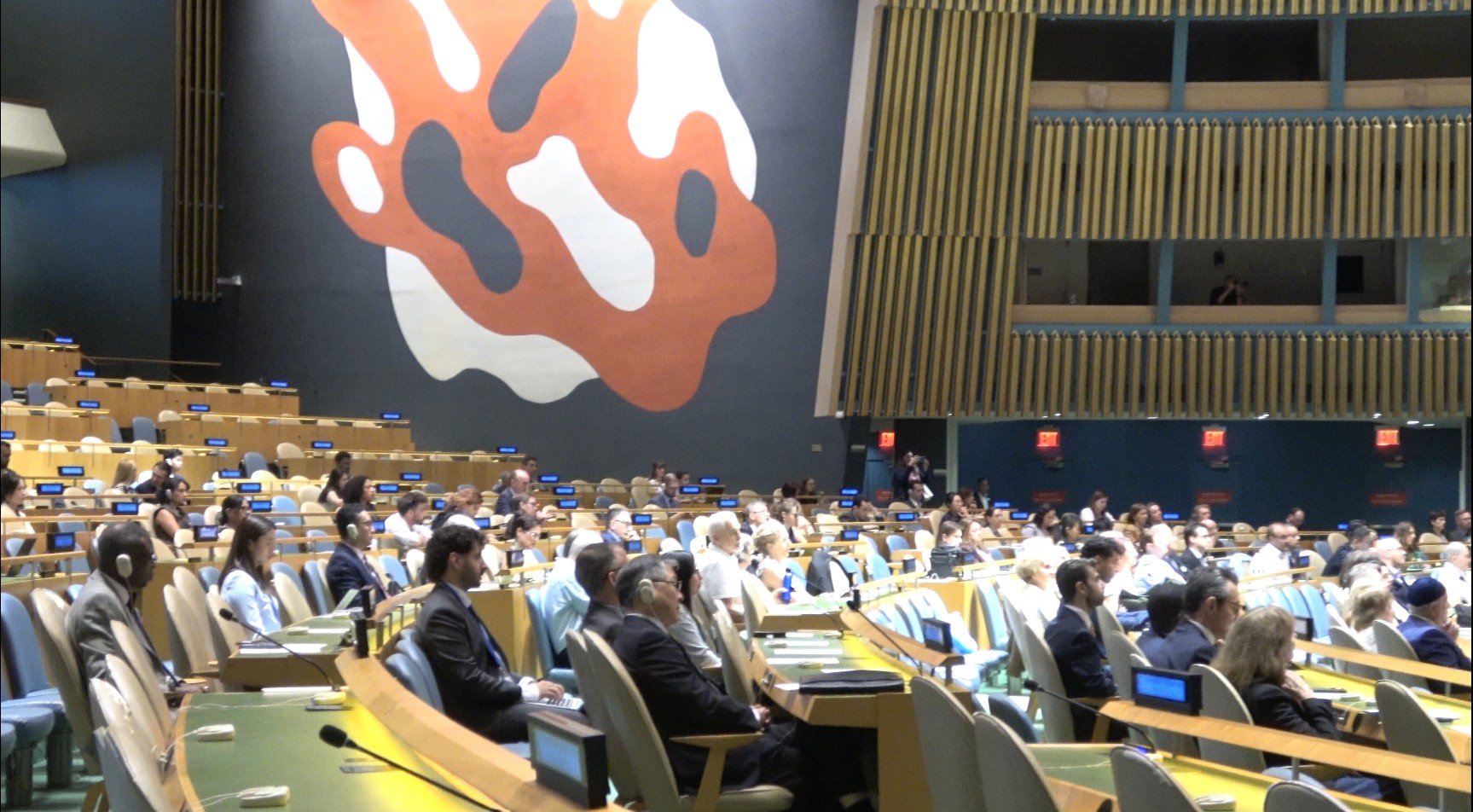
Celebrity Media, reporting on site from the Permanent Observer Mission of the African Union to the United Nations: The 2026 United Nations High-Level Political Forum on Sustainable Development special event, “Africa Day,” was held at United Nations Headquarters in New York. United Nations Deputy Secretary-General Amina Mohammed, senior officials of the African Union Commission, ministers and representatives from African countries, together with members of the United Nations system, international financial institutions, and development partners, reviewed Africa’s progress toward achieving the Sustainable Development Goals and discussed how transformative and coordinated action could accelerate implementation of the United Nations 2030 Agenda for Sustainable Development and the African Union’s Agenda 2063.
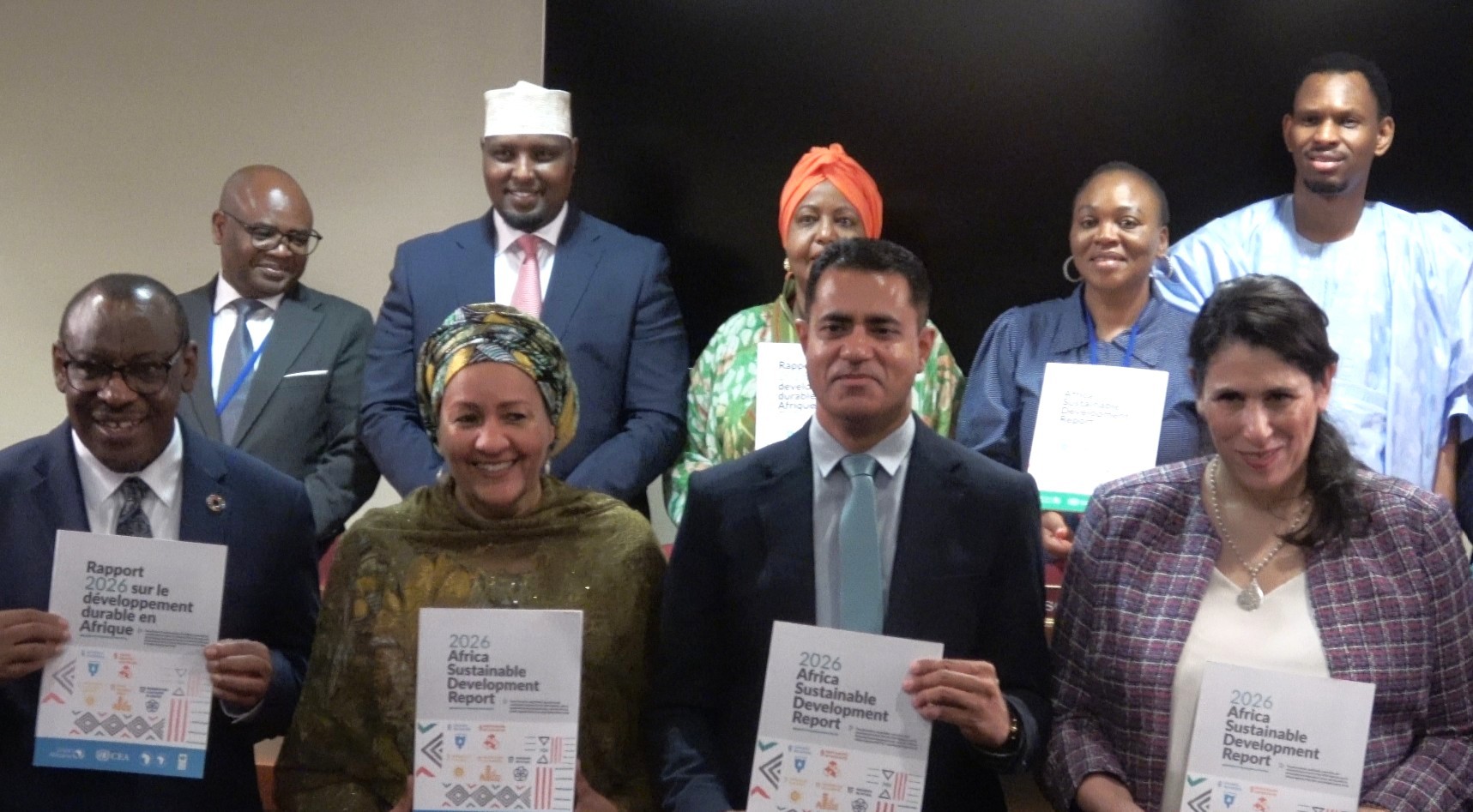
The event was jointly organized by the United Nations Office of the Special Adviser on Africa, the African Union Commission, the United Nations Economic Commission for Africa, the United Nations Development Programme, the African Development Bank, and other institutions, and was hosted by the Permanent Observer Mission of the African Union to the United Nations.
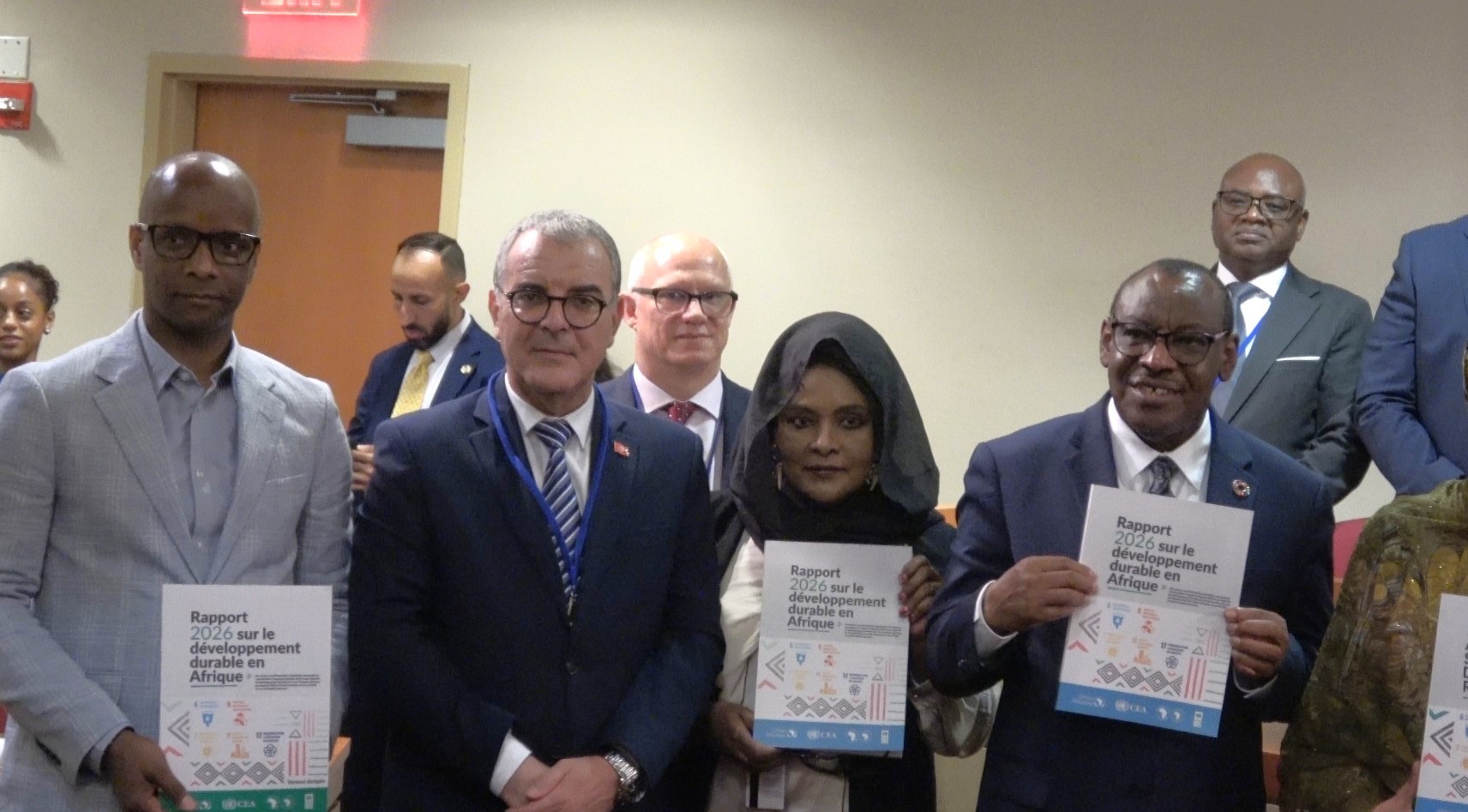
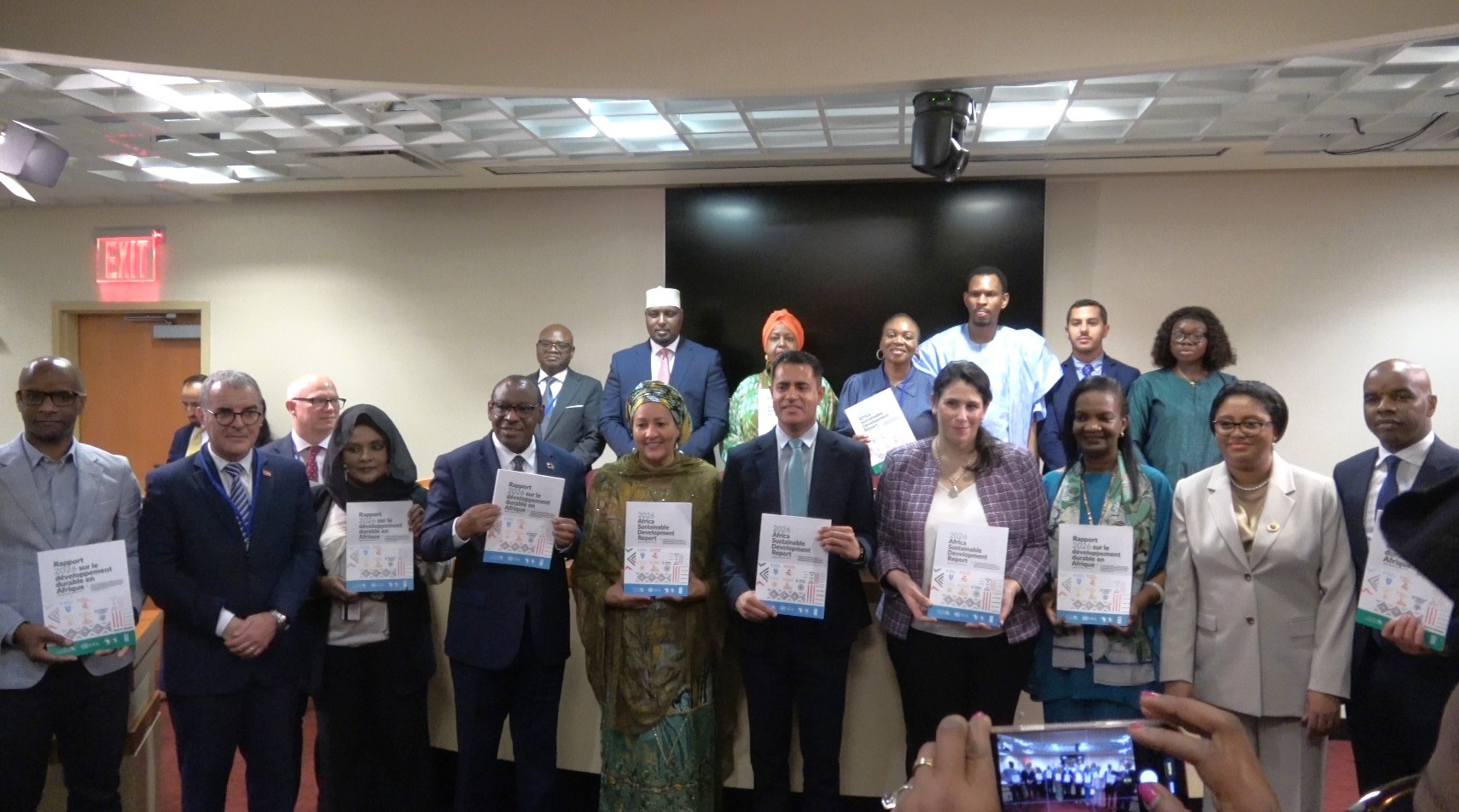
During the meeting, participants jointly launched the 2026 Africa Sustainable Development Report and presented the first biennial continental progress report on the Second Ten-Year Implementation Plan of the African Union’s Agenda 2063. The two reports assessed Africa’s current development achievements, existing gaps, and future priorities in areas including water and sanitation, energy, industry and infrastructure, sustainable cities, regional cooperation, and development partnerships.
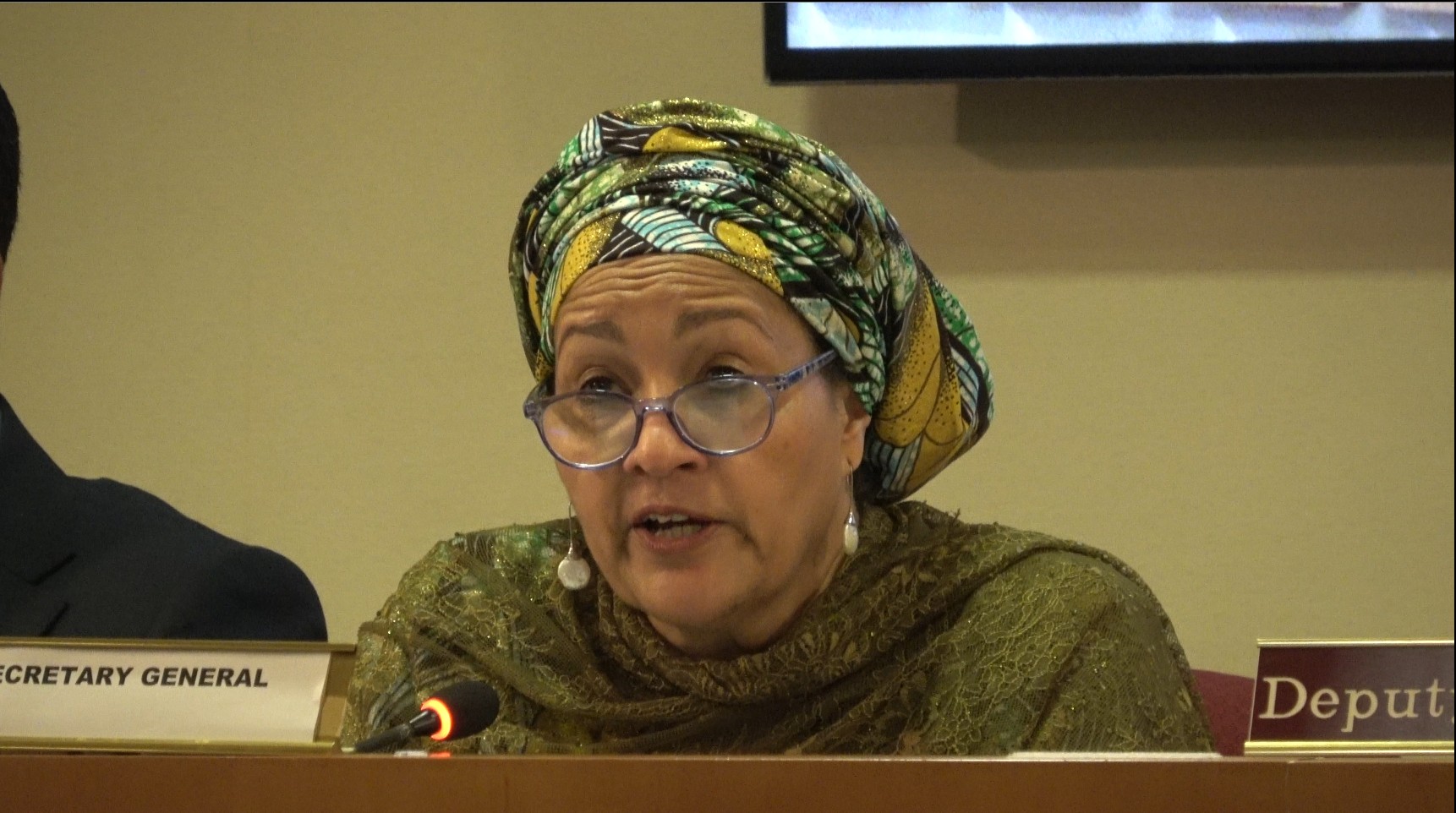
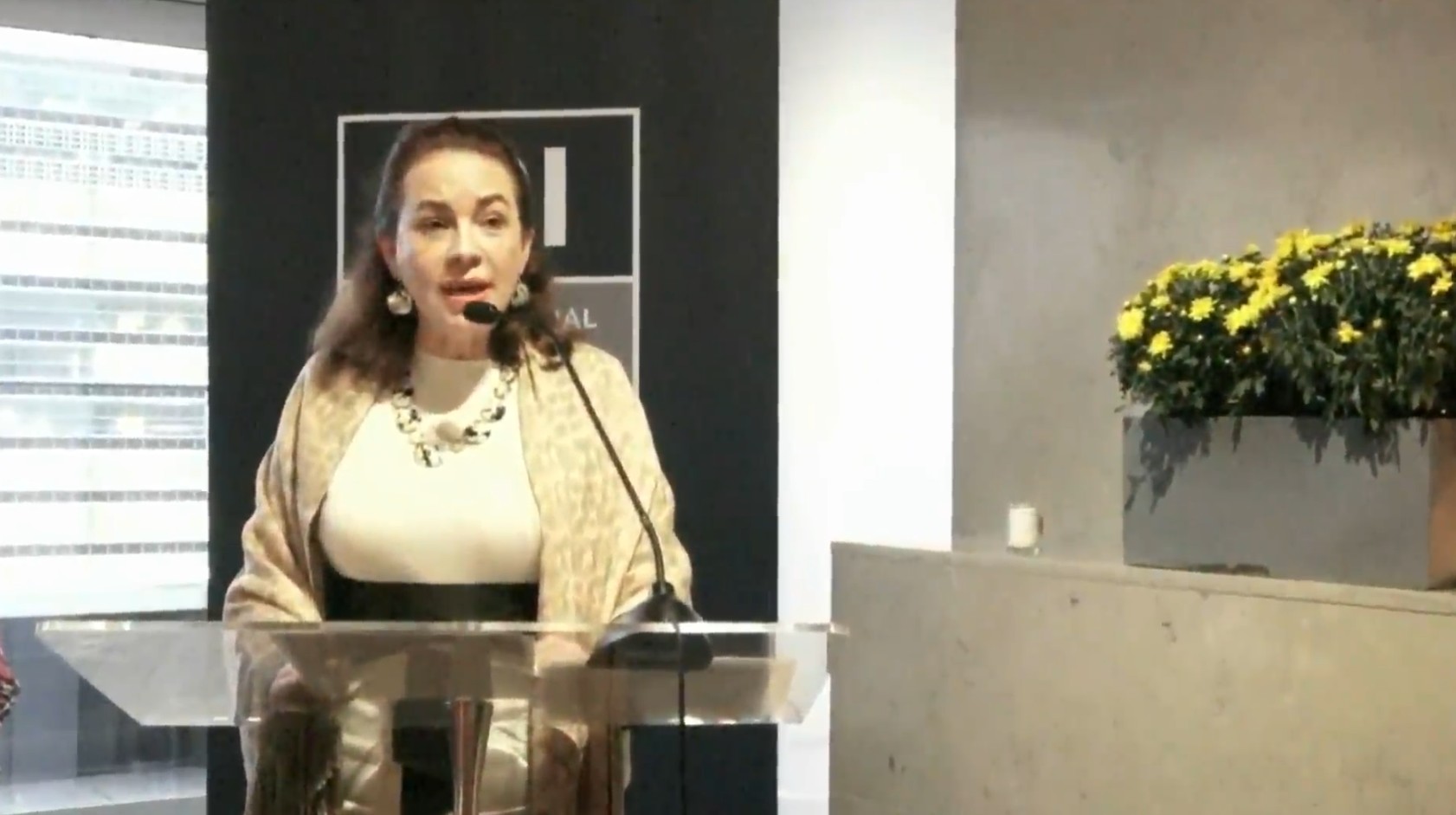
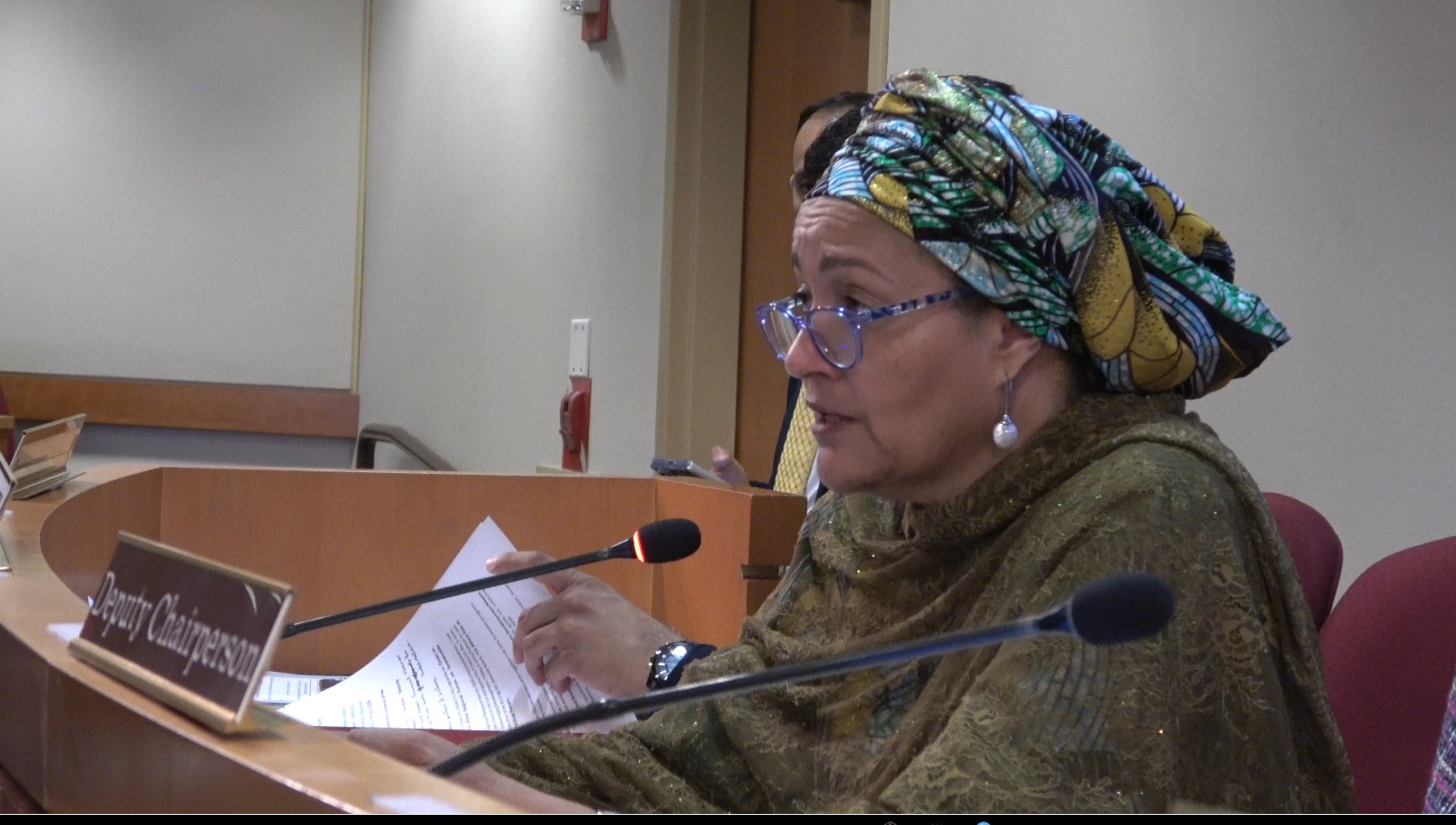
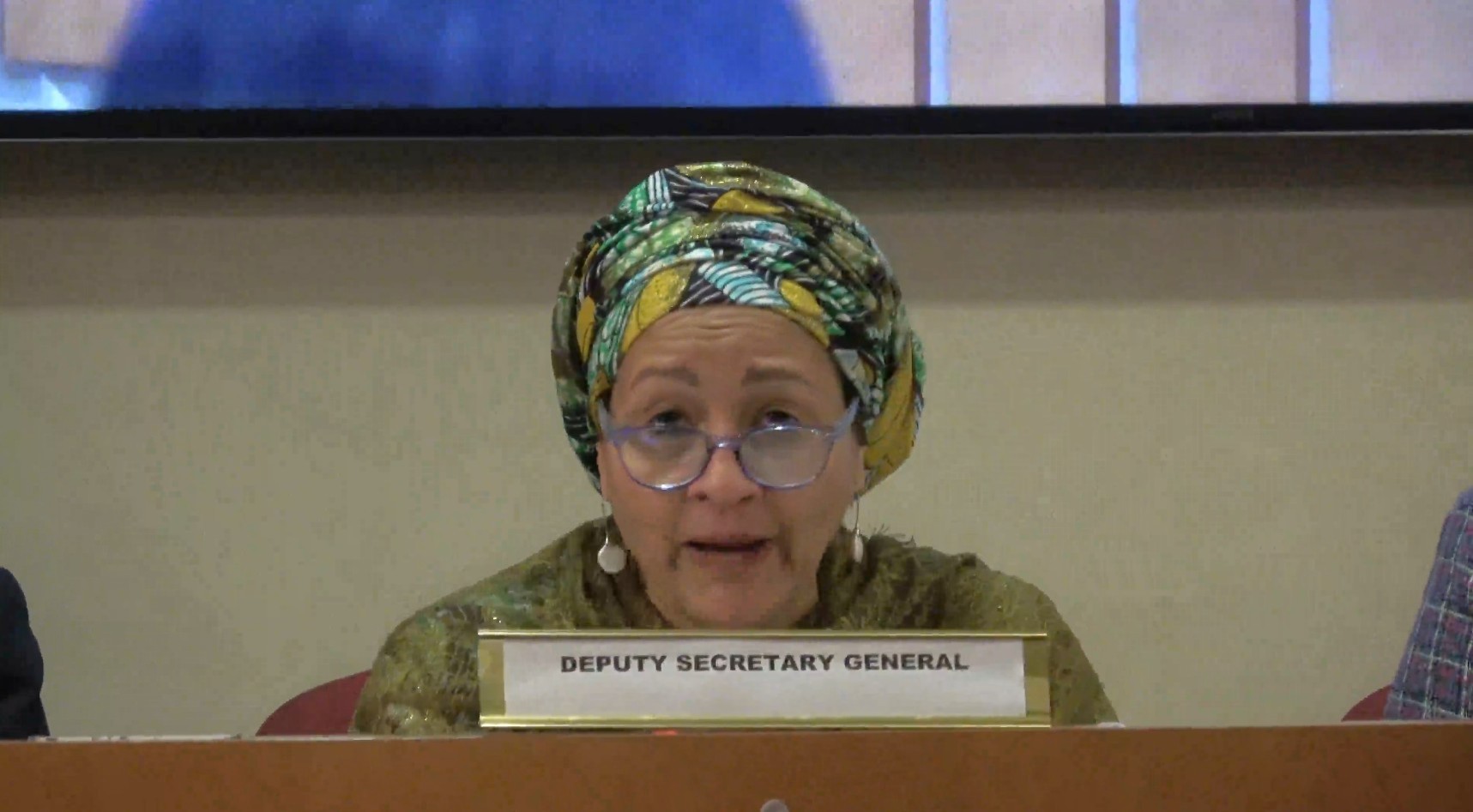
In her remarks, United Nations Deputy Secretary-General Amina Mohammed stated that “Africa Day” serves as an important platform for the High-Level Political Forum to hear Africa’s own voice. This year, 19 African countries presented Voluntary National Reviews at the forum, representing different subregions and stages of development across the continent and demonstrating that African countries are examining their development processes with greater openness and accountability.
She said that Voluntary National Reviews are not only summaries of development achievements but also expressions of leadership and accountability. All 54 African countries have now submitted at least one Voluntary National Review, demonstrating that Africa does not shy away from evaluation but believes that only by accurately measuring development outcomes can problems be identified and policies improved.
Amina summarized three central messages concerning Africa’s current sustainable development.
First, Africa has made significant progress in expanding access to essential services, but the quality and equity of those services still need improvement. Relevant reports show that Africa has made progress on 12 of the 17 Sustainable Development Goals. Access to basic drinking water increased from 56% in 2013 to 81%; since 2015, access to electricity has risen from 46% to 53%; and mobile communications networks now cover nearly 93% of Africa’s population, opening new opportunities for education, entrepreneurship, digital services, and youth employment.
However, service coverage does not necessarily mean access to safe, reliable, and high-quality services. Only about 36% of Africa’s population has access to safely managed drinking water, compared with a global average of approximately 70%. Only around three in ten Africans have access to safely managed sanitation services, while approximately 650 million people still lack basic sanitation facilities.
At the same time, approximately 970 million Africans continue to cook with polluting fuels. The resulting household air pollution causes about 400,000 deaths each year, most of them among women and children. The urban-rural divide is also pronounced: more than 80% of Africa’s urban population has access to electricity, compared with only around 40% in rural areas, while nearly half of Africa’s urban population lives in informal settlements.
Second, Africa’s principal challenge is not a lack of development frameworks but insufficient implementation capacity, fiscal space, and institutional capability. The 2030 Agenda and the African Union’s Agenda 2063 have already established clear development visions, but fragmented implementation, limited financing, and inadequate institutional capacity continue to stand between policy planning and improvements in people’s daily lives.
Data show that African government revenue averages approximately 23% of gross domestic product, below the global average of around 32%, while tax revenue accounts for approximately 16% of gross domestic product. More than 20 African countries are currently in debt distress or face a high risk of debt distress. International borrowing costs have remained persistently higher than can reasonably be explained by their economic fundamentals, while official development assistance to Africa continues to decline.
Global economic uncertainty, geopolitical tensions, climate change, debt burdens, and shrinking fiscal space have further intensified Africa’s development pressures. Disruptions to trade routes resulting from tensions in the Middle East, as well as fluctuations in energy, food, and fertilizer prices, are also producing direct spillover effects on African economies.
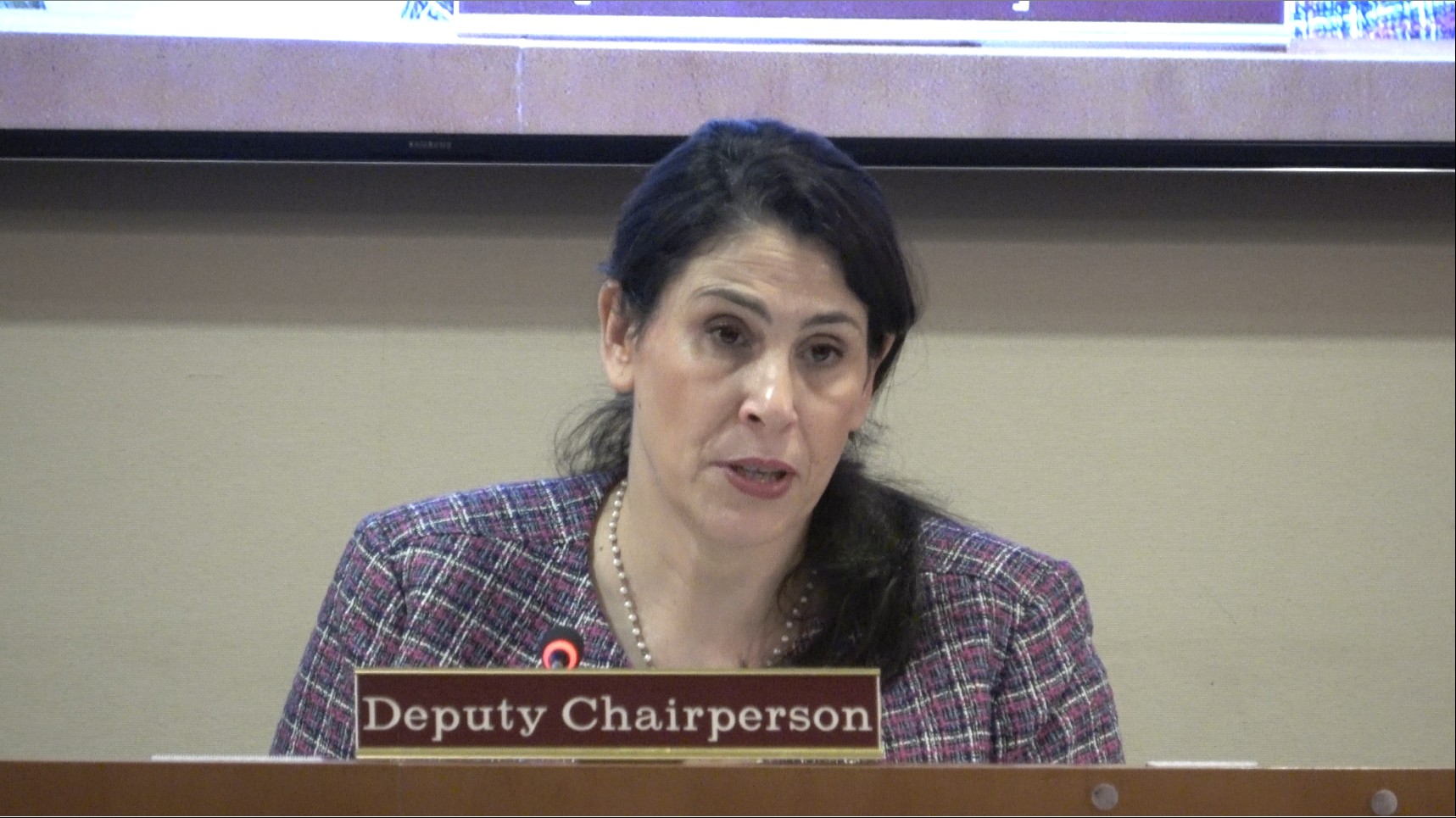
Amina emphasized that addressing these problems requires action at both the domestic and international levels. African countries should broaden their tax bases, digitalize public revenue administration, curb illicit financial flows, and reduce remittance transaction costs. Africa receives more than $104 billion in remittances each year, making remittances one of the continent’s most stable sources of external financing.
The international community, meanwhile, must advance reform of the international financial architecture, expand access to concessional financing, implement debt-relief measures capable of genuinely restoring fiscal space, and fulfill climate-finance commitments. She noted that these measures are not optional forms of additional support but essential conditions for Africa to achieve the Sustainable Development Goals.
Third, Africa itself is the central force driving its development. Expanding intra-African trade through the African Continental Free Trade Area, developing cross-border energy and transportation infrastructure, strengthening regional value chains, and facilitating the movement of people, capital, technology, and goods across the continent will help build a more competitive and resilient Africa.
The African Union’s membership in the Group of Twenty has also given Africa a new platform to influence discussions on debt, trade, climate finance, and international financial rules. Amina stated that whether this seat can be converted into tangible development results will depend on African countries’ ability to formulate coordinated common priorities and consistently advance them in international forums.
She also emphasized that sustainable development cannot be separated from peace. One of the essential foundations for Africa to achieve its development goals is advancing the “Silencing the Guns in Africa” initiative and ensuring that peace can be sustained through good governance, strong democratic institutions, and inclusive political arrangements.
Amina stated that United Nations Resident Coordinators, country teams, and the wider United Nations system would continue supporting Africa’s development priorities with technical expertise and policy resources. She noted that although only a few years remain before the 2030 deadline, a decisive goal can still be scored in the closing stages, just as in a football match.
She called on Africa not merely to appear as a chapter in a global development narrative written by others, but to actively shape and tell its own development story and ensure that women and young people participate in defining Africa’s future priorities and major decisions.
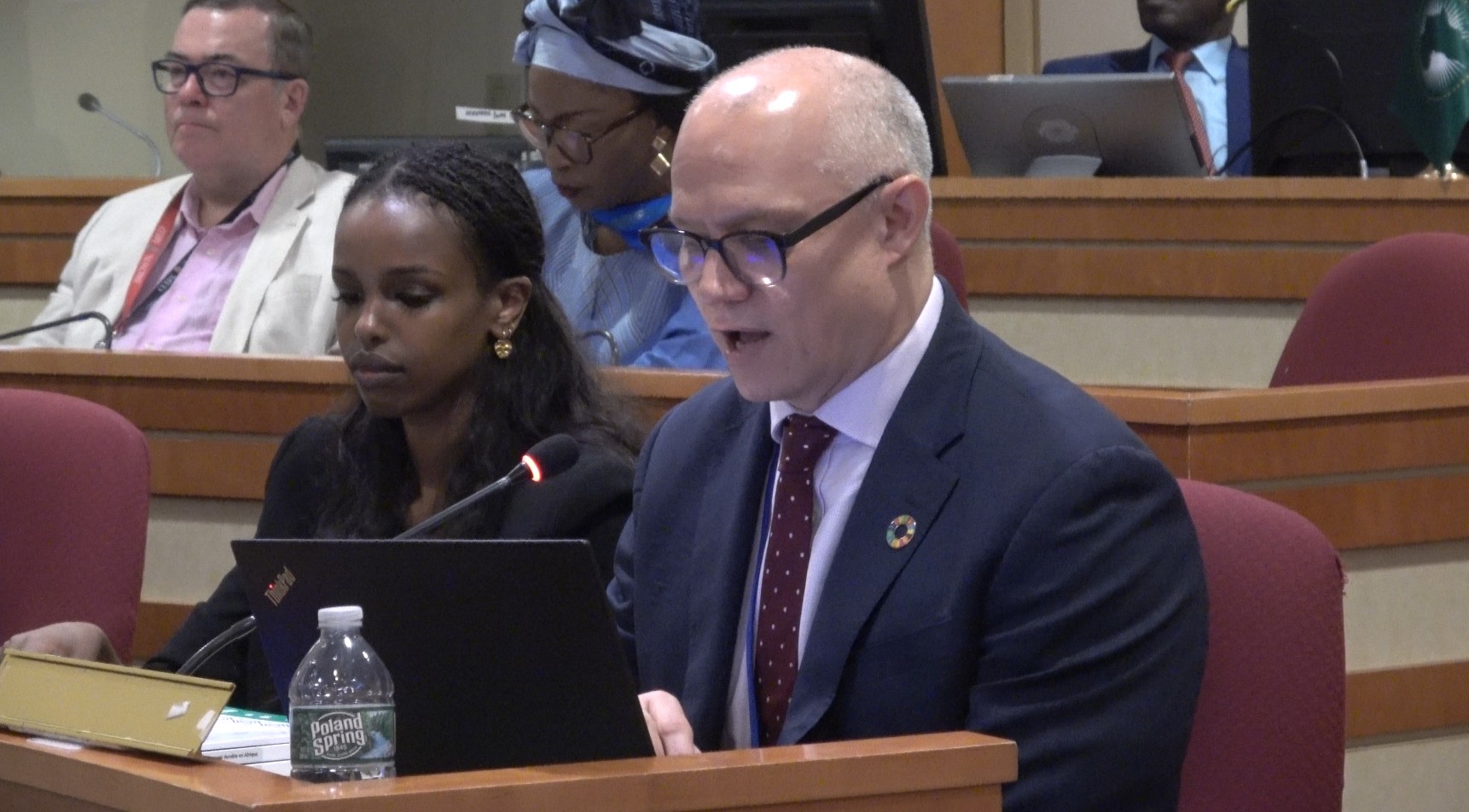
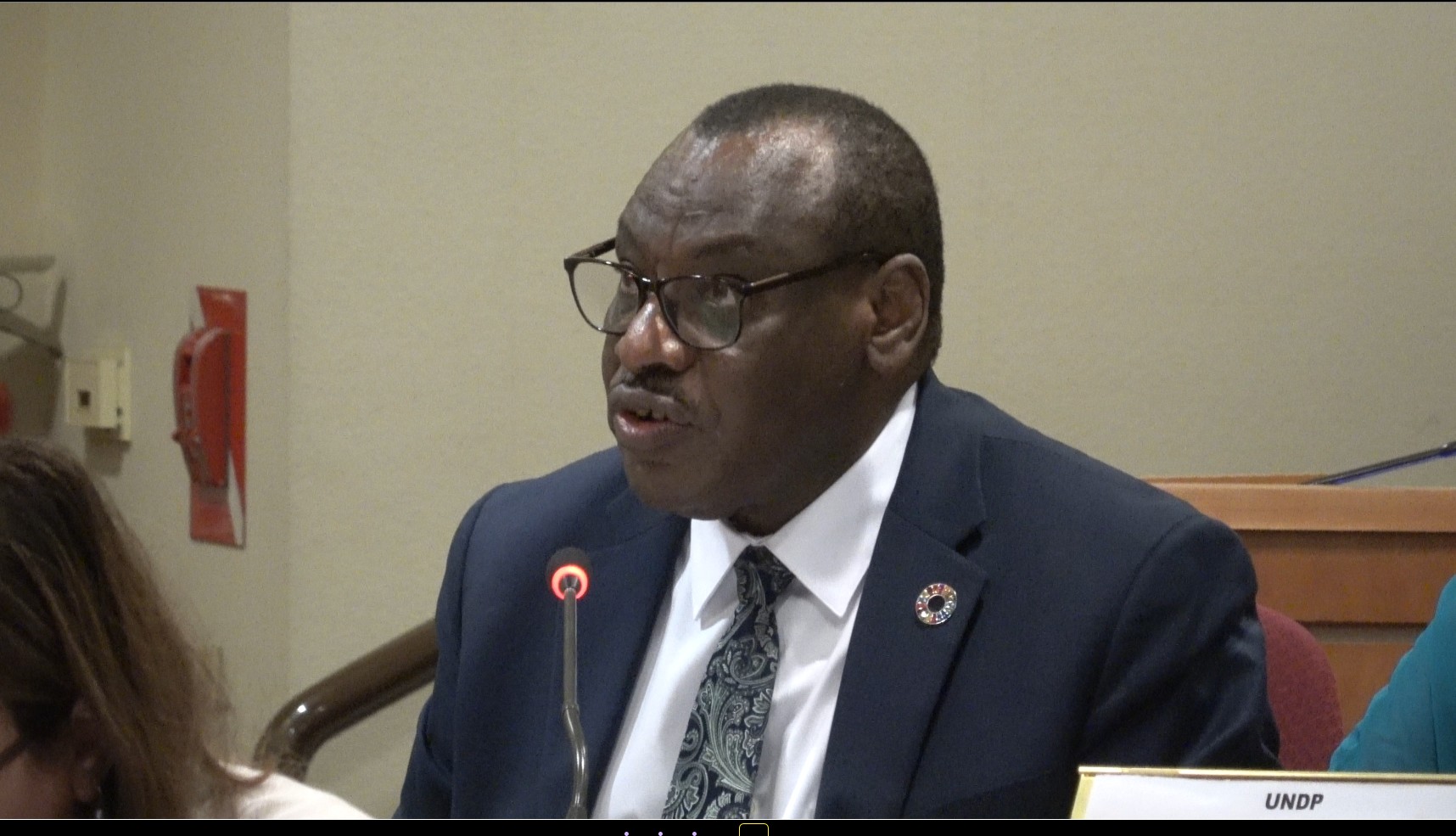
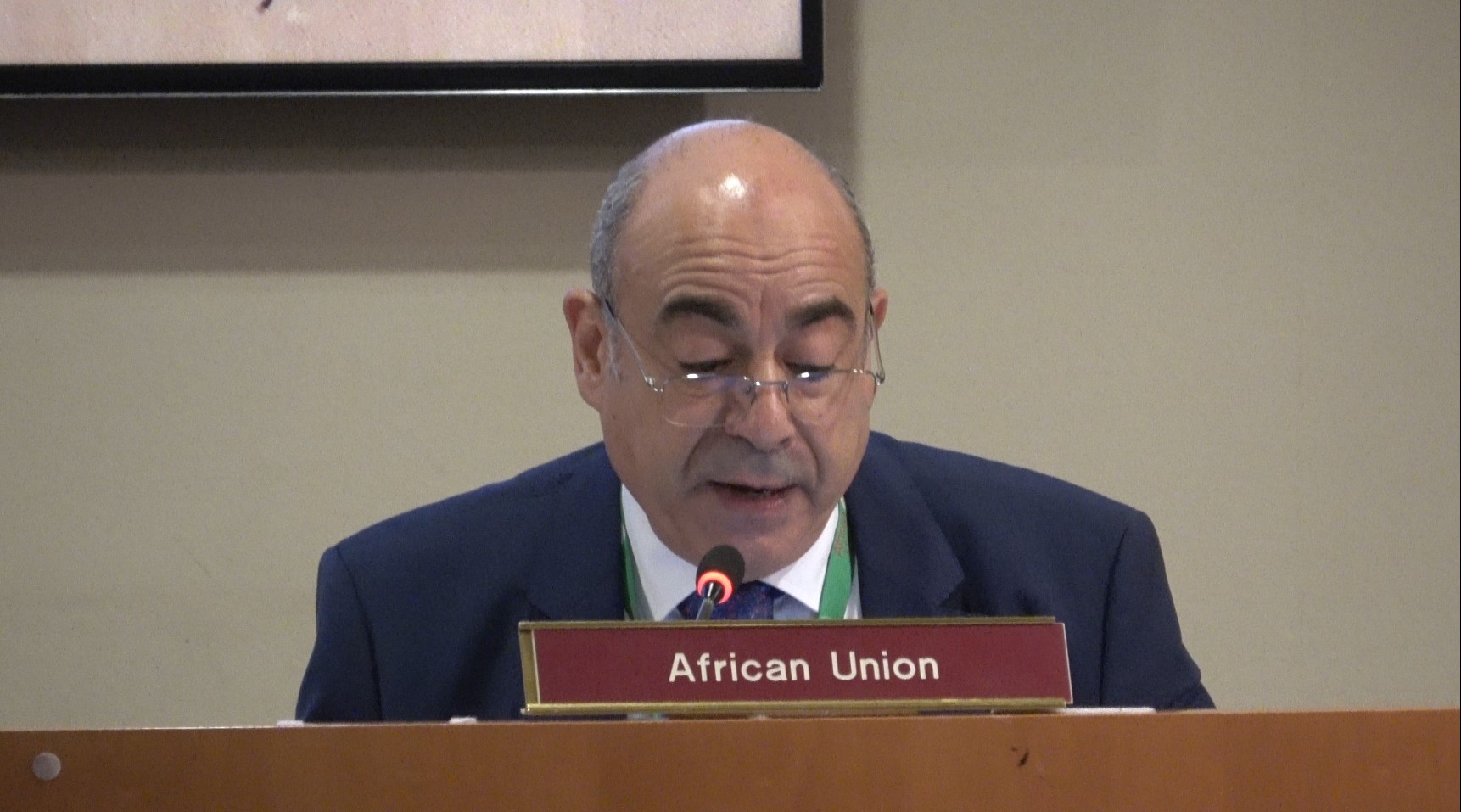
A representative of the African Union Commission stated that the 2030 Agenda and Agenda 2063 are not two separate development paths but complementary and mutually reinforcing road maps. The former provides a global direction for development, while the latter reflects Africa’s own long-term vision for inclusive growth, structural transformation, and shared prosperity.
The first biennial continental progress report on the Second Ten-Year Implementation Plan of the African Union’s Agenda 2063 shows that, during the 2024–2025 period, the overall level of achievement across Africa’s seven development aspirations was approximately 53%. African countries made progress in integrating Agenda 2063 into national development plans, advancing digital transformation, and strengthening institutions. However, greater efforts are still required in structural economic transformation, productive employment, infrastructure connectivity, and sustainable financing.
The report noted that the gap between policy commitments and actual results remains one of Africa’s primary challenges. Africa must strengthen domestic resource mobilization, expand climate and development financing, accelerate digital transformation, invest in sustainable infrastructure, reinforce national data capacity, and protect existing development gains from the effects of conflict and climate change.
The meeting also emphasized the need to accelerate implementation of African Union flagship initiatives, including the African Continental Free Trade Area, the Programme for Infrastructure Development in Africa, the Single African Air Transport Market, the Integrated High-Speed Railway Network, the Digital Transformation Strategy for Africa, and the African Medicines Agency. These initiatives are not merely individual infrastructure or institutional projects but important catalysts for Africa’s economic transformation, regional integration, and shared prosperity.
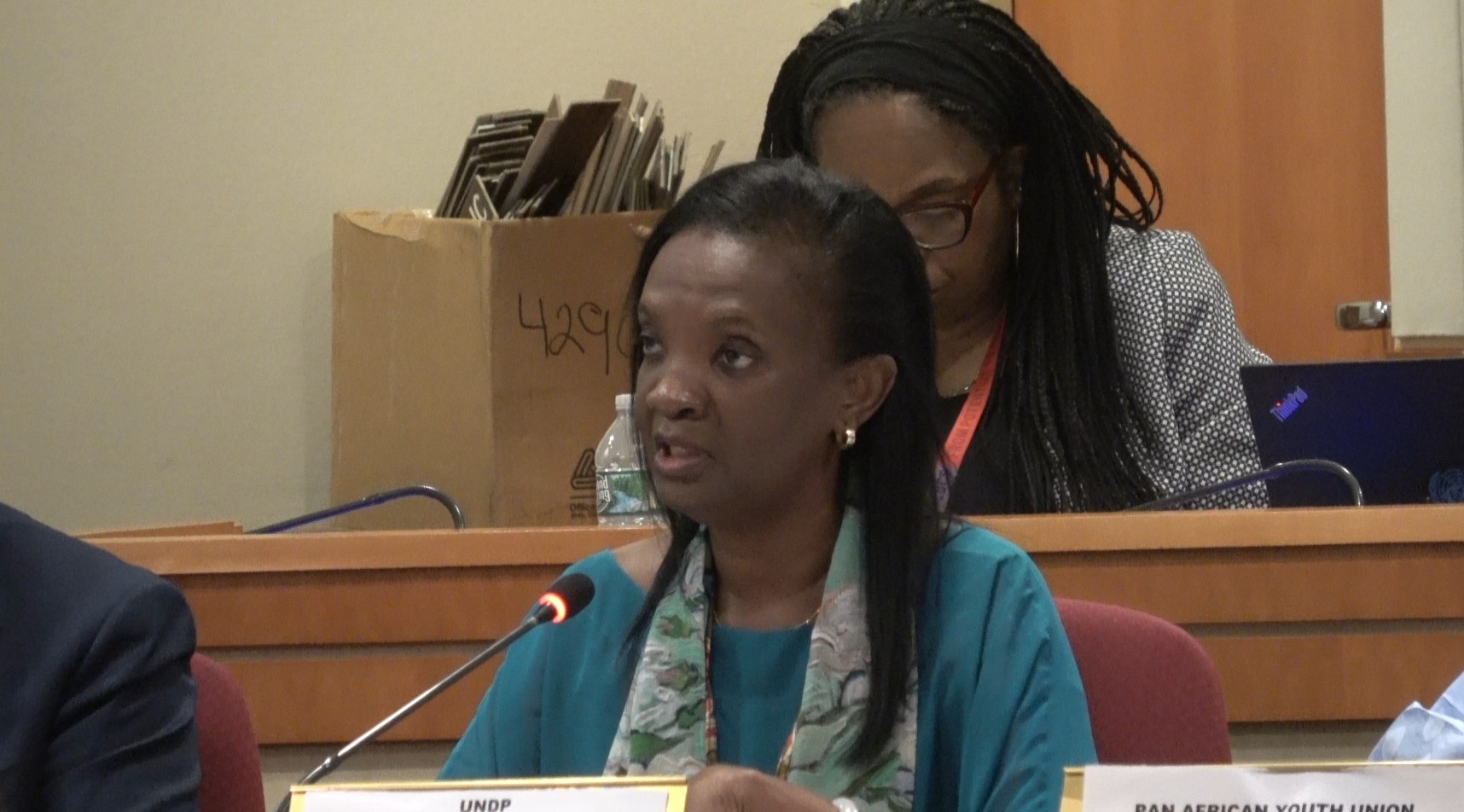
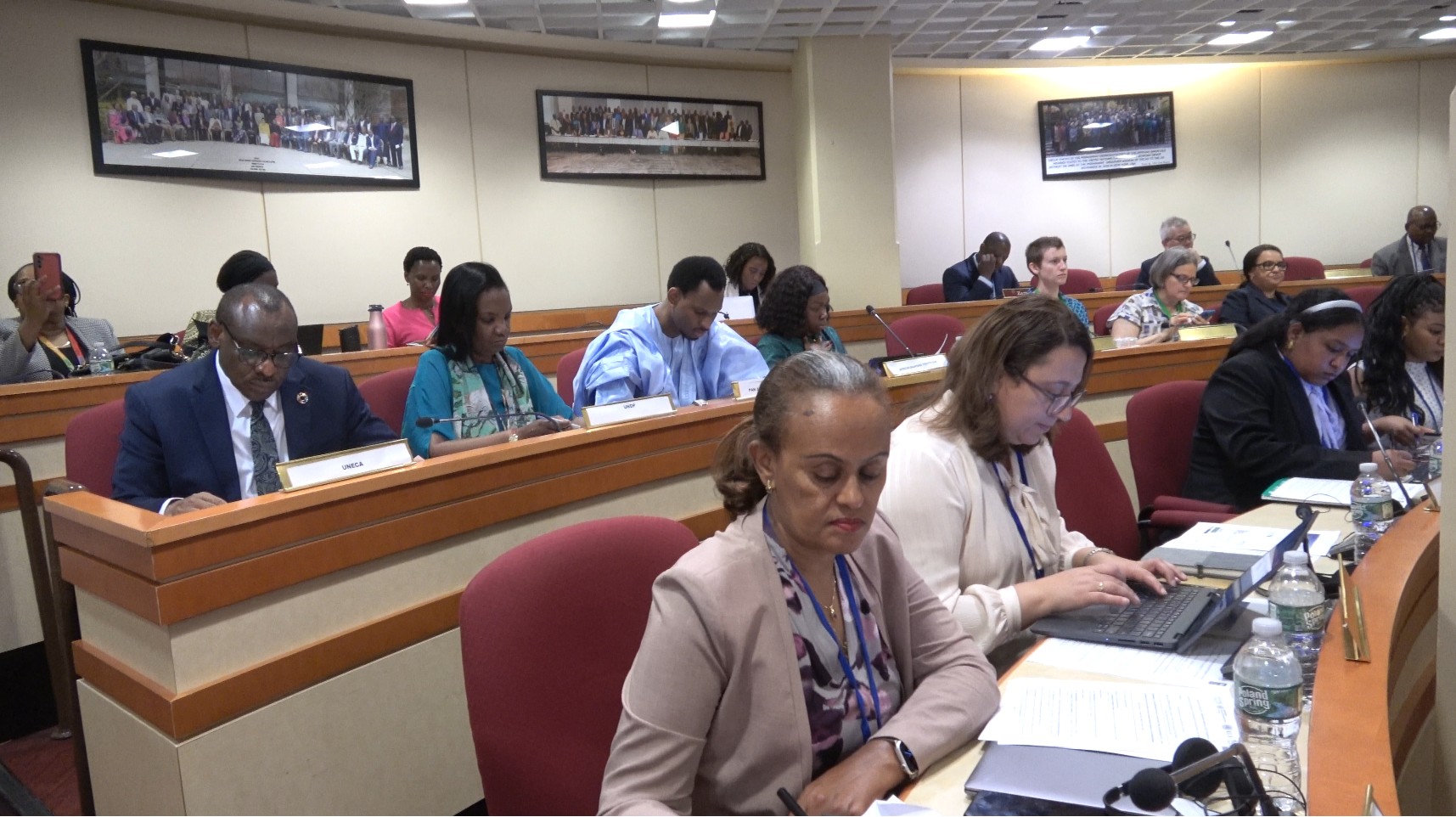
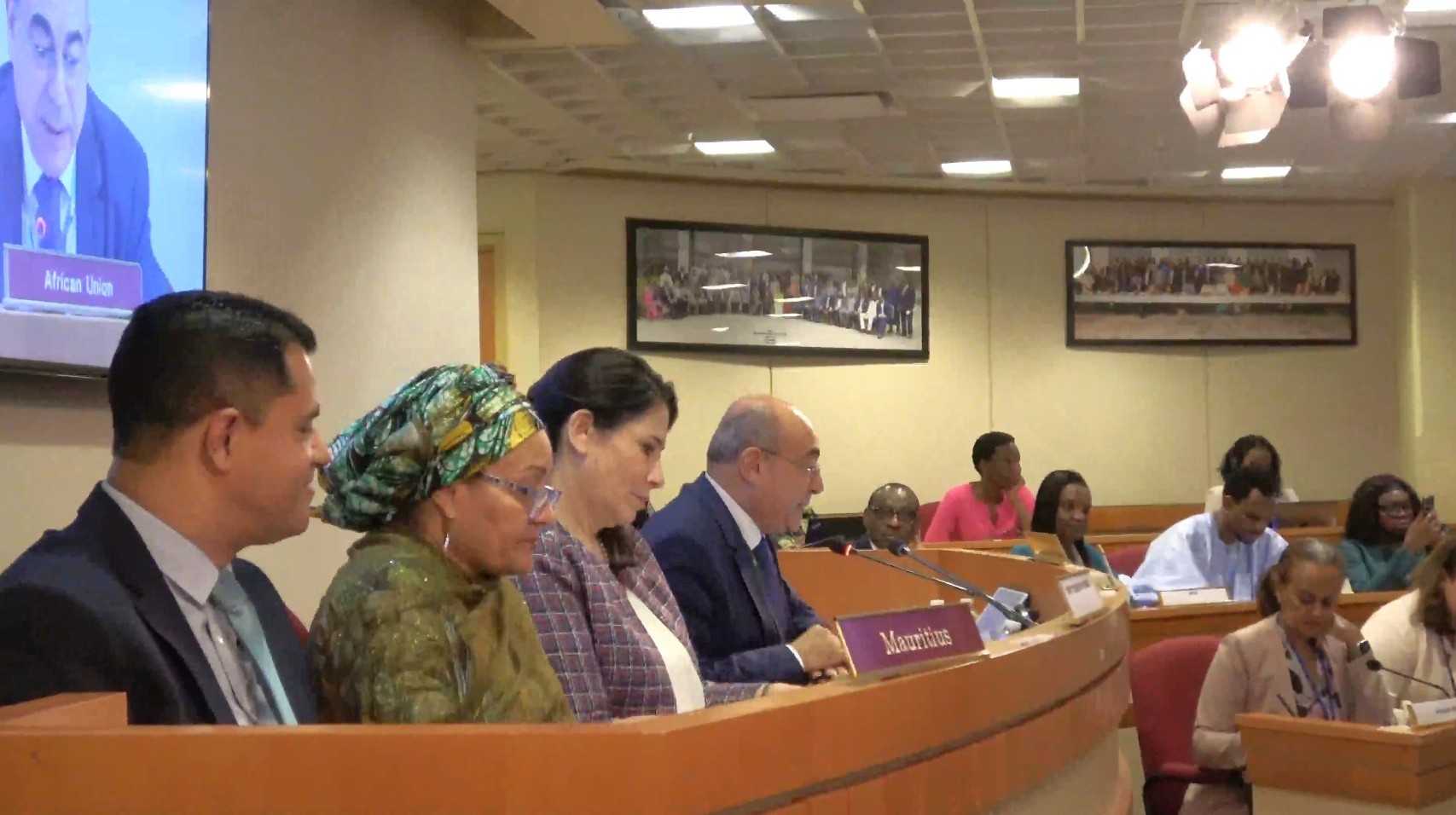
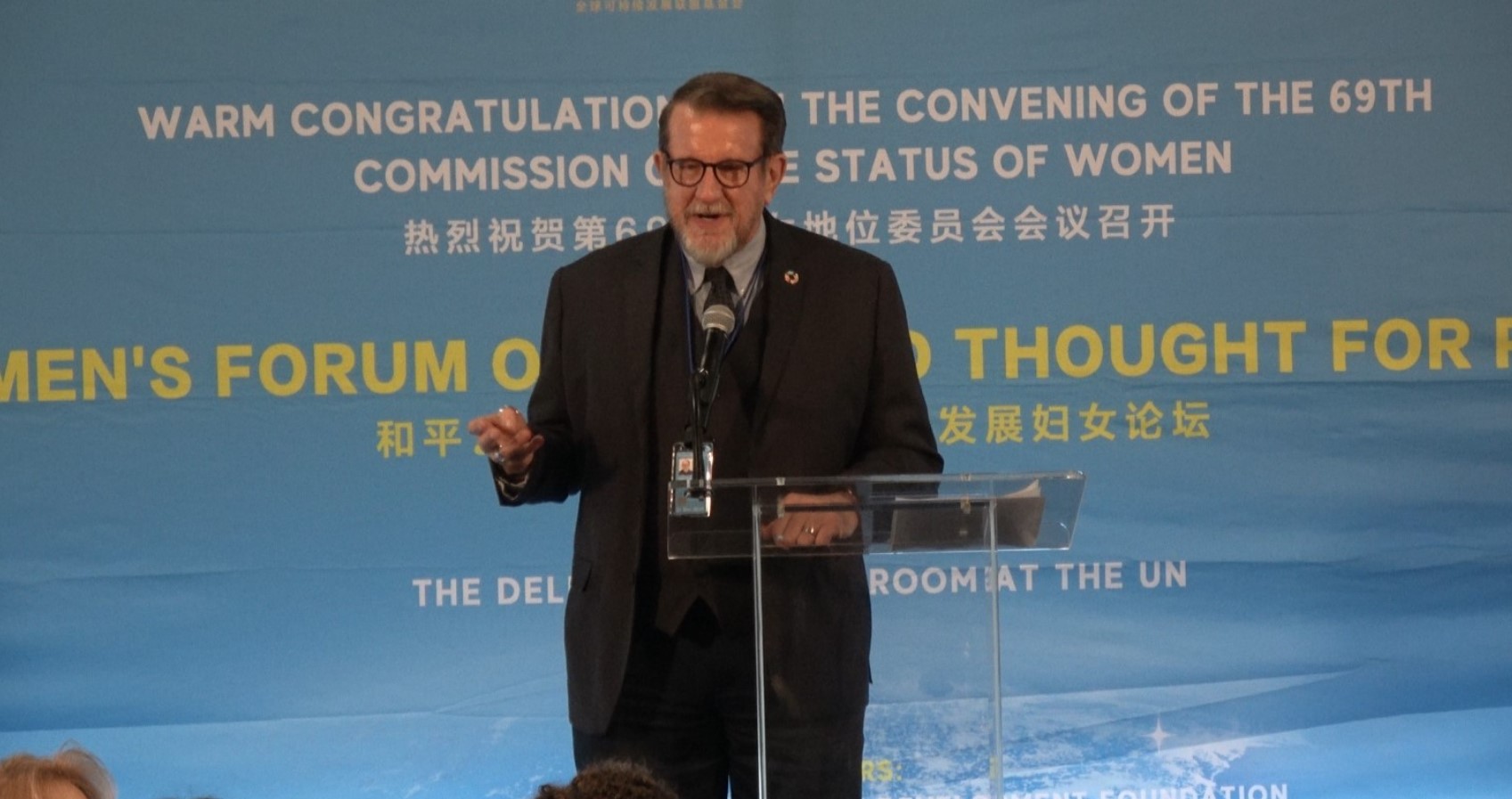
A ministerial representative serving as Chair of the Twelfth Session of the Africa Regional Forum on Sustainable Development noted that Africa is the only region in the world simultaneously implementing two complementary sustainable development agendas. Africa comprises 54 countries and more than 1.5 billion people, representing approximately 19% of the world’s population. Although African countries differ in geographical conditions, income levels, cultural traditions, and development foundations, they share the vision of “one continent, one people, one future.”
He stated that traditional development models are no longer capable of addressing current challenges. Africa must move from commitment to implementation, from declarations to delivery, and from fragmented interventions to coordinated and transformative action.
Regarding future development, participants identified five priority areas: accelerating the implementation of transformative policies; expanding sustainable development financing; strengthening water resources, energy, infrastructure, innovation, and sustainable urban development; fully utilizing science, technology, innovation, and data; and establishing stronger partnerships among governments, international organizations, financial institutions, the private sector, and civil society.
The ministerial representative stated that Africa has the world’s youngest population, abundant natural resources, and growing innovation capacity, entrepreneurial spirit, and human capital. Africa does not lack vision or road maps. What it most urgently needs is faster implementation, stronger partnerships, and financing support commensurate with its development ambitions.
He called on African governments, the United Nations system, international financial institutions, development partners, the private sector, and civil society to renew their commitments and strengthen cooperation during this decisive phase leading to 2030.
“If we act with urgency, unity, and unwavering determination, the 2030 Agenda and Agenda 2063 will not remain visions on paper. They will become realities that can be experienced by the 1.5 billion African people we serve and will make an important contribution to building a more prosperous, resilient, and sustainable world.”
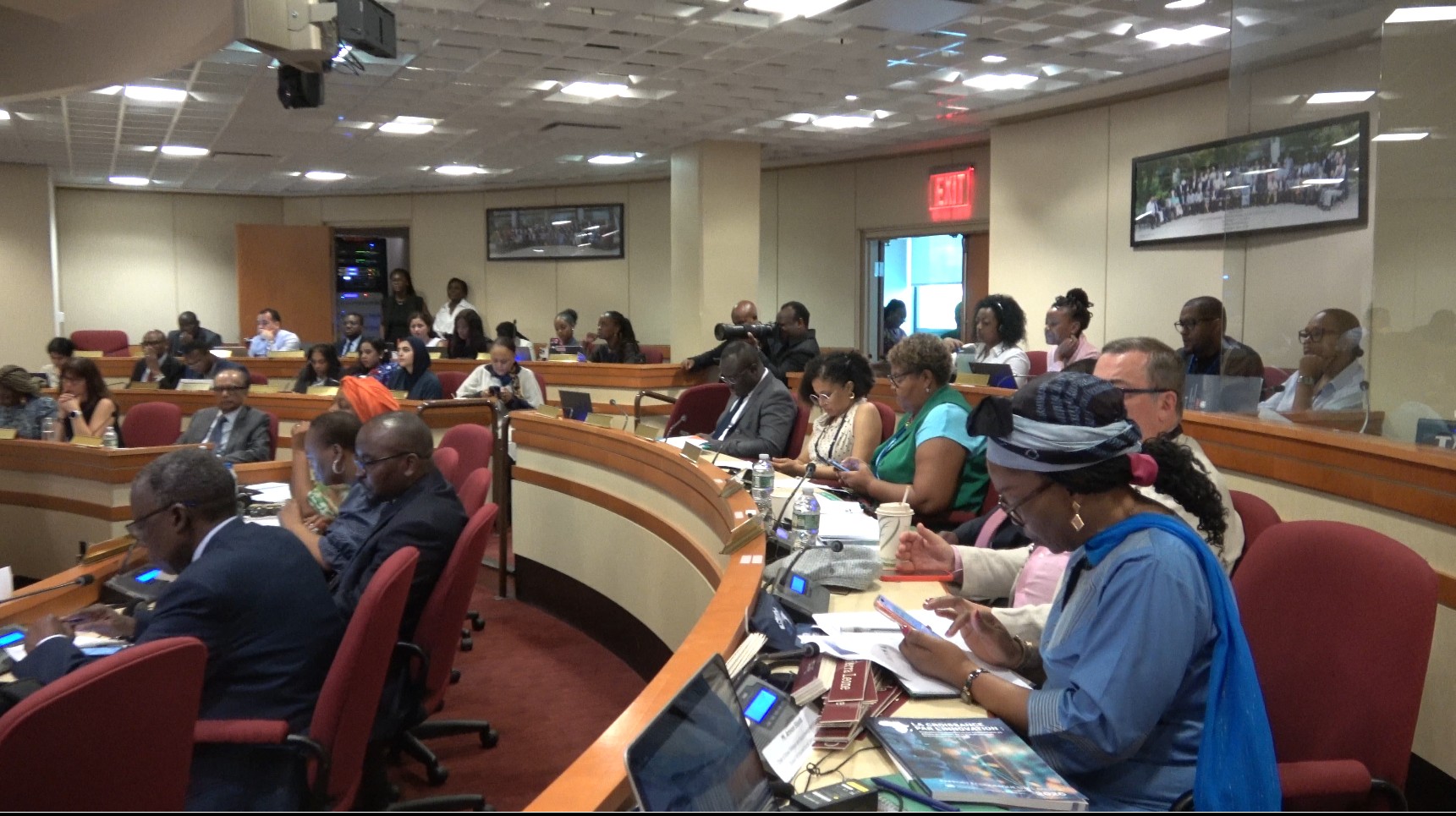
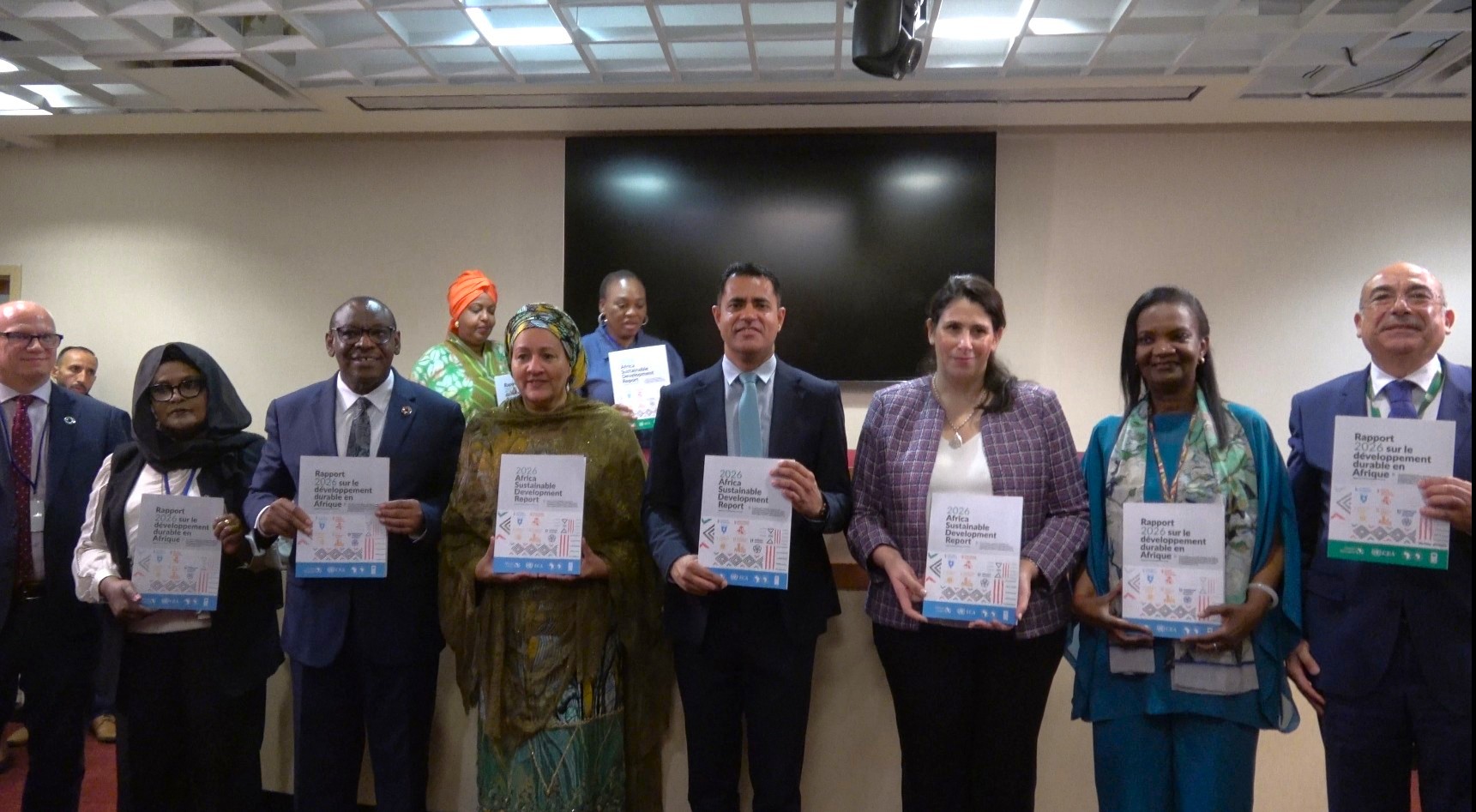
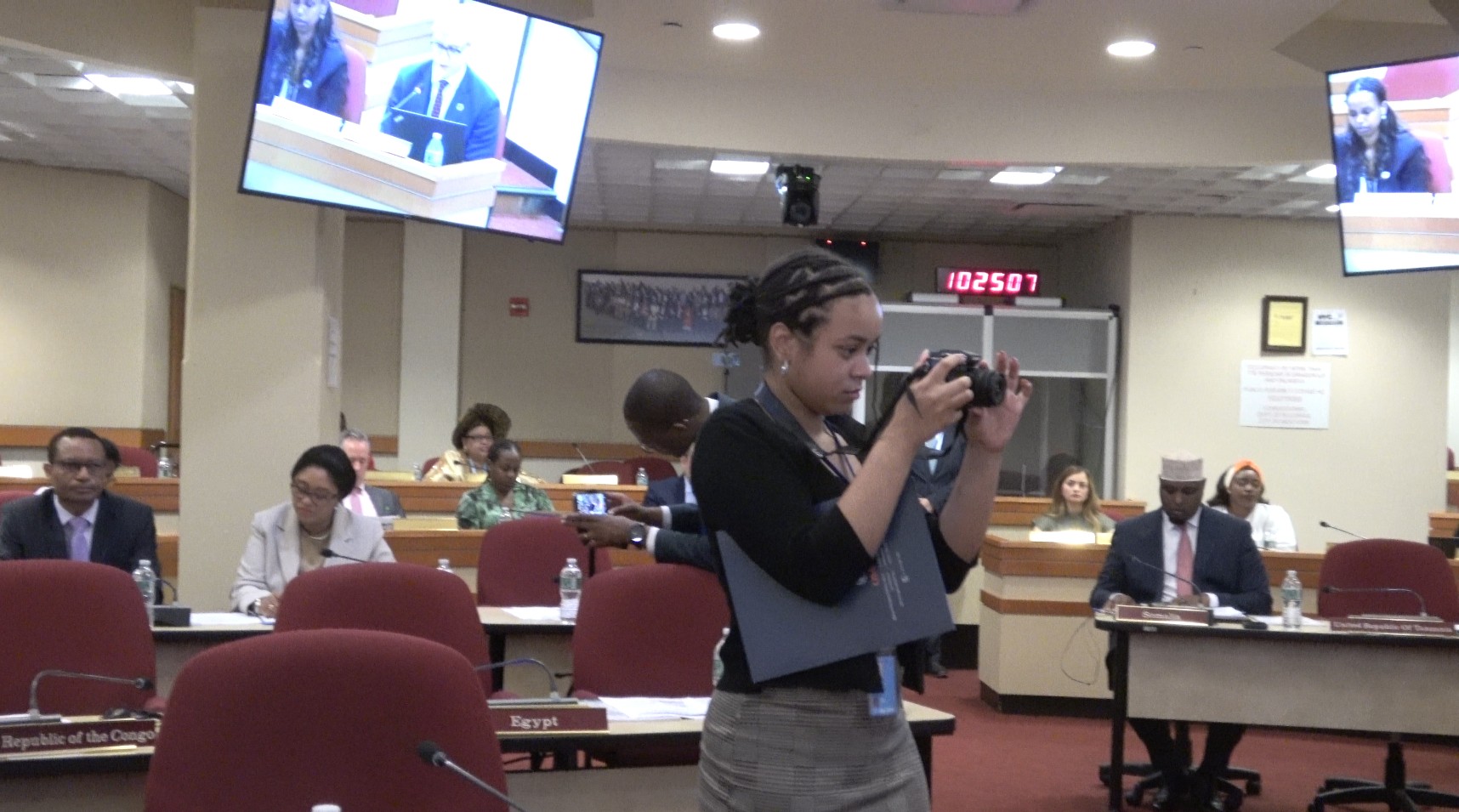
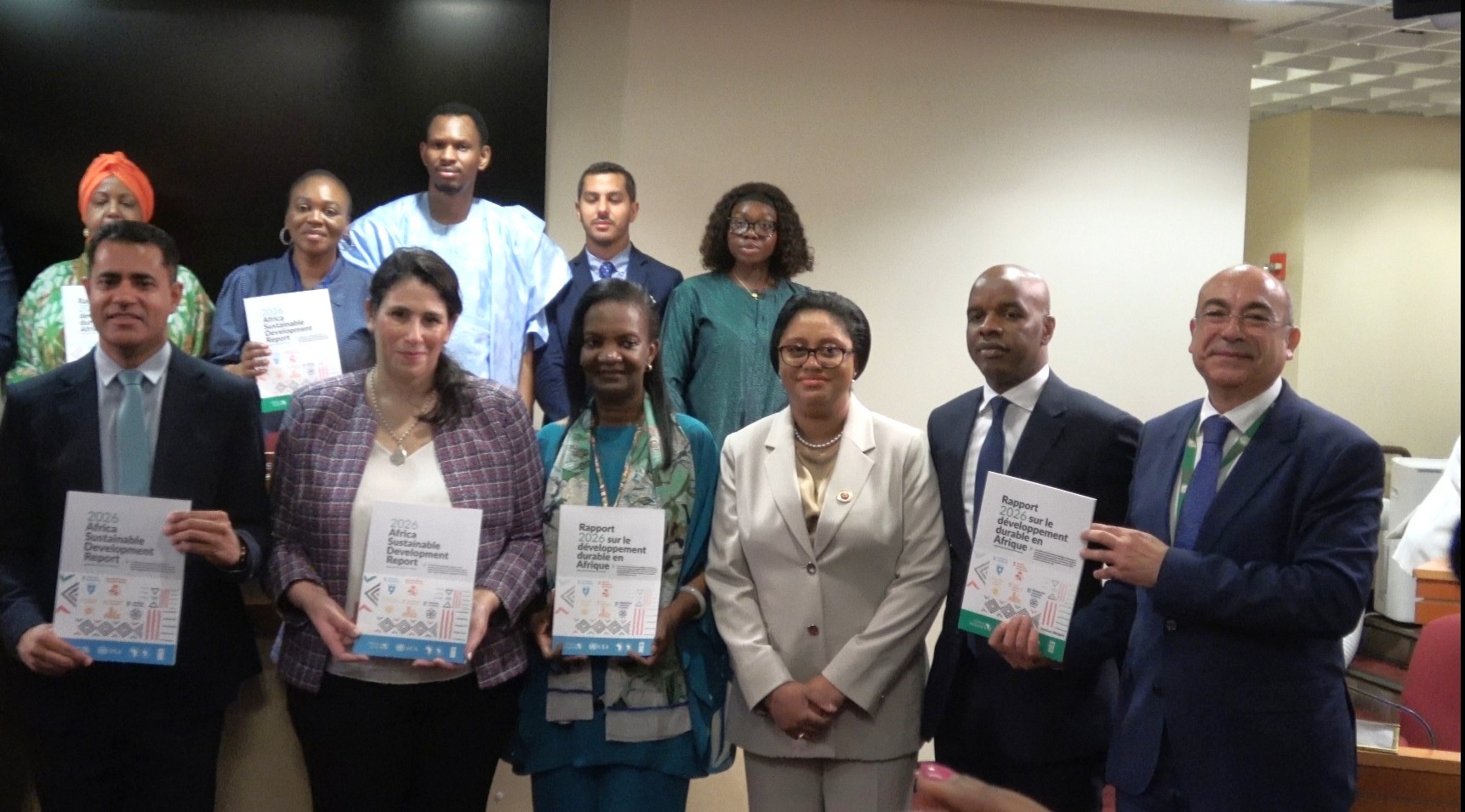
This year’s “Africa Day” event conveyed a clear message: in the face of global economic uncertainty, debt pressures, climate risks, and geopolitical conflict, Africa is not retreating but adapting, innovating, and continuing to move forward. As the 2030 deadline draws closer, the focus of Africa’s development has shifted from formulating visions to implementing action and from policy commitments to measurable, concrete results that benefit its people.


 Participants also paid tribute to the personnel who lost their lives while serving the mission. DPO officials said 311 peacekeepers died during MINUSMA’s deployment, including 17 Malian UN staff members, while many others were injured or made significant sacrifices in support of peace and stability.






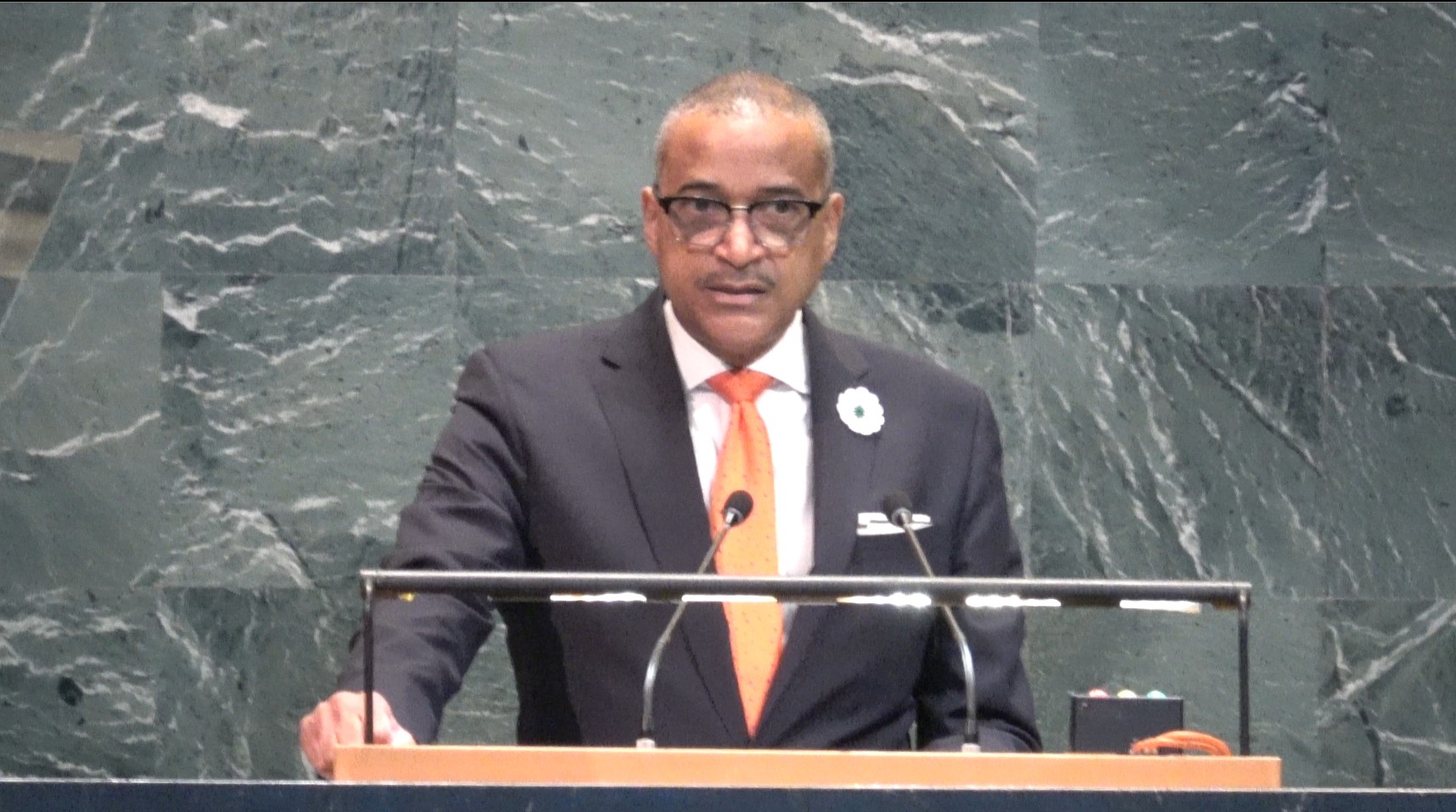
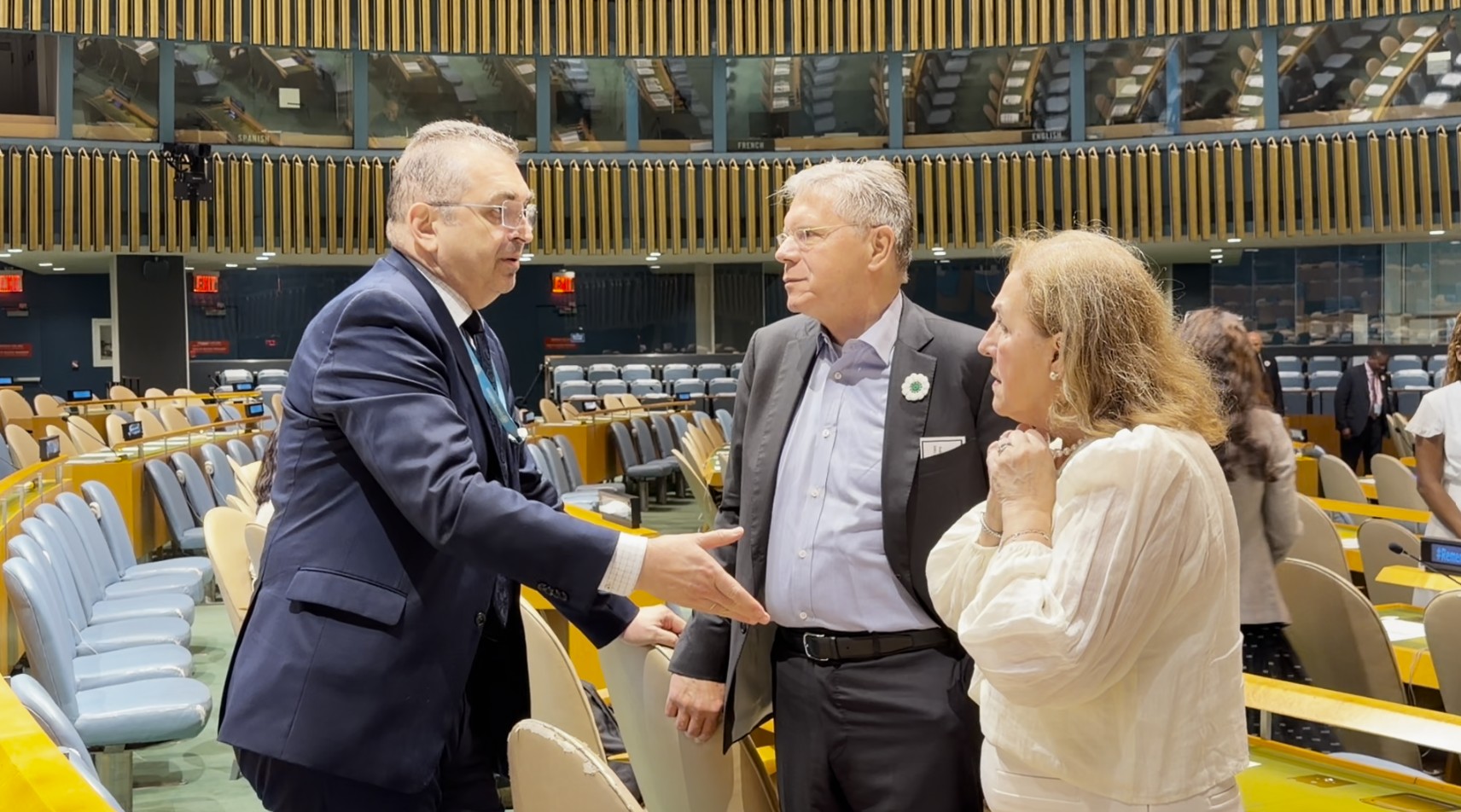
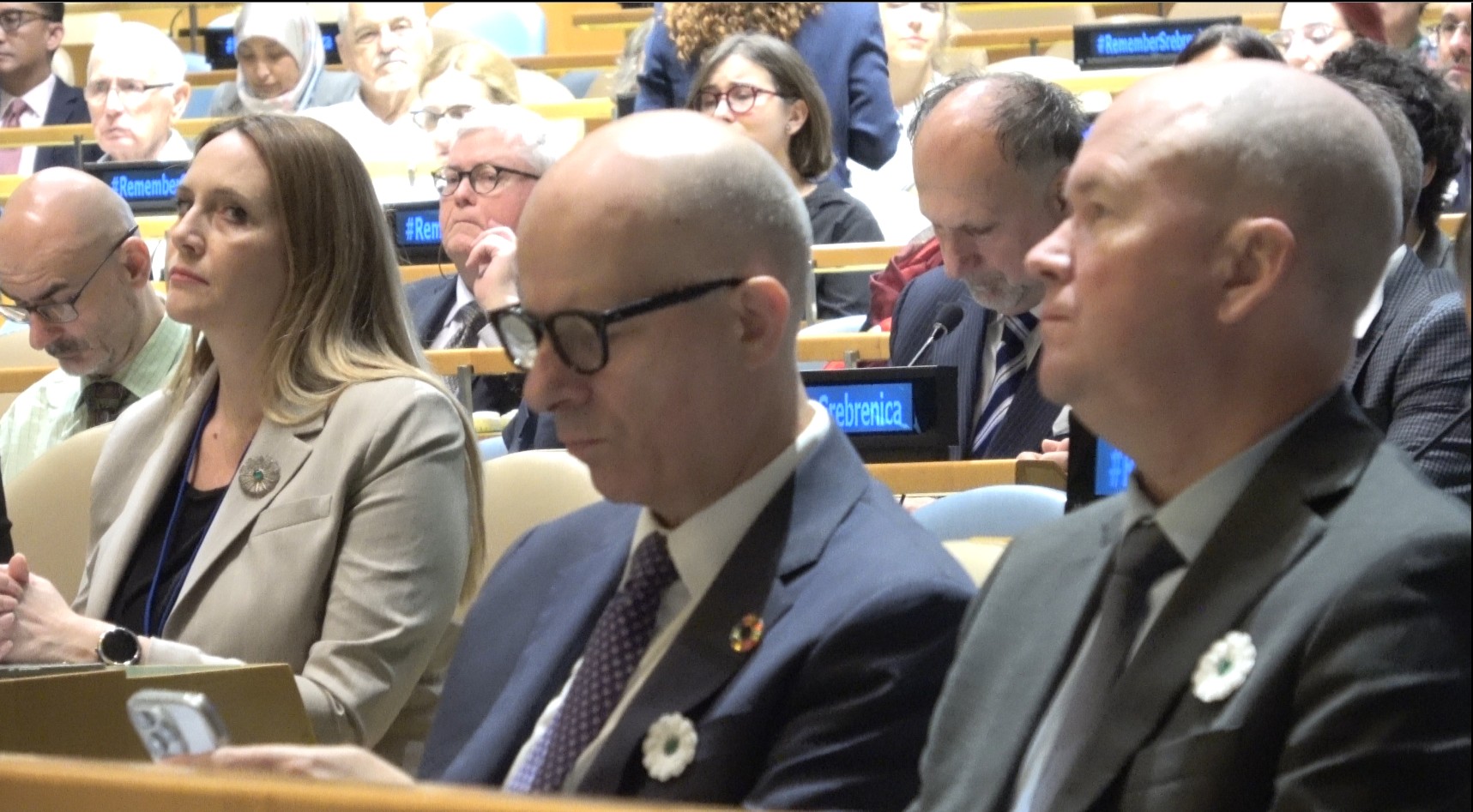 Mr.Maher Nasser(middle) is the Director of the Outreach Division in the United Nations Department of Global Communications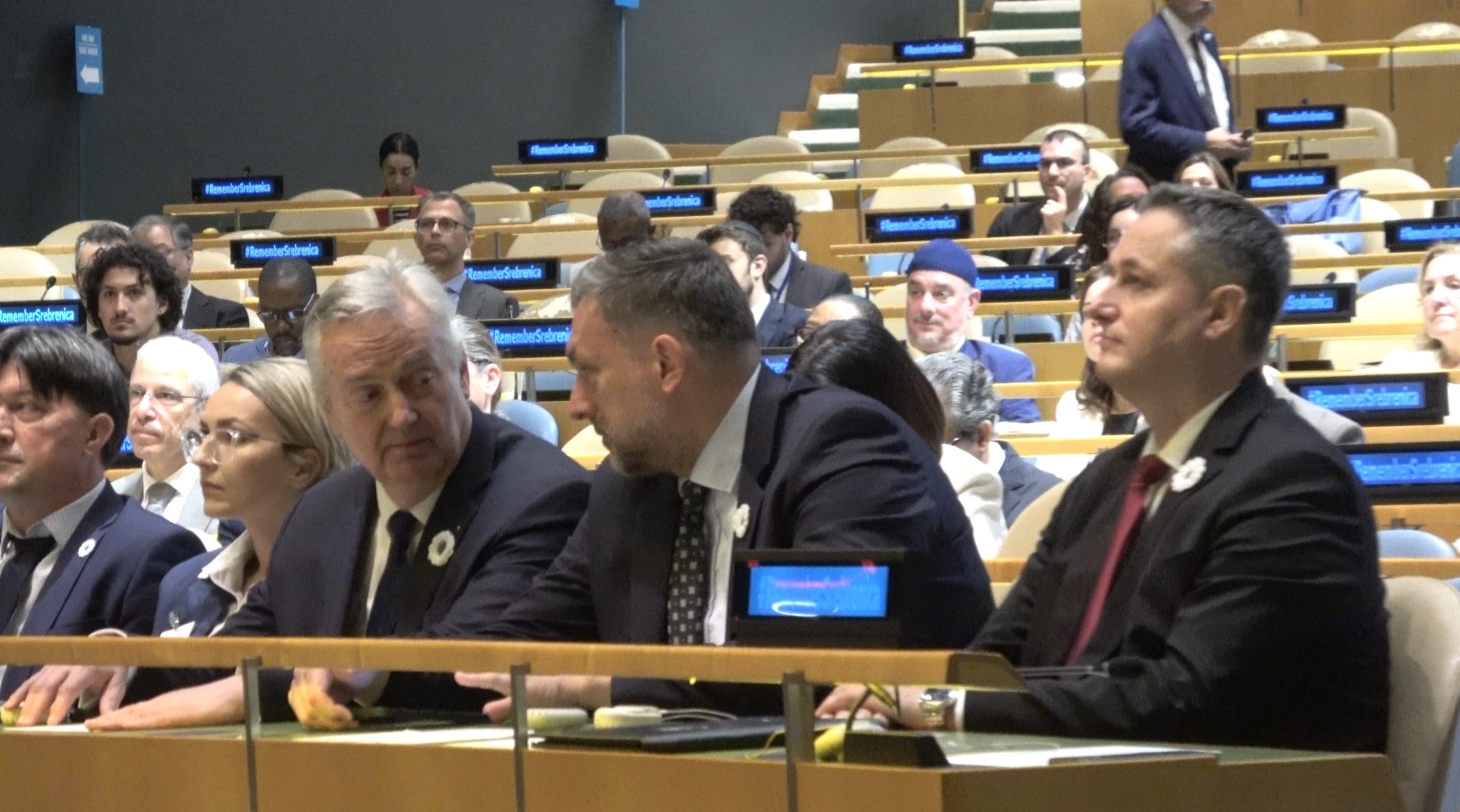
 Mr.Hans Grohmann,Senior Protocol Officer
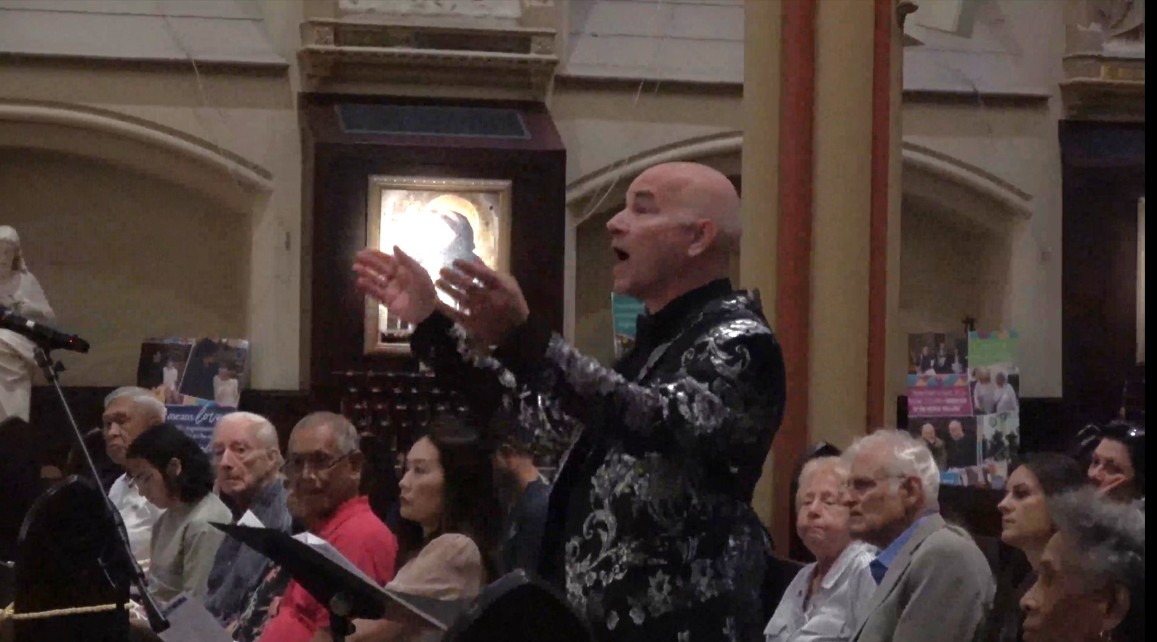
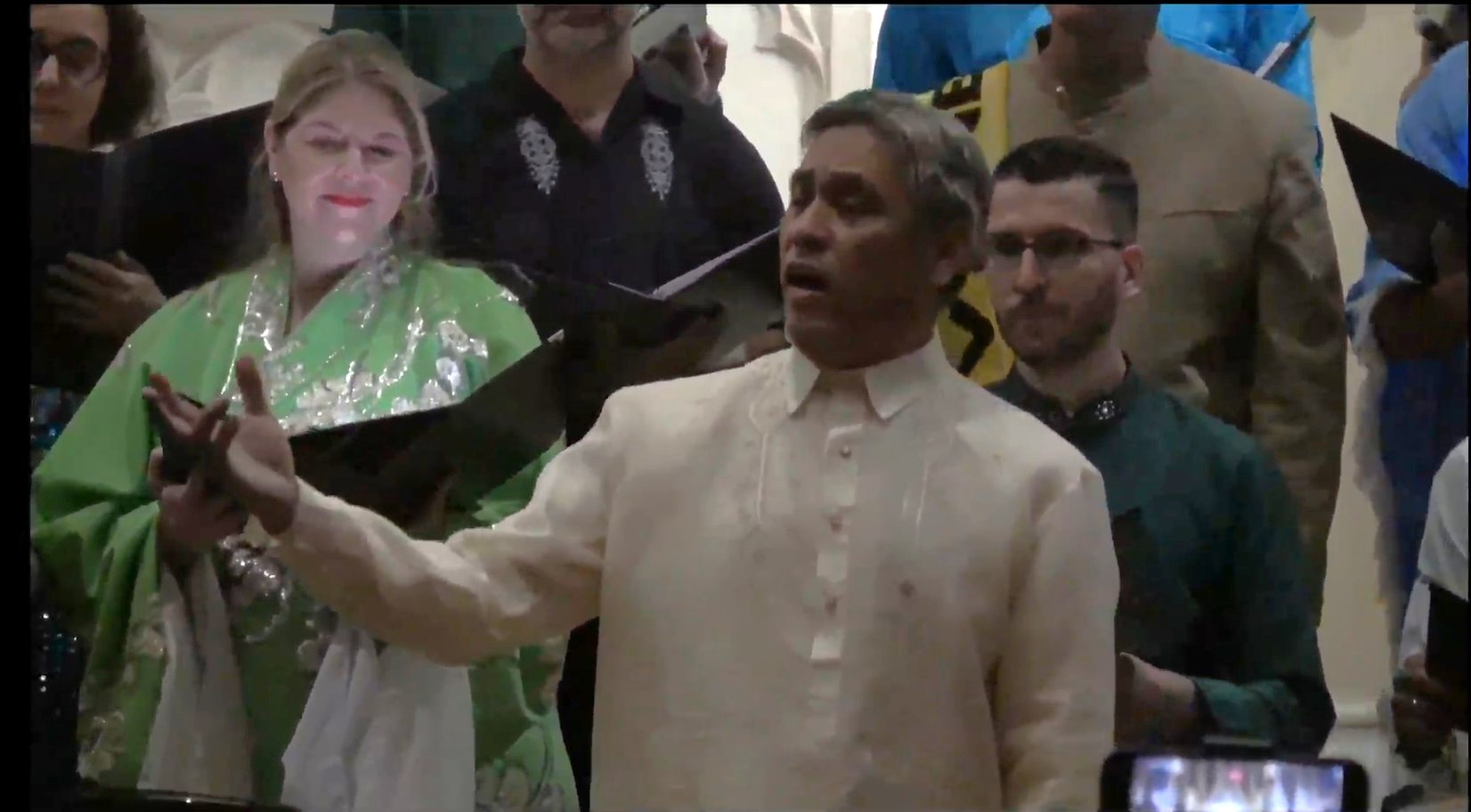
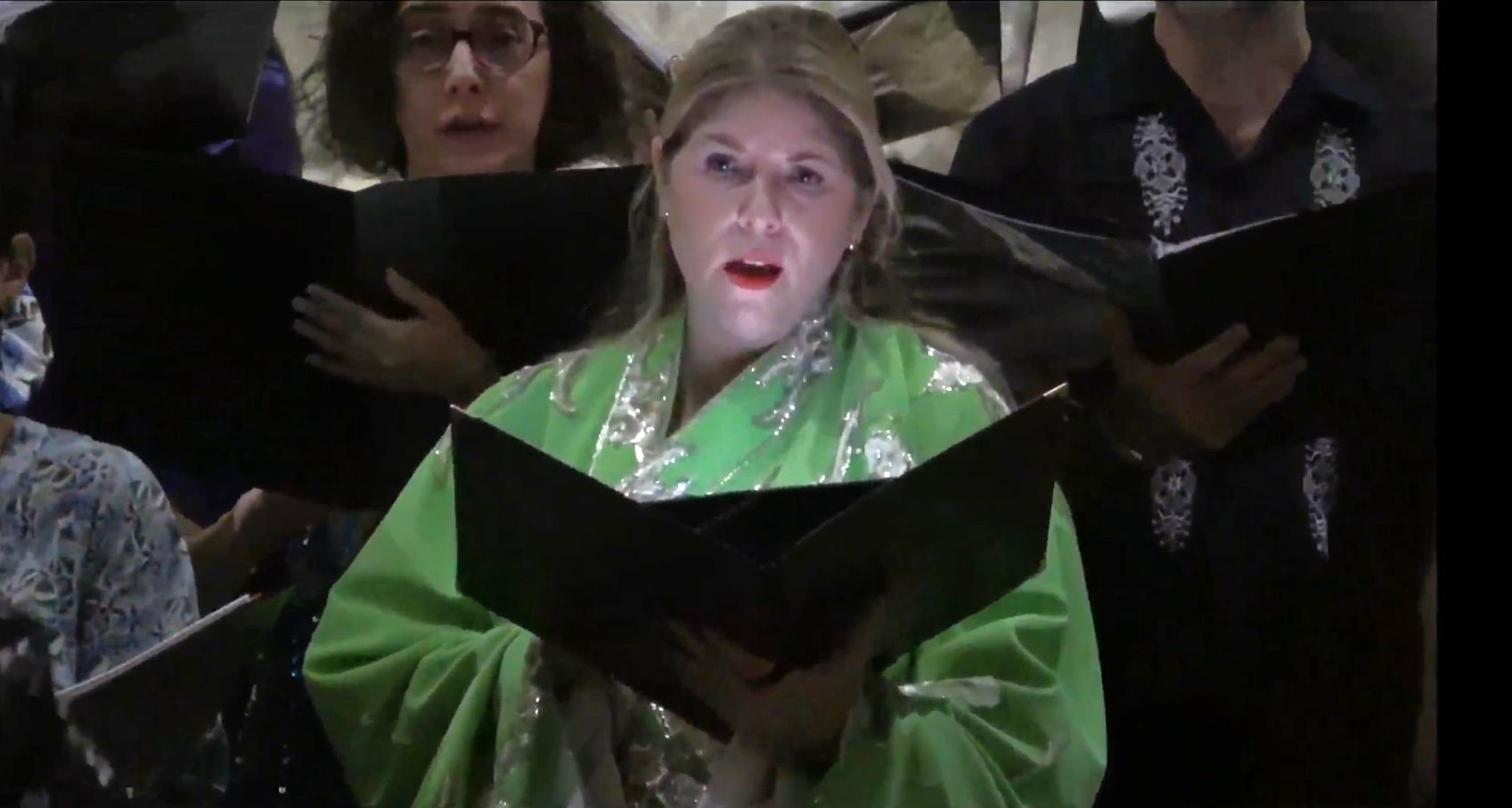
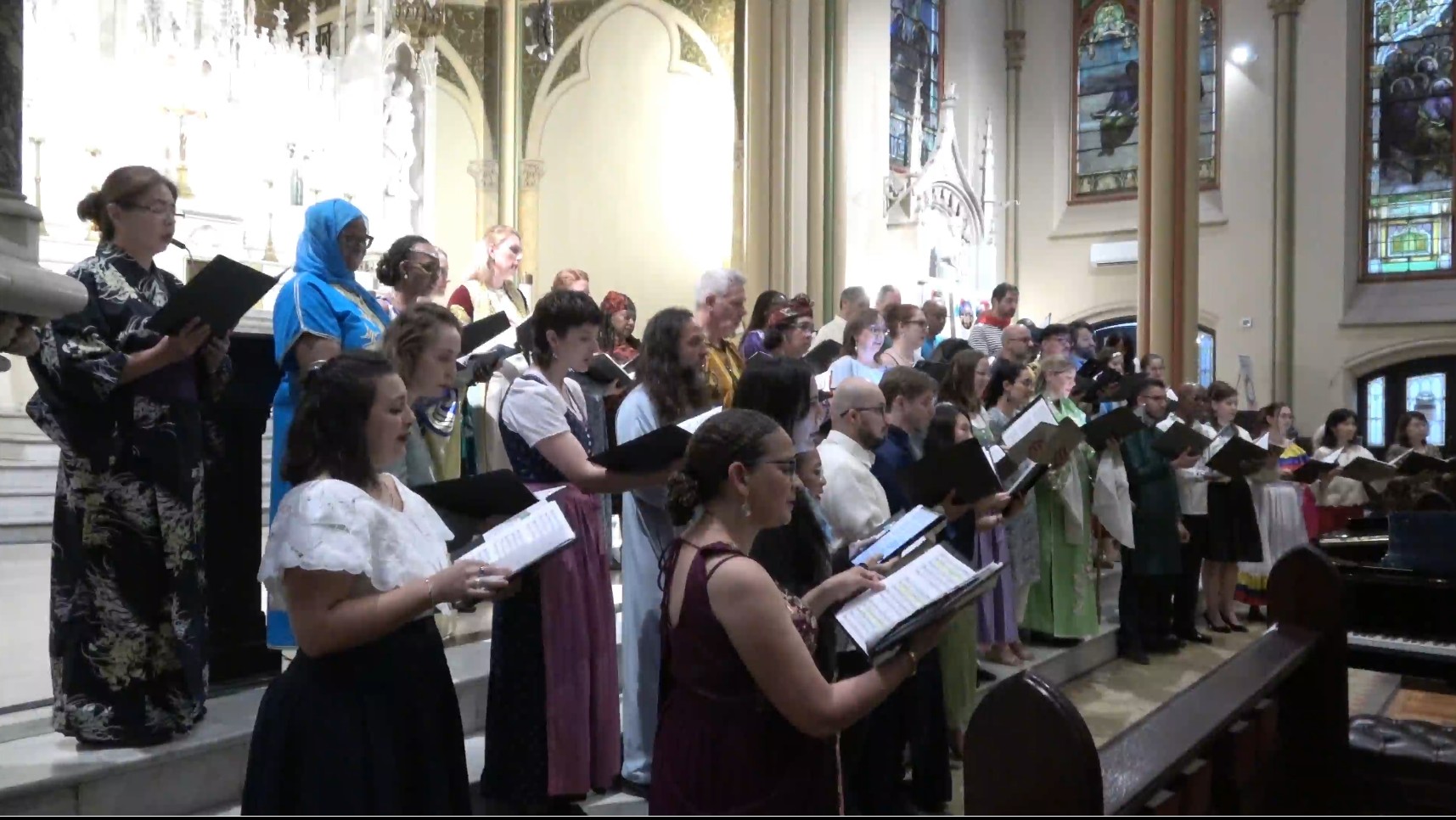
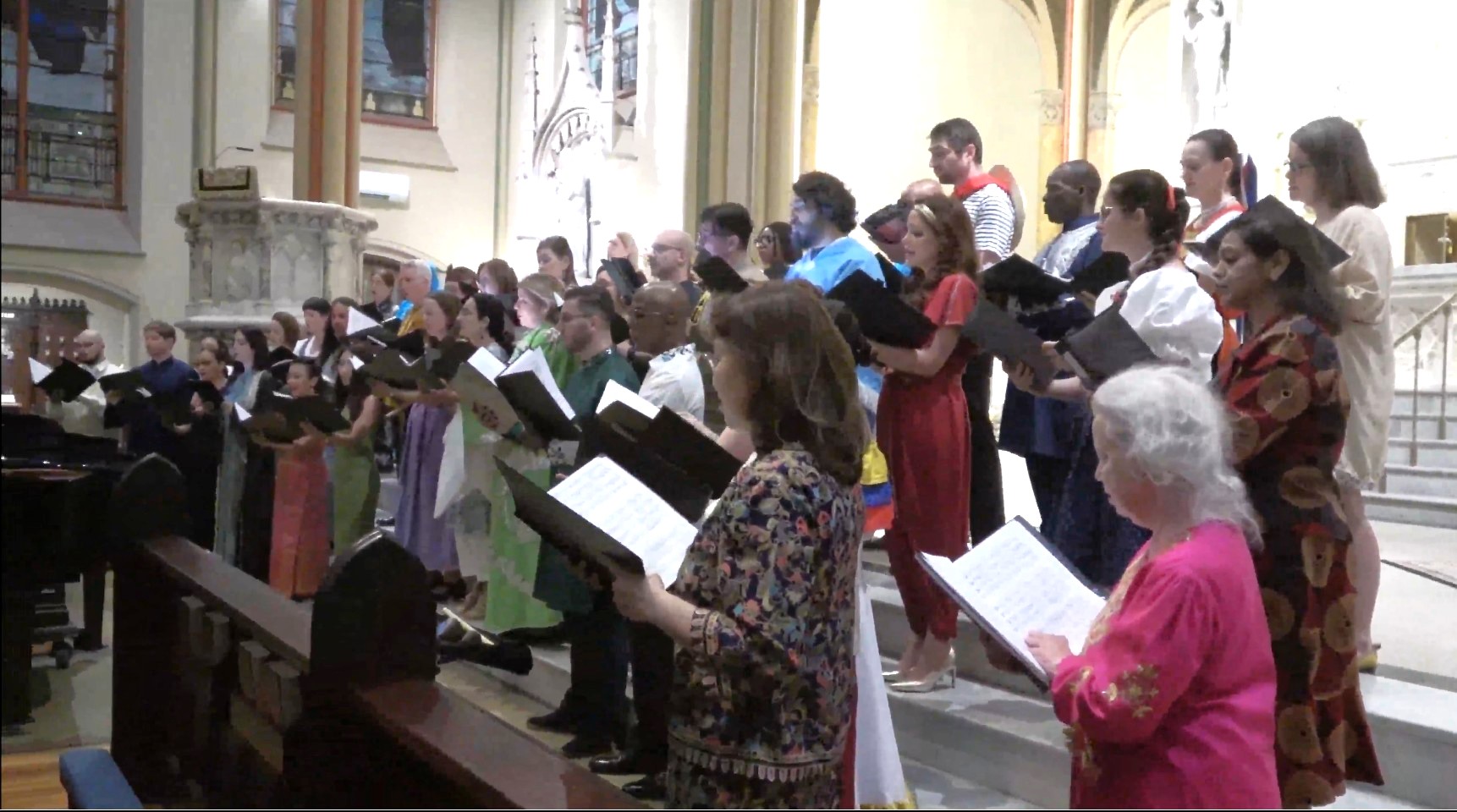
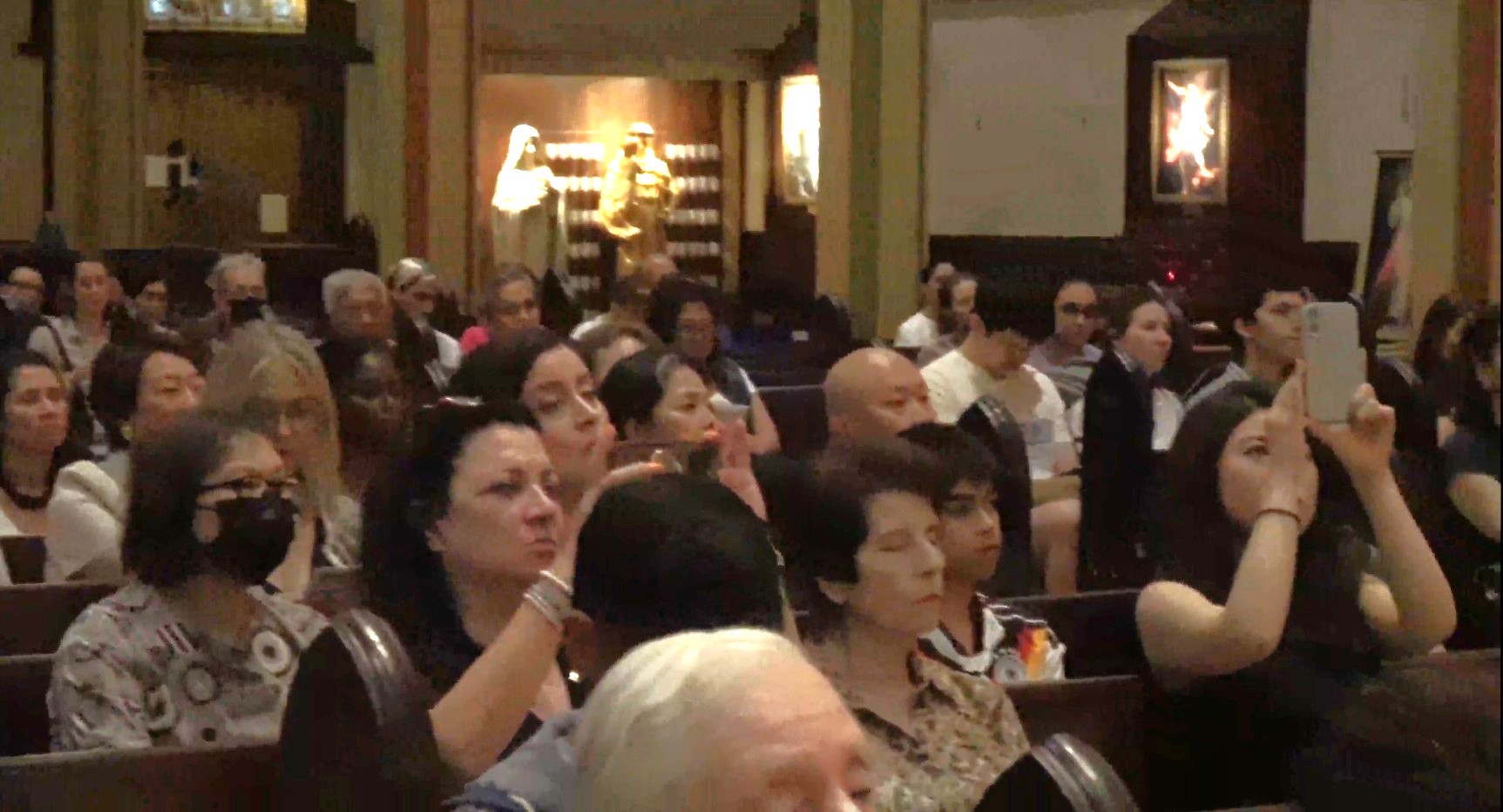
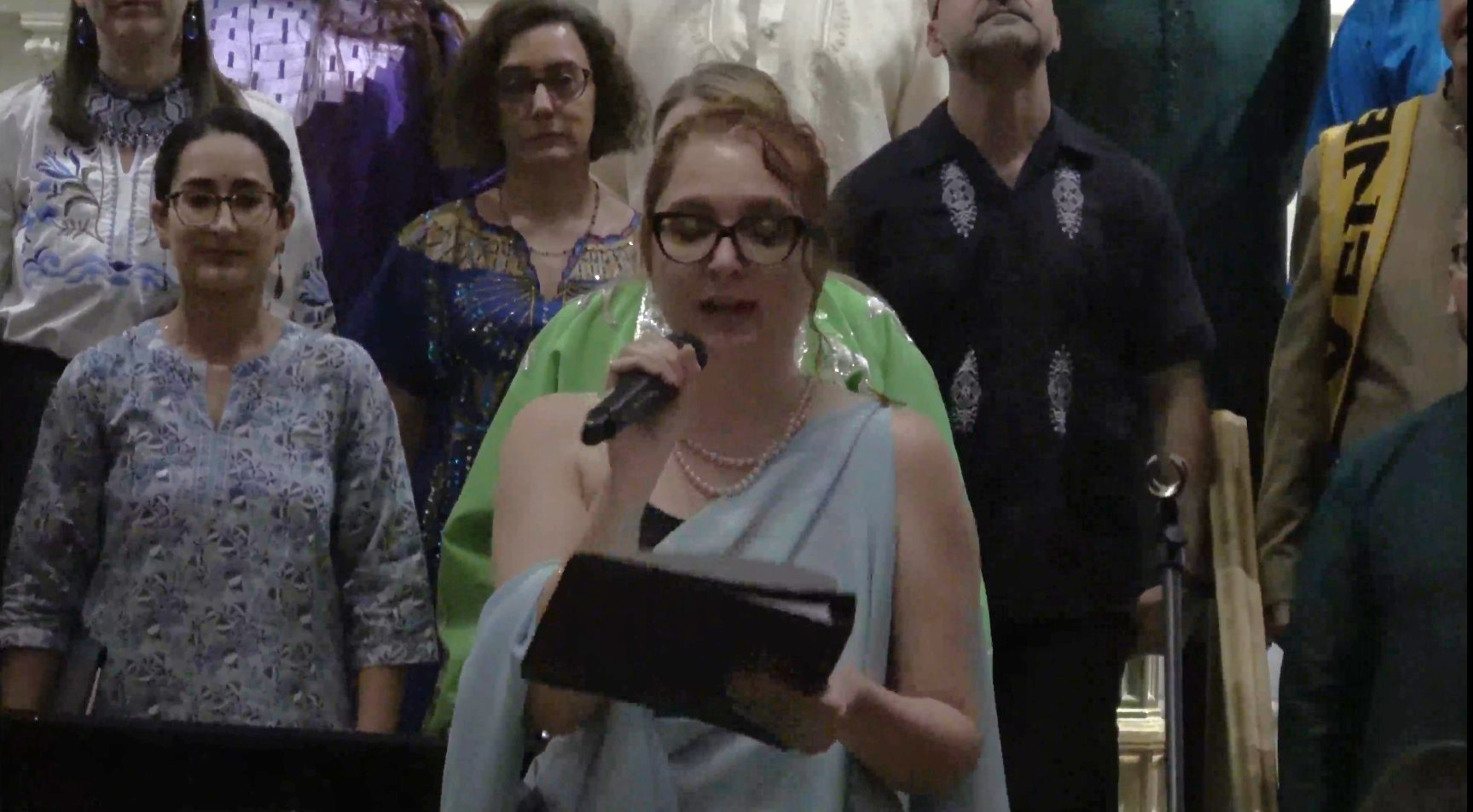
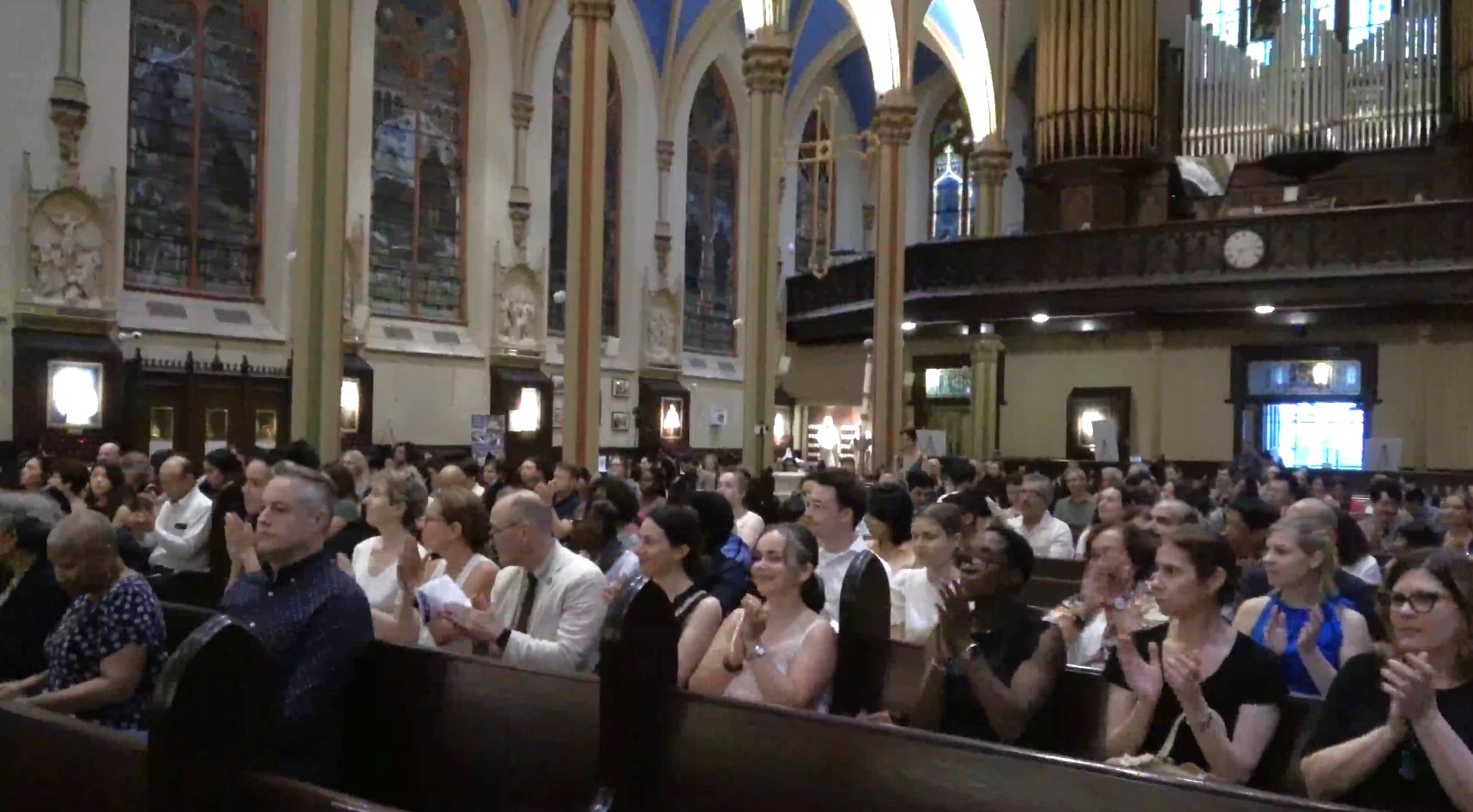
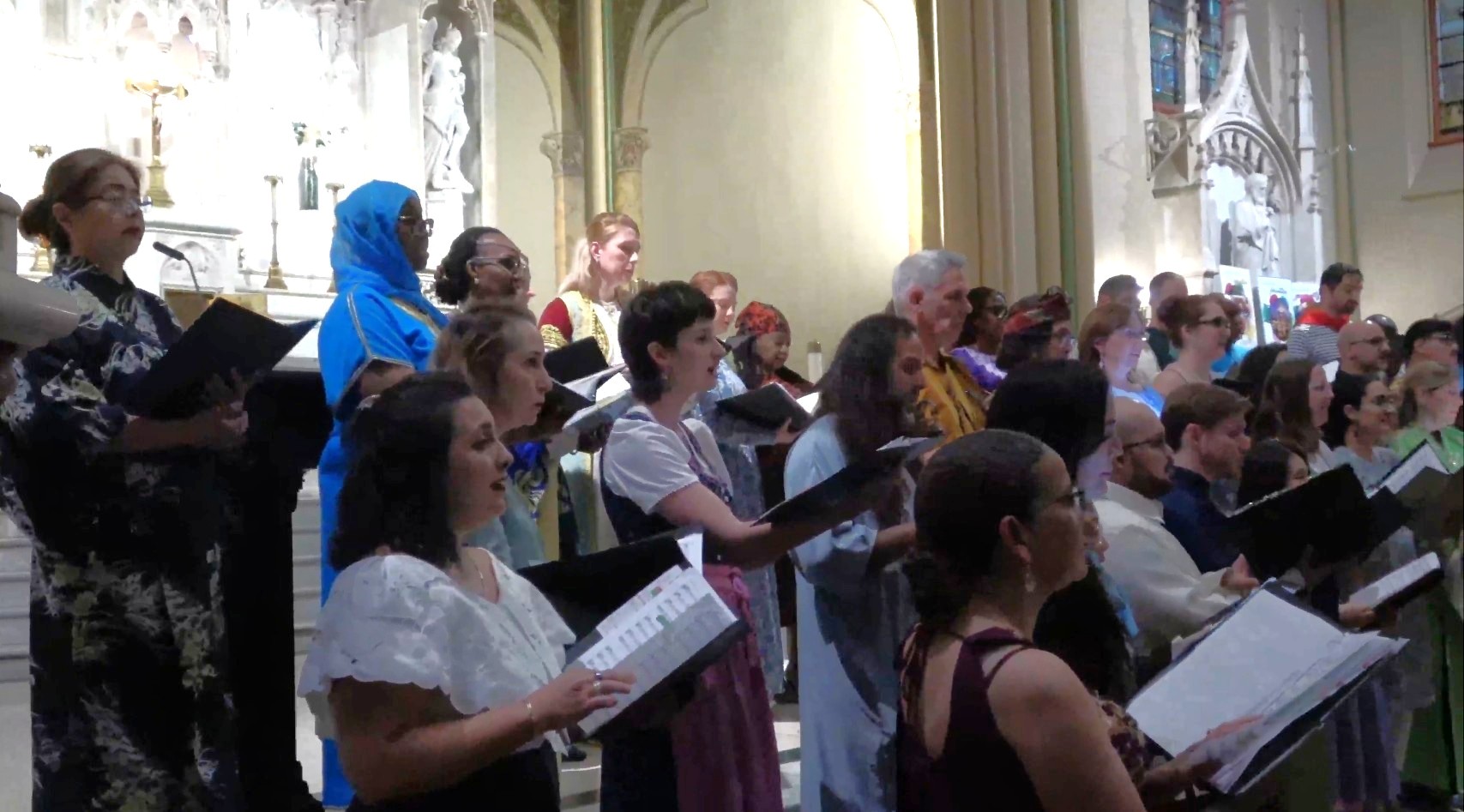
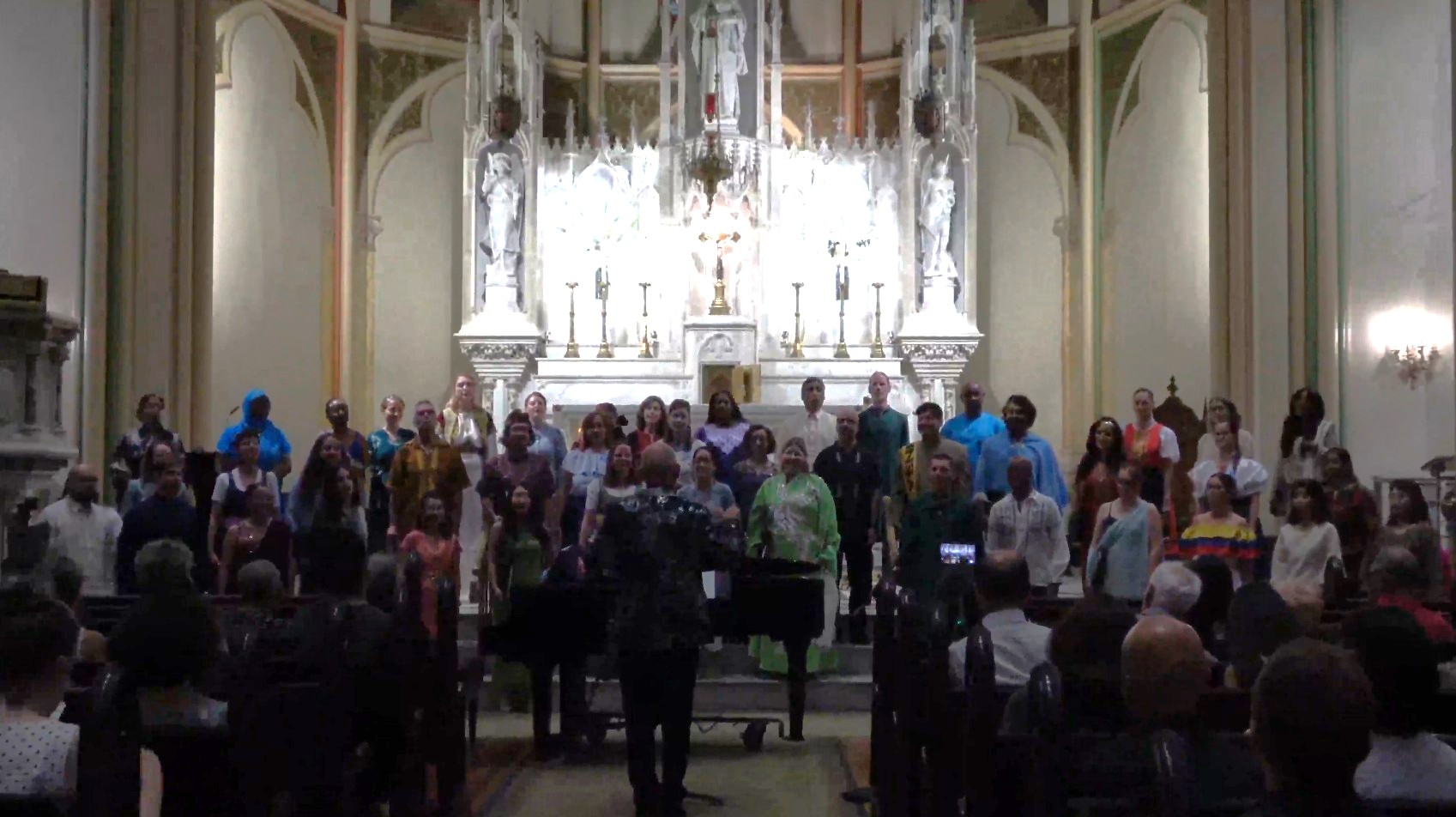
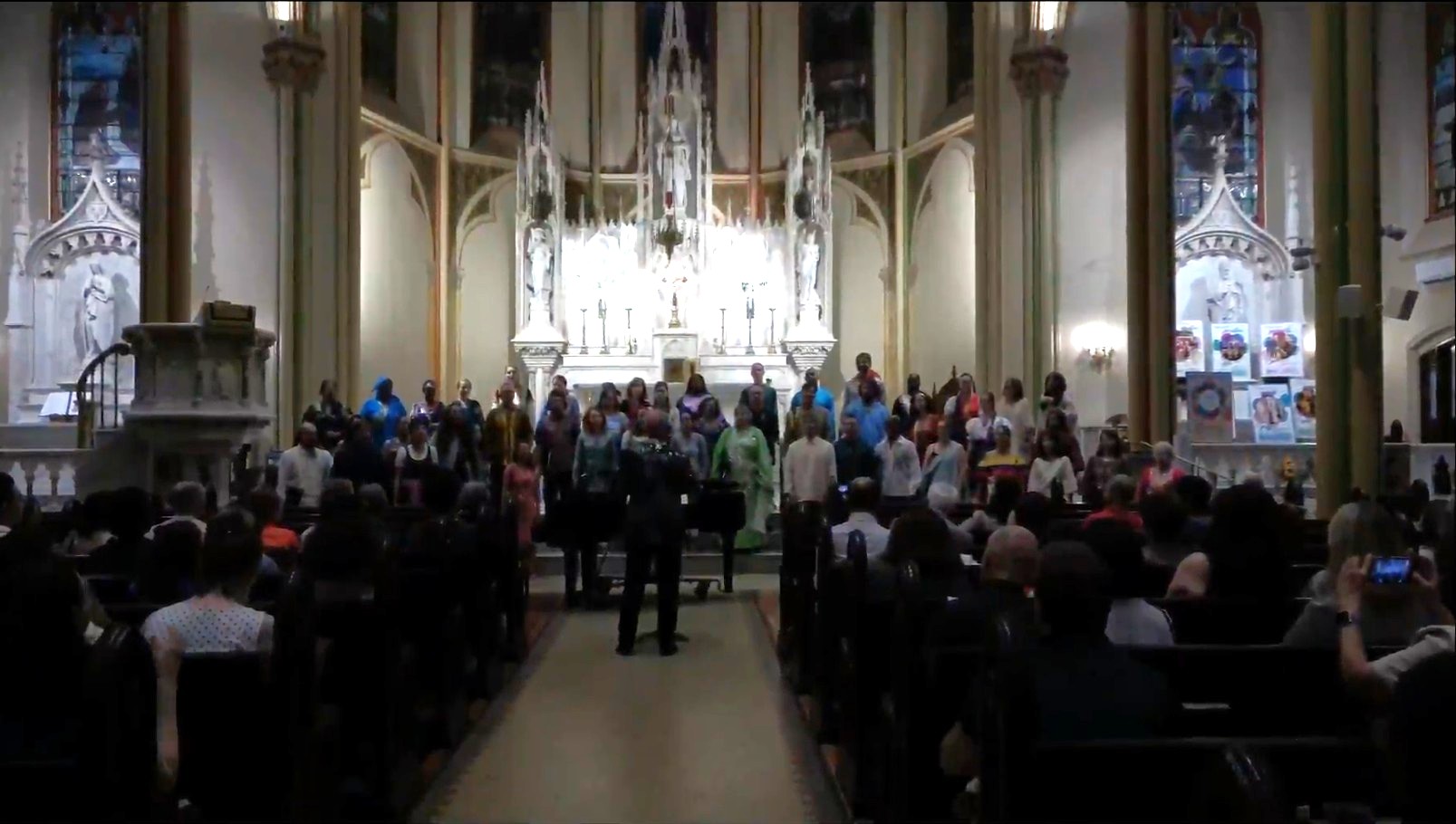
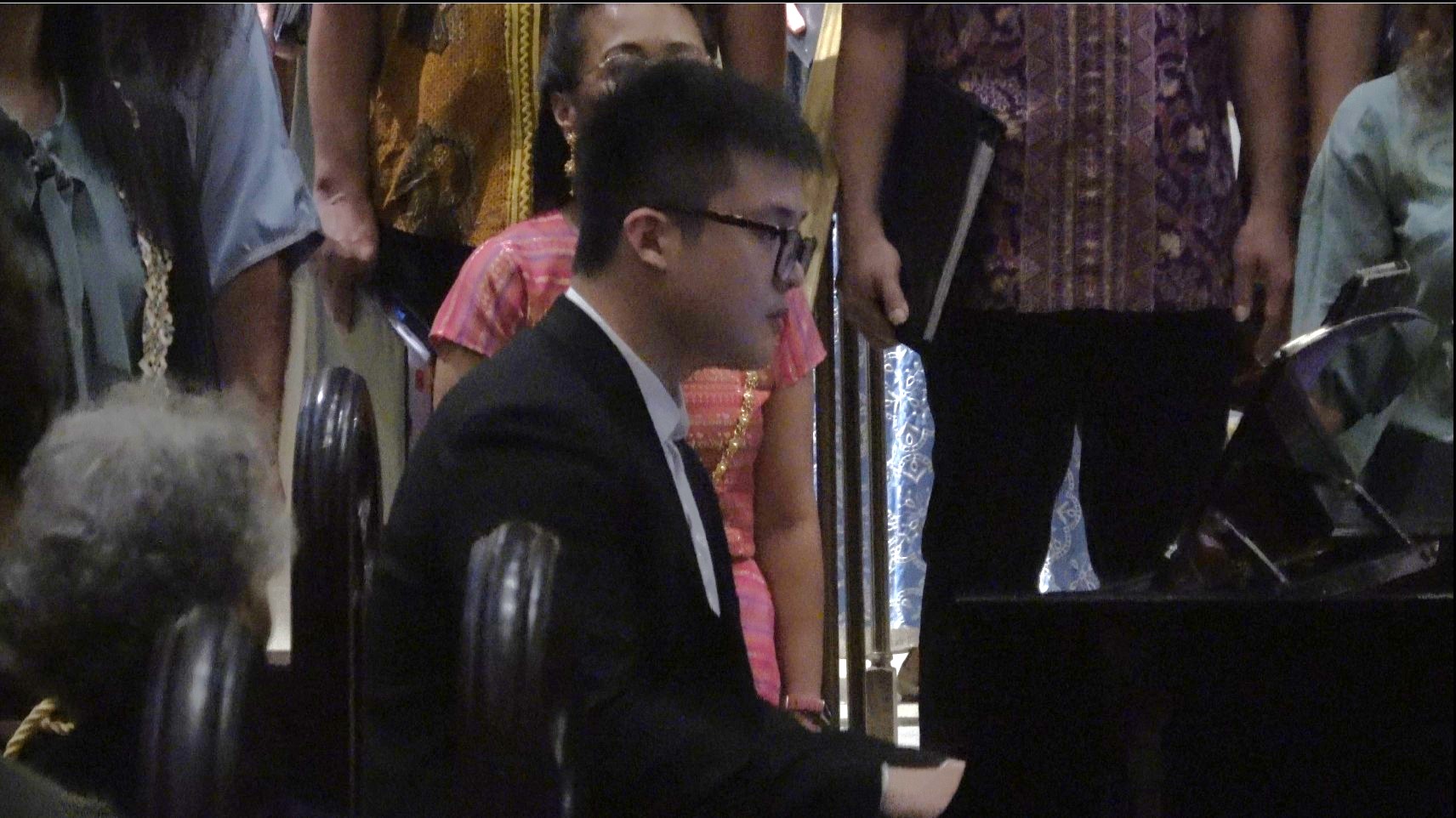
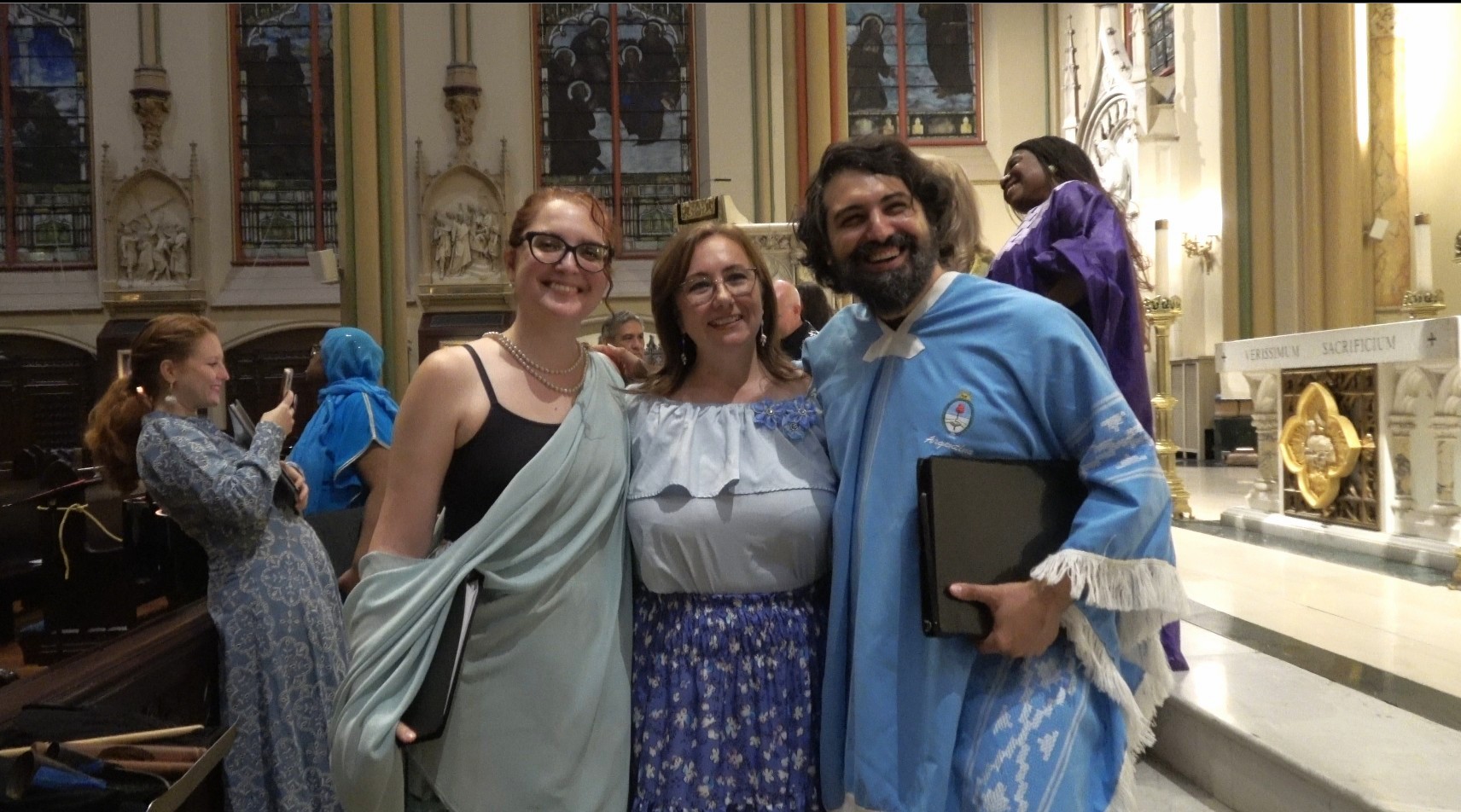
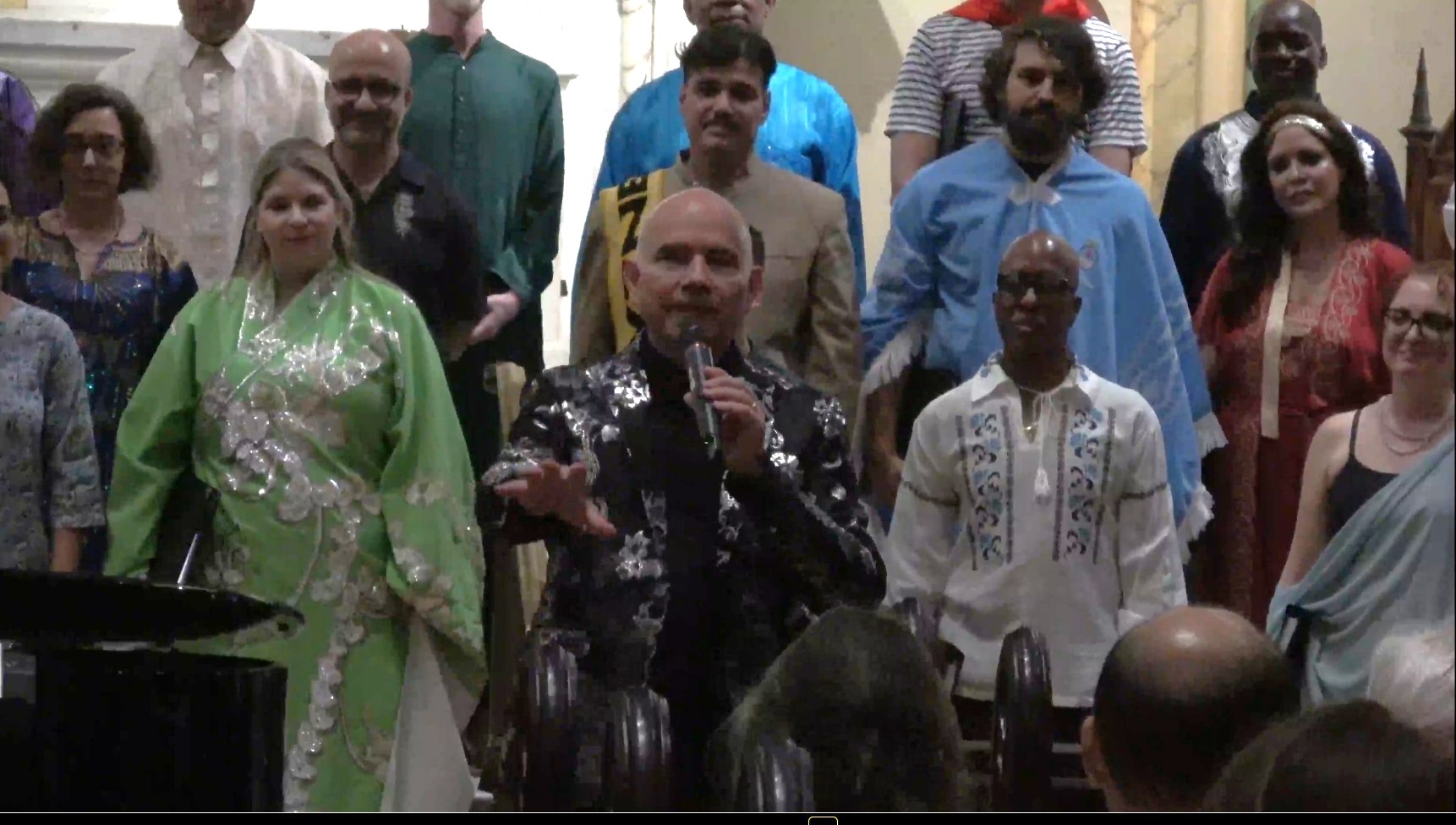 The concert began at 6:45 p.m. at the church, located at 413 East 79th Street in Manhattan. The performance was conducted by Guillermo Vaisman, the ensemble’s Argentina-born music director and choir conductor. New York-based Chinese pianist Ming Jin served as accompanist. Carlo Zenarosa was the assistant conductor, Erica Gaston served as section leader, and Florencia de Castro appeared as soloist.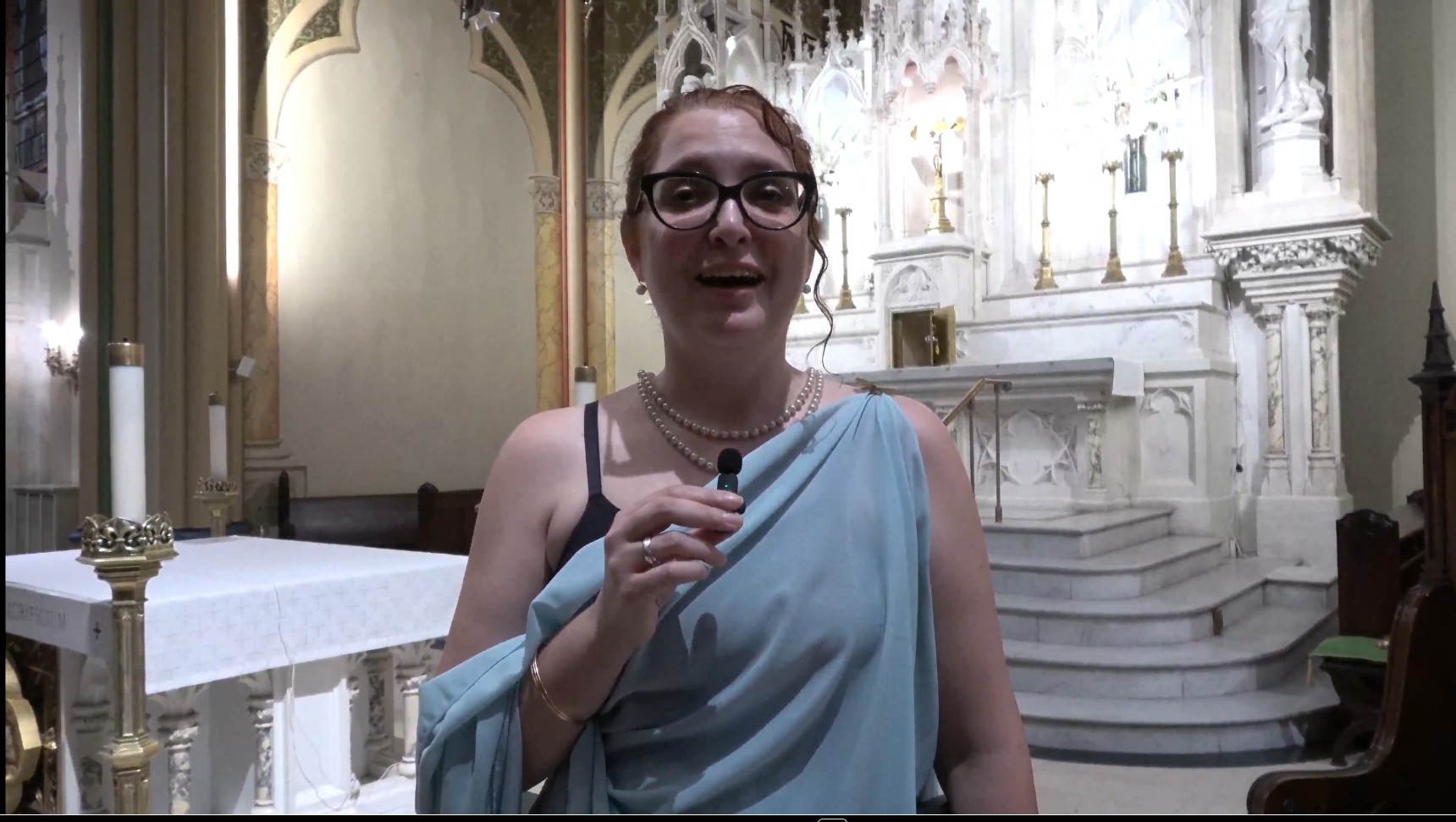
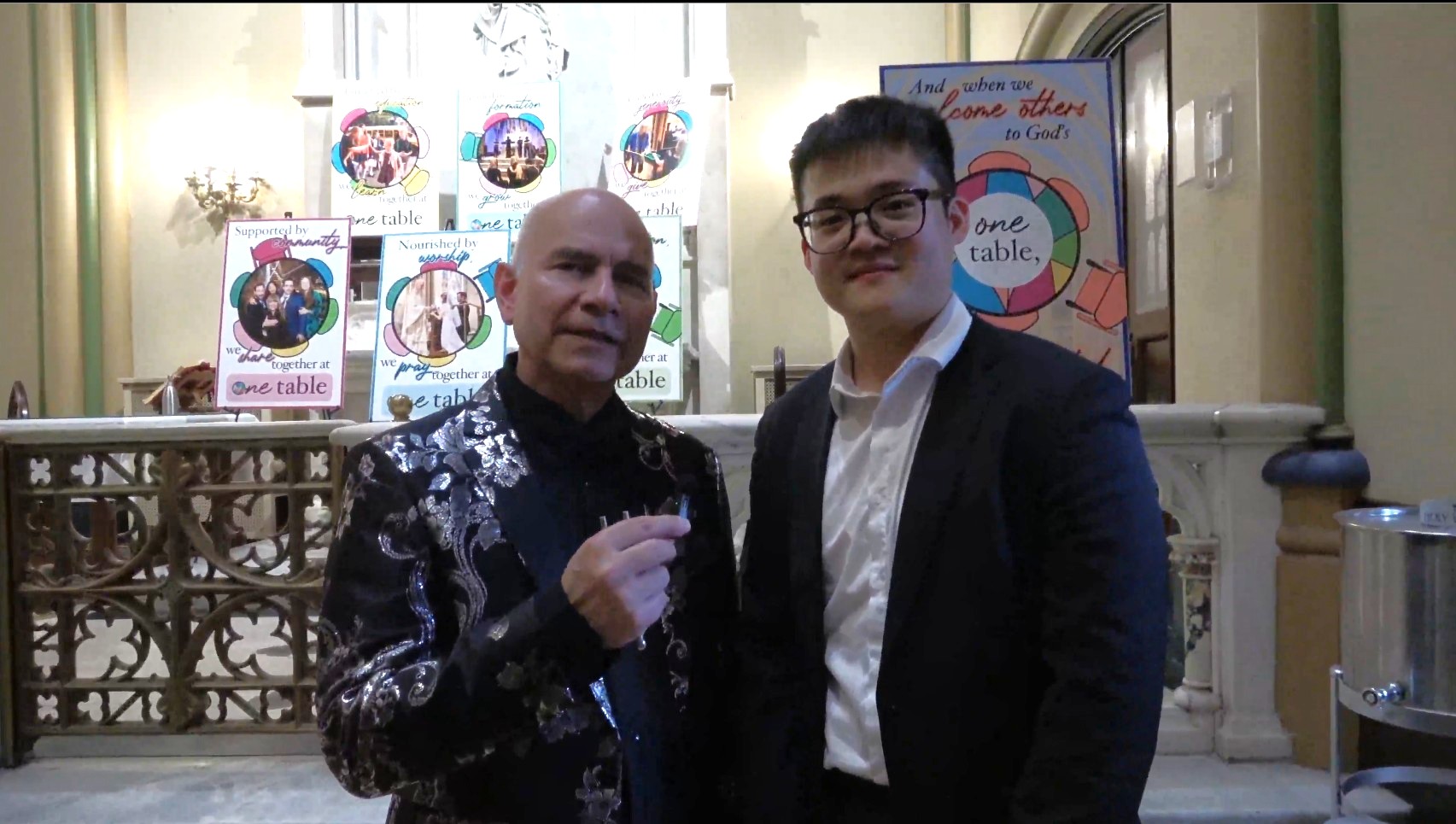
 Other selections included the Cuban piece “Son de Camagüey,” the American folk song “Shenandoah,” the Peruvian song “Estrellita del Sur,” and the Italian works “Non Potho Reposare” and “Appunti Andalusi.” The choir also performed “Sing Me to Heaven” by American composer Daniel Gawthrop and “My Soul Is a River” by Ben Allaway.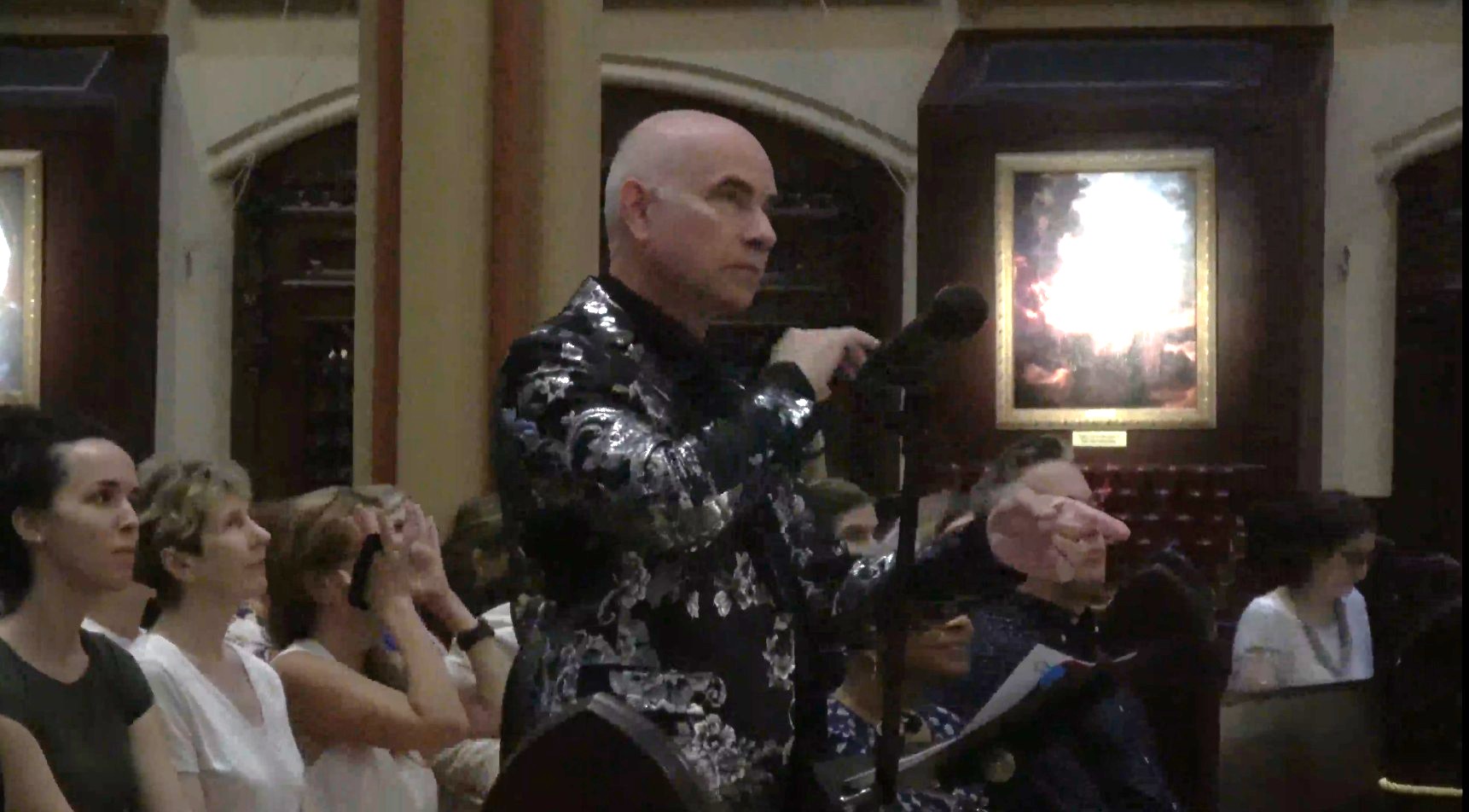
 Music Director Guillermo Vaisman, originally from Entre Ríos, Argentina, is a New York-based arranger, accordionist, and founder of several musical ensembles. He studied at the Julián Aguirre and Juan José Castro conservatories and at the Universidad Argentina in Buenos Aires, later conducting at some of Argentina’s most prestigious venues, including Teatro Colón.