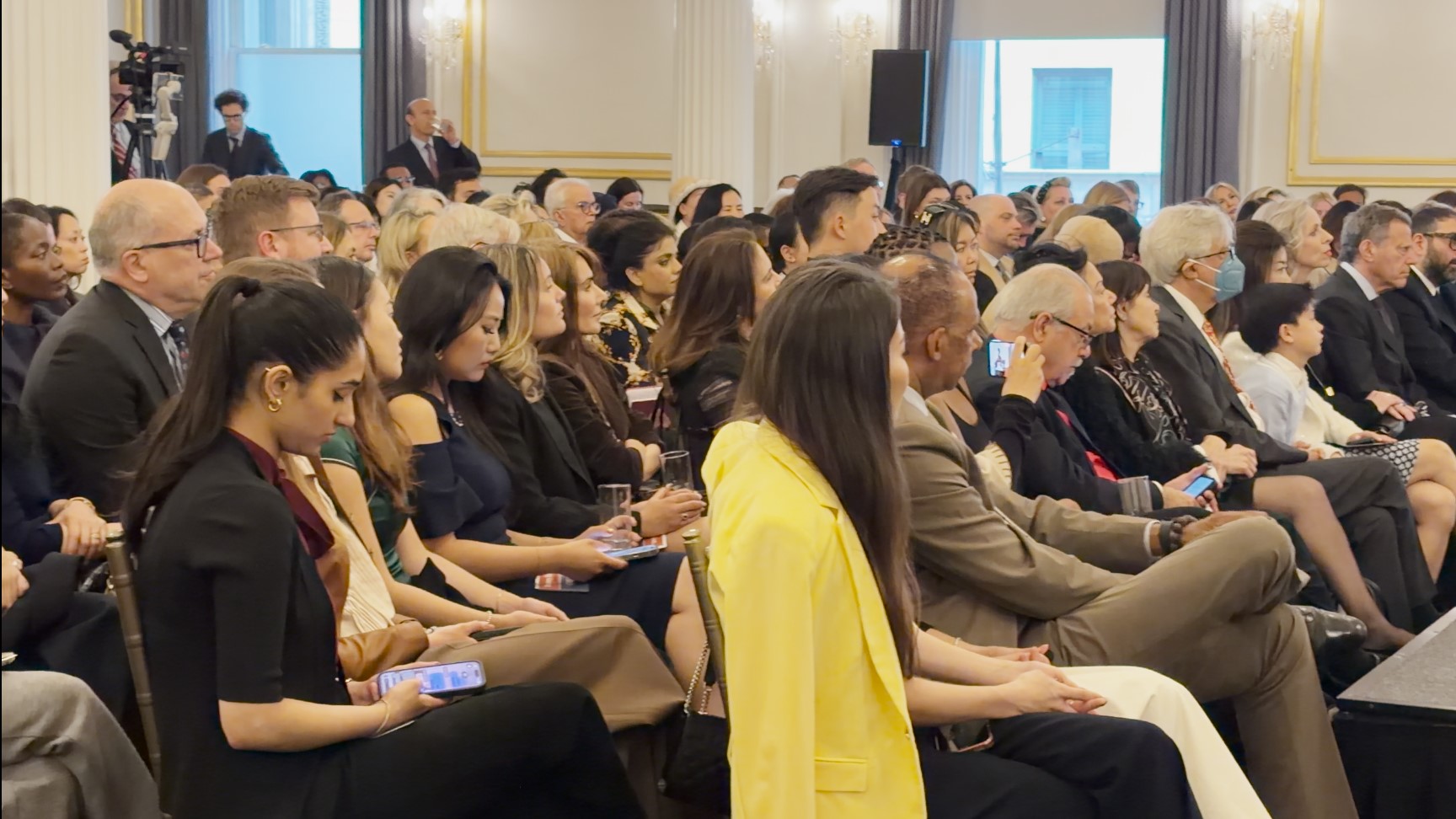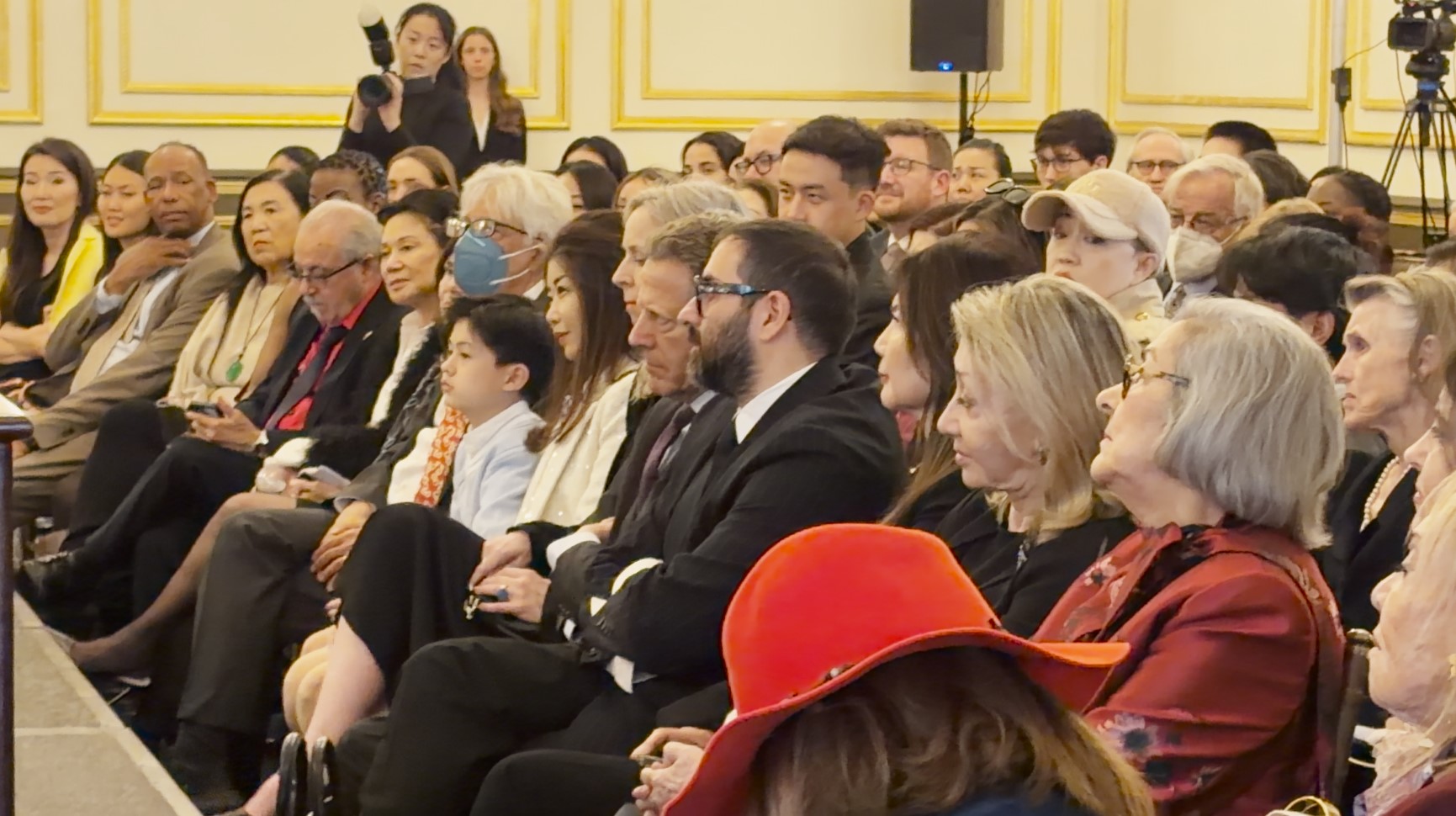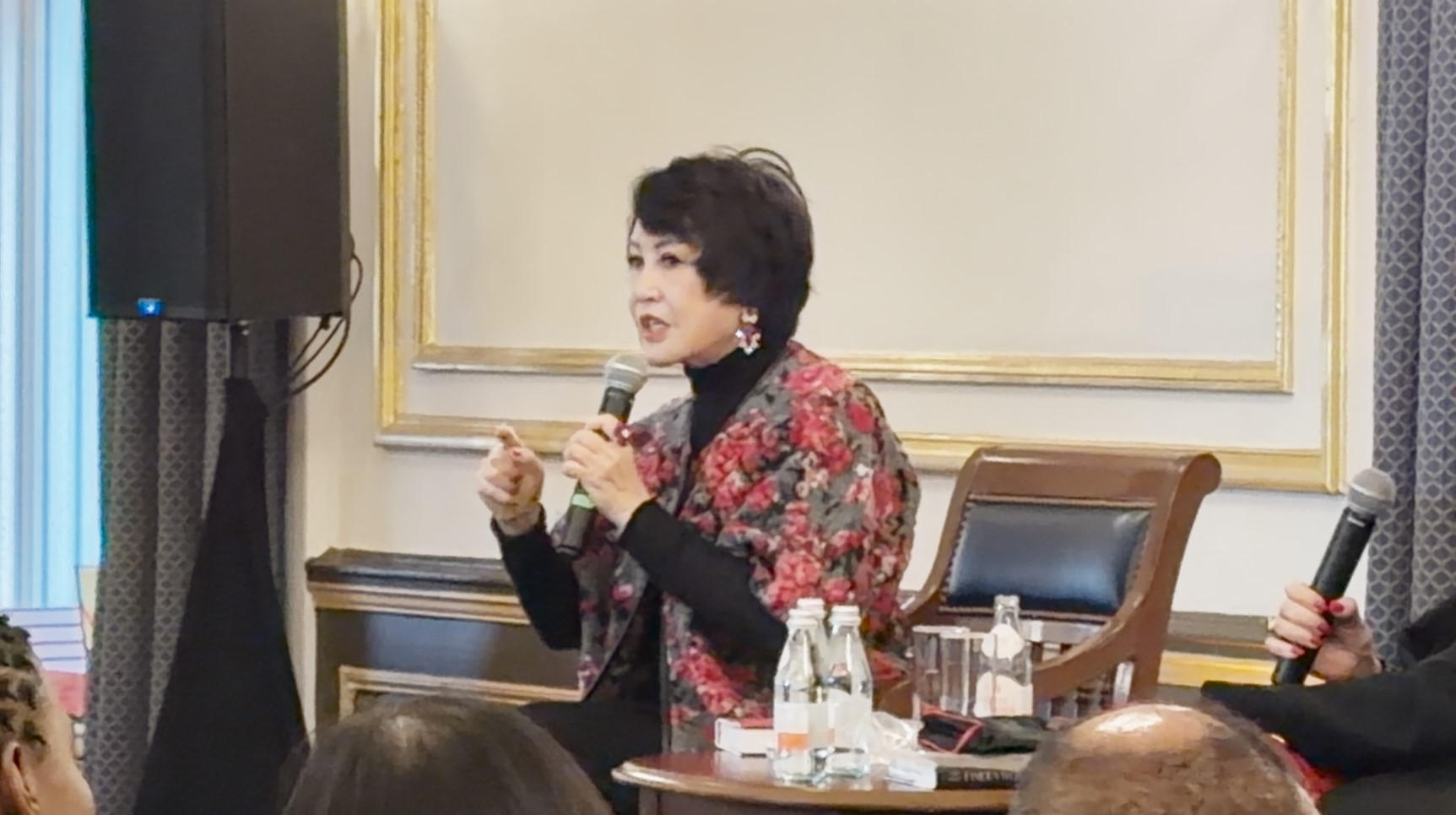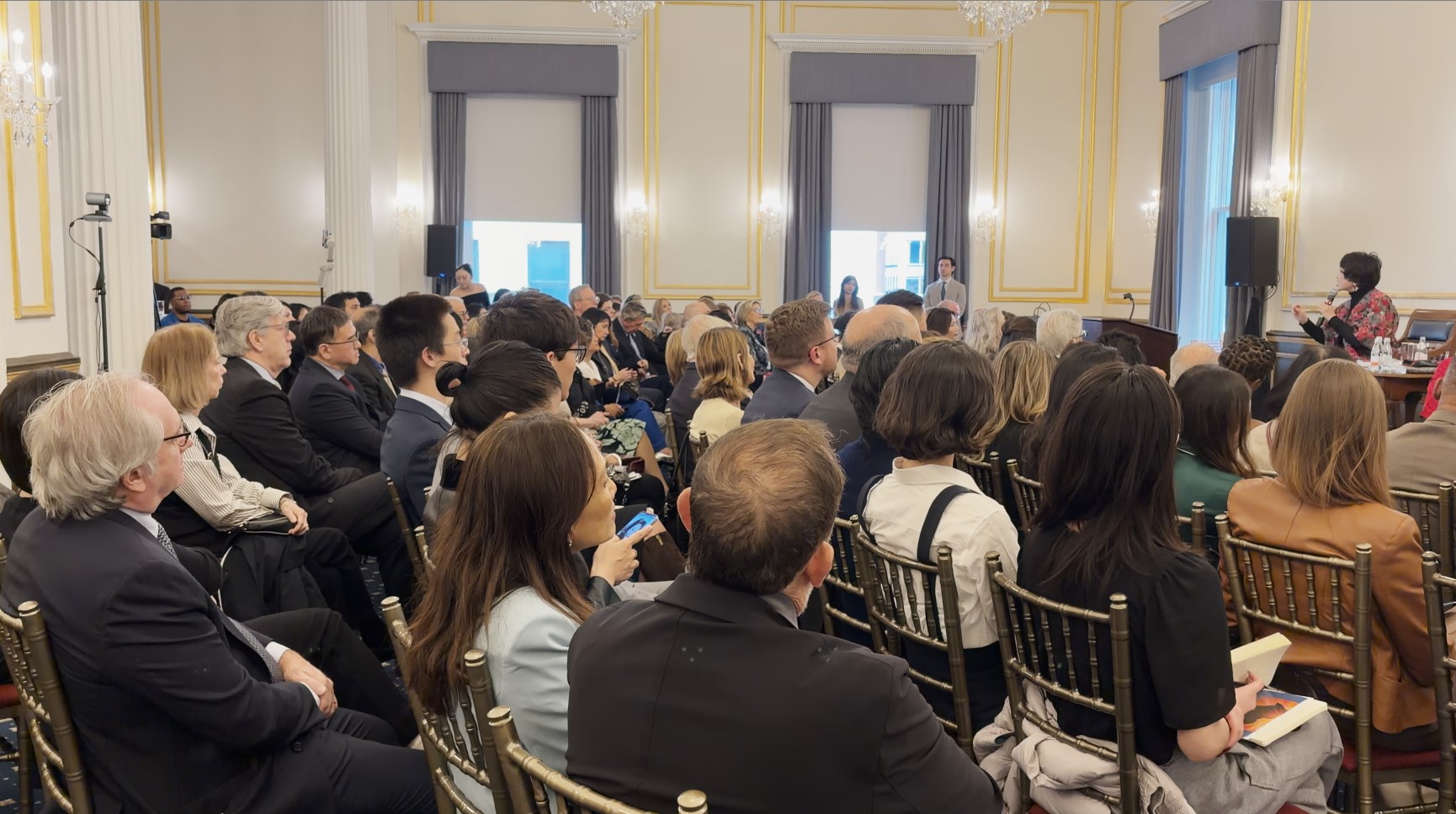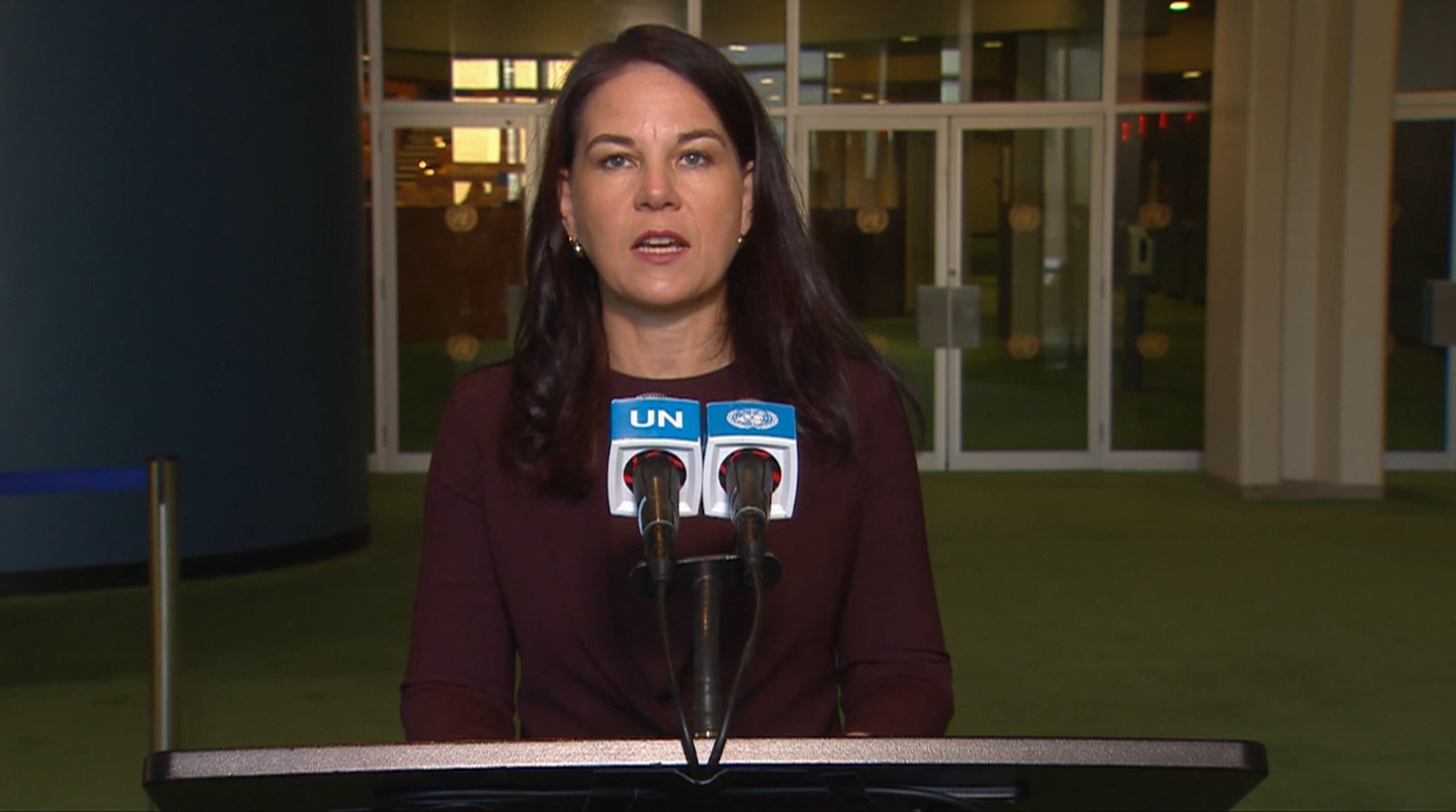
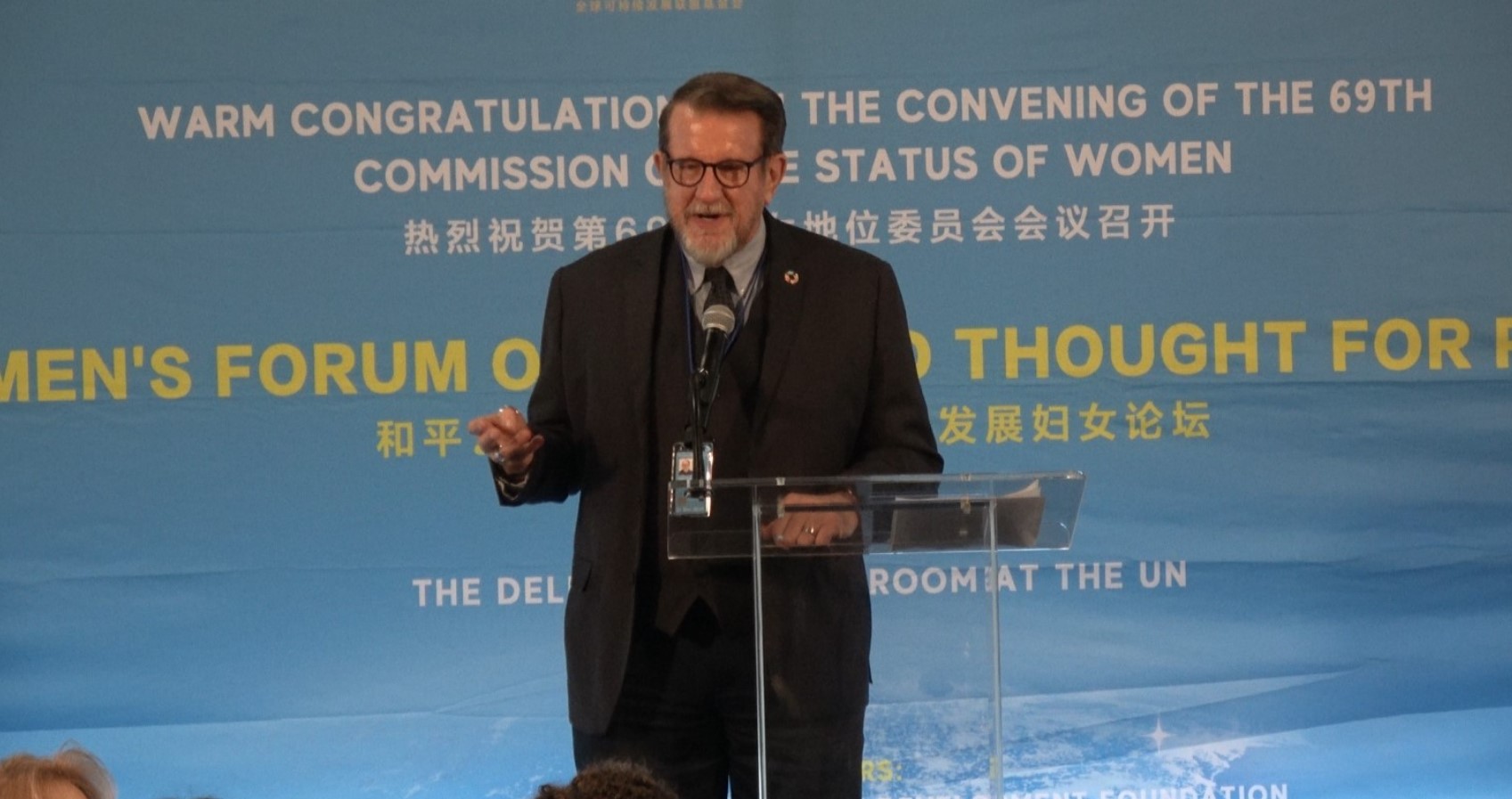
Celebrity Media Editor’s Note: In this exclusive conversation, the interview with Stéphane Dujarric, Chief Spokesperson for the United Nations Secretary-General, reveals two key messages:
On one hand, the UN is facing unprecedented challenges — an outdated power structure, restricted funding, and escalating conflicts that make its actions appear constrained. On the other hand, the UN still carries the unique expectation of the international community — it remains an irreplaceable stage in global governance, the final line of defense for humanitarian aid, climate action, and peace mediation.
Dujarric’s responses, though devoid of ornate rhetoric, conveyed what feels like the UN’s own “confession”: it may not be perfect, and often appears powerless, yet it continues to strive to stand firm at the center of the storm. As he said, “We need a better United Nations.” This is not only the Secretary-General’s appeal, but also the shared demand of humanity in an era of turmoil.
Celebrity Media TCommentator: The Unique Power of Sports Diplomacy:Football, the world’s most influential sport, has long been regarded as a “universal language.” It transcends cultural, linguistic, and political barriers, serving as a bridge for building trust and fostering unity. As highlighted in remarks at the United Nations, football touches more than five billion people globally. Its passion and sense of togetherness go far beyond competition on the pitch.
The Football for Peace organization is founded on this unique value. It treats football not merely as a game but as a powerful social force—an instrument for identity, solidarity, and peacebuilding across nations and communities.
播放器加载中....
From Personal Experience to Global Initiative:The organization’s leader Kash Siddiqi recalled how his mother was forced to flee her homeland decades ago due to conflict, and how football gave him a platform to re-engage with society. This personal experience infused Football for Peace with a deeper humanitarian mission.
Beginning its journey at the United Nations twenty years ago, the organization has since built strong partnerships, particularly with the African Union. Through such collaborations, football has evolved into an effective medium for promoting peace, strengthening communities, and improving lives across the African continent.
Education and Peace: A New Model of Cooperation:The partnership between Football for Peace and the American University’s School of International Service (SIS) has brought an educational perspective to this global initiative. As the school’s dean emphasized: “Peace is not merely the absence of war, but the result of daily actions that positively shape human development.”
Through this collaboration, football ignites passion not only on the field but also within classrooms and communities. Youth are mobilized as “Peace Ambassadors” in Washington, D.C., Maryland, and Virginia, carrying out tangible initiatives. This model demonstrates how sports, education, and public diplomacy can work together to promote sustainable peace.
"Peace Begins at Our Feet" As Robert Skinner, an official from the United Nations Department of Global Communications, said: "No human activity reaches more people than football — 3.5 billion follow it, and it may well lead them toward unity."
The 2026 World Cup: A Positive Signal: It is worth noting that U.S. President Donald Trump recently voiced strong support for the upcoming 2026 FIFA World Cup. He announced that the tournament’s draw ceremony will be held at the Kennedy Center in Washington, D.C., and underscored America’s commitment to ensuring the event’s safety and success.
In his remarks, President Trump emphasized that the World Cup should be a stage where fans and players from across the globe come together to share passion, build understanding, and strengthen friendships. This positive message provides a powerful real-world backdrop for the vision of Football for Peace. As one of the world’s largest sporting events, the 2026 World Cup presents an unparalleled opportunity to showcase unity, inclusiveness, and dialogue.
Building Unity, Promoting Cooperation:At a time when international relations are increasingly complex, the “soft power” demonstrated by Football for Peace is especially important. It shows that sports can unify societies and serve as a diplomatic bridge. Across Africa and the broader international community, football has proven to be more than just a game—it is a practical tool for advancing peace and understanding.
When this vision aligns with the forthcoming 2026 World Cup, football offers humanity an unprecedented opportunity for global solidarity and cooperation.
Football for Peace Global was established in 2013. Siddiqi was moved by the great work of FIFA and Chilean legend Elias Figueroa and Steve Leighton through Fubol Por Laz Paz in the Americas and inspired by his mother’s journey from East Africa to Great Britain during the reign of President of Uganda Idi Amin. His mother Shamim, facing hardship during the conflict and her own struggle motivated Kashif to bring the Football for Peace initiative on the spirit of what had been achieved in the Americas, to Europe, Asia, the Middle East, Africa and the Far East.
The work of the Football for Peace organization reminds the international community that:
Peace is realized through concrete actions, not abstract ideals;
Sports serve as a unique diplomatic tool that transcends borders;
True peacebuilding often begins at the grassroots level, led by communities and youth.
As the 2026 World Cup approaches, the world anticipates not only a sporting spectacle but also a cultural and peace-centered celebration. Together with partners around the world, Football for Peace is helping to ensure that football becomes a driving force for global unity and a cornerstone for lasting peace.
Editor's Note from Celebrity Media: At the 80th anniversary conference of the United Nations, U.S. President Donald Trump returned to the UN stage after six years. In his speech, he emphasized that the United States has entered a "golden era" eight months into his administration, boasting the strongest economy, military, and border security. He noted that the U.S. stock market has hit record highs, workers' wages are rising rapidly, total investment has exceeded $17 trillion, and announced that through large-scale tax cuts and deregulation, the U.S. has once again become the best place in the world to do business.
In terms of foreign policy, Trump stated that his administration ended seven long-term wars, promoted the Middle East peace process, and criticized the United Nations for its inaction in conflict mediation. He also emphasized a tough stance on Iran's nuclear program, claiming that key facilities had been destroyed through military action, and called for the immediate release of hostages and an end to the Gaza war.
On immigration issues, Trump reiterated that "illegal entrants will be deported or imprisoned," and accused the United Nations of funding illegal immigration. He called on countries to defend their borders and national sovereignty.
On energy and climate topics, Trump fiercely criticized the so-called "green energy scam," emphasized that the United States will rely on oil, natural gas, and clean coal to support development, and criticized the Paris Climate Agreement as being unfair to the U.S. He declared that "climate change is a hoax" and urged rejection of the globalist agenda.
Throughout the speech, Trump both proudly proclaimed America’s achievements and bluntly criticized the United Nations and the current international order, highlighting a position centered on “America First.”
U.S. President Donald Trump's Speech at the 80th United Nations General Assembly
CelebrityMedia Editor’s Note: As the 80th United Nations General Assembly general debate concluded, the President delivered closing remarks underscoring the UN’s indispensable role at a global crossroads.
The address highlighted key themes—peace and security (Gaza, Ukraine, Sudan), accelerating action on climate change and the Sustainable Development Goals, gender equality, and the governance of artificial intelligence.
The President urged member states to turn the political momentum of this Assembly into concrete action: advancing immediate humanitarian measures and the two-state solution, pushing forward climate and development finance reform, and supporting the UN80 reform agenda. He emphasized that only by upholding the Charter, international law, and working in unity can humanity shape a safer, fairer, and more sustainable future.
We've heard the last speaker in the general debate. I will now deliver my closing remarks.
Excellencies, ladies and gentlemen, at the beginning of this week, we referred to the United Nations as the house of diplomacy and dialogue, standing at a crossroads, a place where we gather to have hard conversations during challenging times. If this high level week is an indication, this house is fulfilling that purpose. The United Nations is still relevant.
Over the past week, we have heard from 189 member states, including 124 heads of state and government. I thank you for your proactive leadership, for embracing diplomacy, for not shying away from the hard topics, for proving why our United Nations remains critical, especially facing a crossroads.
I would like to thank the host country, the United States, for their continued and generous support, reminding that the host country agreement obliges to give access to all delegations, as otherwise the House of Diplomacy would not work. I express my deep gratitude to the city of New York, particularly the NYPD, as well as colleagues across the UN secretariat for making the high level week possible. Finally, I thank my OPGA team led by my chef cabinet for their tireless dedication, their countless briefing notes and for being my ears and eyes throughout this high level week.
Across the week, certain themes resonated above all others. Chief among them, peace and security. Gaza, Ukraine, Sudan, and the many forgotten ones. The clear message was member states must do more to protect and feed starving civilians in Gaza, to return peace to Ukraine, to protect women and girls in Sudan. This organization is only as strong as our collective will to uphold the principles of our charter and international law. And when we do, progress follows.
Monday's high level international conference on the peaceful settlement of the question of Palestine demonstrated clearly that what happens in this hall matters. The conference, coupled with the New York declaration, showed diplomatic movement on an issue long considered immovable. But while we are gaining traction politically, on the ground the situation remains catastrophic and unacceptable.
We should not delude ourselves. The real test now is whether the momentum generated here can be translated into tangible short-term measures in and for Gaza—an immediate ceasefire, a surge in humanitarian aid for civilians, the immediate release of the remaining hostages—and lay the foundation for a peaceful long-term perspective: the realization of the two-state solution. The only way to achieve lasting peace, security, and dignity for both Israelis and Palestinians.
The charter is not only a blueprint for peace, it's also a vision for shared progress across every pillar. Dozens of delegations spoke on the impacts of climate change and the ticking clock we face in delivering on the sustainable development goals by 2030. That clock does not stop while we are here in this room.
I don't know if you were in the hall, but as the prime minister of the Bahamas was delivering his remarks here, his country back home was bracing for the landfall of a cyclone. It's happening now. Climate crisis won't stop if you deny it. The climate crisis is the biggest security threat in this century. We face it together or we suffer alone. Conversely, if we work together to tackle climate change, we can capitalize on the benefits all together.
Last year alone, investment in renewable energy amounted to two trillion US dollars. So, as you can see, there are also positive tipping points. Looking at the amount invested in renewable energy, there's no way back as no investor wants stranded investments. And thus I commend member states who joined the UN climate summit and pledged stronger, more ambitious climate targets in the light of COP 30 in BM.
However, we are still not as far as we need to be and financing is the clear obstacle. Financial reform was mentioned repeatedly throughout the general debate and discussed in detail during the first biannual summit for a sustainable, inclusive and resilient global economy. The commitment made in 2015, repeated last year in the pact for the future, must be met.
To build resilience for countries facing ruinous climate consequences, we need to unlock financing. The technology is there. The need is there. We now have to match it. And make no mistake, this is not charity. Addressing these borderless challenges and financing sustainable development is an investment in our collective future. Investing into green technologies and fighting the climate crisis is our best security protection.
Excellencies, I would also like to take this opportunity to commend delegations for engaging in sometimes challenging discussions around SDG-related issues, including the high level meeting on non-communicable diseases and mental health, the 30th anniversary of the world program of action on youth, and the global dialogue on artificial intelligence.
The discussion on AI in particular lent only further precedence to the argument that we are better together. Few of us would be comfortable leaving the benefits or risks of this immense resource in the hands of a few. The opportunities are vast—as we discussed all together—from farmers accessing plans for resilient seeds, to city planning, to disaster risk management. AI is a tool that must be harnessed for all of humankind, equally, in a controlled manner.
This last point bears repeating, as the risks of AI are becoming only more prevalent, and age-old biases are being perpetuated by algorithms, as you can see for example when 99% of sexually related deep fakes are targeting women and girls. Yet, as we also heard and saw on Monday’s celebration of 30 years since Beijing, when female leaders spoke one after the other, there’s power in joining forces, in taking the right course at the crossroads and doing the right thing.
So many strong female presidents, many the first of their country, all reminded us that women’s rights are the yardstick of freedom of a society. If women are not free, eventually no one will be free. But the opposite is also true. If women are free, finally everyone will be free. If women are not represented equally or participate equally in societies, economies perform worse. Some estimates note that closing the gender gap would add 7 trillion to the global GDP. And a few words drew applause from this audience as often as that of the mention of a future possible Madame Secretary-General.
Excellencies, throughout the week, there were moments of energy, even electricity, where we really felt the collective will to do better, to reach further, to choose the right path at the crossroads. It's an energy that reminds us that this institution indeed matters. That we need it more than ever. An energy that also proclaims now is the time to grow and change.
Colleagues, this is an energy, a moment in time that we need to grab and run with. And the conditions are there. Indeed, UN80 and the reform agenda was, as I say, the hot topic throughout the week. The Secretary-General's report on mandate implementation review, the revised budget, and his proposals for structural changes and programmatic realignments offer us a concrete pathway to make this institution better, stronger, more effective, fit for purpose.
But this is not only about trimming budgets. It's about strengthening delivery. It is about priorities. For that reason, it is important that delegations take the discussions here back to their capitals. Discuss also back home in national parliaments how every government can constructively support and implement these processes in a way that makes this institution work better, deliver better, for all of us, but especially for those who still look to the streaming blue flag as a sign of hope even in the darkest hours.
For those who have the benefit of living in peace and social security. And as recent surveys showed, even in spite of all global narratives, people still value the benefits and necessities of the UN. On this point, I would like to thank the many delegations who responded to my call for a positive reflection on the UN's 80th anniversary.
We have heard dozens of statements infused with this dream of better together—of countries who freed themselves from colonialism to join as an independent state in the family of nations; of countries like my own who reunified because of the international community; of countries who sought support from the UN for mediation, for peacekeeping, for democratic reform and relief. Even if we have not always succeeded, we have always tried.
Excellencies, these examples highlight specifically why this organization was created—to tackle the problems no country alone can solve, to support others in their times of need. This week's general debate with strong engagements and impassioned words showed that we are capable of finding the strength to lift up our common leadership, to find collective solutions and to take the right path at the crossroads.
Let us go forward in this spirit, as also outlined in our just launched year-long campaign. Let us be inspired by the legacy of our past and daring for a better future. That is: better together, unafraid, unbroken, united.
Celebrity Media Commentator: As the world’s attention focuses on the United Nations General Assembly in New York, another gathering of ideas and actions — the Concordia Annual Summit — is quietly stirring a new wave in this global capital. It is hailed as the “Davos Forum of New York,” yet distinct from traditional economic forums. If the Davos Forum in Switzerland is a winter symphony of capital and policy amid snowy peaks, then the Concordia Summit is an autumn consensus of vitality and social responsibility within UN diplomatic activity. As a nonprofit organization, Concordia has become a bridge for cross-sector cooperation, social innovation, and global governance dialogue.
This year’s summit reached an unprecedented scale, gathering more than 300 speakers and holding over 100 sessions within three days, including keynote speeches, roundtable dialogues, panel discussions, and policy launches. During the summit, several European presidents delivered keynote addresses on global governance, energy transition, and the future of geopolitics, while also engaging with international media — elevating the international stature and political weight of this nonprofit event.
This year’s conference featured three main venues dedicated to keynote speeches, cross-sector forums, and innovation showcases, providing participants with a multidimensional platform for expression and exchange. Notably, many speakers and topics focused on the most pressing issues in today’s AI and high-tech fields — artificial intelligence, digital governance, ethical regulation, and tech empowerment became the focal points. Numerous tech leaders and young innovators participated actively, infusing the summit with a vibrant sense of the times and underscoring Concordia’s unique role as a pioneering nonprofit — guiding the balance between social innovation and public value at the intersection of global governance and technological revolution.
Participants came from all over the world — heads of government, business leaders, heads of philanthropic organizations, social innovators, and academic experts — to discuss global issues such as economic growth, the climate crisis, public health, educational equity, and technological ethics. The significance of Concordia lies not only in gathering ideas but also in fostering tangible collaboration across sectors: enabling the public sector to hear corporate voices, helping market forces understand social responsibility, and bringing nonprofit ideals into the context of international policymaking.
As emphasized in the closing remarks by the organizers: “Concordia is more than just an event.” This statement reveals the essence of the summit — continuously advancing social impact initiatives and expanding the boundaries of cross-sector collaboration throughout the year. From the upcoming “New Horizons Summit” in the Dominican Republic, to the Horizons series in Texas centered on economic and civic leadership, to the environmental innovation program launching in Colombia’s Amazon region, Concordia is turning its ideals into action — transforming nonprofit spirit into driving power for solving global challenges.
Concordia’s influence has already surpassed the traditional framework of conferences. Like the Davos Forum, it gathers global elites — but with a nonprofit spirit as its engine, it drives global dialogue from the language of capital to that of public good. It transforms “cooperation” from diplomatic rhetoric into a practical path for the shared progress of humankind.
In an age full of uncertainty, Concordia represents a new model of international consensus — integrating the multilateral spirit of the United Nations, the global vision of Davos, and the social mission of nonprofits, thereby building new trust mechanisms among governments, businesses, and civil society.
As one participant remarked: “Concordia shows the world that true power lies not in applause or capital, but in the sincerity of people willing to sit down, listen, understand, and build together.”
We have reason to believe that if the Davos Forum symbolizes a winter summit of capital and policy, then in the future, Concordia will become the warmest intellectual beacon of New York’s autumn — igniting sparks of cooperation with nonprofit faith, and linking technology and humanity’s future through the warmth of society.