




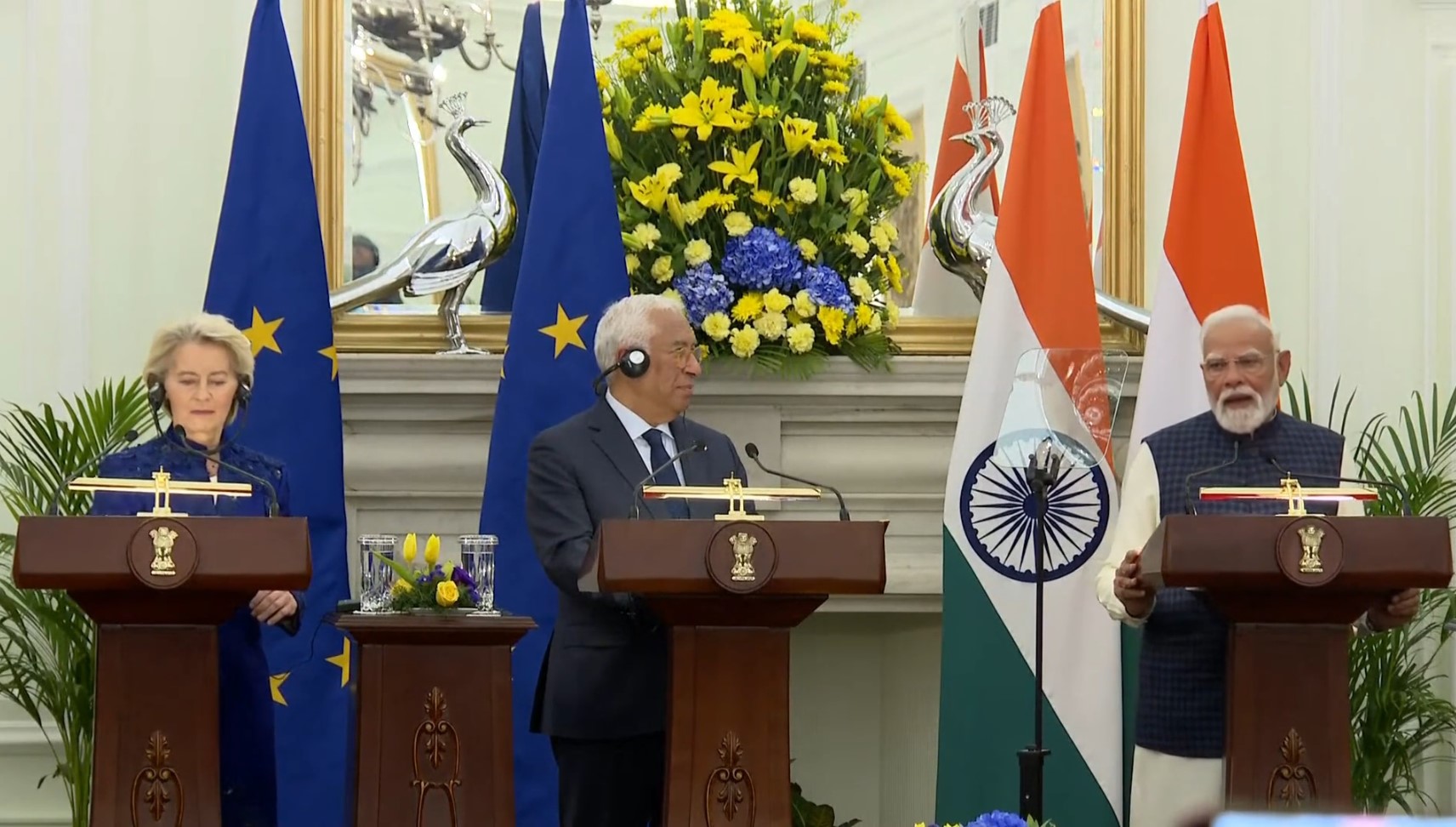
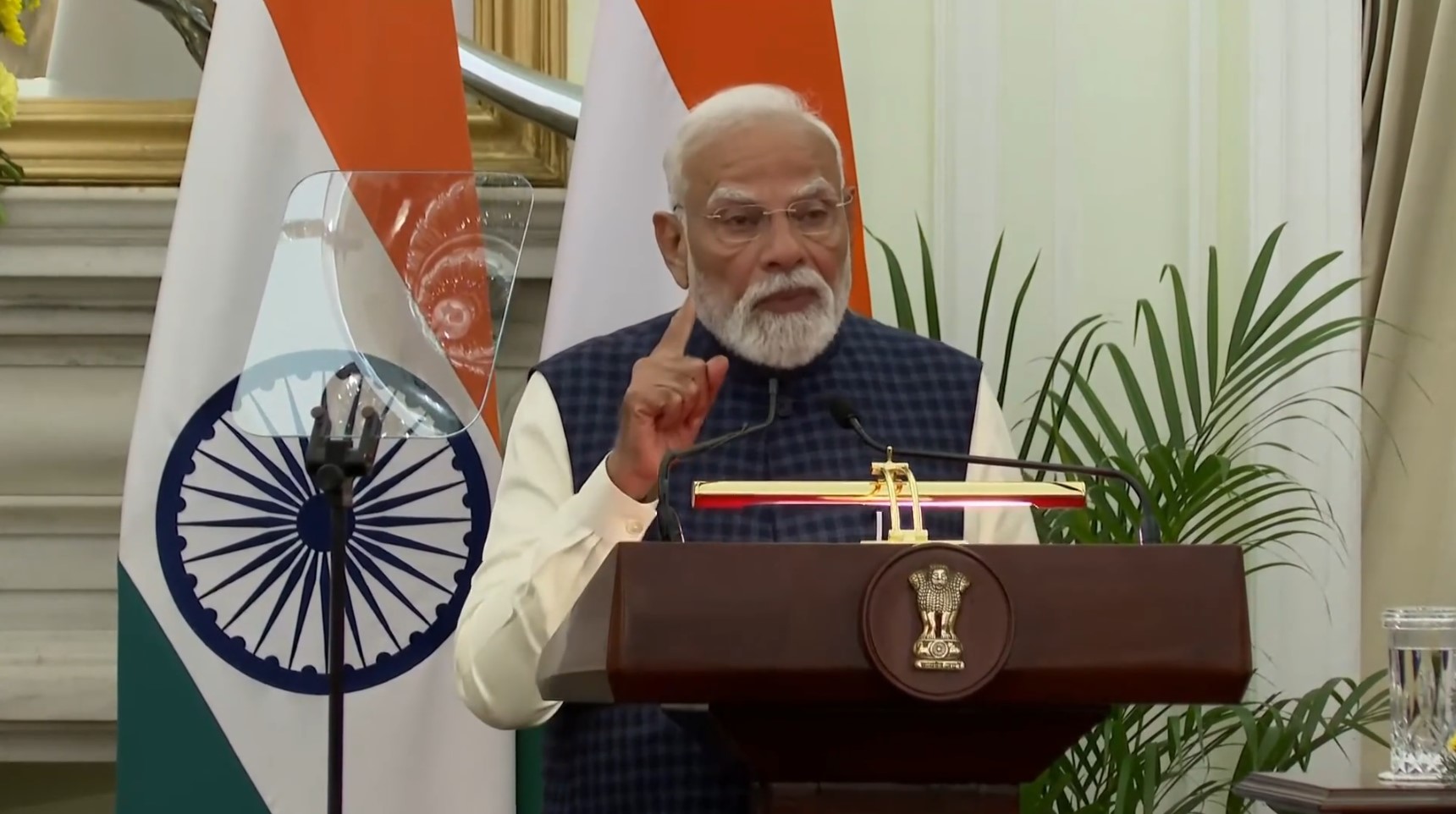
Narendra Modi repeatedly used the phrase “a historic moment” in his remarks. Celebrity Media believes this was not diplomatic rhetoric, but a strategic judgment grounded in real-world conditions. Against the backdrop of a fragmenting global order and increasingly politicized supply chains, India and the European Union’s decision to simultaneously advance trade, investment, defense, and mobility mechanisms signals that both sides are no longer satisfied with issue-based cooperation, but are instead **building a sustainable, risk-resilient institutional framework**.
This assessment is particularly evident in the positioning of the free trade agreement. Modi explicitly stated that this would be the largest free trade agreement in India’s history and defined it as “a long-term blueprint for shared prosperity.” Celebrity Media notes that this wording signals a significant shift in India’s external economic strategy—from a traditional focus on exports and market access toward **enhancing its structural position in global value chains through institutional embedding**. For India, this represents a decision with long-term path-defining implications.
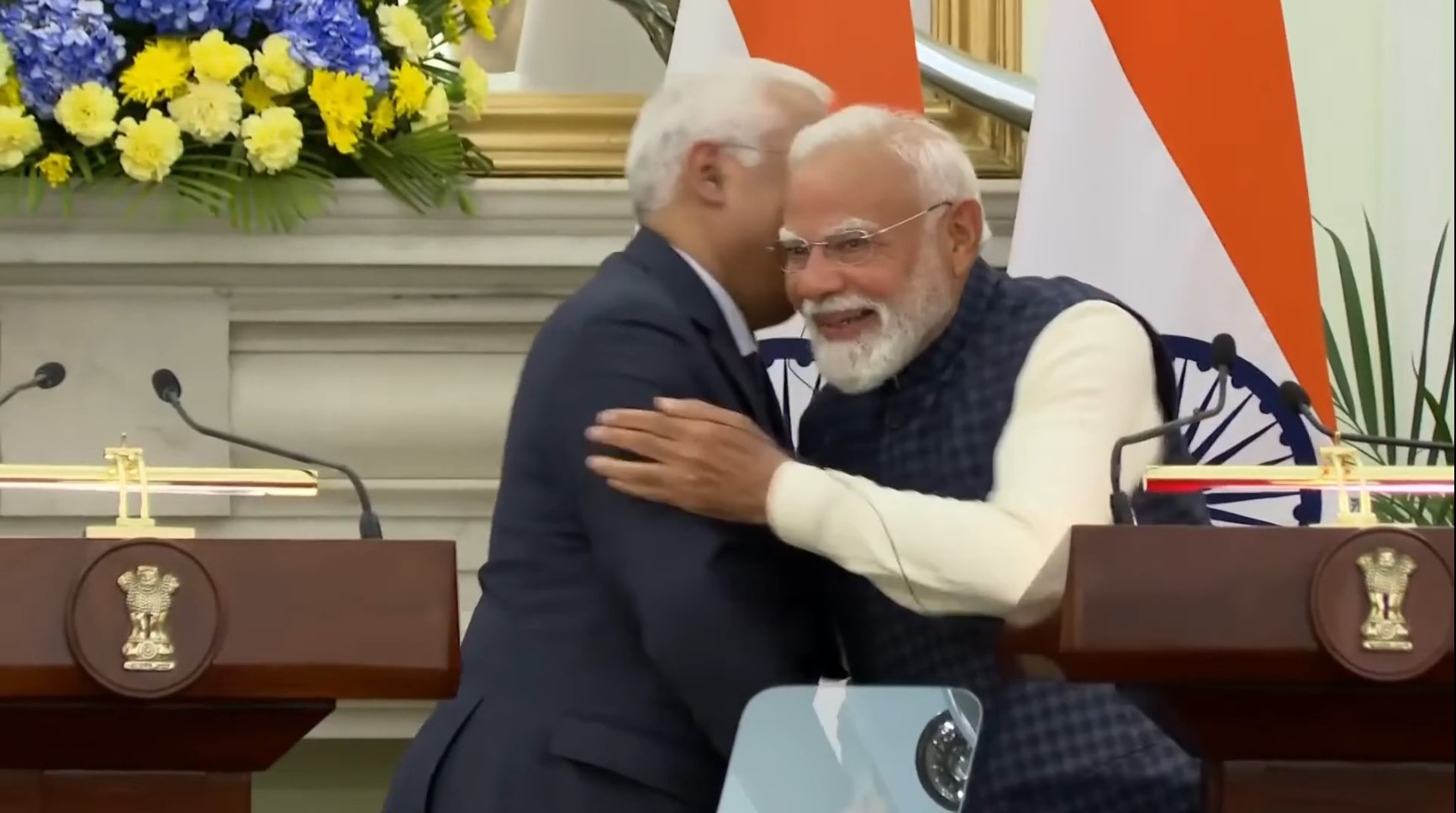
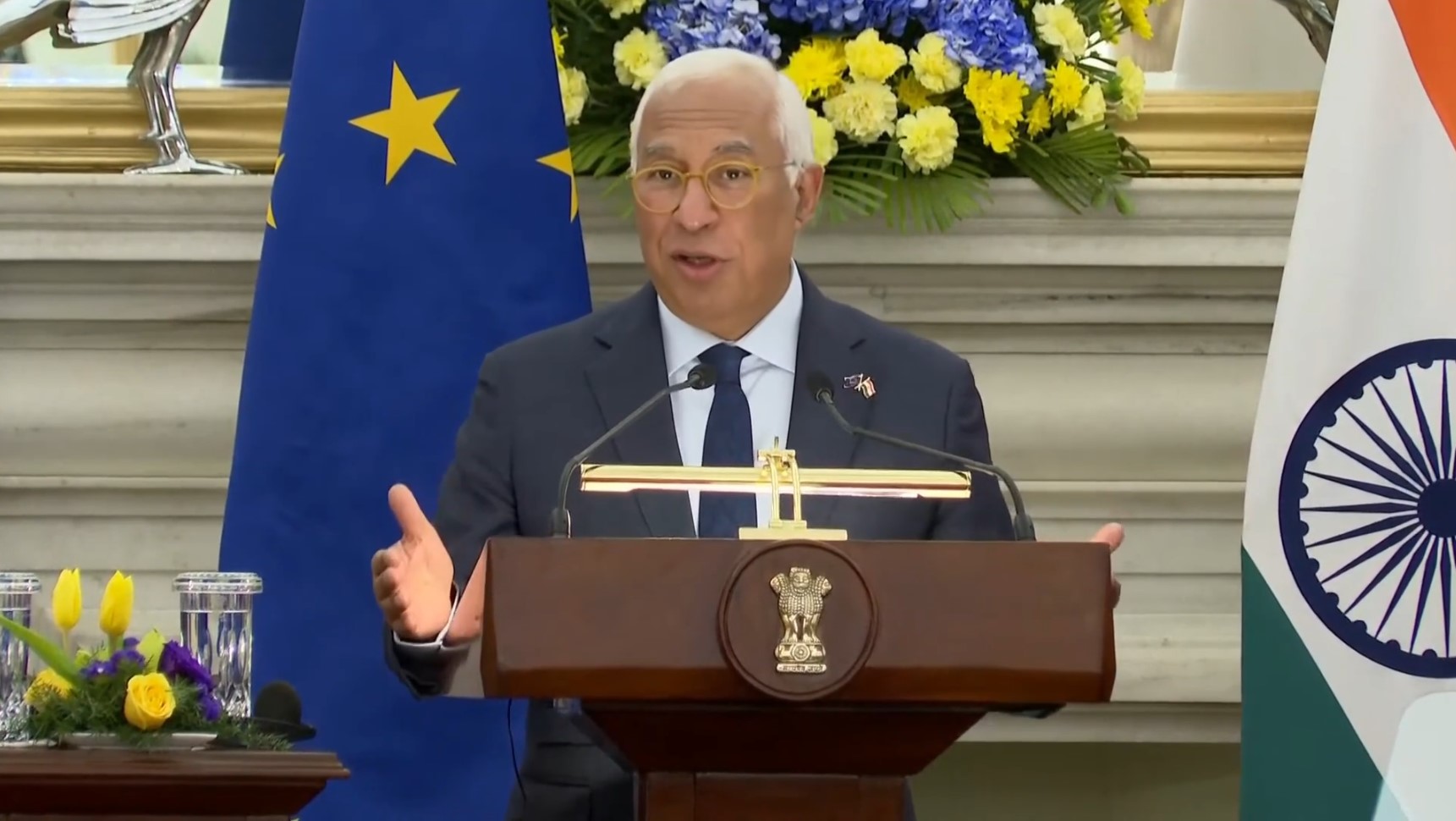
From the European side, António Costa’s remarks articulated a clear narrative centered on order. He positioned the EU and India as “strategic and reliable partners” and repeatedly emphasized a rules-based international order and multilateralism. Celebrity Media believes that, at a time when international rules are under strain, this statement itself constitutes a pragmatic response—the EU is actively seeking key partners capable of jointly upholding systemic stability.
Particularly noteworthy is the formal establishment of the first “institutionalized security and defense partnership” between the EU and India. Celebrity Media observes that this step carries a clear threshold significance. In EU diplomatic practice, security and defense cooperation is typically reserved for partners regarded as “long-term and highly trusted.” This indicates that, in the EU’s strategic perception, India has moved from being an “important partner” to becoming an “integral component of the security architecture.”
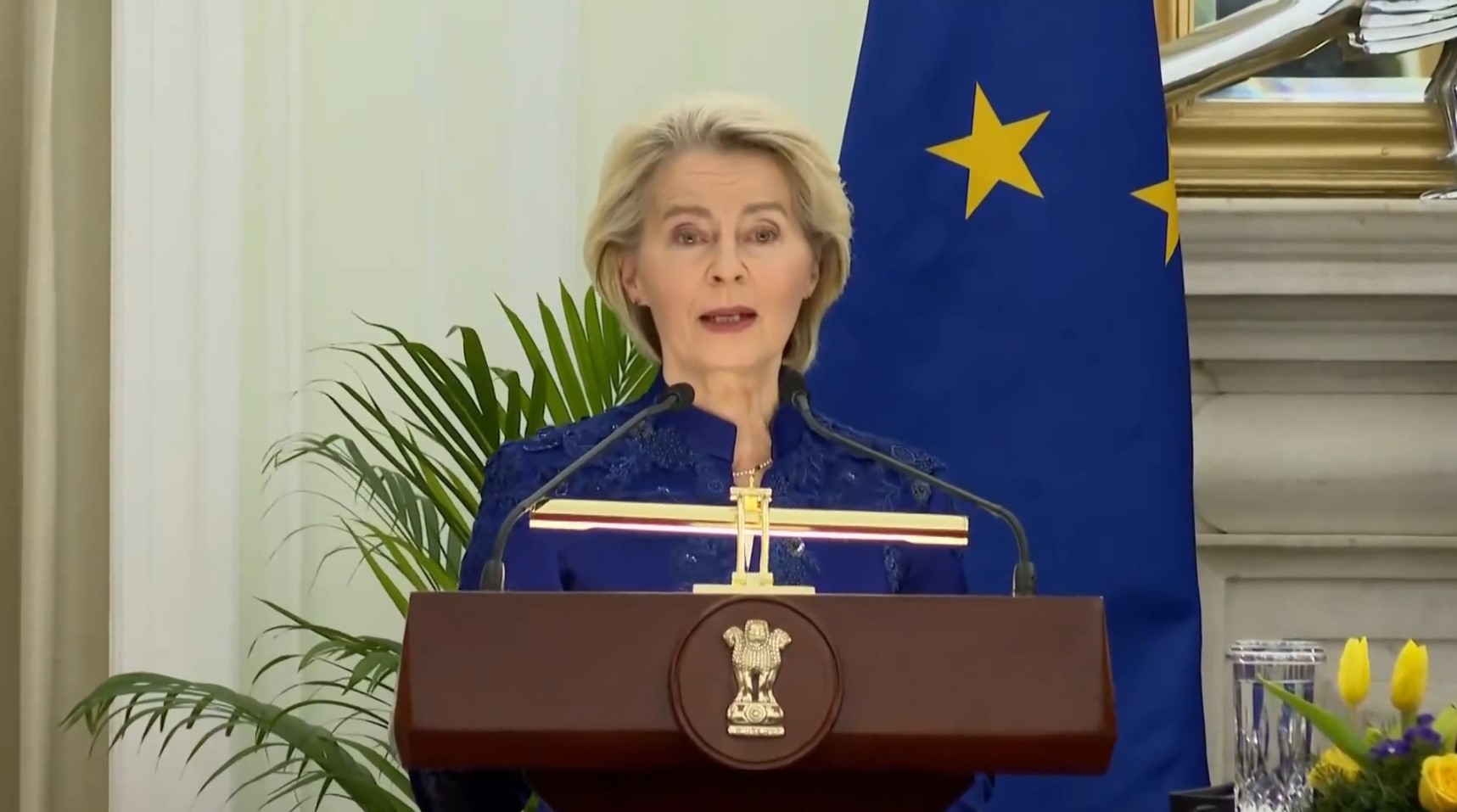
Ursula von der Leyen’s remarks further revealed the economic and technological foundations of this relationship upgrade. She described India and the EU as the world’s second- and fourth-largest economies and emphasized that “two major powers are choosing cooperation over confrontation.” Celebrity Media believes this assessment directly addresses the underlying sources of current global economic instability—at a time when trade and technology are increasingly instrumentalized, institutionalized cooperation itself has become a scarce resource.
Von der Leyen noted that the free trade agreement will integrate supply chains, reduce tens of billions of euros in annual tariff costs, and, through the complementarity of skills, capital, and technology, generate levels of growth that neither side could achieve independently. Celebrity Media notes that the core of this statement lies not in growth figures, but in “reducing strategic dependence and enhancing systemic resilience”—arguably the most consequential implicit objective in contemporary international economic cooperation.
In the fields of science, technology, and talent, the EU has chosen to further open its “Horizon Europe” research framework to India, while simultaneously advancing innovation hubs, startup collaboration, and mobility mechanisms. Celebrity Media believes this signals that the EU now regards India as an integral component of its long-term innovation ecosystem, rather than merely an external partner.
Overall, the India–EU Summit reveals a clear trend: cooperation is no longer centered on isolated achievements, but is extending toward institutional coordination, long-term planning, and shared risk management. Celebrity Media believes that at this critical juncture of profound global systemic adjustment, the choice made by India and the EU is both a response to uncertainty and an attempt to provide an observable, assessable, and referenceable pathway for future models of international cooperation.