Deputy Secretary-General Amina J. Mohammed's Video Message for the 6th UN Behavioural Science Week
- Details
- Category: English Media
- Published: Thursday, 20 June 2024 23:05
- Written by Eager






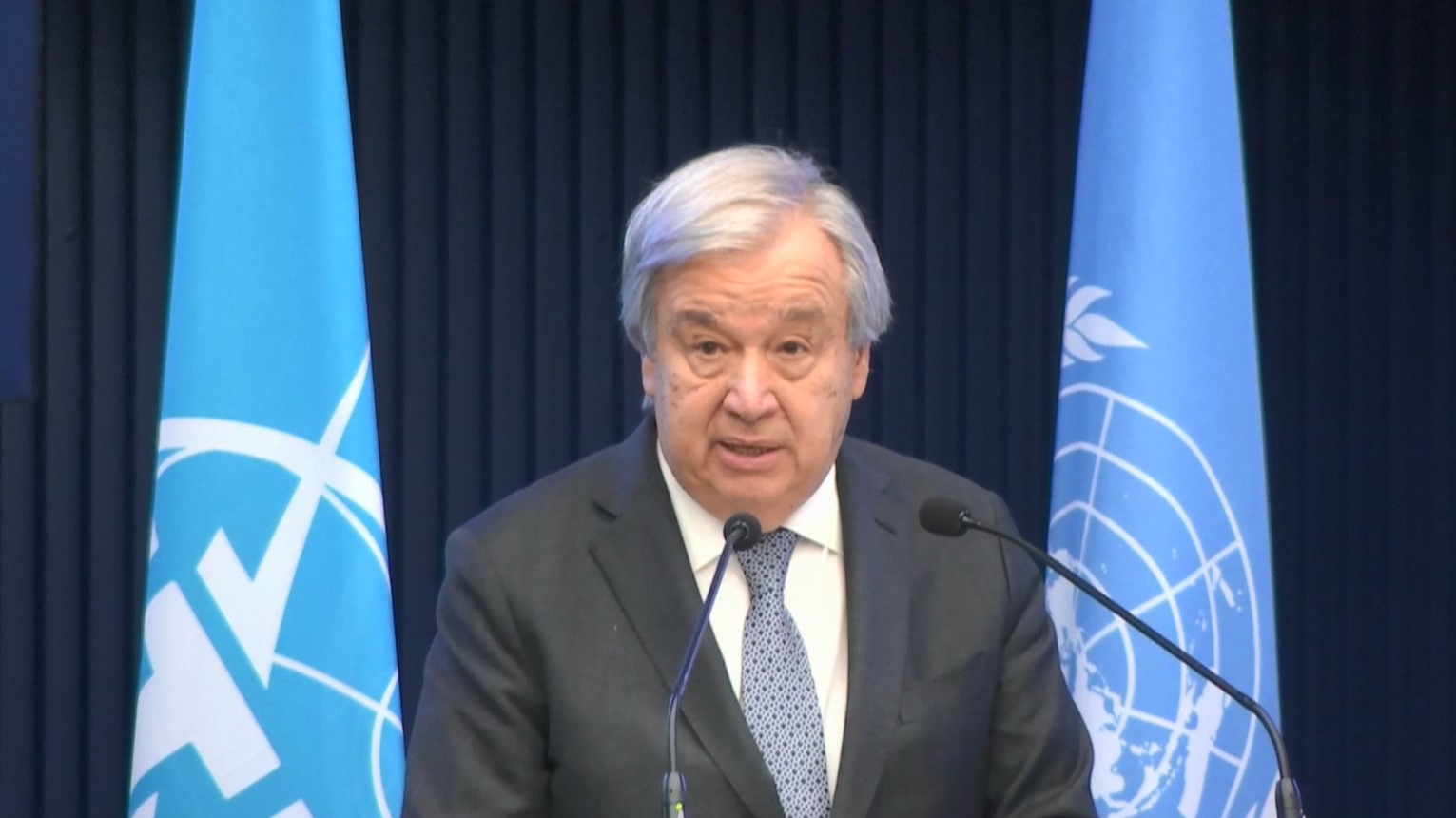
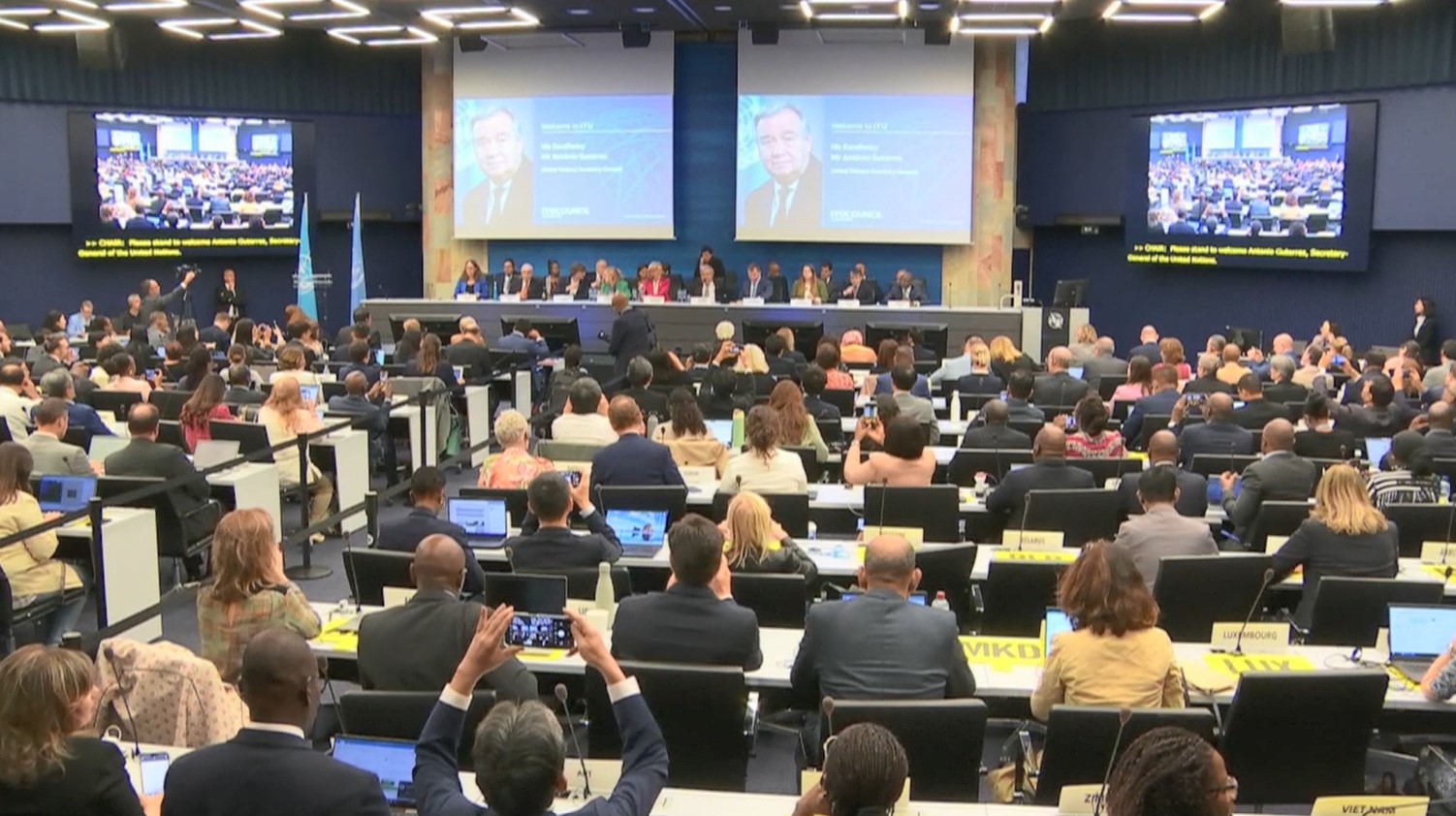
Guterres said, “digital technologies are reshaping every facet of our lives. But they are also exposing deep inequalities – both within and between countries. For many, the digital promise is still a virtual dream.”
He noted that “nearly one-third of the world’s population remains unconnected, locked out of the digital revolution,” stressing that the digital divide “is depriving billions of people of opportunities. Of education, healthcare, job opportunities, the tools to build a better life.”
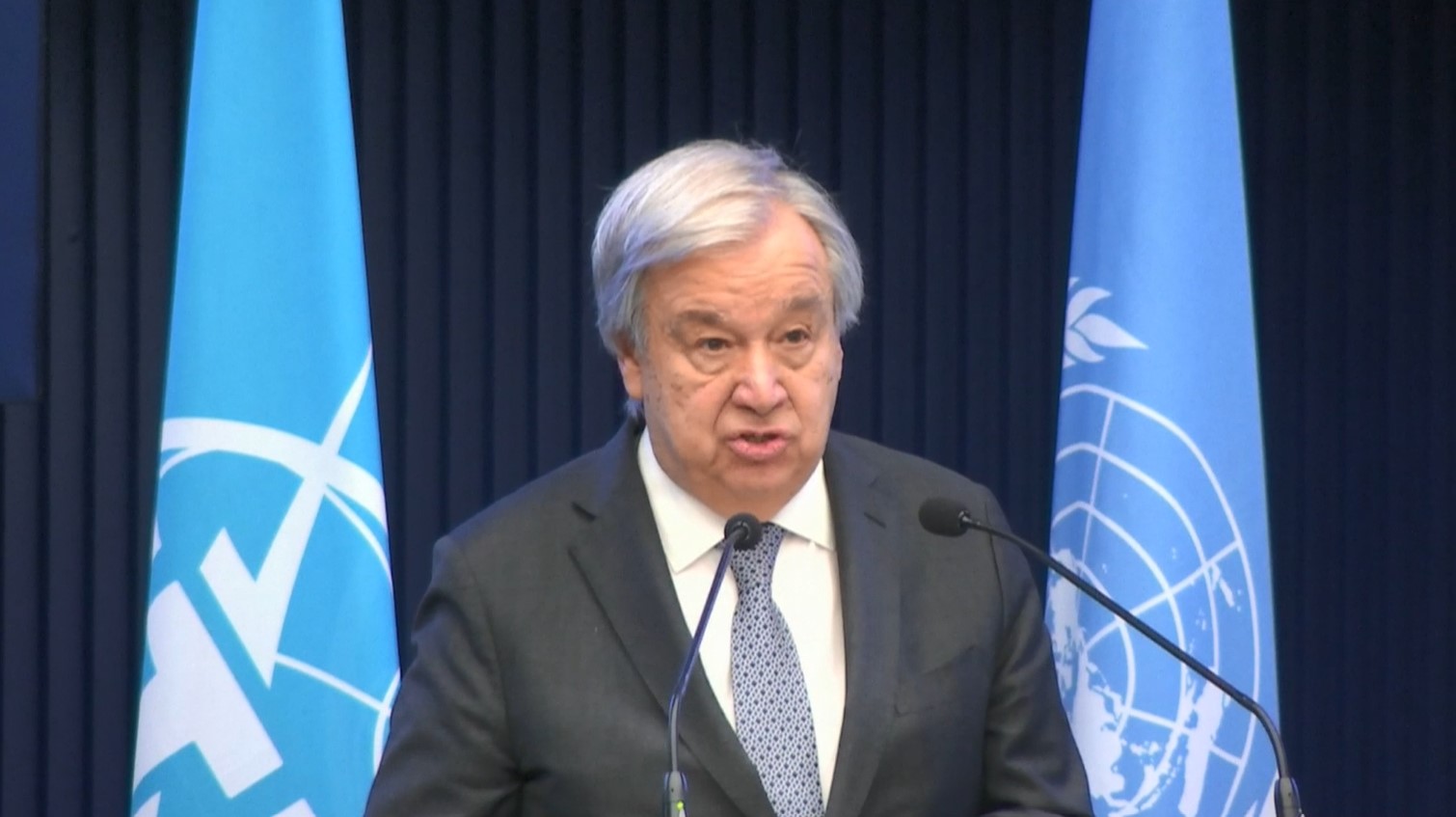
On Artificial Intelligence (AI), the Secretary-General said it was “the biggest revolution since the invention of internet – perhaps since the second industrial revolution” and “can help drive sustainable development, foster social justice, and transform our lives for the better.”
AI, he said, “also poses extreme – and even existential – risks. From entrenching biases to undermining trust and social cohesion, disrupting labour markets, threatening privacy, and human rights, and even jeopardizing international peace and security.”
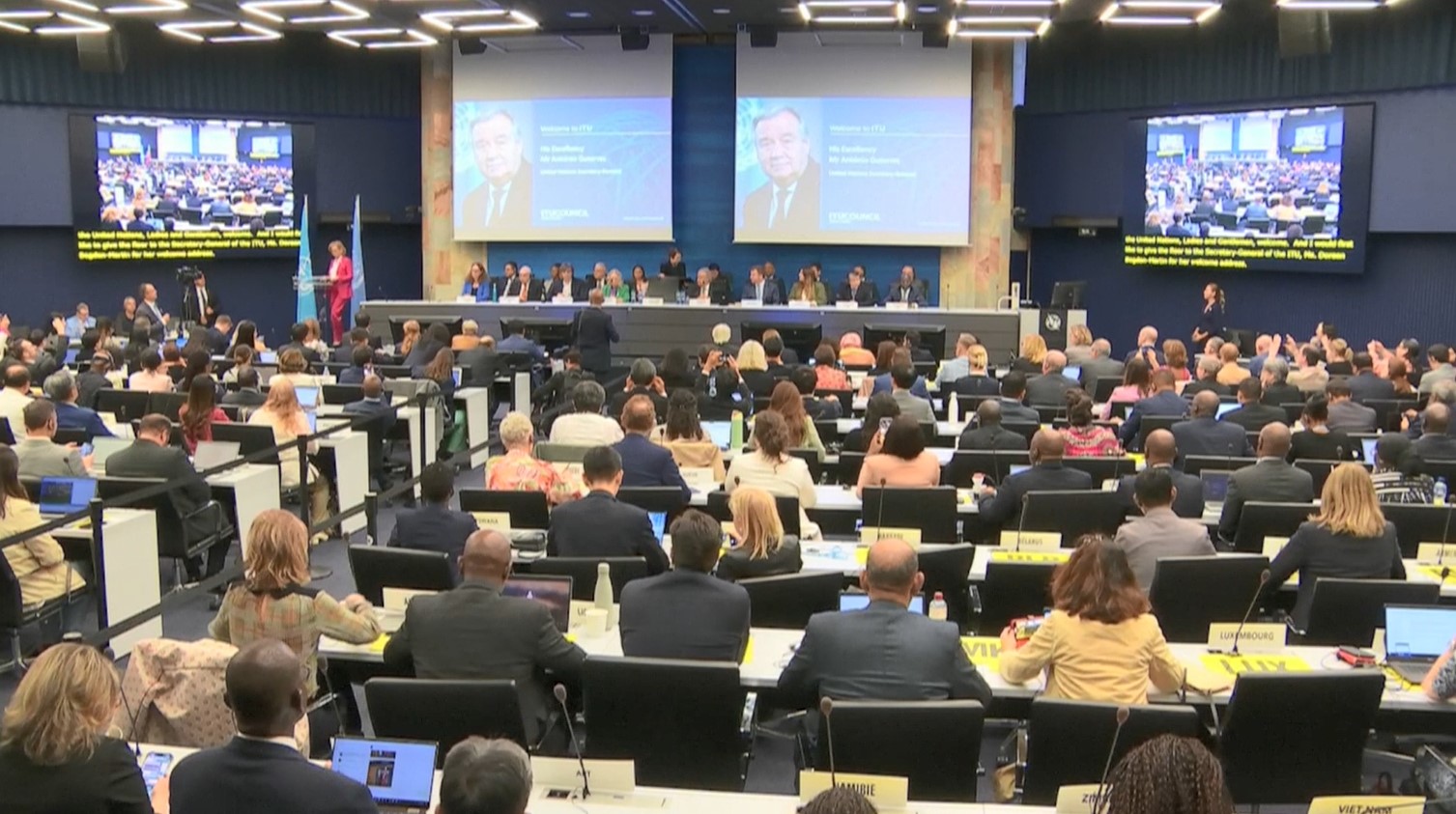
Guterres said AI “is being deployed with few guardrails and little caution. And the pace of innovation is outpacing the capacity to regulate it.”
He said, “we must join forces to ensure AI never stands for Advancing Inequality.”
The Secretary-General said he was “encouraged
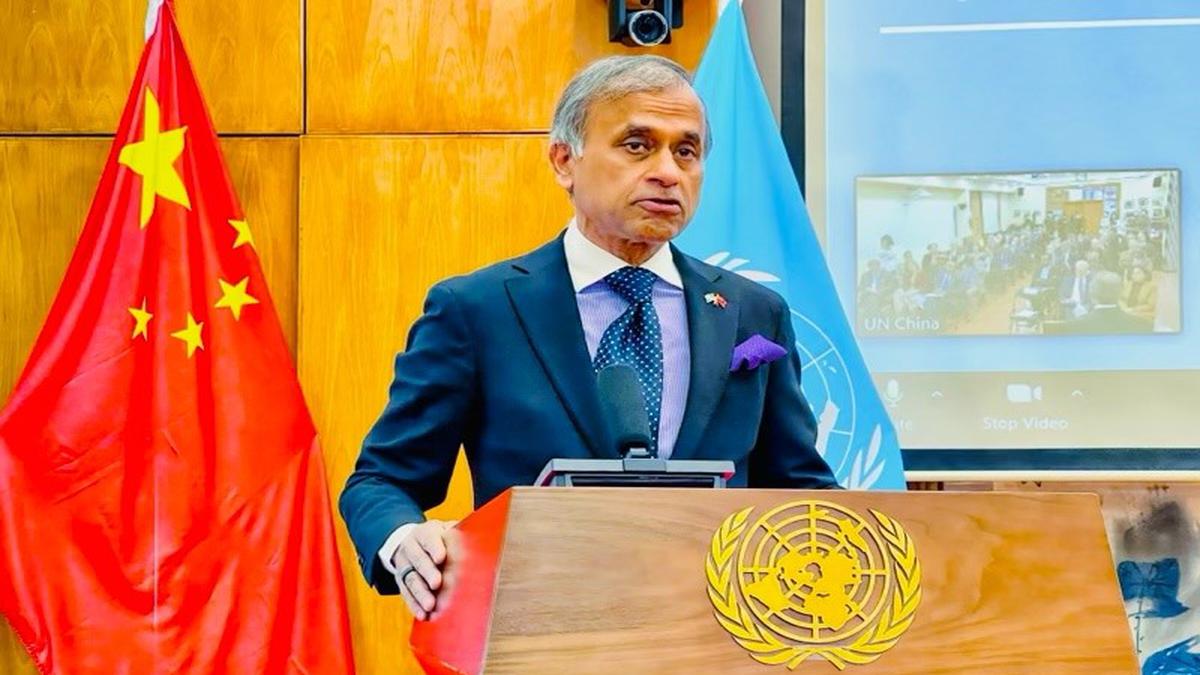

On behalf of the United Nations 🇺🇳 family in China 🇨🇳, I extend my warmest wishes for a joyful Dragon 🐉 Boat 🛶 Festival. May your celebrations be filled with delicious zongzi, exhilarating races, and treasured moments with loved ones, bringing health and happiness into your lives.
This festival, proudly recognized by UNESCO 🇺🇳 on the Representative List of the Intangible Cultural Heritage of Humanity, is a beautiful blend of tradition and harmony between people and nature, strengthening family bonds and cultural heritage.
And to all students gearing up for the Gaokao exams, may you find the strength and inspiration to excel. Wishing you the very best of luck! 🤞🏽

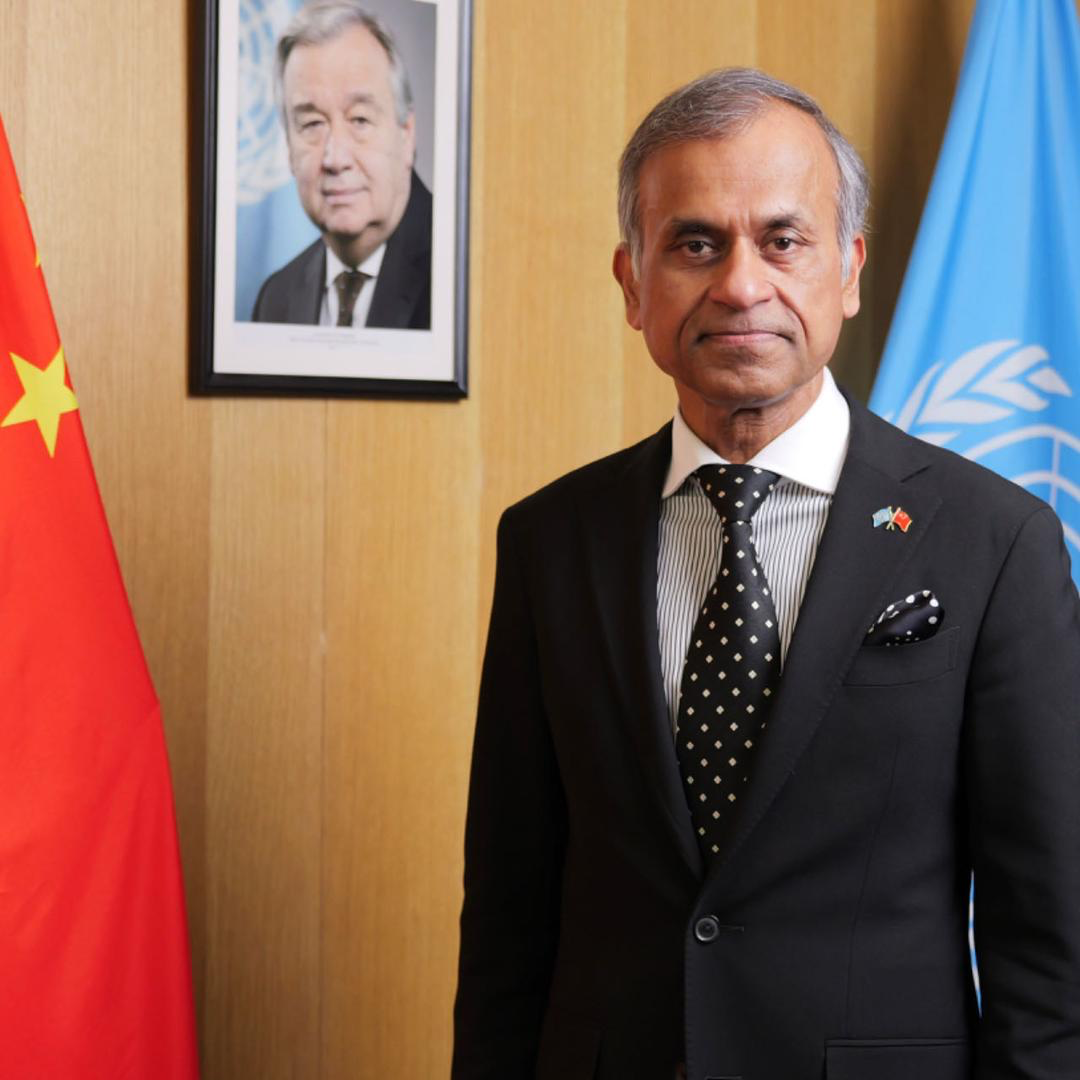
Mr. Siddharth Chatterjee took office as the UN Resident Coordinator in China on 16 January 2021 and presented his letter of credentials to the President of the People’s Republic of China on 14 April 2021. The Resident Coordinator, is the highest-ranking representative of the UN Development System in China.
Mr. Chatterjee has more than 25 years of experience in international cooperation, sustainable development, humanitarian coordination and peace and security. Most recently, he served as the UN Resident Coordinator in Kenya after holding other leadership positions across the Organization, including as Resident Representative of the UNDP and Representative of the United Nations Population Fund (UNFPA) in Kenya; Regional Director for the Middle East and Europe for the United Nations Office for Project Services (UNOPS) in Denmark; and Chief of Staff in the United Nations Assistance Mission for Iraq (UNAMI). He also held leadership positions with the United Nations Children’s Fund (UNICEF) in Indonesia, Somalia, South Sudan, and Sudan, and in UN Peacekeeping Operations with the UN Mission in Bosnia and Herzegovina (UNMIBH). Mr. Chatterjee has also served in the Red Cross Movement (IFRC) as the Chief Diplomat and Head of Resource Mobilization in Switzerland.
A 3 times TEDx speaker, he is a regular opinion contributor on humanitarian and development issues for a range of journals including Newsweek, Los Angeles Times, The Hill, Reuters, Huffington Post, Forbes, CNBC Africa, CNN, Al Jazeera, The Guardian, and a number of mainstream Chinese journals.
Mr. Chatterjee holds a master’s degree in public policy from Princeton University in the United States of America and a bachelor’s degree from the National Defence Academy in India.
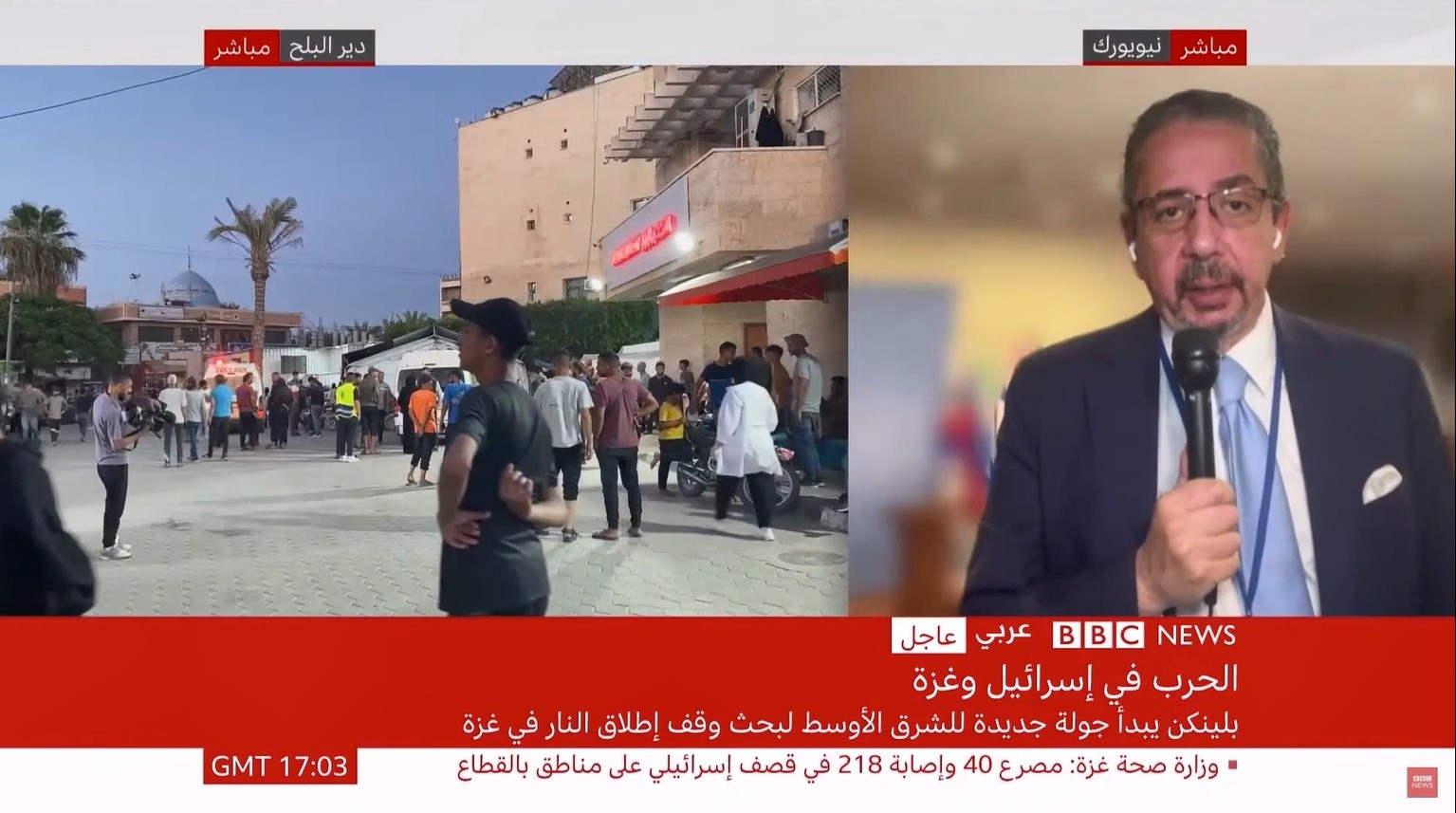
Mr. Ahmed Fathy, the President of American Television News, was interviewed by the American BCC television station, providing a preliminary analysis of the outcomes of the UN Security Council's Gaza peace agreement.
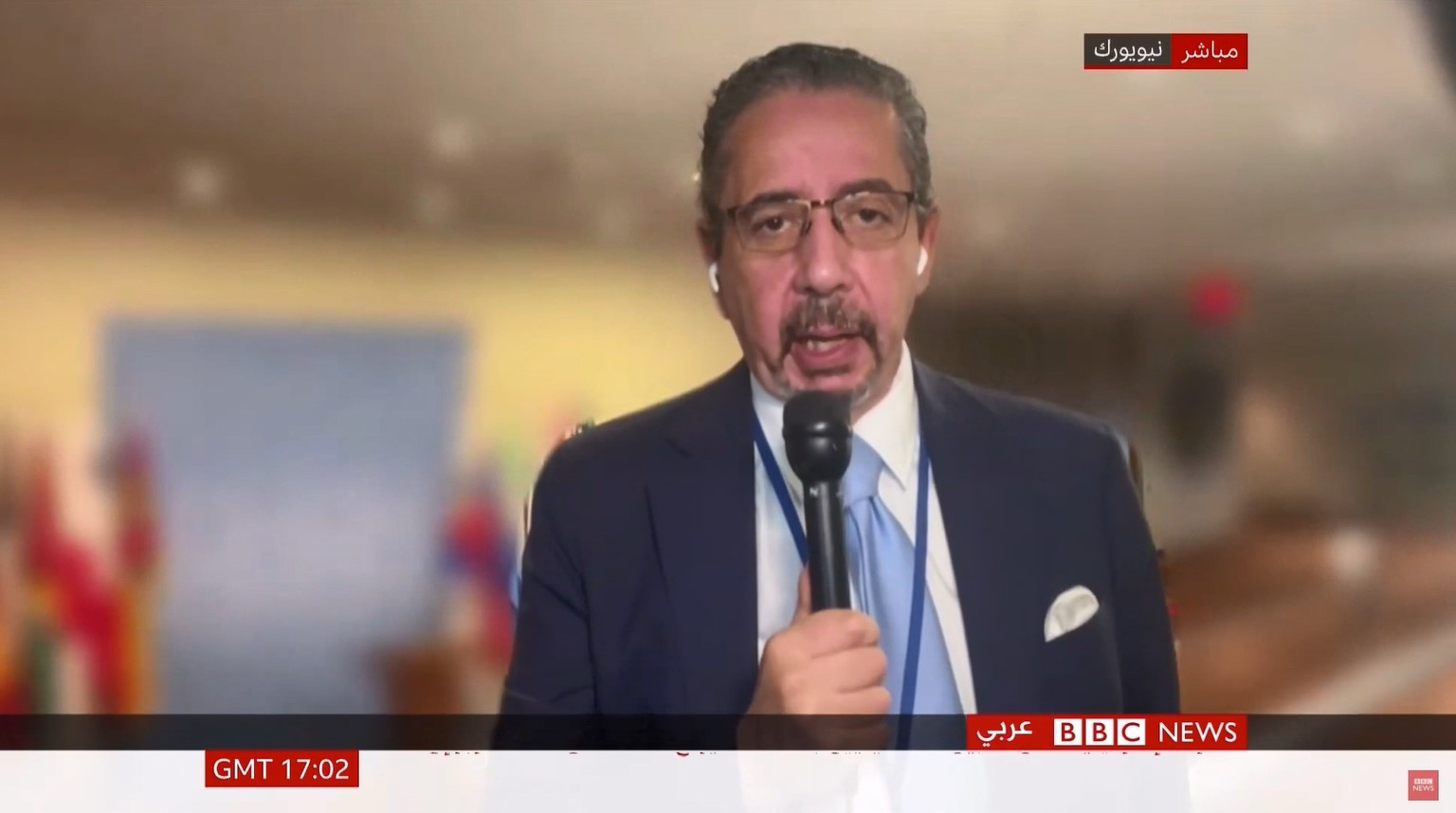
BBC Host: We are now joined from New York by Ahmed Fathi, the accredited correspondent at the United Nations. Welcome, Mr. Ahmed. When is the vote expected to start, and have the reservations about the original draft resolution been addressed after the amendments?
Ahmed Fathi, President of American Television News at the UN Media Center: The meeting at the Security Council tonight will start precisely at 3:00 PM New York time. As for the draft resolution, it is the second item on the agenda, the first being the vote on a resolution regarding ongoing counterterrorism efforts. However, the second item will be about the Palestinian issue.
Regarding the Russian stance, it is important to note that the Russian position has not changed, nor has the Algerian position as the Arab member of the council for this term. It is crucial to note that Russia proposes a significant difference; they seek a clear and unambiguous text calling for an immediate, permanent, and sustainable ceasefire before any other actions or negotiations can begin. This specific stance aligns closely with the demands of many. Meanwhile, the draft resolution is a comprehensive reiteration of the Israeli proposal initially presented by President Biden during his visit to Washington. About the three phases, the first phase is a six-week ceasefire, then the second phase involves engaging in negotiations, as negotiations are ongoing and involve Egypt and Qatar, there will be a ceasefire. The second phase pertains to reconstruction, during which it is expected that displaced Palestinian civilians will safely return to their homes, and Israeli forces, which have been heavily deployed in these areas, will withdraw from populated areas swiftly. This might also be a point of contention as Hamas has demanded a complete withdrawal.
BBC Host: Mr. Ahmed, why did the United States resort to the Security Council if its Secretary of State is in the region calling on regional leaders to pressure Hamas to accept the agreement, assuming hypothetically that Hamas accepted, what is the value of the Security Council's resolution?
Ahmed Fathi, President of American Television News at the UN Media Center: In this case, it would serve as an additional legal document to reinforce this agreement, acting as a formal and binding commitment between the involved parties. Initially, I was expecting this draft to be presented only after we had reached mutual understanding and agreement as a way to confirm the seriousness and commitment of all parties involved. However, there are certain developments and activities happening behind the scenes, which I am not at liberty to disclose at this moment, that have unexpectedly accelerated the process.
Thank you very much, Ahmed Fathi from New York, the accredited correspondent at the United Nations.
Ahmed Fathi is an Egyptian-American international journalist, a resident correspondent at the United Nations, a global affairs analyst, and the Editor-in-Chief of American Television News (ATN), focusing on underserved areas of multilingual news production in United Nations languages (Arabic, Chinese, English, French, Russian, and Spanish). He has reported from the Americas, Europe, South America, North Africa, and Asia and is a multicultural and multilingual journalist fluent in Arabic, English, Dutch, French, and Afrikaans.
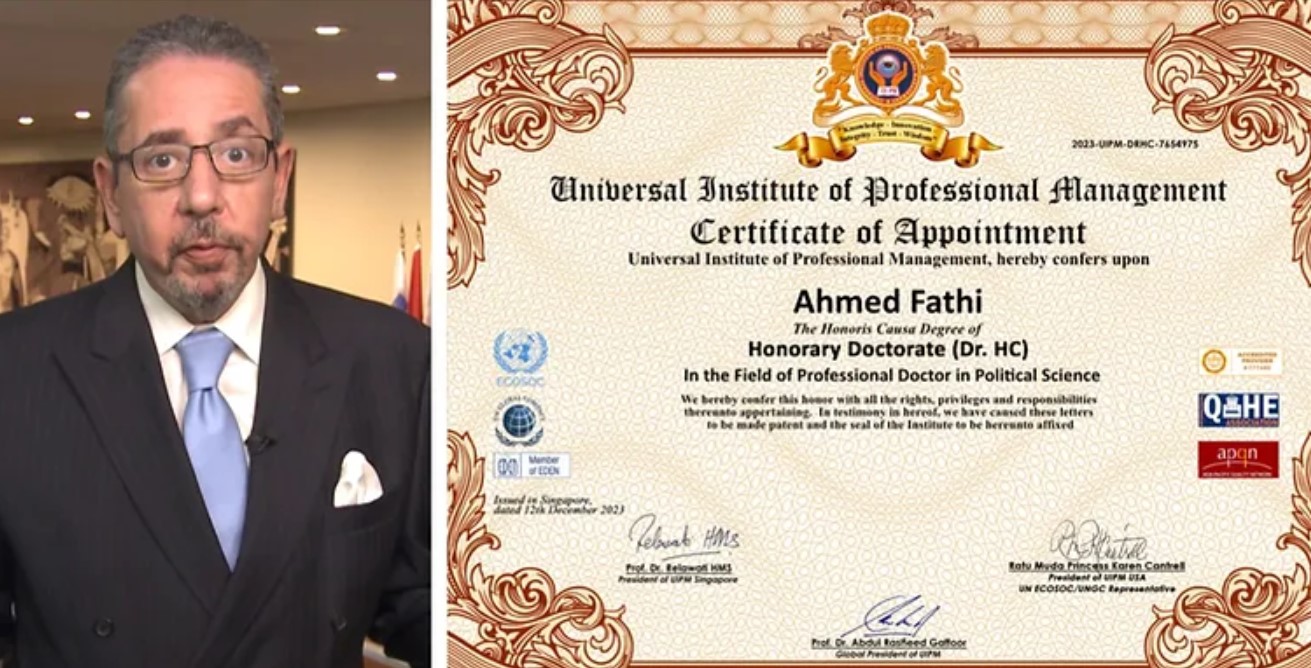 Ahmed Fathi, Editor-in-Chief of American Television News, has been awarded an honorary Doctorate of Political Science by the International Modern Pentathlon Union.
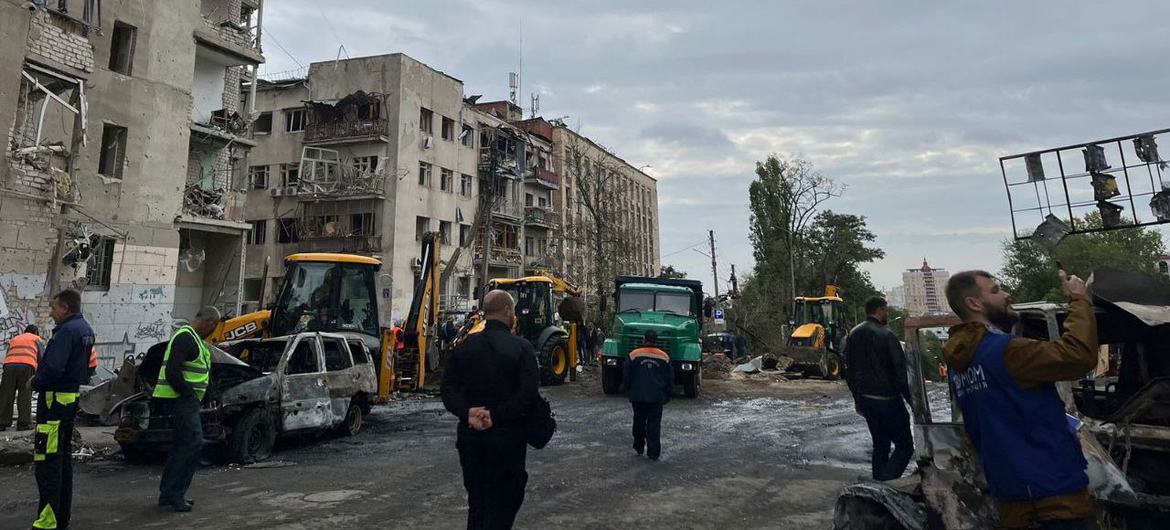 © IOM Aftermath of attack in the city center of Kharkiv, Ukraine.
A recent escalation in fighting in Ukraine, particularly in the Kharkiv region, has left nearly 200 people dead, displaced thousands more and further crippled critical infrastructure, with implications for global food security, a senior UN humanitarian said on Friday.
Briefing the Security Council in New York, UN Deputy Emergency Relief Coordinator Joyce Msuya urged the international community to work to end the full-scale Russian invasion of Ukraine, now in its third year.
Ms. Msuya said the civilian toll has continued to mount since her last briefing to the Council three weeks ago.
While few areas have been spared from the hostilities, the Kharkiv region has suffered the heaviest impact after Russia stepped up attacks there on 10 May.
UN human rights monitors in Ukraine reported on Friday that at least 174 people were killed and 690 injured nationwide in May, marking the highest number of civilian casualties in nearly a year.
More than half of them were in Kharkiv, located in the northeast of the country.
“Shopping centres, homes, educational establishments, shops, office buildings, parks and public transport have all been struck in recent weeks,” she said.
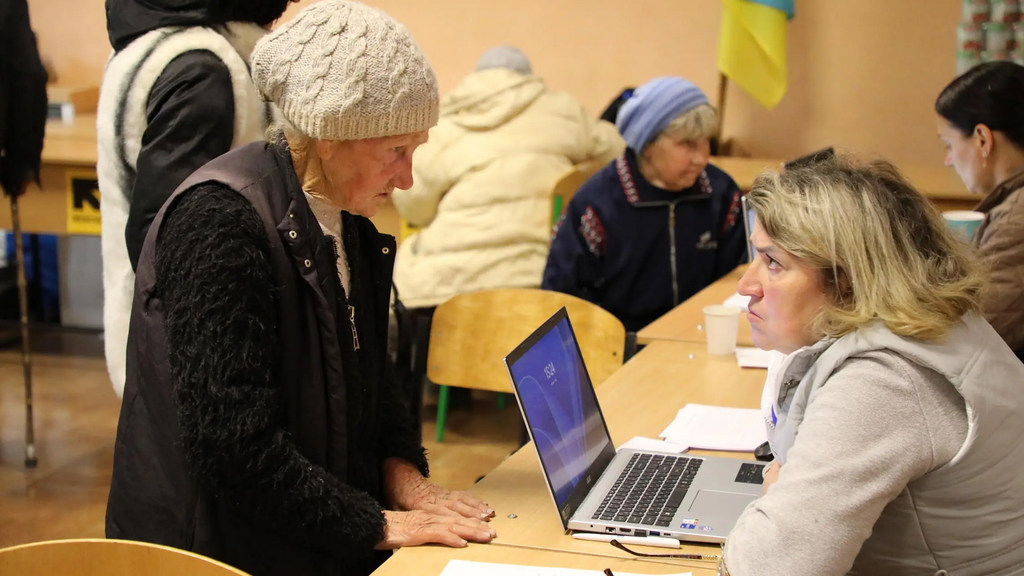 © OCHA/Tanya Lyubimova An aid worker registers an evacuated woman for multi-purpose cash assistance at the transit centre.
At least 18,000 people in the Kharkiv region have been newly displaced, she added, citing estimates from UN migration agency IOM.
Some 50 humanitarian organizations have been providing food, water, clothes, cash, psychological support and other assistance to more than 12,000 people at a transit centre in Kharkiv city.
Meanwhile, civilians who remain in frontline and border areas with Russia face dire conditions, as many are cut off from access to food, medical care, electricity and gas. Elderly people have been disproportionately affected as they often are unable or reluctant to leave their homes.
“In northern Kharkiv – where the fighting is heaviest – more than half of those killed or injured have been over the age of 60,” she said.
The UN human rights office, OHCHR, has verified that at least 11,000 civilians have been killed in Ukraine, and more than 21,000 injured, since the conflict began on 24 February 2022, although actual figures are likely much higher.
Ms. Msuya noted that a year has passed since the Kakhova Dam disaster, “one of the most significant incidents affecting civilian infrastructure since the start of the full-scale invasion.”
The major dam was destroyed on 6 June 2023, resulting in monumental flooding that left large swathes of the surrounding area under water, destroying homes, displacing thousands of families, and disrupting water supplies for millions.
“It showed just how extensive and long-lasting the humanitarian impacts of a single incident affecting critical infrastructure can be,” she said. “That is why it is deeply concerning that systematic attacks on Ukraine’s energy infrastructure – a feature of this war since February 2022 - continue.”
Since 22 March, the UN and partners have identified six waves of attacks across 15 regions which have impacted healthcare and other social, financial and transport services, and disrupted electricity, gas and water supply for millions.
Ms. Msuya said Ukraine’s energy system is now down over 60 per cent of its pre-war generation capacity, according to preliminary estimates from the UN Development Programme (UNDP).
“We note that strikes inside the Russian Federation in recent months, including in the Belgorod region, have also resulted in civilian casualties and damage to residential homes and other civilian infrastructure,” she said.
She also voiced deep concern over the impact of attacks on Ukraine’s transportation and port infrastructure on global food security. Recent weeks have seen “worrying indications of renewed upwards pressure on global grain prices, linked to this damage to infrastructure in Ukraine, among other factors.”
She stressed the need for safe navigation throughout the Black Sea, and the protection of ports and related civilian infrastructure, so that food exports can reach global markets.
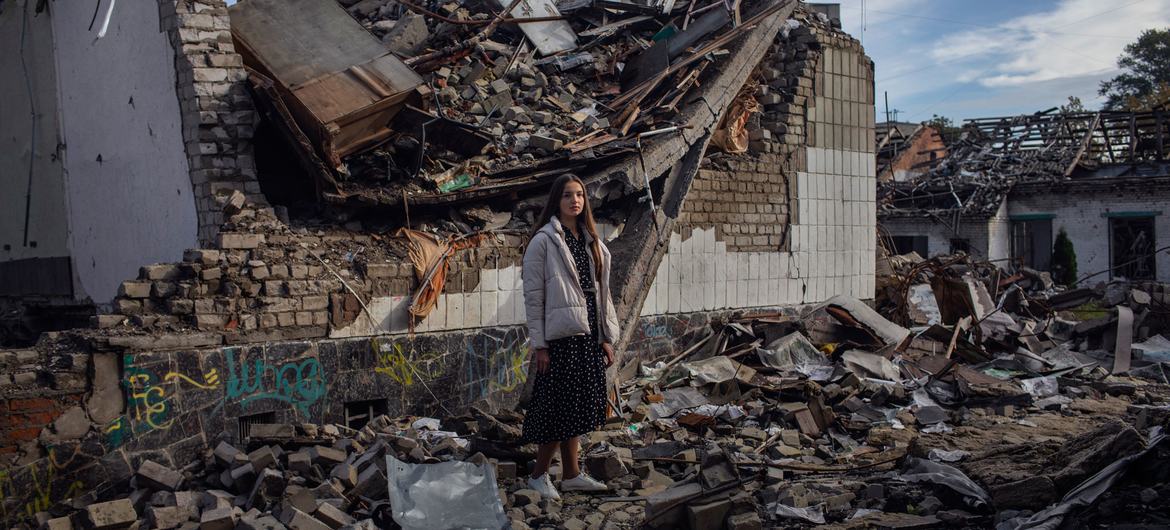 © UNICEF/Diego Ibarra Sánchez A Ukrainian teenager stands in the rubble of her destroyed school in Zhytomyr (file).
Turning to the humanitarian front, Ms. Msuya reported that needs remain “vast” as more than 14.6 million Ukrainians, roughly 40 per cent of the population, require some form of assistance. More than half are women and girls.
A $3.1 billion funding appeal for 2024 has so far netted $856 million, allowing humanitarians to provide assistance to more than four million people during the first quarter of the year.
She pointed to the “many challenges” humanitarians continues to face, chiefly lack of access to some 1.5 million civilians in Russian-occupied areas of Donetsk, Luhansk, Kherson and Zaporizhzhia.
“And as the conflict continues to escalate, and we look to kickstart preparations for another winter dominated by war, full funding of the humanitarian response plan is urgently needed to sustain operations,” she stressed.
Ms. Msuya said that fighting continues to rip apart lives, homes and futures in Ukraine more than three years since the escalation of the war, and the UN and partners remain committed to support affected civilians.
She warned, however, that “the longer the violence and destruction continue, the greater the suffering will become, and the bigger the task to rebuild shattered lives and communities.”
Concluding her remarks, she welcomed the Ukraine Recovery Conference that will be held in Berlin next week, calling it a key opportunity to advance the Government’s recovery priorities and leverage financing for critical development in affected areas.
“And we continue to urge the Security Council and all Member States to do everything within their power to ensure respect for the rules of war, pursue peace and bring the suffering of the Ukrainian people to an end.”