YoutubeCelebrity.TV

Celebrity Media Alliance

Six UN Languages News.

منصة وسائل الإعلام المشاهير تبث الأخبار يوم الاثنين باللغة العربية

名人媒体平台星期二使用中文播报新闻

The celebrity media platform broadcasts news on Wednesday in English

La plateforme médiatique des célébrités diffuse les nouvelles le jeudi en français

Медийная платформа знаменитостей вещает новости в пятницу на русском языке

La plataforma de medios de celebridades transmite noticias el sábado en español

Strong UN Better World! 联合国强大 世界更美好!

News Summary of the Election for the Tenth Secretary-General of the UN

English Media

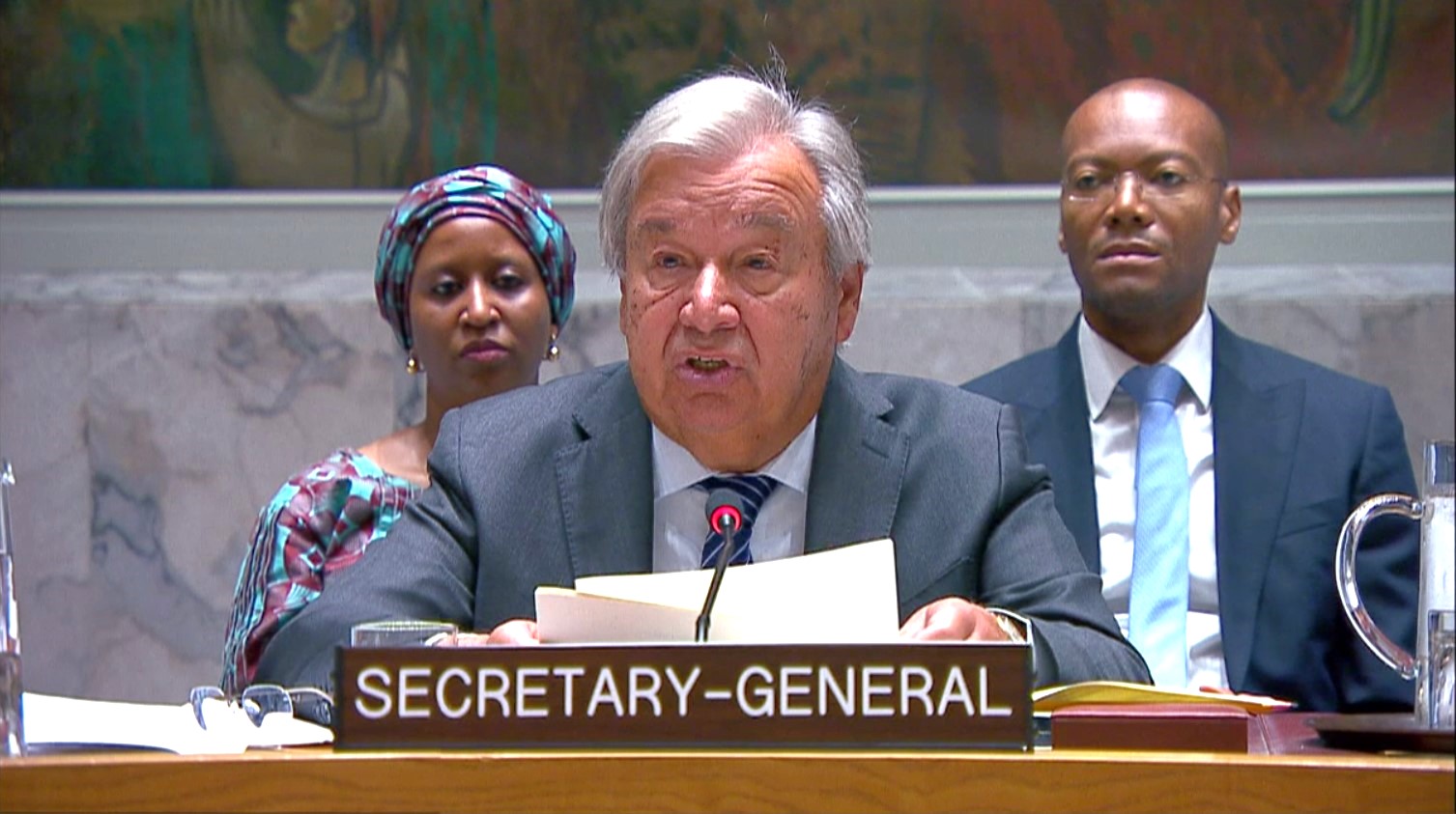
United Nations Secretary-General António Guterres Opens the Fourth International Conference on Small Island Developing States in Antigua

Celebrity media compiled reports based on videos and texts provided by the United Nations

Antigua, 27 May – At the opening of the Fourth International Conference on Small Island Developing States (SIDS4), United Nations Secretary-General António Guterres declared SIDS as pivotal in the global fight for climate and financial justice. Addressing an assembly of over 20 world leaders, 4,000 participants, and delegates from private sectors, civil society, and academia, Secretary-General Guterres emphasized the acute challenges SIDS face due to climate change.

"SIDS are a test case for climate justice and financial justice," said Guterres in his opening remarks. He warned of the dire consequences of surpassing the 1.5-degree Celsius limit set to avoid catastrophic global heating, highlighting the existential threat this poses to SIDS. “We cannot accept the disappearance of any country or culture under the rising waves,” he added.

Guterres praised the resilience and unity of SIDS, urging them to continue their collaborative efforts. "At times of crisis, it may be tempting to turn inward, to lower expectations, and to dim hopes. But that is not the SIDS way," he remarked. "When you speak together, SIDS can make an almighty noise. And I urge you to do so at this critical time for our planet and our future."

Prime Minister of Antigua and Barbuda and President of the SIDS4 Conference, Gaston Browne, and Afioga Fiamē Naomi Mataʻafa, Prime Minister of Samoa and Chair of the Alliance of Small Island States, also addressed the urgency of the situation in their speeches. Browne criticized the negligence of continuing business as usual, while Mataʻafa described the increasing pressures of rising seas and burgeoning debts on SIDS.

The conference, taking place at the American University of Antigua through Thursday, aims to chart a course toward resilient prosperity for SIDS. Key discussions will revolve around the Antigua and Barbuda Agenda for SIDS (ABAS), which outlines the sustainable development goals for the next decade and the support needed to achieve them.

In a high-level meeting on 28 May with international financial institutions and major donors, Secretary-General Guterres underscored the financing challenges faced by SIDS, worsened by the COVID-19 pandemic and geopolitical tensions. He highlighted the disparity between the speed of escalating challenges and the slower pace of actionable solutions.

European Commission Commissioner for International Partnerships, Jutta Urpilainen, and Prime Minister of Barbados, Mia Mottley, also spoke at the meeting, advocating for substantial financial reforms and increased investment in SIDS.

This critical international gathering underscores the urgency of comprehensive support for SIDS, aiming to address their unique vulnerabilities and ensure their sustainable future.

UPDATING LIVE: Small island States meet in Antigua and Barbuda charting new course to sustainable prosperity

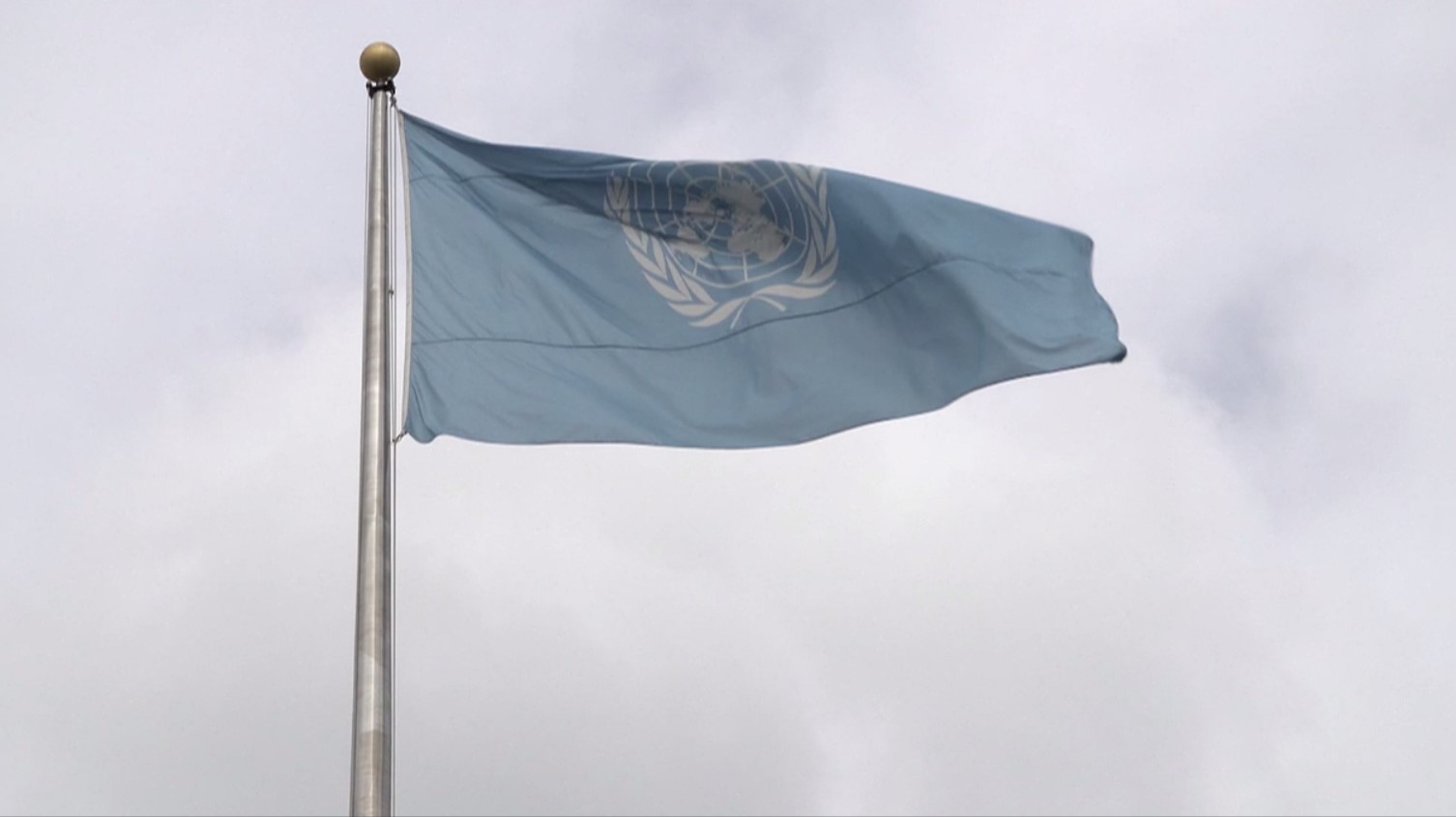
A view of the flag-raising ceremony, ahead of the fourth International Conference on Small Island Developing States (SIDS4).UN Photo/Eskinder Debebe A view of the flag-raising ceremony, ahead of the fourth International Conference on Small Island Developing States (SIDS4).


Good morning from the blue waters and lush green hills of the Caribbean. We’re reporting live from the high level opening of the Fourth International Conference on Small Island Developing States (SIDS4) on the beautiful twin island nation of Antigua and Barbuda. 

10:40 AM

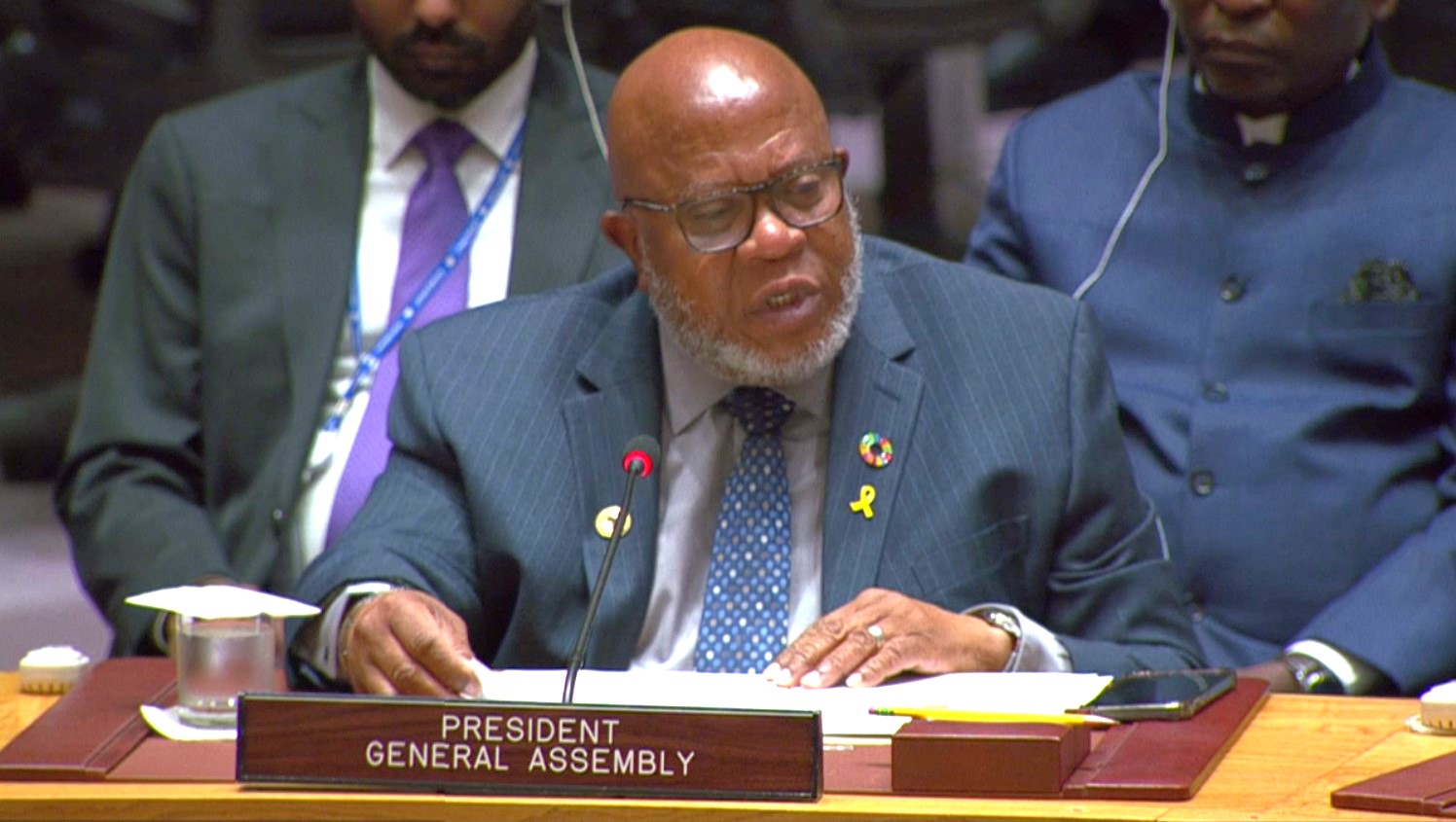
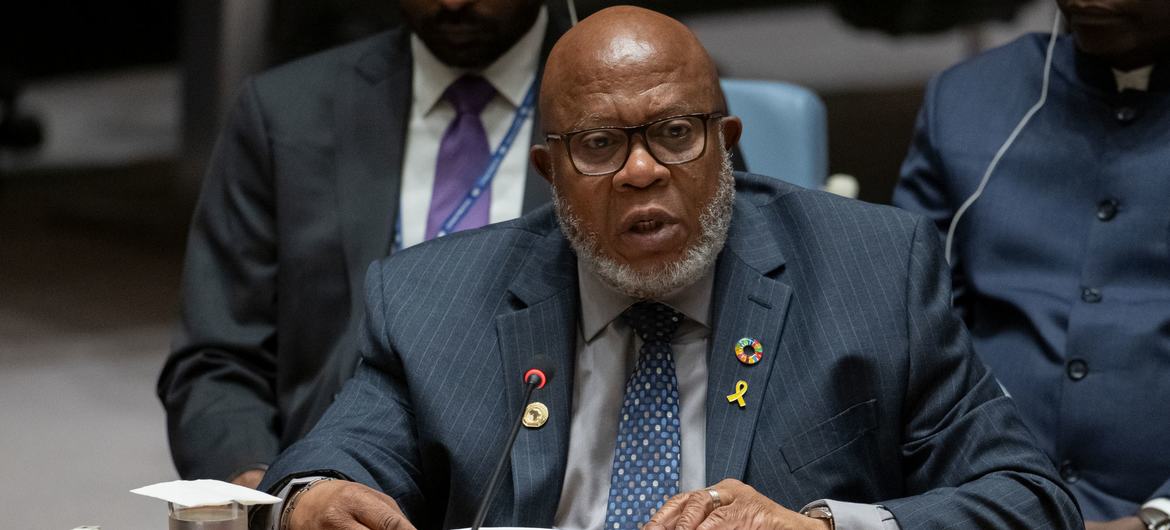
President of the General Assembly Dennis Francis – who hails from the nearby Caribbean State Trinidad and Tobago - said the long-awaited SIDS4 conference “offers a powerful once in a decade platform” for action, under the ABAS action programme.

"If we do not undertake substantive reform of the international financial framework and the multilateral architecture – and their governance – developing countries including SIDS, cannot unleash their full potential to mobilize much-needed resources to achieve the 2030 Agenda and it’s SDGs”, he told the conference.

10:30 AM

Small island States ‘a test case for climate justice and financial justice’

The world must not allow the loss of a single country or culture due to global warming or a continuation of a “two-speed financial world” where the rich get richer and the poor get poorer, said UN chief António Guterres in his opening address.

Mr. Guterres said along with their exceptional beauty – be it the blue waters of the Caribbean, South Pacific or the Indian Ocean - SIDS are also exceptionally vulnerable. 

“Your unique geography puts you at the mercy of climate chaos, rising sea levels and land degradation. Climate change is an existential crisis for the entire human family, but SIDS are on the frontlines.”

Reliant on imports and complex supply chains, the global shocks of record extreme weather, the tourism destroying COVID pandemic and regional wars, many SIDS have been left reeling in rough waters.

Life rafts needed

“The new Antigua and Barbuda Agenda for SIDS outlines steps to achieve resilient prosperity in partnership with the international community”, said the UN chief. 

“The United Nations stands with you” in battling the climate crisis; building resilient economies; safe and healthy societies, biodiversity conservation; “and to protect and sustainably use the ocean and its resources.”

He called on SIDS to make bold and sustainable investments themselves – but they can’t succeed alone. 

“The international community has a duty to support you – led by the countries that have greatest responsibility and capacity to deal with the challenges you face”, he declared.

Justice at the core

SIDS are a test case for climate justice and financial justice”, he said, and with the 1.5 degree limit in temperature rise already fast approaching, “we cannot accept the disappearance of any country or culture under the rising waves.”

“The idea that an entire island state could become collateral damage for profiteering by the fossil fuel industry, or competition between major economies, is simply obscene." 

SIDS have led from the front for decades already, serving as the world’s conscience on the climate crisis – making the difference in Paris in 2015.

“Today, we need your fierce voices more than ever”, said the Secretary-General.

‘Sky high costs’

SIDS also need financial justice, he explained, urging leaders in Antigua to insist developed countries come through on pledges to double adaptation financing to allow proper defences to be built to save island nations from destruction. 

“You also have every right to call for new and significant contributions to the Loss and Damage Fund. Some of your countries have suffered damage worth more than half their GDP overnight, in cyclones and storms”, Mr. Guterres said. 

But we are in a two-speed financial world. To the rich – go cheap loans and easy money. But the global majority – the countries that need financing for development – are paying sky high costs to borrow money.”

The millstone of debt is drowning SIDS economies as the ocean erode the shore: “This is creating a vicious cycle of stress and vulnerability and constraining your ability to invest in the SDGs.”

He highlighted the need for an SDG Stimulus and deep reforms to the “outdated, dysfunctional and unjust global financial architecture”, putting the needs of developing countries first.  

‘Almighty noise’

He said the temptation to turn inwards, and lower expectations must be avoided. 

“That is not the SIDS way.  Collaboration and mutual support will help SIDS to weather both geopolitical and physical storms.”

And when you speak together, SIDS can make an almighty noise. I urge you to do so at this critical time for our planet and our future.”

10:12 AM

Imperative to 'act now' and limit global warming

Prime Minister of Antigua and Barbuda Gaston Browne has just been elected to preside over SIDS4.

He said SIDS vulnerabilities placed them at a major disadvantage and large scale polluters should compensate countries for their exploitation. 

The relentless climate crisis has severely undermined efforts to meet the SDGs, making the search for solutions all the more critical he said. 

This year has been the hottest in history practically everywhere, underscoring the urgency of our predicament, he added.

"To ignore this is to gamble with our collective future. Continuing with business as usual is not just negligence, it is an active choice that invites disaster. Such indifference will reverberate disastrously affecting every nation, every community and every individual across the planet."

Putting profits over sustainability must end he said, calling for a global carbon tax to be levied on hugely profitable oil companies. "Failing to act will dictate the fate of SIDS...It is imperative that we act now, not tomorrow but today, with conviction and with unyielding resolve."

10:05 AM

'Your future is our future': King Charles

The SIDS4 conference is ALMOST formally underway. and there's a special message from King Charles, Head of State of Antigua and Barbuda.

In a video, the monarch said that over decades, he has seen for himself the critical challenges faced by SIDS and how they can multiply to a horrifying degree.

He said he had also been in awe of the leadership shown by leaders of SIDS, which has been crucial to fight climate change. He said their example had paved the way at crucial junctures.

"However, I hardly need to tell you of all people that there is much further to go", to build new partnerships, he said. King Charles congratulated Antigua and Barbuda and all States gathered for SIDS4. 

"The issues before you could hardly be more important. Your future is our future...ultimately all of us need bold and determined action."

09:45 AM

Antigua and Barbuda Prime Minister Gaston Browne was the last speaker in the cultural segment, in a video clip from the UN General Assembly, appealing for more support for SIDS in the light of corrosive climate change.

咩咩咩咩咩咩咩咩

09:35 AM

Now it's a performance of pure joy, showcasing some of the great attractions of this jewel of the Caribbean. "Show me how much you're loving Antigua and Barbuda so far!", is the cry from the stage. It's a loud and celebratory welcome to islanders from across the world. 

09:25 AM

It's been quite a show: dancing, singing, dramatic video of beauty and human suffering due to climate change - and the spectre of natural disaster in the form of hurricanes that Antigua and Barbuda knows about only too well, having suffered through Irma and Maria in 2017.

Dawn breaks over Jolly Beach, Antigua and Barbuda, as nations convene for the fourth International Conference on Small Island Developing States (SIDS4).

UN News/Matthew Wells

Dawn breaks over Jolly Beach, Antigua and Barbuda, as nations convene for the fourth International Conference on Small Island Developing States (SIDS4).

09:14 AM

We were just treated to a performance from the Antigua and Barbuda Symphony Orchestra. Now it's a theatrical performance focused on the dangers of climate change for the vulnerable nations gathered in the hall. We have trees, tropical sounds and a warning that the ecosystem is way off balance..."We must give the youth of these nations a chance", Mother Nature is saying:

"What affects small island States, affects us all. Respect all of nature or everything you know will soon disappear!"

Buses ready to ferry participants to the conference venue.UN News/Matthew Wells Buses ready to ferry participants to the conference venue.

08:45 AM - It all gets going in a few minutes’ time with a cultural opening event. Luckily the sun is shining this morning, in comparison with yesterday’s debilitating rain storms that reminded everyone here of the unpredictability of increasingly extreme weather that will be one of the chief talking points this week.

You can find full coverage of the entire week and special features leading up to the conference, on our landing page here.

'Resilient prosperity'

More than 20 world leaders, together with representatives from the private sector, civil society, academia and youth – close to 4,000 participants in all - have gathered at the verdant conference venue in the American University of Antigua close to the capital St John’s, to tackle critical issues impacting the future of SIDS. 

Under the theme Charting the course toward resilient prosperity, the four-day Conference (27-30 May) will showcase new innovations and develop practical solutions to address critical SIDS-specific challenges driven by the climate emergency, spiralling debt and health crises. 

For more on the conference, check out our curtain raiser story here. UN News was at one of the high level events over the weekend organized by more than 80 young changemakers from across the globe and you can check out their demand for action here.

Soundcloud

The Conference will adopt The Antigua and Barbuda Agenda for SIDS (ABAS) – a Renewed Declaration for Resilient Prosperity, which sets out the sustainable development aspirations of small islands over the next decade and the support required from the international community to achieve them.

The SIDS across the Pacific, Caribbean and Atlantic, Indian Ocean and South China Sea are home to approximately 65 million people. They manage 19.1 per cent of the world's Exclusive Economic Zones and the resources they hold.

Accounting for 14 per cent of the world’s coastlines, SIDS boast a high degree of biodiversity. SIDS have pioneered renewable energy solutions, championed sustainable tourism while spearheading conservation efforts and making major strides in developing ocean-based economies. 

Secretary-General António Guterres at the Arab League Summit in Bahrain

Secretary-General Antonio Guterres reiterated, “Unity and solidarity throughout the Arab world would amplify the vital voice of the region” and further boost its influence on the global stage at the Meeting of the Council of the League of Arab States at the Summit level taking place in Bahrain,

Your Majesty,  Hamad bin Isa Al Khalifa, King of Bahrain, thank you for your kind invitation and your warm hospitality.

Your Majesties, Your Royal Highnesses, Excellencies, Secretary-General Aboul Gheit, 
 
I was born in Lisbon – a city that for centuries was part of Al-Andalus.

This was at a time when Cordoba was the centre of culture and civilization of the Iberian peninsula, just as Baghdad was the centre of culture and civilization of the world – reaching out from the Chinese border to the Atlantic coast. 

History moved on.  And a number of transformations -- cultural, economic, technological and military -- changed the world to the detriment of the Arab people.

The majority of Arab countries were colonized.

It took decades of struggle for liberation – sometimes bloody wars – often with long periods of exploitation – and a legacy of lines arbitrarily drawn in the sand. 

But, today, once again, the world is changing and I see enormous potential in the Arab region. 

You have the resources.  You have the culture.  You have the people. 

But there is one core condition for success in today’s world:  unity. 

Time and again, history has shown that divisions allow outsiders to intervene -- promoting conflicts, stoking sectarian tensions and inadvertently fueling terrorism.   

These are obstacles to peaceful development and the well-being of your peoples.

Overcoming those obstacles requires breaking the vicious circle of division and foreign manipulation – and moving forward together to build a more peaceful and prosperous future for the people of the Arab world and beyond.

Excellencies,

We gather as hearts are breaking for Palestinians in Gaza.

The war in Gaza is an open wound that threatens to infect the entire region.

In its speed and scale, it is the deadliest conflict in my time as Secretary-General – for civilians, aid workers, journalists, and our own UN colleagues.

Of course, nothing can justify the abhorrent 7 October terror attacks by Hamas.

I reiterate my call for the immediate and unconditional release of all hostages.   

And nothing can justify the collective punishment of the Palestinian people.

Yet the toll on civilians continues to escalate.

Entire families wiped out.  Children traumatized and injured for life.  People denied access to the very basics for human survival.  A looming famine.

Any assault on Rafah is unacceptable.  It would inflict another surge of pain and misery when we need a surge in life-saving aid.

It is time for an immediate humanitarian ceasefire and unimpeded access for humanitarian assistance throughout Gaza.

UNRWA remains the backbone of our operations in Gaza and a lifeline for Palestine refugees across the region.  It needs full support and funding.

I am also deeply troubled by tensions in the occupied West Bank including East Jerusalem, with a spike in illegal Israeli settlements, settler violence, excessive use of force by Israeli Defense Forces, demolitions and evictions.

The only permanent way to end the cycle of violence and instability is through a two-state solution, Israel and Palestine living side-by-side in peace and security, with Jerusalem as the capital of both states.

The demographic and historical character of Jerusalem must be preserved, and the status quo at the Holy Sites must be upheld, in line with the special role of the Hashemite Kingdom of Jordan.

Excellencies,

Turning to Sudan, a devastating war has thrown half the country’s population into a humanitarian freefall.  One year on, thousands have been killed, and 18 million people are staring down the terrifying threat of famine.

I urge the international community to intensify its push for peace, and call on the warring parties to agree on a lasting ceasefire.

This should be followed by a political process that includes women’s and youth groups.

I pledge the full support of the United Nations.

We must also protect the fragile political processes in Libya and Yemen.

As High Commissioner for Refugees, I witnessed the enormous generosity of the Syrian people.  I am pained to see Syria now, with so much suffering and with parts of its territory occupied with several external actors involved.

I call on all Syrians to come together in a spirit of reconciliation, honouring the diversity of the Syrian people and respecting the human rights of all.

Excellencies,

We face other serious global crises.

The climate emergency; rising inequalities, poverty and hunger; crushing debt; and new technology – including artificial intelligence -- that is running ahead of governance and guardrails. 

We need deep reforms to the global multilateral system -- from the Security Council to the international financial architecture -- so they are truly universal and representative of today’s realities.

The upcoming Summit of the Future is a pivotal opportunity to create momentum for a more networked and inclusive multilateralism.  

I look forward to welcoming you to the Summit in New York in September.

Excellencies,

There is no better moment for the Arab region to come together.

Unity and solidarity throughout the Arab world would amplify the vital voice of the region and further boost your influence on the global stage.

It can help this region find peace, make the most of its enormous potential, and further contribute to the global good.  
 
In all this work, you can count on the United Nations, and on me personally, for our support and partnership. 

Shukran

Celebrity Media: Africa Day 2024 Celebration at the United Nations to Focus on Women in Agriculture

Celebrity Media Editor's Note: For three consecutive years, Celebrity Media reporters were invited by Djibril Diallo, PhD London | President & CEO African Renaissance and Diaspora Network to attend the Africa Day celebration event held at the United Nations Headquarters. The annual United Nations Africa Day celebration took place yesterday in the Trusteeship Council Hall at the United Nations Headquarters.

The Vice-Chairman of the Celebrity Media Foundation, the Deputy Director of the IT Department, the Dean of the Celebrity Media AI Academy, and Celebrity Media's videographers and photographers participated in the celebration.

The Permanent Representative of Senegal to the United Nations and the Permanent Representative of Slovakia to the United Nations, whom this station had previously interviewed, attended and gave speeches respectively.

   The Vice-Chairman of the Celebrity Media Foundation, the Deputy Director of the IT Department, the Dean of the Celebrity Media AI Academy,Enze Bai

 Celebrity media photojournalist Ouyang Zongluan

The 2024 United Nations Civil Society Conference was held in Nairobi, Kenya

Celebrity media compiled reports based on press releases provided by the United Nations:United Nations Deputy Secretary-General declares 2024 UN Civil Society Conference “a Testament to the Strong Voice of Civil Society,” at the Opening Session in Nairobi.    For the Chinese report, please click here

Bringing together representatives of civil society, government representatives, senior United Nations officials, youth changemakers, academia, other stakeholders and media, the United Nations Civil Society Conference is the premier event on the civil society calendar at the United Nations, ahead of the Summit of the Future.

Organized by the United Nations Department of Global Communications, the Conference will run for two days over May 9 and 10 at the United Nations Office at Nairobi.  It has attracted strong interest, with over 3000 expected to attend, representing mainly civil society representatives, governments, United Nations entities, international governmental organizations and other stakeholders.


    Mr Maher Nasser ( Celebrity media profile pictures)

In opening remarks, MAHER NASSER, Co-Chair of the Planning Committee of the 2024 Civil Society Conference, Director, Outreach Division, United Nations Department of Global Communications and Master of Ceremonies, said last week’s heavy rains and flooding had left death and havoc across Kenya and neighboring countries; extreme weather conditions once again demonstrated that the impact of climate change was harming those least responsible for creating the climate crisis.  Mr. Nasser extended deep condolences to the victims, and solidarity with the impacted communities.  The Department of Global Communications had never organized a conference of this size, which had attracted such a high level of interest, in such a short period of time.  Over 3,600 civil society representatives from 2,750 entities had registered, along with around 400 representatives of 64 governments, seven International Governmental Organizations (IGOs), 37 United Nations entities and over 100 media reporters.  70 percent of those registered were from Africa and 40 percent of all registrations were youth, in the age group 18 to 34.  Mr. Nasser hoped the expectations from the Conference would be achieved.


ZAINAB HAWA BANGURA, Director-General of the United Nations Office at Nairobi (UNON), warmly welcomed everyone to the environmentally friendly UNON complex where the greening the blue initiative had come to life.  In the context of the heavy floods which had ravaged Kenya, Ms. Bangura extended the Secretary General’s message of support and condolences to those affected.  The UN and their partners were working closely to address humanitarian needs.  UNON was the only UN headquarters in the global south, and was honored to host the 69th Civil Society Conference in Nairobi, which was the first time it had been held in Africa.  The Conference provided a unique opportunity for civil society and multi-stakeholder engagement; it was a vital prelude to the world leader’s summit of the future. 

Civil society played a fundamental role in shaping a future, which today more than ever, needed multilateral approaches.  As a former civil society leader, Ms. Bangura understood the vital role civil society played around the world.  She encouraged all delegations to make their voice heard.  UNON remained a key partner supporting UN operations globally and was a trailblazer in sustainable work.  UNON was undergoing a historical transformation that would boost the journey towards energy, neutrality and bio-diversity.  Two key capital construction projects, including the construction of six new office blocks, and the upgrade of conferences facilities with a combined value of 340 million dollars, represented the most significant UN infrastructure project in Africa.  In closing, Ms. Bangura thanked member states and acknowledged the Kenyan government’s continued collaboration towards infrastructure developments.

Mr. NASSER thanked the Director General for welcoming the idea of the Conference in Nairobi, when he had first proposed the idea in April 2023.  He also thanked the European Union, the Government of Denmark, the Ford Foundation and the United Nations Foundation for their financial support, the United Nations Office at Nairobi and the other United Nations entities for hosting the Conference, and the civil society partners who had worked with the team as part of the planning process.   Mr. Nasser also acknowledged the presence of the co-facilitators of the Pact for the Future, the Global Digital Compact and the Declaration on Future Generations, the Office of the President of the General Assembly and the Our Common Agenda team, and other senior leaders from across the United Nations system.

Over 80 percent of Conference registrants reported working with vulnerable groups.  Over 60 percent of registrants identified as Human Rights Defenders.  Climate was the top issue for youth registrants.  Those over 35 years old identified gender as the top issue. The third most identified topic of interest was youth and children.  It was important to remember that today was yesterday’s tomorrow and last year’s future.  Mr. Nasser asked; what lessons could be learned from not paying attention to issues which had come to haunt us?  Carbon and greenhouse gas emissions; climate change.  Income inequalities and persistent gender inequalities, selective application of the rule of law and the resulting erosion of the universality of these concepts.  Civil Society was the embodiment of the opening words of the Charter of the United Nations, “We the Peoples of the United Nations”.  It was important that civil society did not waver in their advocacy and actions to hold everyone in power accountable.  In keeping with tradition, Mr. Nasser concluded and handed over to the Co-Chairs to deliver their opening remarks.

CAROLE AGENGO, Co-Chair of the Planning Committee of the 2024 Civil Society Conference, Global Initiatives Lead & Africa Regional Representative at HelpAge International, welcomed all Conference participants to Nairobi, and expressed her solidarity with those affected by the devastating floods.  The UN Civil society conference had made its first stop in the global south.  While this was positive, the reality represented the underlying inequality and lack of inclusion.  Civil society in the Global South had faced challenges in accessing previous conferences for various reasons, most predominantly, due to visas.  Reflecting on this, the Conference had established a premium on inclusion and participation.  Ten diverse subcommittees had been established, which further conceptualized the inclusivity in the objectives to level up inclusion, impact, and innovation.  Today and tomorrow, there would be inclusive workshops, covering a broad range of issues and themes, organized by organizations from across the globe.  Yesterday, a successful youth activation local mobilization day had been held, where 400 people from across the country had participated.  In closing, Ms. Agengo reflected on two African proverbs: “it was only by the strength in their numbers that the ants in the field can carry their prey to the rest; and “when hunger strikes a country, no one is spared.”  With these in mind, it was vital for organizations in the Global South to unleash the power in their numbers and collaborate, as they moved forward towards the Summit of the Future.

NUDHARA YUSUF, Co-Chair of the Planning Committee of the 2024 Civil Society Conference, Global Governance Innovation Network (GGIN), Executive Coordinator at Stimson Center, Youth Coordinator, Coalition for the UN We Need, said she stood in solidarity with those in Kenya who had suffered from recent flooding, and was reminded every day that the lowest hanging fruit from Conesus was the need for change.  Ms. Yusuf quoted a saying in Damu, which meant “every country is the people’s country, and every people are our peoples”, and expressed gratitude to those who had organized the Conference.  The meeting aimed to meaningfully support the Summit of the Future, which was a critical moment.  In the Summit, civil society would ask member states to raise the bar on multilateralism.  In turn, civil society needed to be willing to push the envelope on how they engaged with multilateral and intergovernmental processes.  This notion was present in every ounce of the organized chaotic glory which was about to unfold.  The Conference would host 20 impact coalitions, 50 exhibits, an intergenerational hub, a media zone and much more.  Ms. Yusuf concluded by wishing everyone an enjoyable Conference.  She hoped this was the start of the story of what happened next; a story of inclusion, innovation and impact. 

AMINA MOHAMMED, Deputy Secretary-General, Executive Office of the Secretary-General (EOSG), speaking via video message, expressed her deep condolences to the victims of the devasting floods in Kenya, reiterating the United Nation’s continued commitment to supporting the Government of Kenya during this challenging time.  Ms. Mohammed also reiterated the Secretary-General's call for an immediate ceasefire in Gaza, the release of all hostages and safe and unimpeded access for humanitarian aid.  ‘We the Peoples’, the powerful opening of the United Nations Charter, was a commitment to come together for the benefit of all peoples.  Every day, civil society groups around the world worked tirelessly to advance the goals of the United Nations, through their fight for global, social and climate justice, and for peace, gender equality and human rights.  The Conference was a testament to the strong voice of civil society, despite rising threats and shrinking space.  It also reaffirmed that the upcoming Summit of the Future needed to resonate with their priorities, their concerns, and their expectations.  September’s Summit was a generational opportunity to update international institutions and build a more inclusive multilateralism that served the interests of all peoples.  But that opportunity could only be seized with active engagement.  Between now and September, civil society’s views and active participation were needed.   Ms. Mohammed urged civil society fully engage with Member States and Leaders in New York and in capitals; to join forces with civil society colleagues across regions and causes; to connect the changes needed in multilateralism with the changes people needed to see in their daily lives; and to make their voices count. 

KARIMOT ODEBODE, SDG Young Leader, said she was one of the 17 young leaders for the Sustainable Development Goals and a young person leading a civil society organization in Nigeria.  Today at the Conference, civil society gathered as a matter of urgency, to develop a road map towards a sustainable future.  Civil society leaders had a unique responsibility in shaping the future of global and sustainable progress.  The world was faced with urgent humanitarian crisis’; from girls being denied education in Afghanistan, to civil unrest in Sudan, to genocide in Palestine and to an urgent climate crisis in Kenya, Somalia and Yemen.  Was the world truly on a pathway towards shaping a sustainable future?  It was seven years until the 2030 agenda for Sustainable Development.  This was a reality which required commitment, concrete action and tangible results.  Moving towards the Summit of the Future, Mr. Odebode called on all actors to work alongside civil society across the world.  This required a multilateral approach and for organizations and governments to come together with civil society, to create multilateral solutions for today and a better tomorrow.  No one was equal, until everyone was equal.  No country was at peace. if any country was not at peace. 

Ms. Odebode then read a poem entitled “the Journey Ahead”.  “Today, We come together as one.  Irrespective of gender, age.  Country and religion.  We come as a coalition of people, Who wants a future that is worth leaving for generations to come… Today, We come as one.  To shape the future that is sustainable.  A future free of violence, hunger and climate crises…The journey ahead is not a walk in the park.  It is not just grand promises.  It is action and collaboration.  Like my people would say…A single stick of broom can never sweep a room clean… My generation is tired.  We want real change.  Are you ready to commit to peace?”

GUY RYDER, Under-Secretary-General for Policy, said it was a privilege to be in Nairobi at the Conference and witness the power of activism and partnership evident in the room.  Mr. Ryder expressed sympathy and support to the people of Kenya in the wake of the flooding which had struck the country.  He thanked the leadership of the Conference and the organizing committee for making the Conference possible, and every civil society representative and organization who was in attendance.  The next two days were a vital step in the journey towards the Summit of the Future.  The insights, commitment, and call for action were indispensable to the processes that lay ahead.  Everyone needed to work together to meet today’s global challenges; ongoing conflicts, geopolitical tensions; multiplying humanitarian crisis; the climate emergency and much more.  There needed to be cooperation and solidarity at all levels.  For that there needed to be systems and institutions that were up to the tasks and reflected contemporary realities, to deliver on the 2030 Agenda.

Today’s world demanded more effective and inclusive multilateralism.  The Summit of the Future in September was the opportunity to shape just that.  The path from the Conference to the Summit offered opportunity to build new forms of cooperation between the United Nations, member states and its people.  At the Summit itself, world leaders would come together to force an international consensus and agree on a Pact for the Future.  The work and discussions during the Conference around the Pact would continue to form international processes and show how multilateralism could impact people’s lives across the world.  Between  now and September, it was important to work together, particularly through Impact Coalitions and the Summit of the Future Action days.  These would be organized around the themes of digital and technology, peace and security, and sustainable development and financing, with a particular emphasis on youth leadership.  Mr. Ryder urged everyone, especially young people to get involved and encouraged everyone to ramp up engagement with their governments in the lead up to September.  Governments needed their inputs and guidance to achieve meaningful results at the Summit. The UN system stood ready to provide support.  

DENNIS FRANCIS, President of the 78th Session of the United Nations General Assembly, speaking via video message, regretted that he was not able to attend in person, but reiterated his keen interest in the Conference’s agenda and its outcome.  This important gathering was poised to shape the highly anticipated Summit of the Future in September.  The Summit provided a pivotal moment to drive transformative action that would mobilize and scale up support for accelerated progress towards the completion of the Sustainable Development Goals and other related commitments.  Civil society organizations, youth changemakers, academia, public opinion-makers, and media were indispensable in mobilizing affected communities on the ground, advocating for solidarity and accountability, and driving inclusive progress.  At a time when the multilateral system and international cooperation faced major obstacles, the significance of the Summit of the Future as a critical juncture, could not be underestimated.   

However, such an undertaking could not be fulfilled by Member States alone.  For the Summit to serve as a catalyst for impactful global action, there needed to be robust collaboration and buy-in from those directly affected to drive its action-oriented outcomes.  In this regard, the Pact for the Future, the Global Digital Compact and the Declaration on Future Generations, and civil society needed to play a critical role in this process.  The journey needed to continue past the convening of the Summit itself and into the crucial implementation phase, which would require sustained collaboration among all stakeholders.  Mr. Francis concluded by inviting civil society to be thorough in their reflections, as steadfast advocates for the multilateral system.   He called on everyone to direct efforts towards achieving transformative change, to craft an indelible legacy of peace, progress, prosperity and sustainability for the present and future generations.

FLORENCE SYEVUO, SDG Young Leader, welcomed everyone to Kenya and thanked them for attending the Conference.  She called for a moment of silene to acknowledge the lives of those lost in Kenya due to the heavy rains.  The world was at a critical juncture, where every action could shape the trajectory of the shared planet.  The urgency to address climate change had never been more tangible, particular as Kenya and many others grappled with flooding, underscoring imperative actions and resilience building measures.  These were the effects of human interaction with the planet, and a reminder of why the outcome of the Conference mattered to everyone.  At the midway mark towards achieving the SDGs, it was imperative to reflect on collective efforts made towards commitments to global targets.  While significant strides had been made, there was still much ground to cover.  The challenges faced were multi-faceted and complex and  required a unified approach from all stakeholders.  Civil society were calling for continued engagement within the multi-stakeholder approach.  Today marked a significant day, to ensure this approach was being realized in Kenya for the very first time.  The Nairobi Summit would lead to a number of impacts coalitions that would organise civil society vehicles to support Pact cooperation.  The Summit was a once in a generation opportunity to strengthen this system. 

Civil society needed to ask whether the commitments depicted in the proposed Pact for the Future and associated outcome documents, were commensurate with the challenges faced in achieving the sustainable development goals.  The proposed language in the Draft for the Future was welcome, and it was promising that so many foundations, government and United Nations agencies had prioritized attendance to the conference.  The Conference was a call from civil society to address global inequality once and for all, particularly those between the Global North and South.  70 percent of participants were from Africa which was important; those left out of the New York bubble could not meaningfully engage in conversations on sustainable development.  It was hoped the Conference would inspire collective spirits for joint meaningful action to create equal opportunities for all of humanity.  The Conference should be landmark for solving the persistent challenges in the generation.  Yesterday, protesters had been arrested in Nairobi had been arrested.  Ms. Syevuo called for their immediate release; picketing was not crime.  No future UN Civil Society conference should be held where the United Nations only sat for administrative purposes.  It was hoped future conference would be held in many countries of the Global South. 

In closing remarks, Ms. AGENGO, thanked everyone who had attended the opening session and those who had spoken.  She reiterated that “we the people” Nairobi was a stepping-stone into the future, where we would lift up collaboration. 

Ms. YUSUF, said there were an exciting two days ahead and the best was yet to come.  She explained the logistics for the workshops which would be held throughout the Conference, and for the afternoon plenary session.  She urged everyone to have fun over the next two days.

The next portion of the day involved 37 on-site workshops, co-organized by stakeholders, including civil society and United Nations entities and attended by a variety of participants including Member States.  The workshops supported the themes of the Summit of the Future, including: Sustainable development and financing for development; International Peace and Security; Science, technology and innovation and digital cooperation / The Global Digital Compact; Youth and Future Generations / The Declaration on Future Generations; and Transforming global governance.