Philemon Yang of Cameroon elected President of 79 General Assembly session
- Details
- Category: English Media
- Published: Thursday, 06 June 2024 18:36
- Written by Eager
Read more: Philemon Yang of Cameroon elected President of 79 General Assembly session







Read more: Philemon Yang of Cameroon elected President of 79 General Assembly session
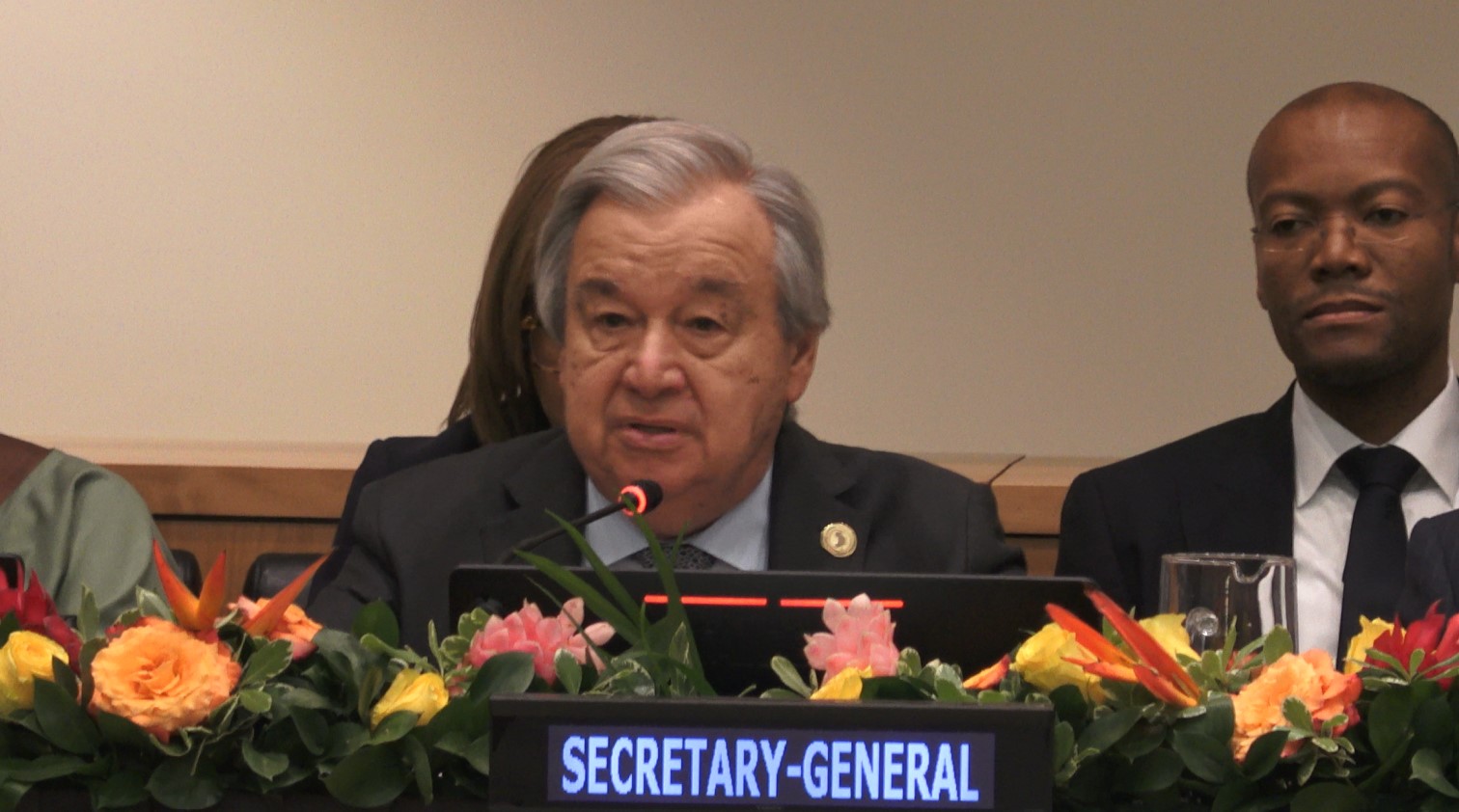
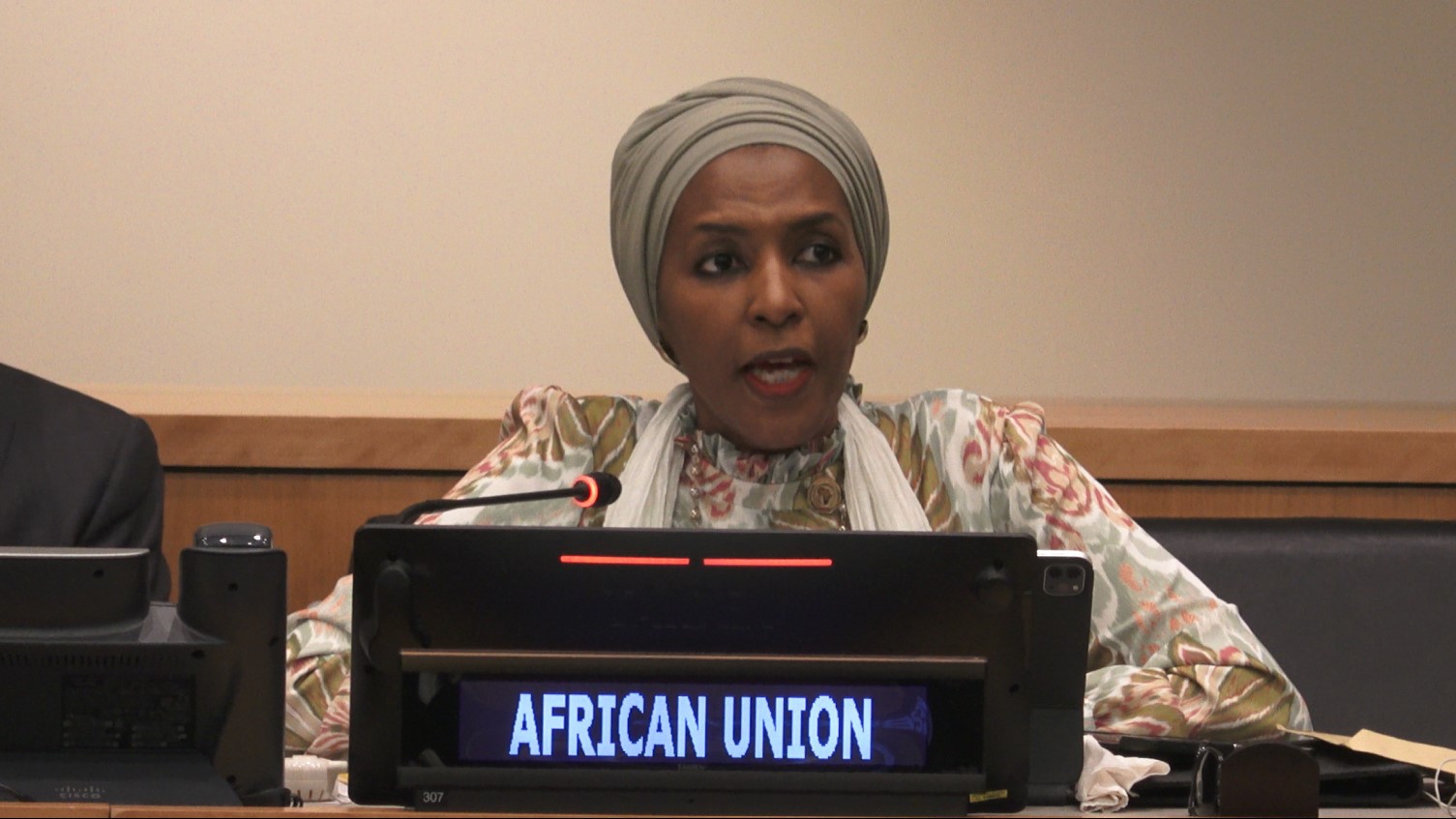
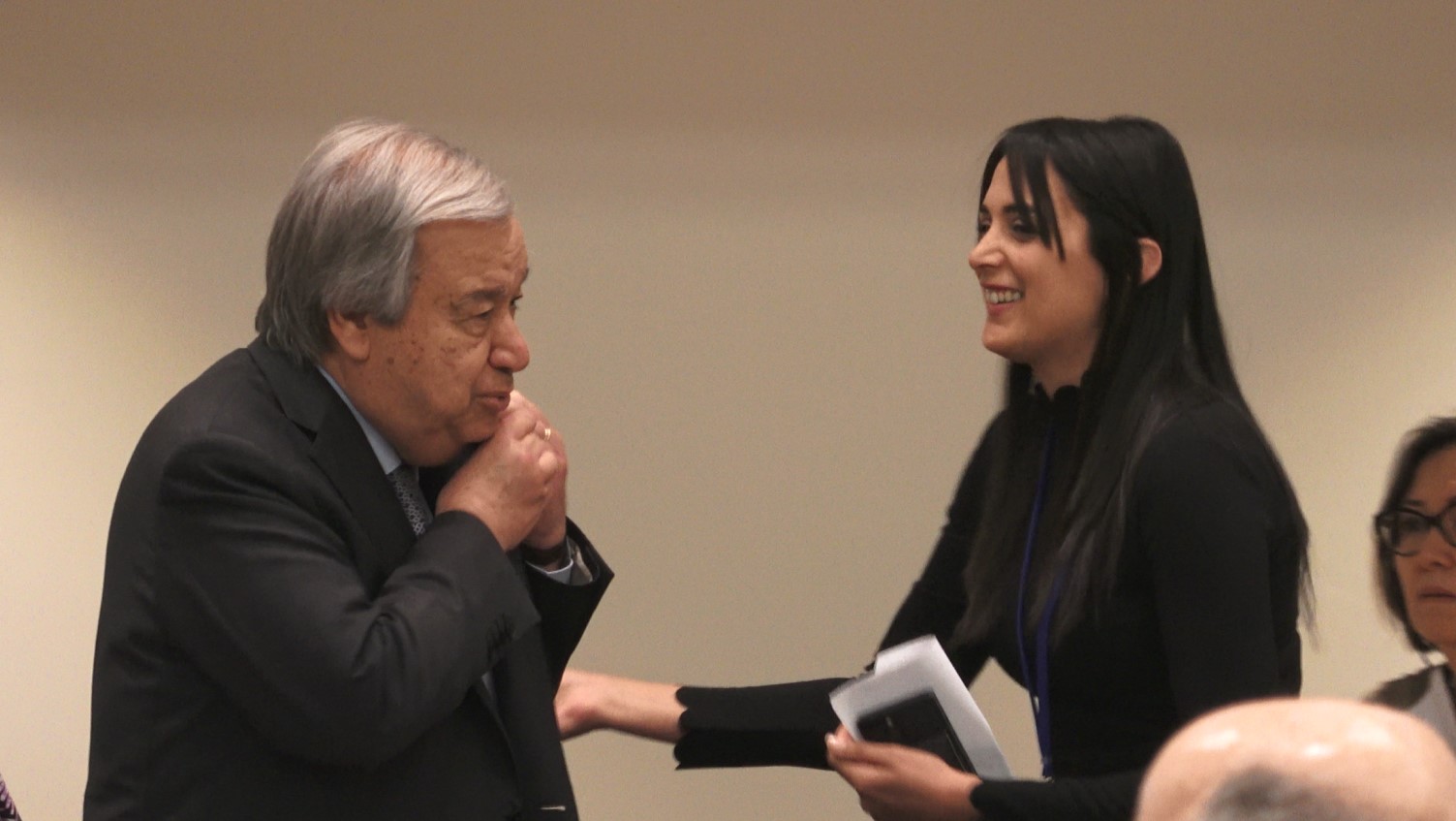
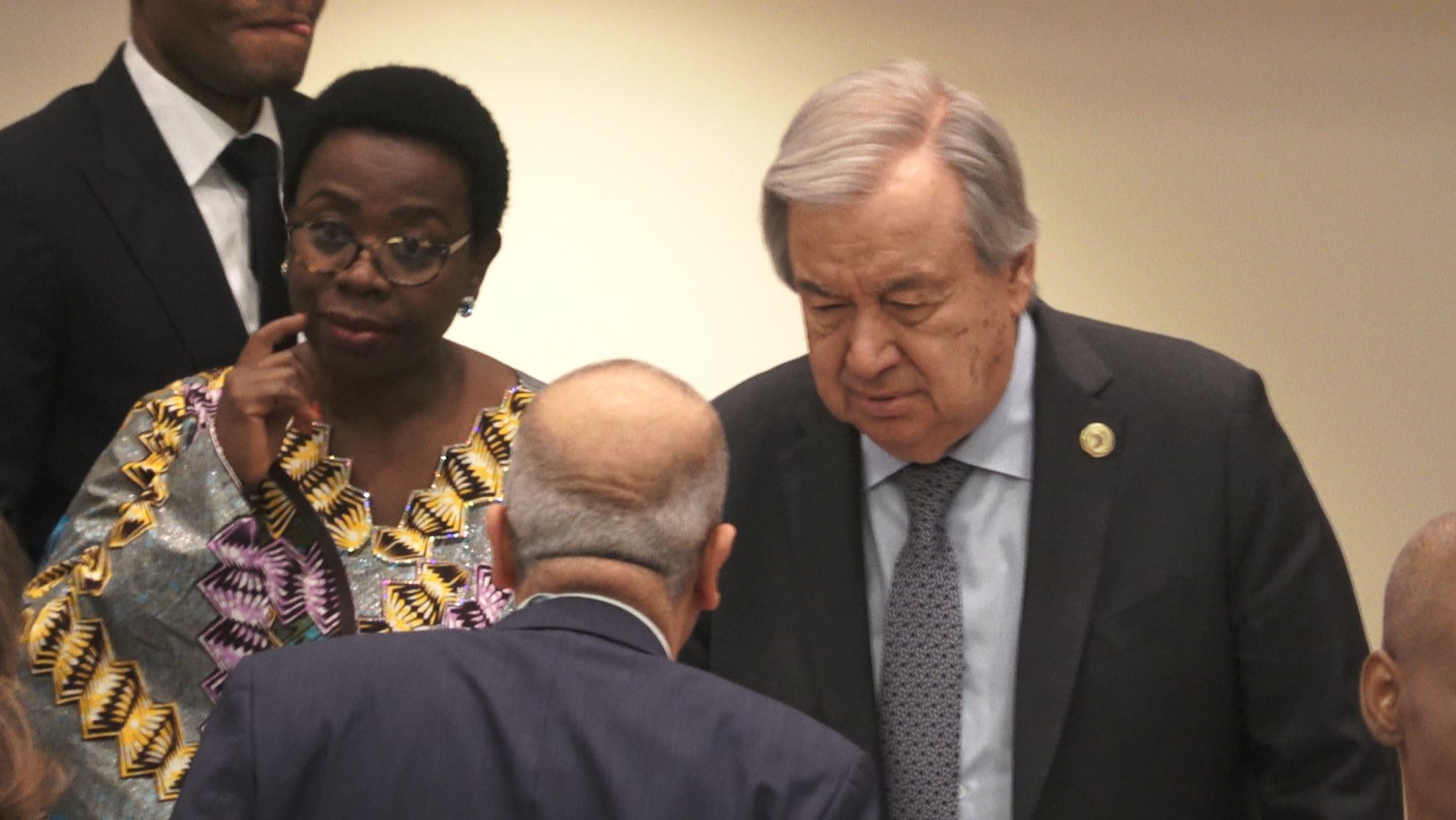
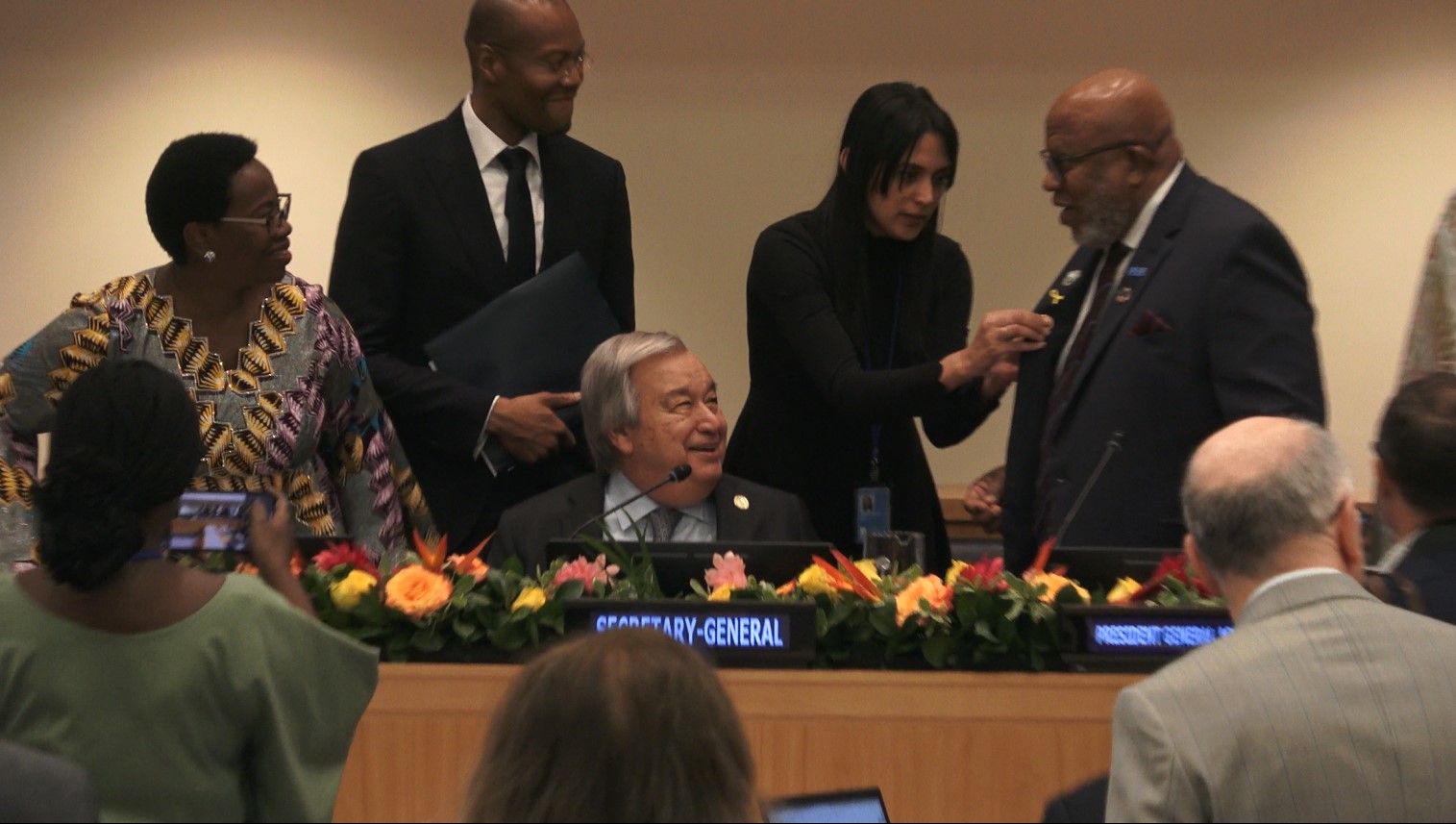
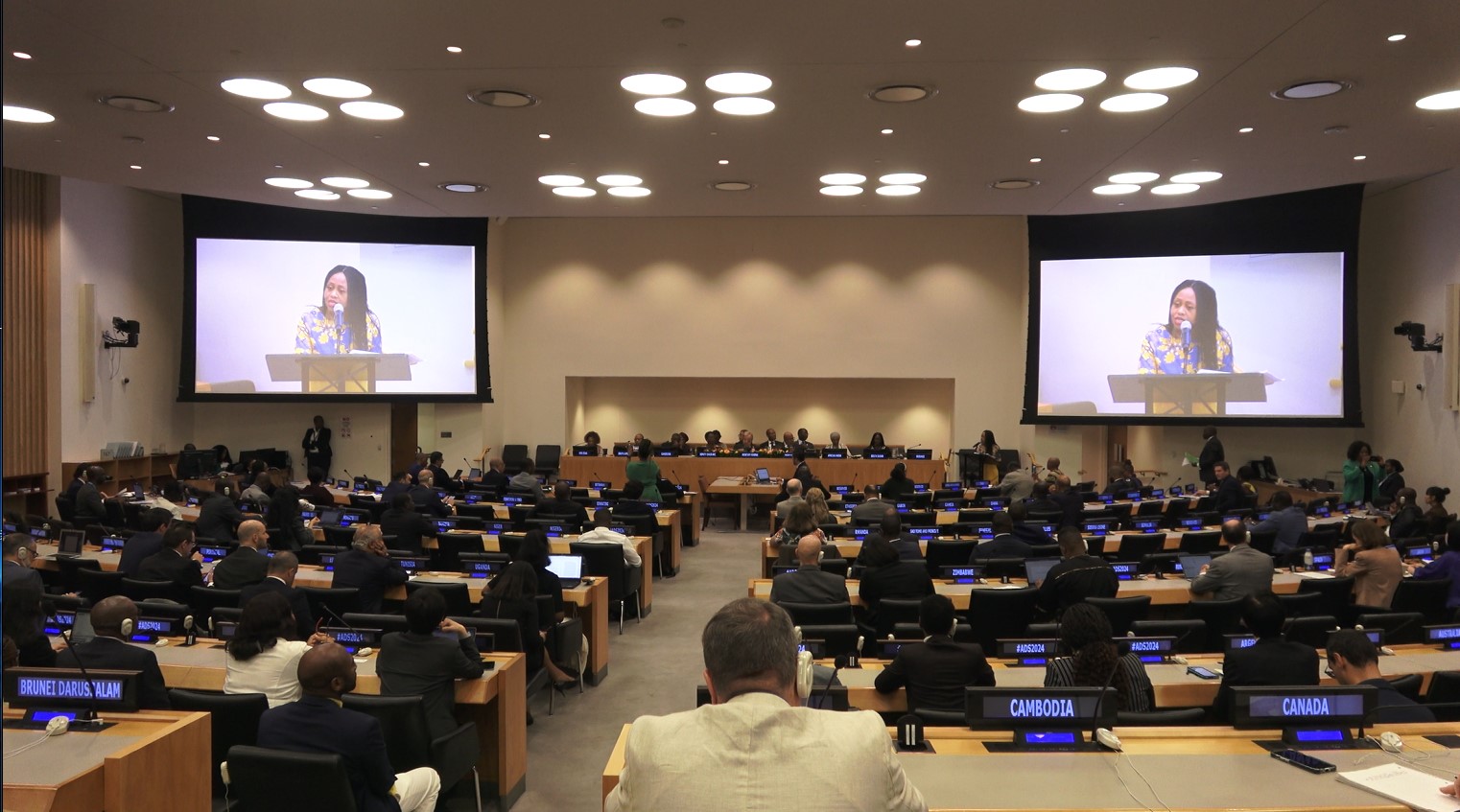
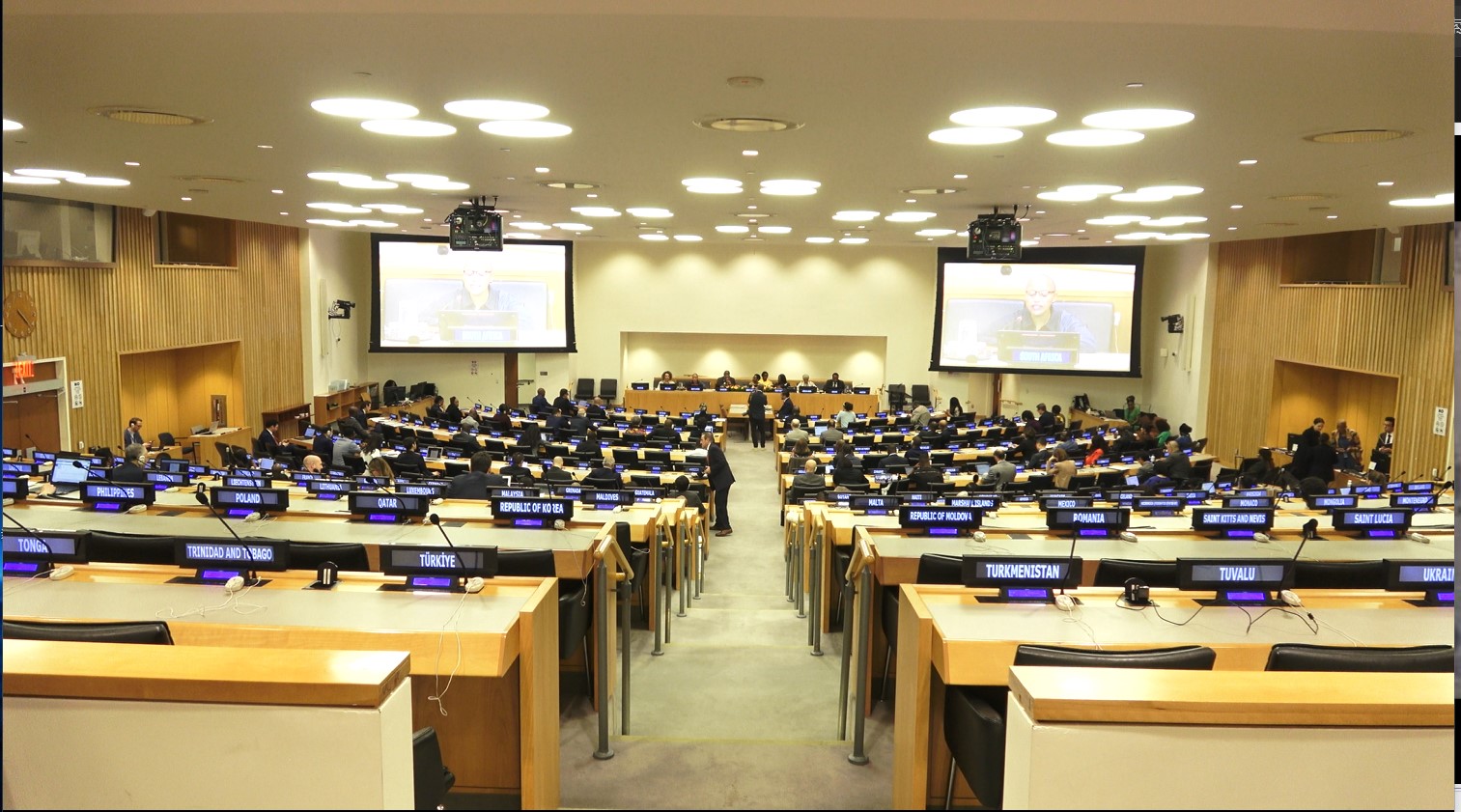
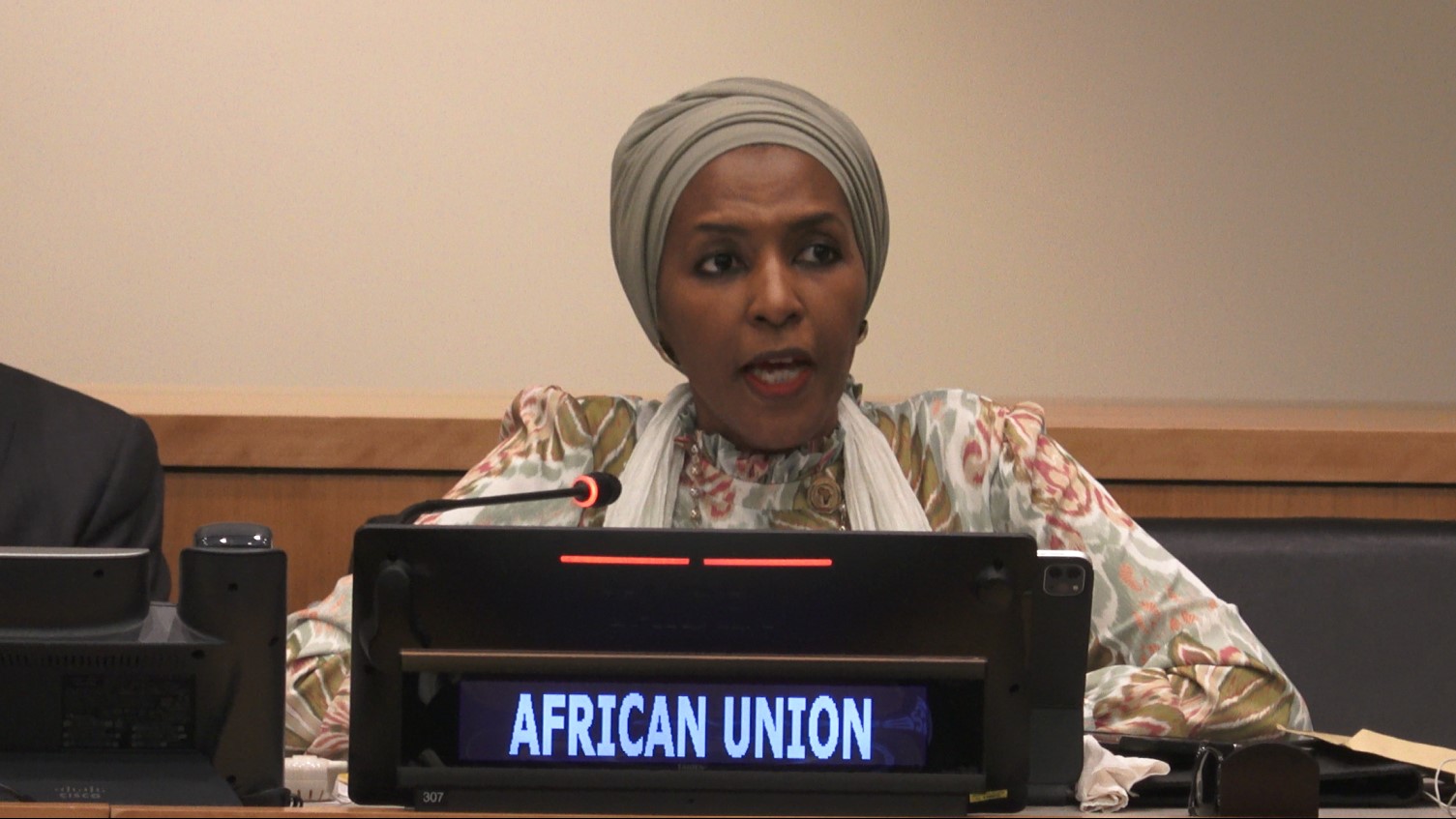
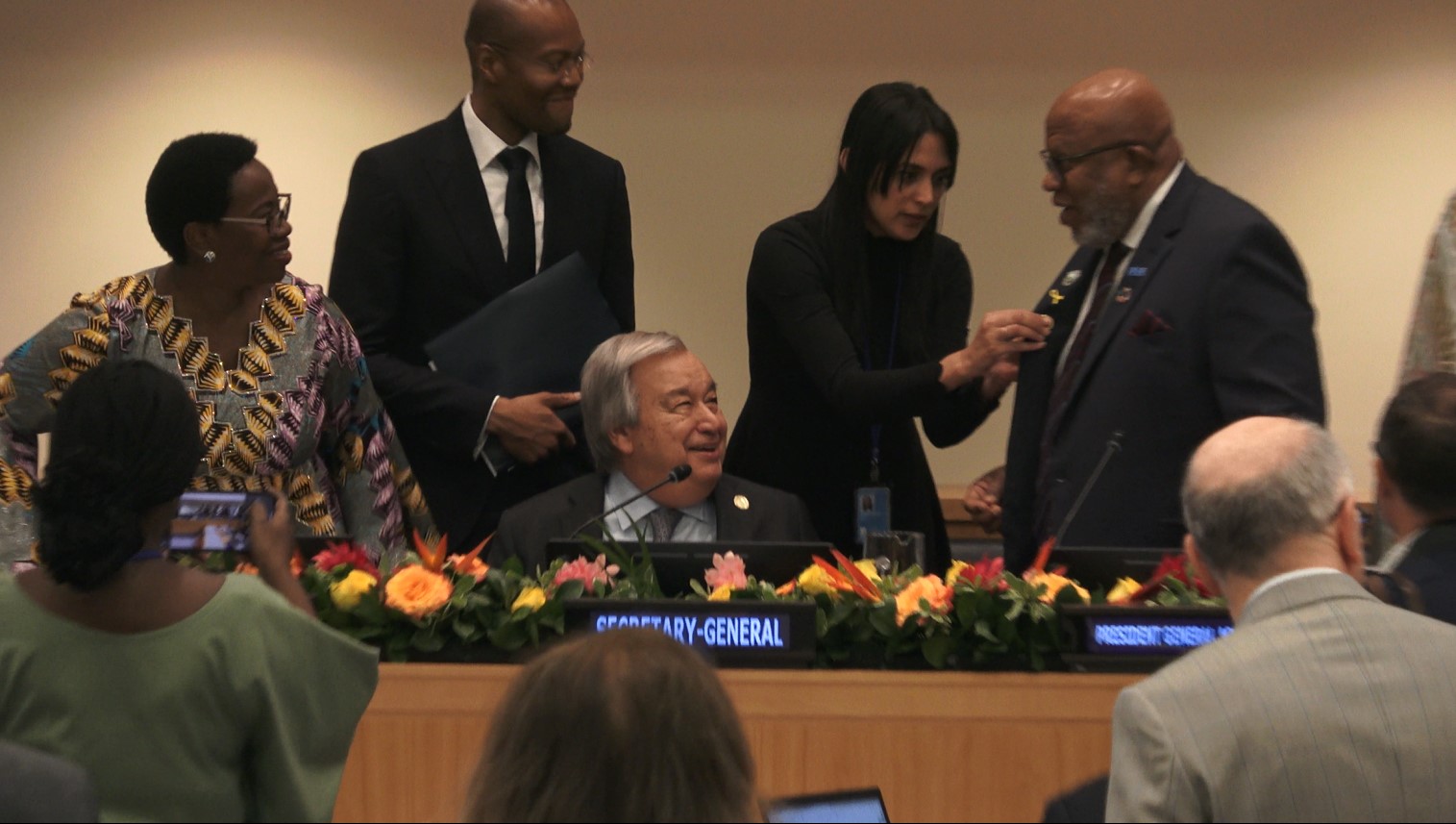
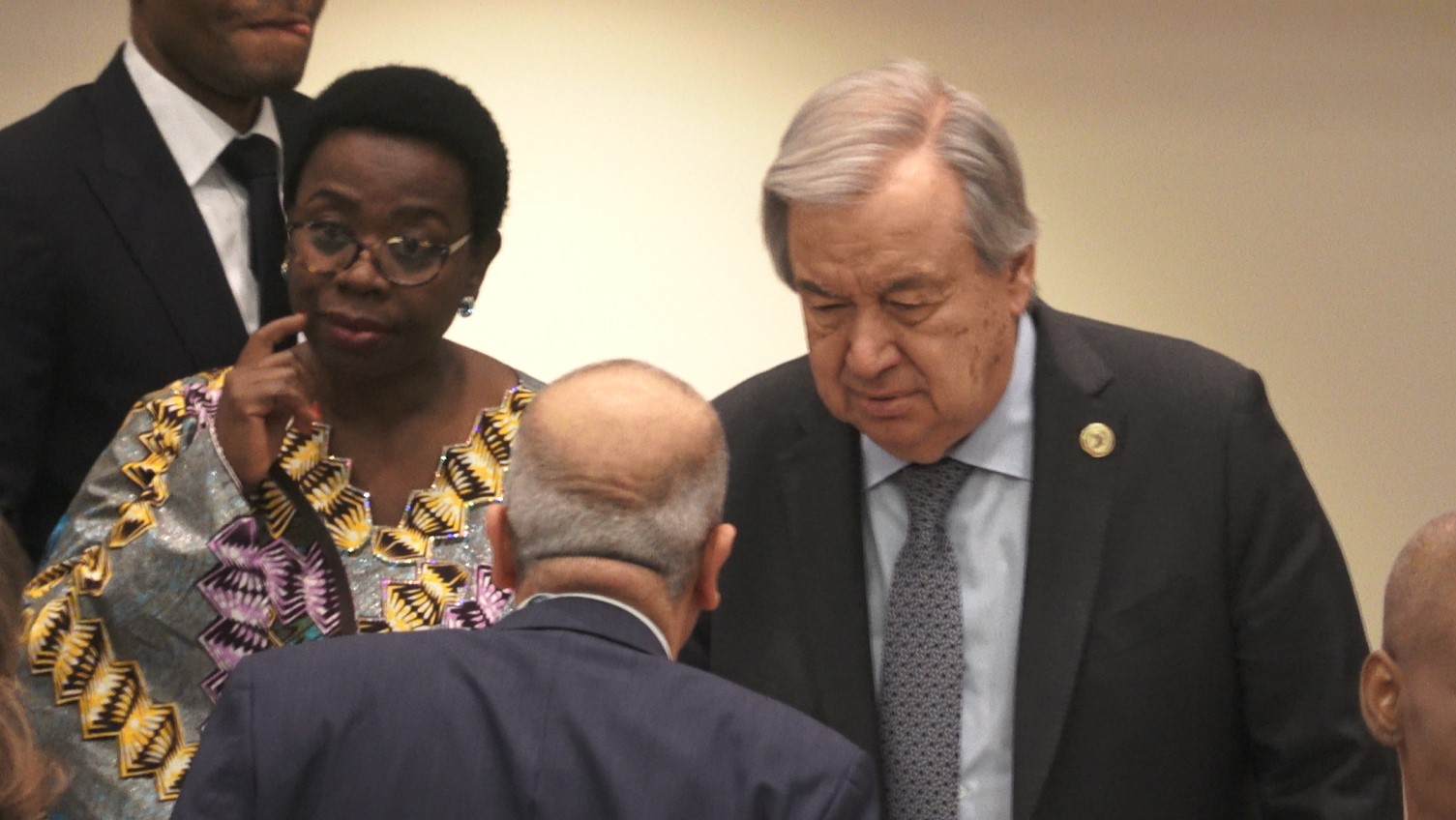
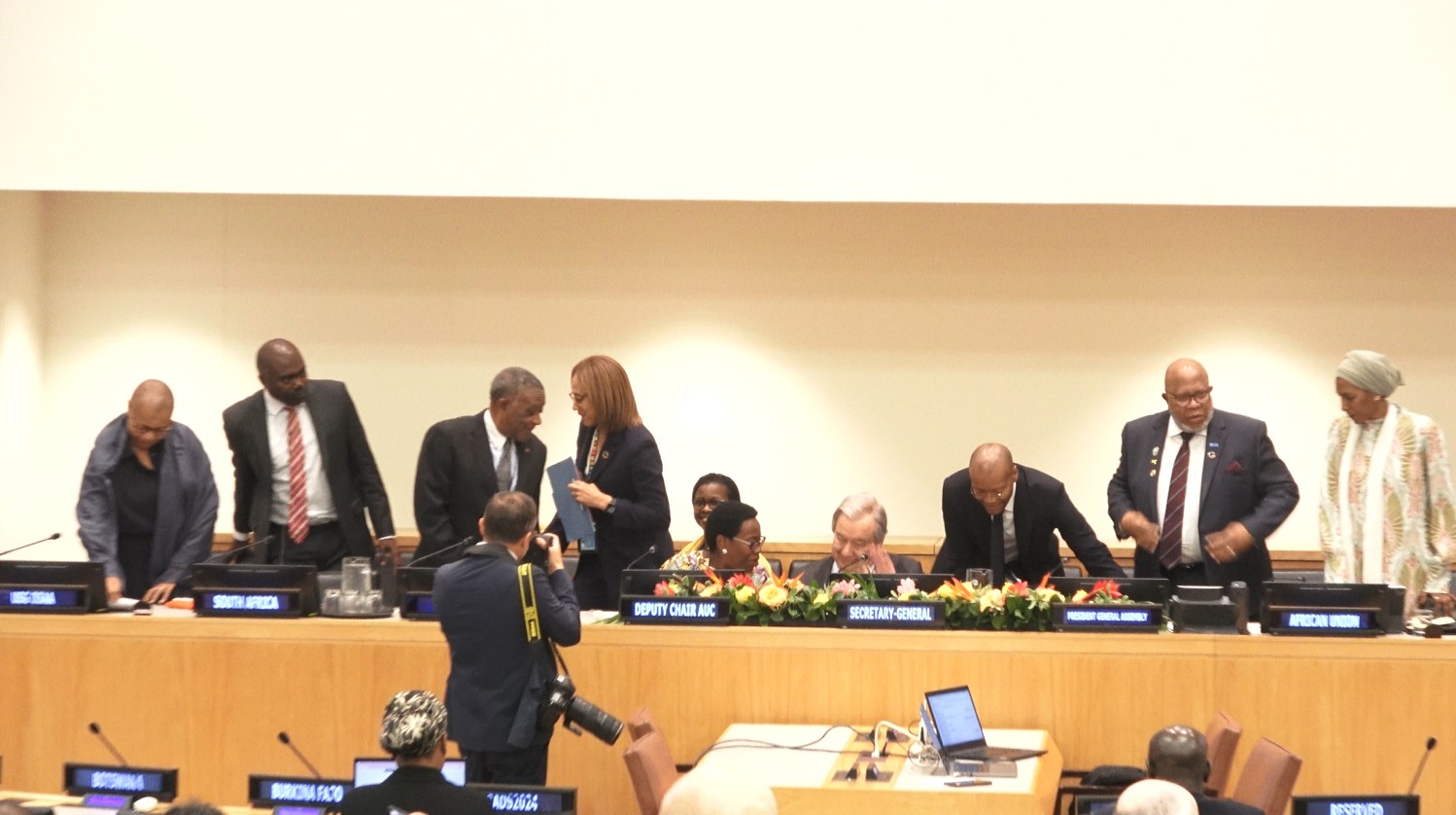
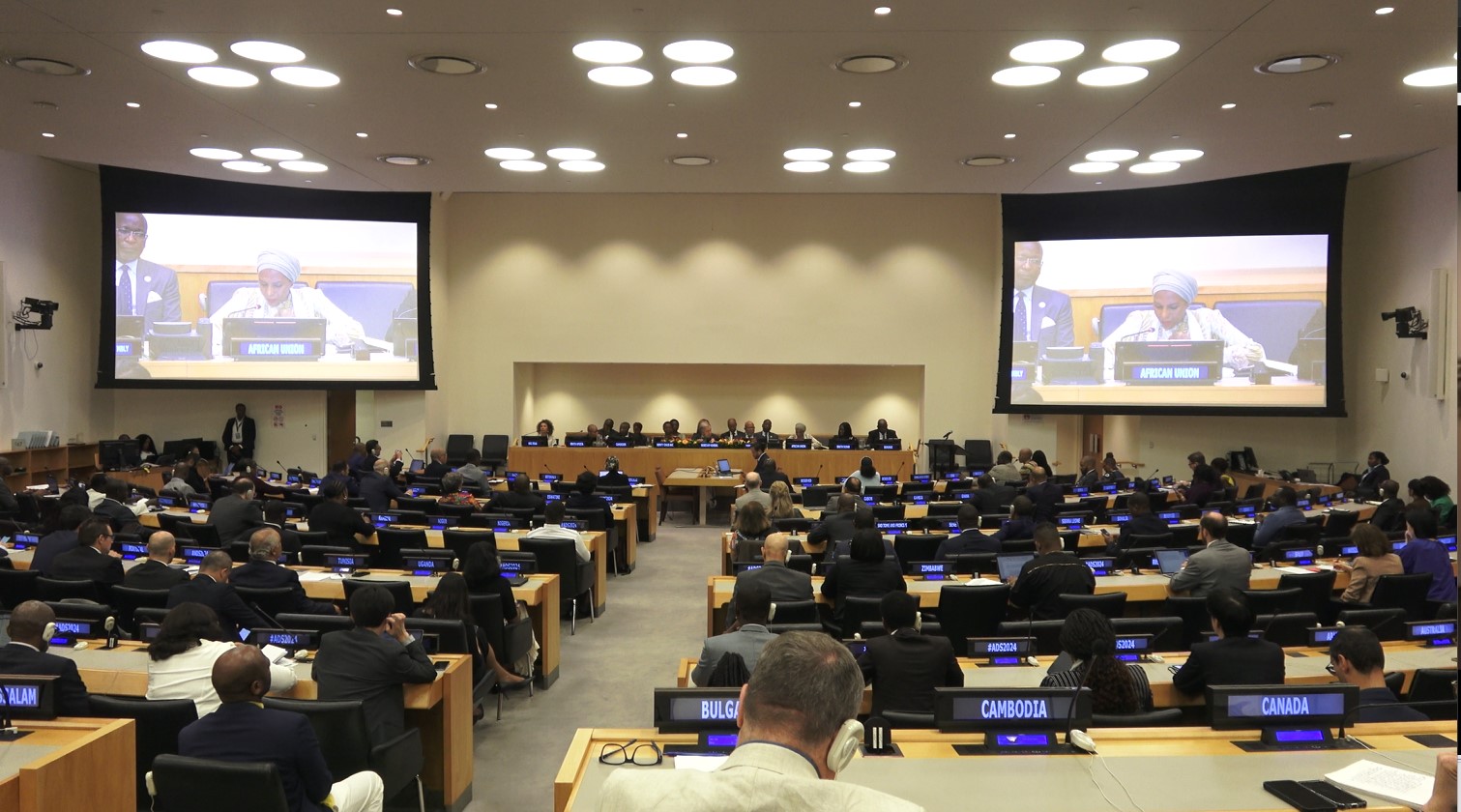
The opening ceremony was presided over by Ambassador Fatima Kyari Mohammed, Permanent Observer of the African Union to the UN, and featured opening remarks by notable figures such as UN Secretary-General António Guterres, Chairperson of the African Union Commission Moussa Faki Mahamat, President of Senegal and Chairperson of the AU Committee of Heads of State and Government on STEM Education Macky Sall, President of the 78th Session of the UN General Assembly Denis Francis, and Paula Narváez, Chile's Permanent Representative to the UN and President of ECOSOC.
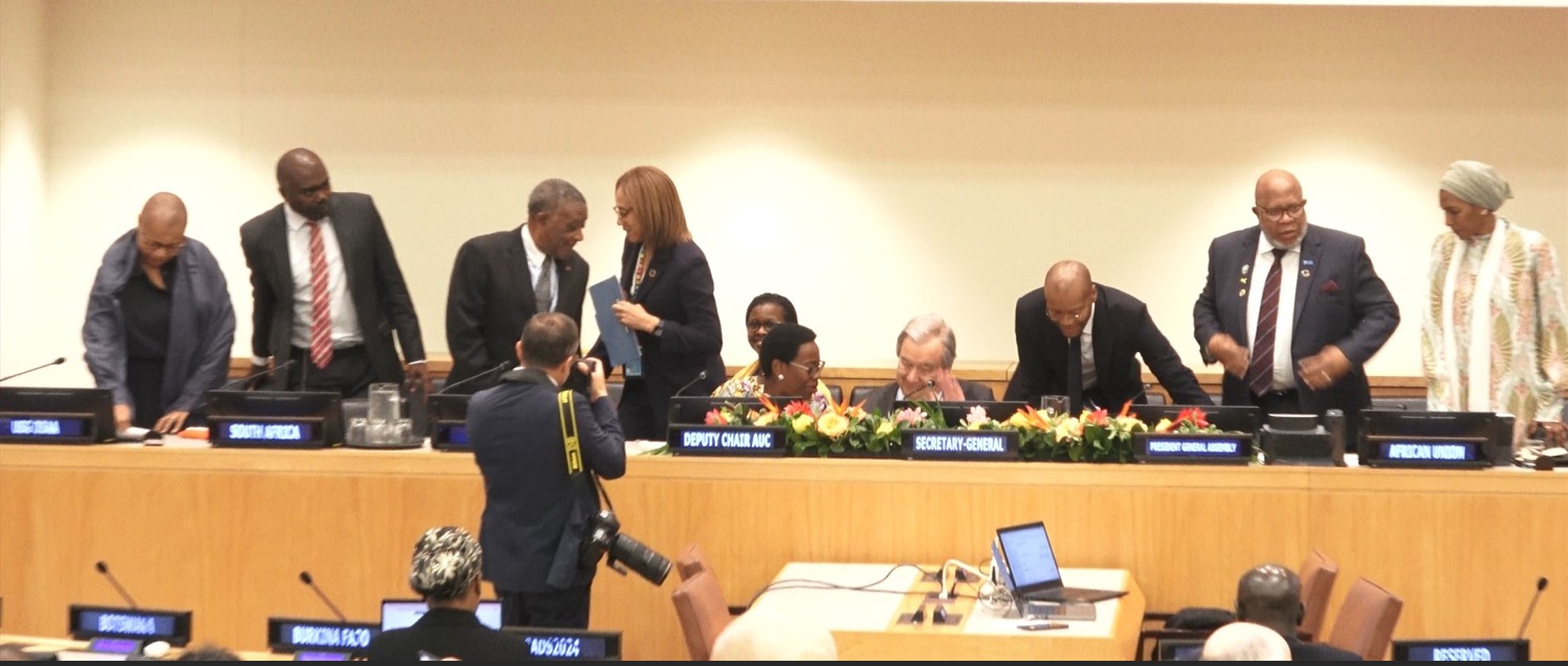
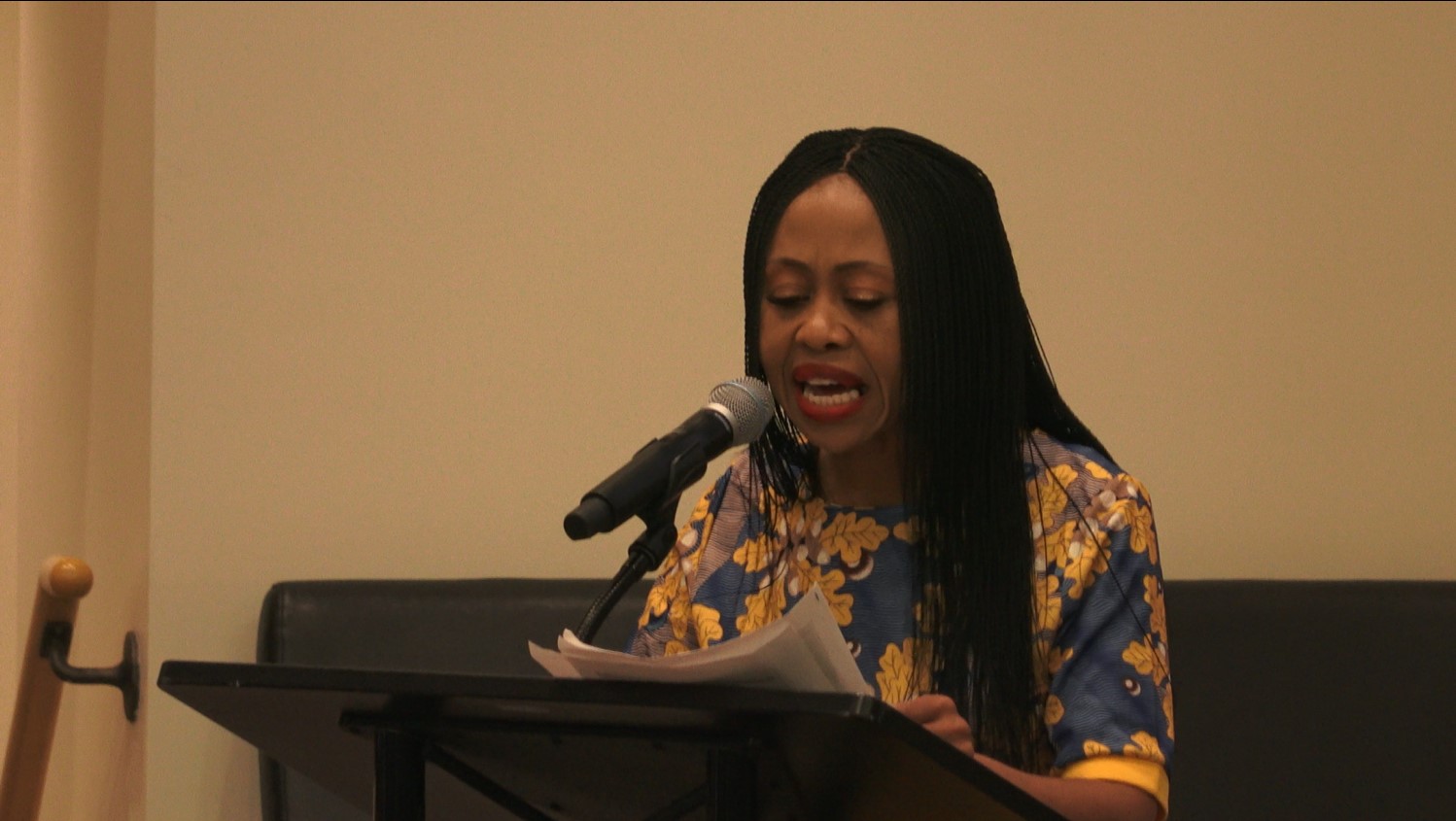
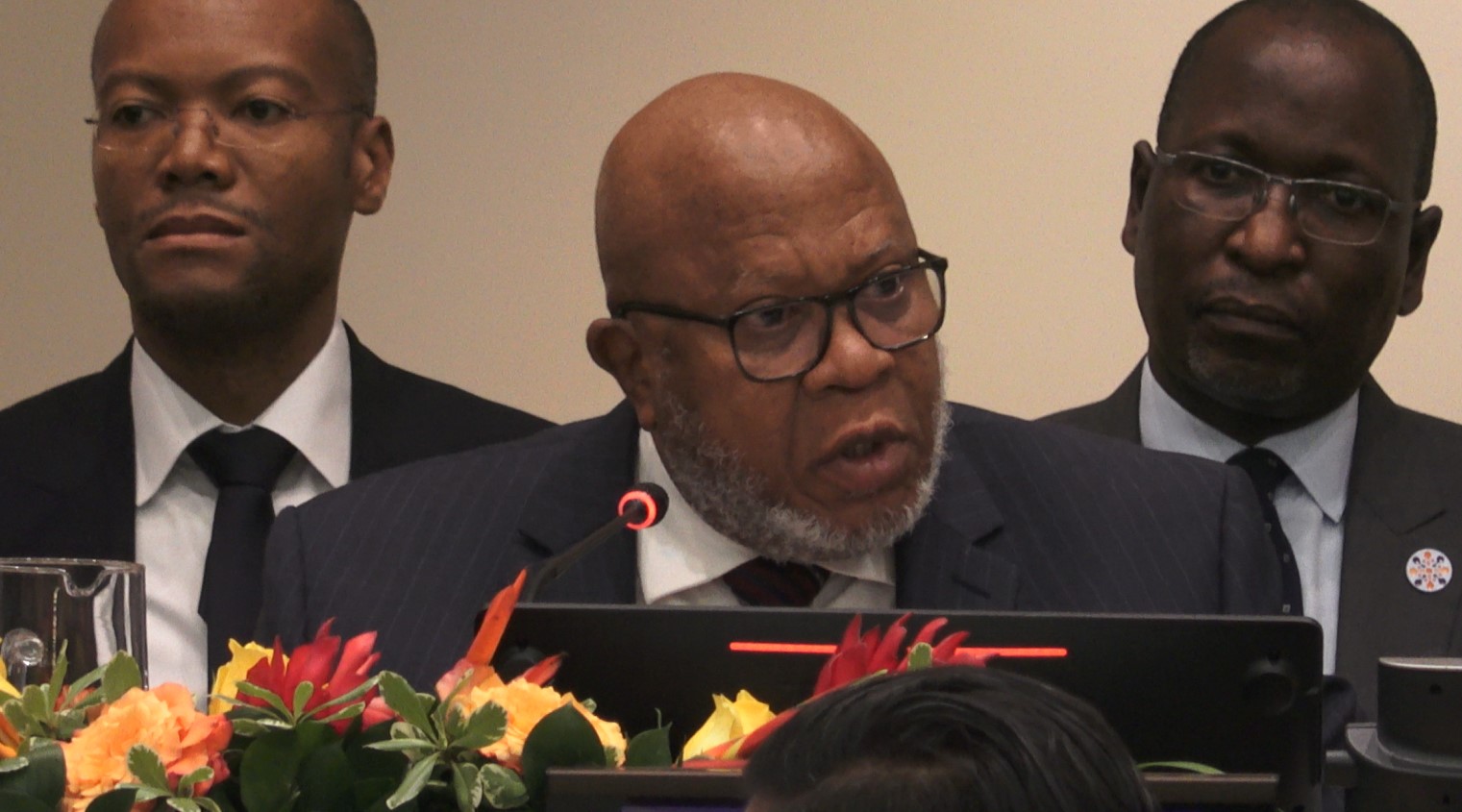
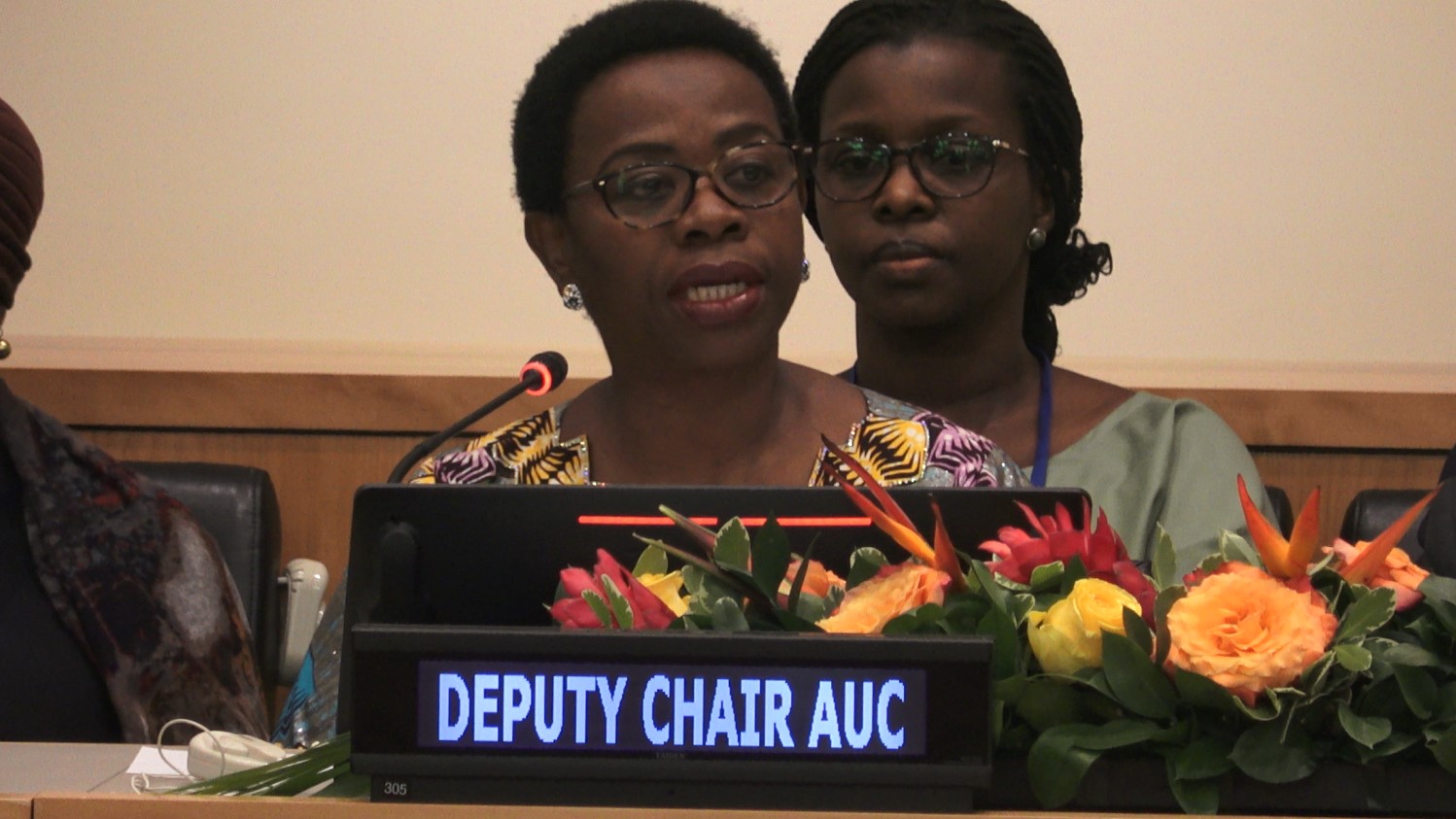
This crucial meeting explored the theme "Education through Science, Technology, and Innovation toward the Africa We Want," emphasizing the key roles of education, investment, and collaboration in unlocking Africa's potential in these areas. The 2024 Africa Dialogue focused on "Education in Africa 5.0," aligning with the African Union's priorities and utilizing partnerships to engage in strategic dialogues on education, science, technology, and innovation for sustainable development goals.
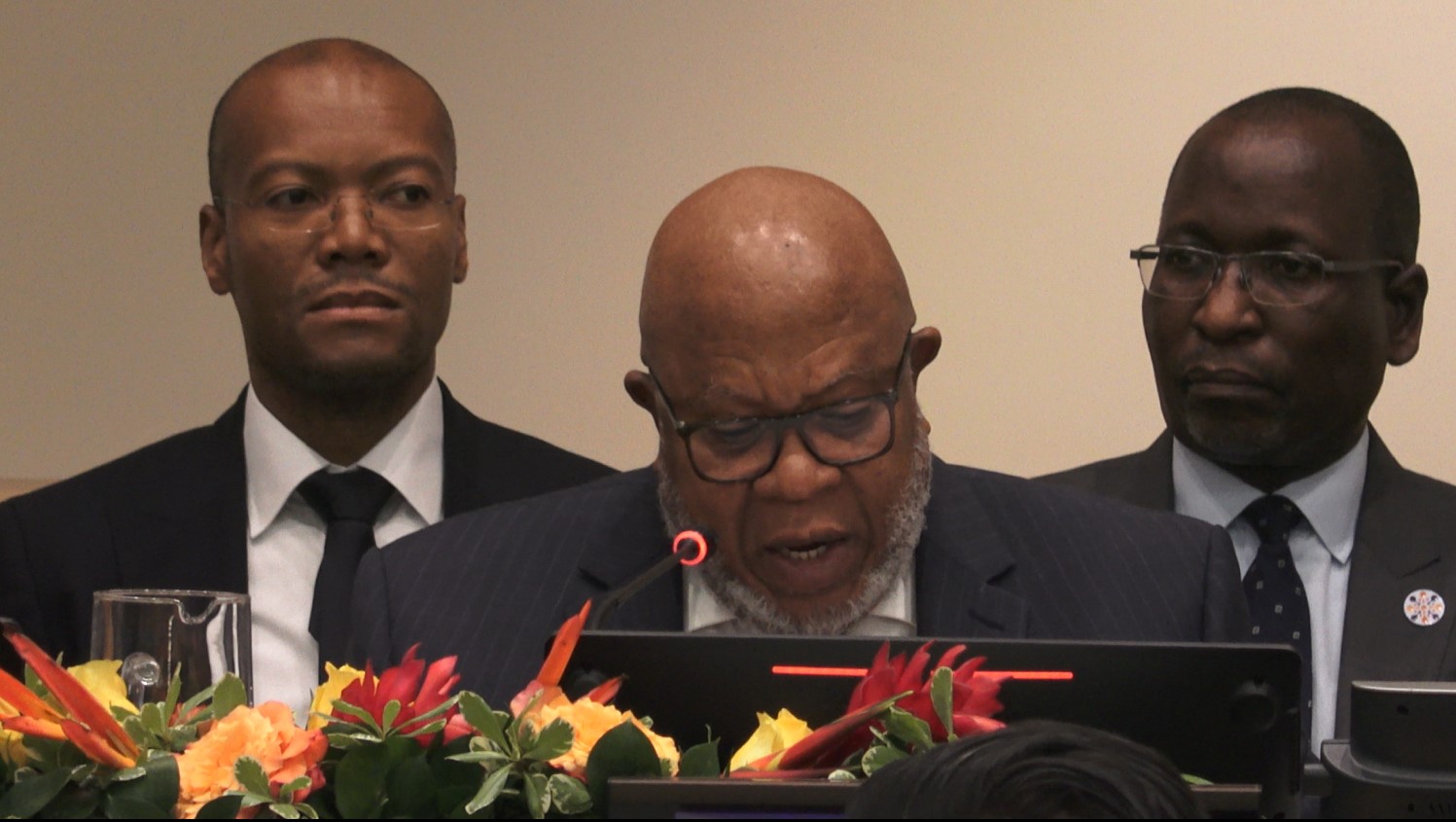
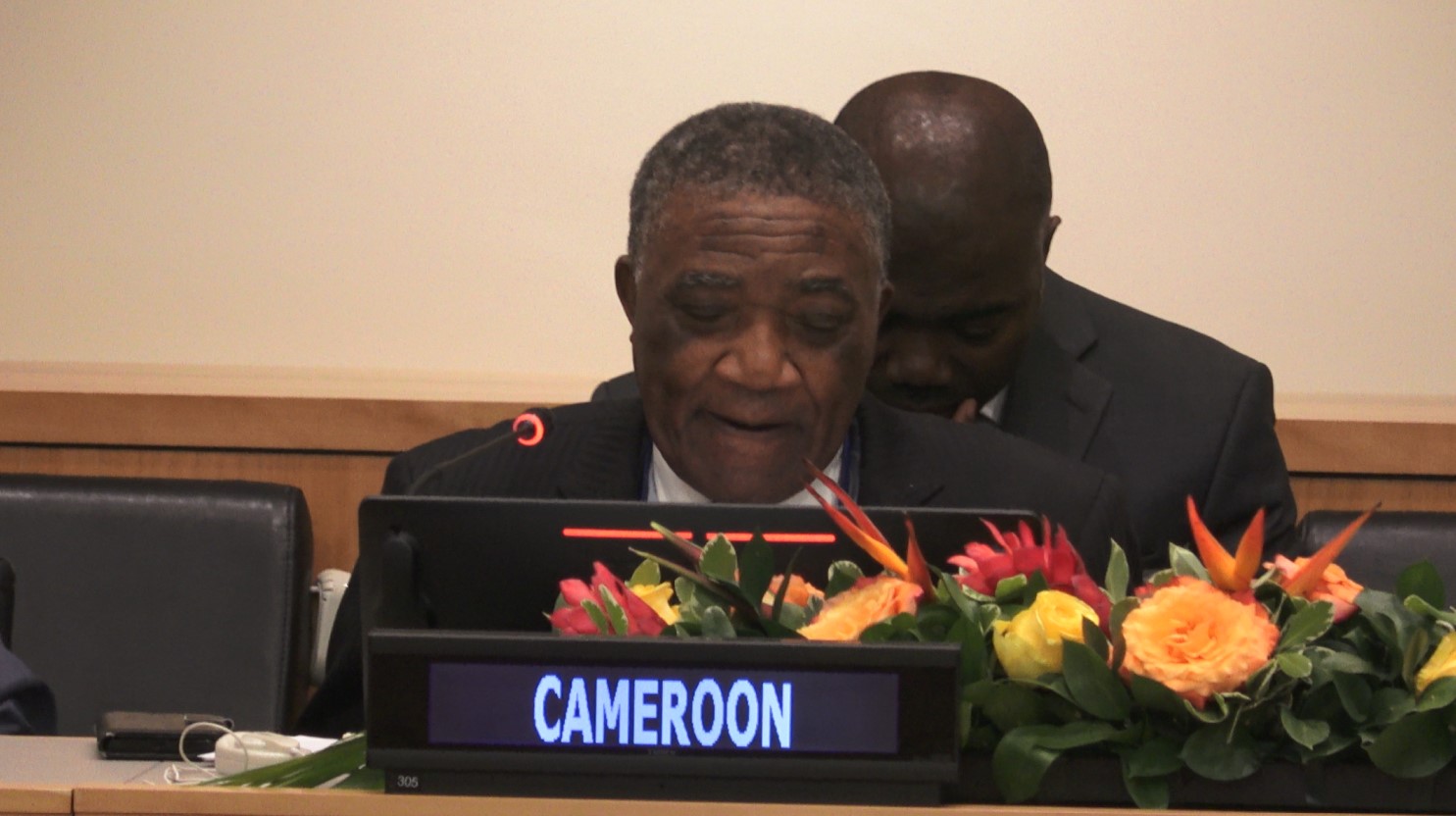
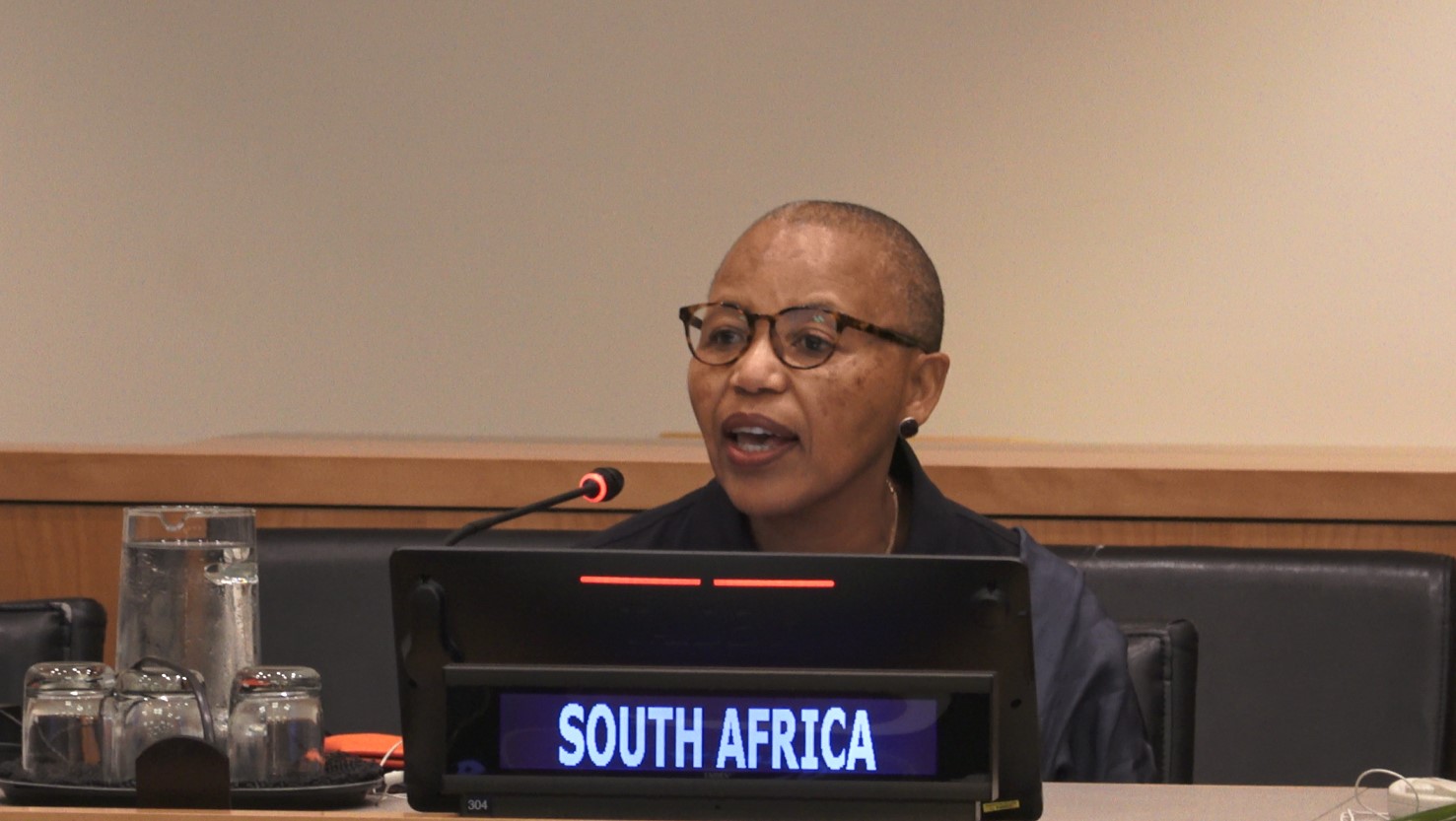
The dialogue was organized by the UN Office of the Special Adviser on Africa (OSAA) and the African Union Permanent Observer Mission to the UN, along with their partners. It aimed to serve as an interactive and forward-looking platform for developing actionable strategies to accelerate Africa's development. The dialogue highlighted the commitment of the UN and its partners to use education, science, technology, and innovation as key drivers of sustainable development in Africa. Stakeholders from various sectors were invited to join this transformative discussion, which promises to shape a hopeful future for the African continent.
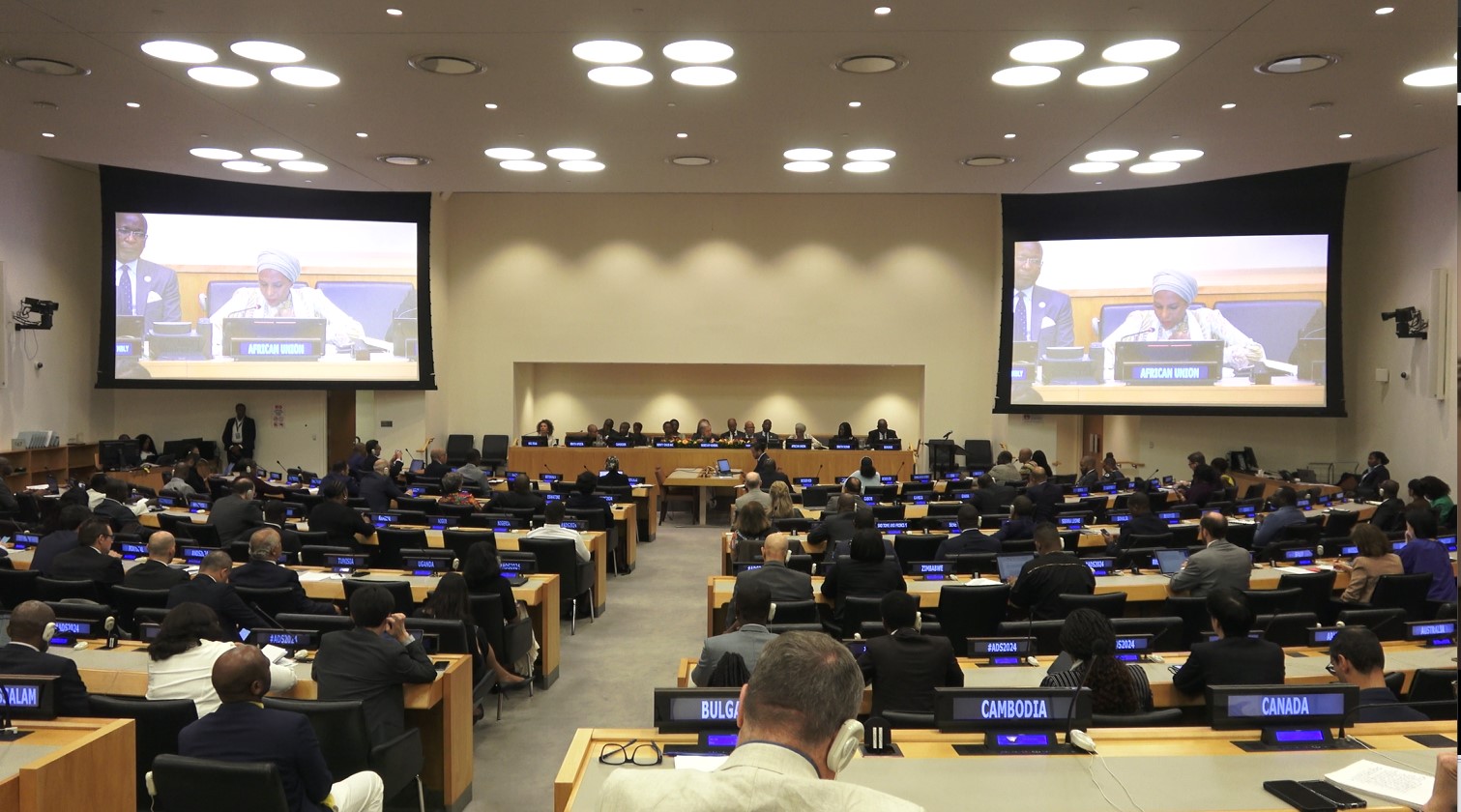
This High-level Policy Dialogue underscored the commitment to addressing low educational investment and providing sustainable development and job opportunities for African youth. The event marked a pinnacle in the 2024 Africa Dialogue Series, predicting a future that would shape the continent.
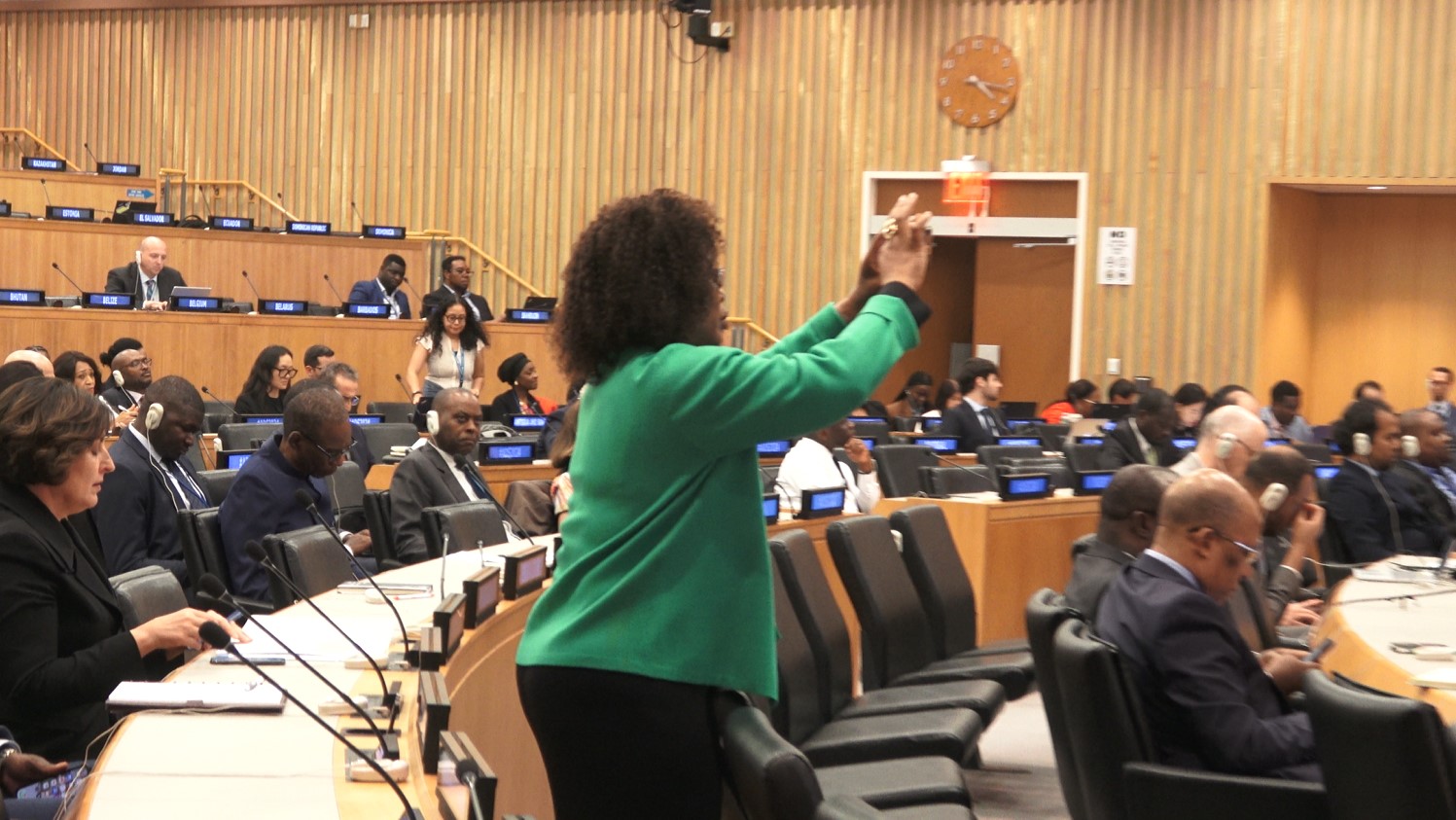
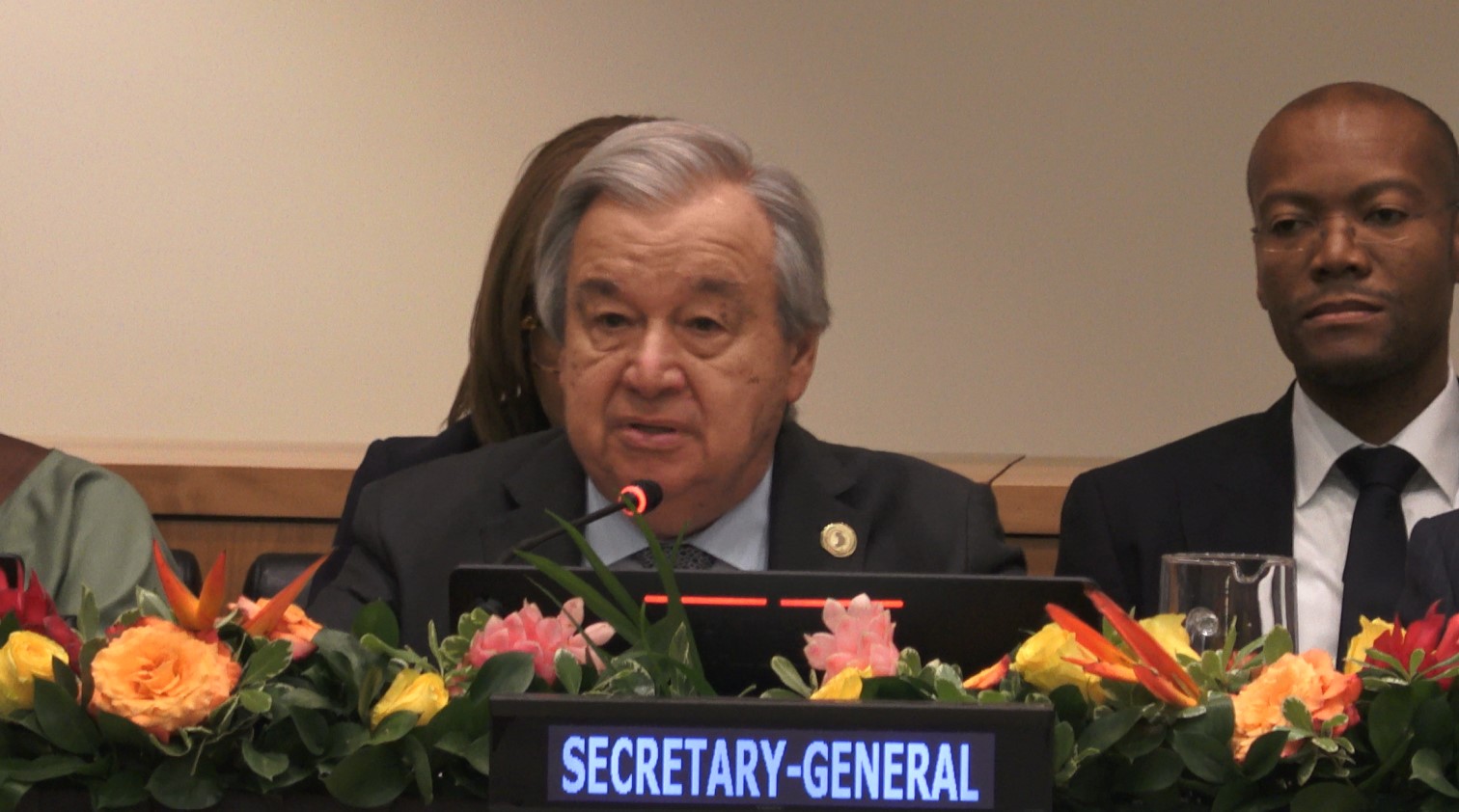
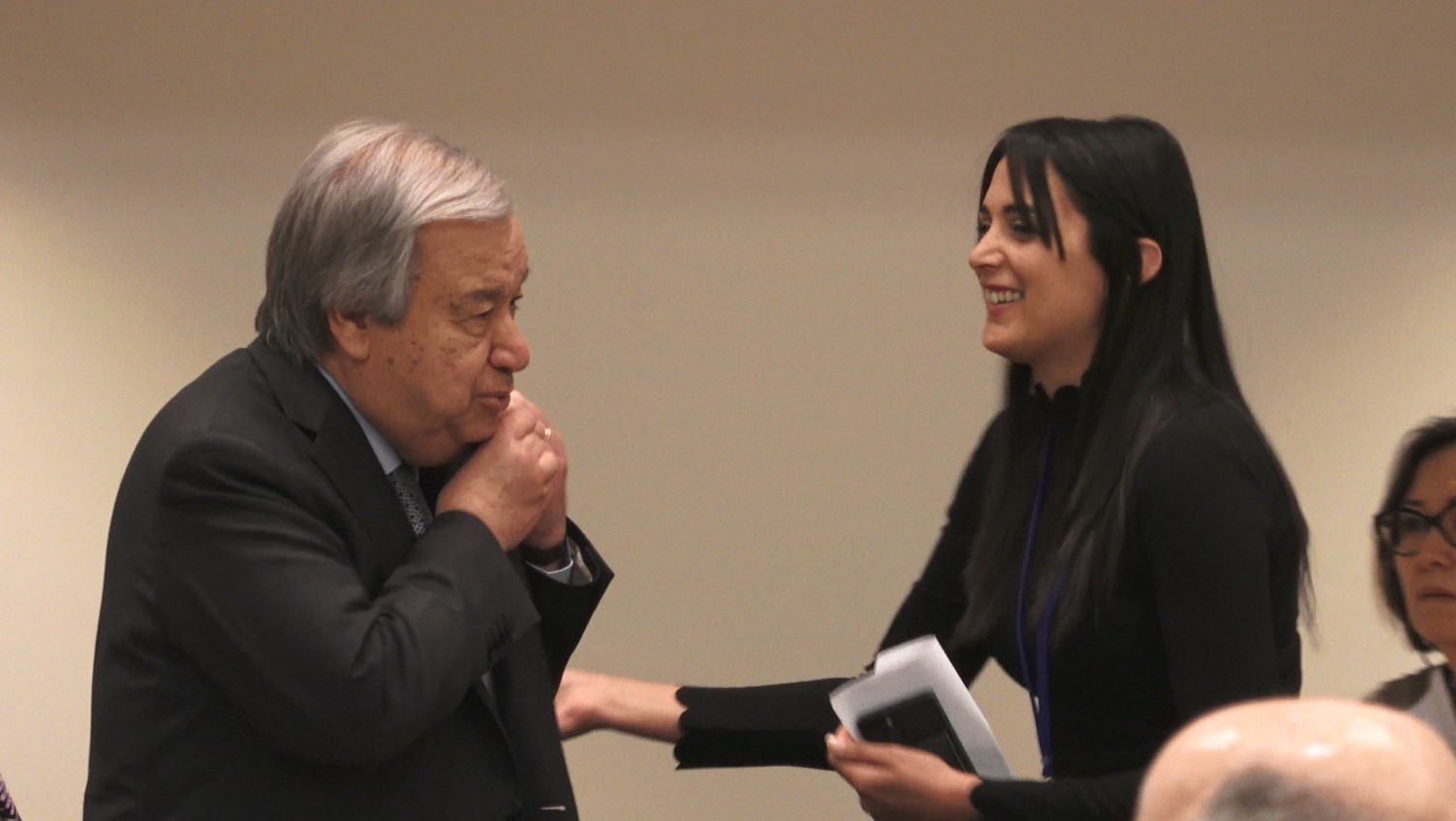
Respected guests, all protocols observed. Five days ago, the world celebrated Africa Day, a celebration of the hope and potential of the African people. This month's dialogue series reminds us that unlocking this full potential depends on a key factor: education. Education is the driving force behind Africa's prosperity and development. It provides opportunities for young Africans, connecting them with their cultural heritage and past while preparing them for the future. Education is the cornerstone of the science, technology, and innovation-based economy that Africa needs in the coming decades.
I commend the African Union for making education its theme for 2024 and emphasize the importance of overcoming the challenges facing educational systems across the continent. A lack of investment and infrastructure, persistently unequal access to education for girls, conflicts, and climate-related disasters prevent tens of millions of African children and youth from receiving education. The shortage of qualified teachers exacerbates a crisis in foundational curricula and teaching methods that fail to prepare students for today's workforce, especially in the STEM (Science, Technology, Engineering, and Mathematics) fields.
At the 2022 Transforming Education Summit, nations committed to advancing the vision of creating true learning societies rooted in quality education and Sustainable Development Goal 4. This includes lifelong learning, eliminating digital and gender gaps, and supporting teachers at every step. The specific policy recommendations emerging from this dialogue represent an opportunity to ensure progress in the African context.
I particularly want to outline two areas: Firstly, without significantly increased financing and investment in education systems, progress is unattainable. African countries have made substantial progress; nearly one-third have reached the minimum threshold of 15% of public expenditures or 4% of GDP allocated to education. However, investments are hindered by economic challenges including the long-term effects of the COVID-19 pandemic, soaring costs of living, and an out-of-control debt crisis. Many African countries spend more on debt service than on healthcare, infrastructure, and education combined.
Meanwhile, borrowing is hampered by an outdated, dysfunctional, and unfair international financial system, while an unbalanced and inefficient global tax system deprives African countries of higher domestic revenues. Last September, world leaders at the SDG Summit supported a minimum annual SDG stimulus of $500 billion. The stimulus also calls for a debt lifeline to provide developing countries with some breathing room, rather than punishing repayment schedules, and for expanding emergency financing for crisis-hit countries, including reallocating special drawing rights. We also need to see multilateral development banks adjust their business models to better leverage private finance at a reasonable cost for developing countries.
This year, at the Summit of the Future, I expect to see concrete commitments from world leaders to fundamentally repair the global financial system. This must include ensuring greater African representation across all systems and institutions, including the global financial system, coupled with robust domestic resource mobilization systems. These are opportunities for African countries to dramatically increase investment in education in the coming years. I also urge donor countries and multilateral development banks to support the International Finance Facility for Education launched at the Transforming Education Summit. It's time to realize the potential of this facility and mobilize $10 billion to help 700 million children in lower and middle-income countries access quality education.
Secondly, African education systems must be rooted in science, technology, engineering, and mathematics. Merely getting more children into school is not enough. African students, like students around the world, need the skills and knowledge to compete in the modern global economy. STEM subjects are critical, from agriculture and manufacturing to service delivery to every aspect of business, large and small, to the renewable green energy revolution taking root across Africa. Digital skills are a good example. The International Financial Corporation estimates that by 2030, over 230 million jobs in sub-Saharan Africa will require digital skills. As we transform what students learn, we also need to transform how they learn.
Digital technology offers an unlimited platform to deliver education to learners, no matter where they live. It is also an opportunity to scale up education for the tens of millions of school-aged children in Africa whose education is disrupted by crises like conflicts and natural disasters. Overcoming this massive barrier means unlocking these benefits—the fact that only 36% of Africans have access to broadband connectivity. I urge countries to work with technology companies and internet service providers and the UN's GIGA initiative to provide universal high-speed connectivity and devices for every learner. It's time to close the digital divide and to mobilize the financial resources of the international community to make it possible.
Esteemed guests, these issues and many more will be at the forefront of key UN meetings in Paris, New York, and Brazil this year, aimed at accelerating progress towards SDG4 by 2030. They will also be central to the Summit of the Future this September. I have invited all world leaders to attend, and it is particularly crucial that African leaders bring their ideas and solutions, including about education. The Africa we want must be supported by the education systems Africa needs, and I will continue to stand with Africa in this essential work.
Thank you all.
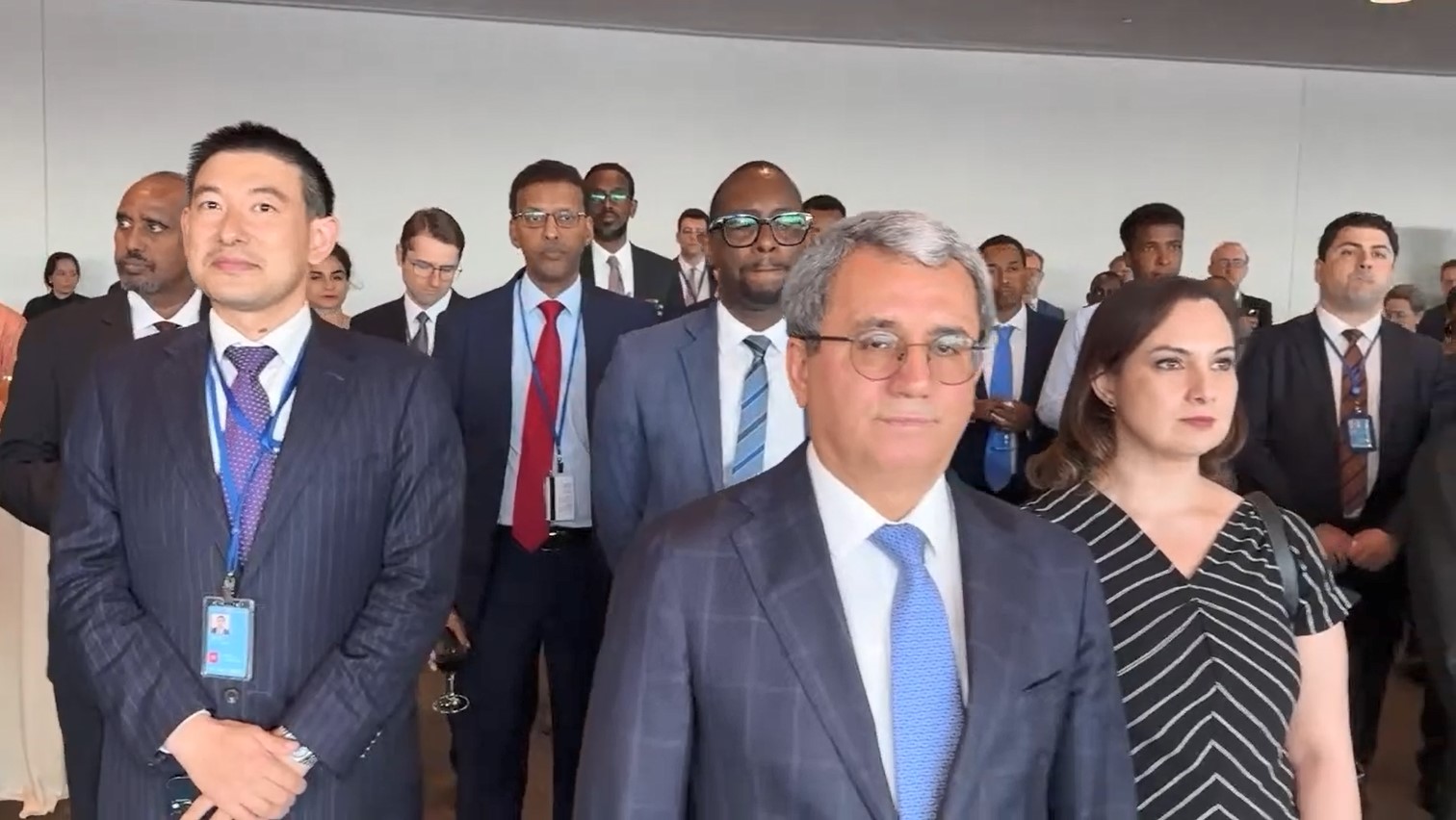
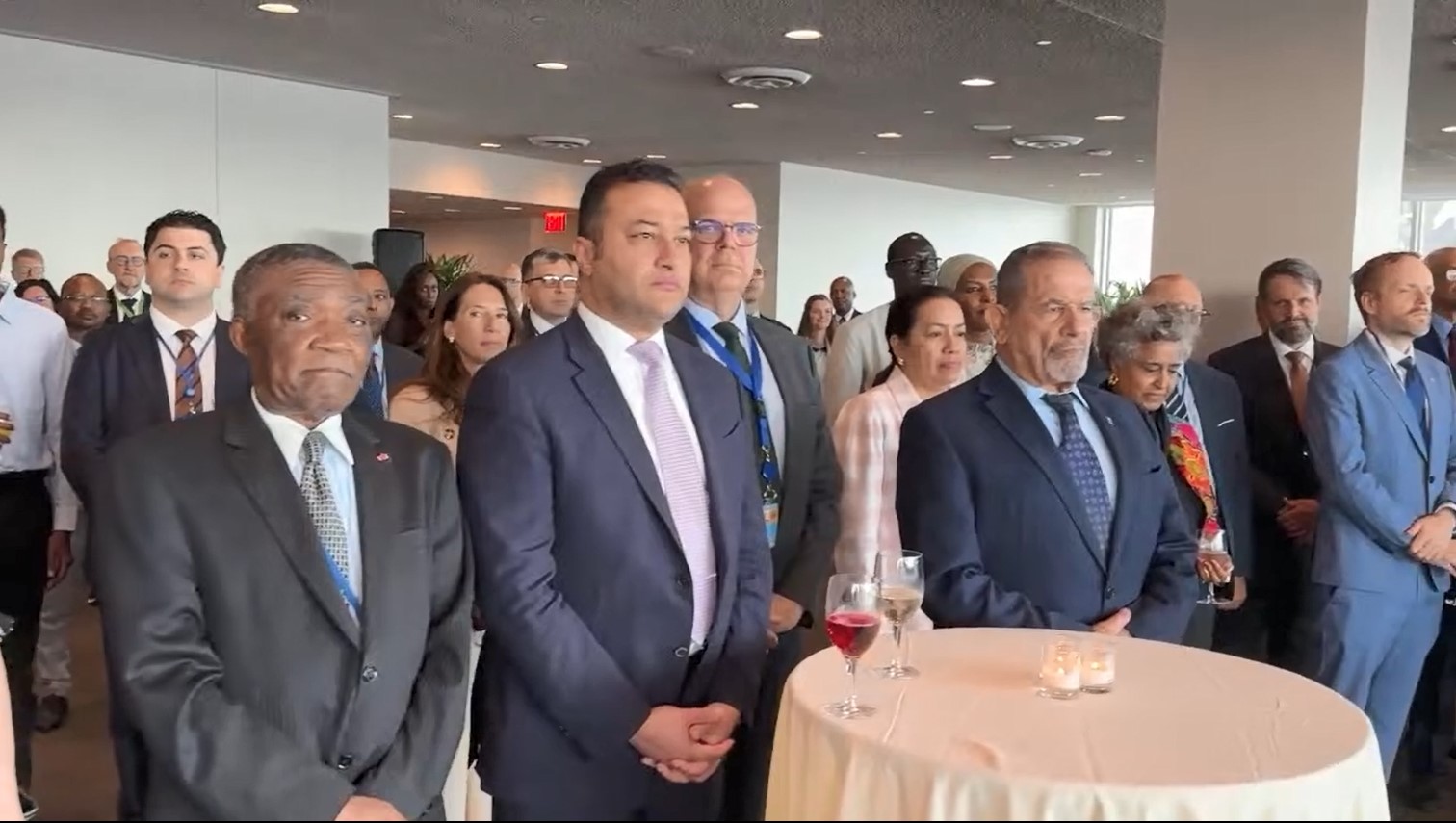
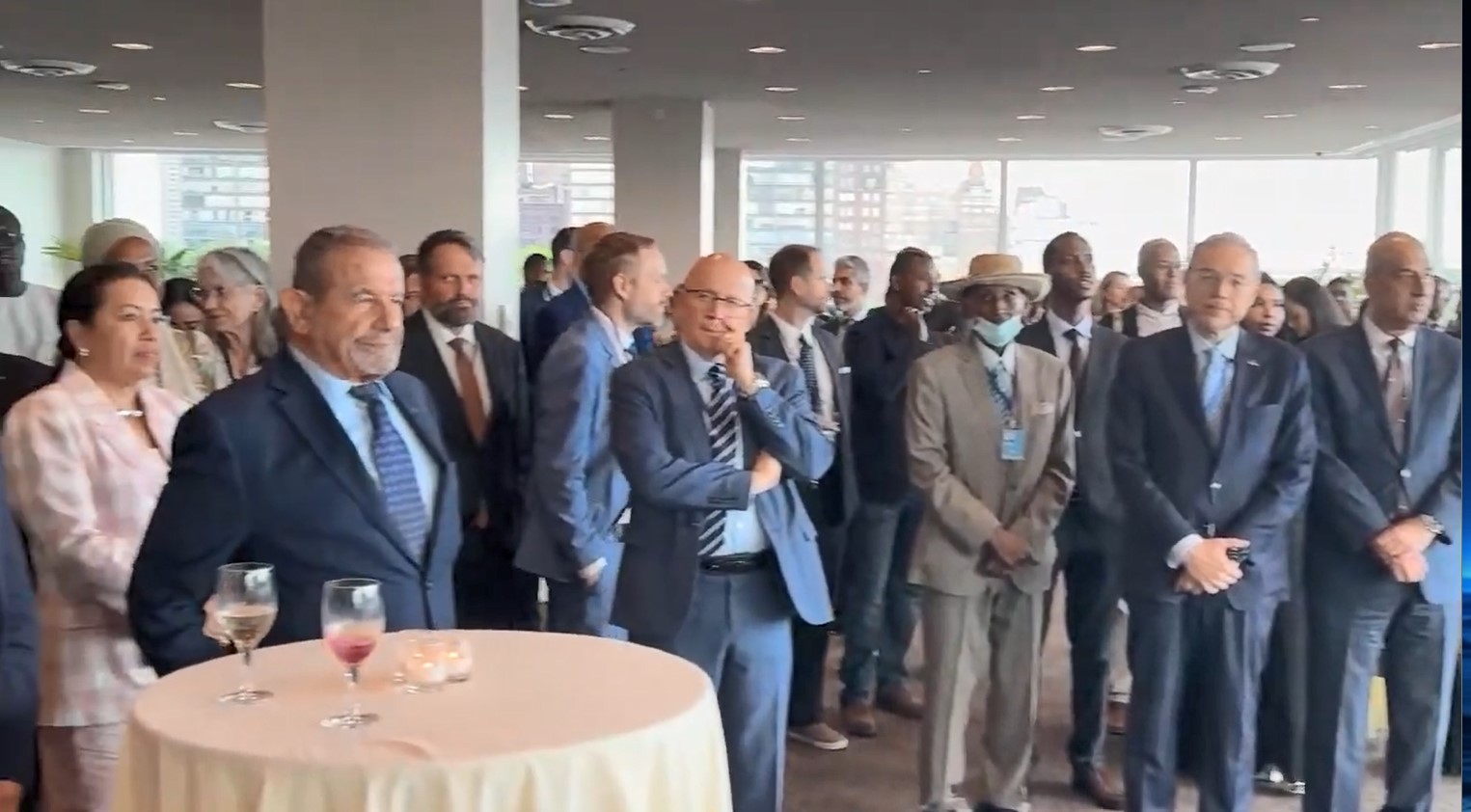
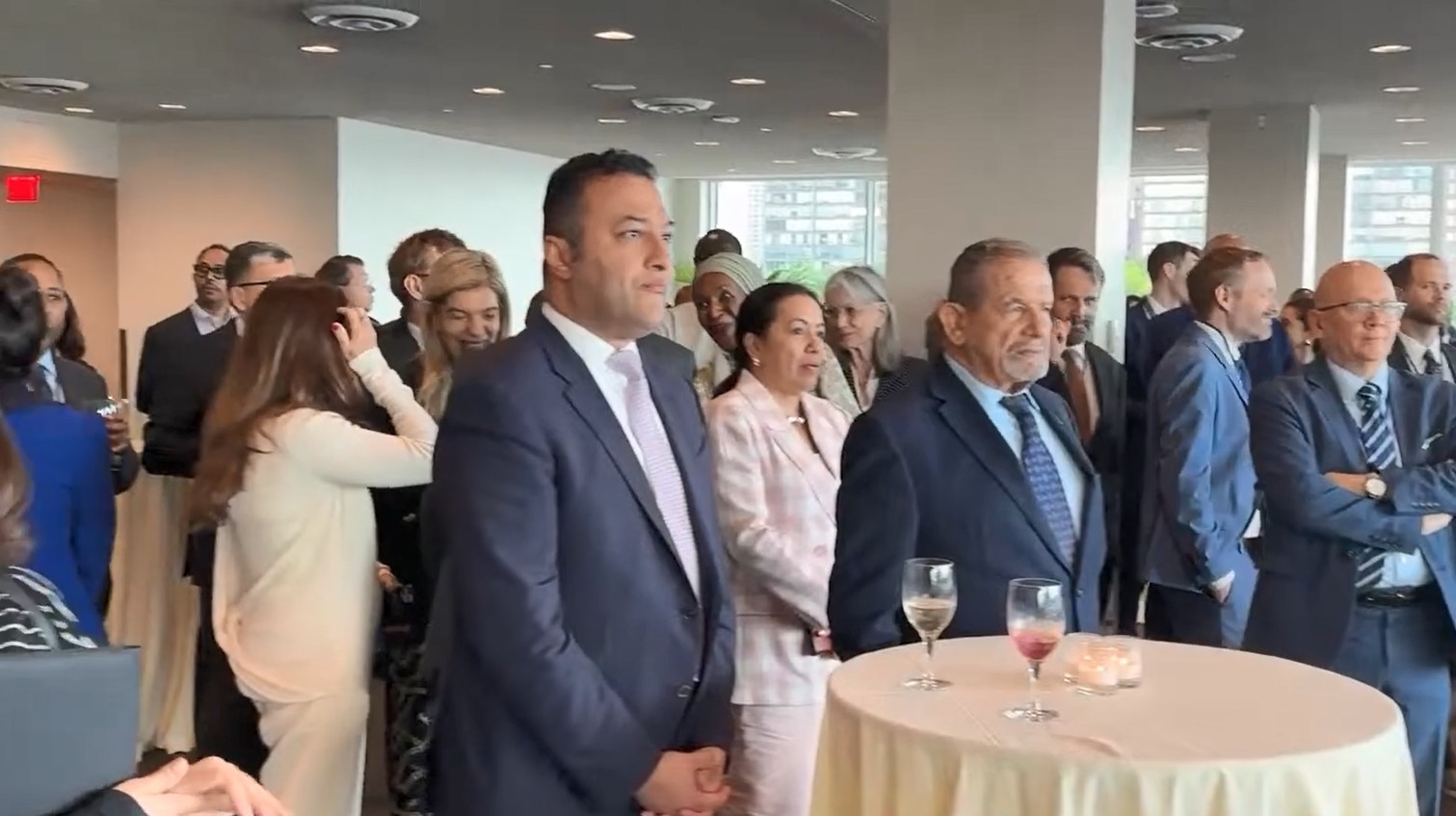
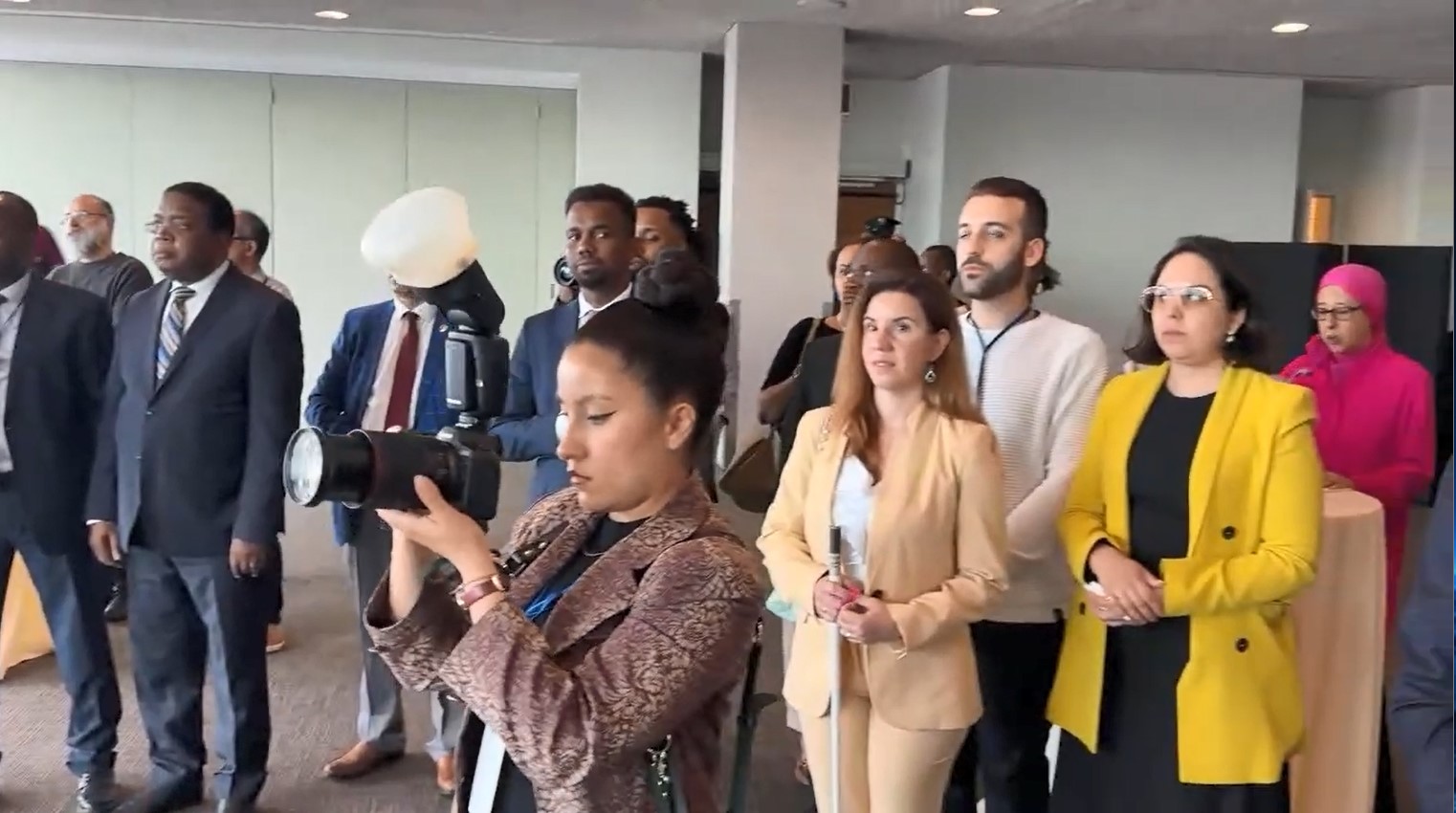
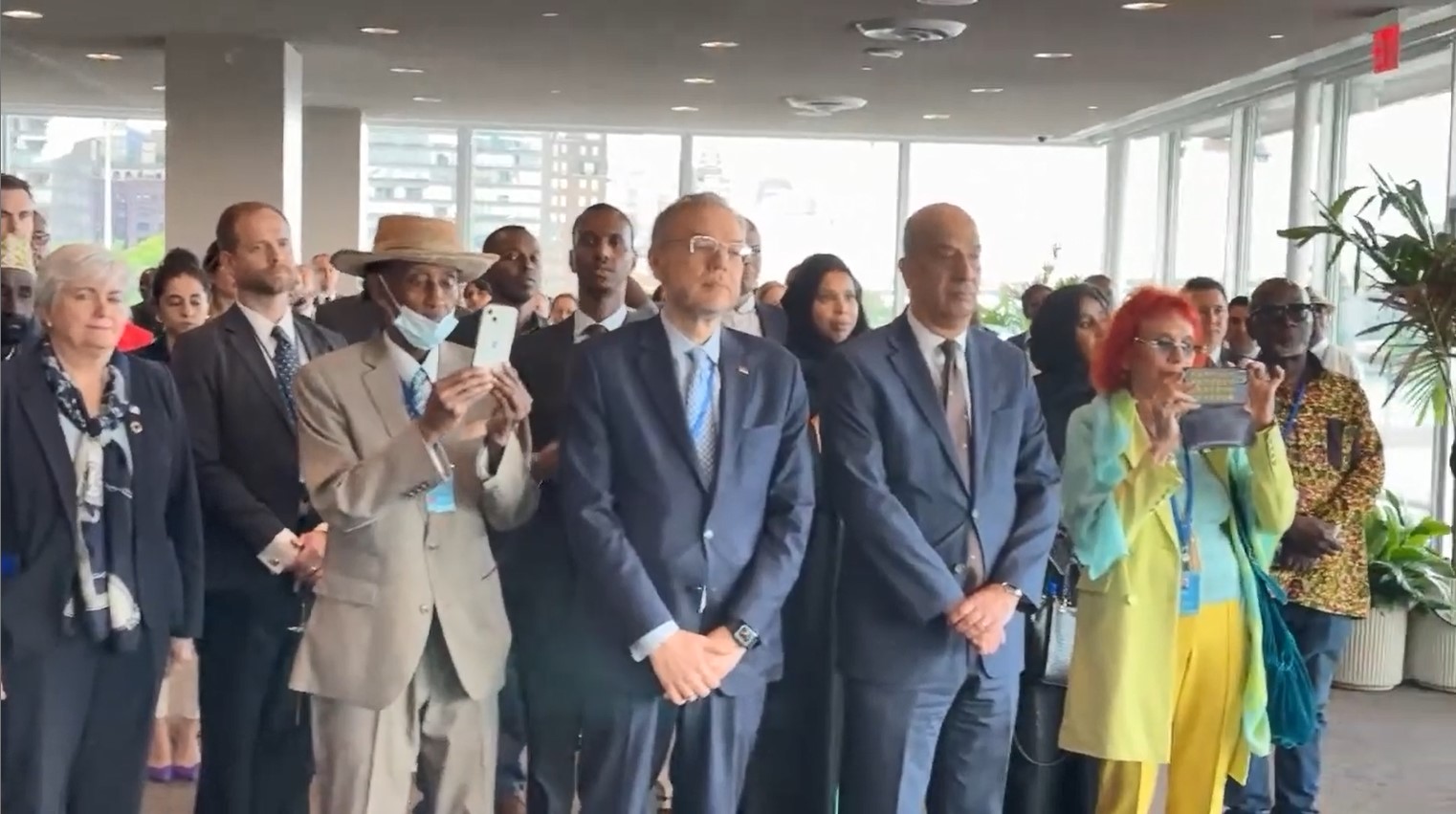
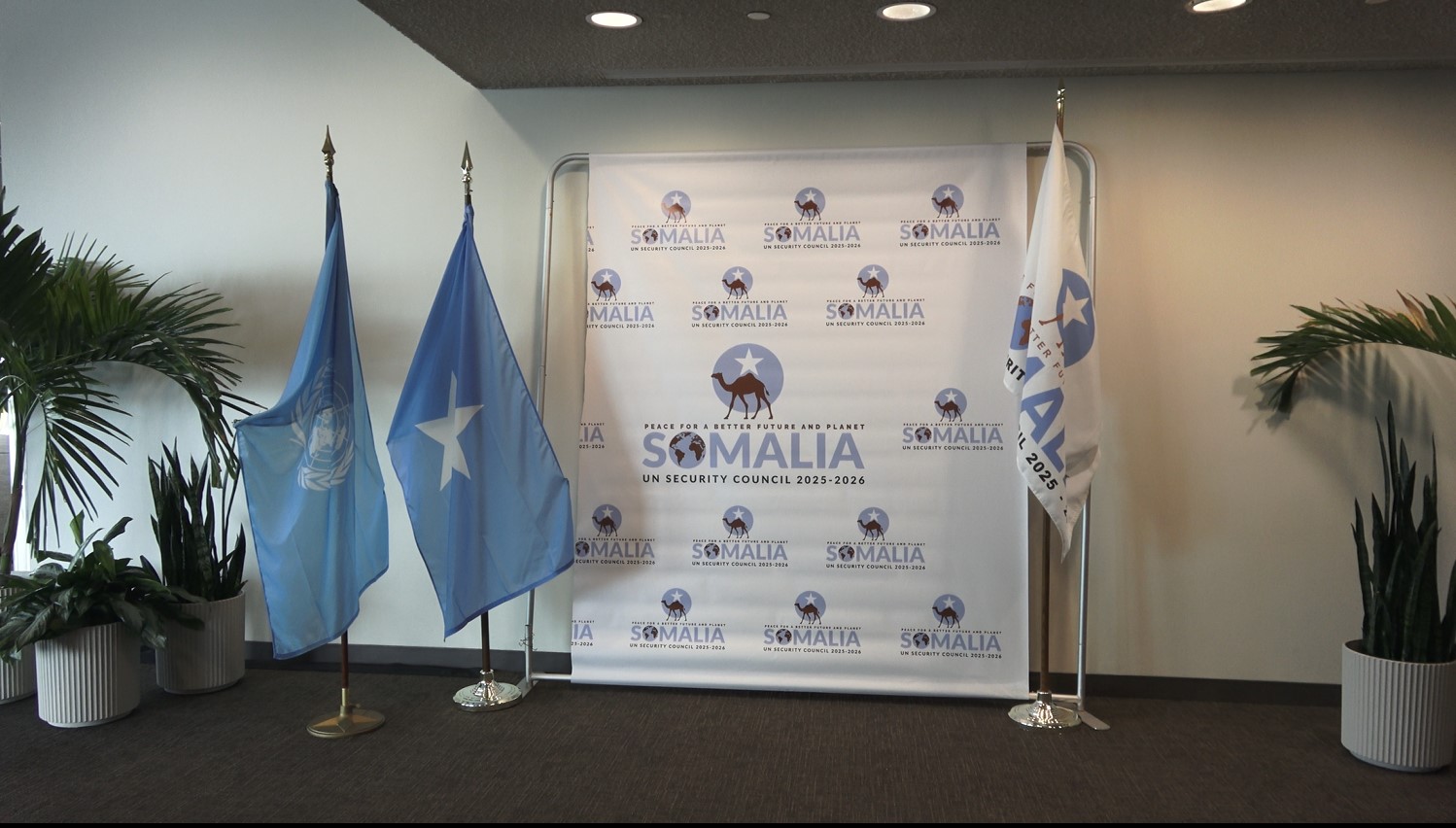
Celebrity Media Editor's Note:Somalia has officially launched its campaign for a non-permanent seat on the United Nations Security Council for the term 2025-2026. The campaign, under the theme "Peace for a Better Future and Planet," underscores Somalia’s commitment to global peace and security and highlights its unique insights and contributions towards sustainable development and international cooperation.
The announcement was made during a special event at the United Nations Headquarters, where Somalia presented its vision for contributing to international peacekeeping efforts and promoting sustainable development. Somalia’s candidacy is driven by its experiences and successes in overcoming challenges through resilience and strategic dialogue, positioning it as a strong advocate for conflict resolution and an ardent supporter of multilateralism.
Somalia calls on international partners and member states to support its bid, emphasizing the shared global commitment to a more just and sustainable world. The candidacy symbolizes hope and the power of cooperative international relations in tackling global challenges.
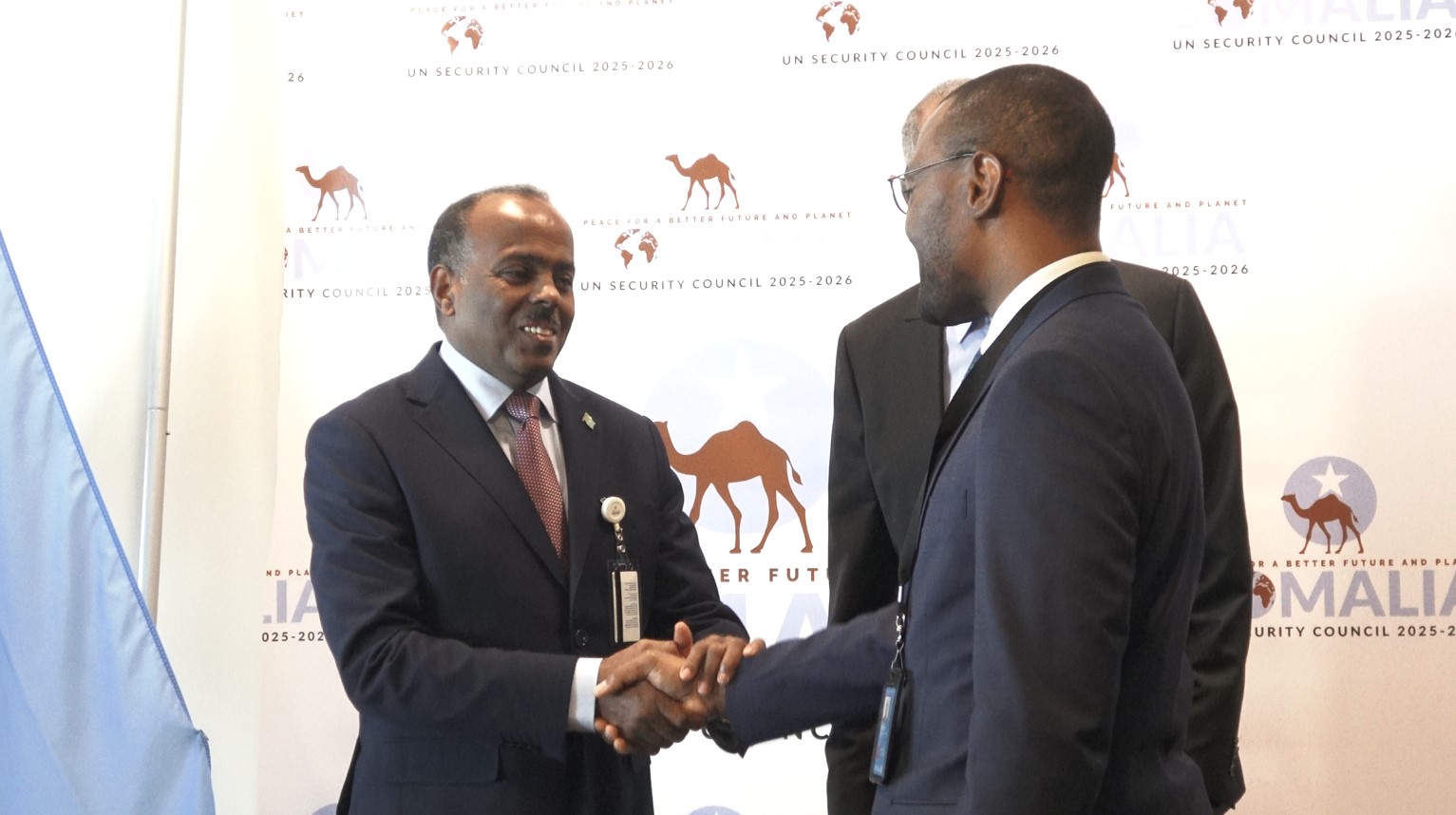
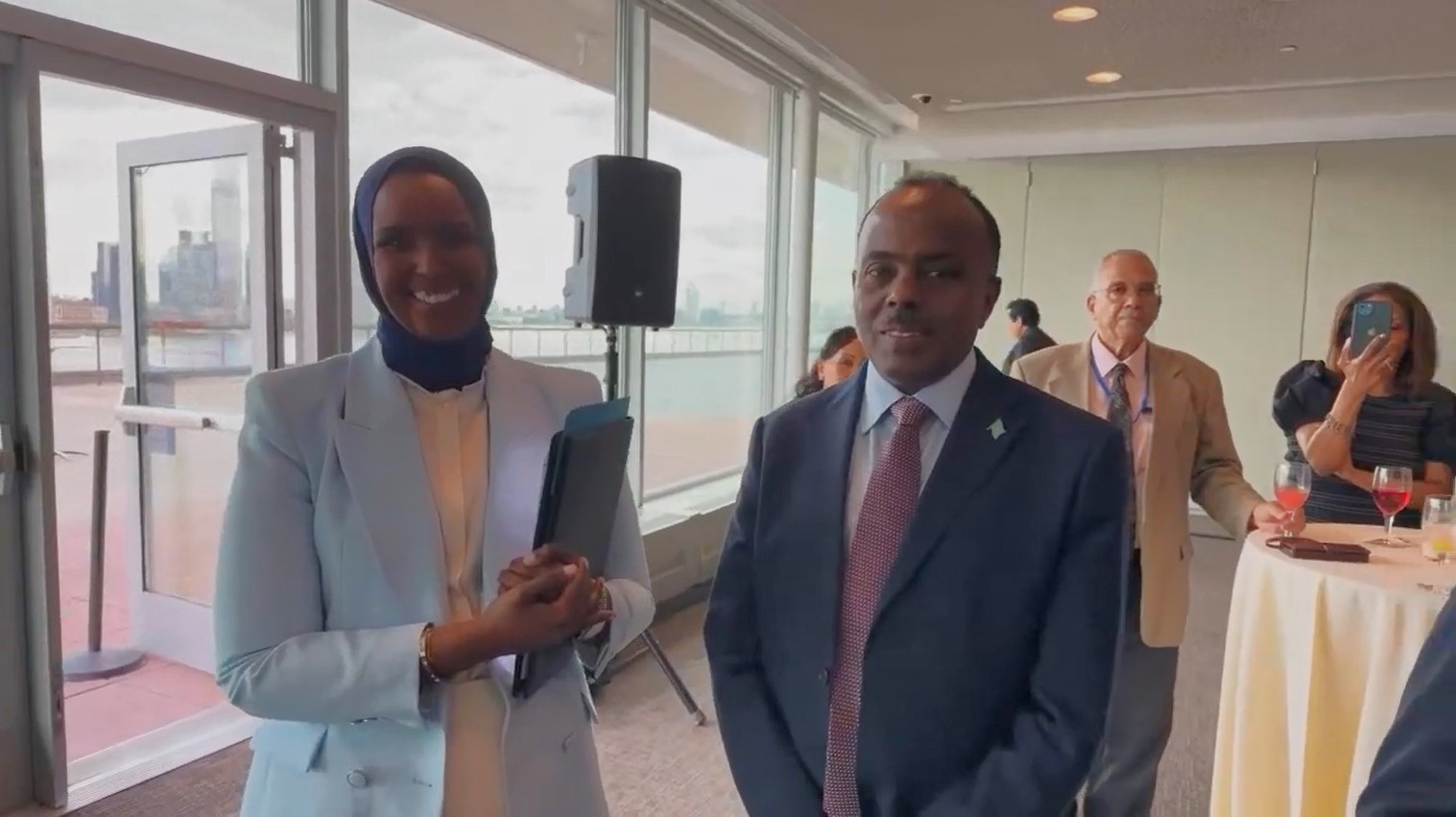
Minister Omar expressed his pride and optimism for Somalia's candidacy for the non-permanent seat on the United Nations Security Council for the term 2025-2026. He emphasized Somalia’s readiness to contribute its unique perspectives and solutions to the global stage, highlighting the crucial role of education, investment, and collaboration in advancing peace and sustainable development. "We are not merely asking for a seat at the table," he noted, "we are offering a voice of experience, a perspective forged in the crucible of adversity, and a strong commitment to global peace and security."
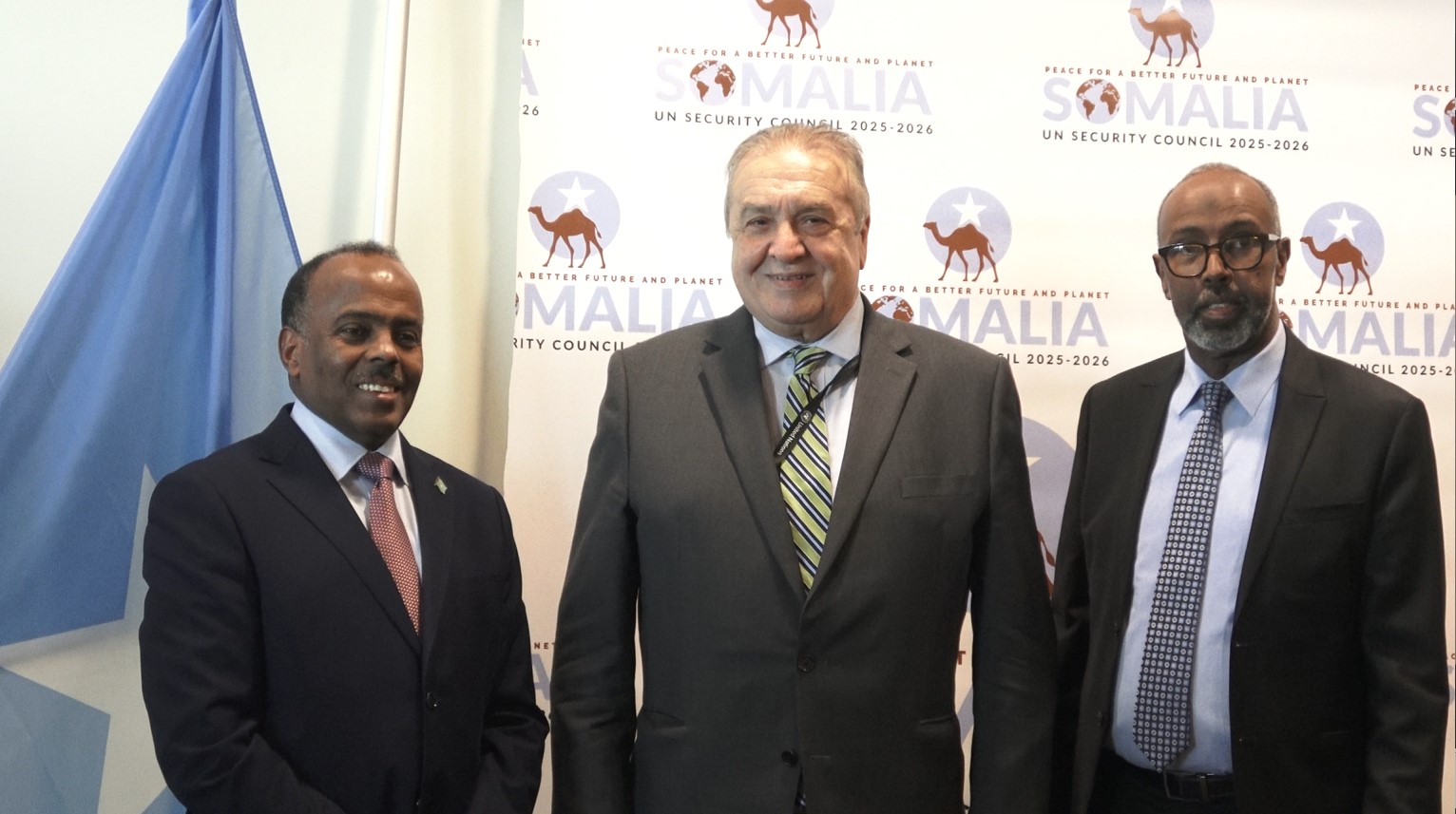
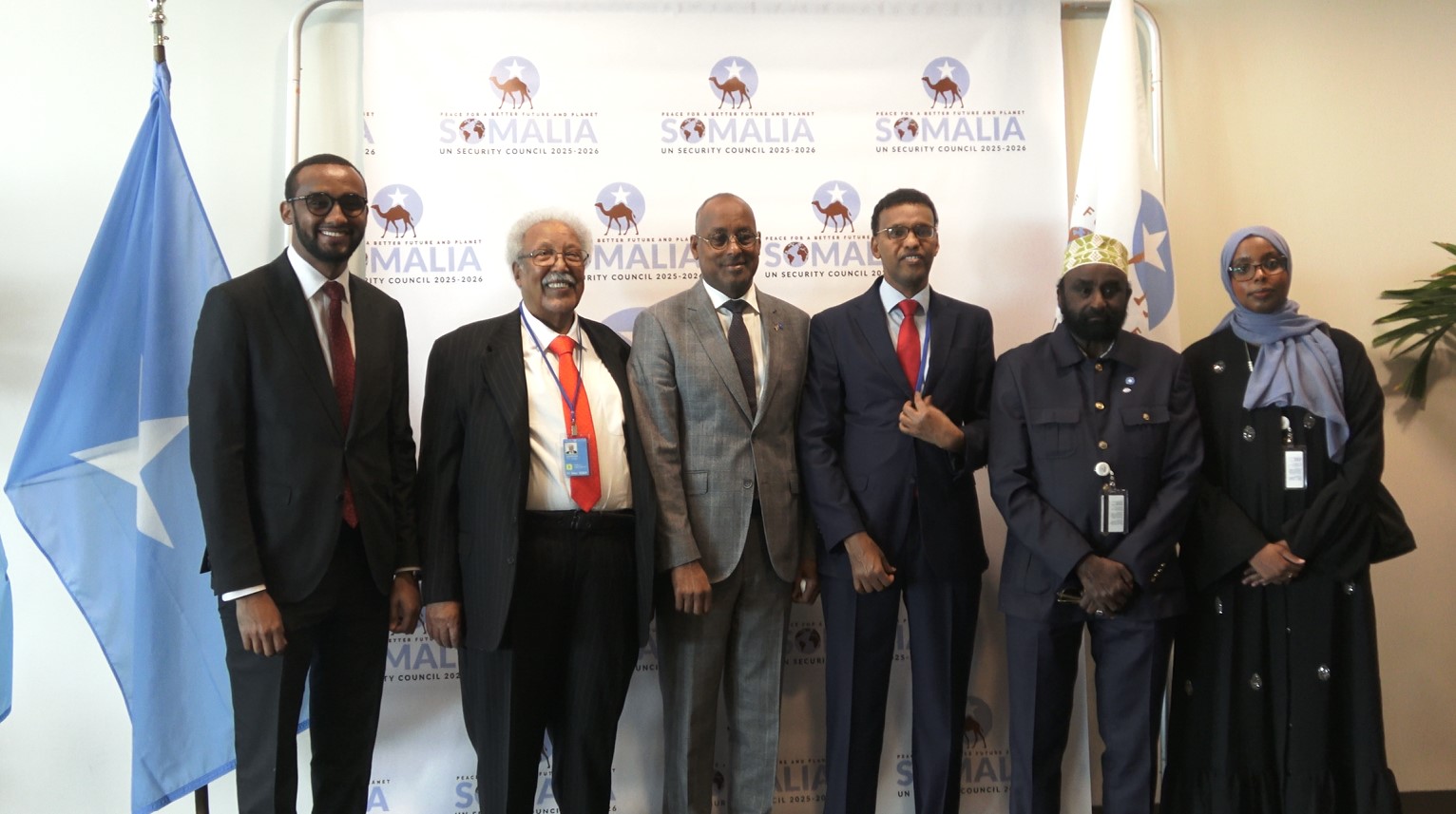
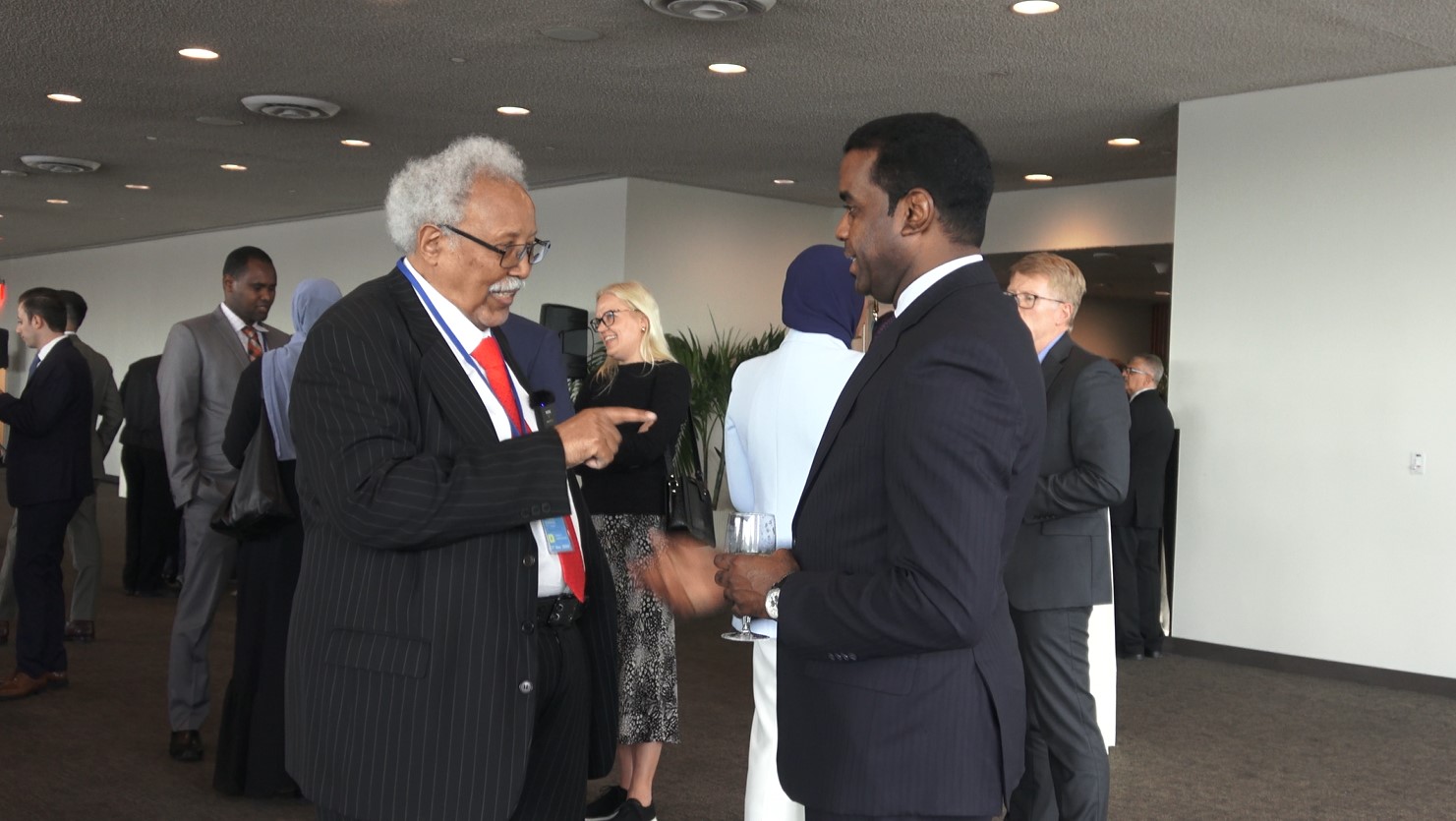
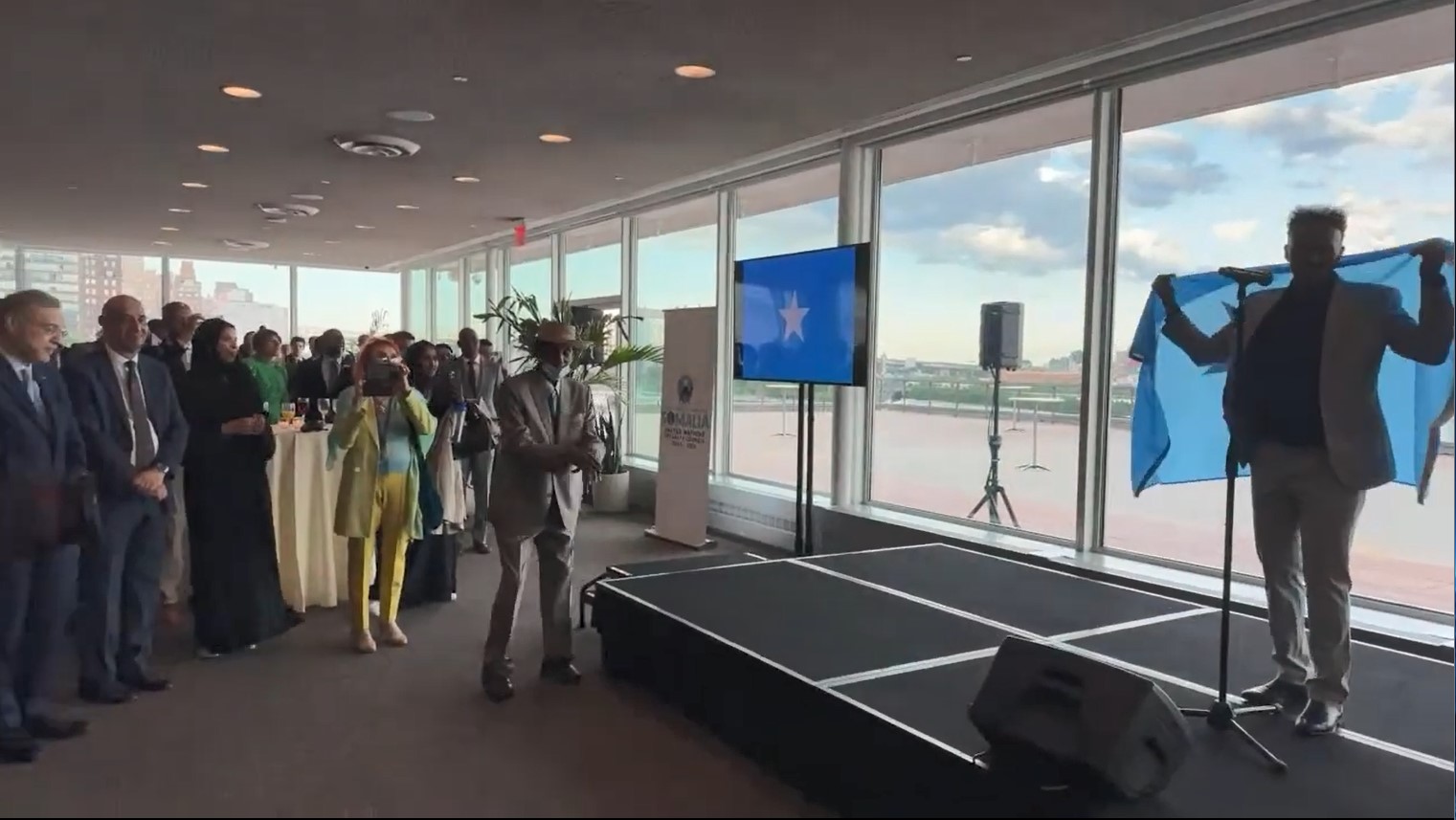
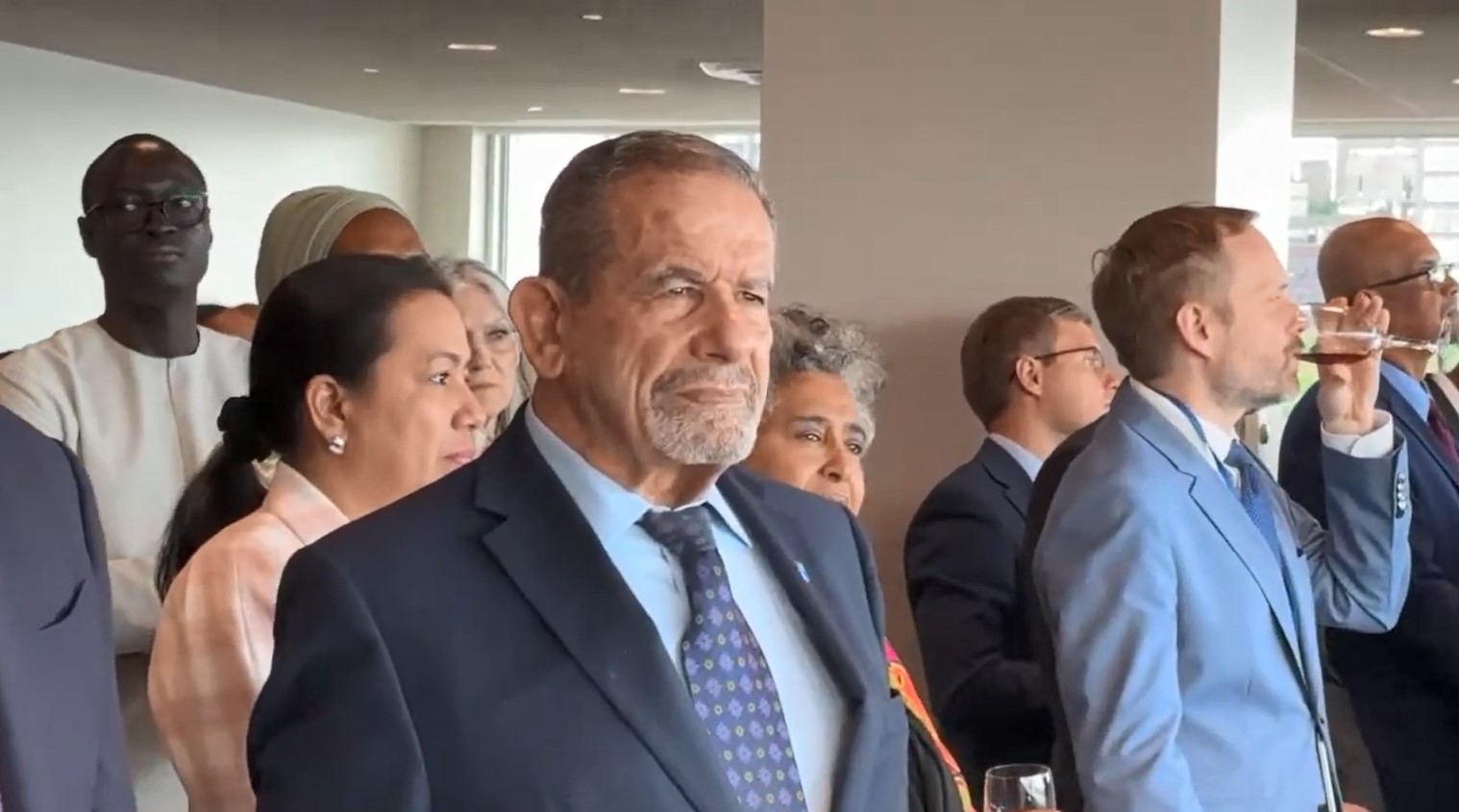
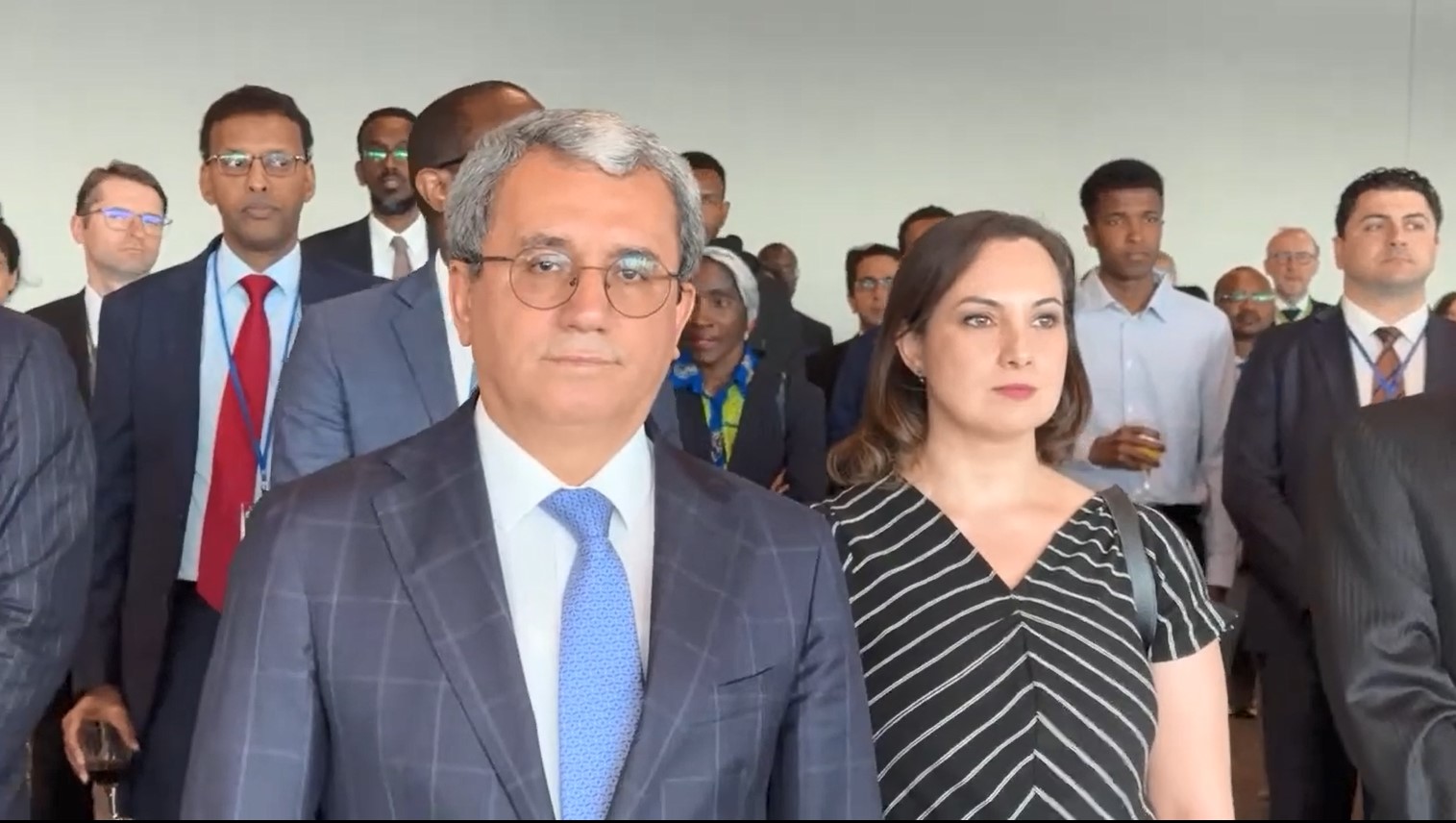
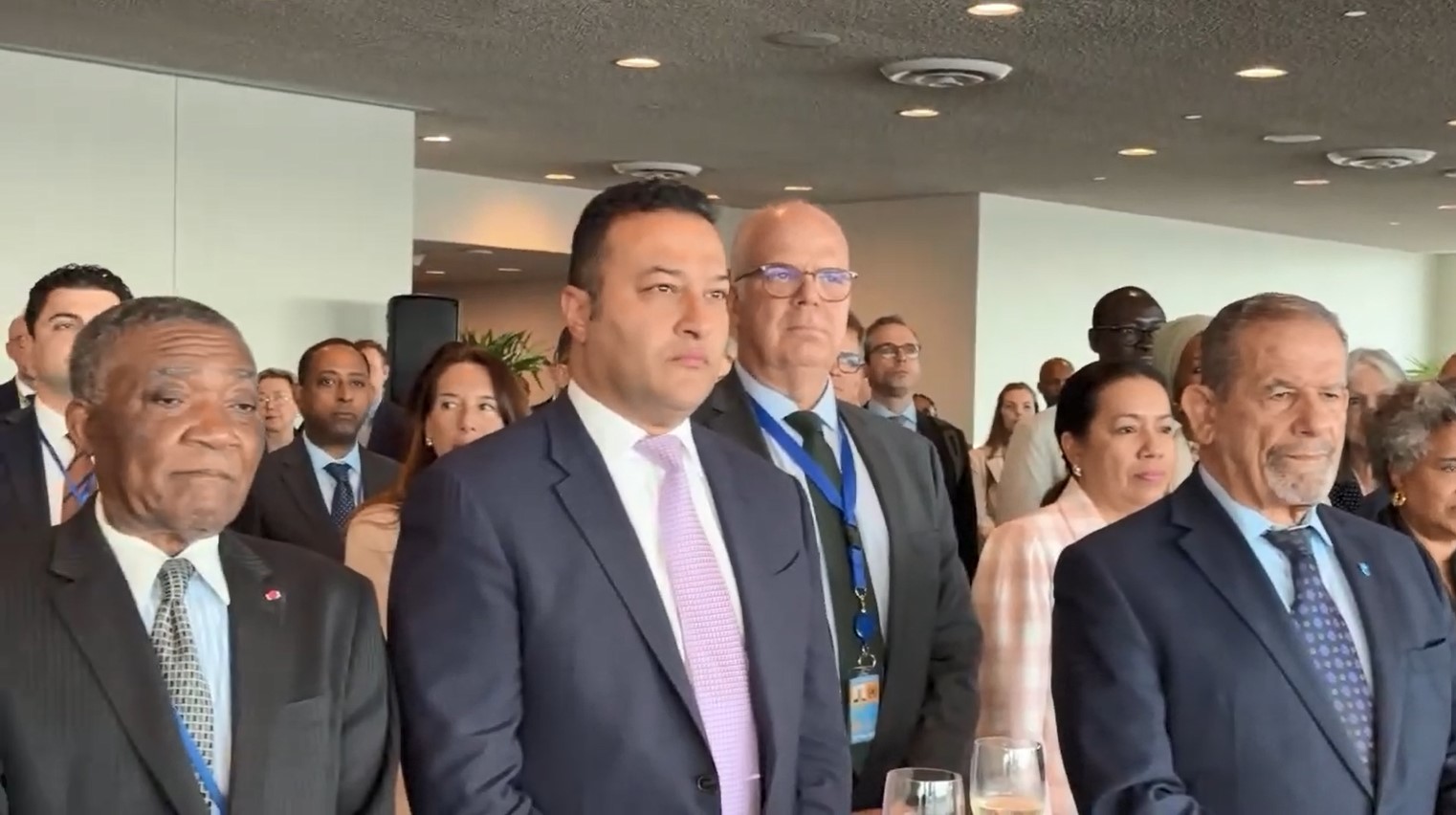
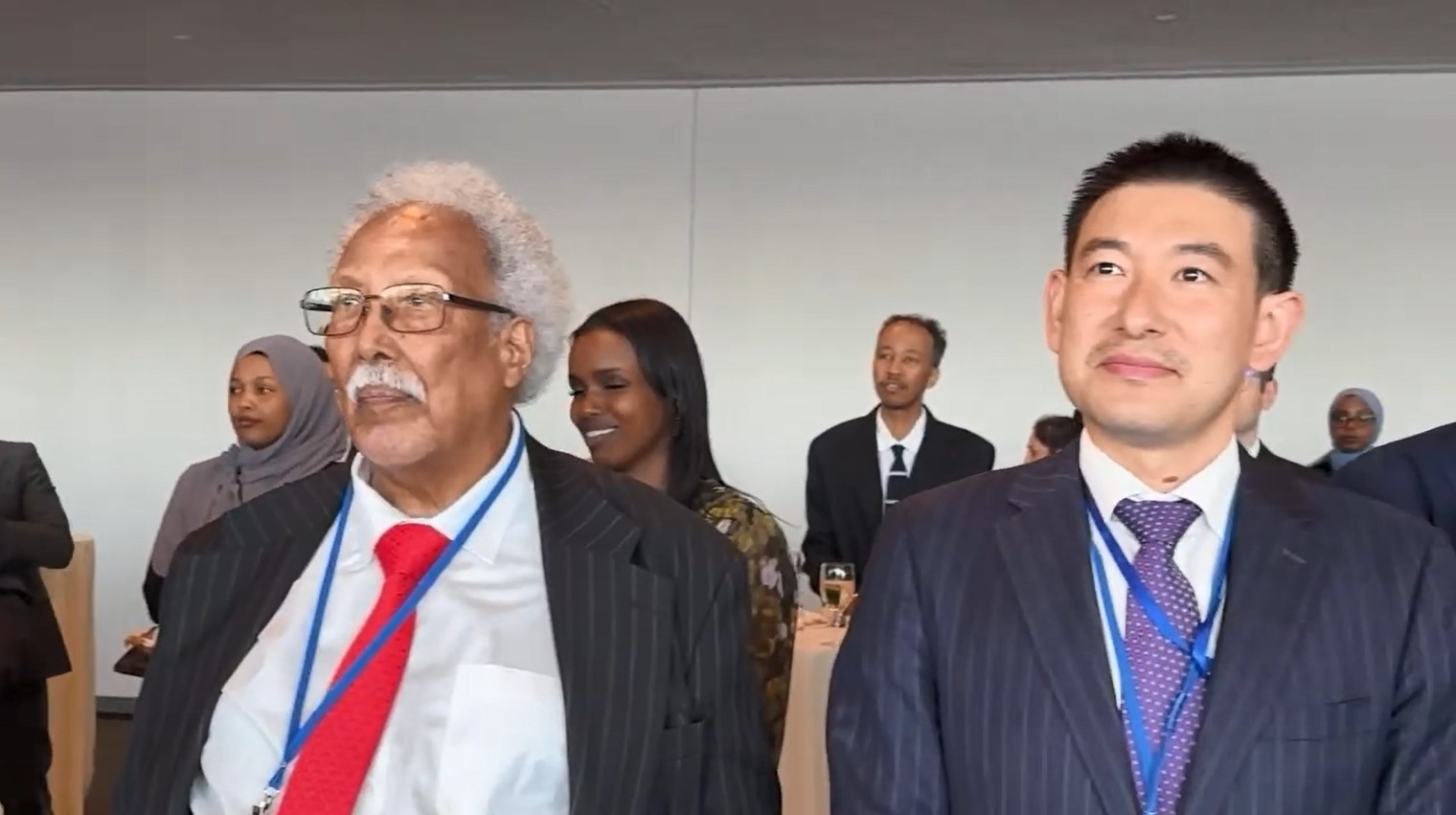
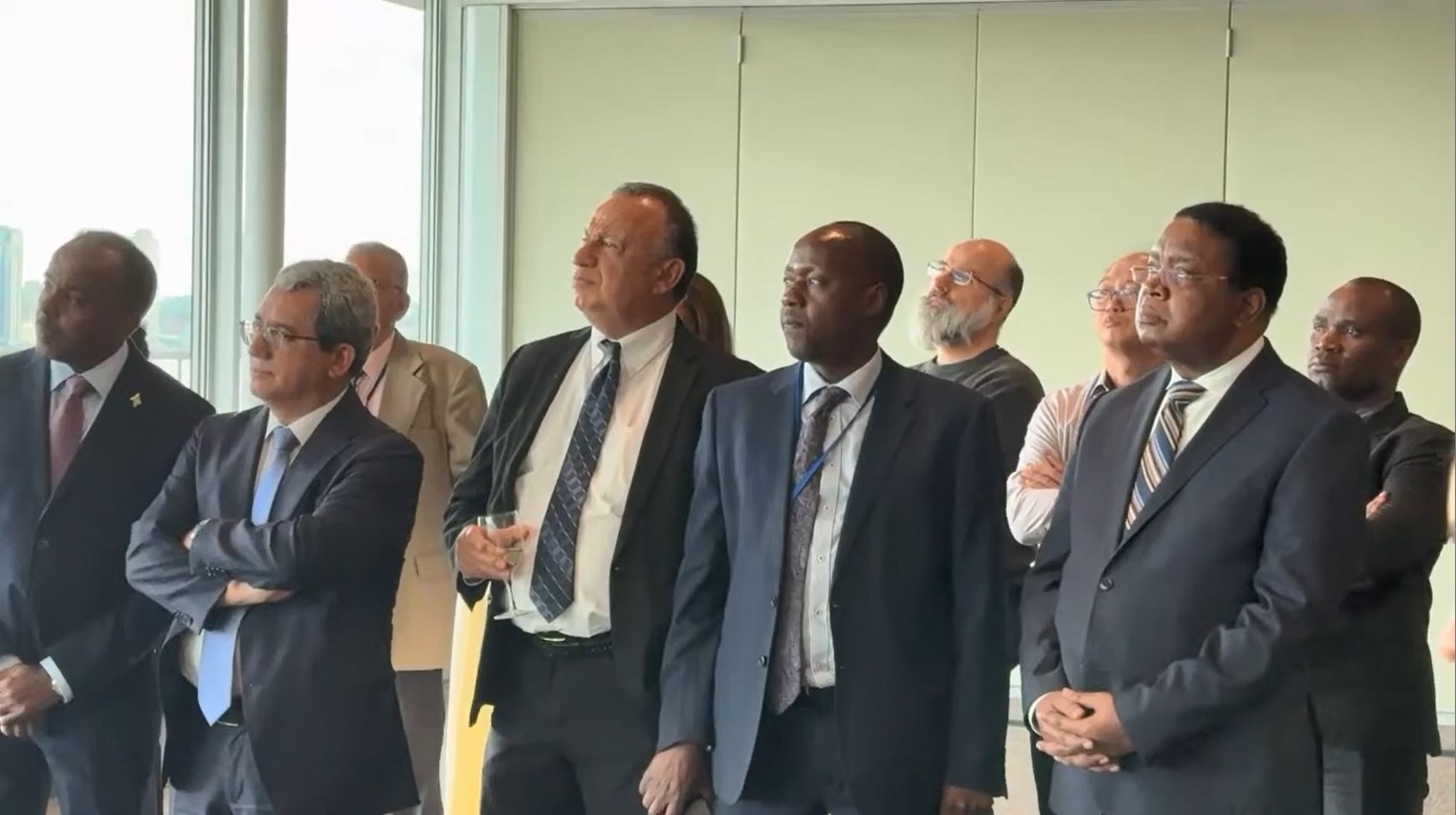
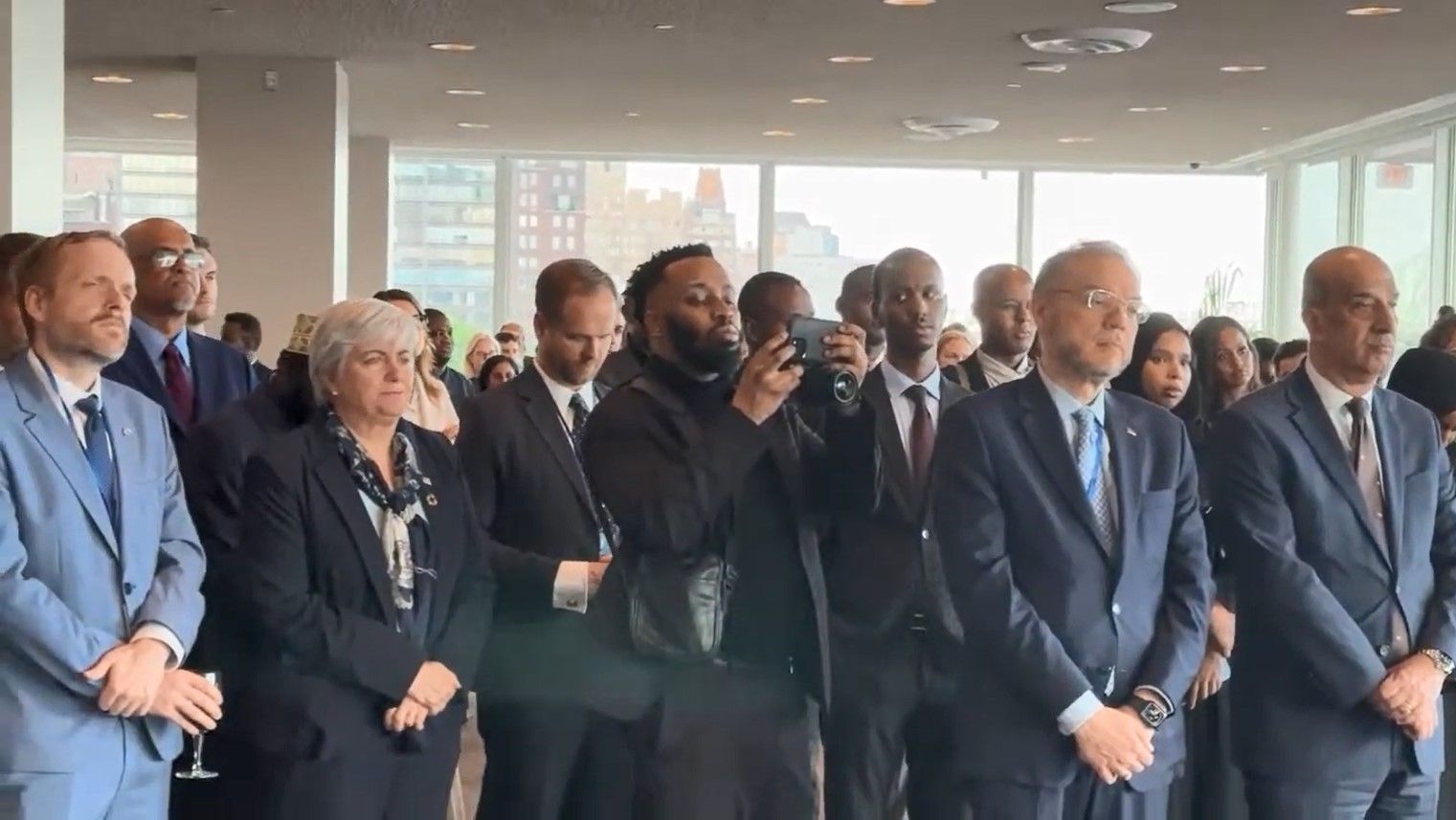
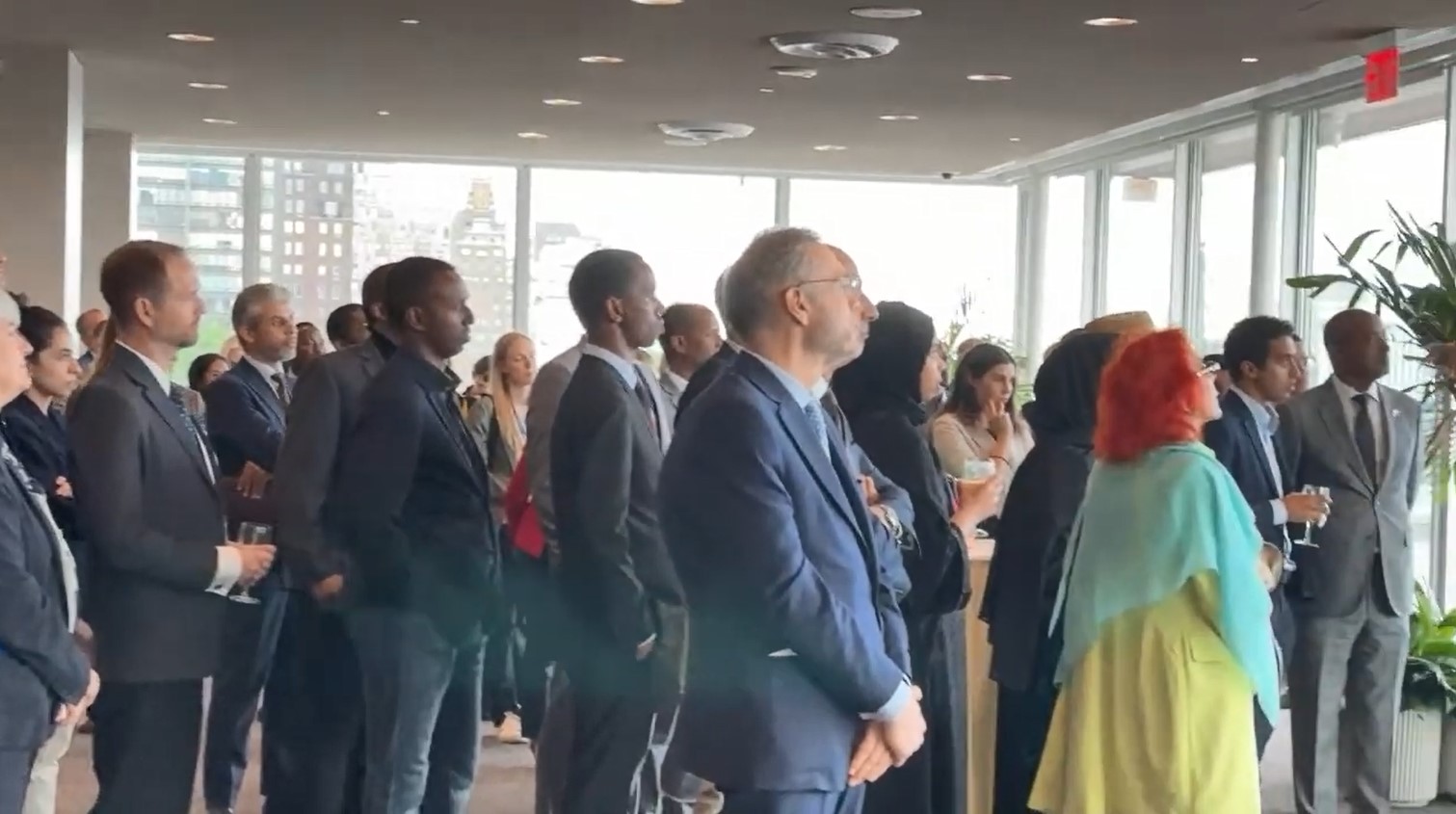
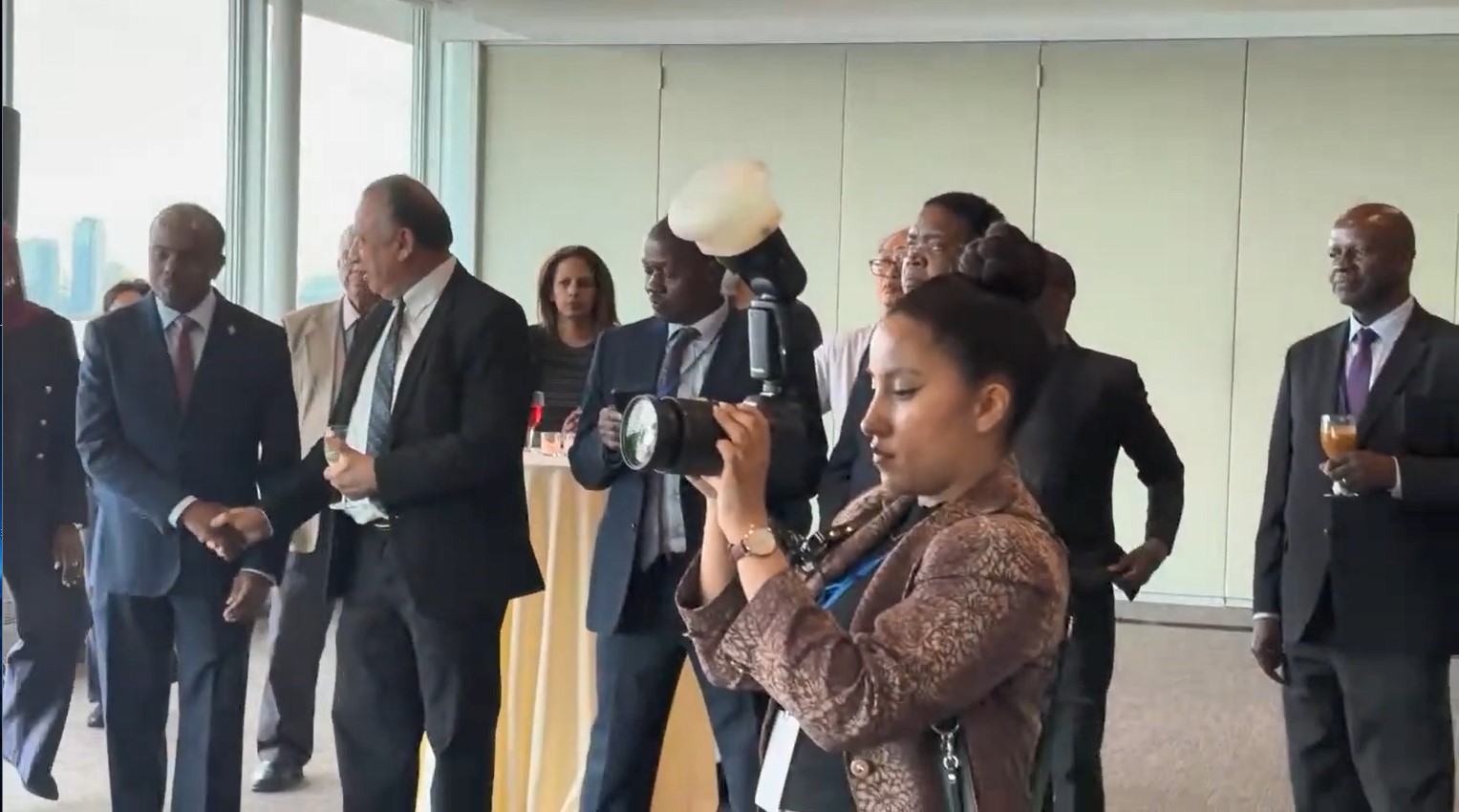
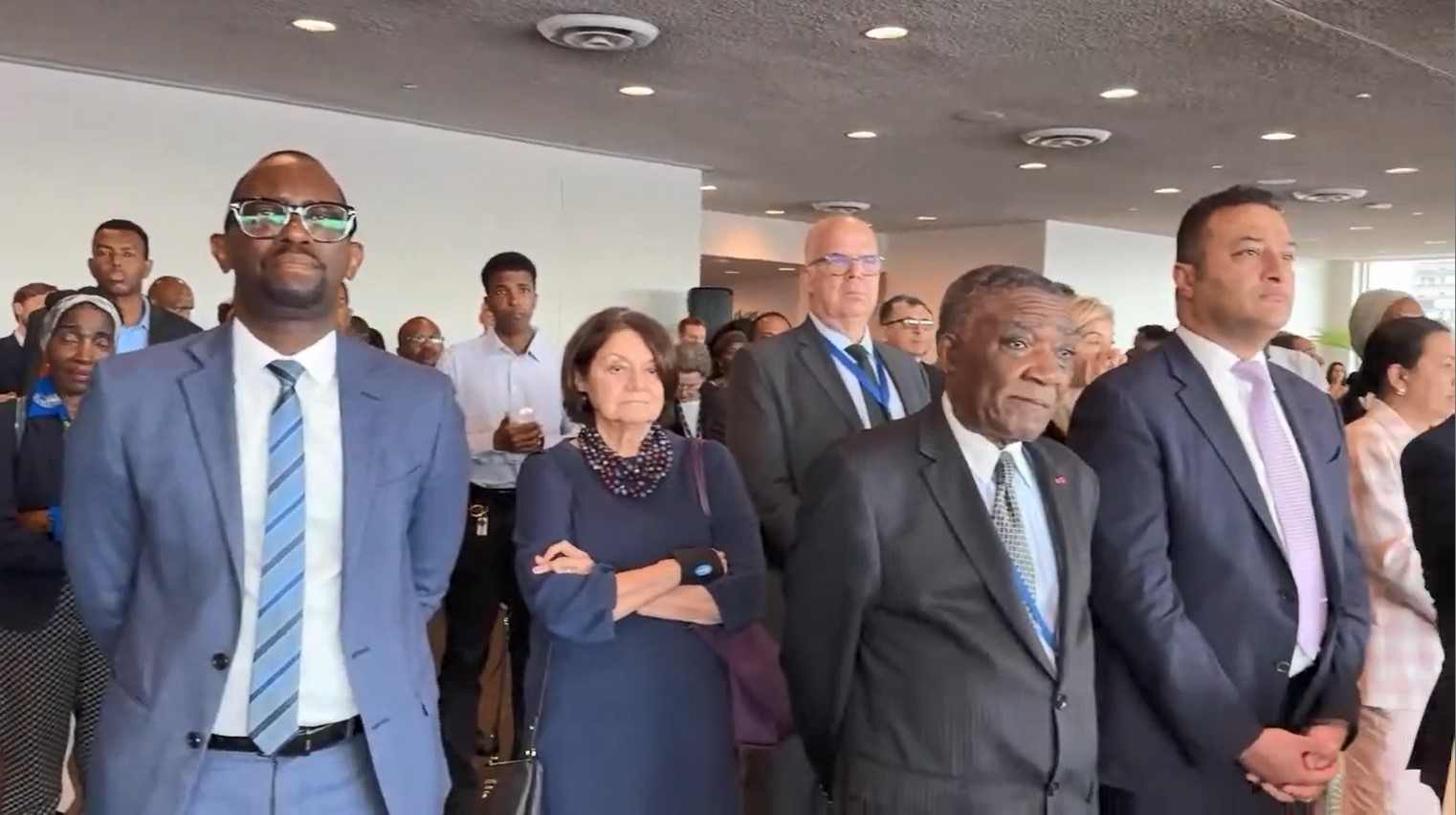
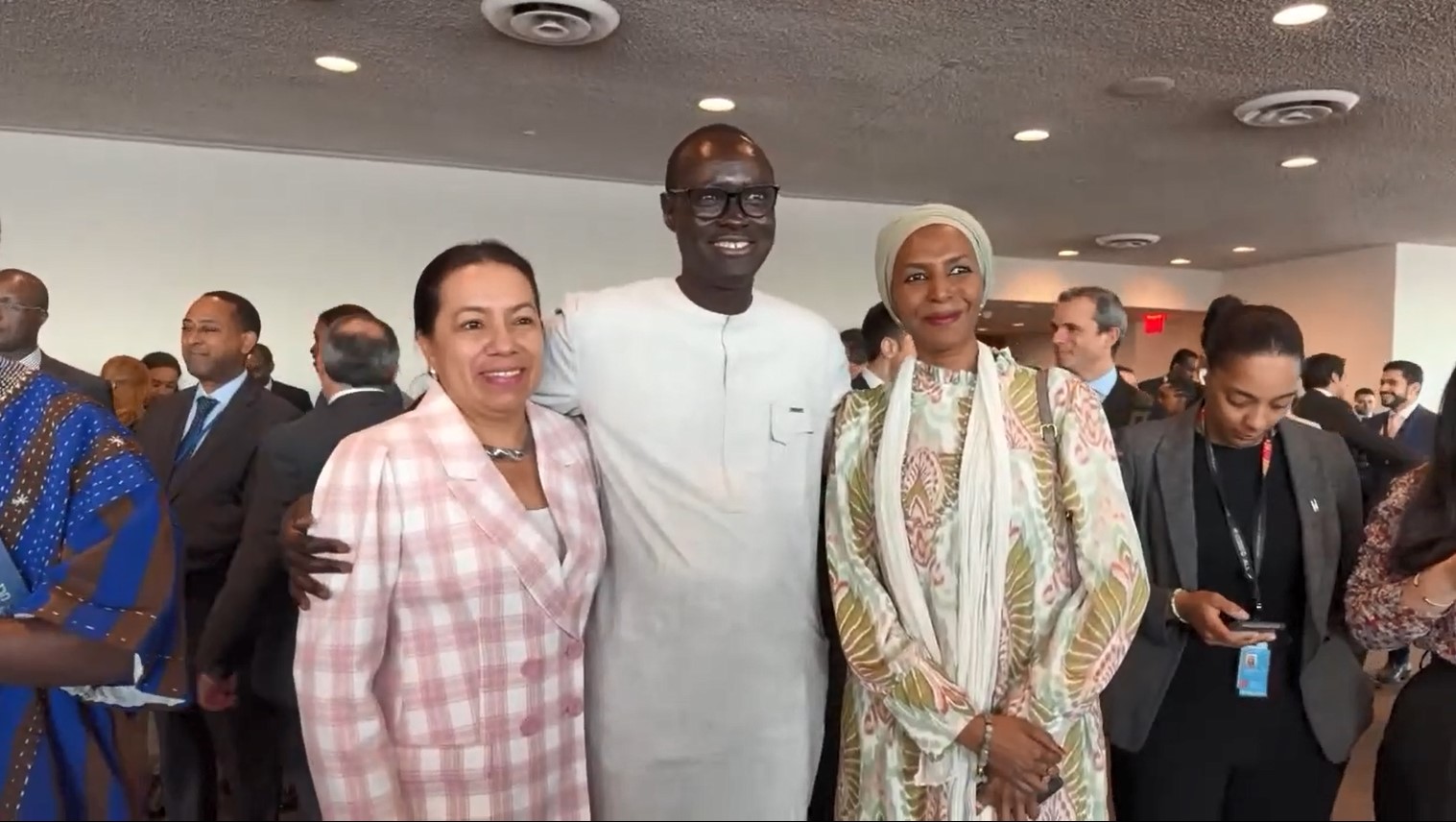
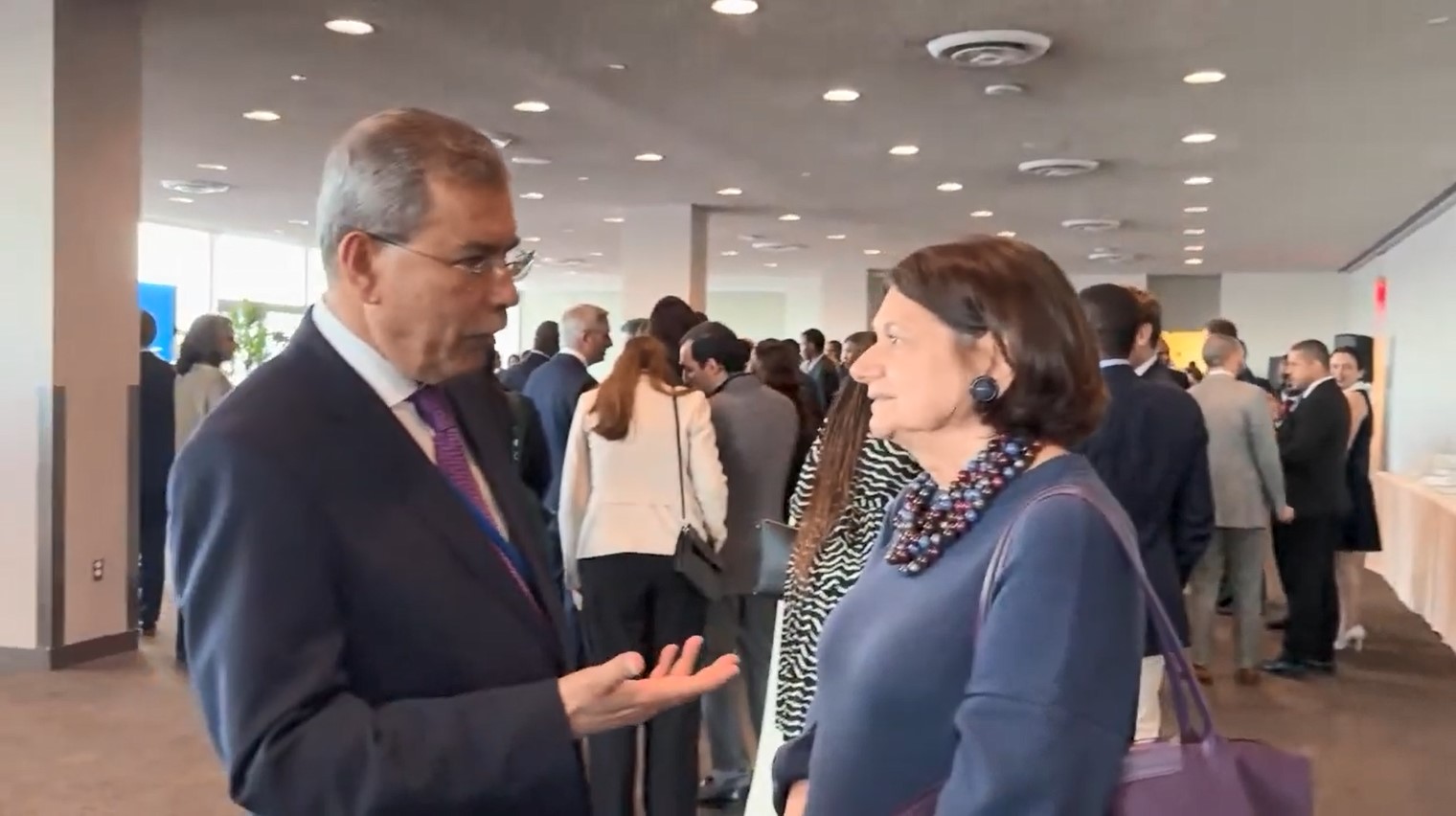
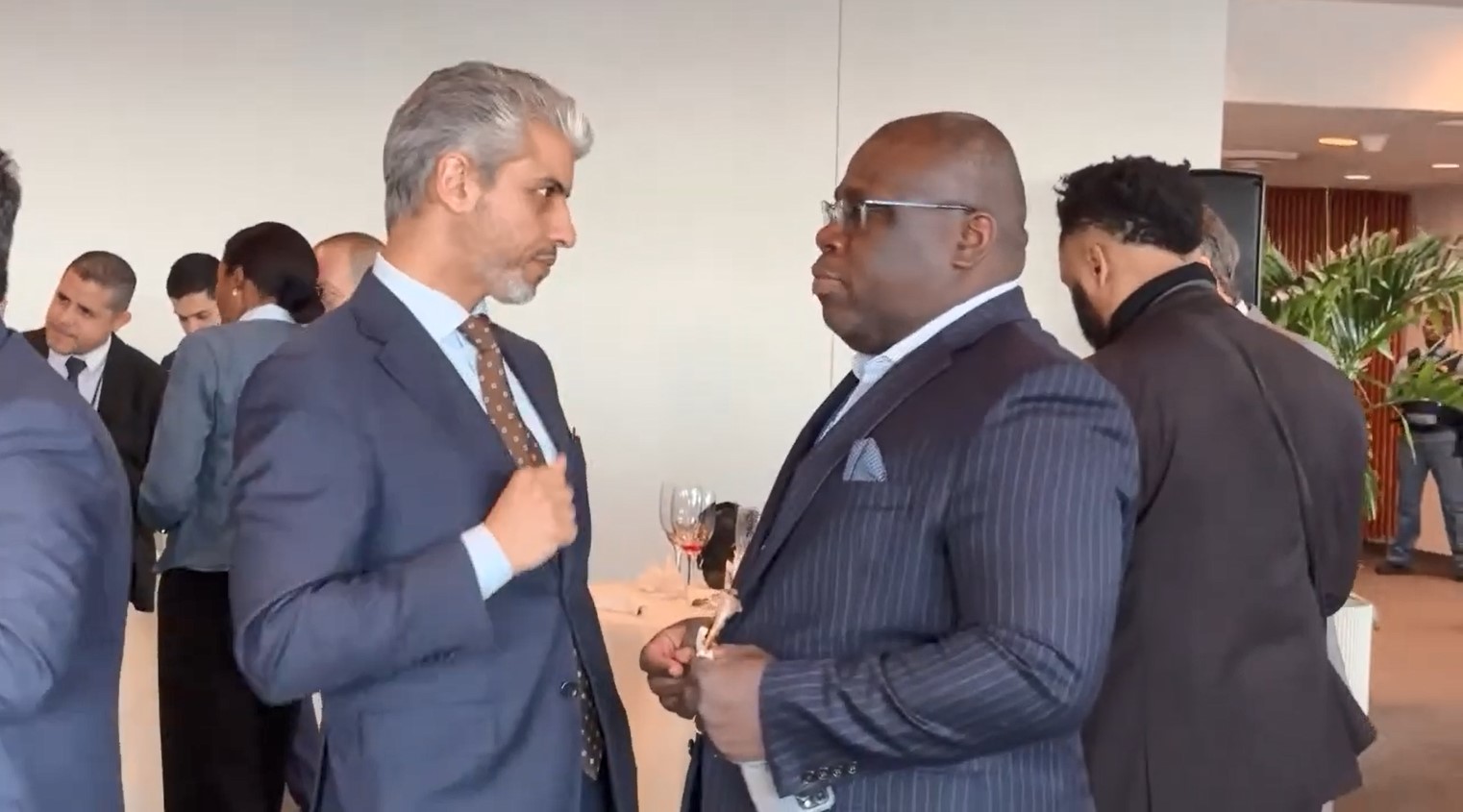
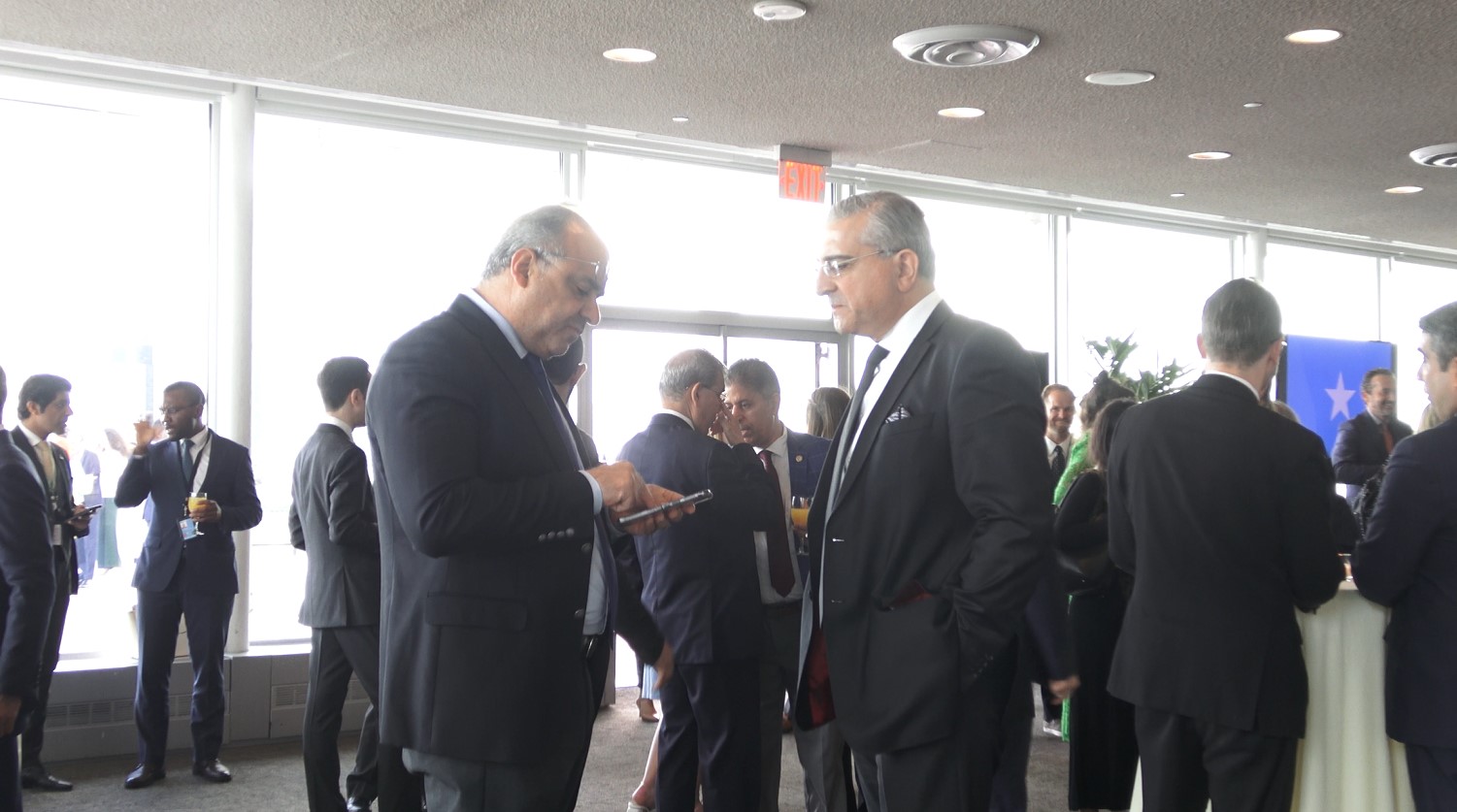
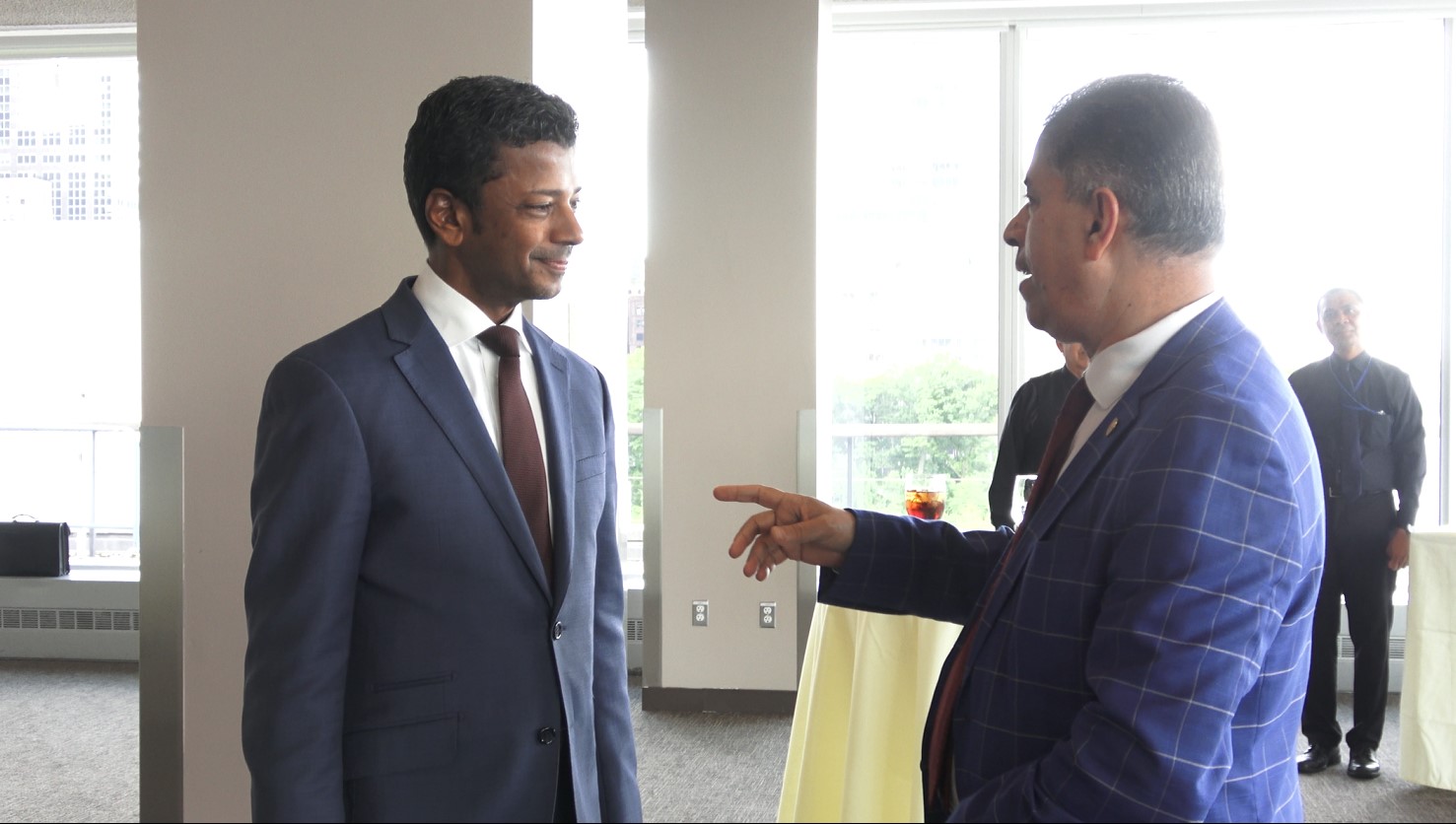
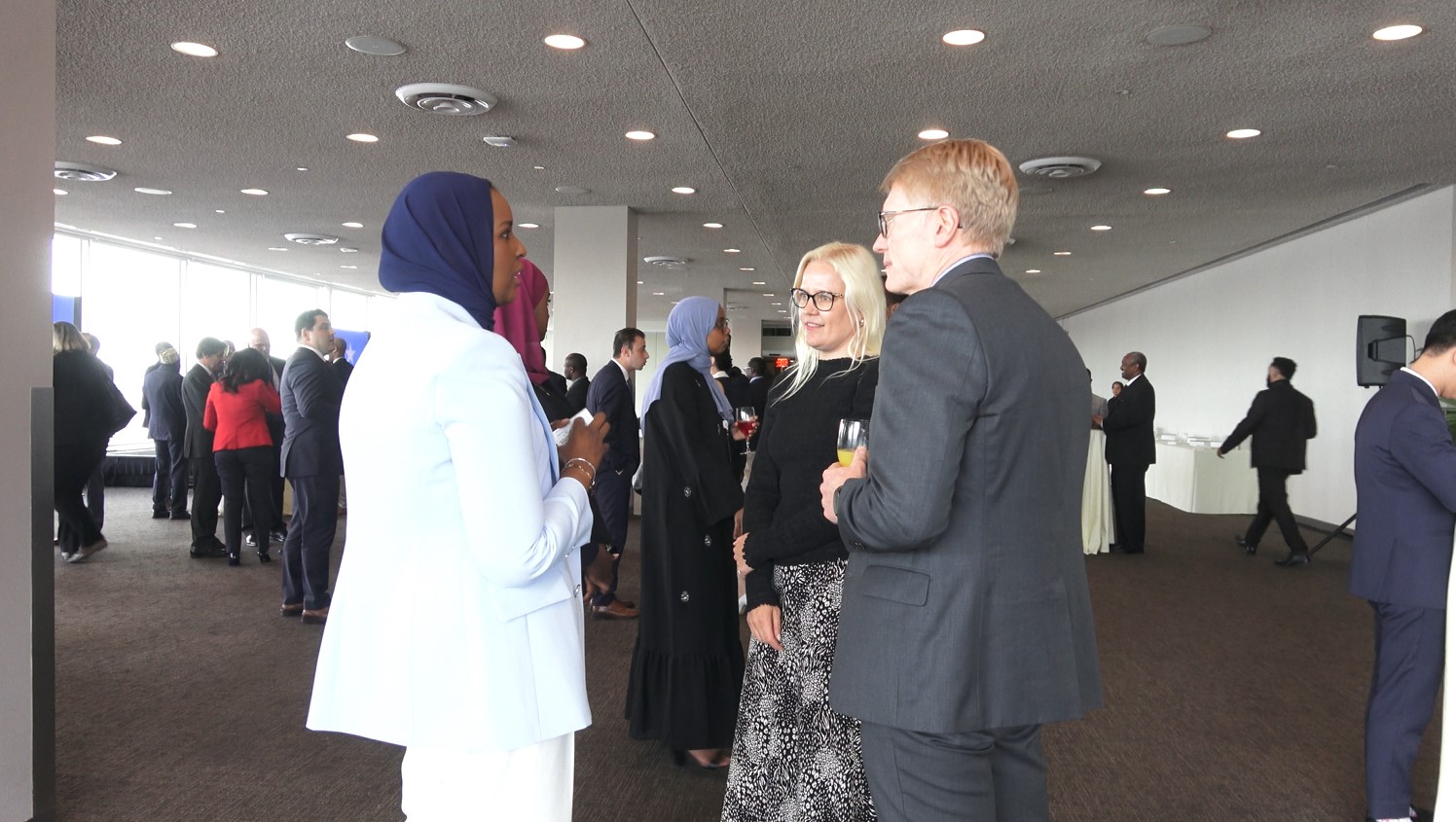
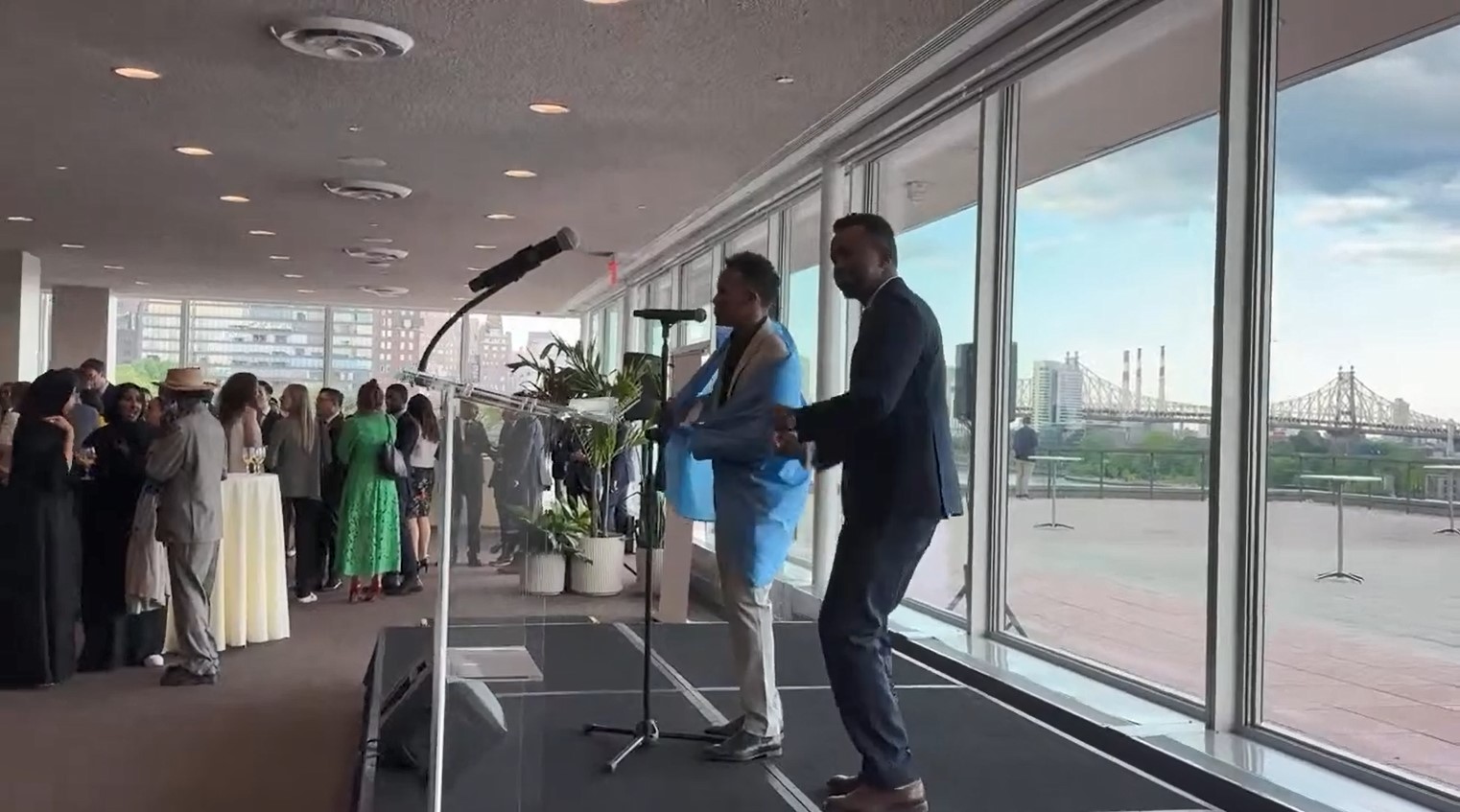
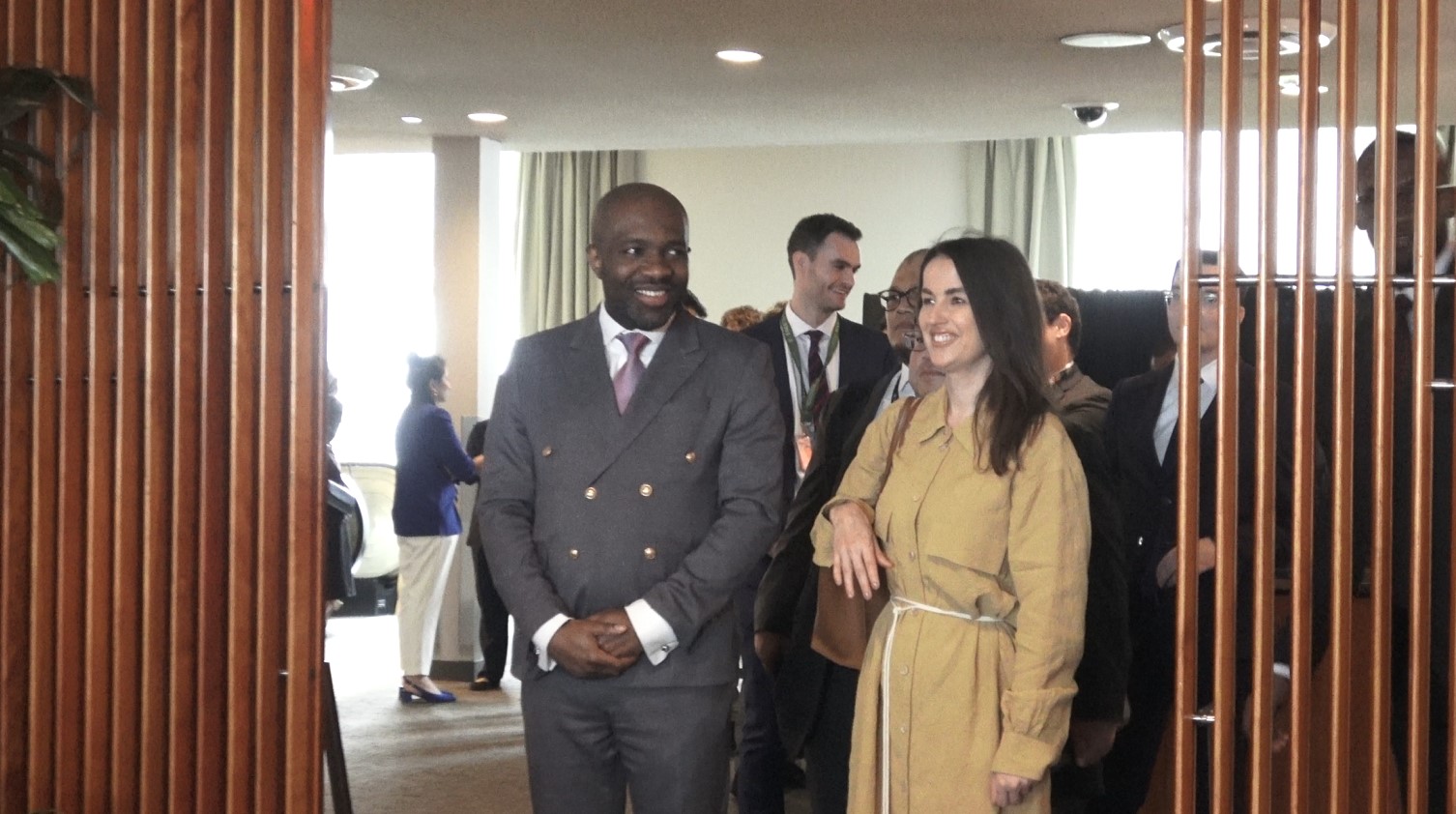
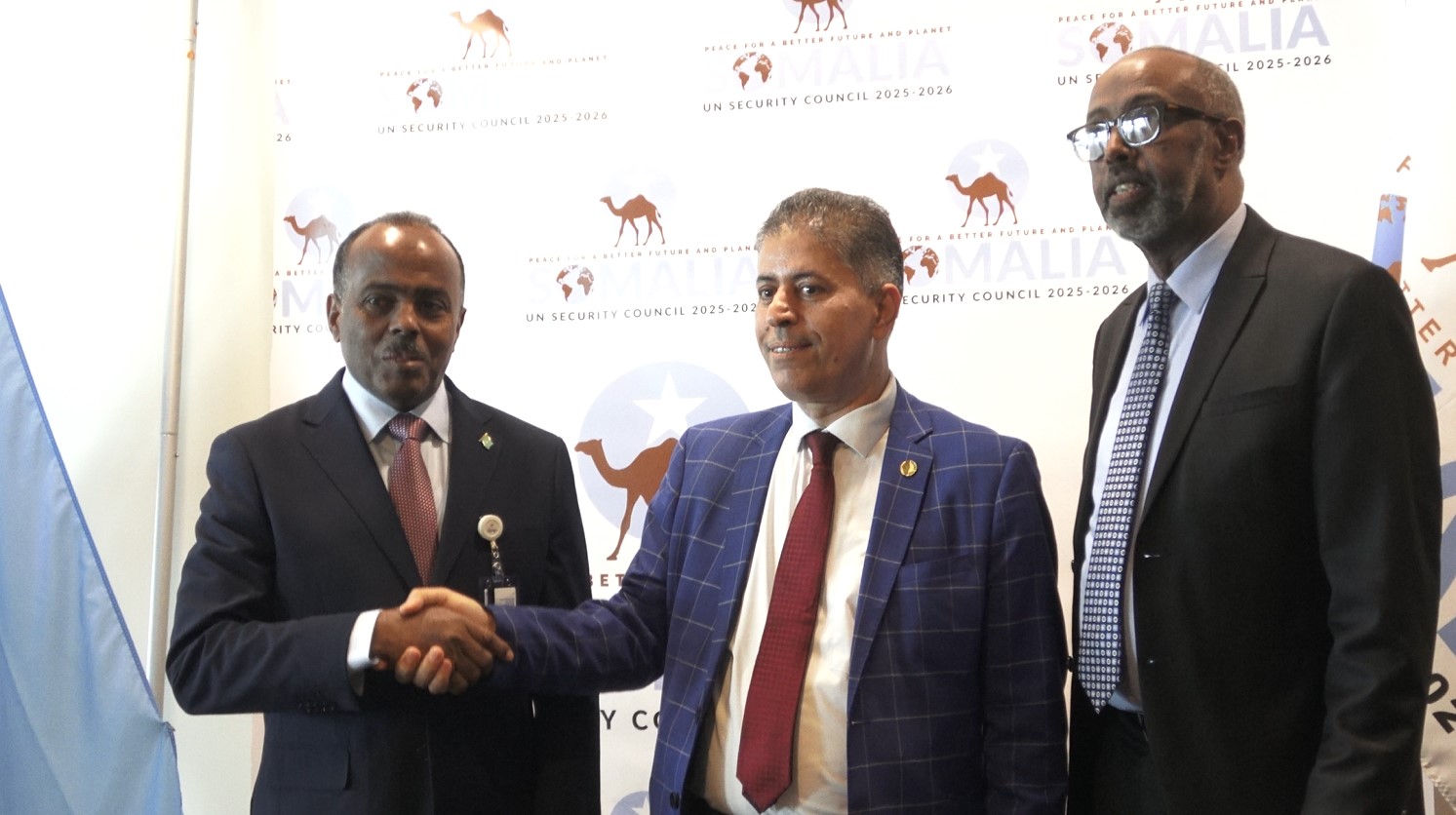
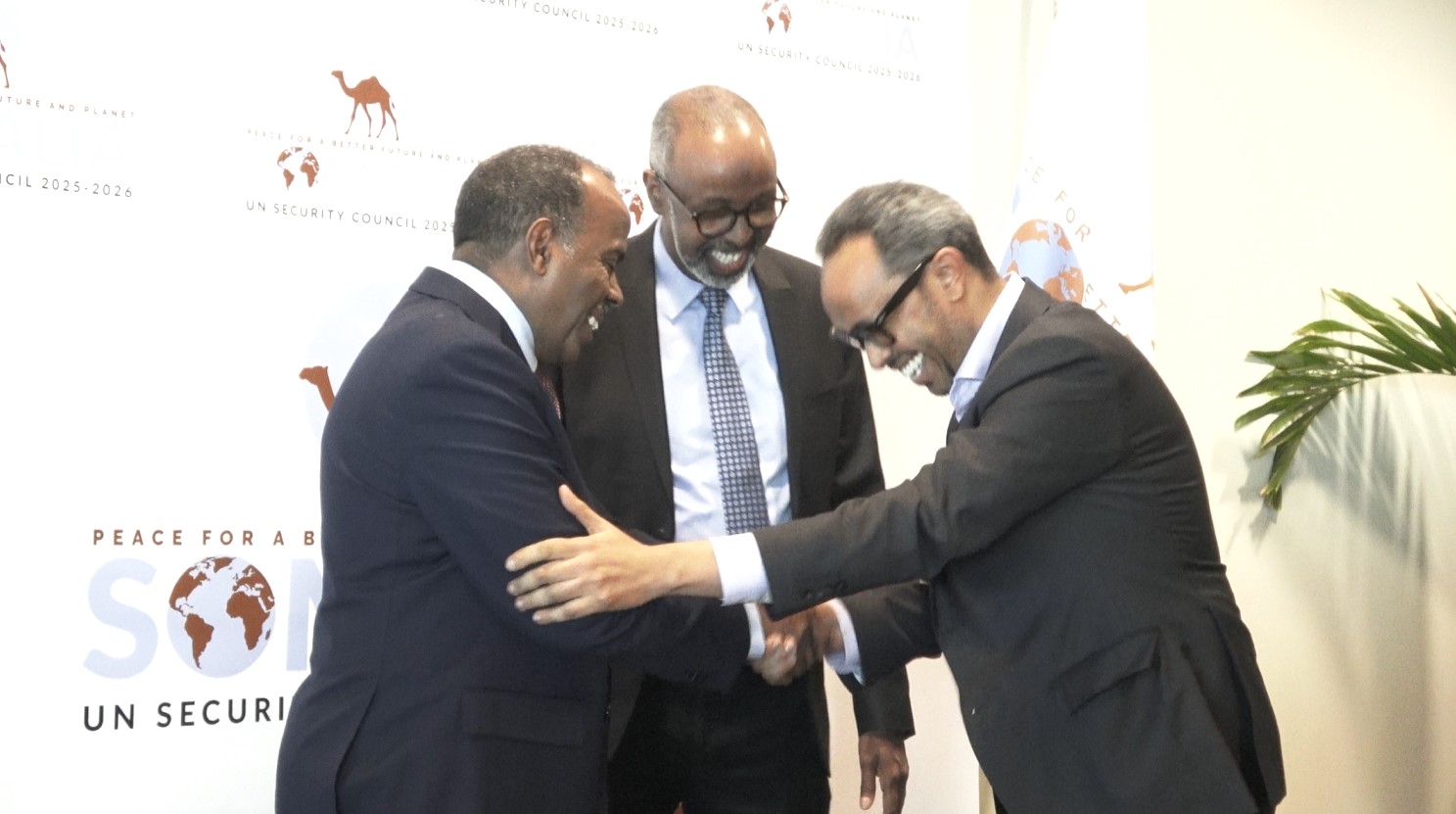
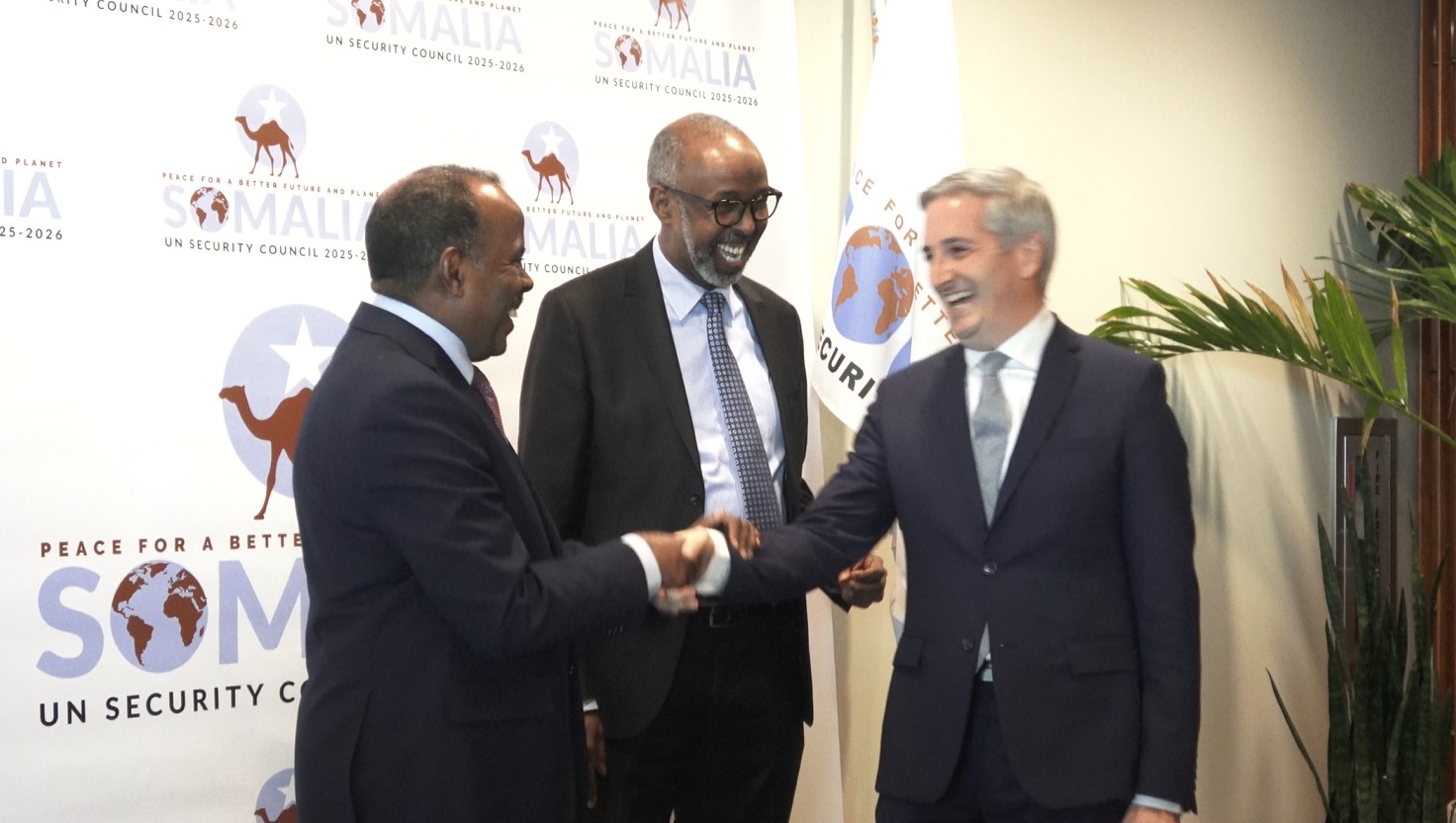
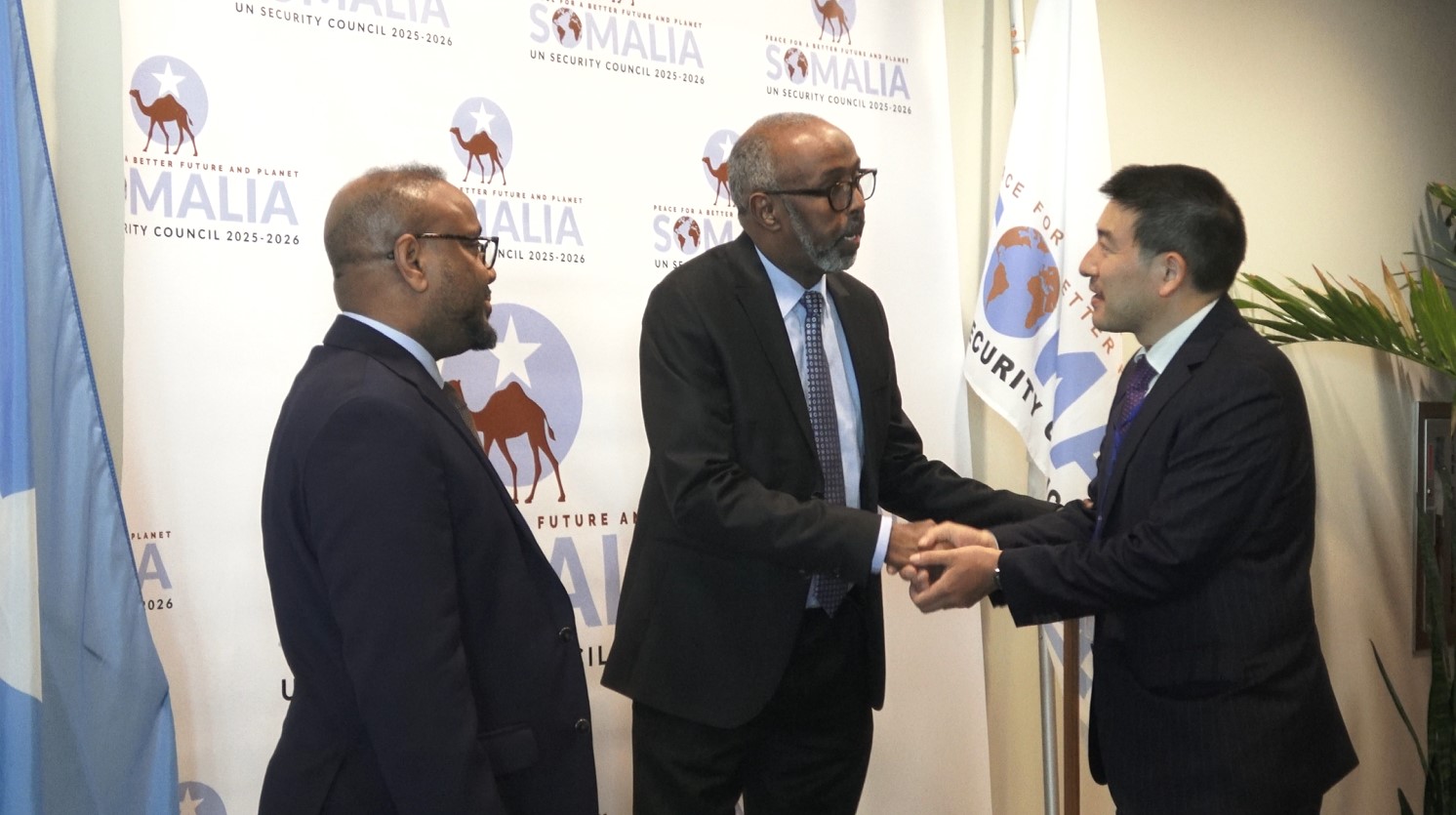
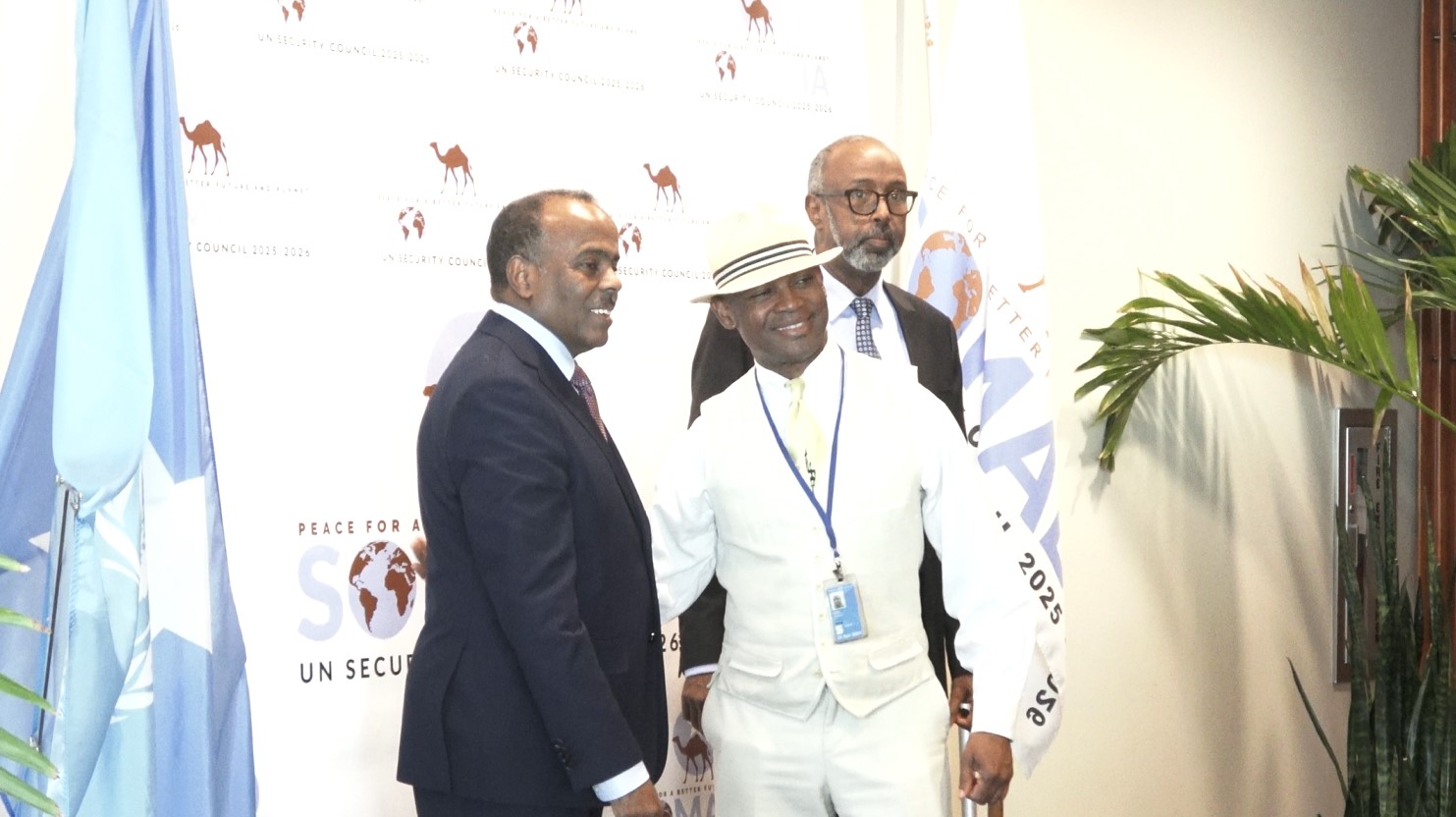
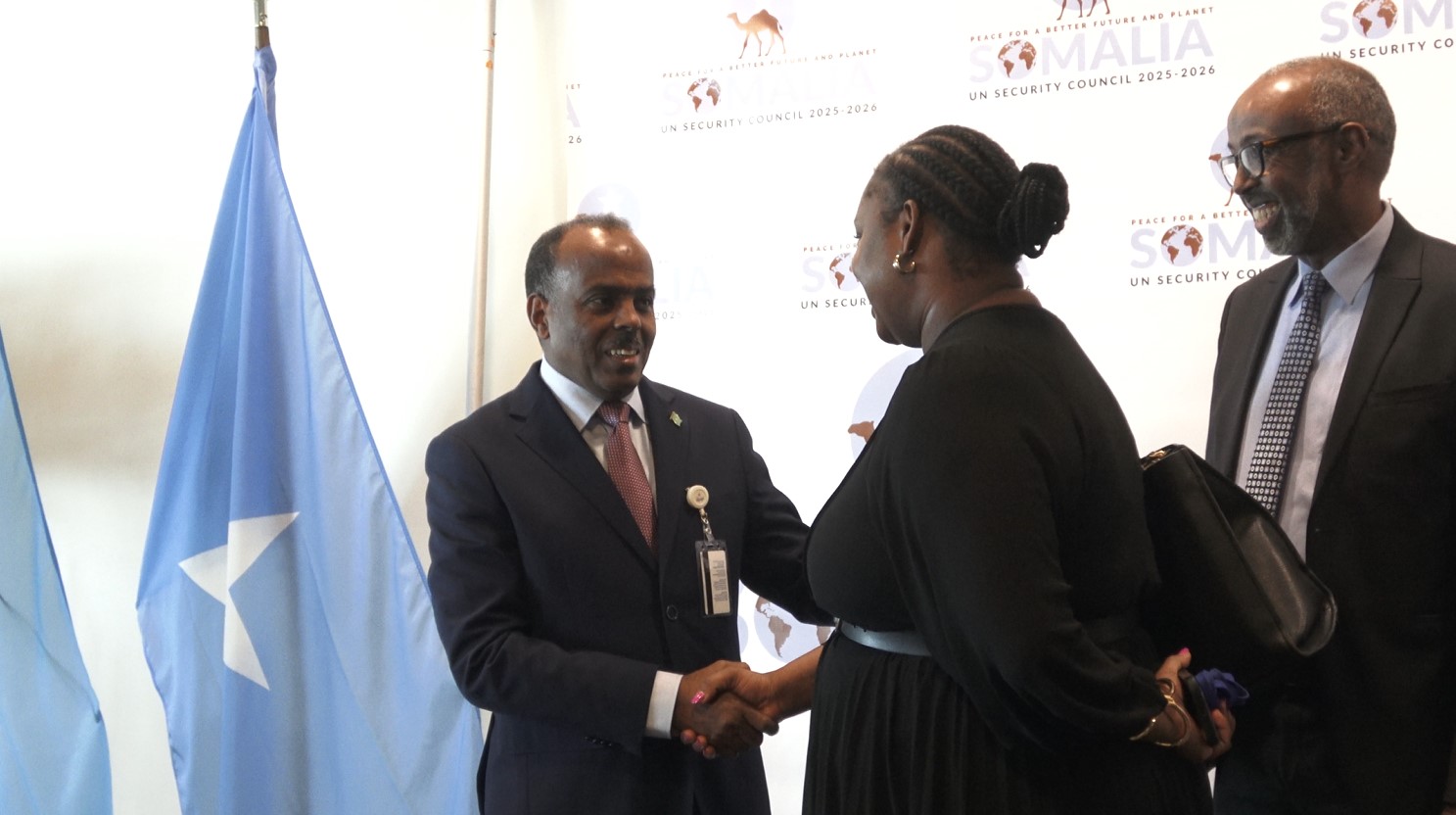 Ali Muhammad Omar the State Minister for foreign affairs of the federal republic of Somalia
Mr.Ali Muhammad Omar Full speech as follows
Thank you dear ambassadors, distinguish guests, and friends. It's an honor to welcome you to our reception today as we have in part on a journey toward a significant milestone in som's diplomatic engagement ment with International Community.
I'm filled with their pride and optimism for what lies ahead as the sole endorsed African candidate for the non permanent United Nations security Council seed for the term 2025-2026. My country recognizes the vital role that the security Council plays in maintaining International Peace and security.
We are committed to upholding the principalities of the United Nations in promoting Global Peace and security, advocating for the rights of the most vulnerable populations. In today's interconnected world, no nation is immune to the threat we face as a nation that has overcome its share of challenges. Somalia and understand is the importance of effective multilateralism and cooperation in addressing the complex issues confronting our world today. We are ready to bring our unique perspective experiences and solutions to the global State, contributing a meaningful to work of the United Nation Security Council.
It's crucial that we approach this challenges with a sense of unity, purpose, and resolve as we see this esteemed position. We are not merely asking a seat at the table, we are offering a voice of experience, a perspective fored in a crucible of adversity, and a strong commitment to a Global Peace and security. We ENT understand the complexities of a conflict resolution, the importance of a humanitarian assistant, and the necessity of a sustainable development. We bring to the table not only our experience but also the Innovations and solutions that have emerged our journey toward peace.
Our candidacy is a symbol of Hope, resilience, and a testament to the power of international cooperation if interested with the seed of the security Council. Somalia will be a voice for all member states, a champion for a conflict resolution through dialogue and diplomacy, and a steadfast advocate for justice and equality. We will work tily to advance the cause of peace and Security in our region and and Beyond Guided by the principal of inclusive transparency and respect of international law.
I call all our partners and friends in International Community to support Somali candidacy for the security Council recognizing our shared commitment to a sa more just world for all together. We can make a difference uphold the UN Charter and build be for a better future and a better Planet
I thank
Celebrity media compiled reports based on videos and texts provided by the United Nations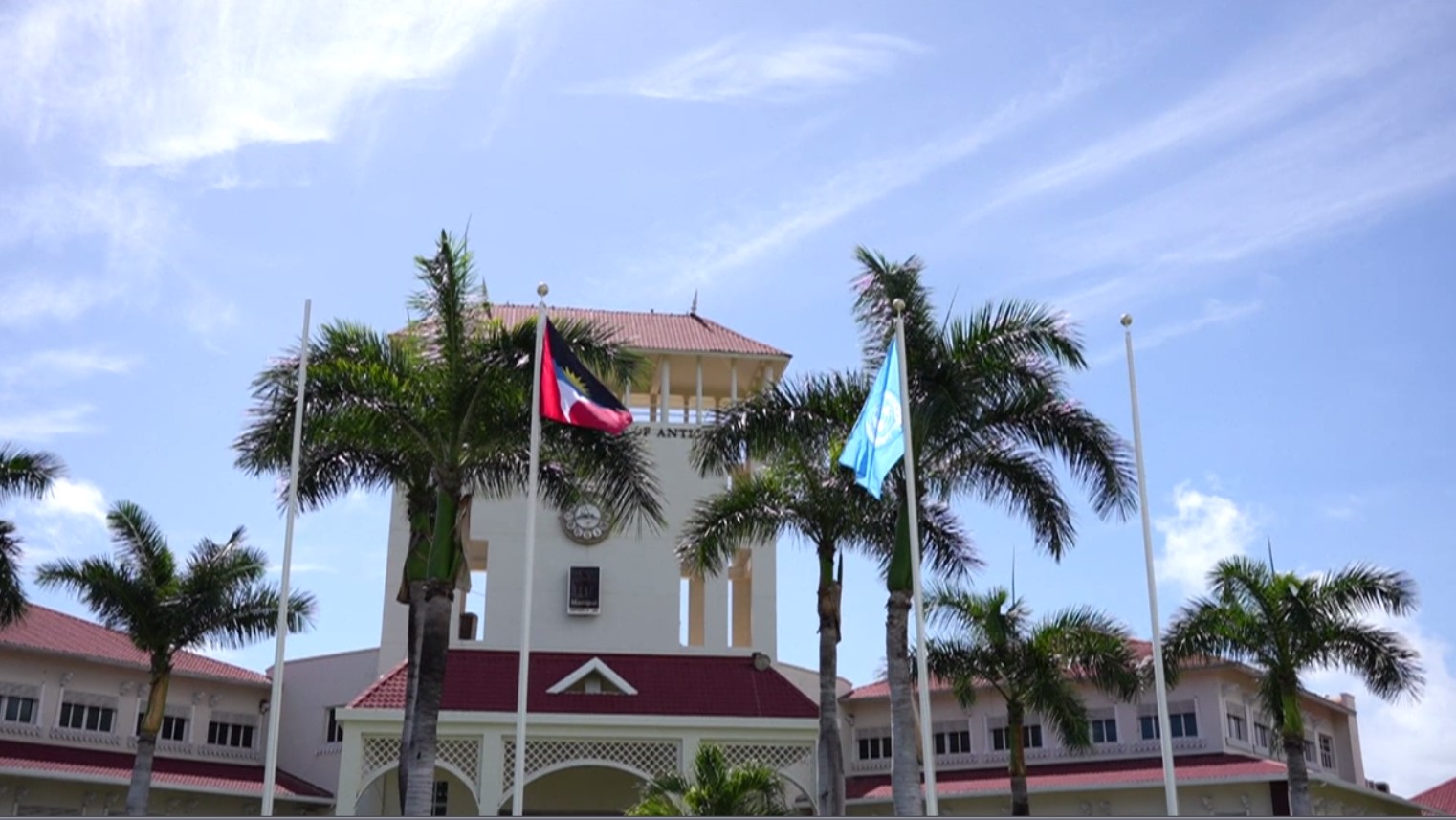
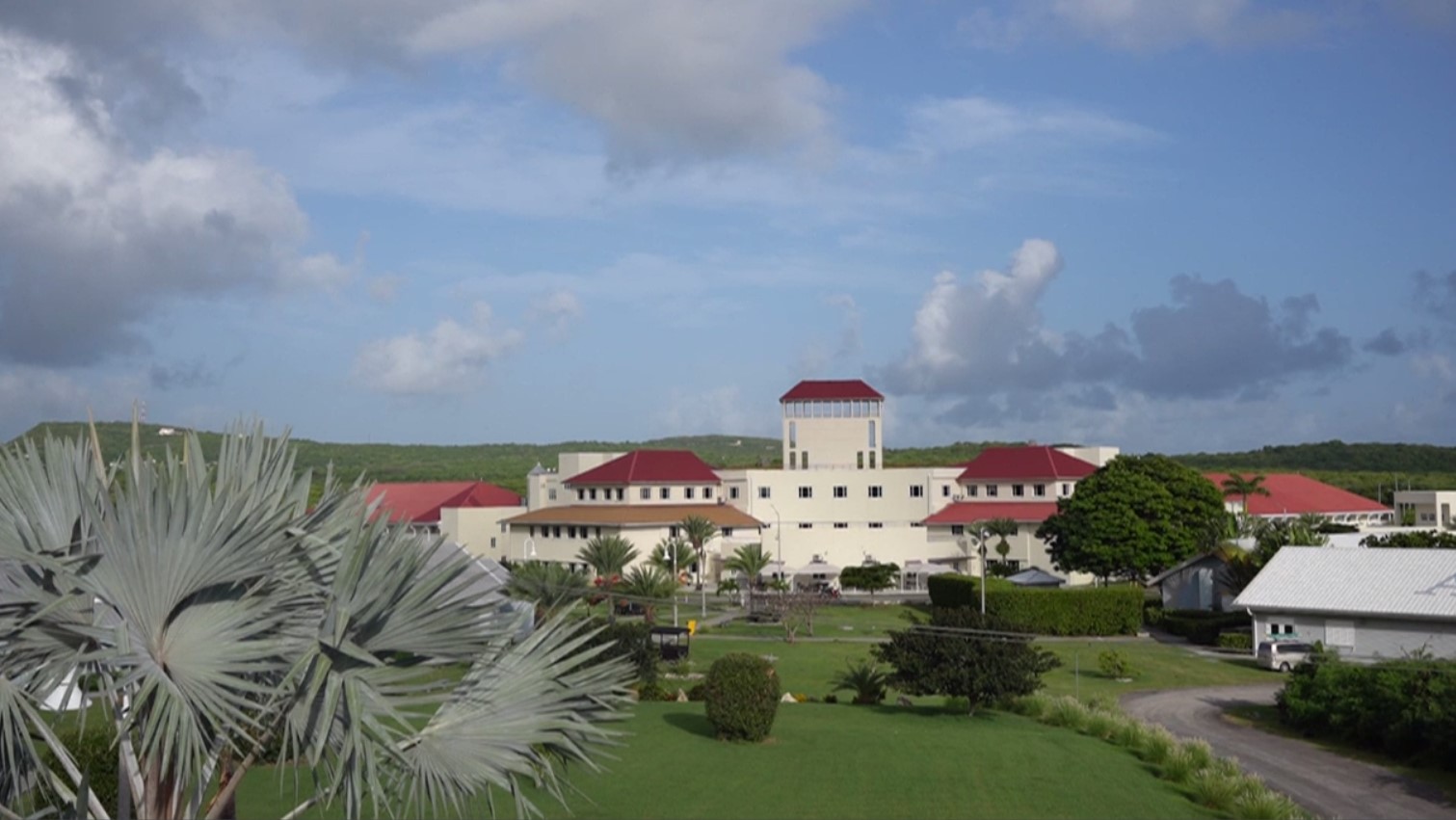
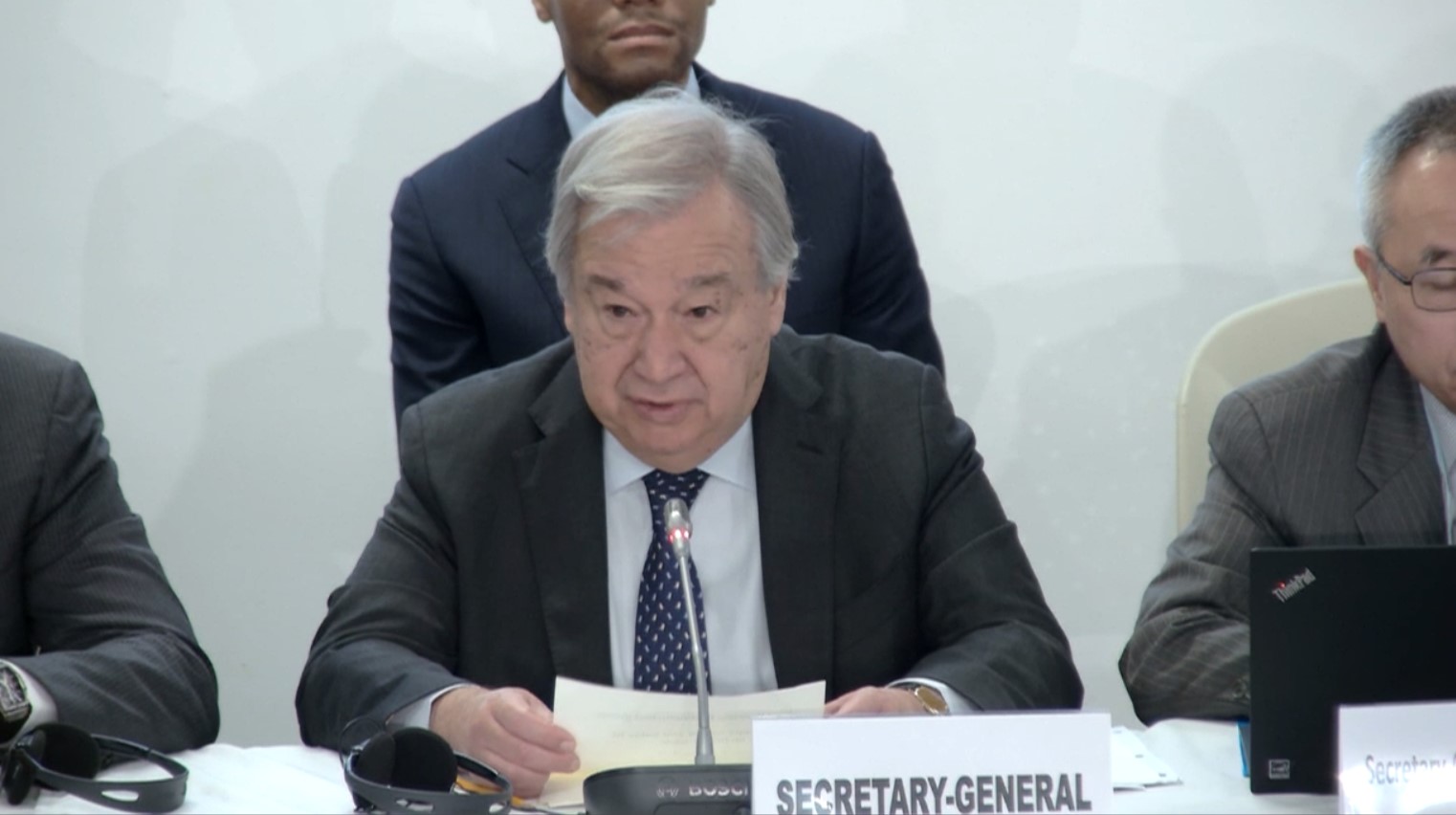
Antigua, 27 May – At the opening of the Fourth International Conference on Small Island Developing States (SIDS4), United Nations Secretary-General António Guterres declared SIDS as pivotal in the global fight for climate and financial justice. Addressing an assembly of over 20 world leaders, 4,000 participants, and delegates from private sectors, civil society, and academia, Secretary-General Guterres emphasized the acute challenges SIDS face due to climate change.
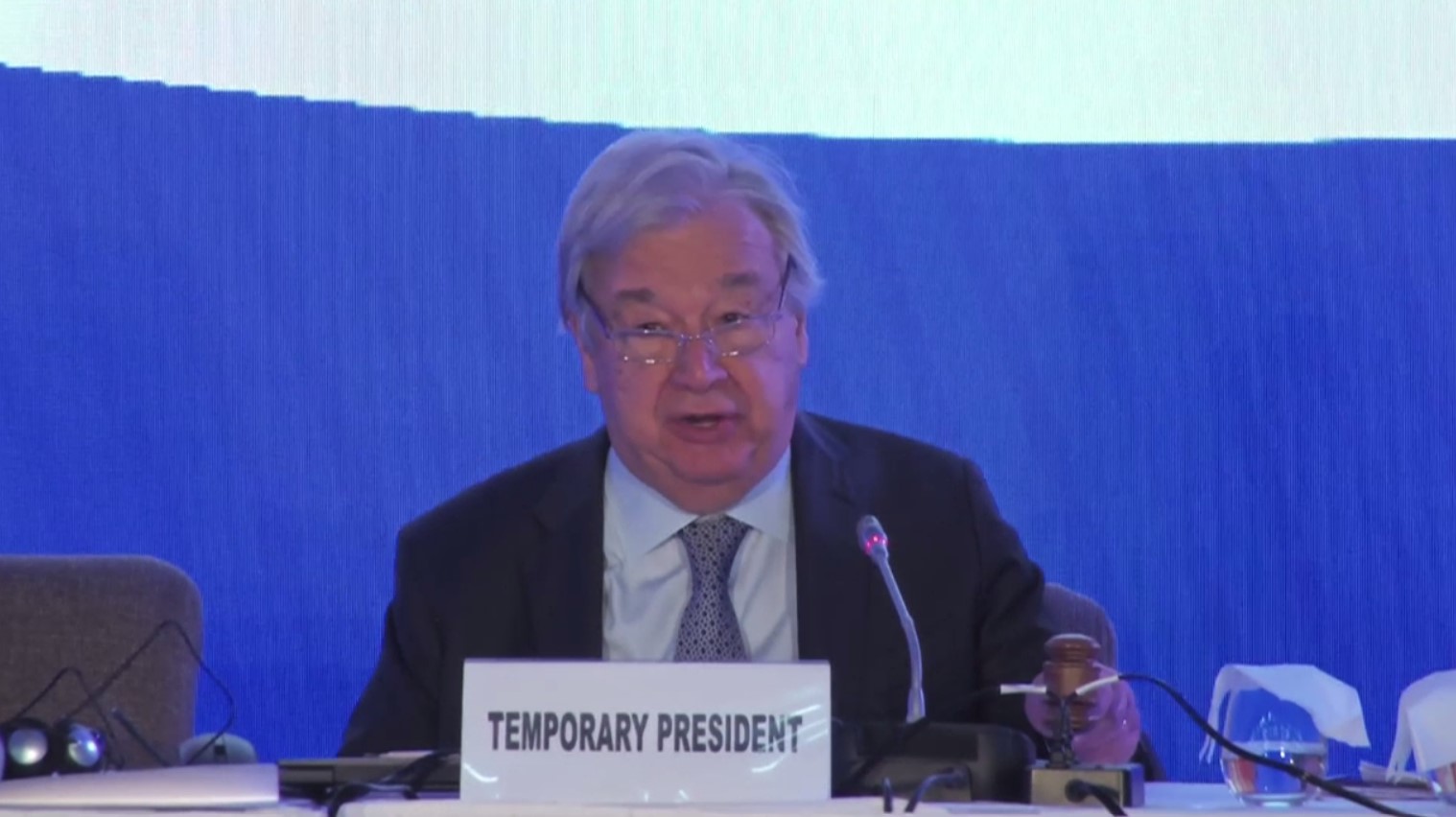
"SIDS are a test case for climate justice and financial justice," said Guterres in his opening remarks. He warned of the dire consequences of surpassing the 1.5-degree Celsius limit set to avoid catastrophic global heating, highlighting the existential threat this poses to SIDS. “We cannot accept the disappearance of any country or culture under the rising waves,” he added.
Guterres praised the resilience and unity of SIDS, urging them to continue their collaborative efforts. "At times of crisis, it may be tempting to turn inward, to lower expectations, and to dim hopes. But that is not the SIDS way," he remarked. "When you speak together, SIDS can make an almighty noise. And I urge you to do so at this critical time for our planet and our future."
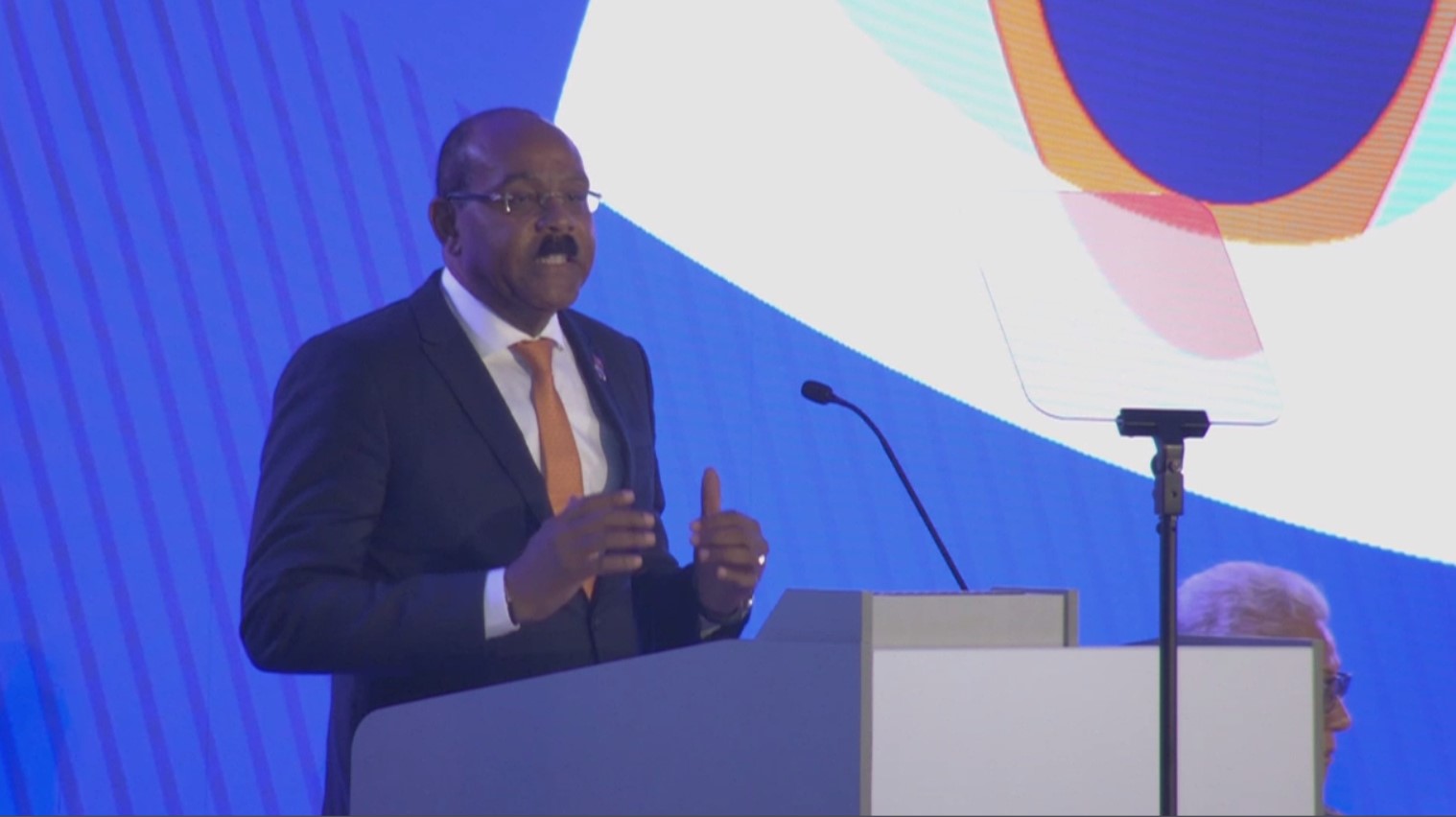
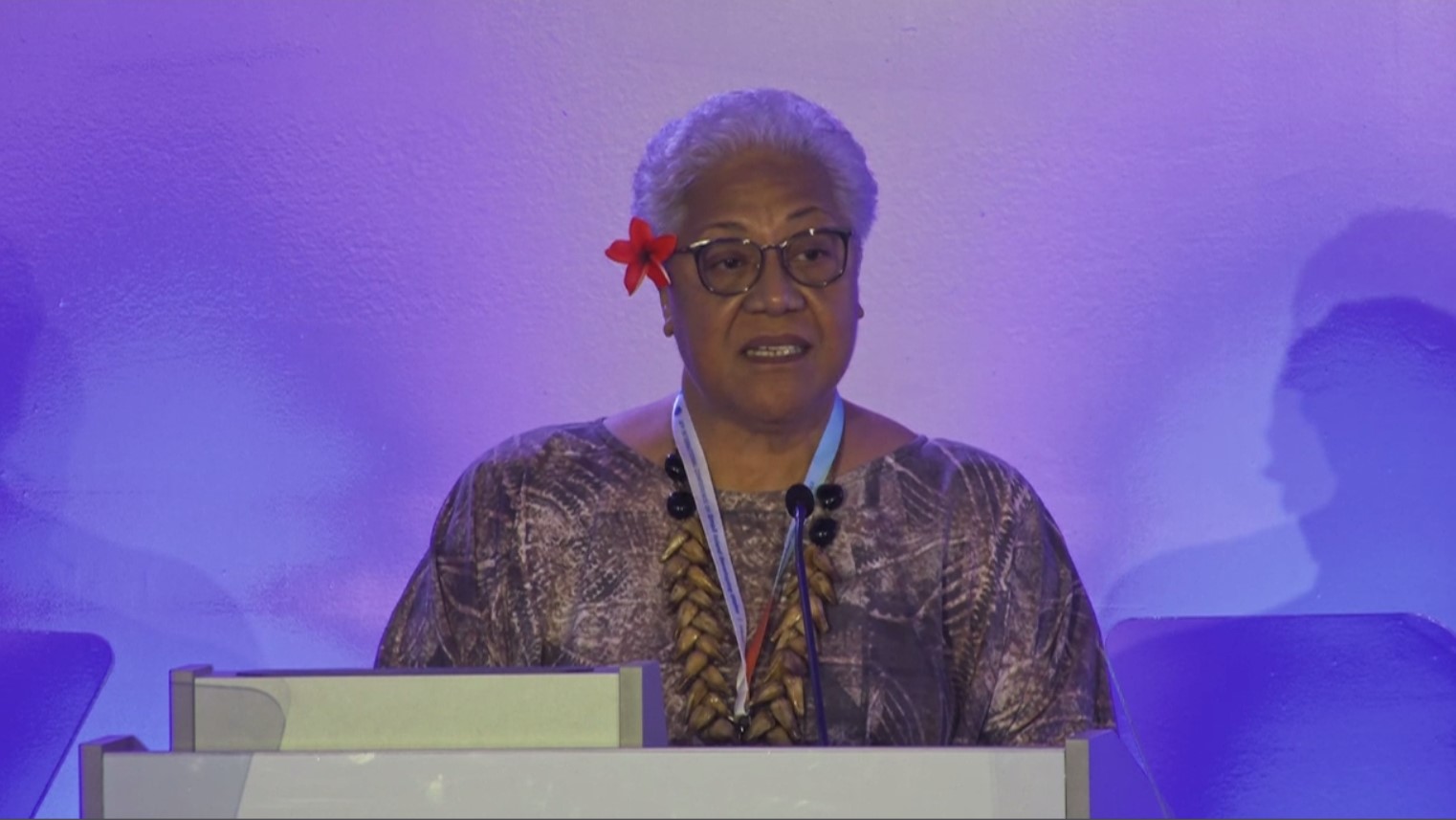
Prime Minister of Antigua and Barbuda and President of the SIDS4 Conference, Gaston Browne, and Afioga Fiamē Naomi Mataʻafa, Prime Minister of Samoa and Chair of the Alliance of Small Island States, also addressed the urgency of the situation in their speeches. Browne criticized the negligence of continuing business as usual, while Mataʻafa described the increasing pressures of rising seas and burgeoning debts on SIDS.
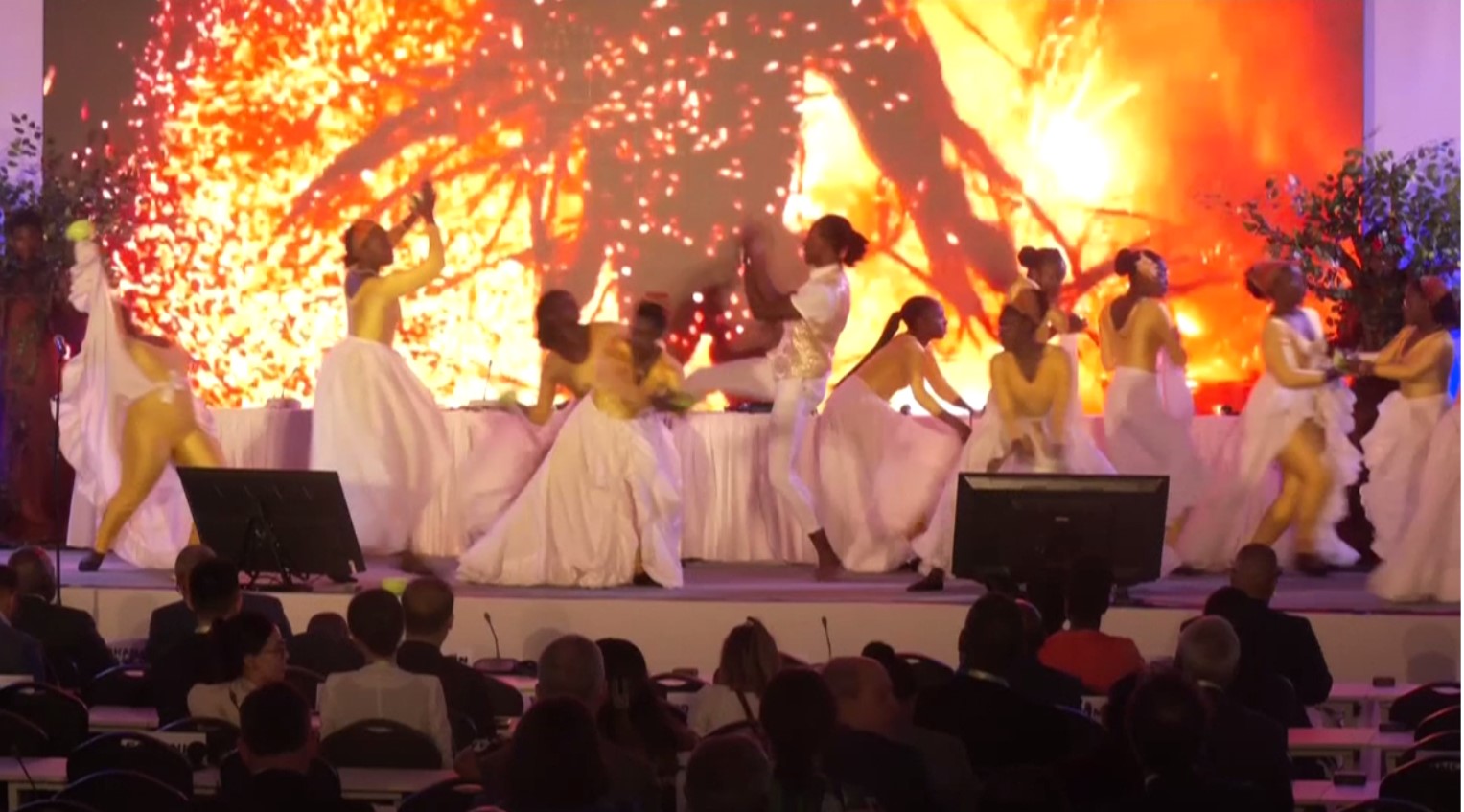
The conference, taking place at the American University of Antigua through Thursday, aims to chart a course toward resilient prosperity for SIDS. Key discussions will revolve around the Antigua and Barbuda Agenda for SIDS (ABAS), which outlines the sustainable development goals for the next decade and the support needed to achieve them.
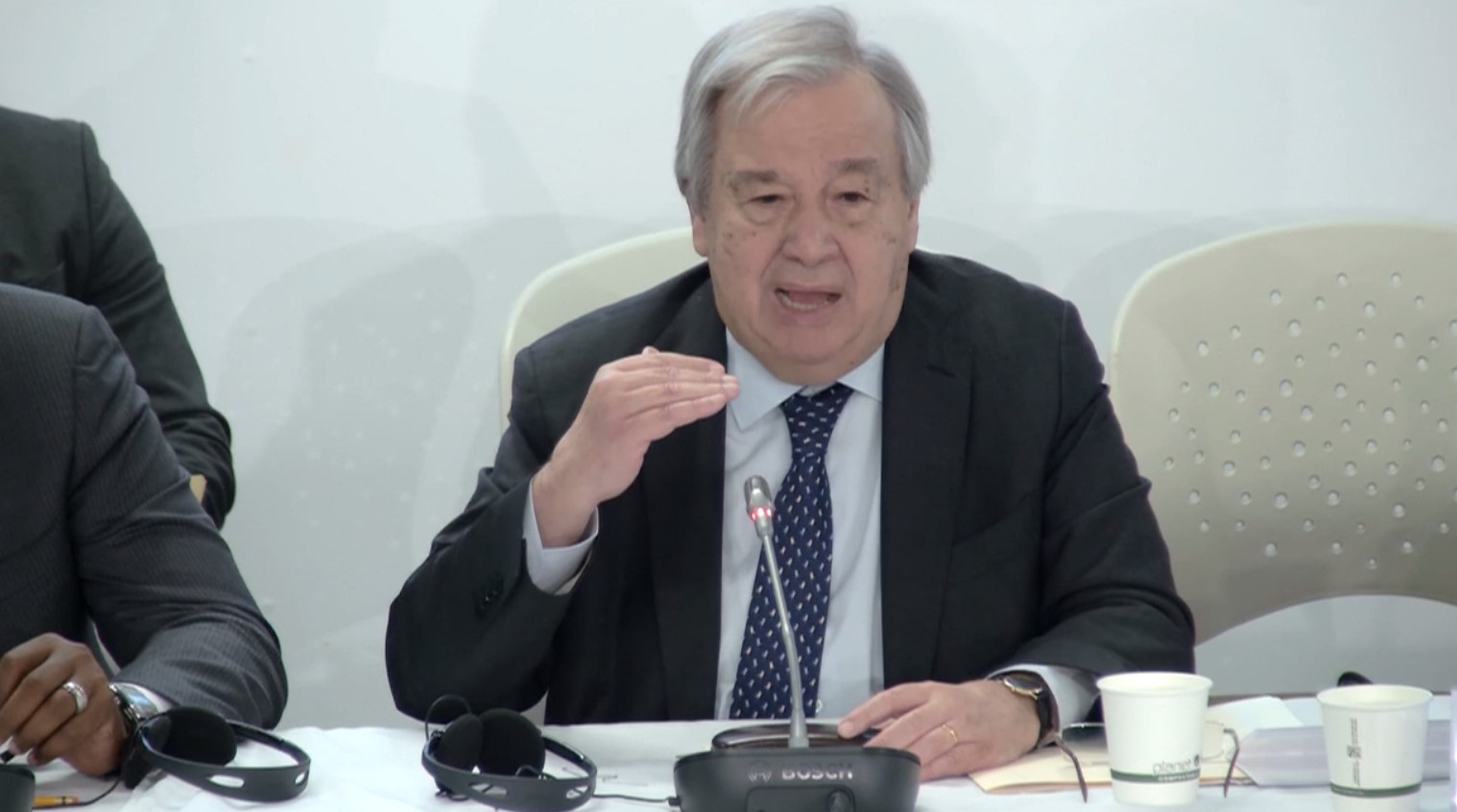
In a high-level meeting on 28 May with international financial institutions and major donors, Secretary-General Guterres underscored the financing challenges faced by SIDS, worsened by the COVID-19 pandemic and geopolitical tensions. He highlighted the disparity between the speed of escalating challenges and the slower pace of actionable solutions.
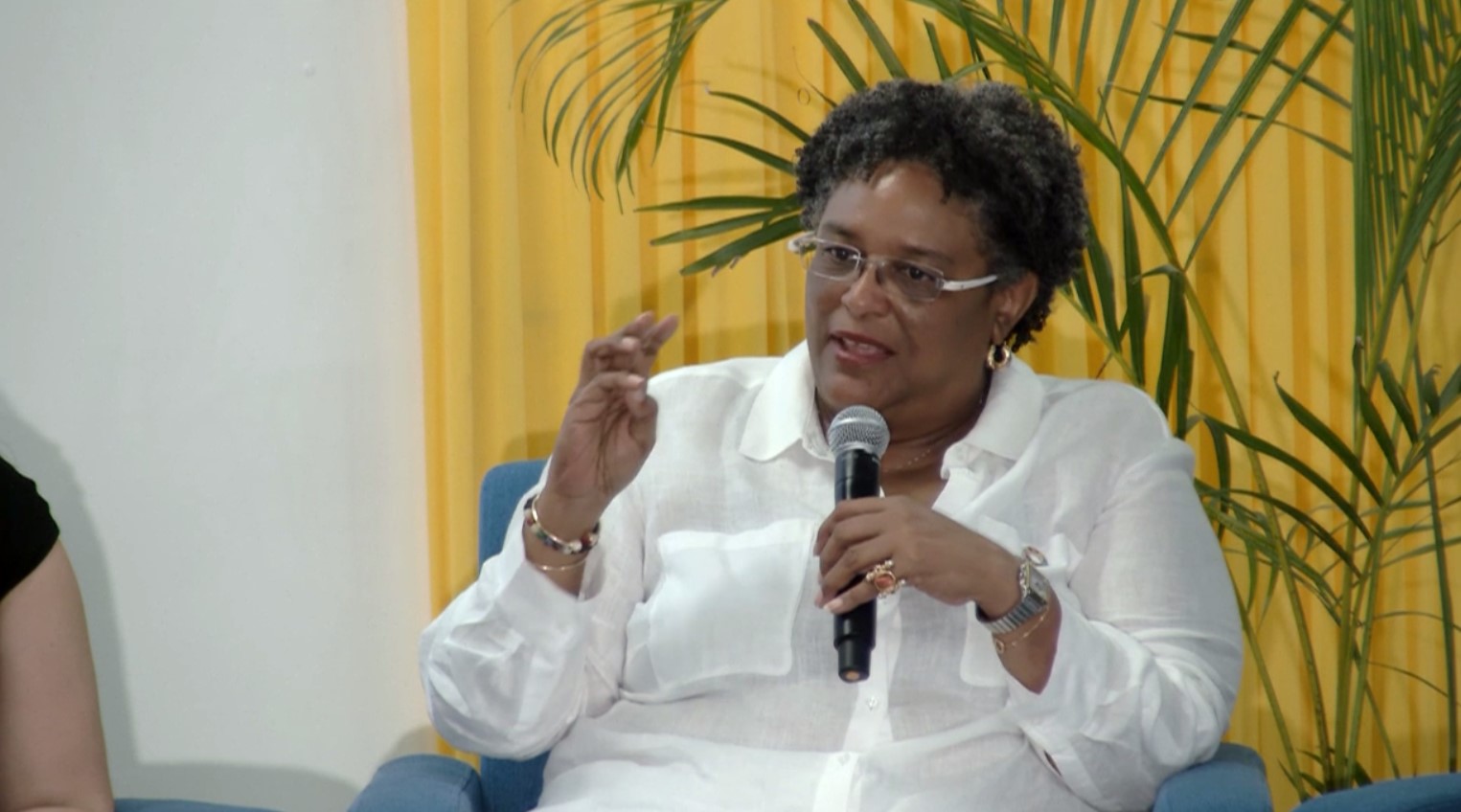
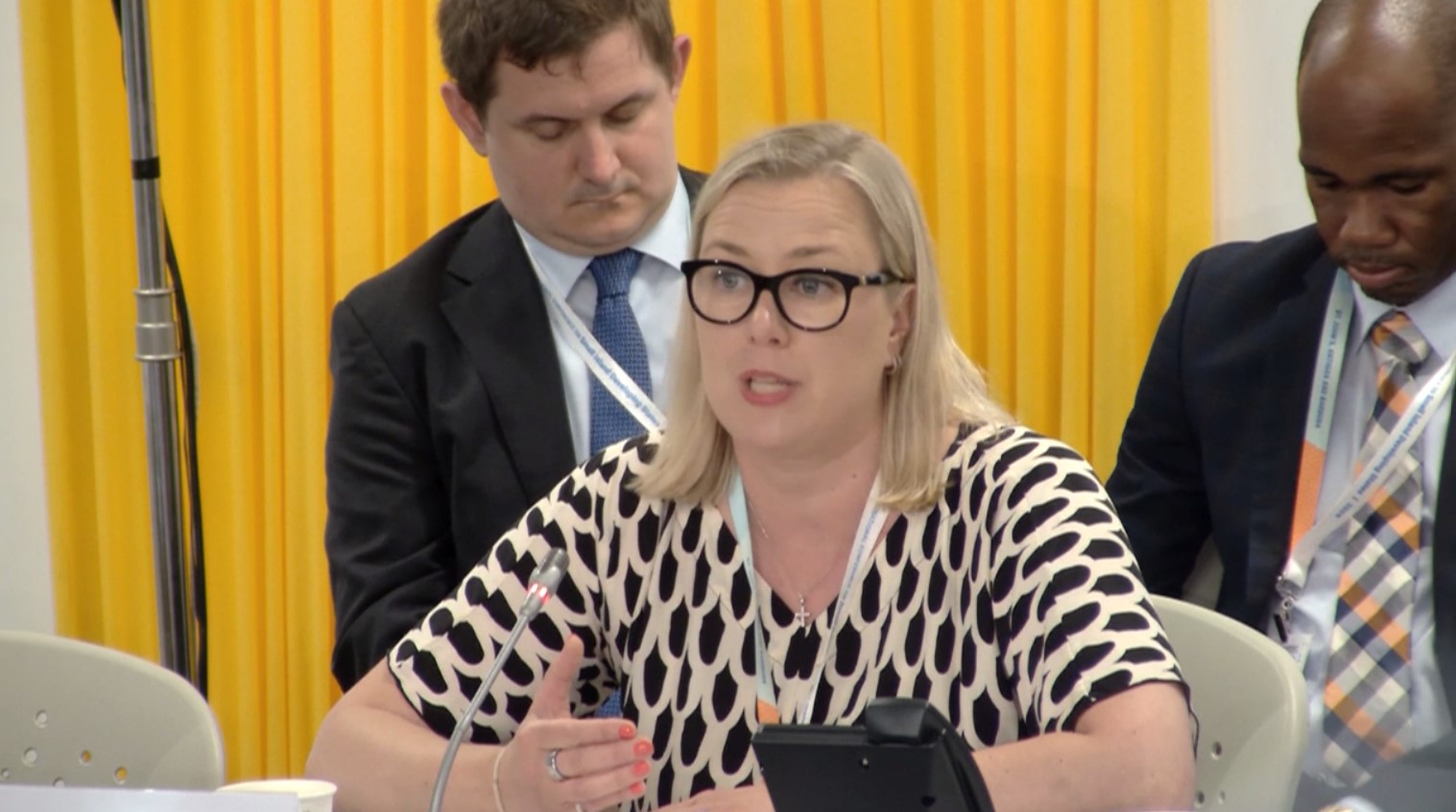
European Commission Commissioner for International Partnerships, Jutta Urpilainen, and Prime Minister of Barbados, Mia Mottley, also spoke at the meeting, advocating for substantial financial reforms and increased investment in SIDS.
This critical international gathering underscores the urgency of comprehensive support for SIDS, aiming to address their unique vulnerabilities and ensure their sustainable future.