


Modern Application of Kant's Principles of Perpetual Peace: The Path to Peace in the New Century


- Details
- Category: English Media
- Published: Thursday, 25 July 2024 08:04
- Written by Eager
Celebrity Media Commentator: Next year marks the 230th anniversary of Immanuel Kant's renowned essay "Perpetual Peace." Kant, the great German philosopher, proposed peace ideas in 1795 that continue to hold significant guidance today. In the face of the current severe global situation of war and nuclear threats, we need to reassess Kant's ideas and update and apply them according to the needs of the modern world.
Kant's core propositions include opposing standing armies, non-interference in other countries' internal affairs, and establishing a "league of free nations." Despite challenges in practicing some of Kant's views, his ideas on perpetual peace advanced international law, human rights, and decent conduct in wars in the 20th century.
In the past two decades, under the leadership of former Secretary-General Ban Ki-moon and current Secretary-General António Guterres, the United Nations, through their exceptional leadership and the tremendous dedication and hard work of UN officials at all levels, has become more cohesive and effective. The UN and international law have made significant achievements in preventing a third world war. However, the current global institutions need further upgrades to meet new challenges.
Firstly, we believe that the process of reforming the United Nations should be accelerated. As we mentioned recently, please click here.
Yesterday, Mr. Jeffrey Sachs sent us an email with ten principles of perpetual peace, which further underscores the necessity to expedite the UN reform process. This world needs perpetual peace, we need a future, and we need the United Nations!
Mr. Jeffrey Sachs stated, "To address the four key geopolitical realities of the modern world, we need to formulate a new set of perpetual peace principles based on Kant's ideas." We believe that these ten principles of perpetual peace are worth considering and adopting by today's national leaders and all peace-loving people worldwide. Therefore, we are specially reprinting Mr. Jeffrey Sachs' article as follows.
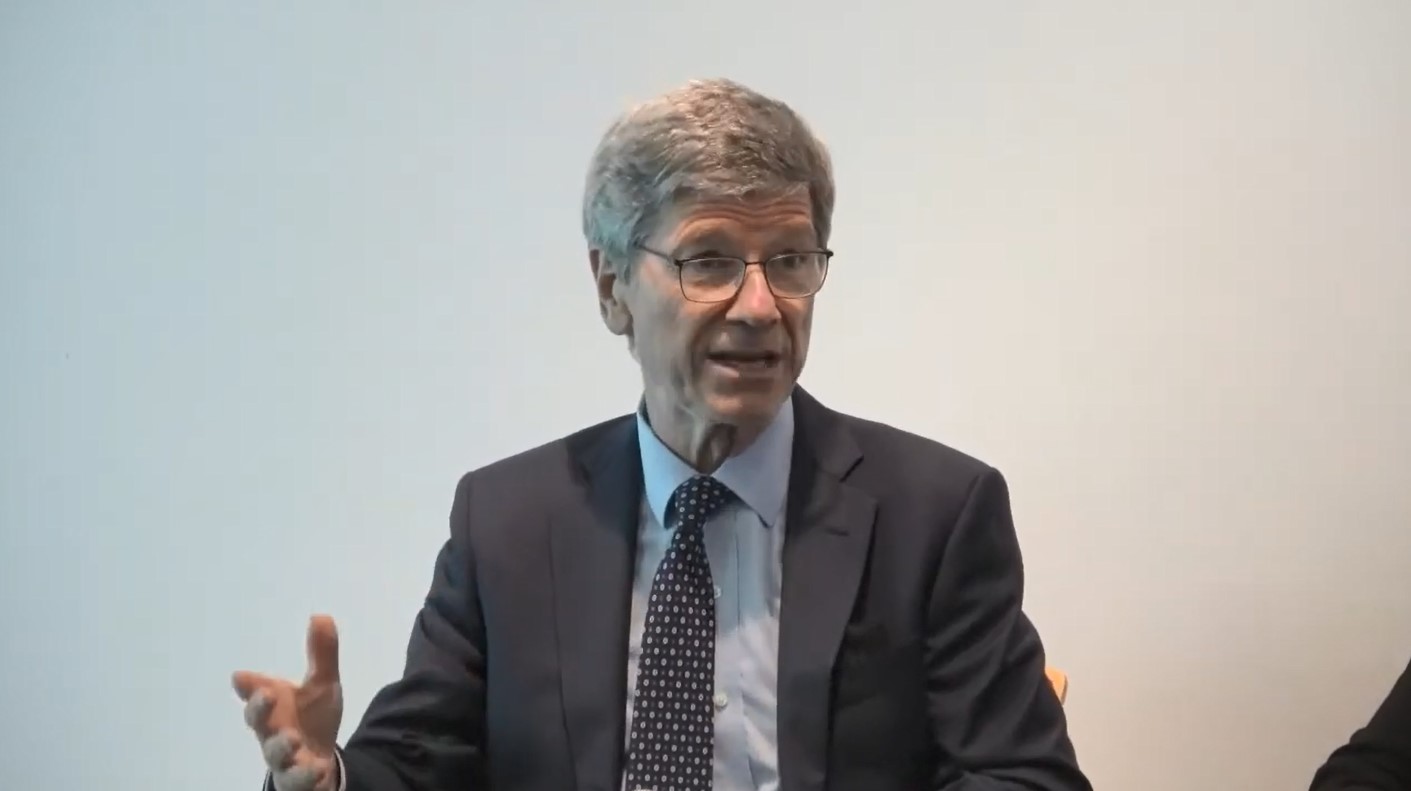
The United Nations-based structures are fragile and in need of an urgent upgrade; we should consider this one at the U.N. Summit of the Future in September.
Next year will mark the 230th anniversary of Immanuel Kant’s celebrated essay on “Perpetual Peace” (1795). The great German philosopher put forward a set of guiding principles to achieve perpetual peace among the nations of his day. As we grapple with a world at war, and indeed at dire risk of nuclear Armageddon, we should build on Kant’s approach for our own time. An updated set of principles should be considered at the United Nations Summit of the Future in September.
Kant was fully aware that his proposals would face the skepticism of “practical” politicians:
The practical politician assumes the attitude of looking down with great self-satisfaction on the political theorist as a pedant whose empty ideas in no way threaten the security of the state, inasmuch as the state must proceed on empirical principles; so the theorist is allowed to play his game without interference from the worldly-wise statesman.
Nonetheless, as historian Mark Mazower noted in his magisterial account of global governance, Kant’s was a “text that would intermittently influence generations of thinkers about world government down to our own day,” helping to lay the groundwork for the United Nations and international law on human rights, the conduct of war, and arms control.
Kant’s core proposals centered on three ideas. First, he rejected standing armies. Standing armies “incessantly menace other states by their readiness to appear at all times prepared for war.” In this, Kant anticipated by a century and a half the famous warning by U.S. President Dwight D. Eisenhower of the dangers of a military-industrial complex. Second, Kant called for non-interference in the internal affairs of other nations. In this, Kant inveighed against the kind of covert operations that the U.S. has used relentlessly to topple foreign governments. Third, Kant called for a “federation of free states,” which in our time became the United Nations, a “federation” of 193 states pledged to operate under the U.N. Charter.
Kant put great hopes on republicanism as opposed to one-person rule as a check on war-making. Kant reasoned that a single ruler would readily succumb to the temptation of war:
...a declaration of war is the easiest thing in the world to decide upon, because war does not require of the ruler, who is the proprietor and not a member of the state, the least sacrifice of the pleasures of his table, the chase, his country houses, his court functions, and the like. He may, therefore, resolve on war as on a pleasure party for the most trivial reasons, and with perfect indifference leave the justification which decency requires to the diplomatic corps who are ever ready to provide it.
By contrast, according to Kant:
...if the consent of the citizens is required in order to decide that war should be declared (and in this [republican] constitution it cannot but be the case), nothing is more natural than that they would be very cautious in commencing such a poor game, decreeing for themselves all the calamities of war.
Kant was far too optimistic about the ability of public opinion to constrain war-making. Both the Athenian and Roman republics were notoriously belligerent. Britain was the 19th century’s leading democracy, but perhaps its most belligerent power. For decades, the U.S. has engaged in non-stop wars of choice and violent overthrows of foreign governments.
There are at least three reasons why Kant got this wrong. First, even in democracies, the choice to launch wars almost always lies with a small elite group who are in fact largely insulated from public opinion. Second, and equally important, public opinion is relatively easy to manipulate through propaganda to stir the public backing for war. Third, the public can be insulated in the short term from the high costs of war by financing war through debt rather than taxation, and by relying on contractors, paid recruits, and foreign fighters rather than conscription.
Kant’s core ideas on perpetual peace helped move the world toward international law, human rights, and the decent conduct in war (such as the Geneva Conventions) in the 20th century. Yet despite the innovations in global institutions, the world remains dreadfully far from peace. According to the Doomsday Clock of the Bulletin of Atomic Scientists, we are 90 seconds to midnight, closer to nuclear war than at any time since the clock’s introduction in 1947.
The global apparatus of the U.N. and international law has arguably prevented a third world war to date. U.N. Secretary-General U Thant, for example, played a vital role in peacefully resolving the 1962 Cuban Missile Crisis. Yet the U.N.-based structures are fragile and in need of an urgent upgrade.
For this reason, I urge that we formulate and adopt a new set of principles based on four key geopolitical realities of our time.
First, we are living with the nuclear Sword of Damocles over our heads. President John F. Kennedy put it eloquently 60 years ago in his famous Peace Speech, when he declared:
I speak of peace because of the new face of war. Total war makes no sense in an age where great powers can maintain large and relatively invulnerable nuclear forces and refuse to surrender without resort to those forces. It makes no sense in an age where a single nuclear weapon contains almost 10 times the explosive force delivered by all the allied air forces in the Second World War.
Second, we have arrived at true multipolarity. For the first since the 19th century, Asia has overtaken the West in economic output. We are long past the Cold War era in which the U.S. and Soviet Union dominated, or the “unipolar moment” claimed by the U.S. after the demise of the Soviet Union in 1991. The U.S. is now one of several superpowers, including Russia, China, and India, with several regional powers as well (including Iran, Pakistan, and North Korea). The U.S. and its allies cannot unilaterally exact their will in Ukraine, the Middle East, or the Indo-Pacific region. The U.S. must learn to cooperate with the other powers.
Third, we now have an extensive and historically unprecedented set of international institutions for formulating and adopting global goals (e.g., regarding climate, sustainable development, and nuclear disarmament), adjudicating international law, and expressing the will of the global community (e.g., in the U.N. General Assembly and U.N. Security Council). Yes, these international institutions are still weak when the great powers choose to ignore them, yet they offer invaluable tools for building a true federation of nations in Kant’s sense.
Fourth, humanity’s fate is more tightly interconnected than ever. Global public goods—sustainable development, nuclear disarmament, protection of the Earth’s biodiversity, prevention of war, pandemic prevention and control—are far more central to our shared fate than at any previous time in human history. Again, we can turn to JFK’s wisdom, which rings as true today as then:
So let us not be blind to our differences, but let us also direct attention to our common interests and the means by which those differences can be resolved. And if we cannot end now our differences, at least we can help make the world safe for diversity. For in the final analysis, our most basic common link is that we all inhabit this small planet. We all breathe the same air. We all cherish our children’s futures. And we are all mortal.
What principles should we adopt in our time that could contribute to perpetual peace? I propose 10 Principles for Perpetual Peace in the 21st Century, and invite others to revise, edit, or make their own list.
The first five of my principles are the Principles of Peaceful Coexistence proposed by China 70 years ago and subsequently adopted by the Non-Aligned nations. These are:
1. Mutual respect of all nations for the territorial integrity and sovereignty of other nations;
2. Mutual non-aggression of all nations towards other nations;
3. Mutual non-interference by all nations in the internal affairs of other affairs (such as through wars of choice, regime change operations, or unilateral sanctions);
4. Equality and mutual benefits in the interactions among nations; and
5. Peaceful co-existence of all nations.
To implement these five core principles, I recommend five specific principles of action:
6. The closure of overseas military bases, of which the U.S. and U.K. have by far the largest number.
7. The end of covert regime-change operations and unilateral coercive economic measures, which are grave violations of the principle of non-interference in the internal affairs of other nations. (Political scientist Lindsey O’Rourke has carefully documented 64 U.S. covert regime-change operations during 1947-1969, and the pervasive destabilization caused by such operations.
8. Adherence by all nuclear powers (U.S., Russia, China, U.K., France, India, Pakistan, Israel, and North Korea) to Article VI of the Nuclear Non-Proliferation Treaty: “All Parties must pursue negotiations in good faith on effective measures relating to the cessation of the nuclear arms race and to nuclear disarmament, and on a treaty on general and complete disarmament under strict and effective international control.”
9. The commitment by all countries “not to strengthen their security at the expense of the security of other countries,” (as per the OSCE Charter). States will not enter into military alliances that threaten their neighbors, and commit to resolve disputes through peaceful negotiations and security arrangements backed by the United Nations Security Council.
10. The commitment by all nations to cooperate in protecting the global commons and providing global public goods, including fulfillment of the Paris climate agreement, the Sustainable Development Goals, and reform of U.N. institutions.
Today’s great power confrontations, notably the U.S. conflicts with Russia, China, Iran, and North Korea, are largely due to America’s continued pursuit of unipolarity via regime change operations, wars of choice, unilateral coercive sanctions, and the global network of U.S. military bases and alliances. The 10 principles listed above would help to move the world to peaceful multilateralism governed by the U.N. Charter and the international rule of law.
Jeffrey D. Sachs
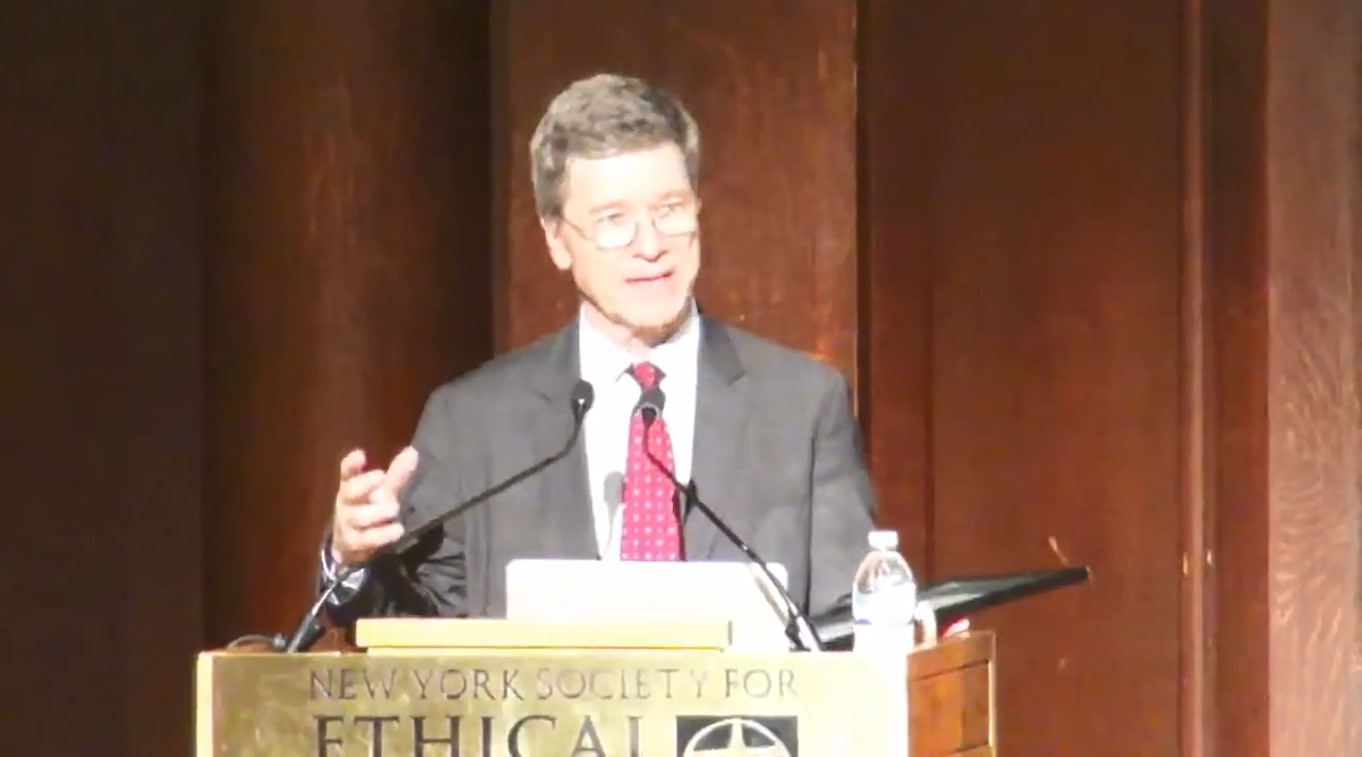
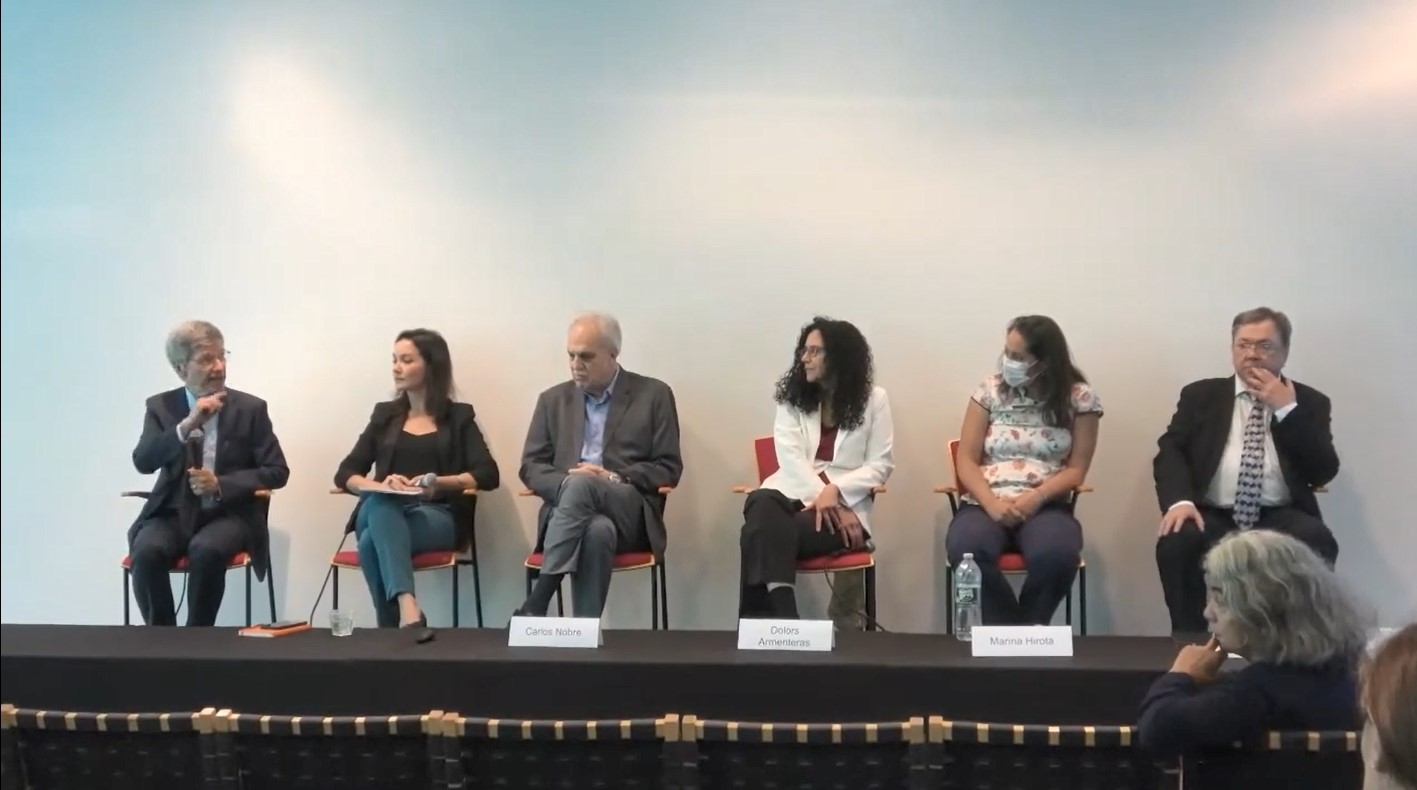
Jeffrey D. Sachs is a Famous political commentator and economist,University Professor and Director of the Center for Sustainable Development at Columbia University, where he directed The Earth Institute from 2002 until 2016. He is also President of the UN Sustainable Development Solutions Network and a commissioner of the UN Broadband Commission for Development. He has been advisor to three United Nations Secretaries-General, and currently serves as an SDG Advocate under Secretary-General Antonio Guterres. Sachs is the author, most recently, of "A New Foreign Policy: Beyond American Exceptionalism" (2020). Other books include: "Building the New American Economy: Smart, Fair, and Sustainable" (2017) and "The Age of Sustainable Development," (2015) with Ban Ki-moon.


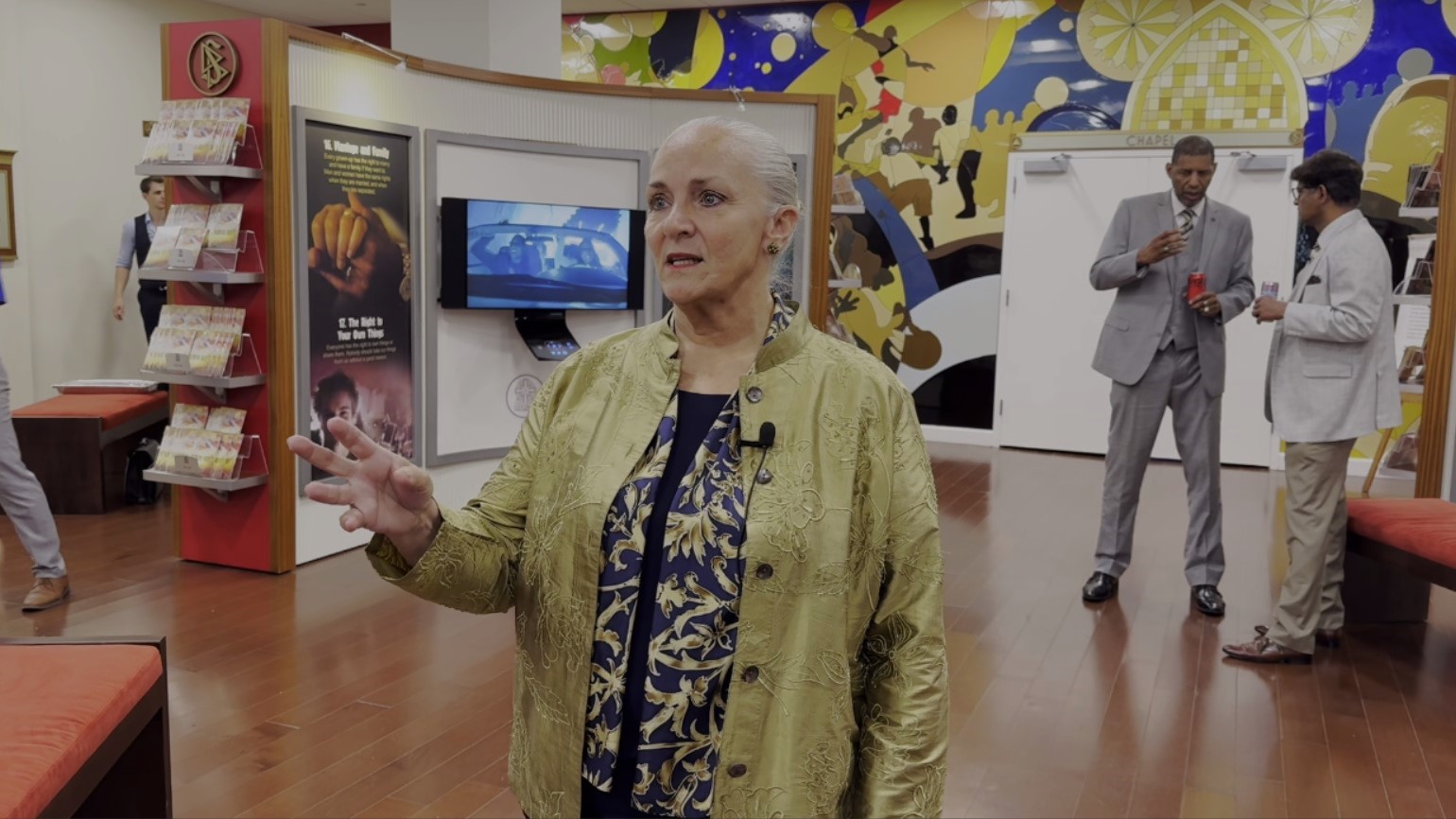

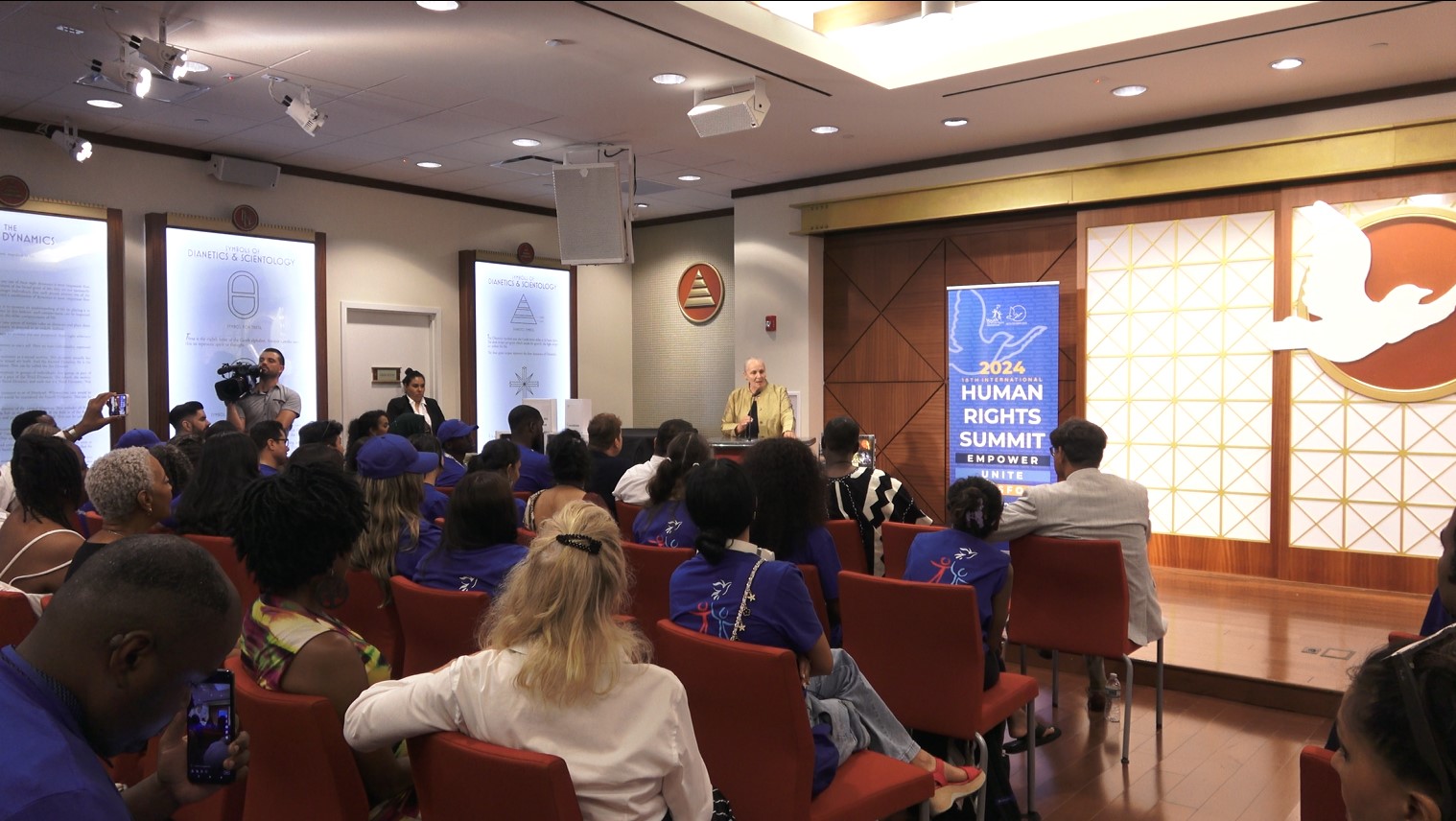
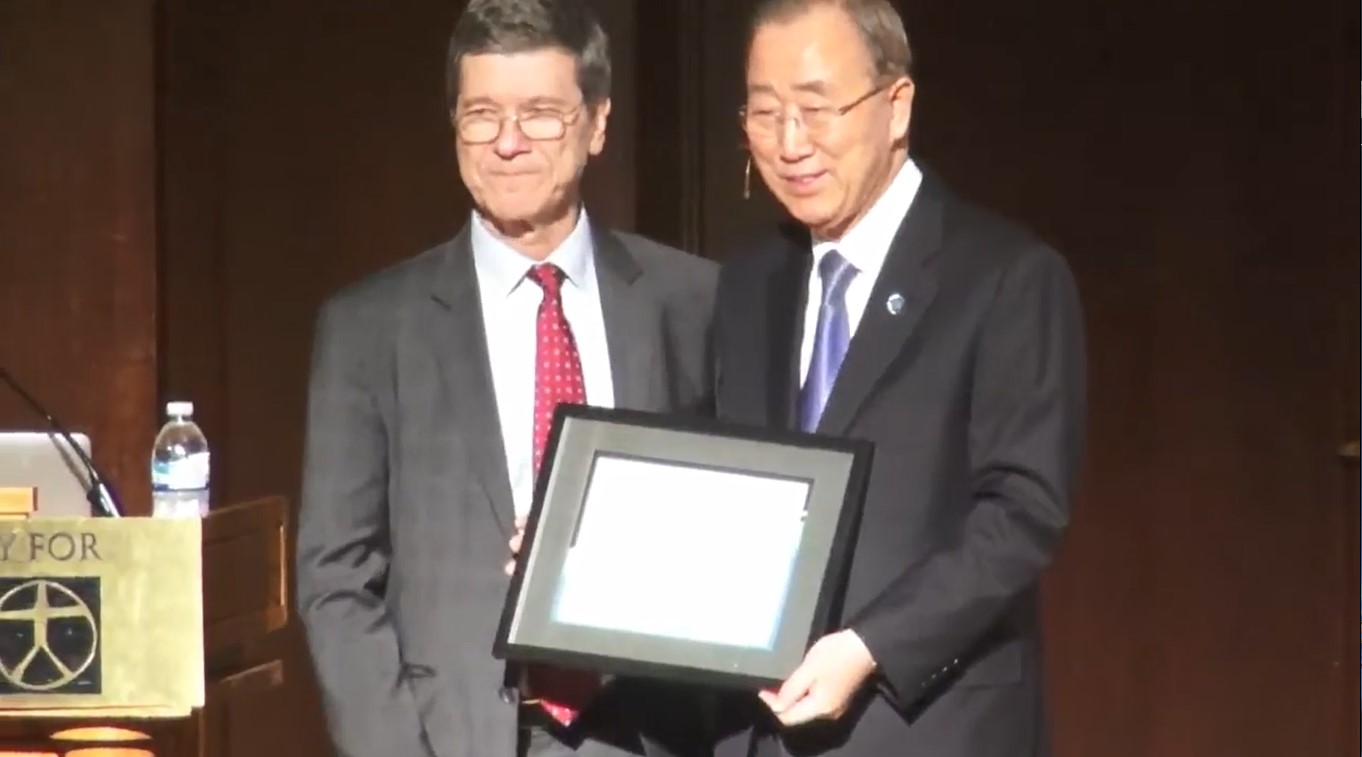
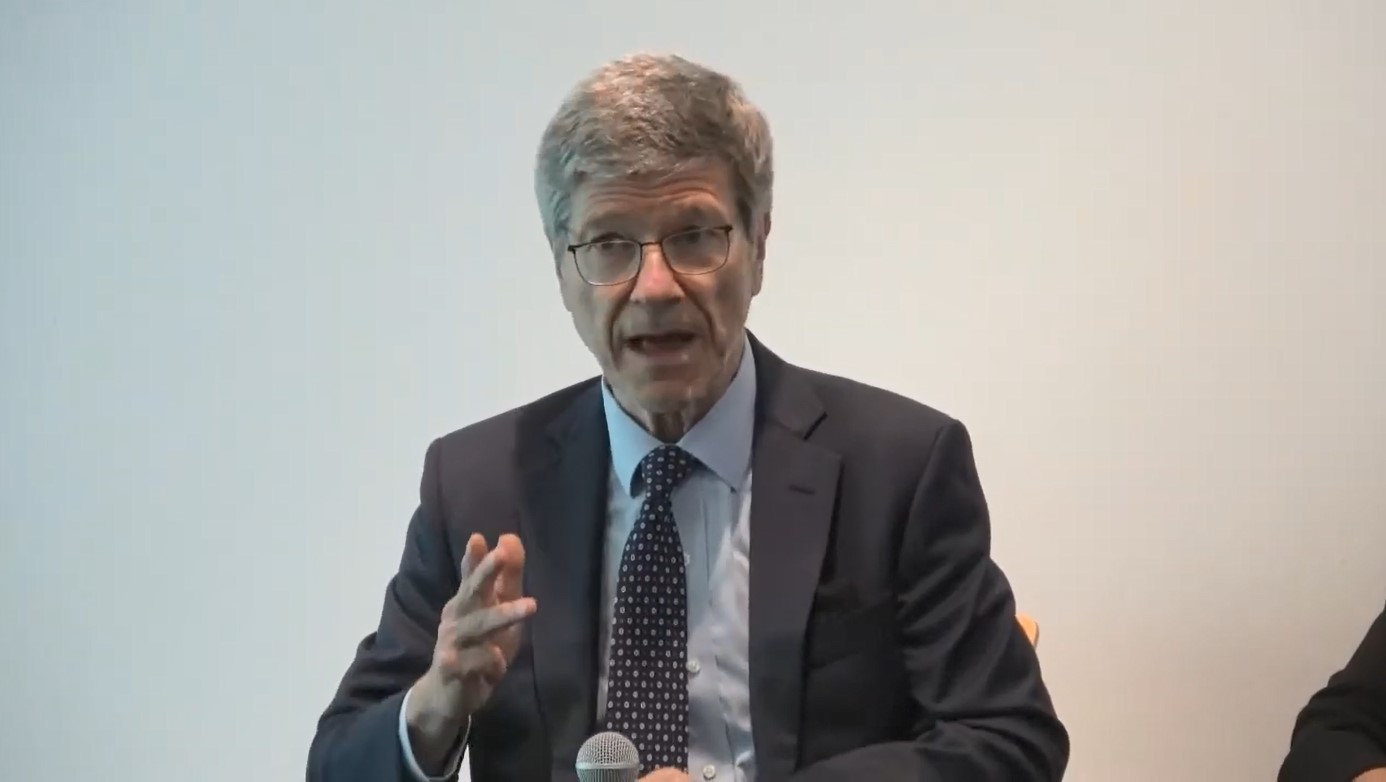 The renowned economist Professor Jeffrey D. Sachs (Celebrity Media Profile Photos)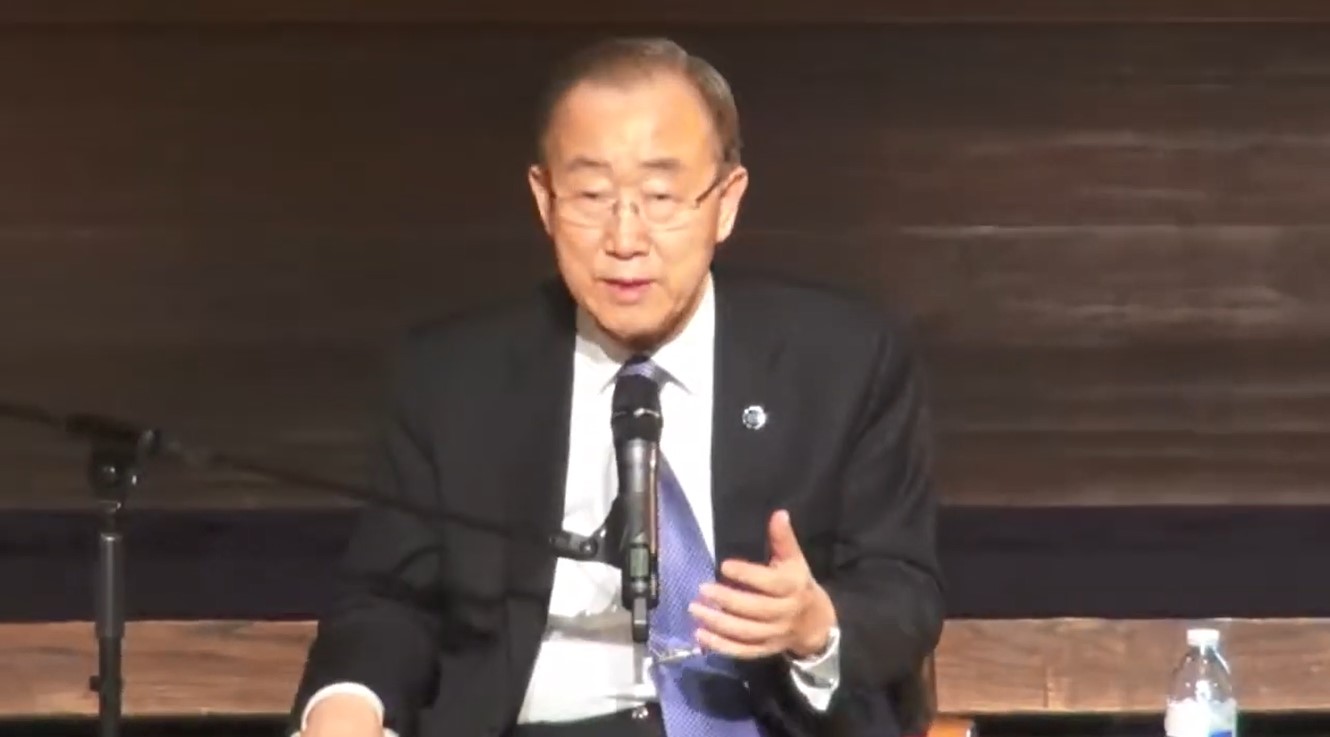
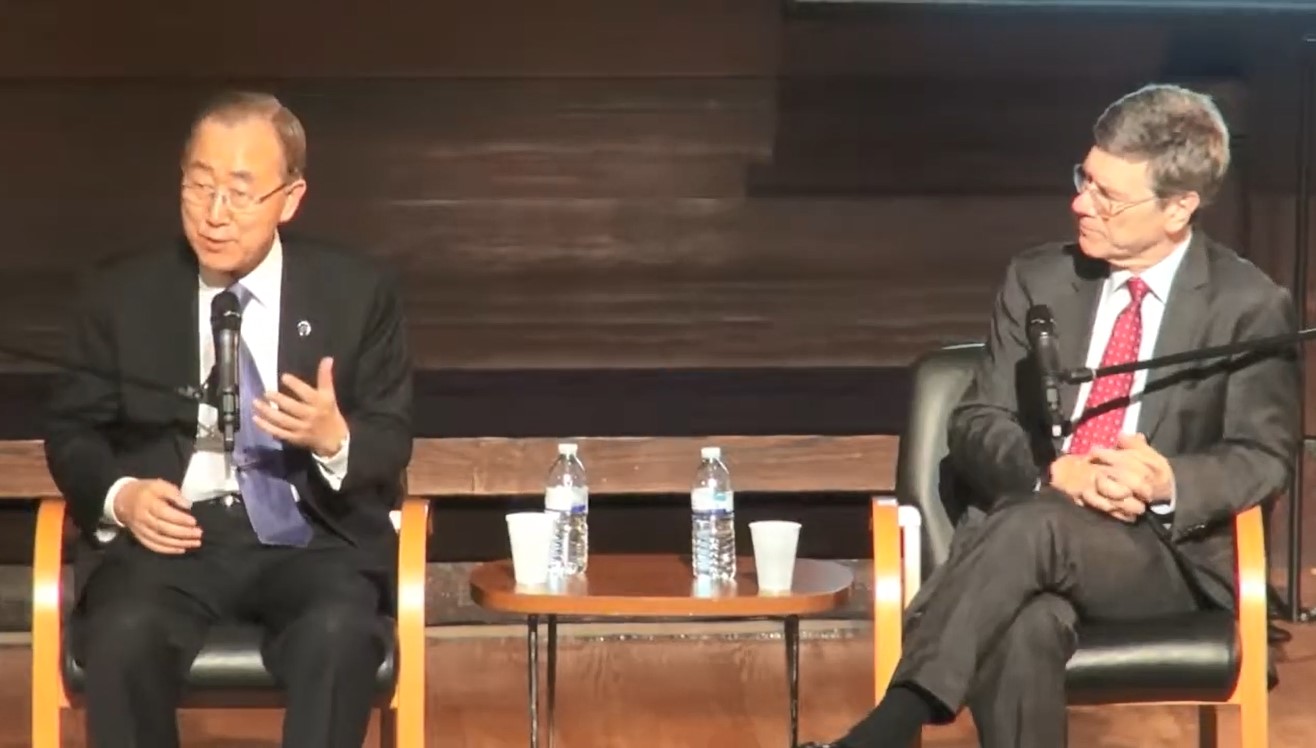
 The renowned economist Professor Jeffrey D. Sachs (Celebrity Media Profile Photos)