YoutubeCelebrity.TV

Celebrity Media Alliance

Six UN Languages News.

منصة وسائل الإعلام المشاهير تبث الأخبار يوم الاثنين باللغة العربية

名人媒体平台星期二使用中文播报新闻

The celebrity media platform broadcasts news on Wednesday in English

La plateforme médiatique des célébrités diffuse les nouvelles le jeudi en français

Медийная платформа знаменитостей вещает новости в пятницу на русском языке

La plataforma de medios de celebridades transmite noticias el sábado en español

Strong UN Better World! 联合国强大 世界更美好!

欧盟委员会主席乌尔苏拉·冯德莱恩:“我们不必接受令人上瘾的社交媒体”
رئيسة المفوضية الأوروبية Ursula von der Leyen: «لسنا مضطرين إلى قبول وسائل التواصل الاجتماعي المسببة للإدمان.»
President of the European Commission Ursula von der Leyen: “We do not have to accept addictive social media.”
La présidente de la Commission européenne Ursula von der Leyen : « Nous ne sommes pas obligés d’accepter des réseaux sociaux addictifs. »
Председатель Европейской комиссии Ursula von der Leyen: « Мы не обязаны принимать социальные сети, вызывающие зависимость. »
La presidenta de la Comisión Europea Ursula von der Leyen: “No tenemos que aceptar las redes sociales adictivas.”
 
News Summary of the Election for the Tenth Secretary-General of the UN

English Media

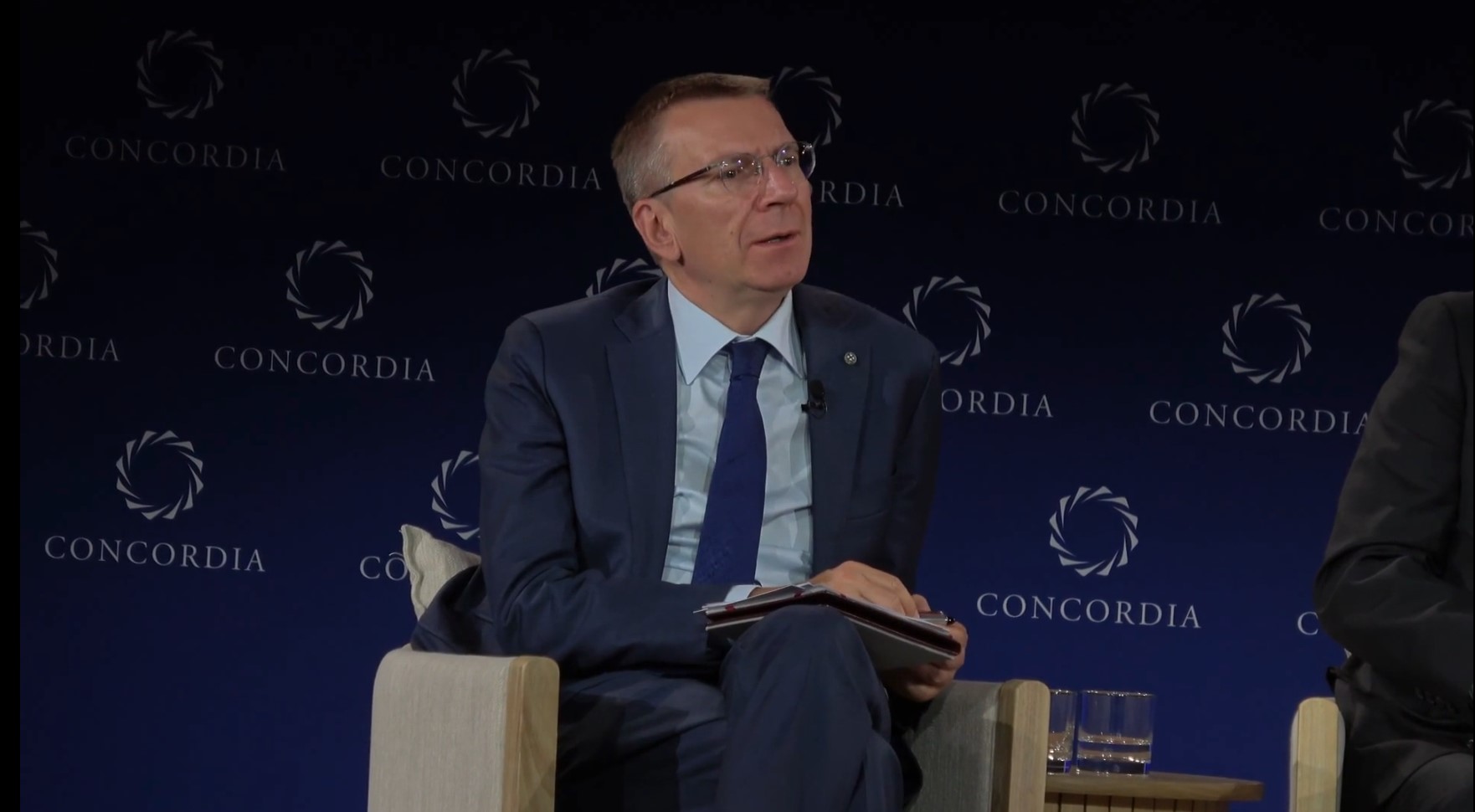
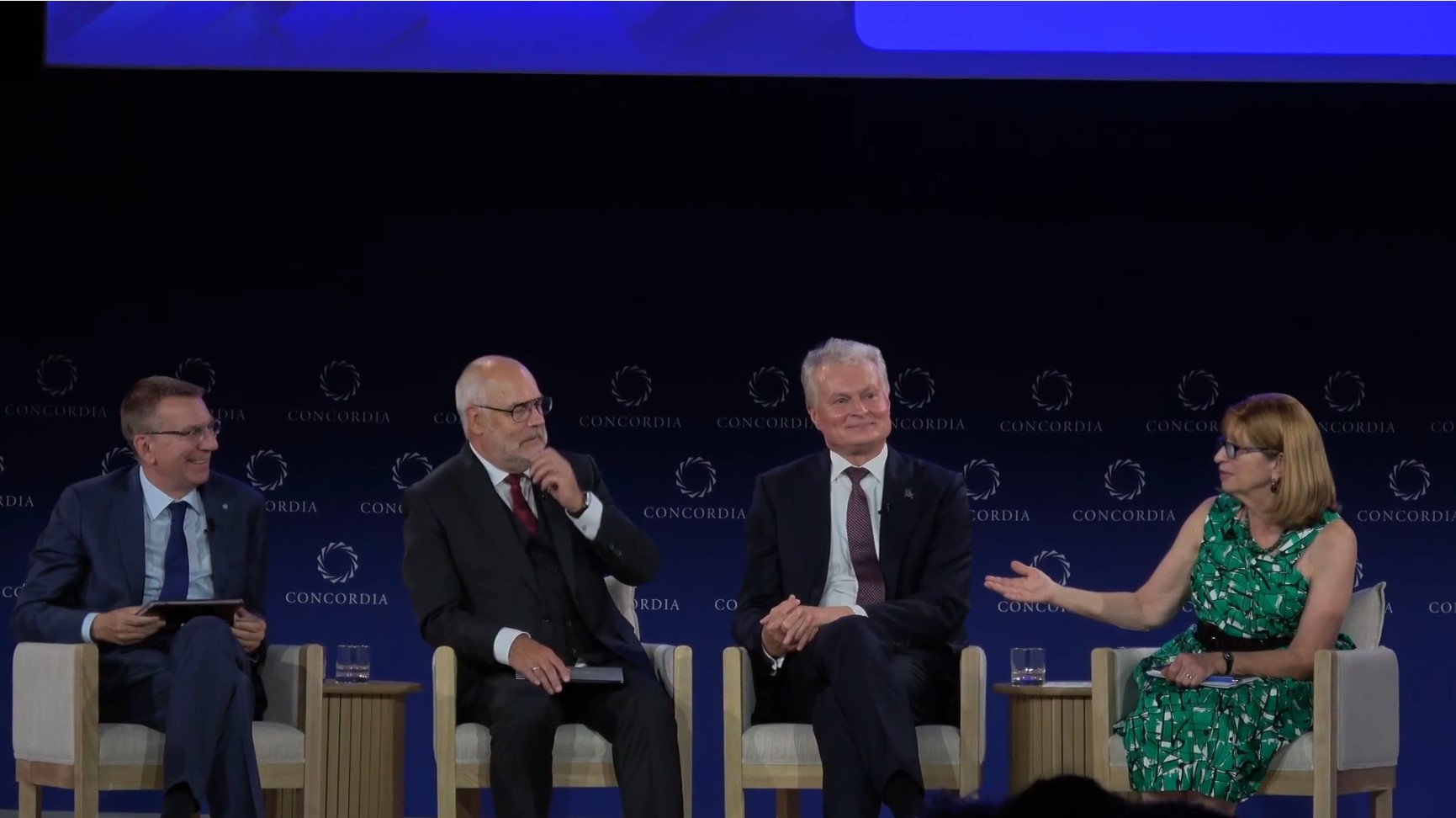
Concordia Annual Summit — The Davos of New York, a pioneer among non-profit organizations

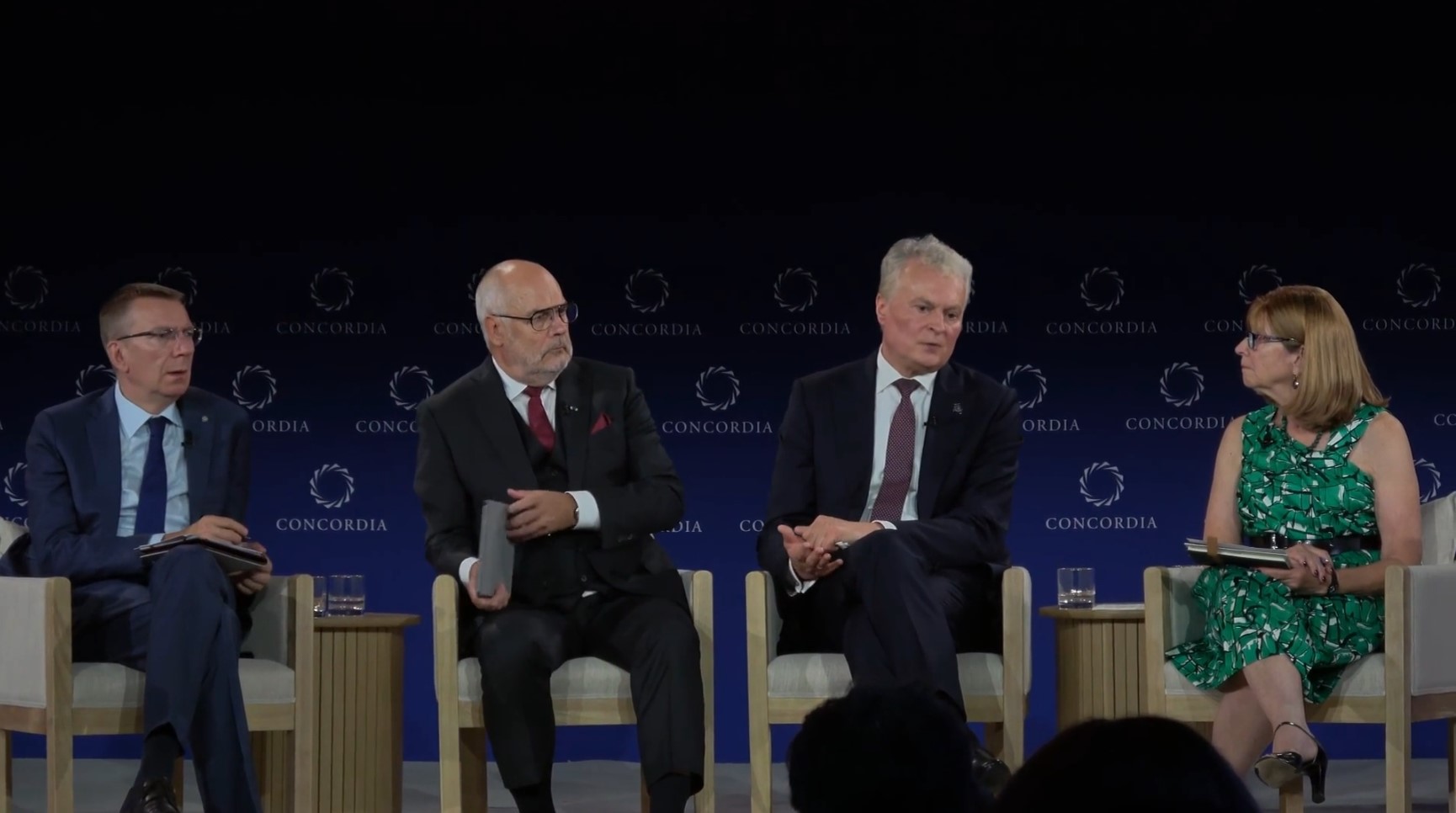
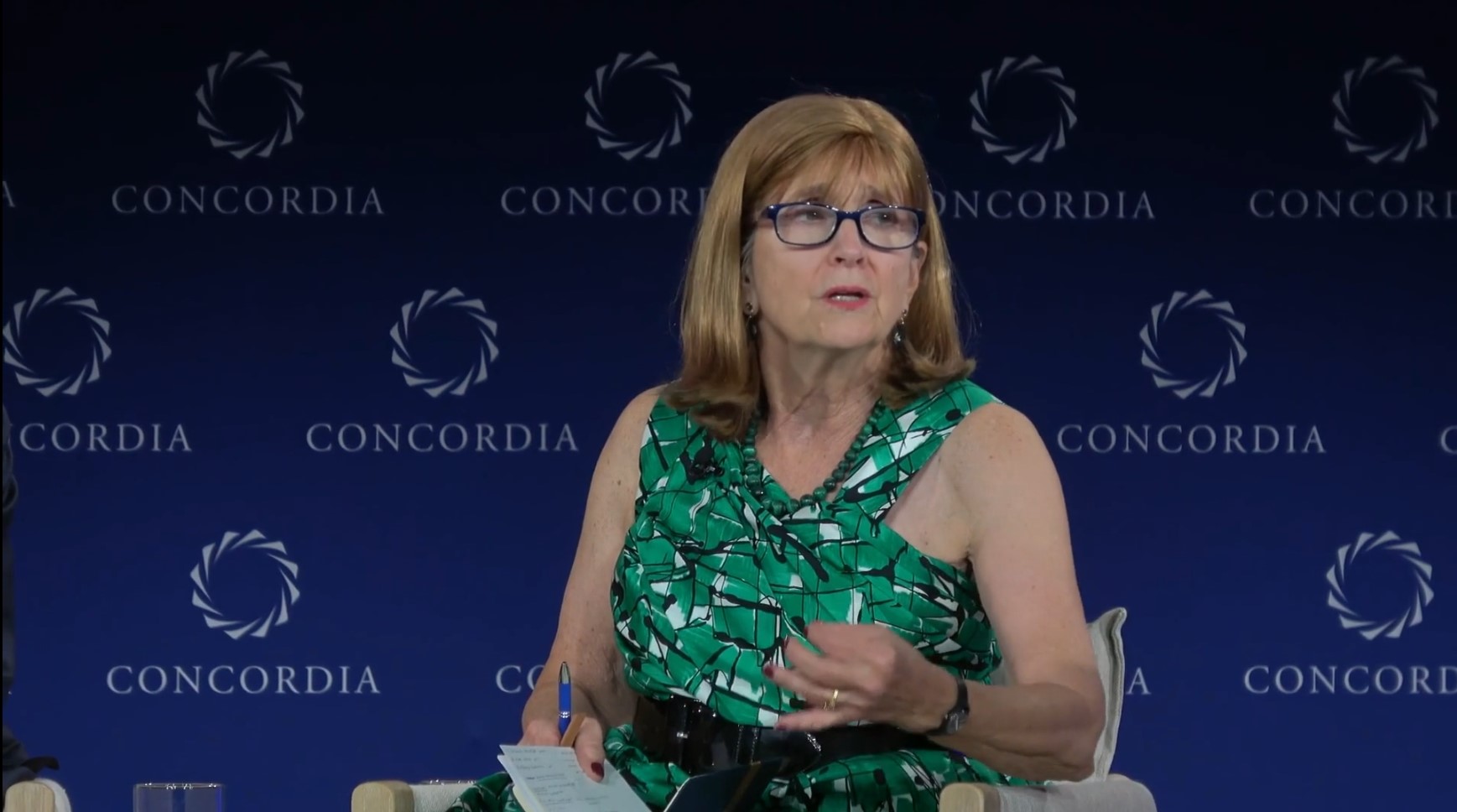
Celebrity Media Commentator: As the world’s attention focuses on the United Nations General Assembly in New York, another gathering of ideas and actions — the Concordia Annual Summit — is quietly stirring a new wave in this global capital. It is hailed as the “Davos Forum of New York,” yet distinct from traditional economic forums. If the Davos Forum in Switzerland is a winter symphony of capital and policy amid snowy peaks, then the Concordia Summit is an autumn consensus of vitality and social responsibility within UN diplomatic activity. As a nonprofit organization, Concordia has become a bridge for cross-sector cooperation, social innovation, and global governance dialogue.

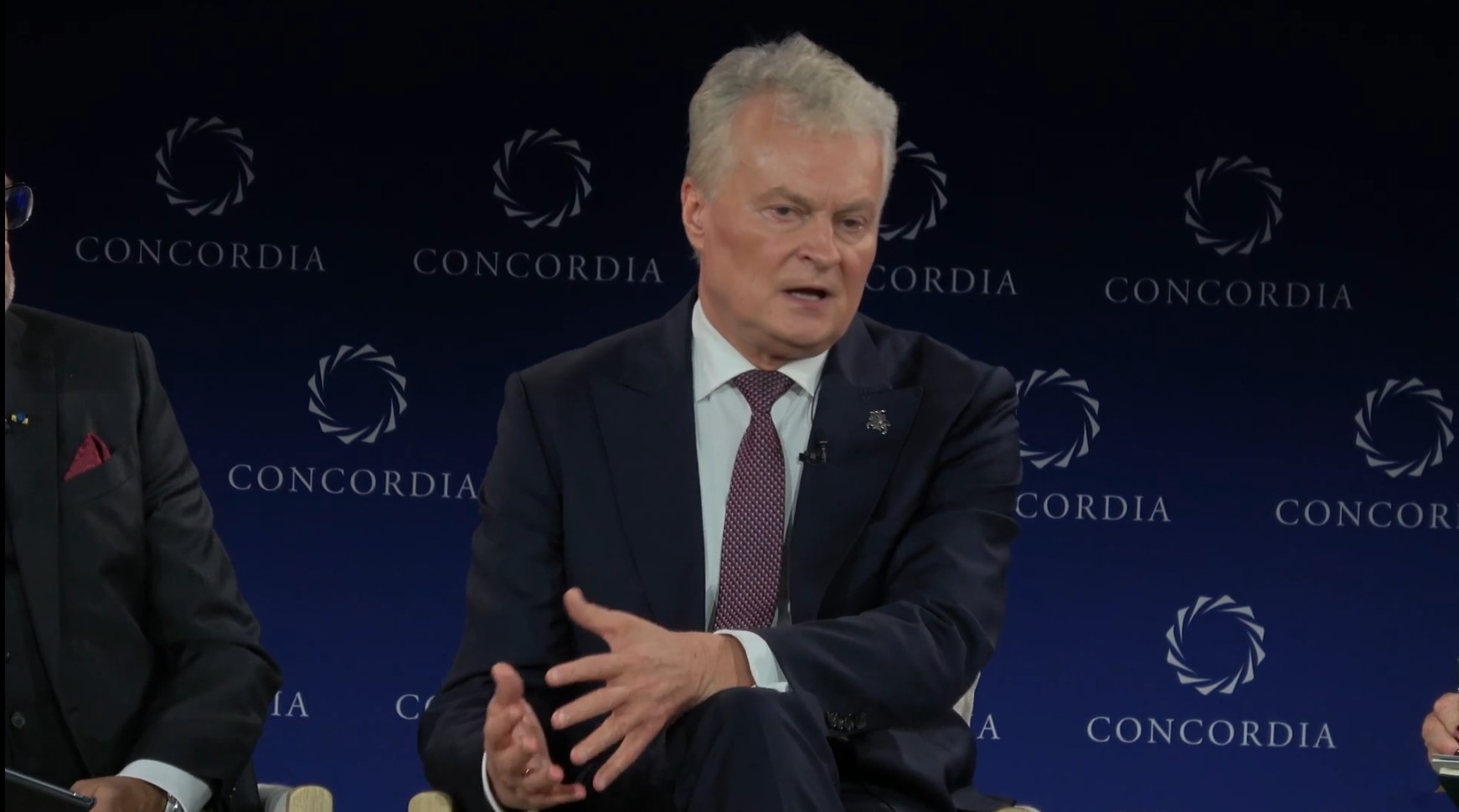
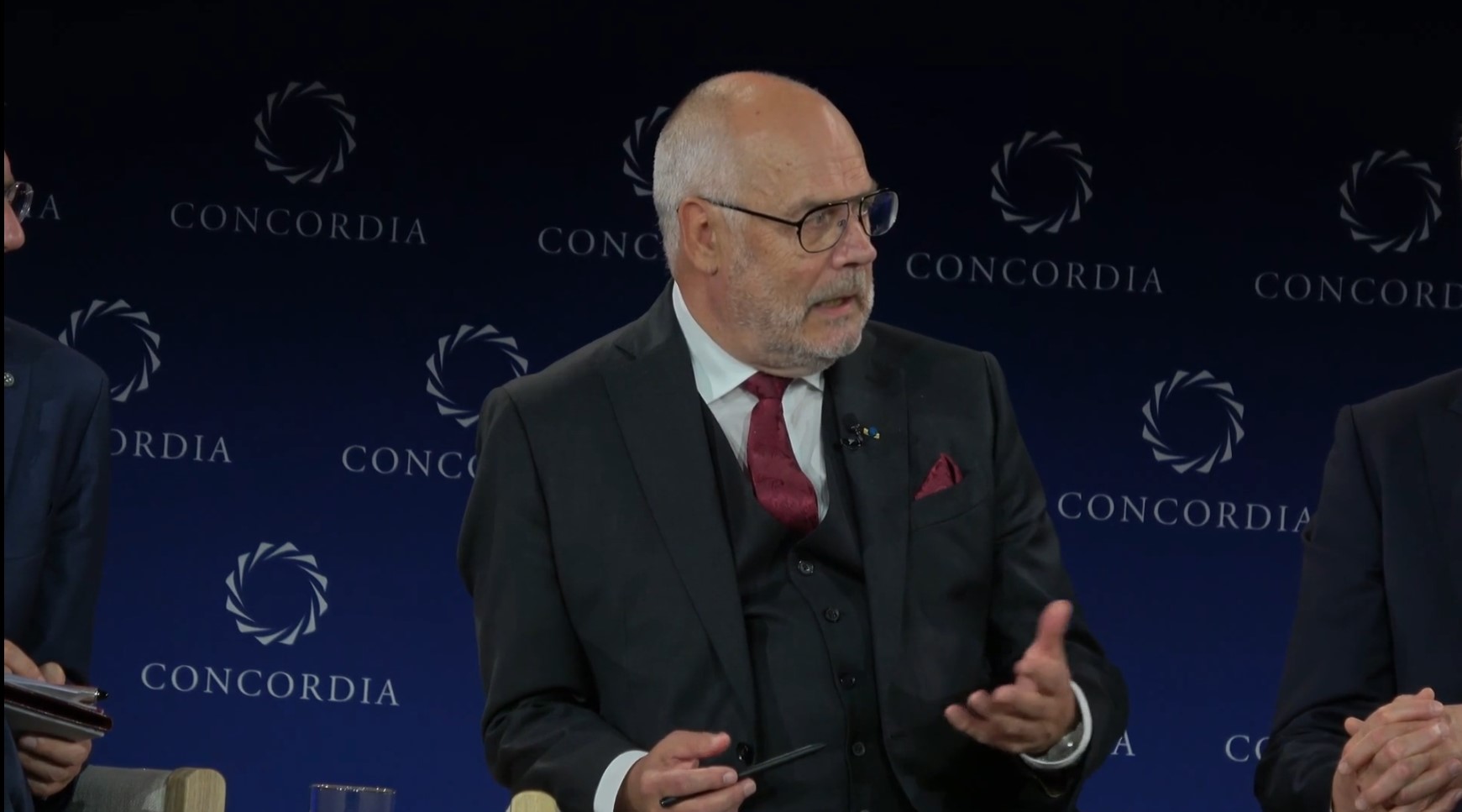
This year’s summit reached an unprecedented scale, gathering more than 300 speakers and holding over 100 sessions within three days, including keynote speeches, roundtable dialogues, panel discussions, and policy launches. During the summit, several European presidents delivered keynote addresses on global governance, energy transition, and the future of geopolitics, while also engaging with international media — elevating the international stature and political weight of this nonprofit event.

This year’s conference featured three main venues dedicated to keynote speeches, cross-sector forums, and innovation showcases, providing participants with a multidimensional platform for expression and exchange. Notably, many speakers and topics focused on the most pressing issues in today’s AI and high-tech fields — artificial intelligence, digital governance, ethical regulation, and tech empowerment became the focal points. Numerous tech leaders and young innovators participated actively, infusing the summit with a vibrant sense of the times and underscoring Concordia’s unique role as a pioneering nonprofit — guiding the balance between social innovation and public value at the intersection of global governance and technological revolution.

Participants came from all over the world — heads of government, business leaders, heads of philanthropic organizations, social innovators, and academic experts — to discuss global issues such as economic growth, the climate crisis, public health, educational equity, and technological ethics. The significance of Concordia lies not only in gathering ideas but also in fostering tangible collaboration across sectors: enabling the public sector to hear corporate voices, helping market forces understand social responsibility, and bringing nonprofit ideals into the context of international policymaking.

As emphasized in the closing remarks by the organizers: “Concordia is more than just an event.” This statement reveals the essence of the summit — continuously advancing social impact initiatives and expanding the boundaries of cross-sector collaboration throughout the year. From the upcoming “New Horizons Summit” in the Dominican Republic, to the Horizons series in Texas centered on economic and civic leadership, to the environmental innovation program launching in Colombia’s Amazon region, Concordia is turning its ideals into action — transforming nonprofit spirit into driving power for solving global challenges.

Concordia’s influence has already surpassed the traditional framework of conferences. Like the Davos Forum, it gathers global elites — but with a nonprofit spirit as its engine, it drives global dialogue from the language of capital to that of public good. It transforms “cooperation” from diplomatic rhetoric into a practical path for the shared progress of humankind.

In an age full of uncertainty, Concordia represents a new model of international consensus — integrating the multilateral spirit of the United Nations, the global vision of Davos, and the social mission of nonprofits, thereby building new trust mechanisms among governments, businesses, and civil society.

As one participant remarked: “Concordia shows the world that true power lies not in applause or capital, but in the sincerity of people willing to sit down, listen, understand, and build together.”

We have reason to believe that if the Davos Forum symbolizes a winter summit of capital and policy, then in the future, Concordia will become the warmest intellectual beacon of New York’s autumn — igniting sparks of cooperation with nonprofit faith, and linking technology and humanity’s future through the warmth of society.

UN marks 80th anniversary of its founding

A wide view of the high-level meeting of the General Assembly to commemorate the eightieth anniversary of the establishment of the United Nations.UN Photo/Loey Felipe  A wide view of the high-level meeting of the General Assembly to commemorate the eightieth anniversary of the establishment of the United Nations.

Music, memories and messages of peace filled the UN General Assembly Hall on Monday as the world body commemorated 80 years since its founding. 

The ceremony was held as world leaders arrived in New York for the annual debate in the historic chamber, which was darkened and bathed in blue light for the milestone event.

Assembly President Annalena Baerbock recalled how the UN was founded in the aftermath of two world wars and “the unspeakable horrors of the Holocaust”, at a time when 72 territories were still under colonial rule.

World at a crossroads

The signing of the UN Charter on 26 June 1945 “was a promise from leaders to their peoples, and from nations to one another, that humanity had learned from its darkest chapters,” she said.

Yet, “the hours indeed feel dark once again”, with crises in Gaza, Ukraine, Sudan and Haiti, alongside “unfiltered hatred online”.

“As we mark 80 years of our United Nations, we are once again standing at a crossroads,” Ms. Baerbock told delegates.

We cannot take the easy path and simply give up. We have to choose the right path; to show the world that we can be better together,” she said, echoing her theme for this landmark session of the General Assembly

A place for all nations

UN Secretary-General António Guterres also returned to the Organization’s earliest days, noting that many of the first staff members and delegates “bore visible wounds from war”.

These people were not idealists but had seen the worst of humanity and knew that “peace is the most courageous, the most practical, the most necessary pursuit of all,” he said.

“In building the United Nations, they created something extraordinary. A place where all nations – large and small – could come together to solve problems that no country can solve alone.”

UN principles ‘under assault’

The Secretary-General warned that “the principles of the UN are under assault as never before.”

“As we meet, civilians are targeted, and international law trampled,” he said. Furthermore, poverty and hunger are rising as progress to achieve the Sustainable Development Goals (SDGs) falters, while the climate crisis rages.

“At the same time, we are moving towards a multipolar world,” he added.

“To meet these challenges, we must not only defend the United Nations – but strengthen it.”

He urged the international community “to rise to this moment with clarity, courage, and conviction” and “realize the promise of peace.” 

UNGA 80 – Secretary-General interview with UN News by the Under-Secretary-General for Global Communications

UNGA 80 – Secretary-General interview with UN News by the Under-Secretary-General
for Global Communications
Available in: Arabic · Chinese · English · French · Russian · Spanish

UNGA:Commemoration of the UN@80: A Living Legacy Fills us with hope

Celebrity Media Commentator: On the 80th anniversary of the founding of the United Nations, the UN Headquarters in New York witnessed an evening full of emotion and reflection. Delegates took the stage to speak about history, express their beliefs, and look to the future.

This year's theme is “Living Legacy.” It is not just a tribute, but also a reminder — the United Nations is not a museum. It is alive, evolving, and a symbol of hope.

Melissa Fleming, Under-Secretary-General for Global Communications, hosted the commemoration. She said with anticipation: “Friends of the United Nations have joined us today. I hope you feel inspired. I hope you sense the incredible and rich history of the UN — something we are all proud of. But we also have a renewed UN, one we can create together. This is part of its living legacy.”

In darkness, history chooses unity: UN Secretary-General António Guterres gave a passionate speech, bridging reality and ideals: “It is only in the darkest times, when despair and division deepen, that humanity unites to create history.”

These words carry weight. As of 2025, the war in Ukraine has not ended, the humanitarian disaster in Gaza is shocking, and Sudan is mired in deadly civil war. The world is unstable, trust is collapsing, and multilateralism is under threat.

Nevertheless, Secretary-General Guterres emphasized: “The UN lives in your heart. It lives in the heart of every peacekeeper and humanitarian.” In this era of extreme uncertainty, such personal and emotional expression gives the UN a human and warm face.

New President of the 80th UN General Assembly, Annalena Baerbock: Don't let the UN exist only in postcards. She shared the story of a postcard from 1953 — a young man wrote to his family after visiting the UN.

“The UN was still new then, but already important to people.” Her reminder hits home: Do we still remember the original purpose of the UN? Do we treat it as part of real life rather than a distant symbol?

She said: “We often forget that behind the bureaucracy and diplomacy, this institution affects countless lives every day.” This warning comes at a crucial time — only by reconnecting with the people can we sustain this legacy in times of crisis.

UN Women Executive Director Sima Sami Bahous: Protecting women is protecting the future. In her speech, the Deputy Secretary-General and UN Women Executive Director cited shocking statistics: “In 2024 alone, 168 UN personnel died in the line of duty. 700 million girls are living in conflict zones.”

She further stated: “Since 2020, the female poverty rate has stagnated; 78 million women have been excluded from the workforce due to unpaid care work.” These figures highlight the ongoing gender injustice. Her conclusion was one of the most powerful lines of the event: “Investing in women and girls is investing in a sustainable, peaceful, and prosperous future.”

When the Taliban shuts down girls’ schools and women are excluded from reconstruction in conflict zones, the UN must not only speak out but act.

Voices of Youth: Peace must begin in kindergarten. Youth representatives Rashali Gakwad and Bian spoke on behalf of the new generation — the inheritors of tomorrow’s legacy.

Rashali said: “We engage with global leaders on world issues, sharing youth perspectives, innovations, and dreams.” She discussed topics like the digital divide, peacebuilding, and artificial intelligence, expressing strong desire for youth participation.

Bian, representing the “VRUSHALI GAIKWAD and BIRCAN UNVER.” introduced a five-year initiative titled “Mandatory Peace and ICD Education”: “We must start peace education in kindergarten, fostering peace consciousness from a young age.”

Her words were touching. In a world with uneven education and increasing ideological conflict, this was a cross-generational, systemic peace initiative.

This is not a future vision — it's a call for action now.

Senior UN official Catherine Pollard: The UN is not to take us to heaven, but to prevent us from going to hell. Deputy Secretary-General Catherine Pollard recalled her experience since joining the UN in 1989: “I have ‘institutional memory’ and could almost be a fossil.”

Behind the light remark lies deep concern. She quoted Dr. Hammarskjöld: “The UN was not created to take people to heaven, but to save humanity from hell.” In today's financial crises, political gridlock, and frequent attacks, the UN’s ability to fulfill its mission is a matter of survival.

She was blunt: “Reality may be harsher than we imagine, but we must still stand together.” She was not just reporting, she was calling for action.

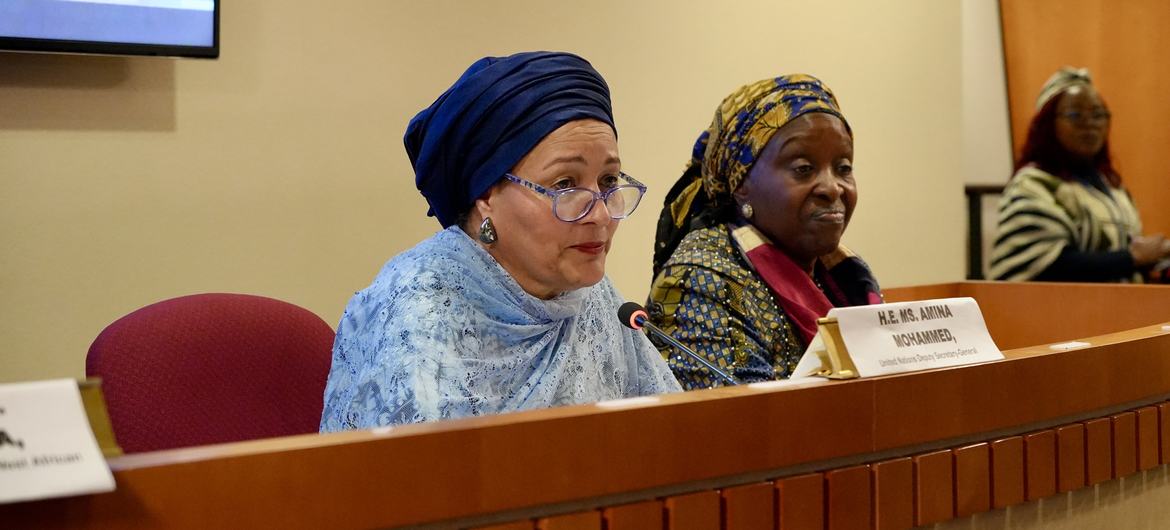
Deputy Secretary-General Amina J. Mohammed’s closing remarks: Climbing mountains and building peace are acts of shared belief. At the event's end, she quoted one of the UN founders: “Climbing and peacebuilding both require persistence, patience, careful planning, and a clear understanding of challenges.”

She described this moment as standing at “base camp,” heading toward a new summit: “We have not reached the peak yet. This is just a milestone. The hardest part is still ahead.”

This was not only self-reflection on the UN’s mission, but a collective reminder. Global inequality persists, climate goals are far behind, and development agendas remain urgent. If the UN cannot act, the world will have nowhere to turn.

Living Legacy is an unfinished mission: 80 years ago, the United Nations was born from the ruins of war. Today, it stands on the plateau of global challenges. “Living Legacy” is not ceremonial rhetoric, but an ongoing mission. Peace, development, human rights, and dignity — these values are not complete, but still in struggle. As the Deputy Secretary-General said: “The true pillars of the UN are the countless silent workers and the youth building the future.”

This legacy should not be sealed in history books, but lived in reality. Let it enter policy, education, and people’s lives. We are not celebrating the UN’s completion — we are reminding ourselves: the real work has just begun.

UN Chief Press Conference ahead of the 80th Session of the General Assembly

UN Chief Press Conference ahead of the 80th Session of the General Assembly
Available in: Arabic · Chinese · English · French · Russian · Spanish