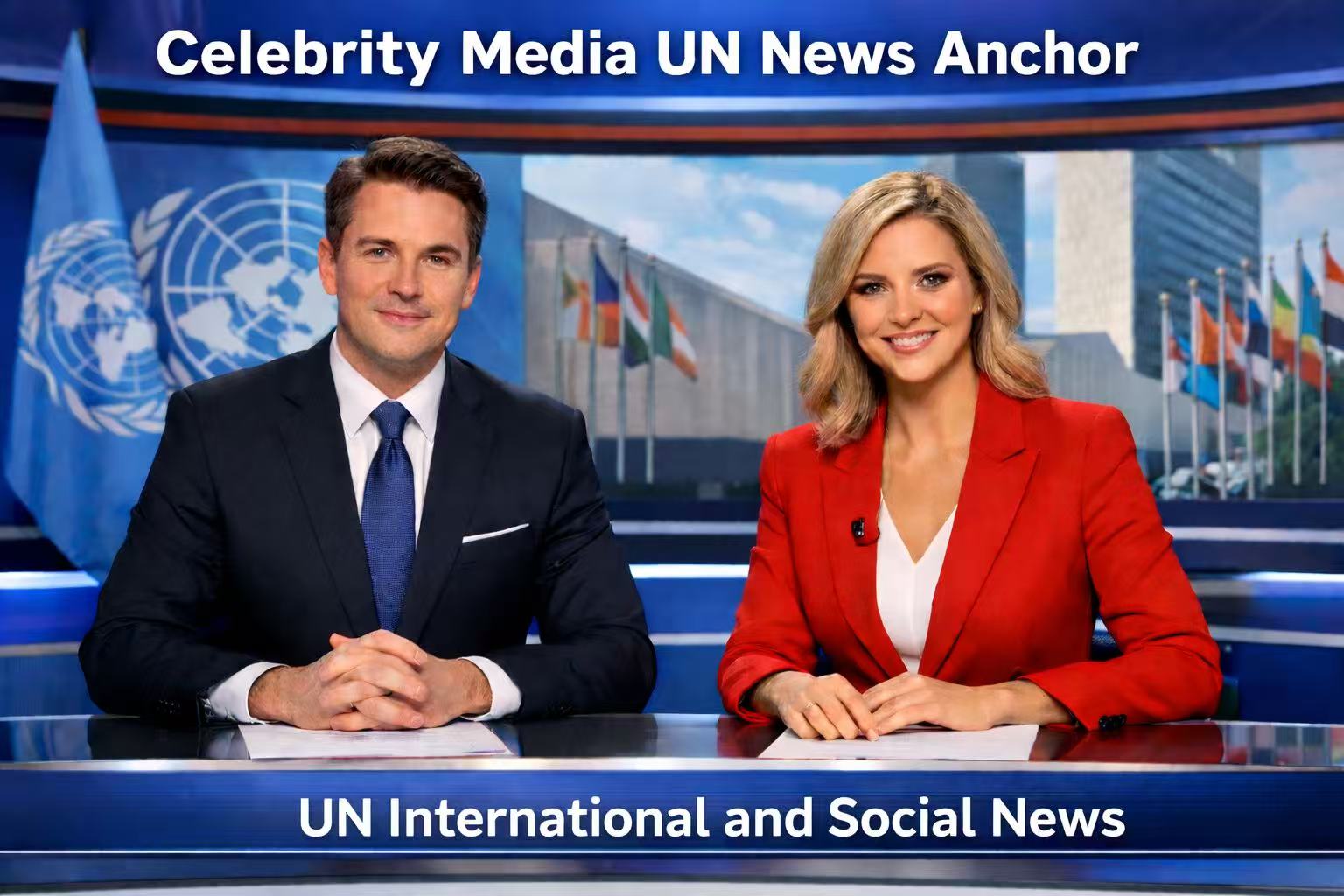
منصة وسائل الإعلام المشاهير تبث الأخبار يوم الاثنين باللغة العربية
名人媒体平台星期二使用中文播报新闻
The celebrity media platform broadcasts news on Wednesday in English
La plateforme médiatique des célébrités diffuse les nouvelles le jeudi en français
Медийная платформа знаменитостей вещает новости в пятницу на русском языке
La plataforma de medios de celebridades transmite noticias el sábado en español
Strong UN Better World! 联合国强大 世界更美好!
María Fernanda Espinosa Garcés 女士在国际和平研究所就任第73届联合国大会主席前的发言
تصريحات السيدة ماريا فرناندا إسبينوسا غارسيس في معهد السلام الدولي قبل توليها منصب رئيسة الدورة الثالثة والسبعين للجمعية العامة للأمم المتحدة
Ms. María Fernanda Espinosa Garcés’ remarks before taking office as 73rd UNGA President At IPI
Déclaration de Mme María Fernanda Espinosa Garcés avant sa prise de fonctions en tant que Présidente de la 73e session de l’Assemblée générale des Nations Unies à l’IPI
Выступление г-жи Марии Фернанды Эспиносы Гарсес в IPI перед вступлением в должность Председателя 73-й сессии Генеральной Ассамблеи ООН
Declaraciones de la Sra. María Fernanda Espinosa Garcés antes de asumir el cargo de Presidenta del 73.º período de sesiones de la Asamblea General de las Naciones Unidas en el IPI
▶
News Summary of the Election for the Tenth Secretary-General of the UN
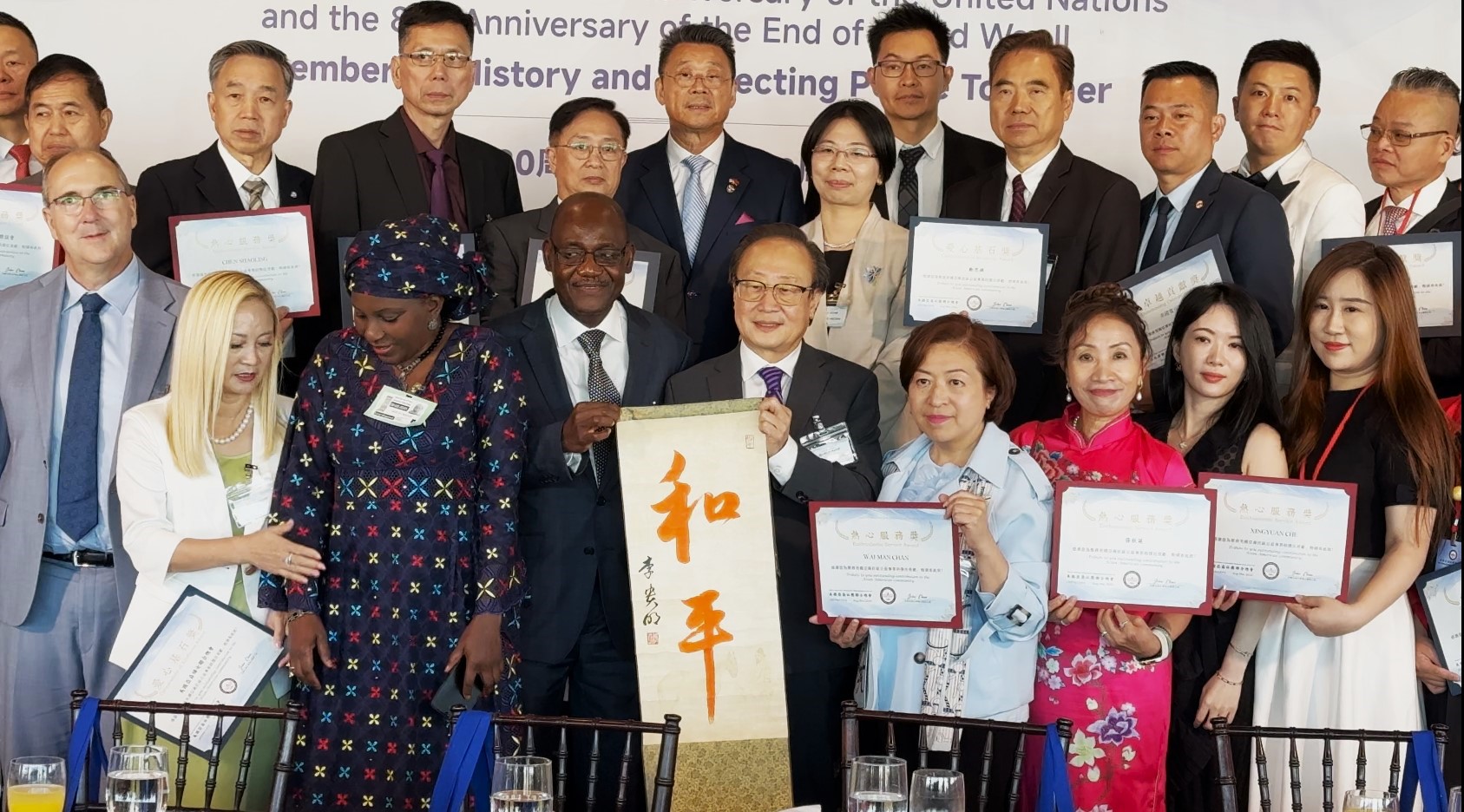
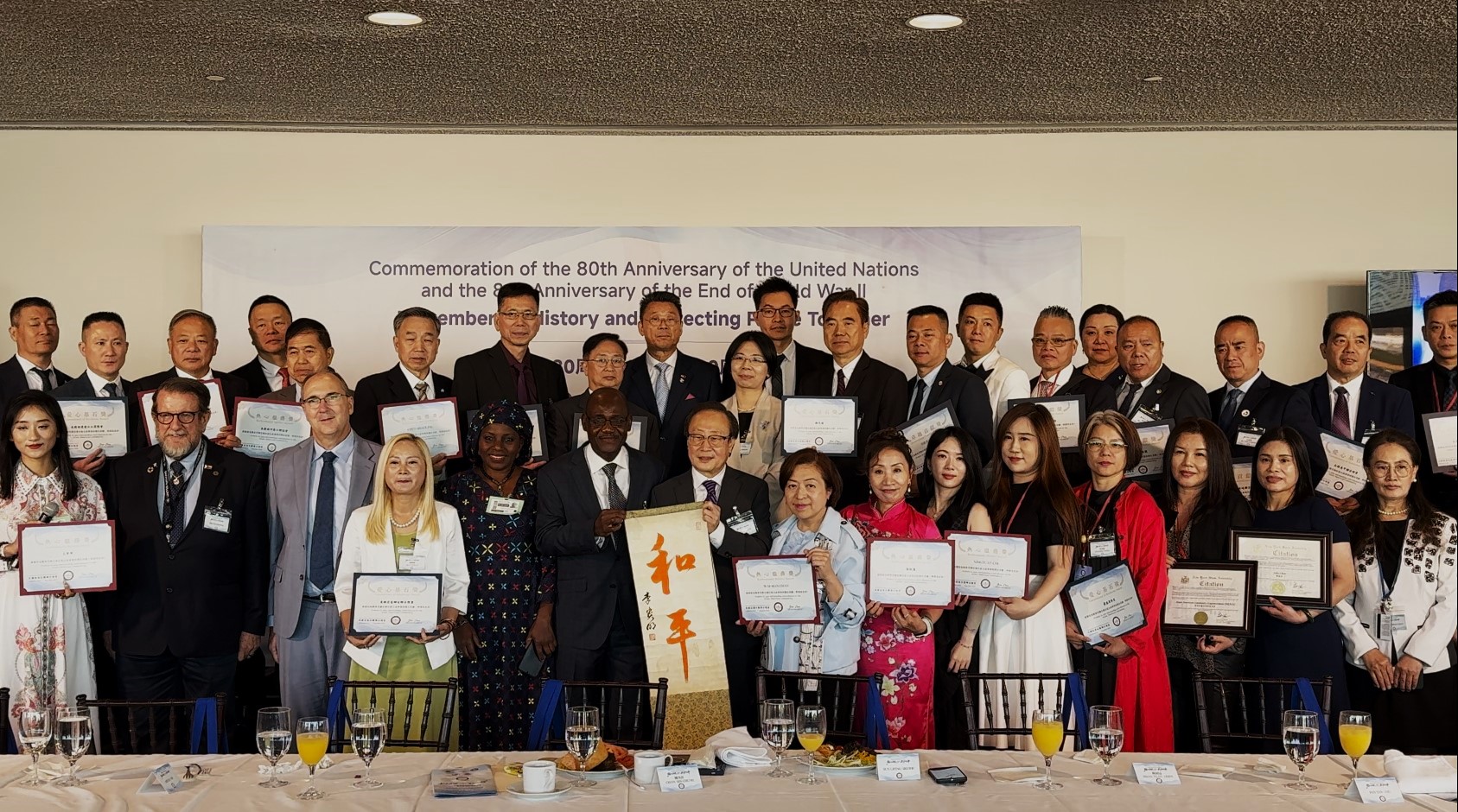
Celebrity Media Commentator: This year marks the special commemorative occasion of the 80th anniversary of the founding of the United Nations and the 80th anniversary of the end of World War II. August 8 is not only a day that carries the weight of history, but also gives new contemporary significance to peace and unity. At this important moment of commemorating the “Double 80,” the overseas Chinese community in the eastern United States successfully held the “Remember History · Safeguard Peace” commemorative event at the UN Headquarters. Chen Li, Consul General of China in New York, attended and delivered a speech. Distinguished guests, including Yongjia Zheng, former Chairman of the UN NGO Committee and a New York State Assemblyman, were present to witness this historic moment together.
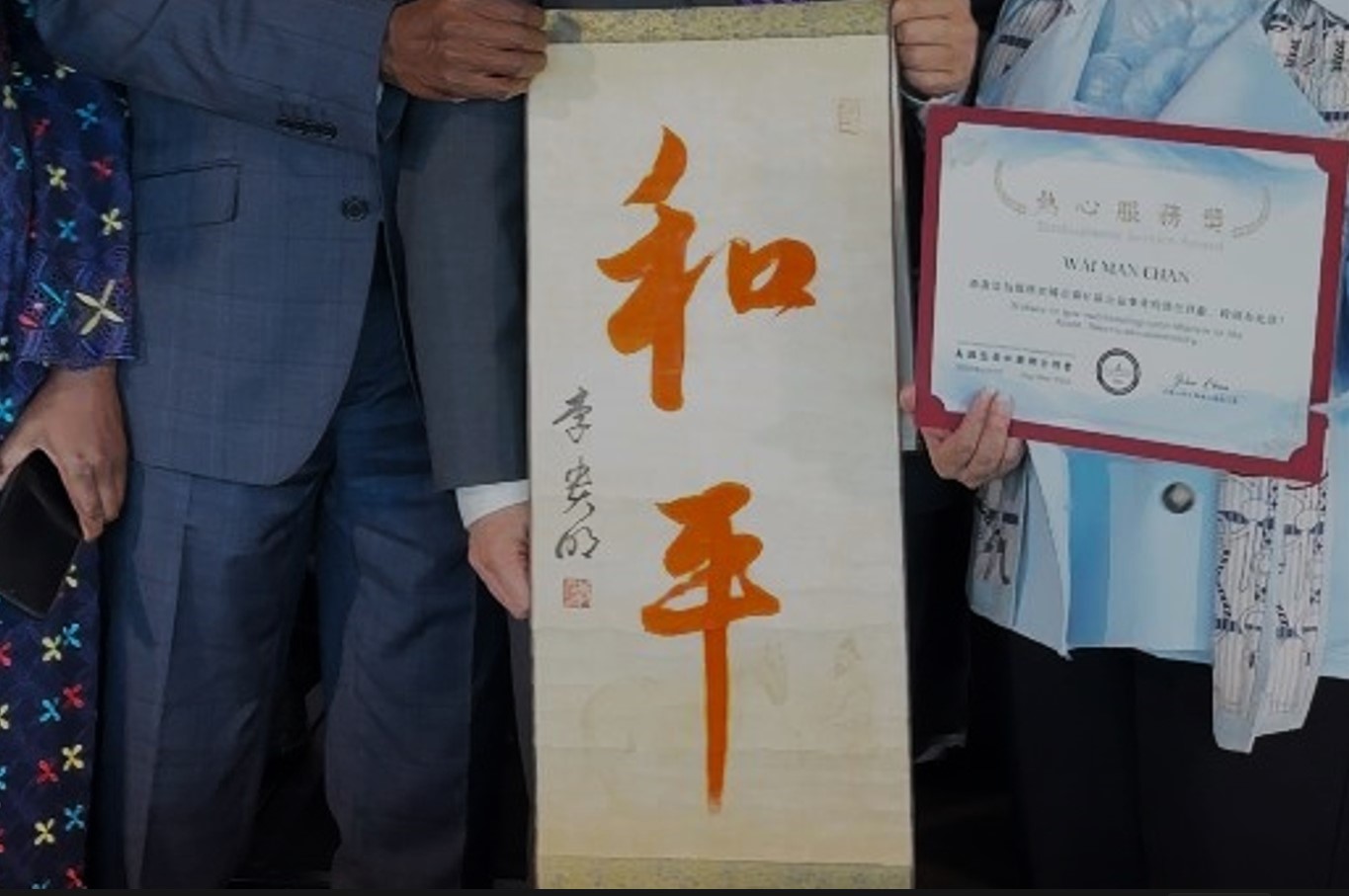
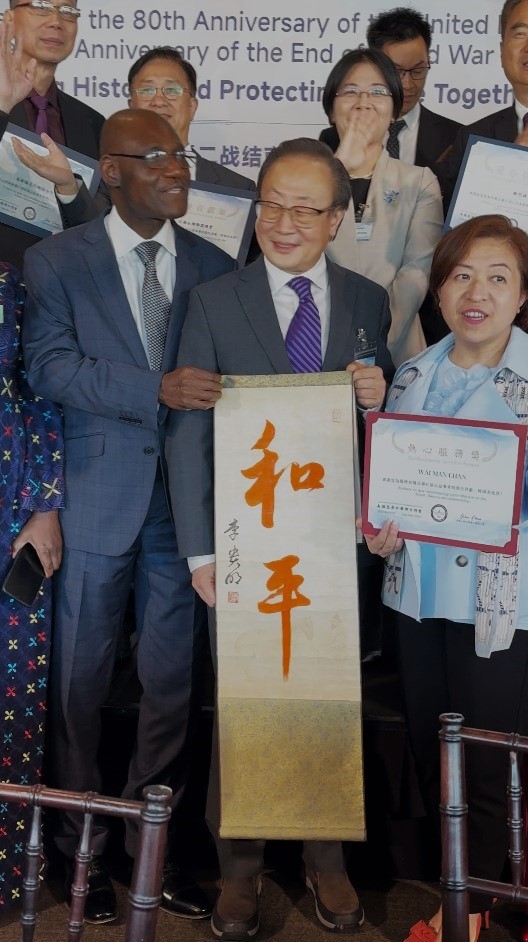
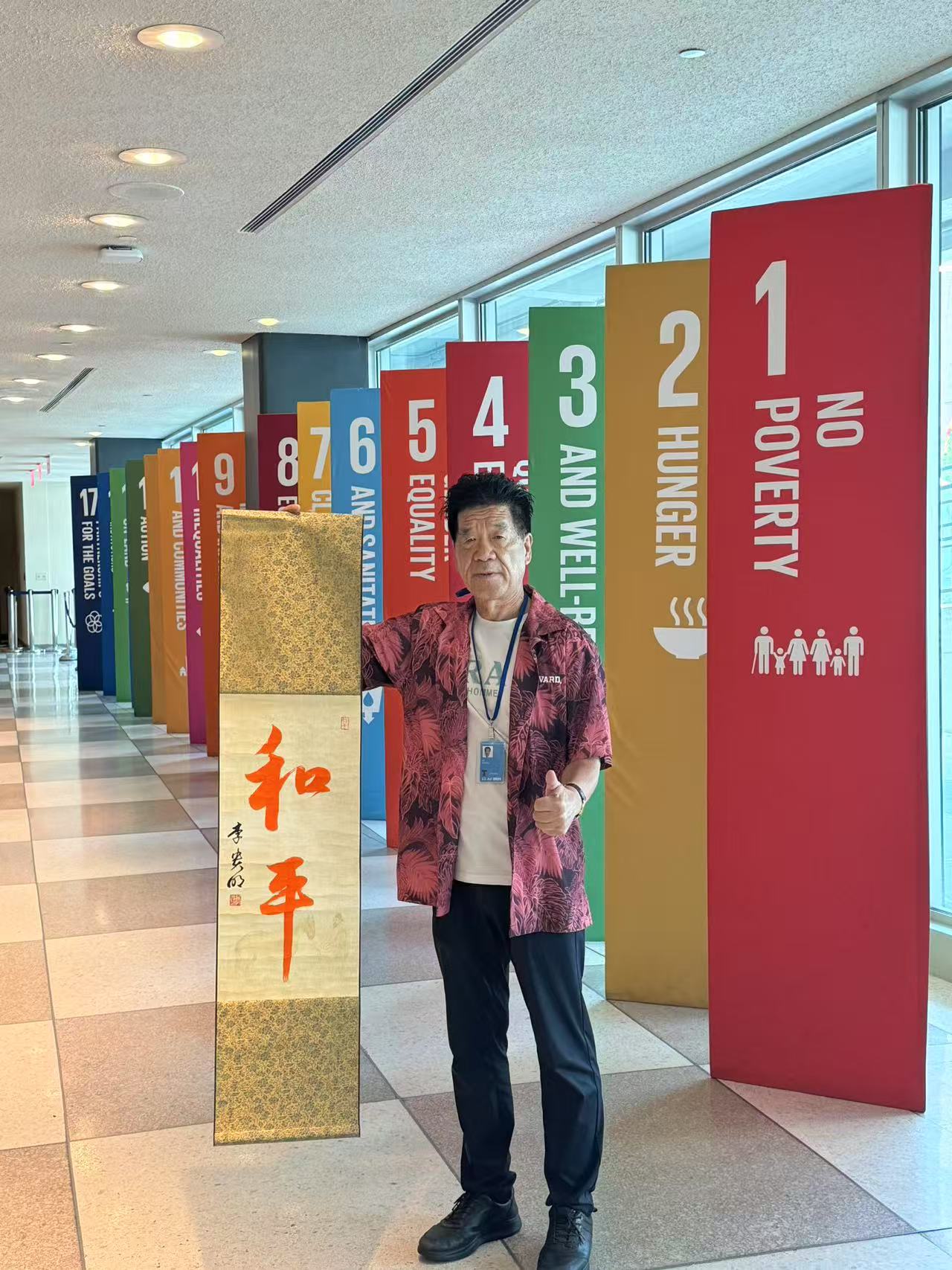
Renowned calligrapher Li Guiming’s Peace Calligraphy Resonates with Songs of World Peace at UN Headquarters
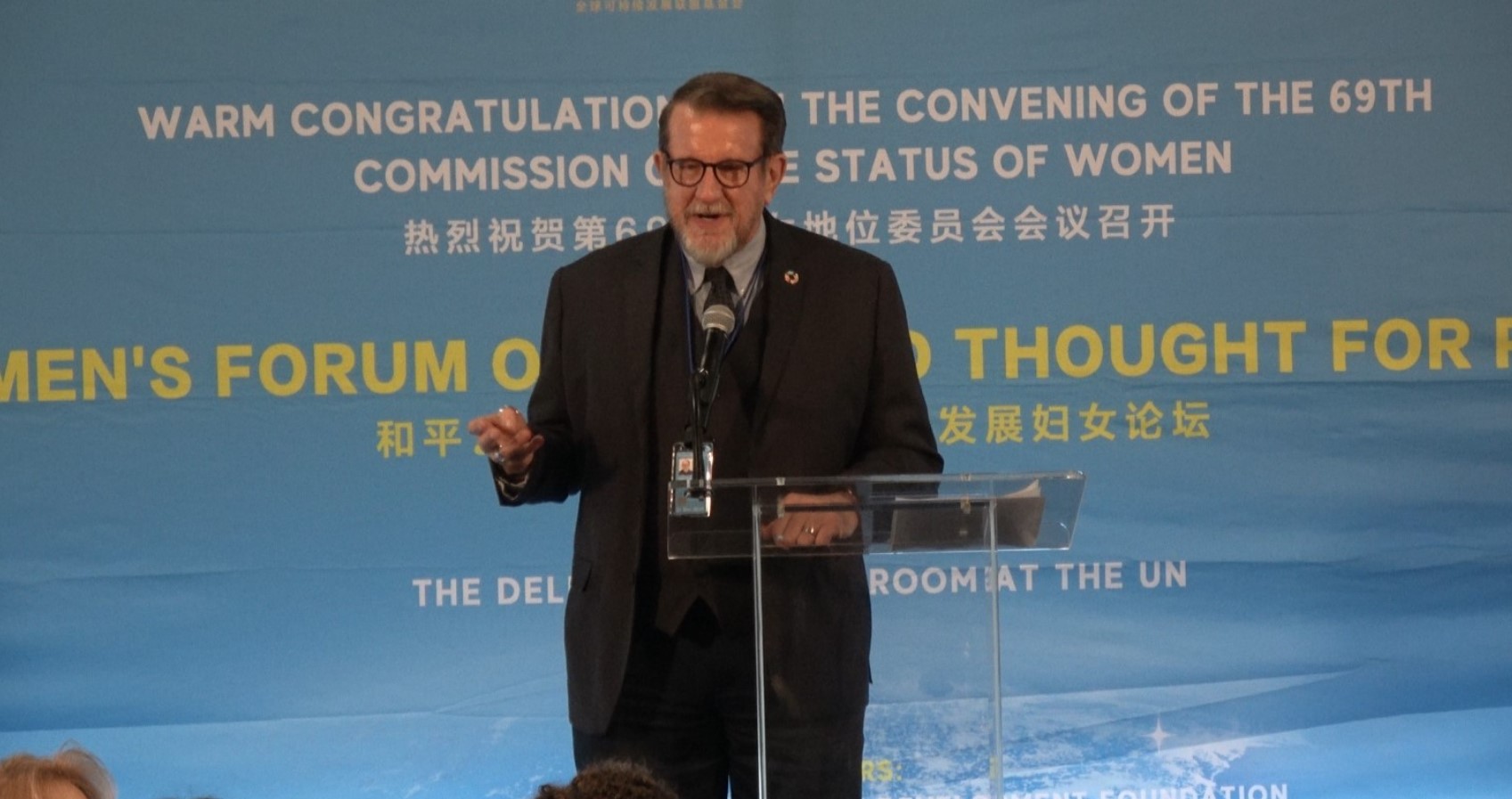
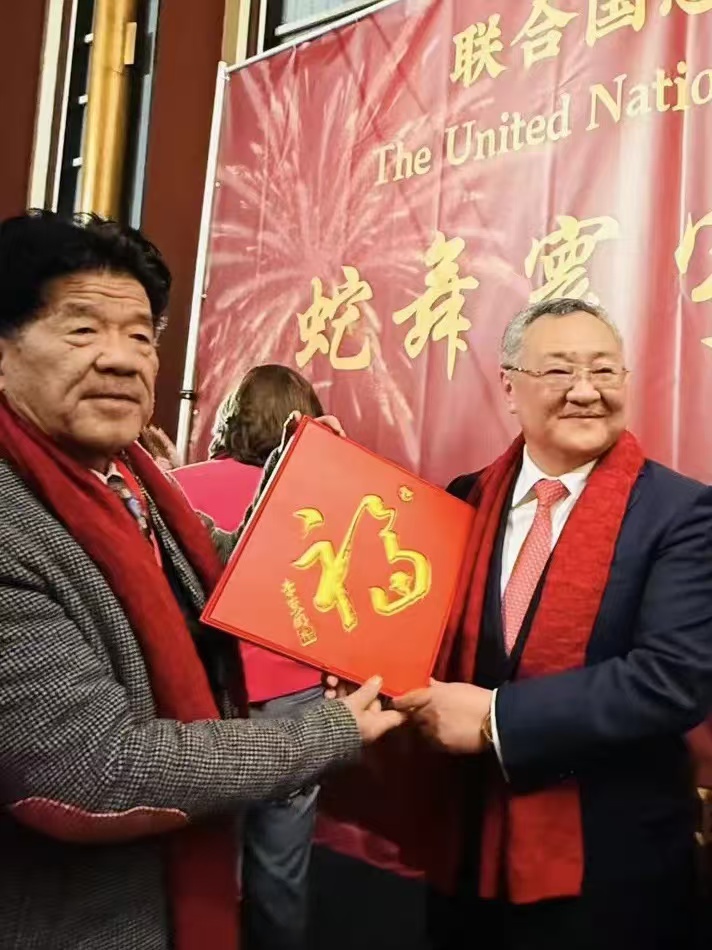
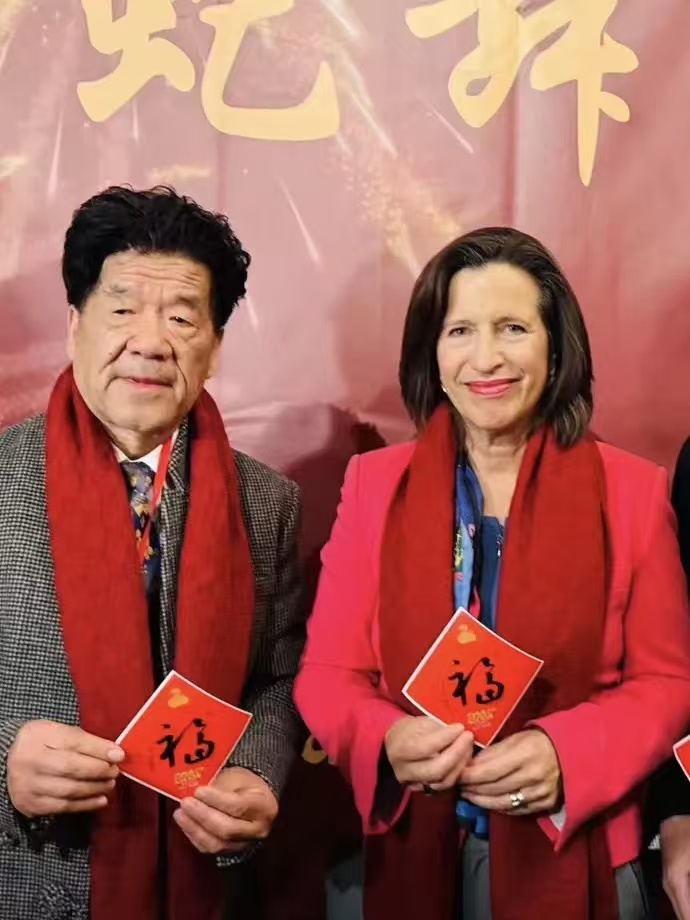
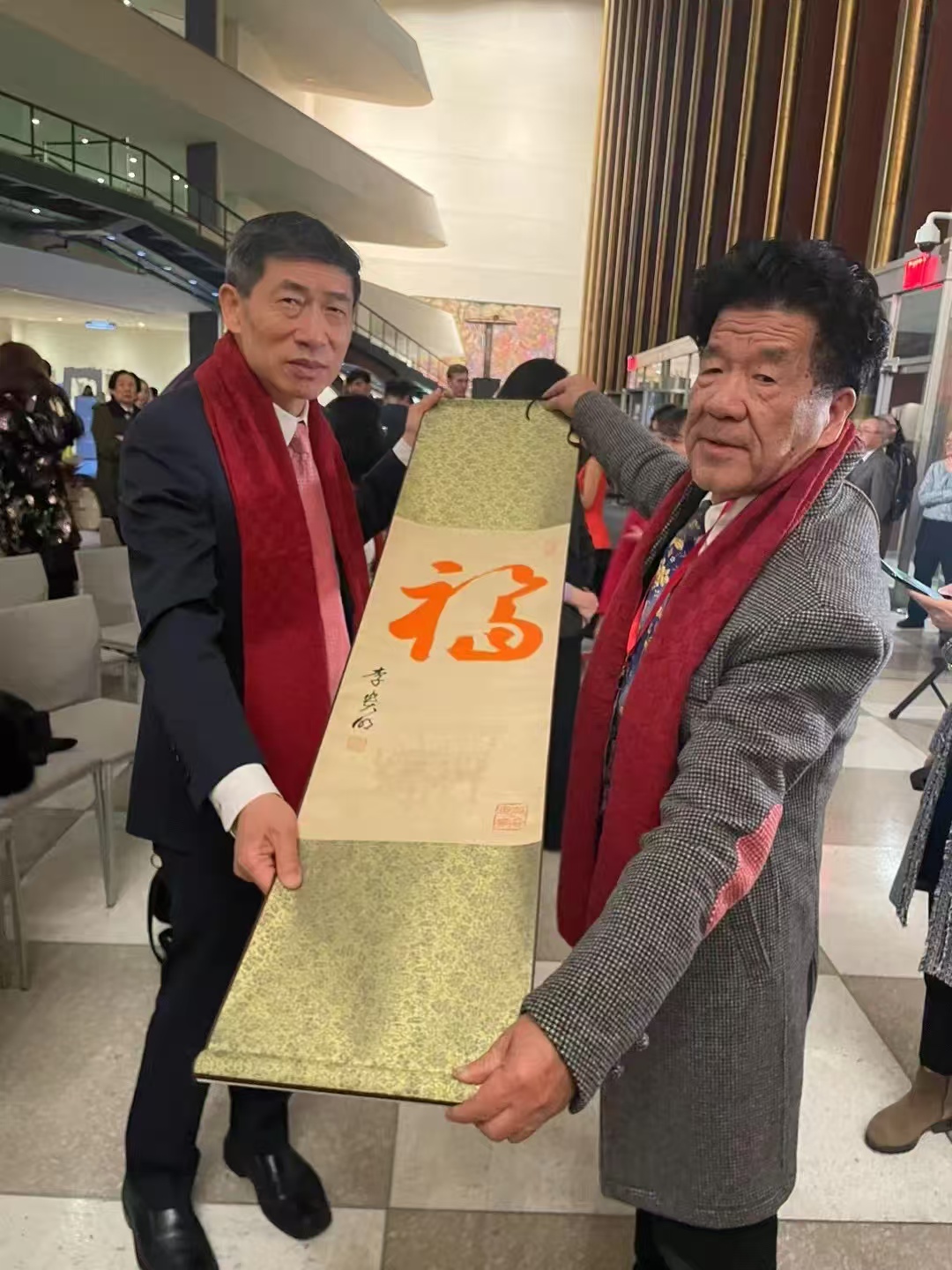
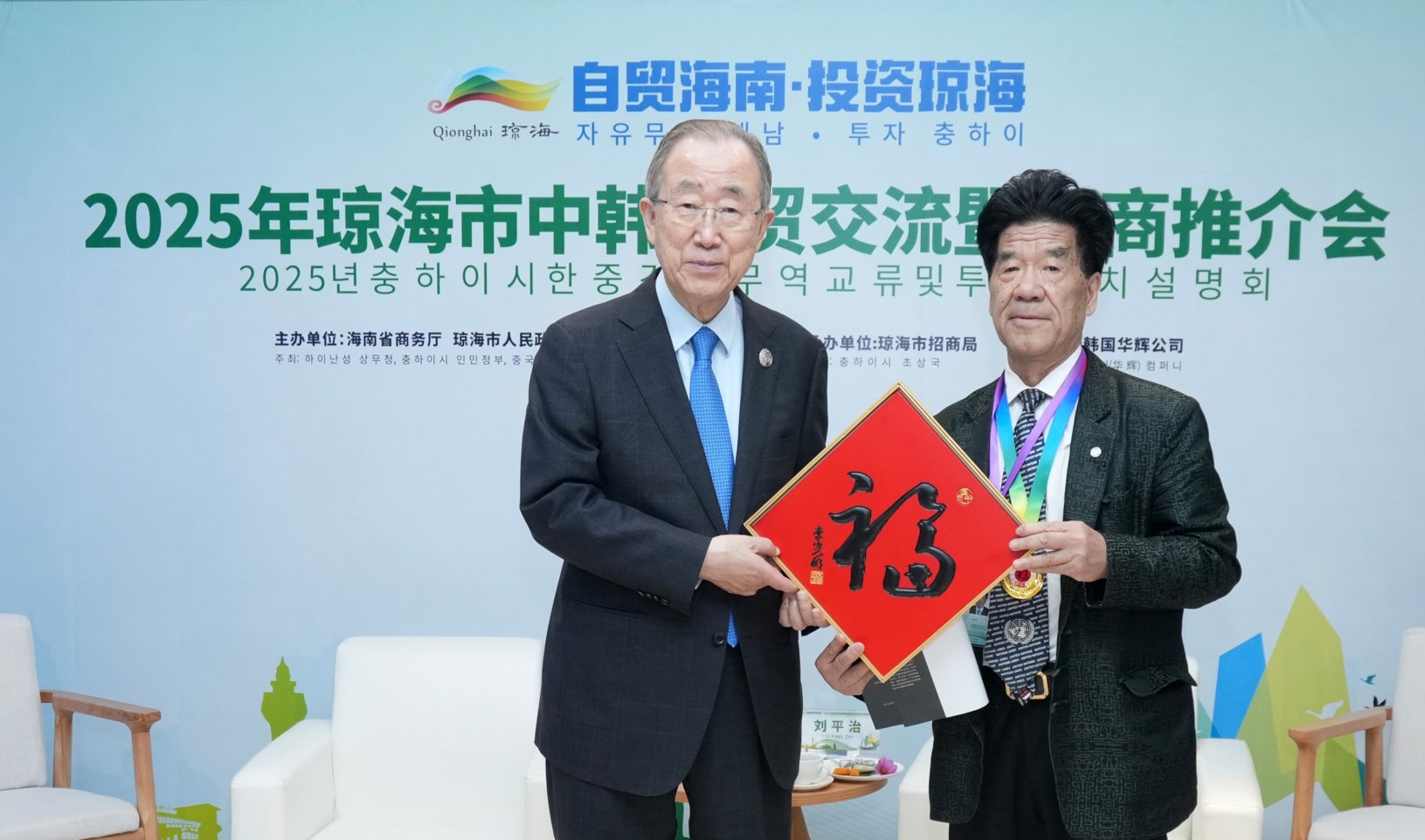
China’s Permanent Representative to the UN, Ambassador Extraordinary and Plenipotentiary Fu CongMelissa Fleming, UN Under-Secretary-General for Global CommunicationsXu Haoliang, UN Under-Secretary-General and Associate Administrator of UNDPFormer UN Secretary-General Ban Ki-moon
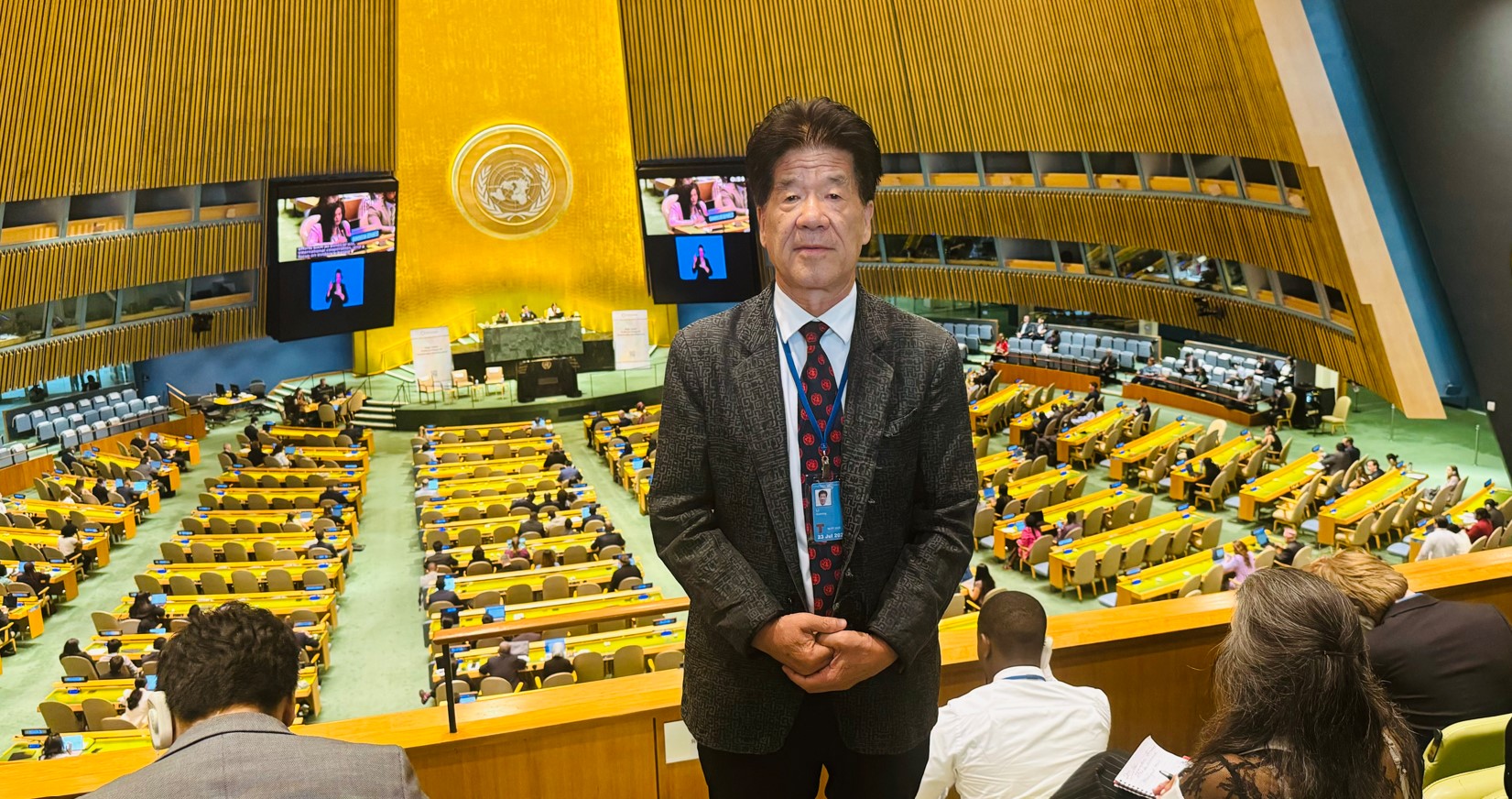
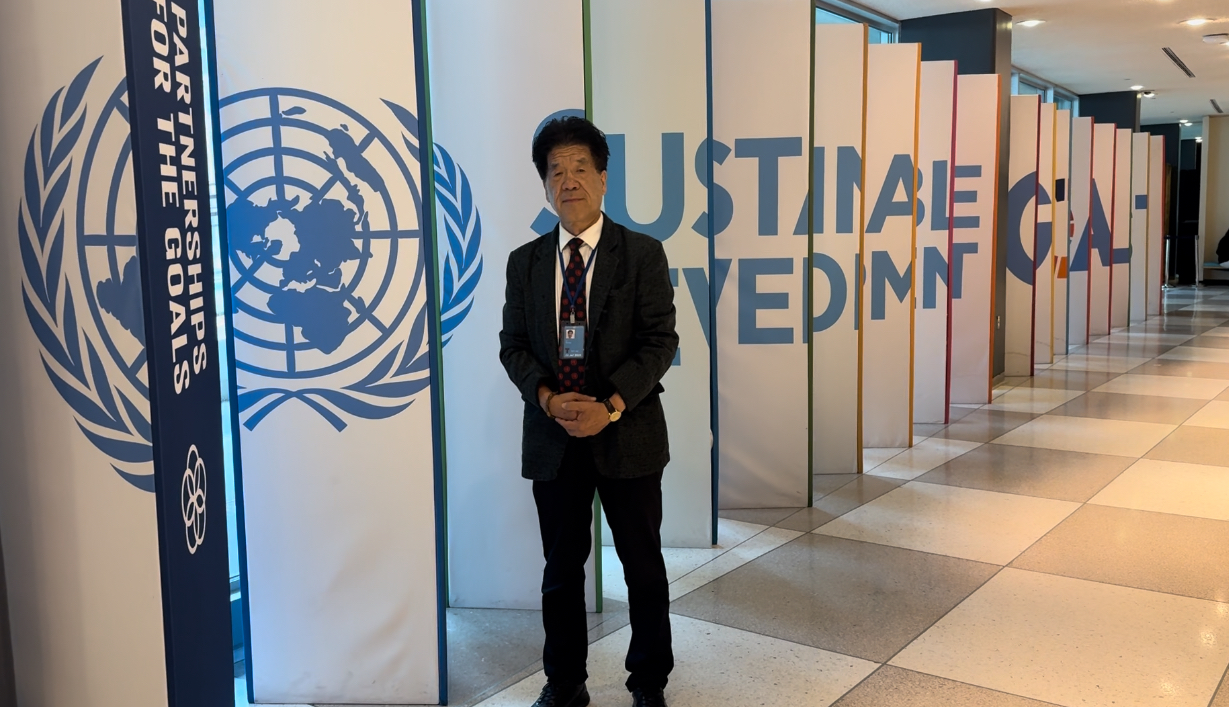
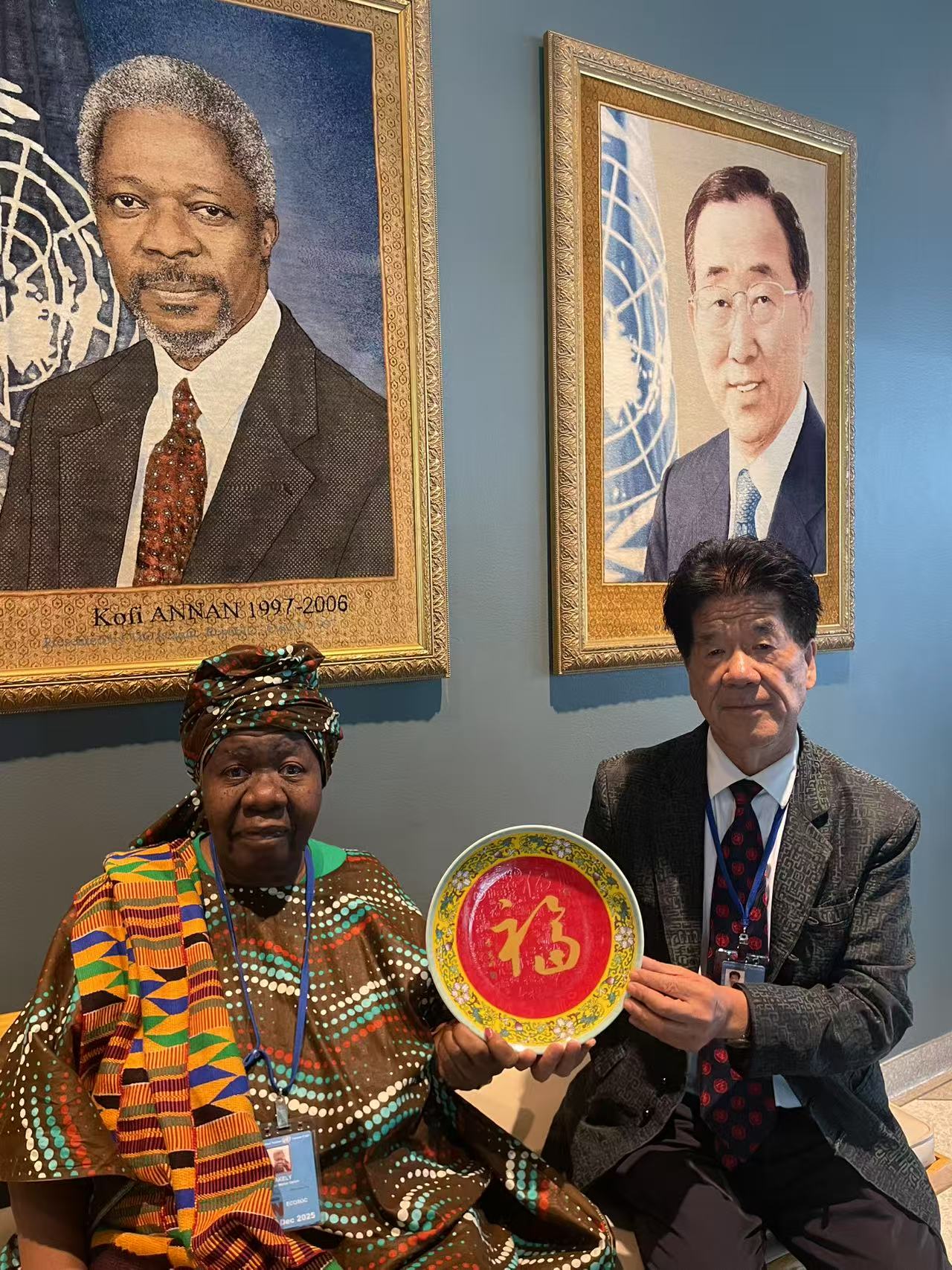
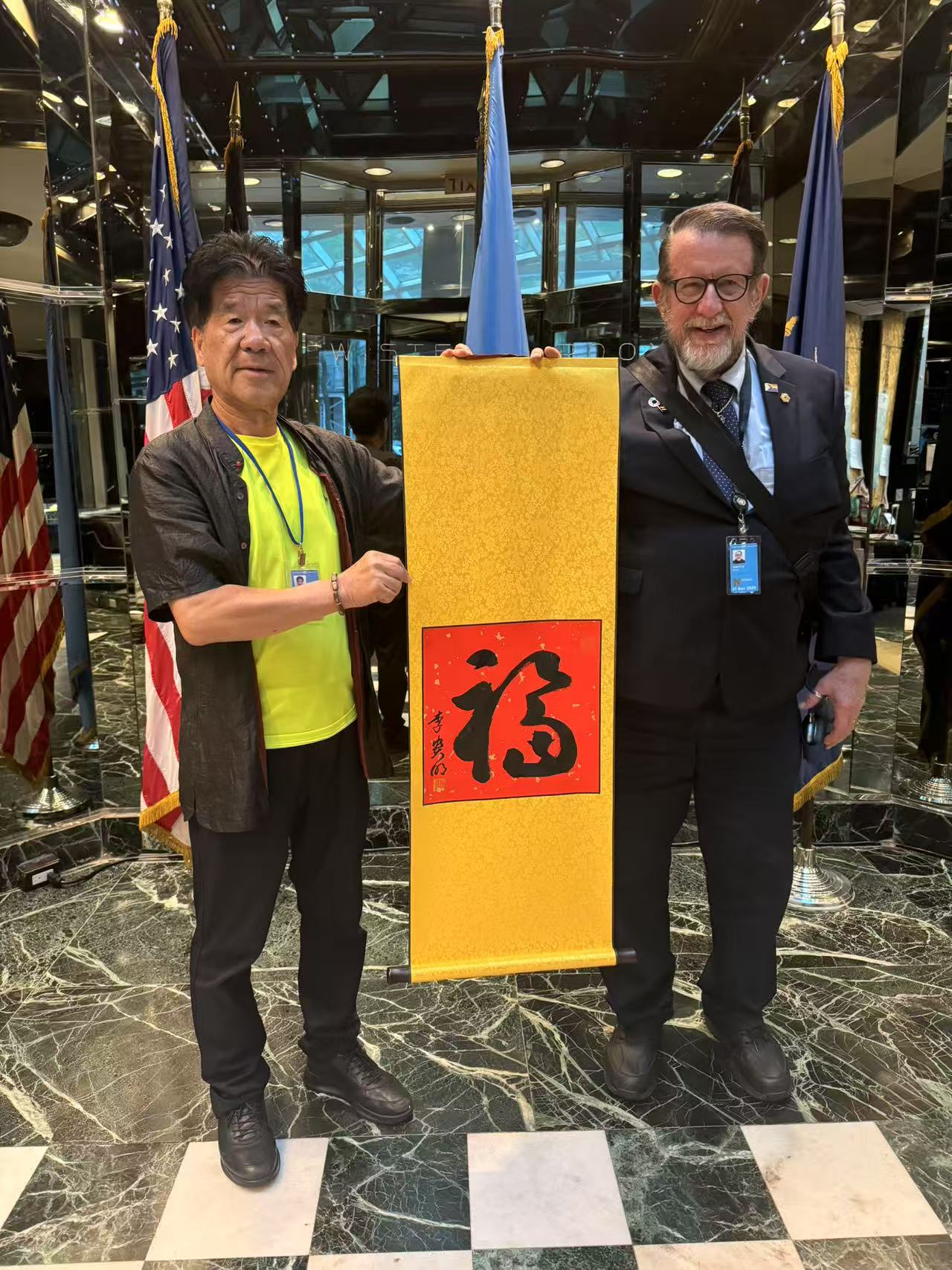
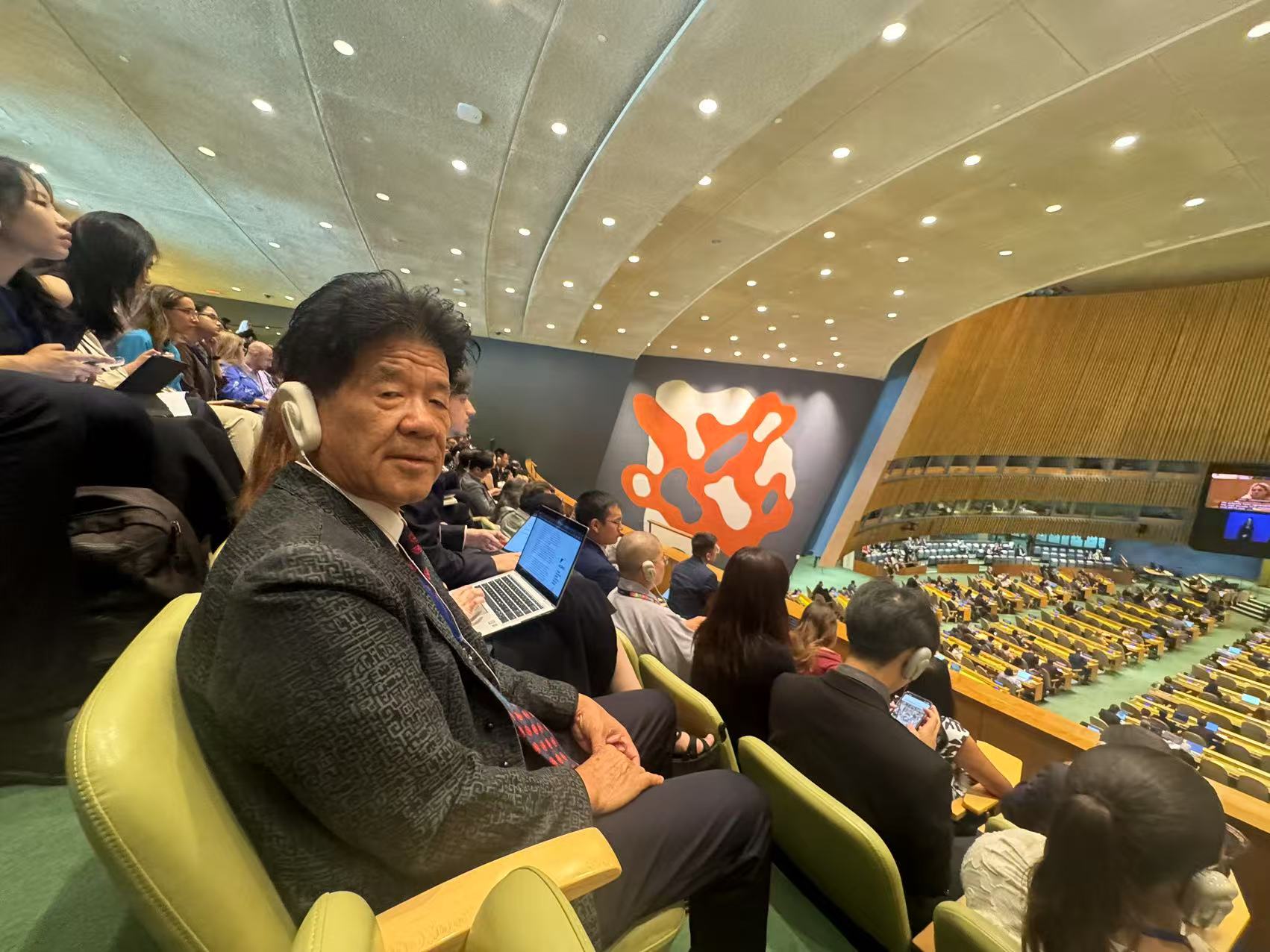
During the event, the calligraphy piece “Peace” created by Li Guiming, Honorary President of the American Fujian Association and Honorary President of the American International Arts Association, became the cultural highlight of the day. Each stroke carried not only the strength and grace of Chinese calligraphy but also the heartfelt call of the Chinese people for world peace. As an outstanding Chinese artist active on the international stage, Li Guiming has frequently appeared at major UN events over the years—from the 67th annual meeting of the Commission on the Status of Women, to the UN High-Level Political Forum on Sustainable Development, and the Lunar New Year gala “Dance of the Snake, Heralding a New Chapter.” He has consistently used culture as a medium to convey China’s voice and promote dialogue among civilizations.
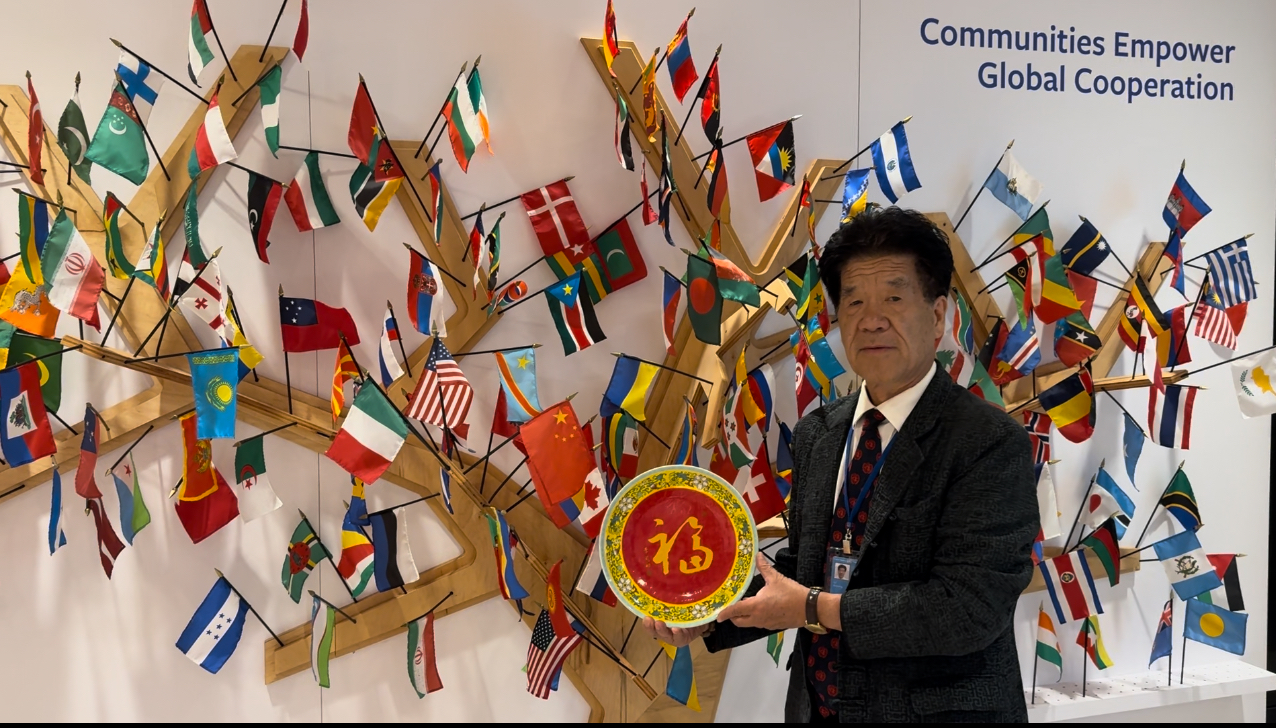
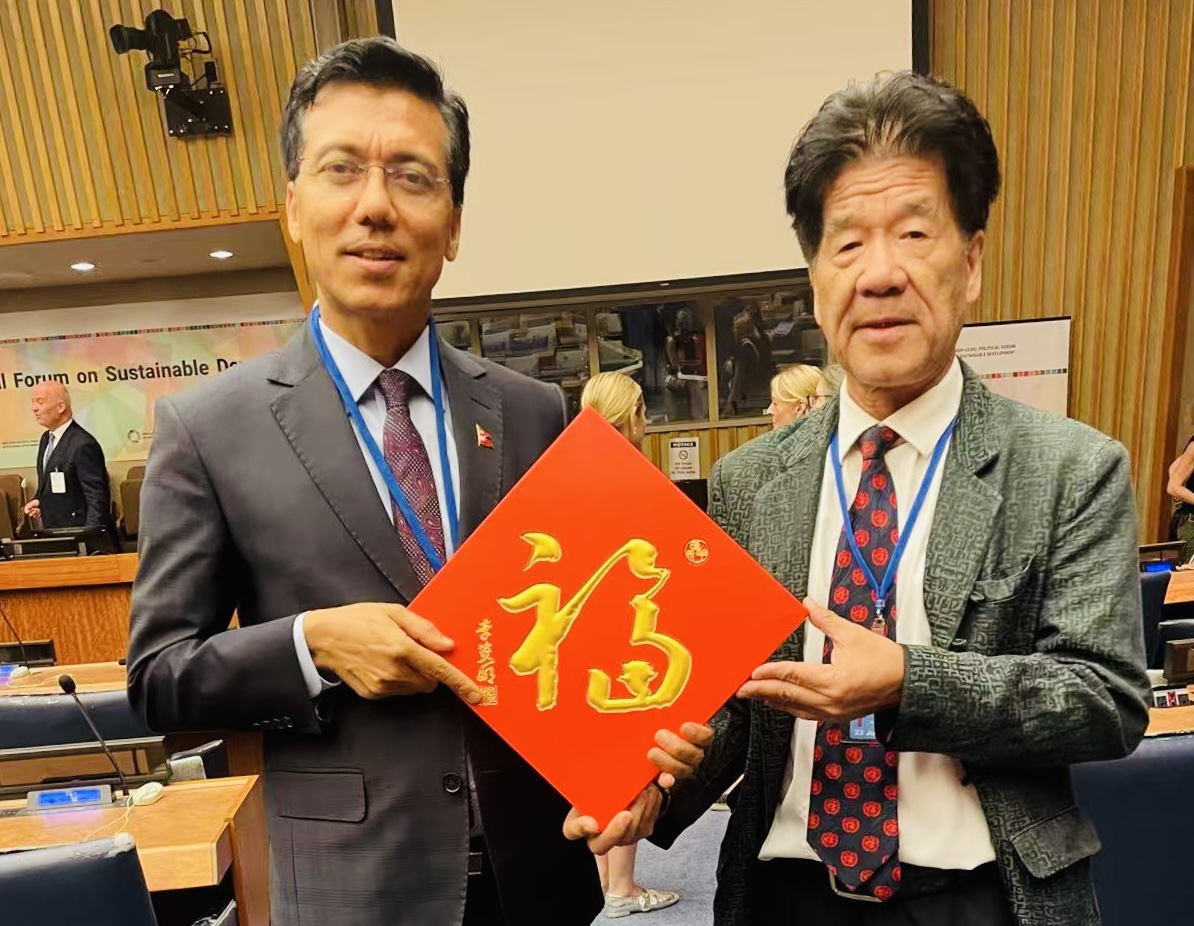
At this year’s High-Level Political Forum on Sustainable Development, Li Guiming presented his calligraphy piece “Peace · Blessing” to representatives from around the world. The unique lines and rhythms of Chinese calligraphy vividly illustrated the UN’s core values of “peace, development, cooperation, and mutual benefit,” winning high praise from participants. Lok Bahadur Thapa, Permanent Representative of Nepal to the UN and Vice President of ECOSOC, lauded Li Guiming’s practice of promoting cross-civilizational exchange through the culture of “blessing,” believing this innovative form provides valuable inspiration for cultural approaches to advancing the Sustainable Development Goals (SDGs).
Calligraphy is the essence of Chinese civilization, and also a carrier of national spirit and values. Li Guiming’s “Peace” and “Blessing” are not only artistic expressions of ink and brush but also vivid expressions of cultural confidence—heartfelt messages from the Chinese nation for world peace and human well-being. Against the backdrop of a turbulent international situation, this cultural power is particularly precious. It does not argue with words, yet it stirs resonance deep in the soul; it does not impose by force, yet it builds consensus through dialogue and mutual learning.
“Peace” is the common language of the world, and “Blessing” is the shared pursuit of humanity. From UN Headquarters to Chinese universities, from diplomatic platforms to cultural exchanges, Li Guiming has used his brush to spread the gentle power of Chinese culture to every corner of the world. This is both the responsibility and the grace of a Chinese artist, as well as China’s wisdom and sentiment in contributing to the building of a community with a shared future for mankind.
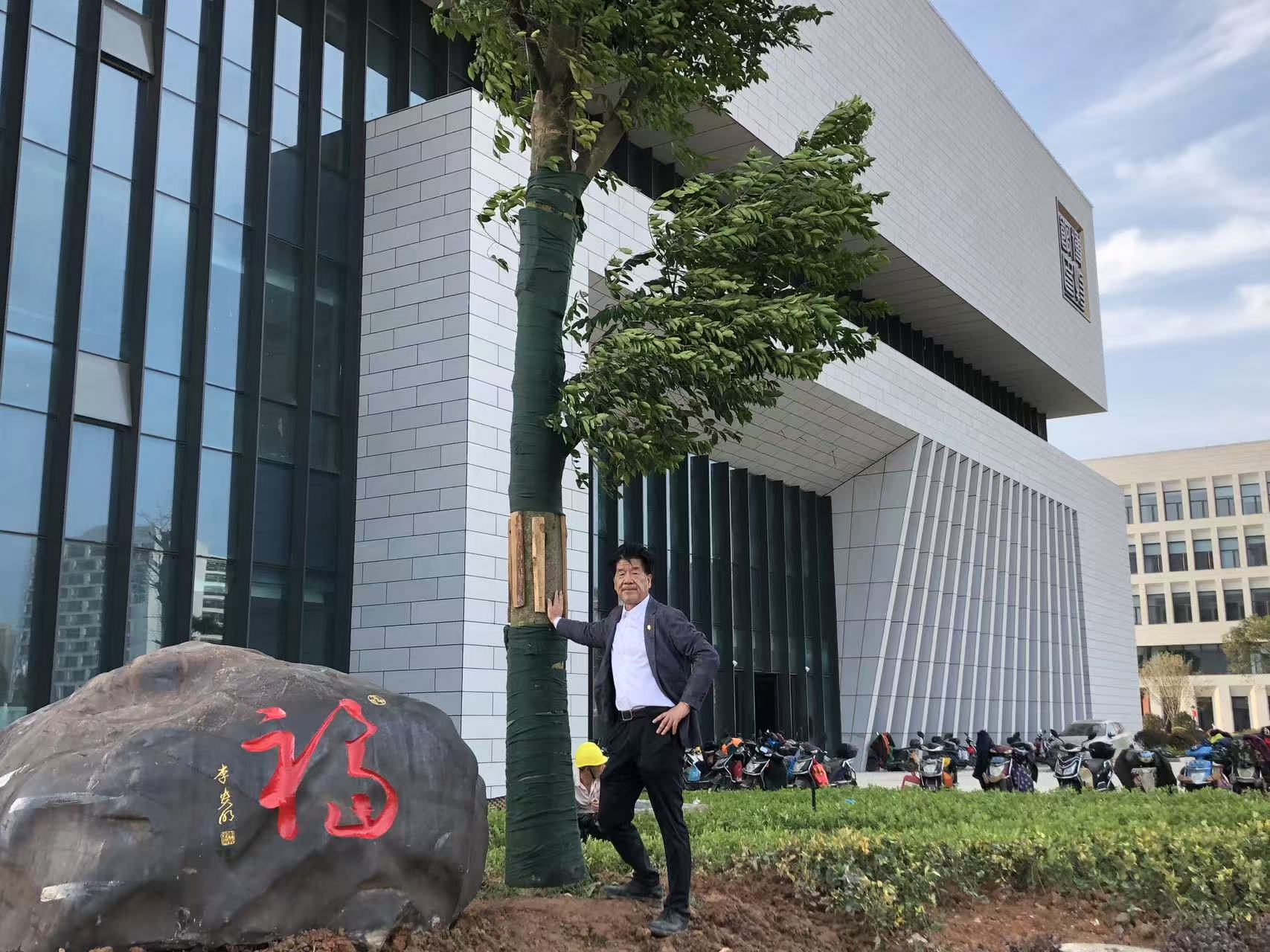
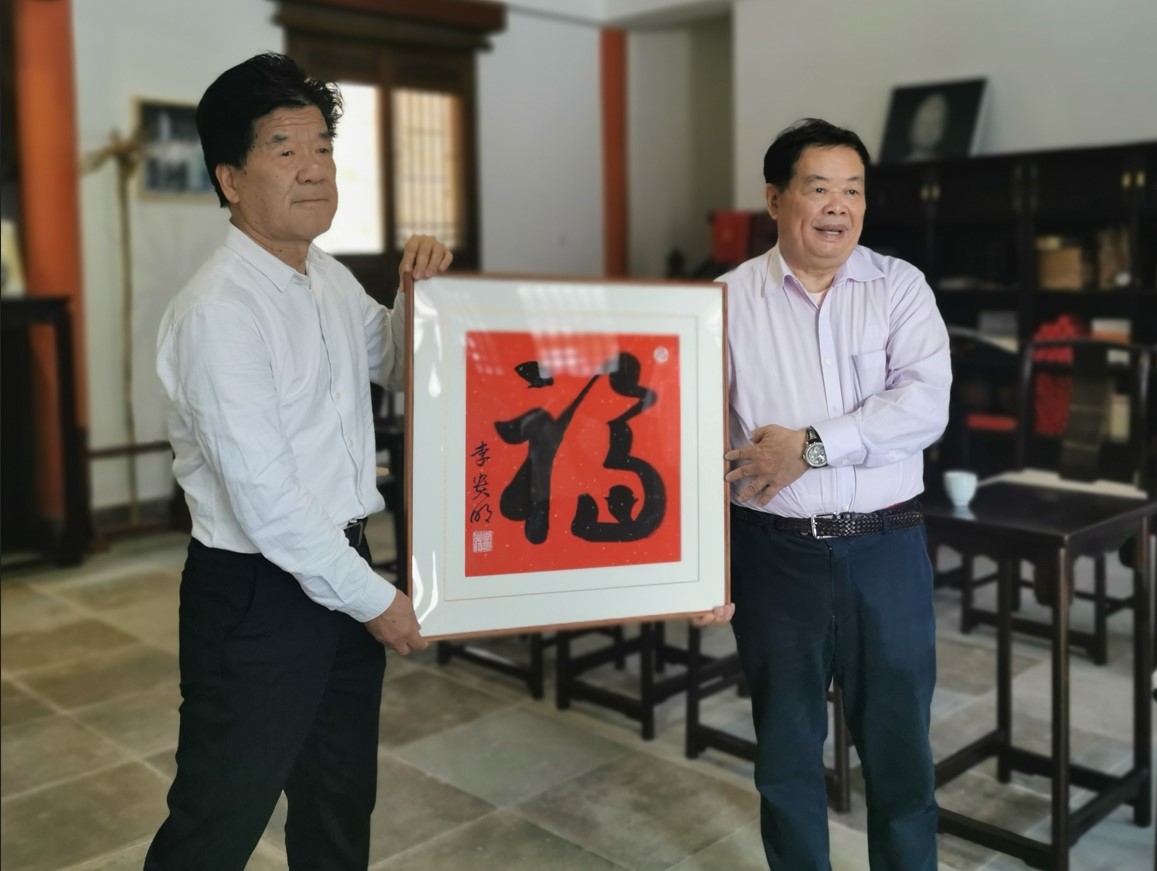
Even more meaningful is that immediately after the August 8 event, Li Guiming set off back to China and rushed to meet philanthropist Cao Dewang at the university he founded. A carefully created “Blessing” character by Li had already been engraved on a large boulder as a congratulatory gift when the university was established. This treasured work not only symbolizes the auspicious meaning of Chinese culture but has also become the cornerstone of Cao Dewang University’s “Blessing,” carrying wishes for talent to gather and for society to flourish.
At UN Headquarters that day, peace calligraphy intertwined with songs of world peace; in the campus of a Chinese university, the fragrance of the “Blessing” character blended harmoniously with dreams of technological innovation. Together, these scenes form vivid chapters of how Chinese culture in the new era is reaching the world and bringing blessings to all humanity.
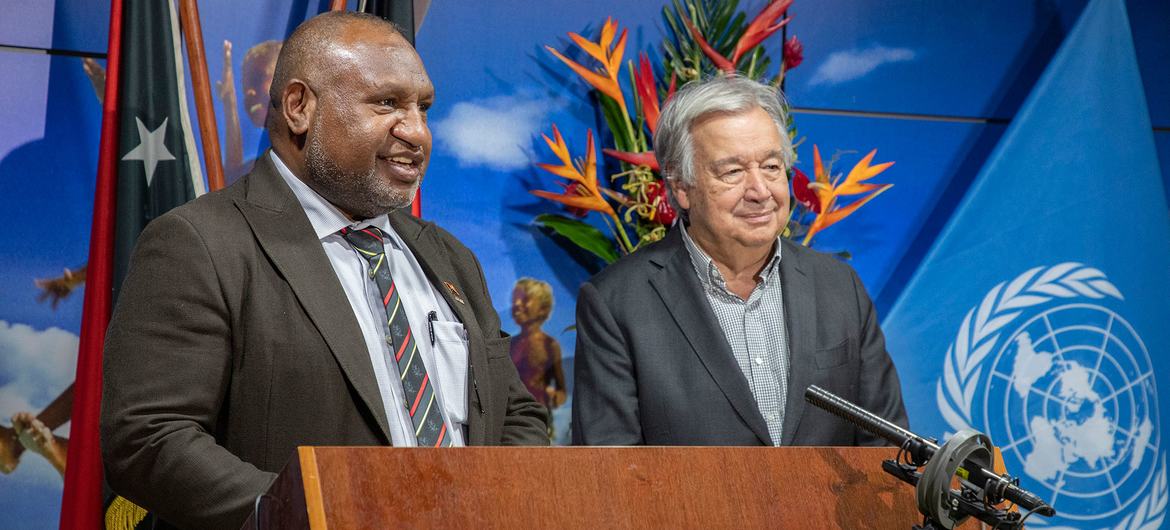
UN Photo/Seru Kepa Prime Minister James Marape of Papua New Guinea addresses reporters at joint press encounter with Secretary-General António Guterres (right) in Port Moresby.
The Secretary-General addressed the Papua New Guinea parliament during a special session to mark the country's 50th anniversary of independence.
Available in: Arabic · Chinese · English · French · Russian · Spanish
Speaking to journalists in the capital of Papua New Guinea (PNG) on Friday, UN chief António Guterres rounded off the first ever visit to the Pacific nation by a sitting Secretary-General, paying tribute to the country’s unbroken 50-year run as a multilingual democracy – which is now beset by major economic and environmental challenges.
Flanked by the country’s Prime Minister, James Marape, Mr. Guterres echoed comments he made during a speech in the national parliament on Wednesday, in which he described Papua New Guineans as “champions of multilateralism and international solutions.”
The Secretary-General noted that, in a world where “we see democratic values being put into question,” the country – where some 800 languages are spoken – retains a preference for solving problems peaceably through dialogue.
Ryan Hawk/Woodland Park Zoo Papua New Guinea's rare cloud forests are a high elevation rainforest characterised by low-level cloud cover. (14 June 2011)
Time for climate justice…
The climate crisis has been high on the agenda throughout the visit, with Mr. Guterres leaving the capital to visit a rainforest region and discuss the problems caused by the changing climate with civil society representatives.
Addressing the media in Port Moresby, the UN chief expressed gratitude and solidarity with Papua New Guineans, for how they are addressing an existential challenge not of their own making.
“Papua New Guinea does not contribute to climate change,” he pointed out. “Papua New Guinea has a negative emissions record, due to an enormous carbon sink: the admirable forests of this country and the ocean.”
He said it was time for the international community to recognise that countries like Papua New Guinea deserve climate justice and support to build resilience against the “devastating impact of climate change.”
UNDP/Andrea Egan Local conservationist Alfred Masul is replanting mangrove trees in Papua New Guinea to build resilience against climate change.
…And economic justice
The country’s ability to adapt to the increasingly volatile climate and develop its economy is also hampered, declared Mr. Guterres, by its designation as a middle-income country – which means that it does not have access to the kinds of concessional funding, such as grants, low interest loans and debt relief, that are available to low-income nations.
This, he said, is “an injustice that must be corrected.”
Part of the issue, according to the Secretary-General, is the outdated nature of the international financial architecture (a recurrent theme during his mandate). The institutions created over 75 years ago, need to be reformed “in order for developing countries like Papua New Guinea to have a much stronger voice and a much stronger influence in the way decisions are taken,” he argued, “and a much higher access to the resources that are essential for the development of the country.”
UN China UN Secretary-General António Guterres at the Shanghai Cooperation Organization Summit in Tianjin, China.
UN Secretary-General António Guterres called for strengthening multilateralism – and appealed for peace in Gaza, Ukraine and beyond – in remarks to the Shanghai Cooperation Organization summit in Tianjin, China, on Monday.
The Eurasian bloc, comprising 10 member states, is the world’s largest regional organization by population and geography.
Mr. Guterres told leaders that “we are moving towards a multipolar world”, which is both a reality and an opportunity.
He said emerging economies are reshaping trade, diplomacy and development, but at the same time, injustices and divisions are widening.
Principled leadership needed
He stressed the need for principled leadership to strengthen multilateralism, uphold the rule of law, and deliver for people everywhere.
“The Shanghai Cooperation Organization is uniquely positioned to help shape a more peaceful, inclusive, and sustainable future,” he said.
The UN chief highlighted four priority areas, starting with peace and security.
Peace in Gaza and beyond
He pointed to the situation in Gaza, where the scale of death and destruction is horrific and famine has taken hold.
“We need an immediate and permanent ceasefire; the immediate and unconditional release of all hostages; and unimpeded, safe and sustained humanitarian access,” he said.
“And we must advance concrete and irreversible steps toward a two-State solution – the only path to a just and lasting peace for both Palestinians and Israelis.”
Mr. Guterres also addressed the war in Ukraine, saying “it is past time for a ceasefire leading to a just, comprehensive and sustainable peace – in line with the UN Charter, international law, and UN resolutions.”
He also called for protection of civilians, fostering dialogue and securing peace in Sudan, Myanmar, the Sahel, Afghanistan and beyond.
“Your leadership in diplomacy and de-escalation is essential, as are your efforts against terrorism and transnational threats,” he told leaders.
Reform and climate action
The Secretary-General called for reform of the global financial architecture to ensure fair representation for developing countries.
“We are no longer in 1945 – and our institutions must reflect today’s realities,” he said.
The third area for action concerns confronting climate change.
“We are reaching a tipping point and need meaningful reductions of emissions. G20 countries – responsible for 80 per cent of global emissions – must lead,” he said.
He urged all governments to submit new climate action plans before the COP30 UN climate conference in Brazil this November.
“We must also set a clear path to delivering $1.3 trillion by 2030. Developed countries must honour their commitments. And we need a breakthrough on adaptation,” he added.
He called for doubling adaptation finance, scaling up early warning systems, building resilient infrastructure and phasing out fossil fuels while speeding up the transition to renewable energy.
Cooperation on technology
The final area for action is digital cooperation as new technologies bring both opportunities and risks.
He said the UN General Assembly has just established two mechanisms – an Independent Scientific Panel and a Global Dialogue on governance of artificial intelligence (AI) – to give all countries a voice and prevent fragmentation.
“These mechanisms mark a breakthrough for global AI cooperation – leveraging the unique convening power of the United Nations,” he said.
Put people first
In conclusion, he said that as the UN marks its 80th anniversary, countries must strengthen international cooperation for the 21st century and always put people first.
In this regard, he welcomed China’s Global Governance Initiative, announced that day, which “is anchored in multilateralism and underscores the importance of safeguarding the international system with the UN at its core and the international order underpinned by international law.”





 China’s Permanent Representative to the UN, Ambassador Extraordinary and Plenipotentiary Fu Cong
 Melissa Fleming, UN Under-Secretary-General for Global Communications
 Xu Haoliang, UN Under-Secretary-General and Associate Administrator of UNDP
 Former UN Secretary-General Ban Ki-moon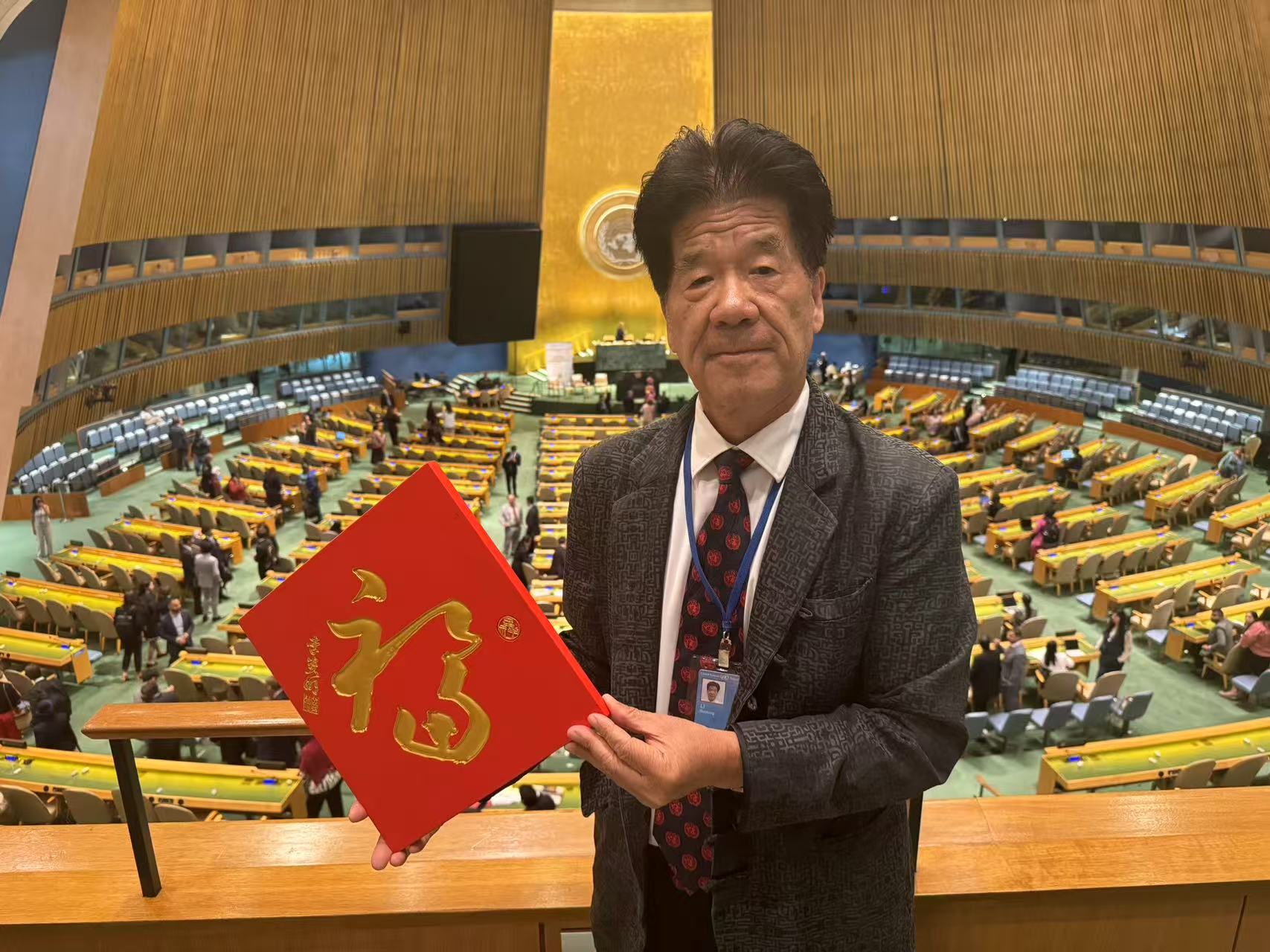

 UN Photo/Seru Kepa Prime Minister James Marape of Papua New Guinea addresses reporters at joint press encounter with Secretary-General António Guterres (right) in Port Moresby.
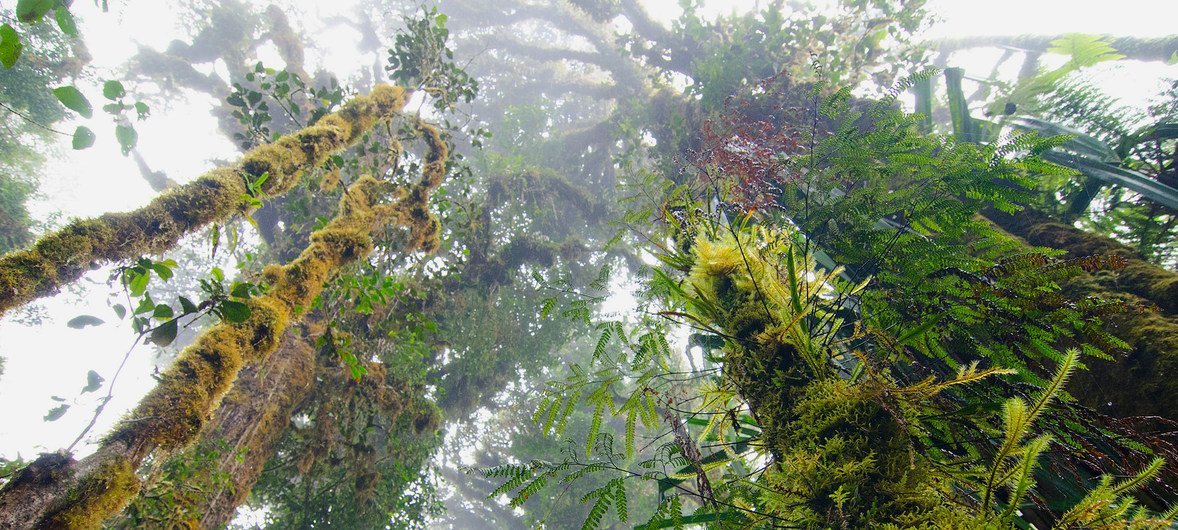 Ryan Hawk/Woodland Park Zoo Papua New Guinea's rare cloud forests are a high elevation rainforest characterised by low-level cloud cover. (14 June 2011)
 UNDP/Andrea Egan Local conservationist Alfred Masul is replanting mangrove trees in Papua New Guinea to build resilience against climate change.
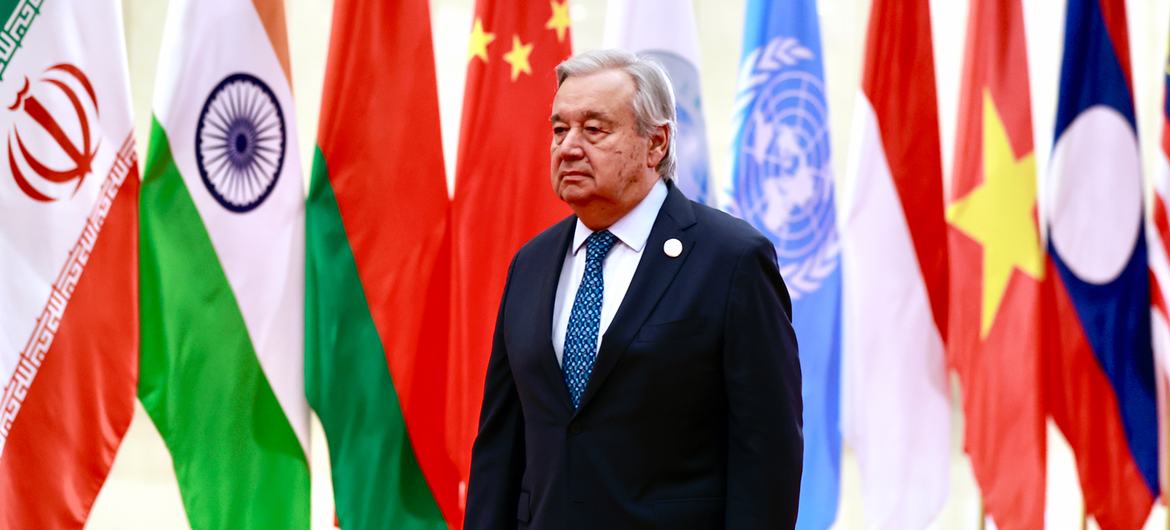 UN China UN Secretary-General António Guterres at the Shanghai Cooperation Organization Summit in Tianjin, China.