
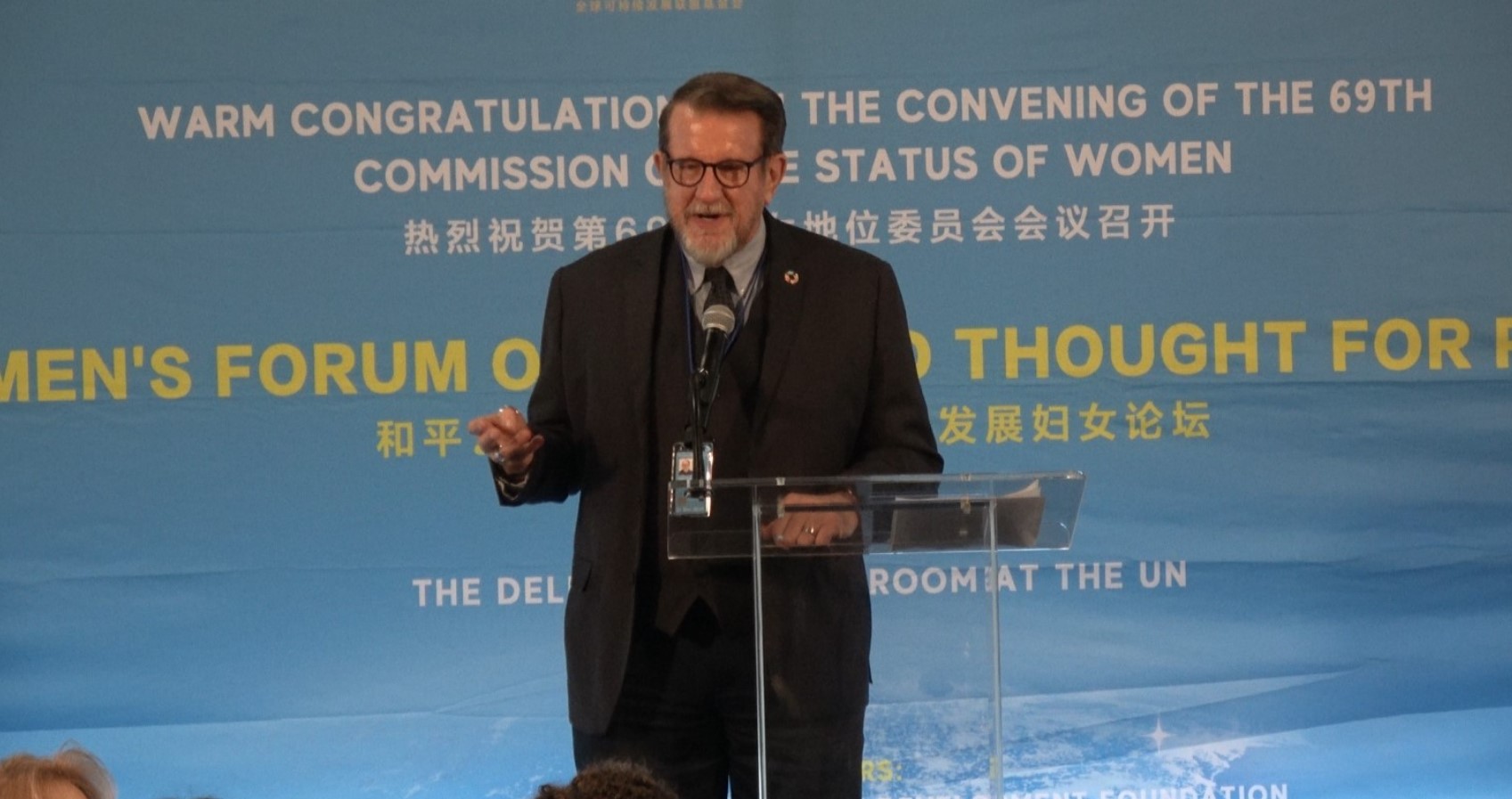


Celebrity Media News Commentary: The 81st session of the United Nations General Assembly officially opened at UN Headquarters in New York on the afternoon of September 8.
This session convenes amid multiple challenges, including ongoing wars, geopolitical divisions, the climate crisis, uneven development, and declining confidence in multilateralism. It is also responsible for an important task that will shape the direction of the United Nations for the next five years—the appointment of the next UN Secretary-General.
Current Secretary-General António Guterres will complete his second term on December 31, 2026. With the opening of the 81st General Assembly, the selection process for his successor is entering a more intensive phase of political consultations.

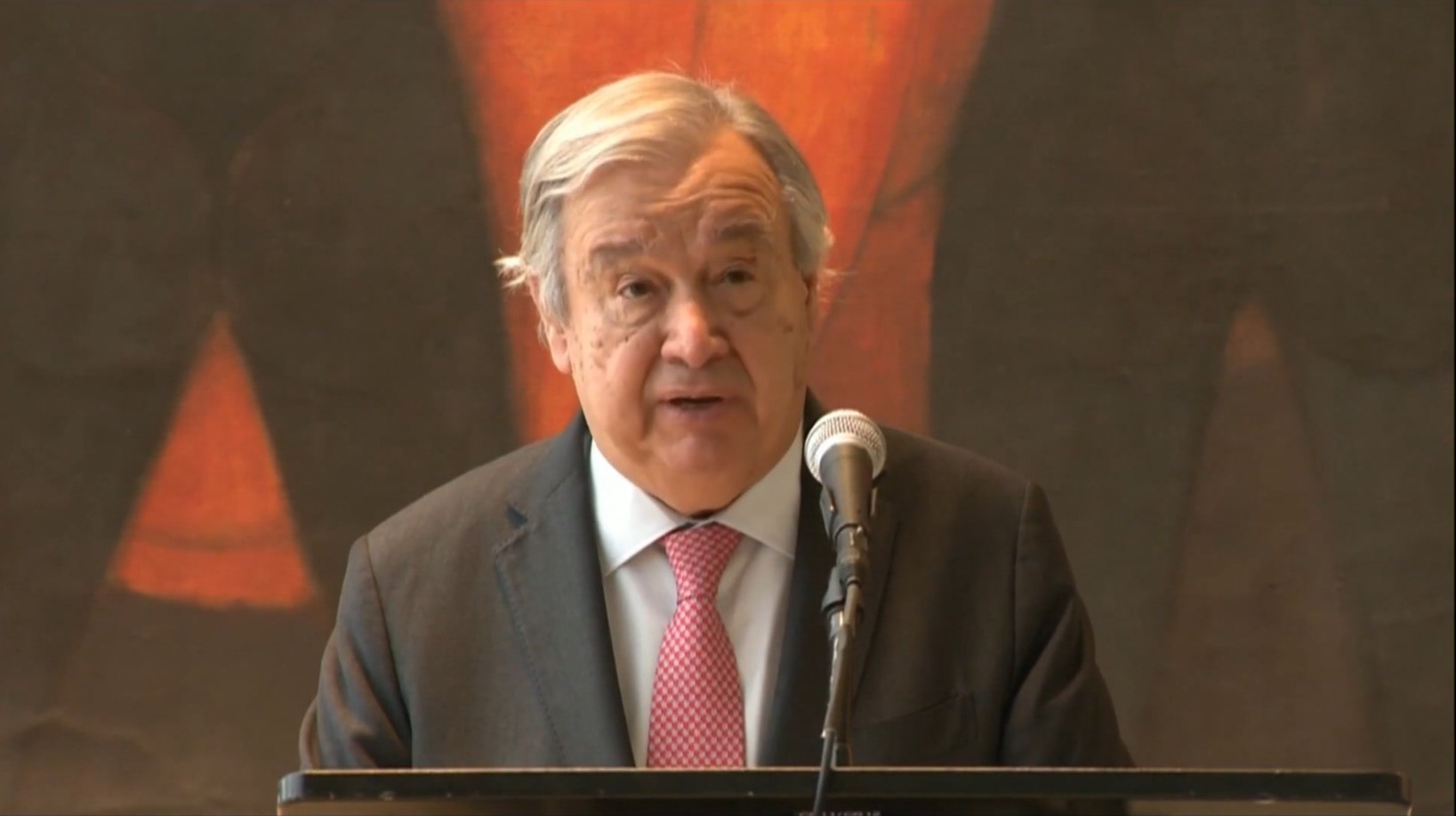
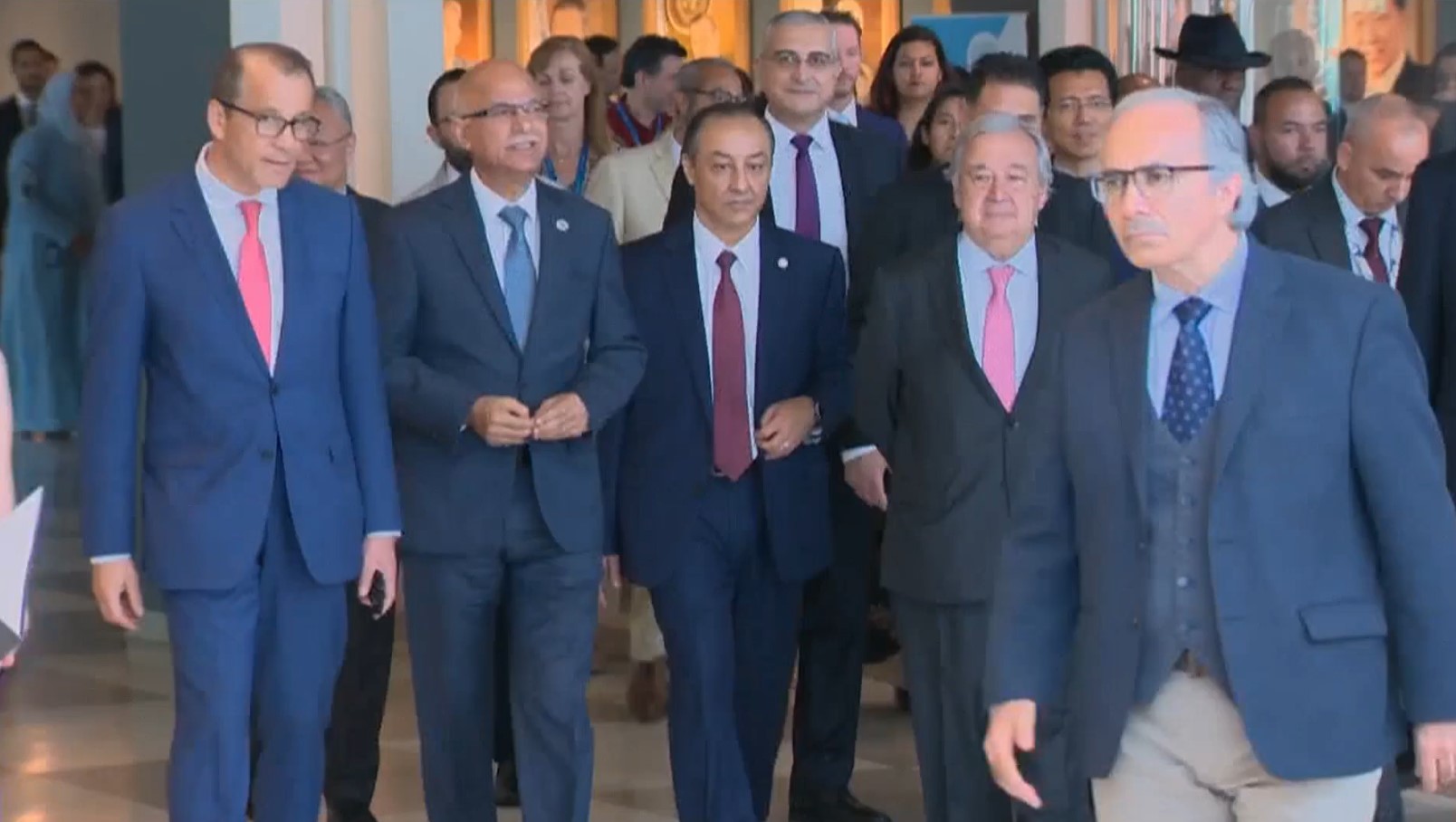
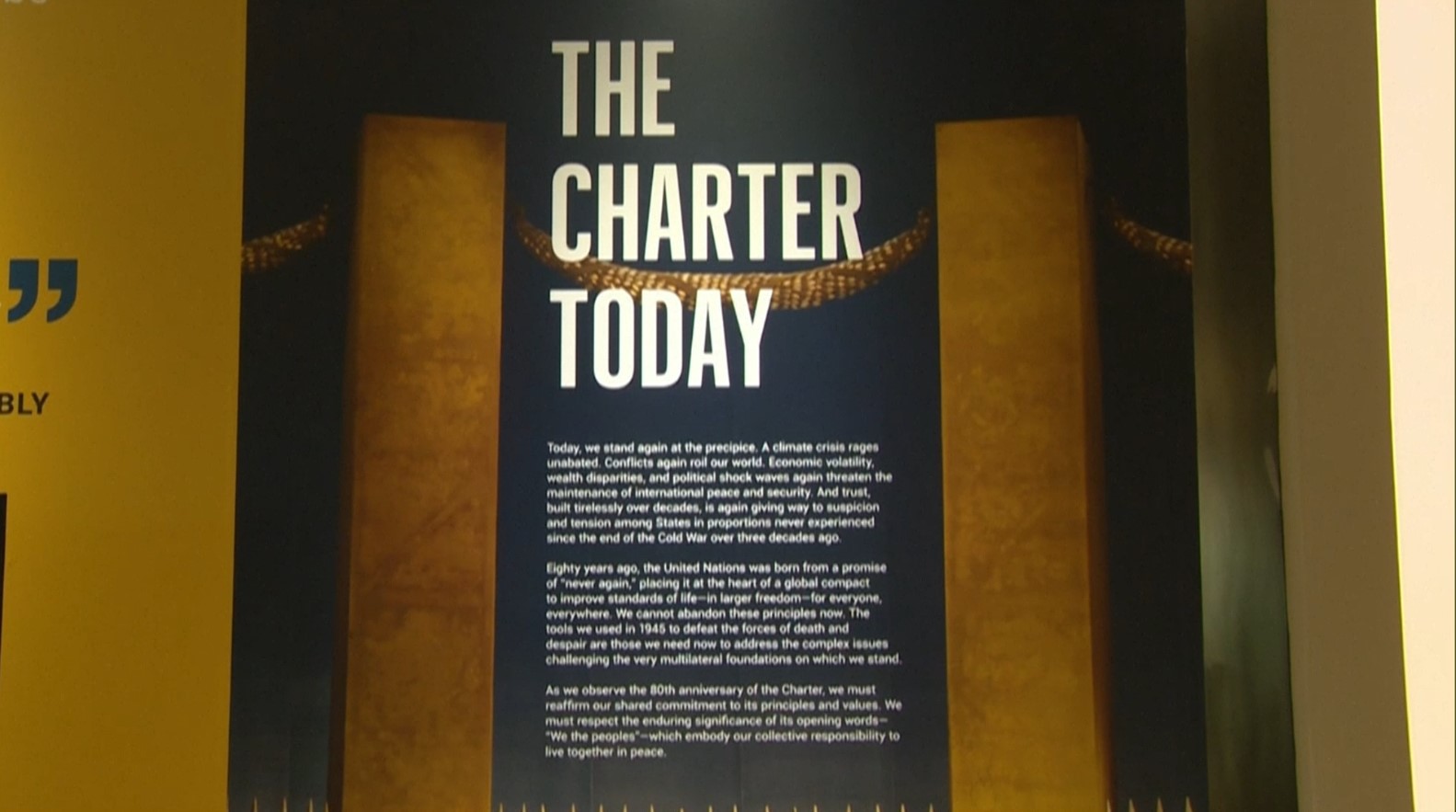
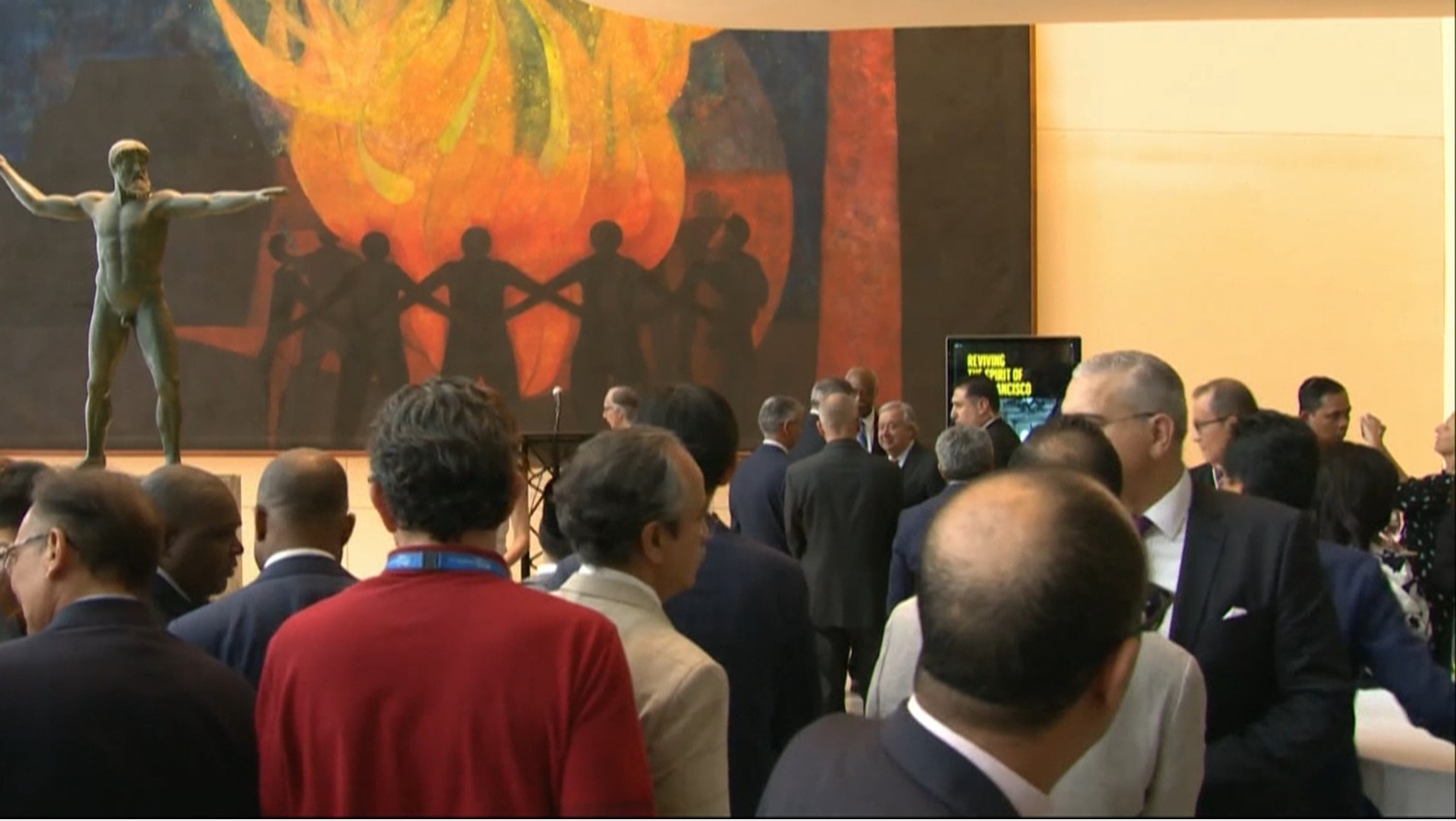
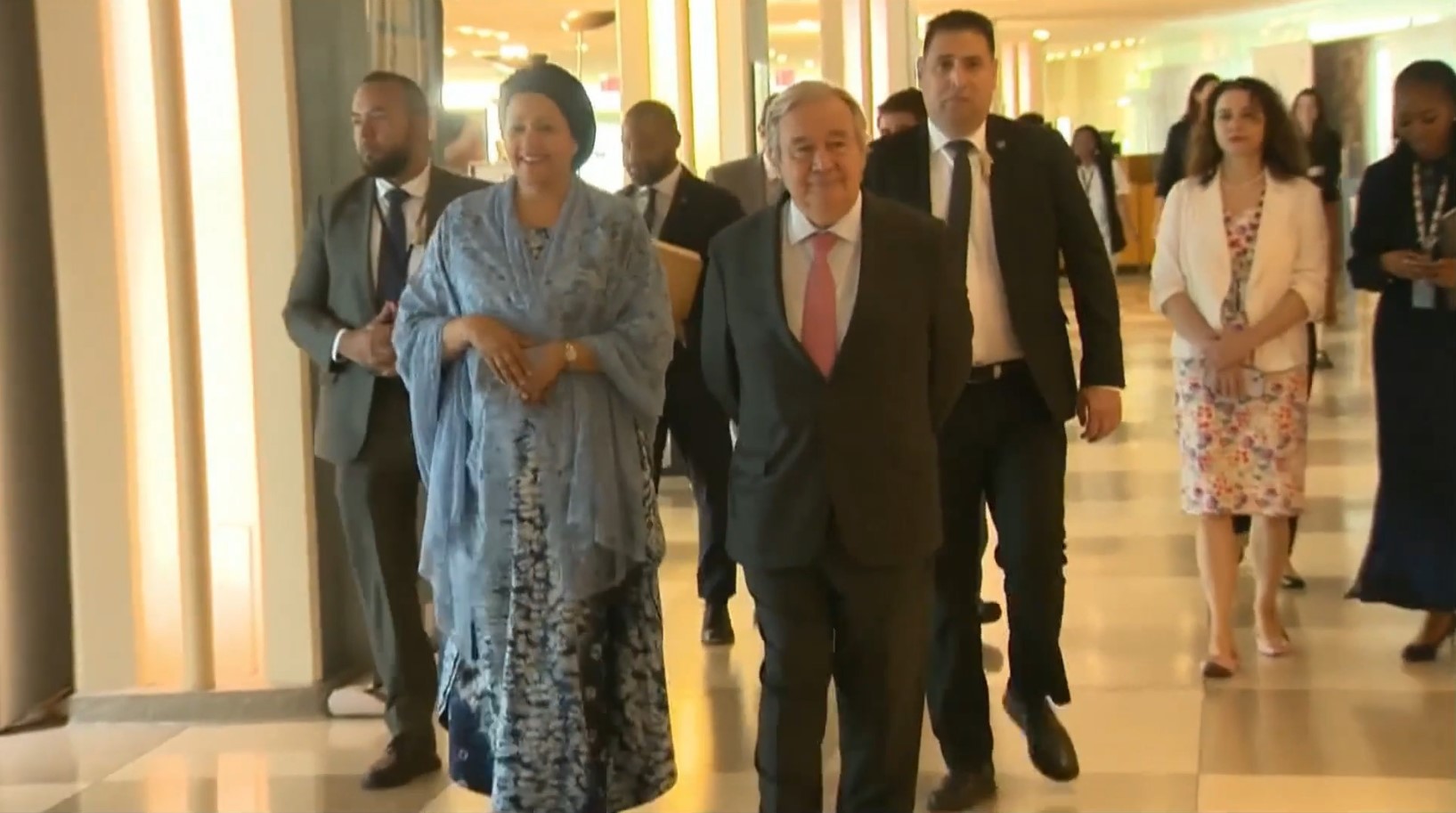 The images and video above were taken by Celebrity Media during the public display of the original United Nations Charter at UN Headquarters.
The new President of the General Assembly, Bangladeshi diplomat Khalilur Rahman, has chosen the following theme for the 81st session:
“Restoring Trust, Managing Transformation: A United Nations That Delivers for All”
This is not only the working theme of the current General Assembly; it can also be viewed as a test for the next Secretary-General: in an environment where international cooperation is becoming increasingly difficult, who can rebuild trust and help the United Nations adapt to a world that is no longer the world of 1945?
The General Assembly Will Appoint the Tenth UN Secretary-General—but the Security Council Will Decide Whom to Recommend
In his opening remarks, Rahman directly addressed the “trust deficit” confronting the United Nations. He stated that today’s world is no longer the world of 1945 and that the United Nations must adapt to change, advance reform, and regain the trust of both its Member States and the international public.
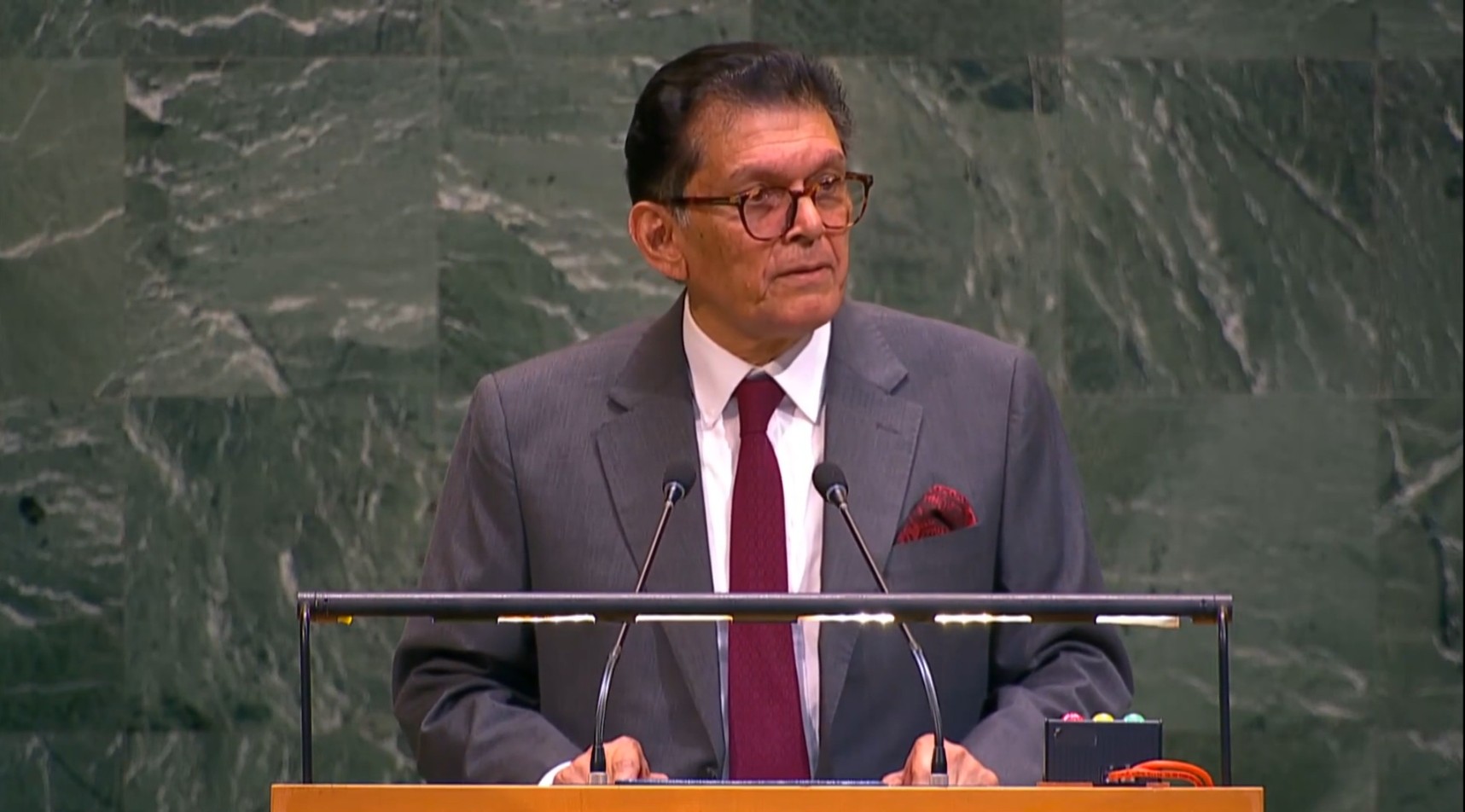
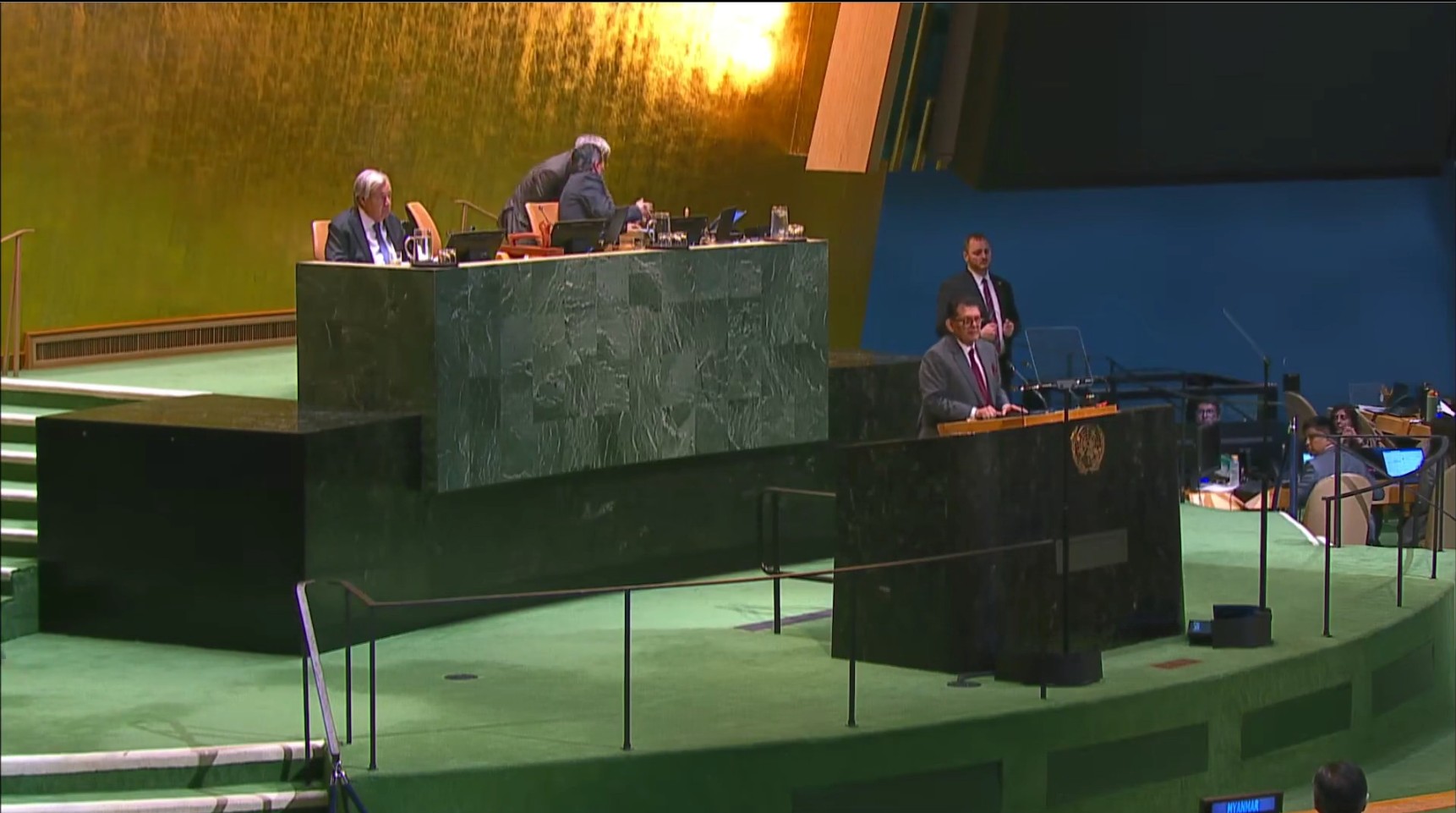
He also identified the selection of the next Secretary-General as one of the 81st General Assembly’s major responsibilities, pledging to work with the President of the Security Council and all Member States to ensure a fair, inclusive, and transparent process.
Under Article 97 of the United Nations Charter, the Secretary-General is appointed by the General Assembly upon the recommendation of the Security Council.
This means that although the 193 Member States formally make the appointment through the General Assembly, the Security Council remains the primary arena in which the finalist is determined. A candidate must secure the support of at least nine Security Council members while avoiding a veto from any of its five permanent members—the United States, China, Russia, the United Kingdom, or France.
The selection process is therefore not only a contest of individual qualifications and leadership ability, but also a process through which the major powers seek the minimum political consensus they can all accept.
Eight Candidates in the Race, but No One Secures Nine “Encourage” Votes in the Second Round
Eight candidates are currently competing for the position:
- Carolyn Rodrigues Birkett, Permanent Representative of Guyana to the United Nations
- Rebeca Grynspan, Secretary-General of UN Trade and Development
- Rafael Grossi, Director General of the International Atomic Energy Agency
- Macky Sall, former President of Senegal
- María Fernanda Espinosa, former Foreign Minister of Ecuador and former President of the UN General Assembly
- Olara Otunnu, former UN Under-Secretary-General from Uganda
- Michelle Bachelet, former President of Chile and former UN High Commissioner for Human Rights
- Ivonne A-Baki, former Ecuadorian diplomat and government minister
The Security Council held its second informal straw poll on August 21. Although the Council did not officially release the detailed vote totals, PassBlue, a news outlet specializing in United Nations affairs, cited sources as reporting the following results:
| Candidate | Encourage | Discourage | No Opinion |
|---|---|---|---|
| Carolyn Rodrigues Birkett | 8 | 3 | 4 |
| Rebeca Grynspan | 7 | 4 | 4 |
| Rafael Grossi | 7 | 6 | 2 |
| Macky Sall | 6 | 7 | 2 |
| Olara Otunnu | 5 | 5 | 5 |
| María Fernanda Espinosa | 4 | 3 | 8 |
| Michelle Bachelet | 2 | 6 | 7 |
| Ivonne A-Baki | 0 | 8 | 7 |
Rodrigues Birkett is provisionally in the lead with eight “encourage” votes, while Grynspan and Grossi each received seven. Their positions, however, are not identical: Grynspan received four “discourage” votes, while Grossi received six, indicating that Grossi faces greater resistance.
Although Espinosa received only four “encourage” votes, she received just three “discourage” votes. This demonstrates that a candidate’s prospects cannot be judged solely by the number of supportive votes. The number of opposing votes must also be considered, along with whether any of them may have come from permanent members with veto power.
Support for the Frontrunners Remains Unstable
Compared with the first round, the second-round results also reveal a noteworthy shift.
In the first straw poll held on July 30, media reports indicated that Grynspan received 10 “encourage” votes, Rodrigues Birkett received nine, and Grossi received seven. In the second round, Grynspan’s support fell to seven votes, while Rodrigues Birkett’s declined to eight.
This suggests that although frontrunners have emerged, their support has not yet stabilized, and no clear consensus has formed within the Security Council.
Nevertheless, straw polls are nonbinding tests of support and are not equivalent to a formal vote. At this stage, the ballots also do not distinguish between permanent and non-permanent Security Council members. The public therefore cannot determine whether a candidate’s “discourage” votes include a potential veto from one or more of the permanent five.
In other words, the fact that a candidate reached the nine-vote threshold in the first round does not mean that the candidate had cleared all obstacles. Likewise, the fact that no one received nine “encourage” votes in the second round does not necessarily mean that the race has reached a deadlock. The real question is who can secure sufficient support while avoiding a veto from the permanent five.
Will the Prospect of the “First Female Secretary-General” Become a Deciding Factor?
In more than 80 years since the founding of the United Nations, no woman has ever served as Secretary-General. Five of the eight current candidates are women, making the selection of the first female Secretary-General a realistic possibility.
The two current frontrunners, Rodrigues Birkett and Grynspan, are both women. However, Bachelet’s support fell from six “encourage” votes in the first round to only two in the second. This shows that although gender may be an important advantage, it does not automatically translate into Security Council support.
The real question is no longer whether a woman can serve as Secretary-General, but rather:
Which female candidate can balance regional representation, political experience, diplomatic ability, and demands for reform while also securing the minimum level of acceptance from all five permanent members?
This selection cycle is widely regarded as an opportunity for Latin America and the Caribbean. Combined with calls from Member States to appoint the first female Secretary-General, women and candidates from the region may enjoy a certain political advantage. However, both region and gender are merely factors influencing the selection process—not guarantees of the final outcome.
When Will the Permanent Five Begin Serious Negotiations Over a Candidate?
The most important turning point ahead will come when the five permanent members move from observing candidates and testing their levels of support to negotiating over the final nominee.

The United States, China, Russia, the United Kingdom, and France may not share the same view about which issues the next Secretary-General should prioritize:
- Peace and security, or global development?
- Human rights, or coordination among the major powers?
- Advancing UN reform, or first ensuring that the organization can continue to perform its essential functions?
Different priorities may point to entirely different candidates.
Therefore, even if a candidate receives a relatively high number of “encourage” votes, firm opposition from a single permanent member could still prevent that candidate from reaching the final stage. Conversely, a lower-ranked candidate with fewer opposing votes and broader acceptability could rise during subsequent consultations.
In the next phase, the key question will not simply be who has the most supportive votes, but who faces the lowest risk of a veto.
Could a “Ninth Candidate” Emerge Beyond the Current Field of Eight?
This is currently the most intriguing variable in the selection process.
Selecting the Secretary-General is not a direct election in the conventional sense. If, after multiple rounds of consultations, none of the current candidates can secure at least nine votes while avoiding a veto from the permanent five, the Security Council would still have political room to seek a compromise candidate.
At present, there is no public evidence that any particular “ninth candidate” has entered substantive consultations among the permanent five. However, the possibility of additional nominations has not been institutionally excluded. The absence of a clear frontrunner in the second round may also encourage other potential candidates to reassess whether they should enter the race.
The true “dark horse” may not be the person who has attracted the most public attention or announced a candidacy first. Instead, it may be someone capable of meeting all of the following conditions:
Acceptable to the United States, acceptable to China, acceptable to Russia, and not strongly opposed by the United Kingdom or France.
If the current frontrunners cannot clear this hurdle, a person with less public recognition but relatively little political opposition could emerge as the compromise candidate.
However, until a specific name emerges and reliable diplomatic information becomes available, the “ninth candidate” should still be regarded as a possibility rather than an established political arrangement.
What Should We Watch After September 22?
The general debate of the 81st General Assembly will begin on September 22. Heads of state, heads of government, and foreign ministers from around the world will gather in New York, creating opportunities for numerous bilateral meetings and informal diplomatic contacts.
Although no date for the next straw poll has been publicly confirmed, four signals will be particularly important to watch in the coming weeks:
- Whether the leading candidates from the second round can expand their support again;
- Whether candidates with a high number of “discourage” votes decide to withdraw;
- When the Security Council will introduce color-coded ballots that reveal the positions of the permanent five;
- Whether another country formally nominates a ninth candidate.
These developments will reveal more about the likely final outcome than any candidate’s ranking in a single straw poll.
The Real Contest Has Only Just Begun
The 81st General Assembly is now underway, and the selection of the next Secretary-General is moving from the presentation of candidates into a more complex stage of political bargaining.
The second straw poll produced provisional frontrunners, but no consensus candidate. Rodrigues Birkett currently ranks first, followed by Grynspan and Grossi. However, none of the three has yet established stable support sufficient to overcome the risk of a veto from the permanent five.
What matters next is not simply how many “encourage” votes each candidate receives, but who can reduce opposition, broaden their acceptability, and ultimately become a choice that the major powers can accept.
If none of the eight current candidates can clear that hurdle, a new nominee or compromise candidate may enter the picture.
The United Nations is looking not only for Guterres’ successor, but also for a leader capable of maintaining dialogue, bridging the Global North and South, and advancing institutional reform at a time of geopolitical division and declining confidence in multilateralism.
Which candidate will ultimately prevail—or whether someone outside the current field of eight will emerge victorious—remains far from certain. The real contest has only just begun.