






Celebrity Media Commentator: Within the generally gentle, cautious, and controversy-avoiding cultural atmosphere of Chinese churches, Pastor Zheng Lixin and the “Trumpeter Ministry” he founded stood out as both strikingly unconventional and urgently necessary five years ago. He dares to confront the deep structural tensions between culture and politics, dares to point out the real dilemmas faith faces in contemporary society, and dares to call believers to assume public responsibility rather than locking faith away in a private spiritual corner. Such a voice has long been extremely rare in the Chinese world, yet the times are proving that it is precisely this kind of voice that is most forward-looking and most constructive.
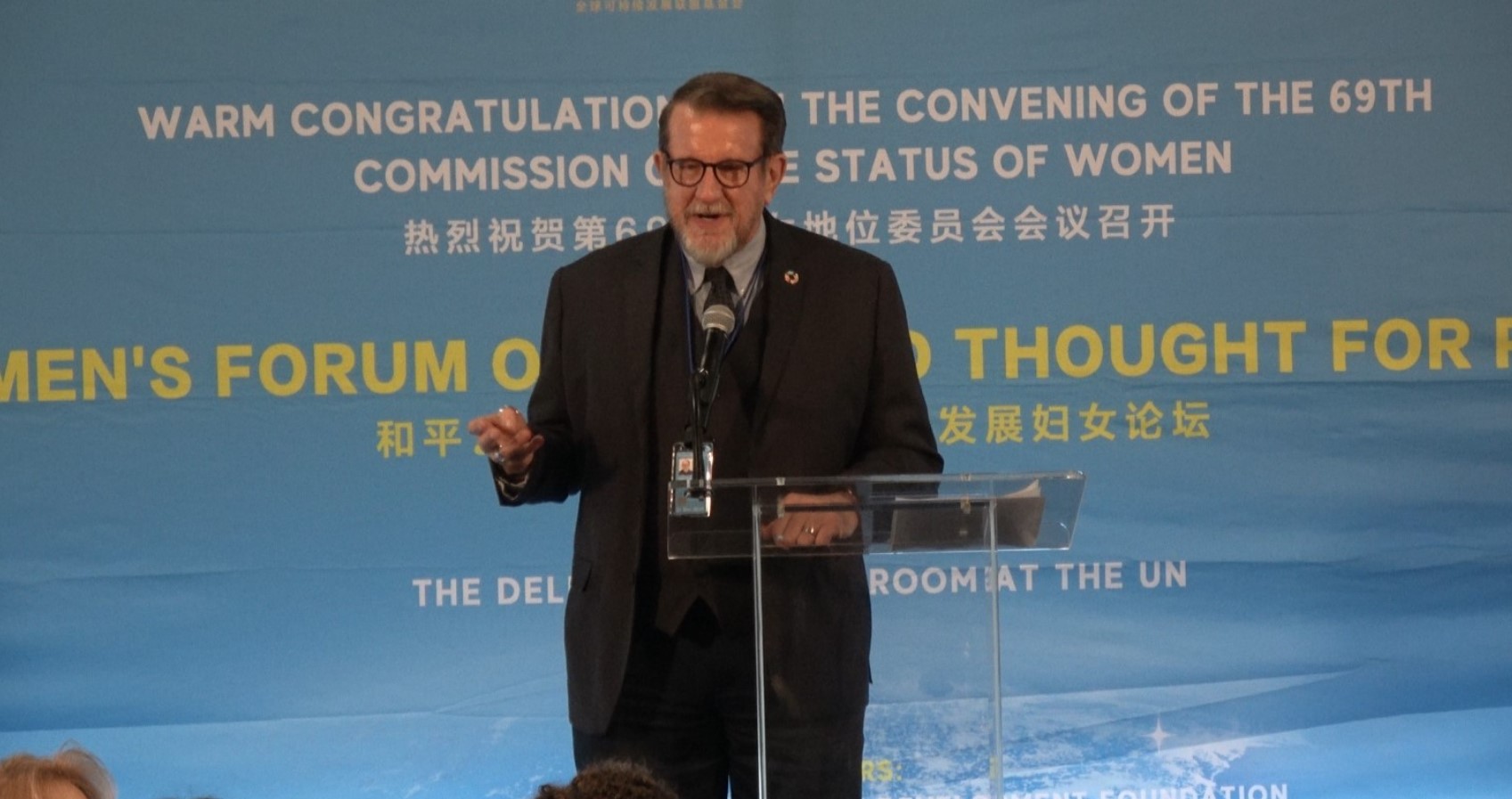
The current U.S. administration’s renewed affirmation of Christian culture is a clear example. Since President Trump assumed office once again this year, American political culture has undergone a rare reversal—public faith is no longer treated as an “untouchable forbidden zone,” but is being reconsidered as a key factor in sustaining the nation’s moral center. Acting U.S. Secretary of Defense Christopher C. Hergerthes openly raised his hands to lead prayer at the Pentagon, calling military officers and civilian officials to lift up the name of Jesus at the very heart of national military power. The Pentagon is not a church; it is the strategic and command center of the U.S. military. The appearance of such a scene signals a recalibration of cultural direction. Even more historically significant, on September 8, 2025, during a speech at the Museum of the Bible in Washington, President Trump once again publicly declared: “We are a nation under God, and we always will be.” In contemporary American political culture, this was not an ordinary statement, but a public reaffirmation of values—a pushback against more than a decade of faith being forced out of the public sphere.
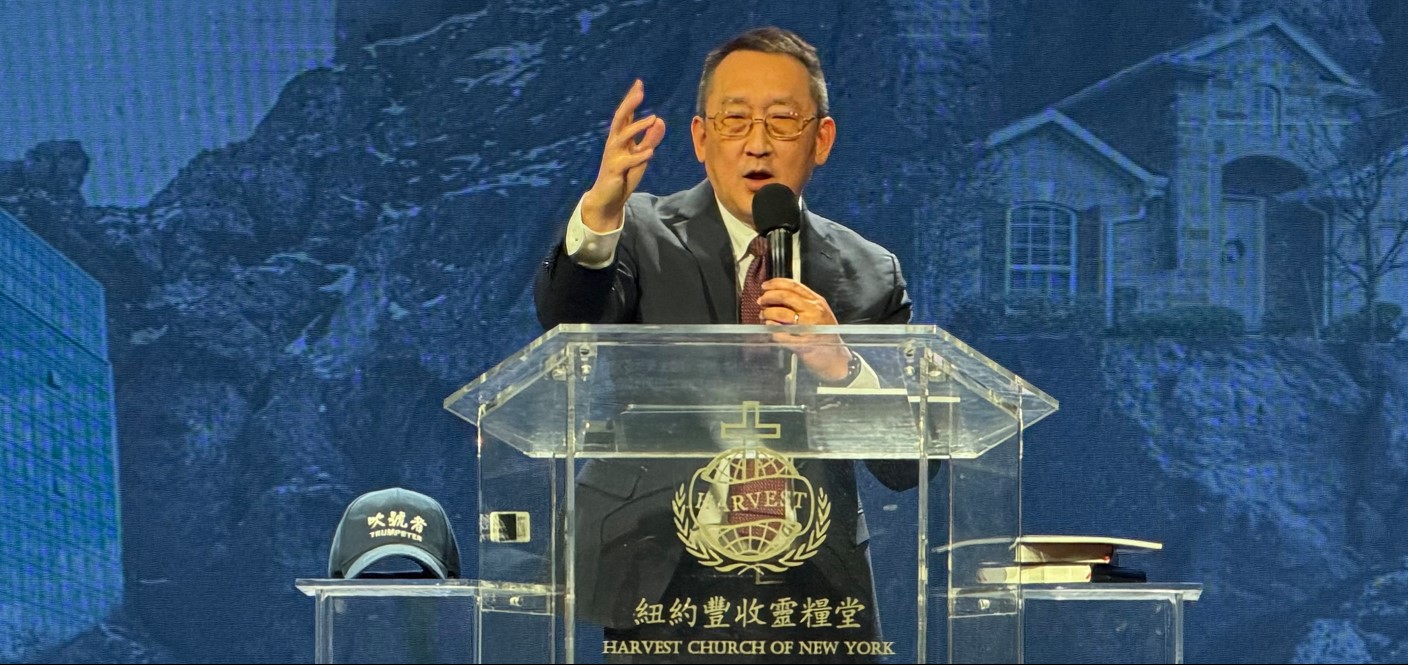
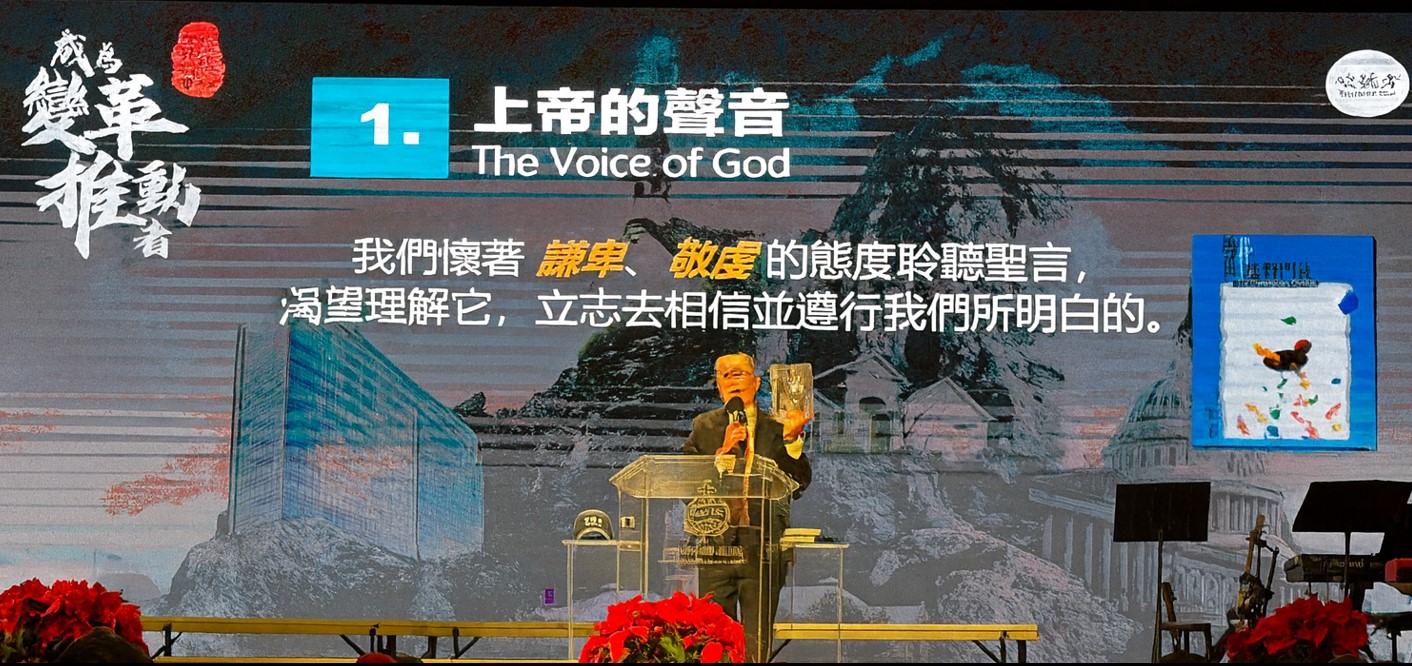
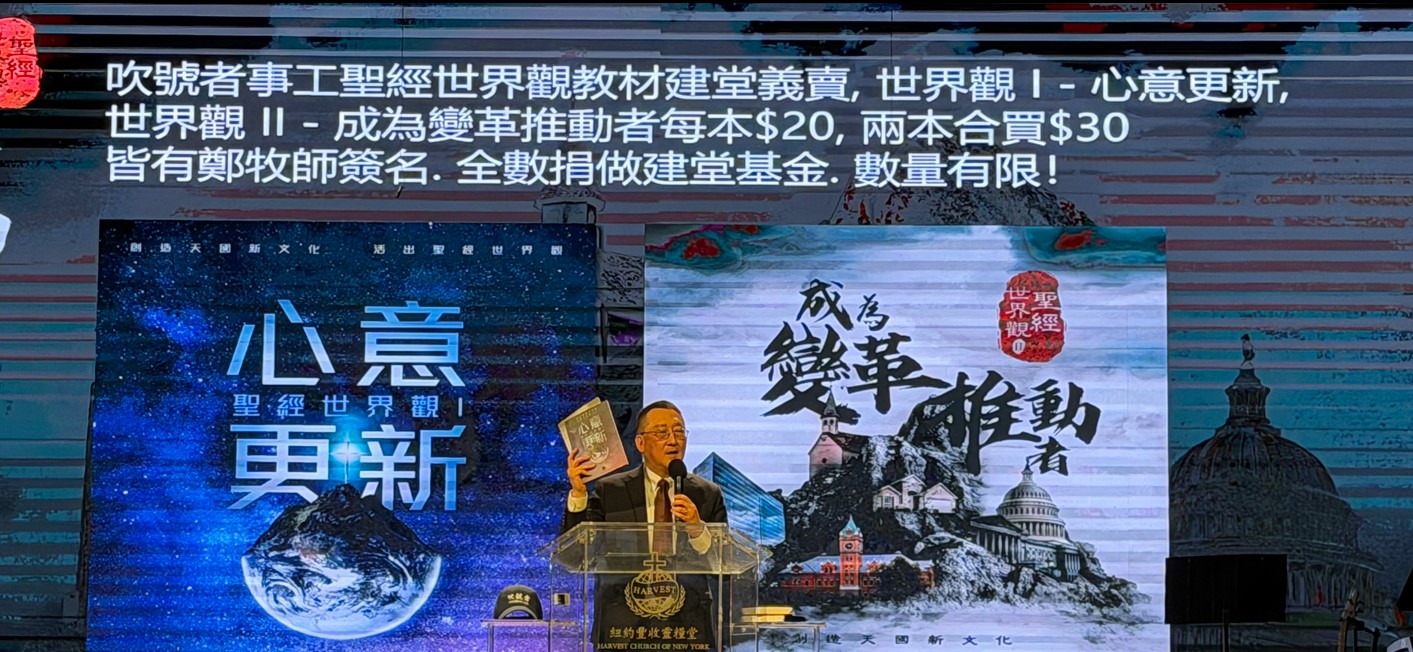
For many years, the core emphasis of Zheng Lixin’s Trumpeter Ministry—that “faith must return to the center of public life”—has formed a profound resonance with this national-level cultural return. Pastor Zheng’s sharp edge lies not merely in his willingness to speak, but in his courage to identify who dares not speak. His critique is directed not at society, but at the church’s silence in the face of the times. He has long warned that if Christians continue to confine faith to personal devotion and church activities, while lacking cultural analysis and public responsibility, the next generation will inevitably be shaped by the mainstream education system, social media, and secular culture. If families do not act proactively, culture inevitably will; if the church remains silent, values will inevitably be defined by others. These words may be uncomfortable, but they accurately expose a long-standing blind spot within Chinese churches.
The prayers at the Pentagon and the public declaration at the Museum of the Bible have generated enormous social reaction precisely because they broke the taboos imposed by political correctness in recent years. Supporters argue that the United States was founded on trust in God and biblical values, and that without a foundation of faith, social order cannot be sustained, family structures will continue to collapse, and society will struggle to withstand the shock of value confusion. Critics, by contrast, loudly accuse the government of “religious interference in politics,” claiming that such public prayer deepens social division, with some media outlets even attempting to downplay the significance of the events themselves. Yet the fiercer the controversy, the clearer one fact becomes: America is contesting its cultural soul, and that contest will never be won through silence.
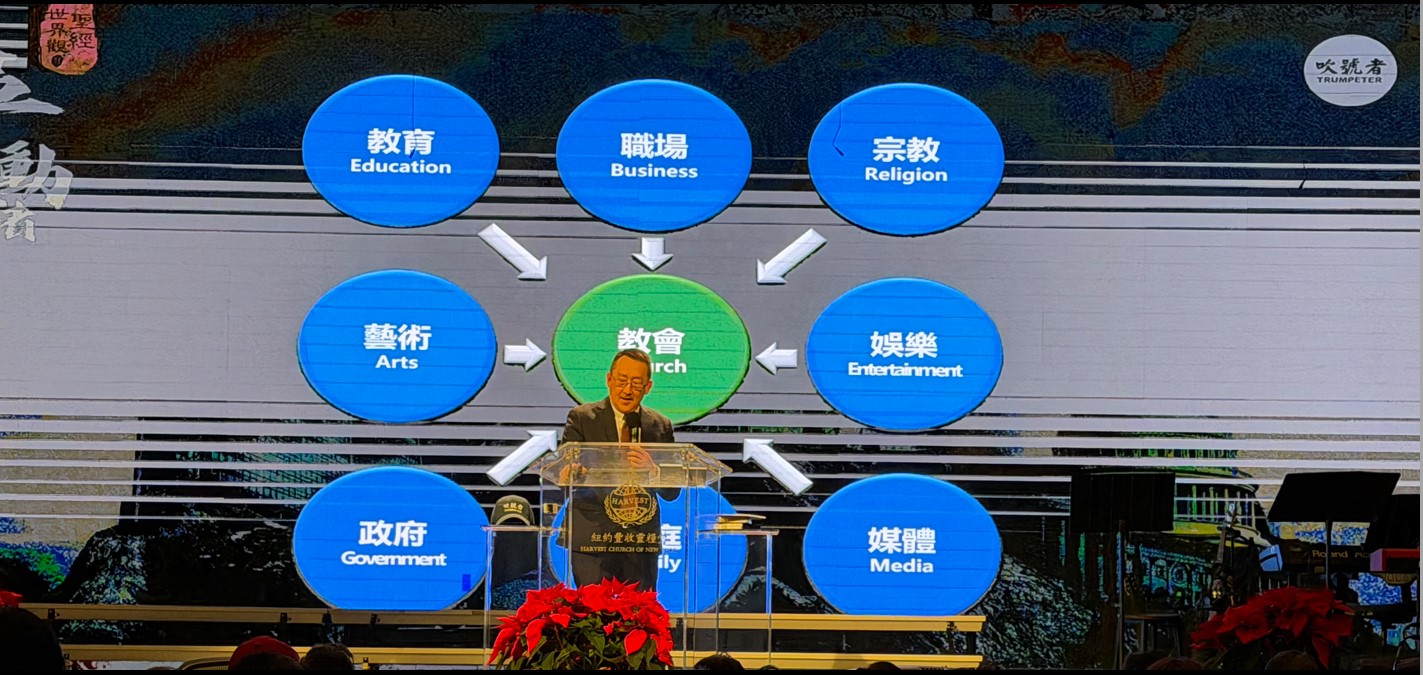
This is precisely where the significance of the Trumpeter Ministry lies. It does not seek to manufacture religious emotion, but to rebuild a language of public faith—enabling Christians to understand the contours of contemporary culture, to re-establish faith transmission within families, and to speak in the public sphere with maturity and rationality. What Pastor Zheng proposes is a systematic project of cultural reconstruction: from parents to churches, from education to values, from private belief to public responsibility. He continually reminds believers that faith without a public dimension cannot influence society; faith confined to Sundays cannot shape the next generation; faith that never enters the cultural core can only be submerged by the tides of the age.
The prayers at the Pentagon, and President Trump’s public declaration at the Museum of the Bible “We are a nation under God, and we always will be,” represent a real-world response to the core vision of the Trumpeter Ministry. They demonstrate that faith has not withdrawn from the national stage; rather, after a prolonged cultural vacuum, it is once again being regarded as a foundation for social stability. For Chinese churches, this serves as a sobering wake-up call. Silence is not neutrality—it is withdrawal from the battlefield; avoiding controversy is not wisdom—it is abdication of responsibility. Without proactive preparation, the next generation will inevitably lose its way amid value conflicts.
In this sense, Pastor Zheng Lixin is not merely a commentator on the times, but a driver of the times. What he advances is not a surge of religious emotion, but a long-term reconstruction of cultural foundations, a reshaping of values, and a proactive stance against overwhelming cultural currents. As national-level discourse once again speaks of being “under God,” and as faith re-enters the public center, the trumpet blast of the Trumpeter Ministry becomes both a prelude and a footnote to this historic shift.
What Pastor Zheng Lixin is doing is ensuring that Christians are no longer absent from the cultural battlefield. In the reconstruction of civilization, a single trumpeter often matters more than a thousand who remain silent.
