

تعليق سيليبريتي ميديا: اختيار الأمين العام للأمم المتحدة — ما وراء المرشحين الثمانية، مَن تتابع سيليبريتي ميديا؟


- Details
- Category: Arabic Language
- Published: Monday, 31 August 2026 11:13
- Written by Eager
تدخل عملية اختيار الأمين العام المقبل للأمم المتحدة مرحلة حاسمة.
في 21 أغسطس، أجرى مجلس الأمن التابع للأمم المتحدة الجولة الثانية من الاقتراع الاستطلاعي غير الرسمي. وحصلت مرشحة غيانا كارولين رودريغيز-بيركيت على 8 أصوات «تشجيع»، لتحتل مؤقتًا المركز الأول؛ بينما حصلت كل من ريبيكا غرينسبان من كوستاريكا ورافائيل غروسي من الأرجنتين على 7 أصوات «تشجيع»، وجاءا خلفها مباشرة.
من حيث الظاهر، يبدو أن ملامح المنافسة بدأت تتضح تدريجيًا. ومع ذلك، لا يزال من السابق لأوانه الاستنتاج بأن الأمين العام المقبل للأمم المتحدة سيخرج على الأرجح من بين المرشحين المتصدرين حاليًا.
والسبب هو أن ما يحسم نتيجة عملية الاختيار في النهاية ليس مَن يتصدر مؤقتًا، بل مَن يستطيع أن يصبح مقبولًا لدى مجلس الأمن—وخاصة لدى جميع الأعضاء الدائمين الخمسة. وفي الجولة الثانية من التصويت، لم يتم بعد التمييز بين بطاقات اقتراع الأعضاء الدائمين الخمسة وبطاقات الأعضاء العشرة الآخرين في مجلس الأمن، ولذلك لا يعرف الجمهور حاليًا ما إذا كانت بعض أصوات «عدم التشجيع» التي تلقاها المرشحون تتضمن بالفعل احتمال استخدام حق النقض من أحد الأعضاء الدائمين.
لذلك، قد لا يكون السؤال الجدير بالمتابعة اليوم هو: مَن يتصدر بين المرشحين الثمانية؟ بل هو: إذا لم يتمكن أي من الثمانية من تحقيق توافق في النهاية، فهل يمكن أن يظهر مرشح تاسع؟
كانت سيليبريتي ميديا قد اقترحت، حتى قبل نوفمبر 2025، أن يكون للأمم المتحدة أمينة عامة
في الواقع، منذ نوفمبر من العام الماضي، عندما بدأت عملية اختيار الأمين العام المقبل للأمم المتحدة تجذب الاهتمام الدولي، طرحت سيليبريتي ميديا اقتراحًا واضحًا: في هذه اللحظة التاريخية، نأمل أن تختار الأمم المتحدة أول أمينة عامة منذ تأسيس المنظمة.
وهذا ليس مجرد شعار سعيًا وراء «الصواب السياسي». فقد مضى على وجود الأمم المتحدة أكثر من 80 عامًا، ومع ذلك لم تشغل امرأة منصب الأمين العام قط. كما أن المعلومات التاريخية التي نشرتها الأمم المتحدة نفسها تؤكد بوضوح أن المنظمة لم يسبق أن كان لها أمينة عامة.
كما أن تركيبة قائمة المرشحين لهذا العام تُظهر أن هذه المسألة لم تعد مجرد نقاش رمزي.
ومن بين المرشحين الثمانية المعلنين حاليًا عدة نساء، من بينهن كارولين رودريغيز-بيركيت، وريبيكا غرينسبان، وميشيل باشيليت، وماريا فرناندا إسبينوسا، وإيفون أ-باكي. وفي الجولة الثانية من الاقتراع الاستطلاعي، فإن رودريغيز-بيركيت وغرينسبان، اللتين تحتلان حاليًا المركزين الأول والثاني على التوالي، هما أيضًا امرأتان.
لذلك، أصبحت إمكانية اختيار الأمم المتحدة أول أمينة عامة لها في عام 2026 احتمالًا واقعيًا وملموسًا في عملية الاختيار هذه، وليست مجرد طموح سياسي بعيد المنال. لكن سيليبريتي ميديا تركز أيضًا على سؤال آخر: ماذا لو لم تكن أول أمينة عامة يتم اختيارها في النهاية من بين هؤلاء المرشحين الثمانية؟وجود ثمانية متنافسين لا يعني أن باب الترشيح قد أُغلق بالفعل
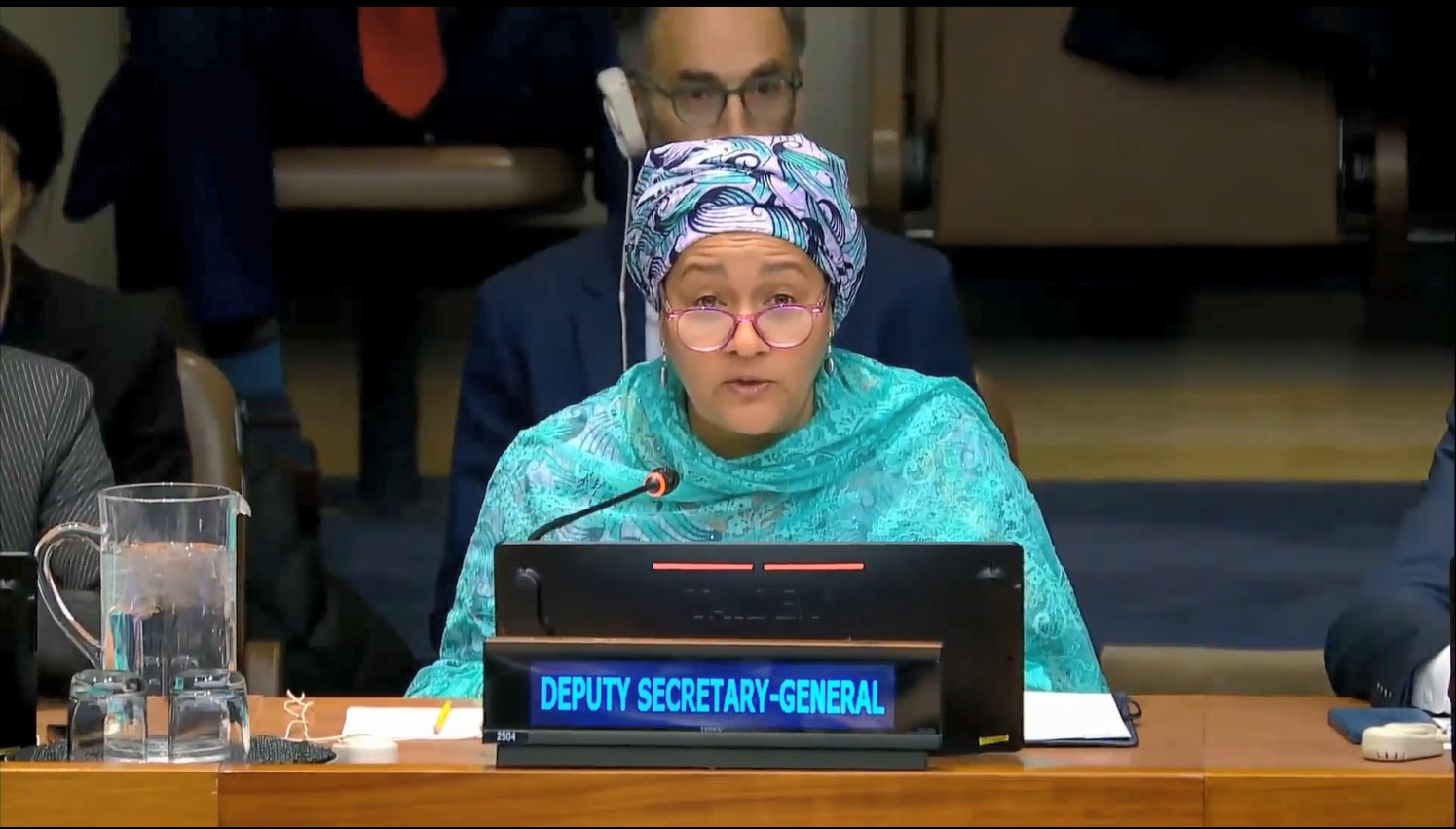
أولًا، من الضروري توضيح كيفية اختيار الأمين العام للأمم المتحدة.
بموجب المادة 97 من ميثاق الأمم المتحدة، تعيّن الجمعية العامة الأمين العام بناءً على توصية مجلس الأمن. وبعبارة أخرى، رغم أن الجمعية العامة تُتم التعيين رسميًا، فإن مجلس الأمن هو الذي يحدد فعليًا مَن يمكنه الوصول إلى المرحلة النهائية.
يتألف مجلس الأمن من 15 عضوًا. ولا يحتاج المرشح في النهاية إلى دعم كافٍ فحسب، بل الأهم من ذلك أن يتجنب استخدام حق النقض من أي من الأعضاء الدائمين الخمسة: الولايات المتحدة، والصين، وروسيا، والمملكة المتحدة، وفرنسا.
وهذا يعني أن اختيار الأمين العام للأمم المتحدة لم يكن يومًا «انتخابًا ديمقراطيًا» بالمعنى التقليدي. فقد يحظى المرشح بدعم عدد كبير من الدول الأعضاء، أو يقدم أداءً لافتًا في المناظرات العامة، أو يتصدر الجولات الأولى من الاقتراع الاستطلاعي، لكن إذا لم يتمكن في المرحلة النهائية من تجاوز العتبة التي يفرضها أي عضو من الأعضاء الدائمين الخمسة، فقد يصبح تقدمه المبكر بلا معنى.
وتُظهر النتائج الحالية على وجه الدقة أن مثل هذا التوافق لم يتحقق بعد.
في الجولة الثانية، حصلت المتصدرة رودريغيز-بيركيت على 8 أصوات «تشجيع»، بينما حصل كل من غرينسبان وغروسي على 7 أصوات. ولم يُظهر أي مرشح تفوقًا كاسحًا، كما أن المواقف الحقيقية للأعضاء الدائمين الخمسة لا تزال غير معلنة. وقد تستمر عملية الاختيار حتى سبتمبر أو حتى أكتوبر.
والأهم من ذلك، أن هؤلاء المرشحين الثمانية لم يكونوا مجموعة ثابتة منذ البداية.
فقد رُشّح الأوغندي أولارا أوتونو في 24 يوليو فقط وشارك في الجولة الأولى من الاقتراع الاستطلاعي، بينما لم تُرشَّح المرشحة الثامنة الحالية، إيفون أ-باكي، إلا في وقت متأخر هو 17 أغسطس. بل إنها لم تشارك أصلًا في الجولة الأولى من الاقتراع الاستطلاعي التي أُجريت في 30 يوليو. كما تسمح قواعد الاختيار التي نشرتها الأمم المتحدة للدول الأعضاء بمواصلة تقديم مرشحين جدد بعد الموعد الأصلي للترشيح.
وبعبارة أخرى: «يوجد حاليًا ثمانية مرشحين» و«يجب أن يأتي الاختيار النهائي من بين هؤلاء الثمانية» عبارتان مختلفتان تمامًا. وفي الواقع، قبل الجولة الثانية من التصويت، صرّح المندوب الدائم لروسيا لدى الأمم المتحدة، فاسيلي نيبينزيا، علنًا بأنه إذا وصل المرشحون الحاليون إلى طريق مسدود ولم يتمكن أي منهم من الحسم، فقد يظهر مرشحون آخرون.
وهذا أيضًا هو السبب الذي يجعل سيليبريتي ميديا ترى أن من المفيد الاستمرار في النظر إلى ما وراء المرشحين الثمانية الحاليين.
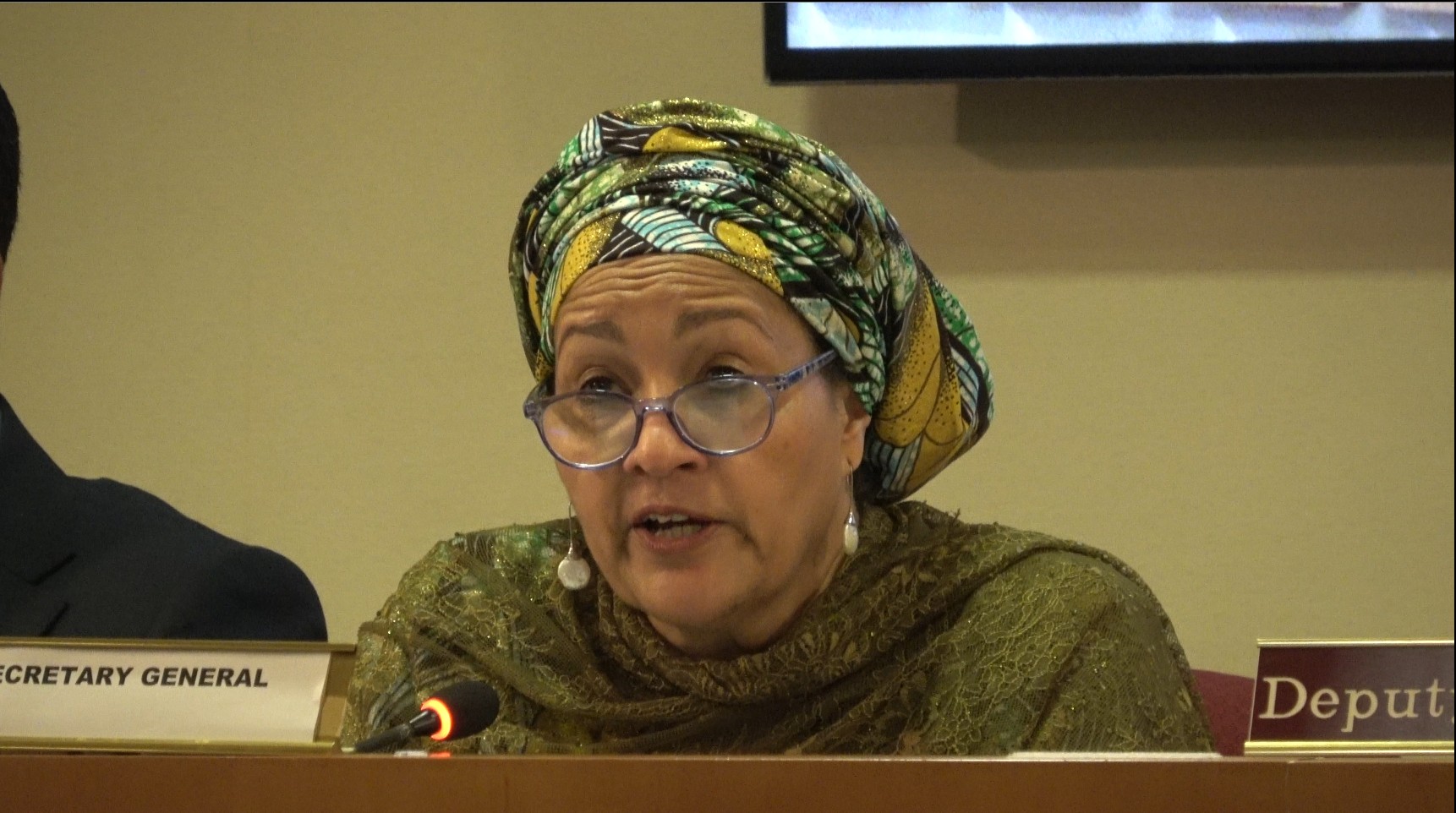
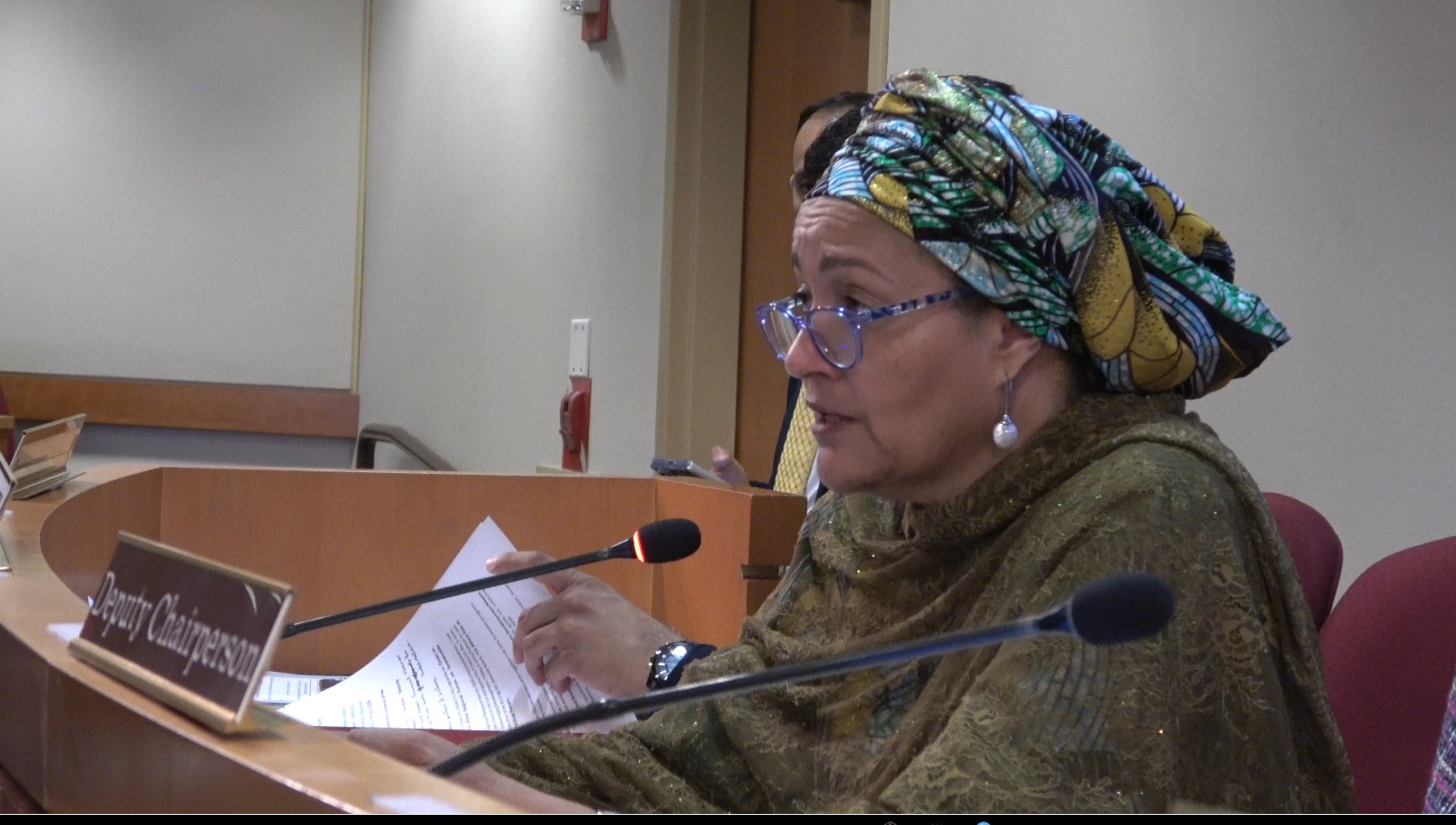
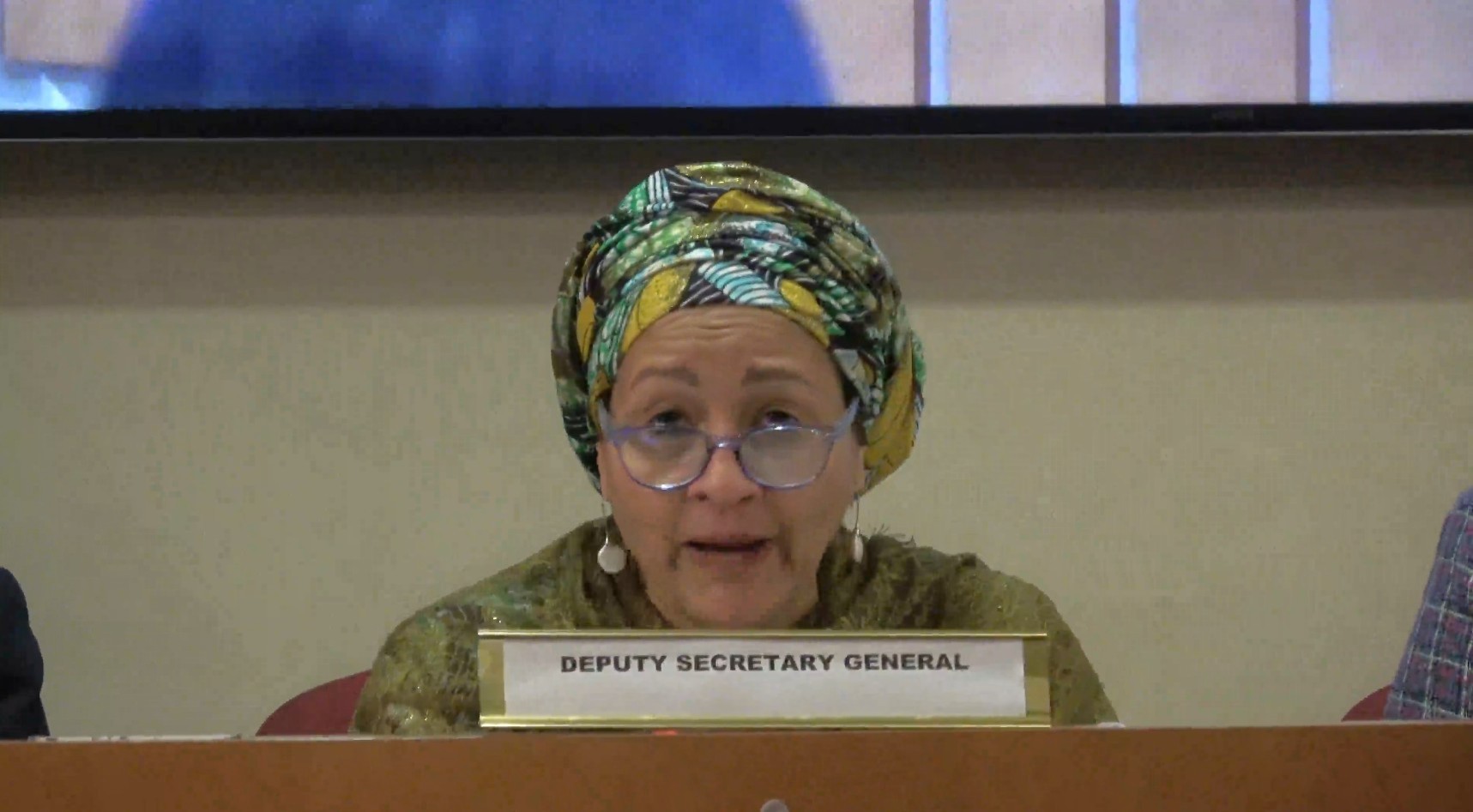
فلماذا نولي اهتمامًا لأمينة ج. محمد؟ من بين الشخصيات المحتملة التي قد تظهر من خارج القائمة الحالية، هناك اسم يصعب تجاهله: نائبة الأمين العام الحالية للأمم المتحدة، أمينة ج. محمد. نحن نوليها الاهتمام ليس لأن هناك أدلة على أنها تقوم بحملة سرية. بل على العكس تمامًا: فالحقائق المتاحة علنًا تُظهر أنها ليست مرشحة.
ونتابعها أساسًا لأن خلفيتها مميزة للغاية بين الشخصيات التي قد تصبح «مرشحة توافقية». فقد شغلت أمينة محمد منصب نائبة الأمين العام للأمم المتحدة منذ فبراير 2017، كما ترأس مجموعة الأمم المتحدة للتنمية المستدامة. وقبل انضمامها إلى أعلى مستويات القيادة في الأمم المتحدة، شغلت منصب وزيرة البيئة في نيجيريا. وقبل ذلك، كانت مستشارة خاصة للأمين العام للأمم المتحدة آنذاك بان كي مون، وشاركت مباشرة في دفع عملية إعداد خطة التنمية المستدامة لعام 2030 وأهداف التنمية المستدامة (SDGs).
وهذا يعني أنها عملت لما يقرب من عقد في أعلى مستويات صنع القرار والإدارة داخل الأمم المتحدة. وهي على دراية بمكتب الأمين العام، وتفهم آليات التنسيق بين وكالات الأمم المتحدة، ولديها خبرة طويلة في العمل مع الحكومات الوطنية والمنظمات الدولية ومؤسسات التنمية العالمية.
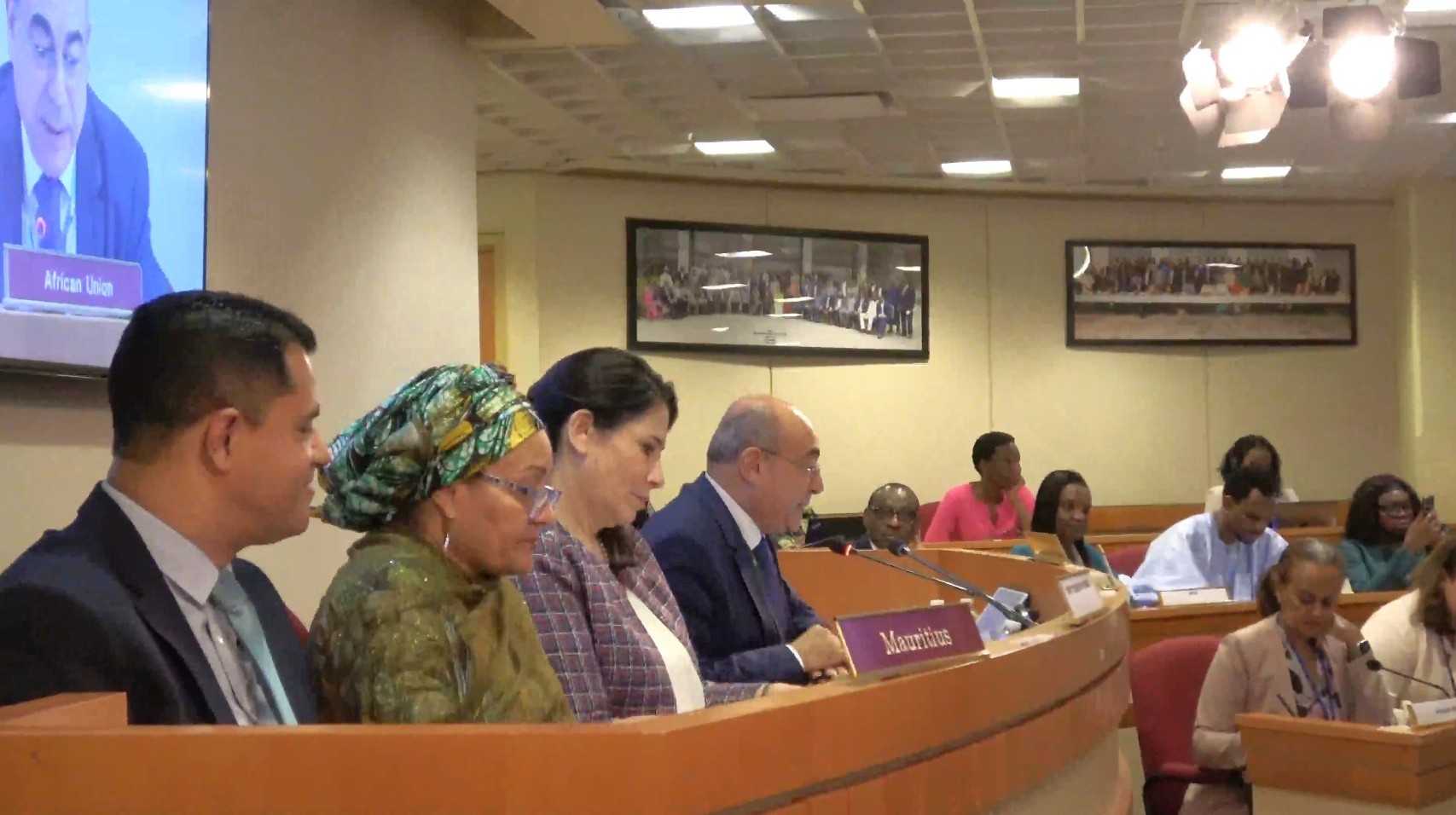
ومن منظور سيرتها السياسية، فهي تجمع عدة سمات مميزة للغاية: خلفية أفريقية، وقيادة نسائية، والانتماء إلى الجنوب العالمي، وخبرة إدارية رفيعة داخل الأمم المتحدة، والتنمية المستدامة، وسياسات المناخ والبيئة، وخبرة واسعة في التعاون متعدد الأطراف.
وفي البيئة السياسية الدولية الراهنة، لا يمكن اعتبار هذه السمات أمورًا ثانوية.
فالأمين العام المقبل للأمم المتحدة لن يكون مطالبًا بإدارة الشؤون الداخلية للمنظمة فحسب، بل سيتعين عليه أيضًا التعامل مع سلسلة من التحديات الكبرى، بما في ذلك الحرب الروسية الأوكرانية، والصراع في الشرق الأوسط، والأزمات الأمنية في أفريقيا، وتغير المناخ، وفجوة التنمية العالمية بين الشمال والجنوب، والتنافس بين القوى الكبرى، وتراجع مصداقية الأمم المتحدة نفسها.
وفي نقاش نشرته صحيفة فايننشال تايمز في 27 أغسطس حول الأمين العام المقبل للأمم المتحدة، أشار المسؤول السابق في الأمم المتحدة والمؤرخ ثانت مينت-يو إلى أنه، في ظل تراجع نفوذ الأمم المتحدة والانقسامات داخل مجلس الأمن اليوم، سيحتاج الأمين العام المقبل بصورة خاصة إلى الشجاعة السياسية، ورباطة الجأش، ومهارات دبلوماسية ووساطة قوية من أجل إعادة تفعيل دور الأمم المتحدة كوسيط.
وبهذا المعيار، تتمتع أمينة محمد بنقاط قوة واضحة: فهي تمتلك خبرة واسعة في صميم منظومة الأمم المتحدة، ولها سجل قوي في التنمية العالمية والتعاون الدولي.
ومع ذلك، لديها أيضًا مسألة مهمة يجب الإقرار بها: إن سجلها العلني في وساطة السلام، وتسوية الحروب، والتعامل مع الأزمات الأمنية الكبرى ليس بارزًا بقدر خبرتها في التنمية وحوكمة الأمم المتحدة.
ولذلك، فإن الاهتمام بها لا يعني الاستنتاج بأنها تمتلك بالفعل كل المؤهلات اللازمة لتصبح أمينة عامة. وهذا تحديدًا هو الفارق الذي يجب الحفاظ عليه بين التعليق السياسي و«المراهنة» السياسية.
أقوى دليل يعارض مثل هذه التكهنات هو أنها قالت بنفسها بوضوح: «أنا لا أترشح»
يجب أن يقر أي نقاش بشأن أمينة محمد بحقيقة شديدة الأهمية.
في 7 يوليو، وخلال مؤتمر صحفي عُقد في مقر الأمم المتحدة، عندما سألها صحفي مباشرة عما إذا كانت قد تترشح لمنصب الأمين العام المقبل، قدمت إجابة واضحة جدًا:
إنها ليست مرشحة ولا تنوي أن تصبح كذلك.
وأضافت أنها تؤيد تقليد الأمم المتحدة القائم على التناوب الإقليمي في منصب الأمين العام، وترى أن هذه الدورة ينبغي أن تفضي إلى مرشح من أمريكا اللاتينية ومنطقة البحر الكاريبي، وتأمل أن تكون الشخصية التي يقع عليها الاختيار في النهاية امرأة.
ويضع هذا التصريح فعليًا حدًا واقعيًا واضحًا للغاية لكل التكهنات المتعلقة بها. حتى الآن، أمينة محمد ليست مرشحة لمنصب الأمين العام للأمم المتحدة.
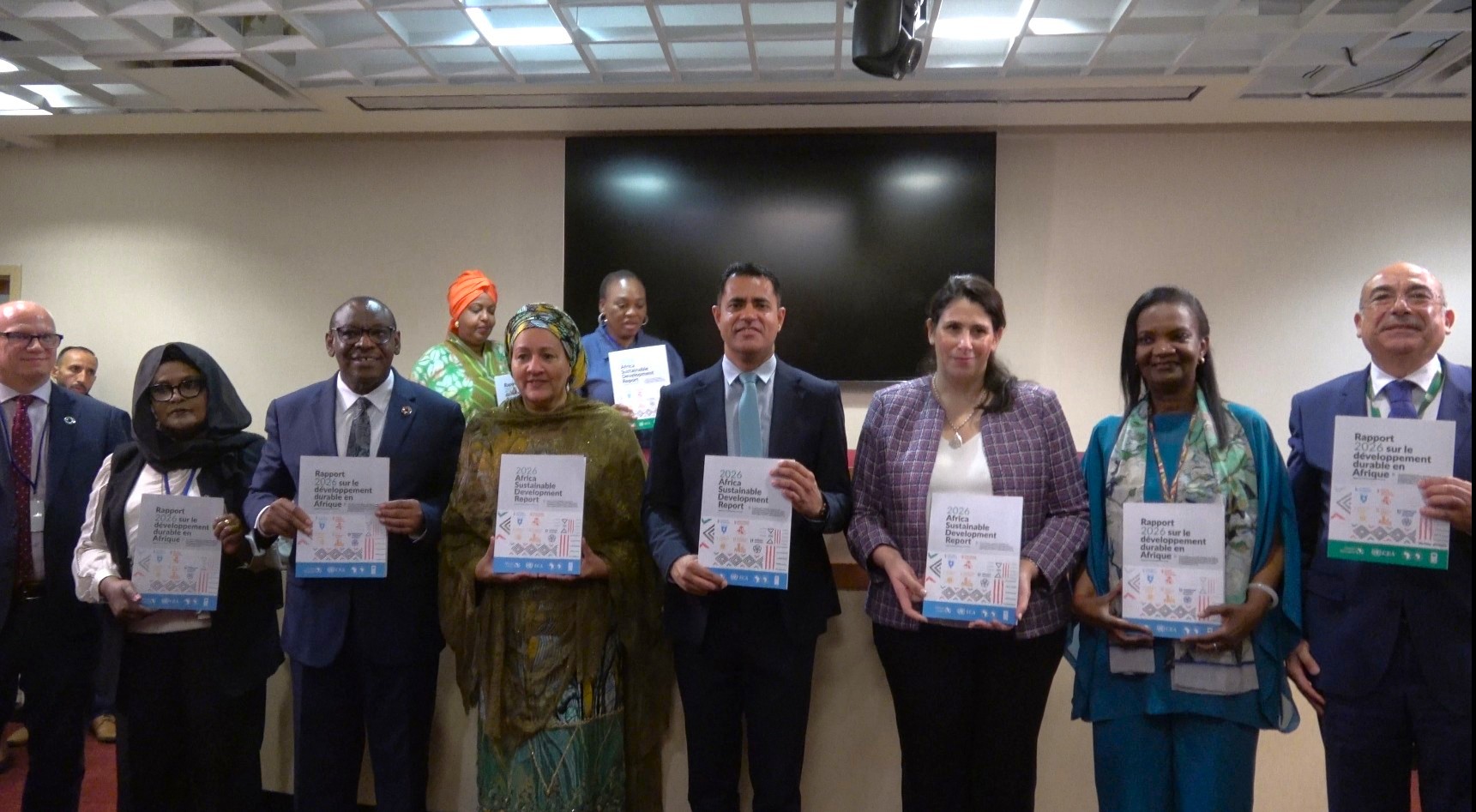
لا يوجد دليل على أنها تقوم بحملة. ولا يوجد دليل على أنها تسعى إلى ترشيح من أي دولة. كما لا توجد أي أدلة علنية تثبت أن الولايات المتحدة والصين وروسيا والمملكة المتحدة وفرنسا تعتبرها بالفعل مرشحة مقبولة لدى الجميع.
لذلك، فإن وصفها الآن بأنها «مرشحة خفية»، أو «حصان أسود»، أو حتى «الأمينة العامة المقبلة» سيتجاوز ما يمكن للأدلة الحالية أن تدعمه. ولا تنوي سيليبريتي ميديا القيام بذلك.
إذا كان بين المرشحين الثمانية بالفعل عدة نساء، فلماذا لا نزال ننظر إلى أمينة؟
هذا سؤال لا بد من الإجابة عنه. فإذا كانت سيليبريتي ميديا تدعو الأمم المتحدة إلى اختيار أول أمينة عامة لها، فهناك بالفعل بين المرشحين الثمانية الحاليين عدة نساء ذوات كفاءة عالية، بل إن المتصدرات حاليًا نساء.
فلماذا ننظر إلى ما وراء القائمة الرسمية؟
الإجابة هي: نحن لا نسأل ما إذا كانت «أمينة أفضل من المرشحات الأخريات». بل ندرس سيناريو سياسيًا آخر يمكن أن يظهر في عملية اختيار الأمين العام.
إذا تمكنت رودريغيز-بيركيت، أو غرينسبان، أو باشيليت، أو إسبينوسا، أو أي من المرشحين الآخرين في النهاية من الحصول على الدعم المطلوب في مجلس الأمن مع تجنب حق النقض من الأعضاء الدائمين الخمسة، فستصبح مسألة المرشحين من خارج القائمة الحالية غير ذات صلة بطبيعة الحال.
لكن إذا أظهرت جولات التصويت المقبلة أن المرشحين المتصدرين يستطيعون الحصول على دعم الأعضاء العاديين لكنهم لا يستطيعون تجاوز اعتراض عضو دائم بعينه؛ بينما قد يكون مرشحون آخرون مقبولين لدى عدة قوى كبرى لكنهم لا يستطيعون الحصول على دعم كافٍ في مجلس الأمن؛ واستمرت الأطراف في رفض المرشحين المقبولين لدى بعضها البعض دون القدرة على الاتفاق على بديل مقبول للجميع—فقد يتغير المنطق الكامل لعملية الاختيار.
عندها، قد لا يعود السؤال هو «مَن يحتل حاليًا أعلى مرتبة؟» بل قد يصبح:
مَن هو الشخص الذي قد لا يكون الخيار المفضل لأي طرف، لكنه مقبول لدى الجميع؟
وهذه تحديدًا هي القيمة السياسية لـ«المرشح التوافقي» في اختيار الأمين العام للأمم المتحدة. وفقط في ظل مثل هذا السيناريو الافتراضي تصبح أمينة محمد—بخبرتها الطويلة في أعلى مستويات الأمم المتحدة، وجذورها في الجنوب العالمي، والدلالة الرمزية للقيادة النسائية—جديرة بمتابعة خاصة. والكلمة الأساسية هي المتابعة، لا «التنبؤ بالفوز». ويجب عدم الخلط بين الأمرين.
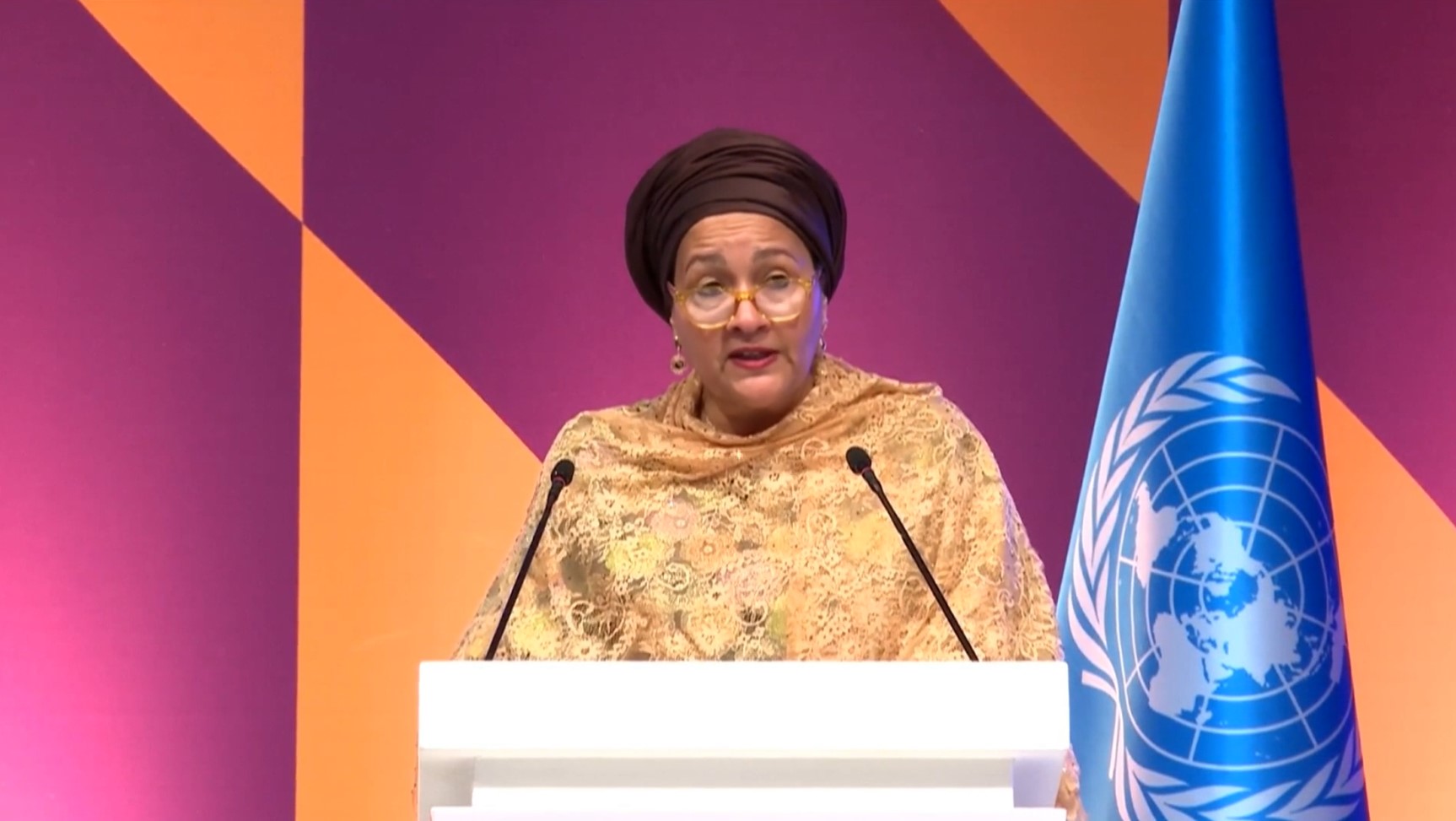
ما يجب متابعته حقًا هو الأعضاء الدائمون الخمسة، لا ترتيب المرشحين
ولذلك، بعد الجولة الثانية من الاقتراع الاستطلاعي، لا تسارع سيليبريتي ميديا إلى إعداد «جدول ترتيب» مبسط للمرشحين الثمانية. فمن المهم بالتأكيد معرفة مَن يتصدر حاليًا. لكن بالنسبة إلى عملية الاختيار هذه، هناك ثلاثة أسئلة أكثر أهمية في الواقع:
أولًا، متى ستبدأ مواقف الأعضاء الدائمين الخمسة في الظهور بوضوح خلال جولات التصويت المقبلة؟
ثانيًا، هل يوجد بين المتصدرين الحاليين مَن يستطيع فعلًا تحقيق معيار «الدعم الكافي وعدم مواجهة حق النقض من أي عضو دائم»؟
ثالثًا، إذا لم يتمكن أي من المرشحين الحاليين من استيفاء هذا المعيار، فهل سترشح دولة أخرى مرشحًا جديدًا؟
إذا ظل السؤالان الأول والثاني دون إجابة مدة طويلة، فستزداد أهمية السؤال الثالث بسرعة. ولهذا السبب لا نزال ننظر إلى ما وراء المرشحين الثمانية الحاليين.
تقييم سيليبريتي ميديا
في نوفمبر الماضي، أعربت سيليبريتي ميديا عن أملها في أن تتمكن الأمم المتحدة، بعد أكثر من 80 عامًا على تأسيسها، من اختيار أول أمينة عامة في تاريخها. واليوم، ما زلنا نتمسك بهذا التطلع.
وبالنظر إلى الوضع الحالي للمنافسة، فإن هذا الاحتمال ليس بعيدًا على الإطلاق—فالعديد من المرشحين الثمانية قيادات نسائية ذات خبرة واسعة وسجل طويل في السياسة الدولية والأمم المتحدة، كما أن المرشحات يتصدرن حاليًا الجولة الثانية من التصويت.
لكن اهتمامنا لا يتوقف عند مجرد صفة «امرأة». فالأمين العام المقبل للأمم المتحدة سيضطر في نهاية المطاف إلى مواجهة بيئة دولية شديدة الانقسام. والمرشح الذي يستطيع الفوز فعلًا يجب أن يمتلك القدرة القيادية، والخبرة الدولية، والحكم السياسي السليم، وأصعب قدرة على الإطلاق:
أن يجعل القوى الكبرى، رغم خلافاتها الحادة، تتفق على الأقل على عدم استخدام حق النقض ضدها.
هل يوجد بالفعل بين المرشحين الثمانية الحاليين شخص بهذه الصفات؟ لا يزال من المبكر جدًا الجزم بذلك. وإذا كانت الإجابة النهائية «نعم»، فمن المرجح أن يأتي الأمين العام المقبل من القائمة الحالية. أما إذا تبين في النهاية أن الإجابة «لا»، فسيتعين على المجتمع الدولي أن يبحث من جديد عن شخص قادر على كسر الجمود. وعندها ستصبح الشخصيات من خارج القائمة الحالية مهمة.
أمينة ج. محمد هي أحد الأسماء الجديرة بالمتابعة.
هي ليست مرشحة حاليًا. وقد نفت علنًا أي نية للترشح. بل صرحت بوضوح بأنها تأمل أن تصبح امرأة من أمريكا اللاتينية ومنطقة البحر الكاريبي أمينة عامة. ولا ينبغي تجاهل أي من هذه الحقائق.
لكن لا ينبغي أيضًا تجاهل أنها تمتلك ما يقرب من عقد من الخبرة في أعلى مستويات الأمم المتحدة، فضلًا عن أبعاد متعددة في خلفيتها: العالم النامي، والجنوب العالمي، والقيادة النسائية، والعمل متعدد الأطراف.
لذلك، ما تطرحه سيليبريتي ميديا اليوم ليس استنتاجًا، بل سؤالًا: إذا لم يتمكن أي من المرشحين الثمانية الحاليين في النهاية من تجاوز العتبة التي يفرضها الأعضاء الدائمون الخمسة، فمن سيصبح المرشح التوافقي الجديد؟ وقد لا تكون الإجابة أمينة محمد.
وربما لن يظهر مرشح تاسع أصلًا. لكن في اختيار الأمين العام للأمم المتحدة—وهي عملية يحددها في جوهرها تنسيق القوى الكبرى والتوافق السياسي—عدم وجود الاسم على القائمة اليوم لا يعني أنه لن يدخل دائرة النقاش أبدًا.
ولهذا تحديدًا فإن النظر «إلى ما وراء الثمانية» يستحق اهتمامنا حقًا. وستواصل سيليبريتي ميديا متابعة عملية اختيار الأمين العام المقبل للأمم المتحدة.