- Details
-
Category: English Media
-
Published: Tuesday, 28 January 2025 08:09
-
Written by Eager
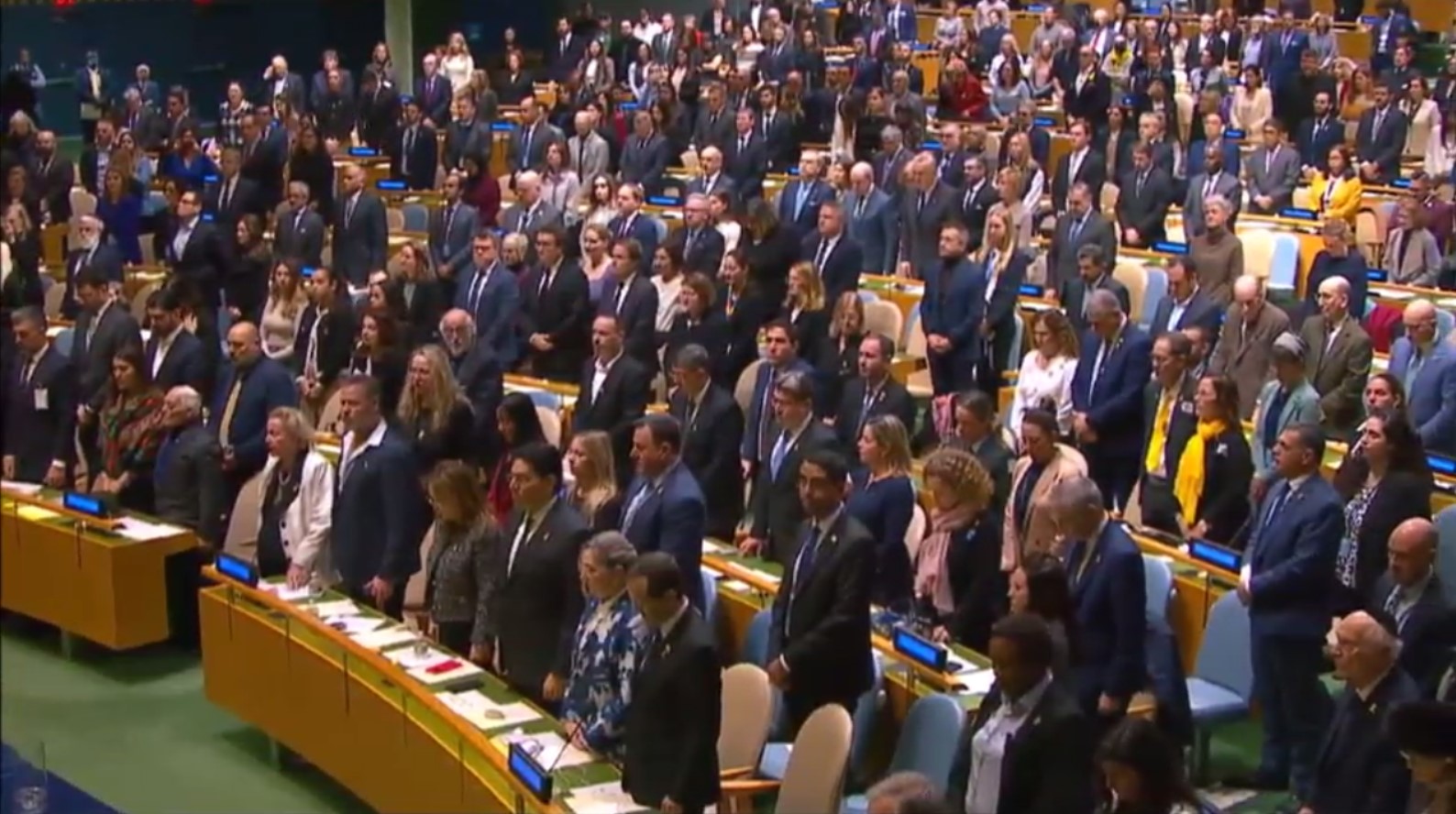
Celebrity Media Commentator: On January 27, 2025, the United Nations General Assembly Hall stood solemn and dignified as a Holocaust commemoration event was held under the theme "Remembering the Holocaust: Upholding Dignity and Human Rights." This day marks the 80th anniversary of the liberation of Auschwitz, serving as a historic moment for the global community to reflect on humanity's past atrocities and reaffirm its commitment to defending human rights and dignity.
This year also marks the 80th anniversary of both the end of World War II and the founding of the United Nations, making this Holocaust commemoration ceremony all the more historically significant at such a crucial time.
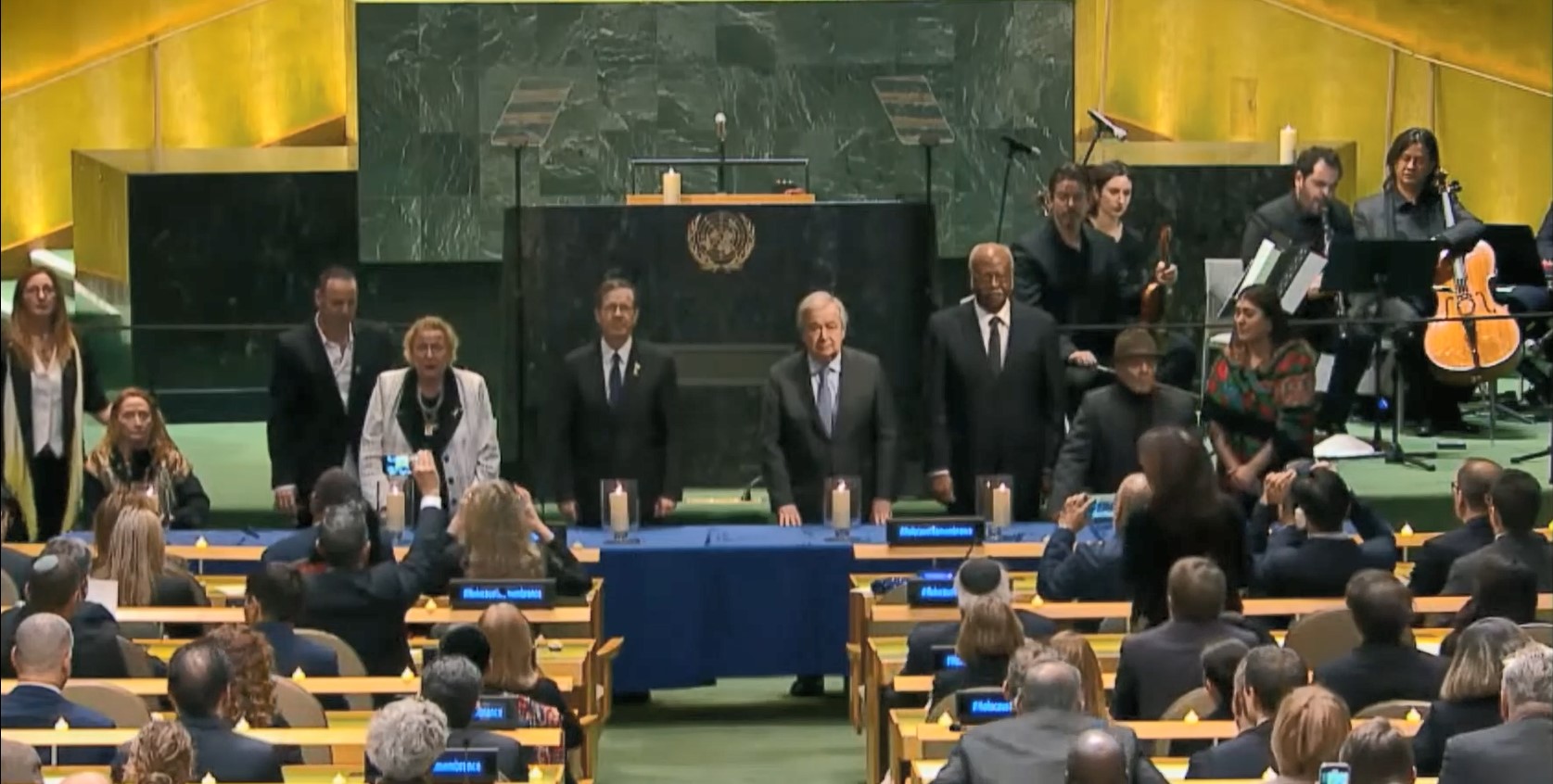
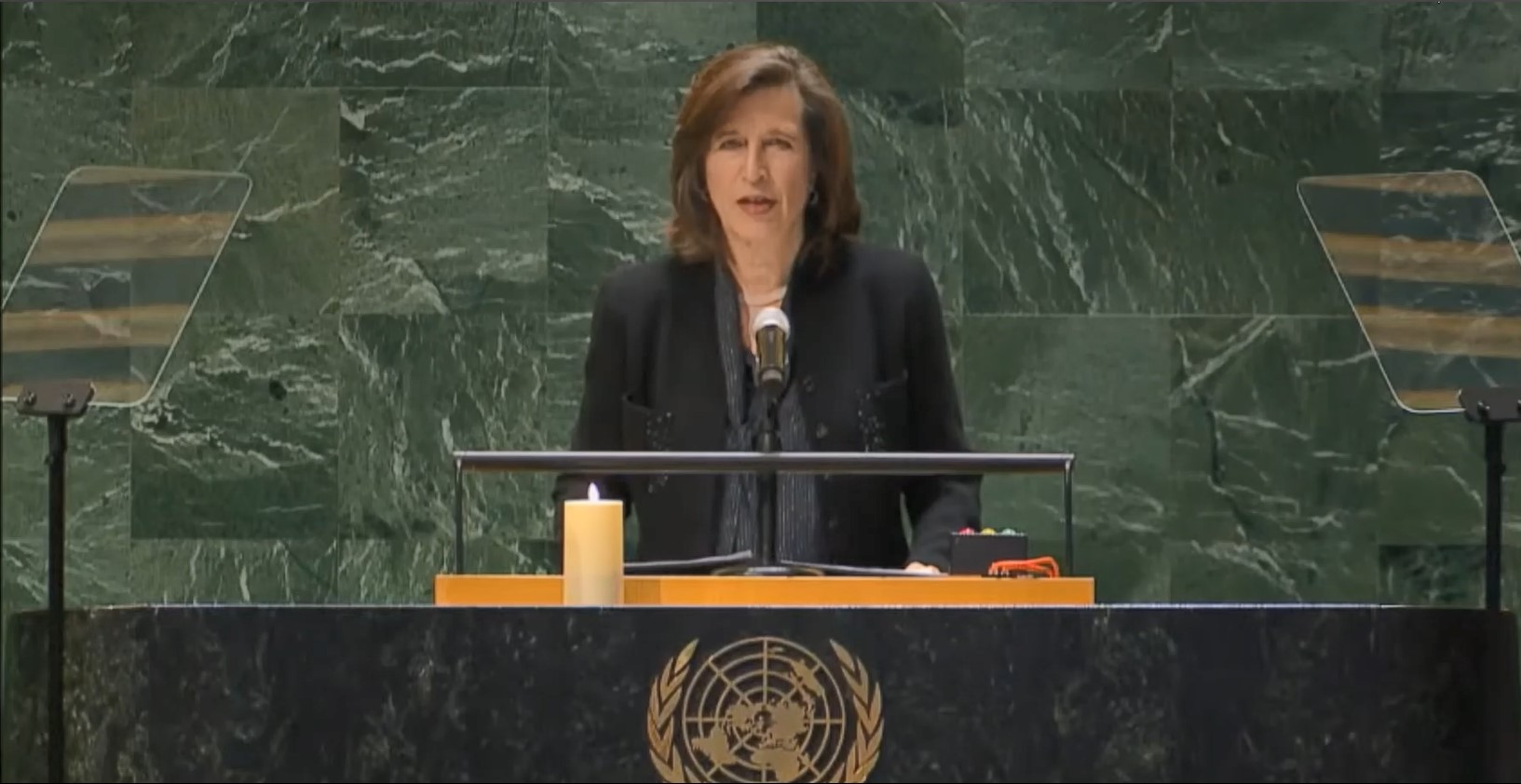 Ms. Melissa Flemin United Nations Under-Secretary-General for Global Communications
We must remember history and listen to the voices of Holocaust survivors. The Holocaust commemoration ceremony was presided over by Melissa Fleming, UN Under-Secretary-General for Global Communications. As the core segment of the event, the testimonies of Holocaust survivors and guest speakers brought a profound sense of shock and enlightenment, allowing attendees to truly grasp the weight of that dark chapter in history.
Survivor Dumitru Mihăilescu traveled from Budapest to share his personal experiences, warning the world never to forget the suffering endured by the Roma and Jewish communities. Another survivor, Marianne Müller, took the stage alongside her descendants, recounting the tragedy and resilience of her family. With unwavering conviction, she declared, "They are my answer to Hitler." This powerful statement not only conveyed a deeply personal belief but also symbolized hope, the triumph over hatred, and the perseverance of life itself.
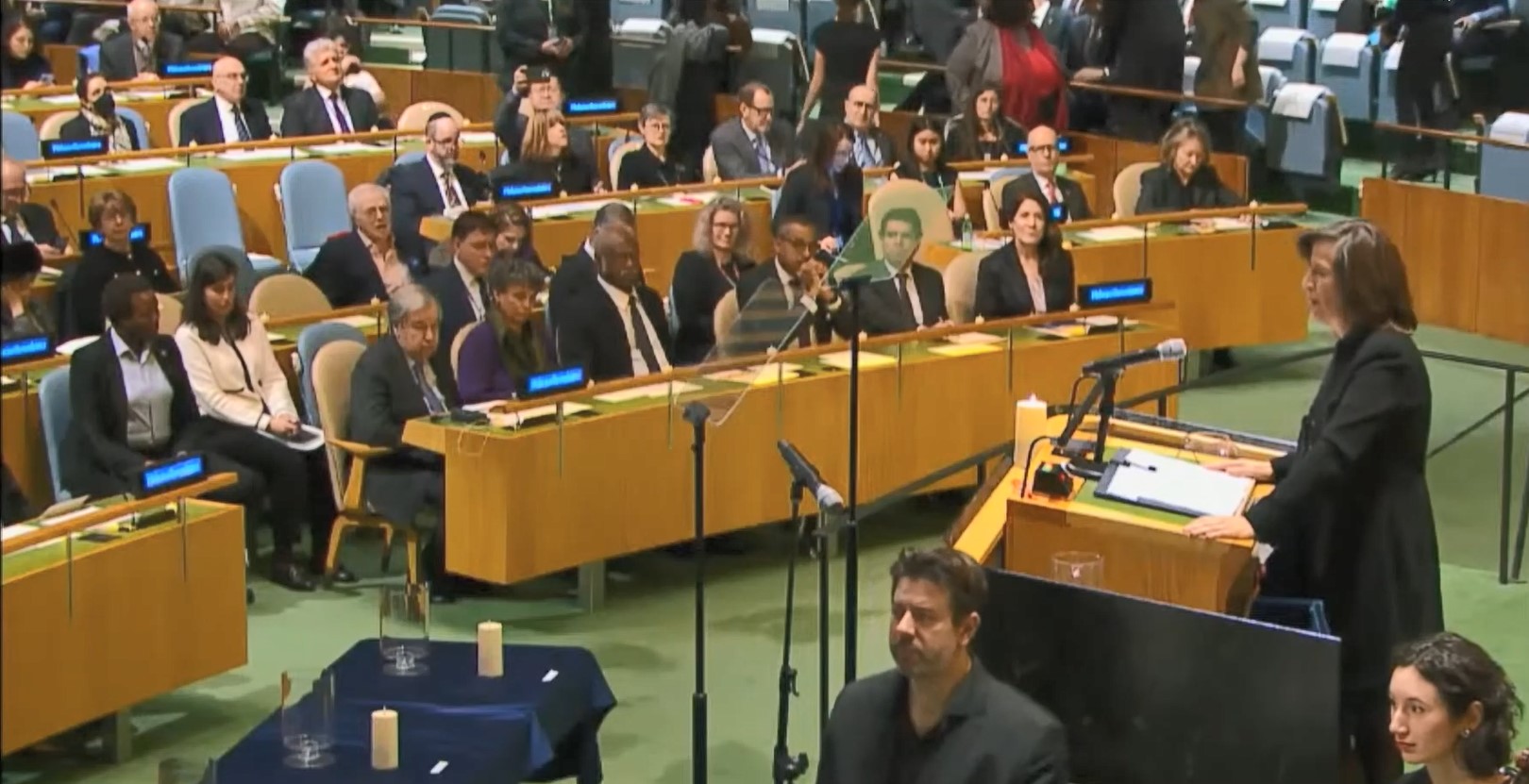
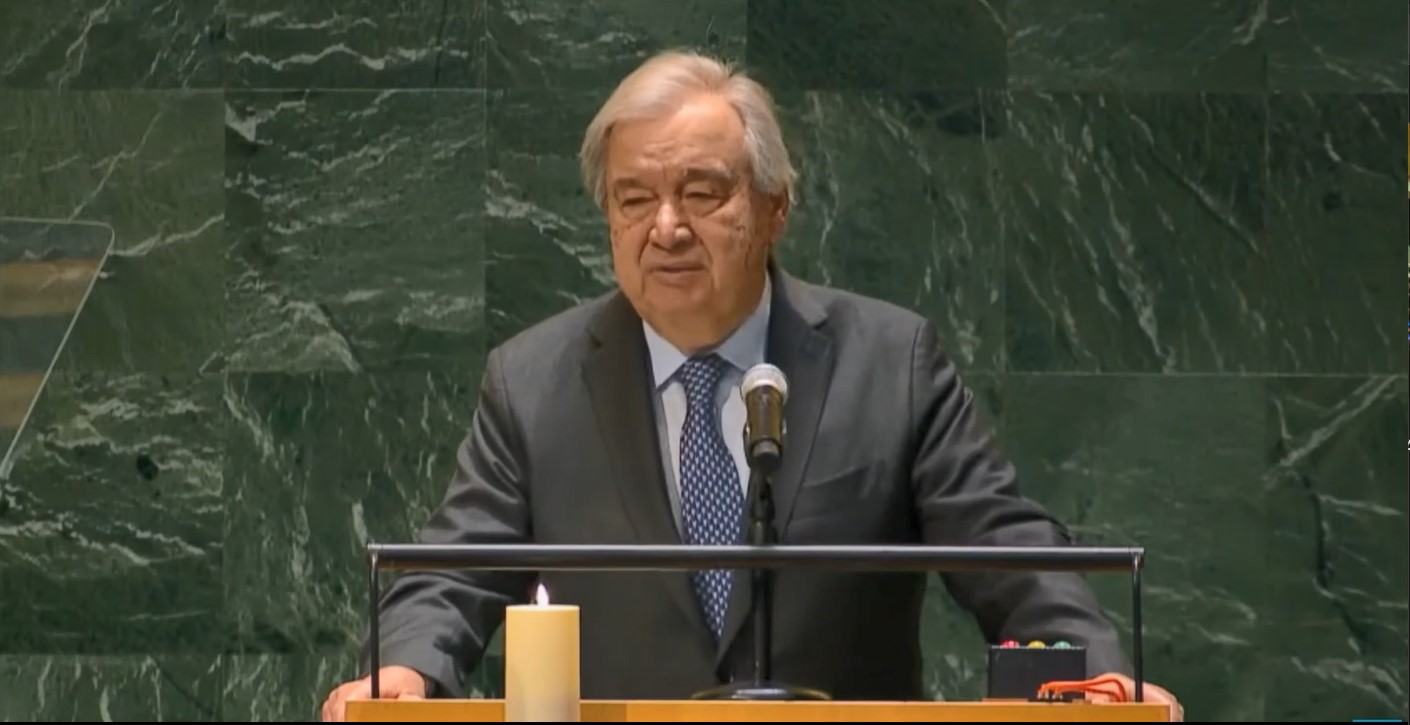 Mr. António GuterresUnited Nations Secretary-General
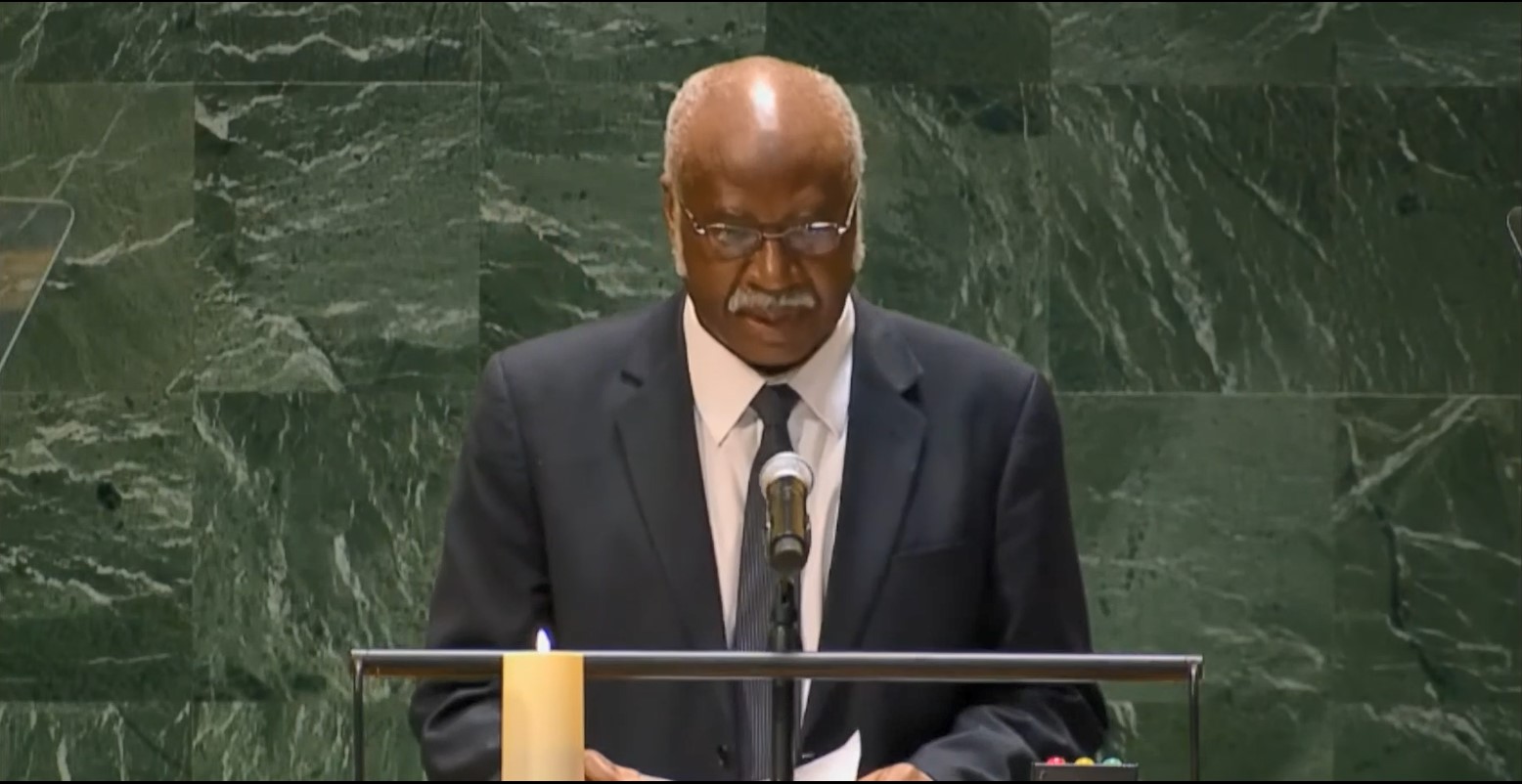 Mr, Philémon Yang President of the 79th Session of the United Nations General Assembly
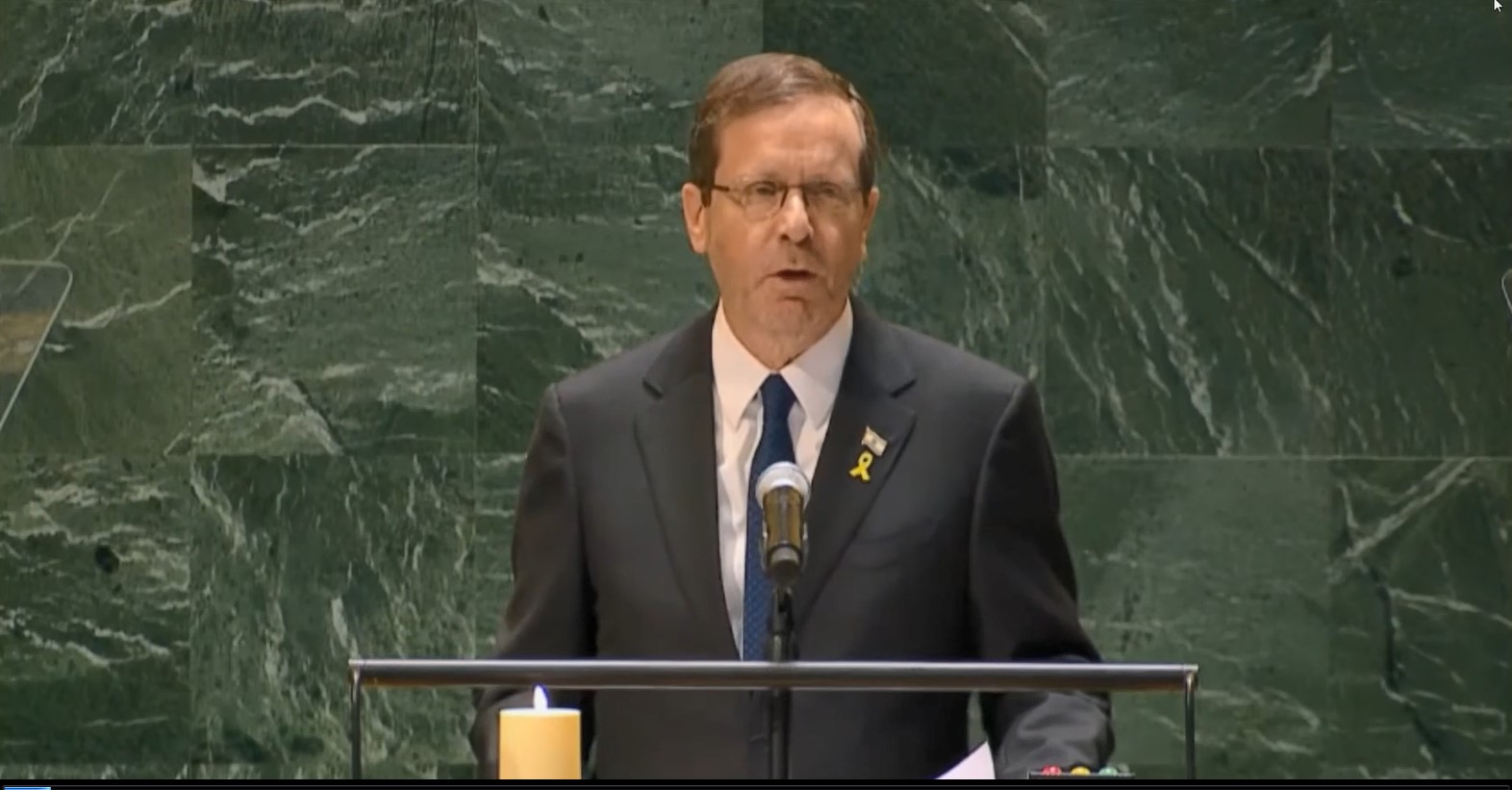 Mr. lsaac Herzog President of the State of lsrael
The commemoration ceremony responded to the calls of the international community, with the UN Secretary-General and the President of the 79th UN General Assembly delivering key speeches reaffirming the United Nations' commitment to preventing genocide and combating hate speech.
Israeli President Isaac Herzog delivered a particularly powerful address, stating: "It is time to recognize that challenging our right to exist is not diplomacy—it is blatant antisemitism." This striking remark underscores the reality that antisemitism is not just a historical issue but a persistent threat in modern society.
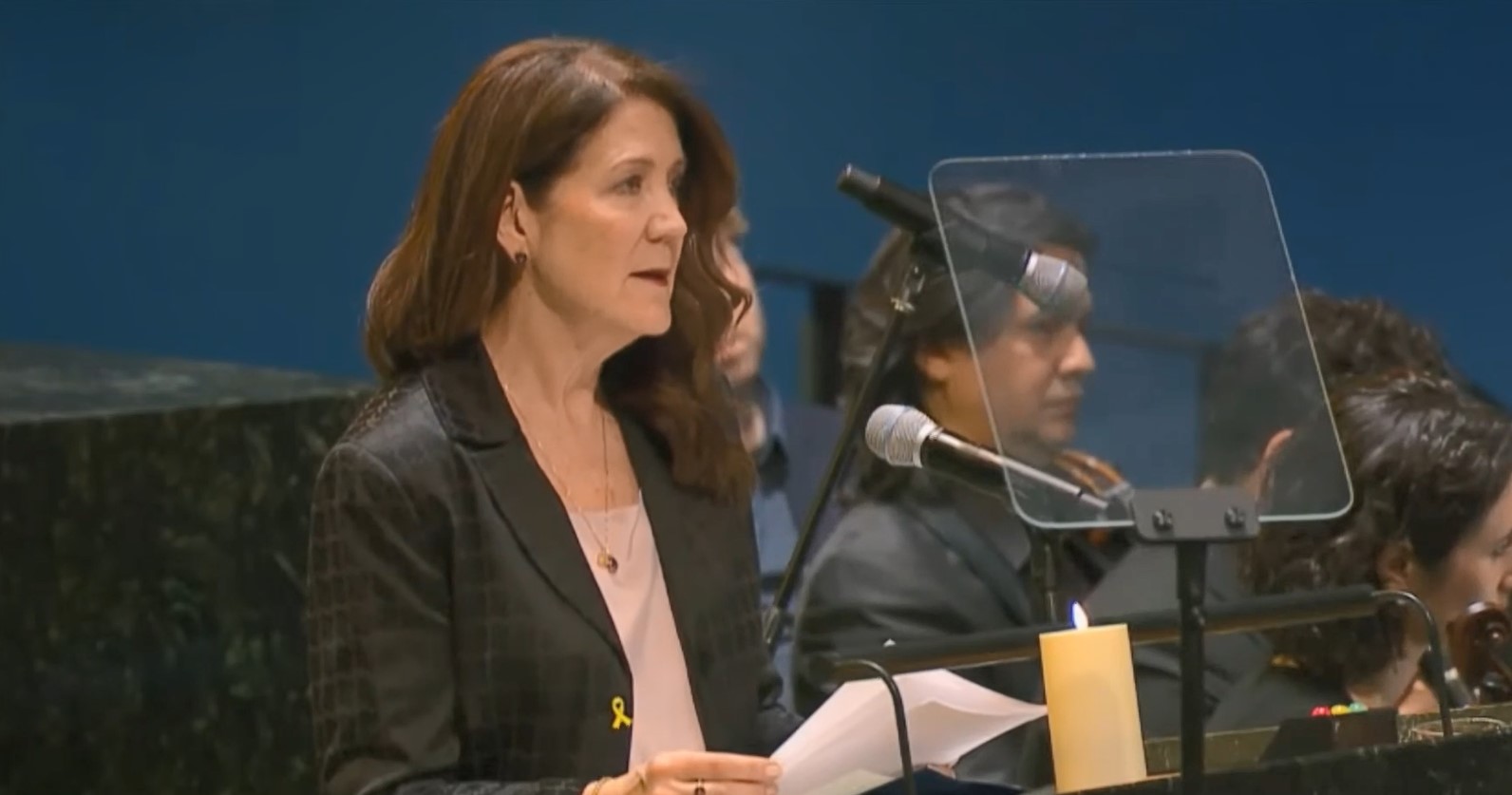 Ms. Dorothy SheaChargée d'affaires ad interim of the United States to the United Nations
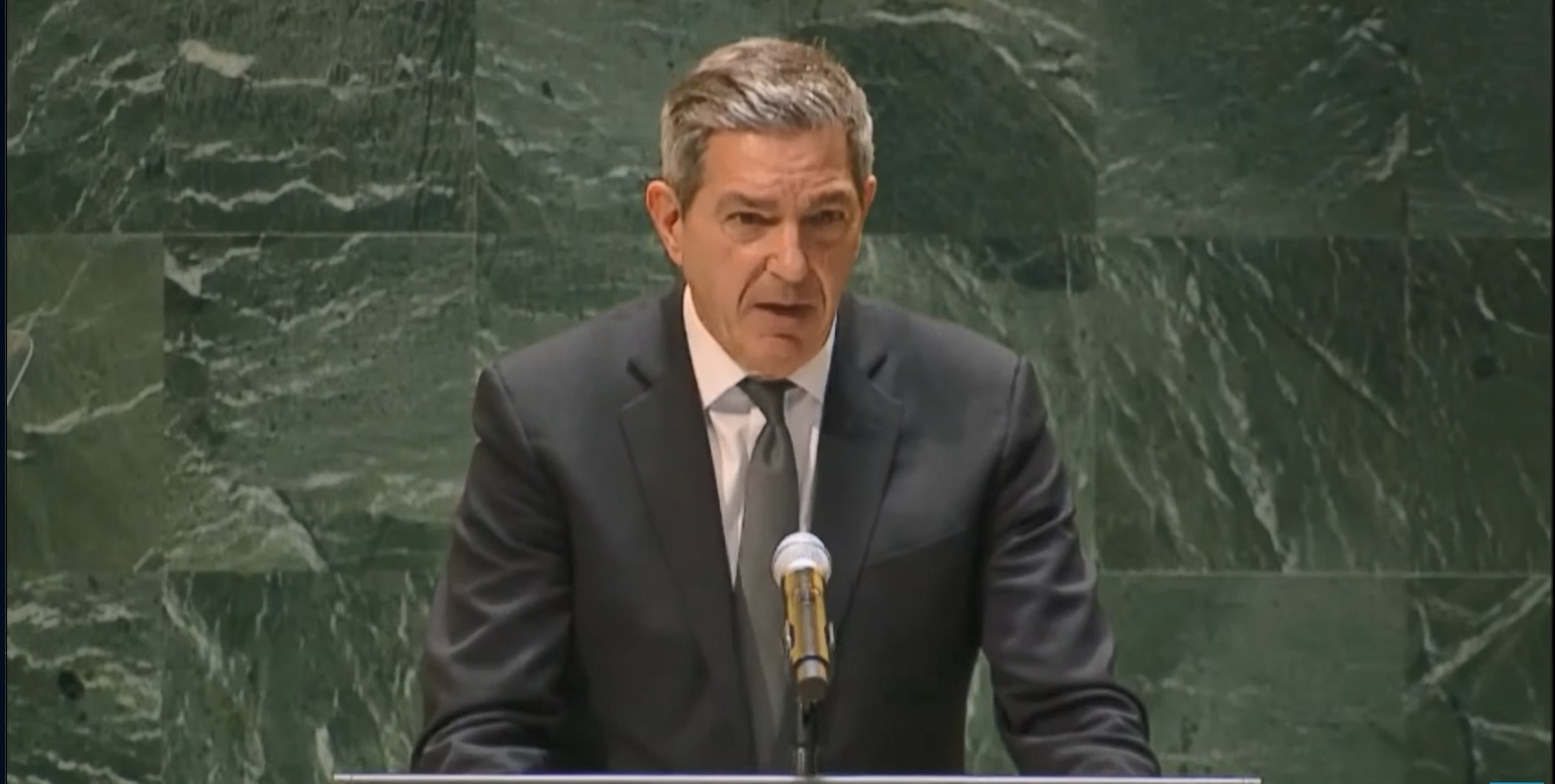 Mr. Stavros LambrinidisHead of the Delegation of the European Union to the United Nations
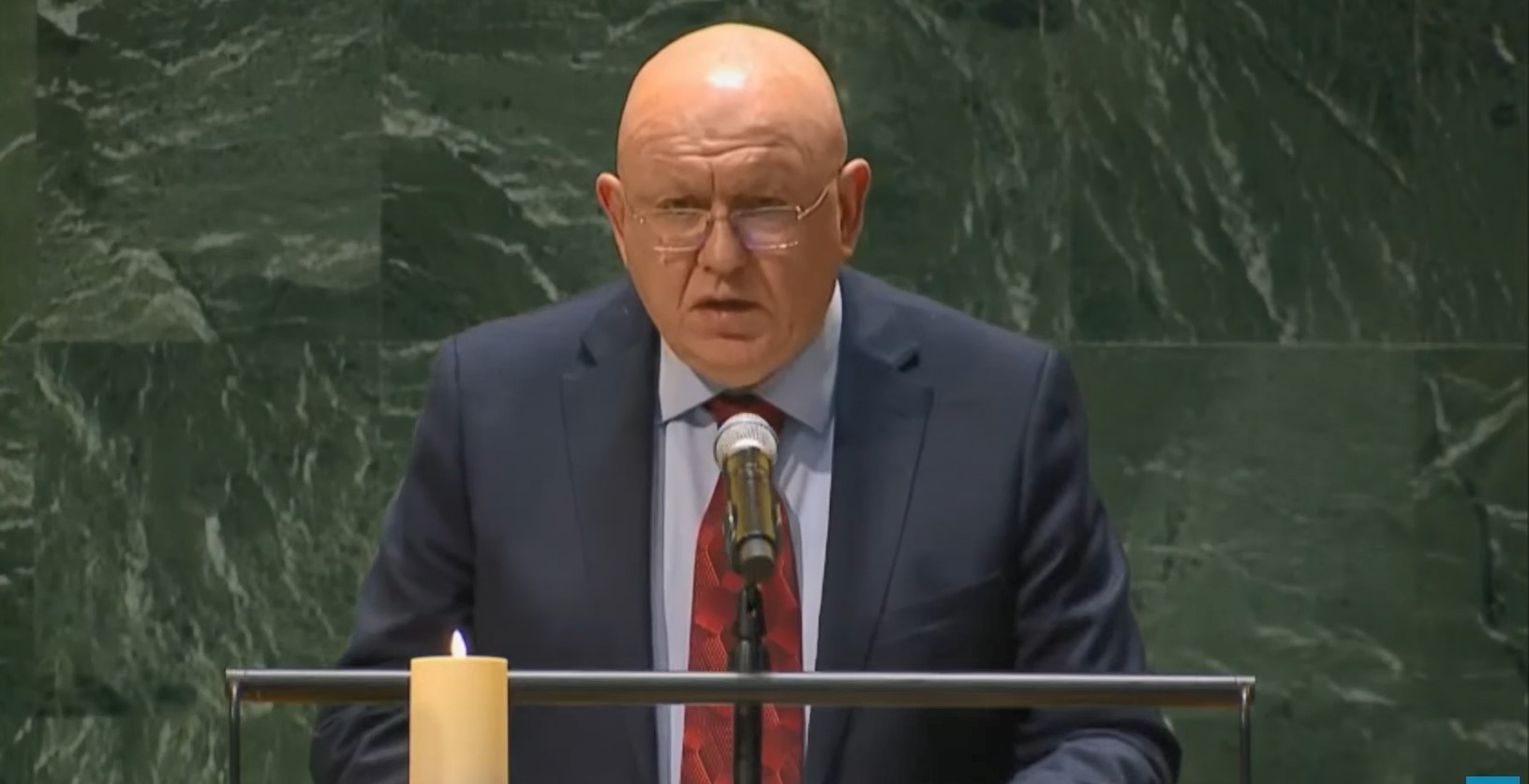 Mr. Vassily A. NebenziaPermanent Representative of the Russian Federation to the United Nations
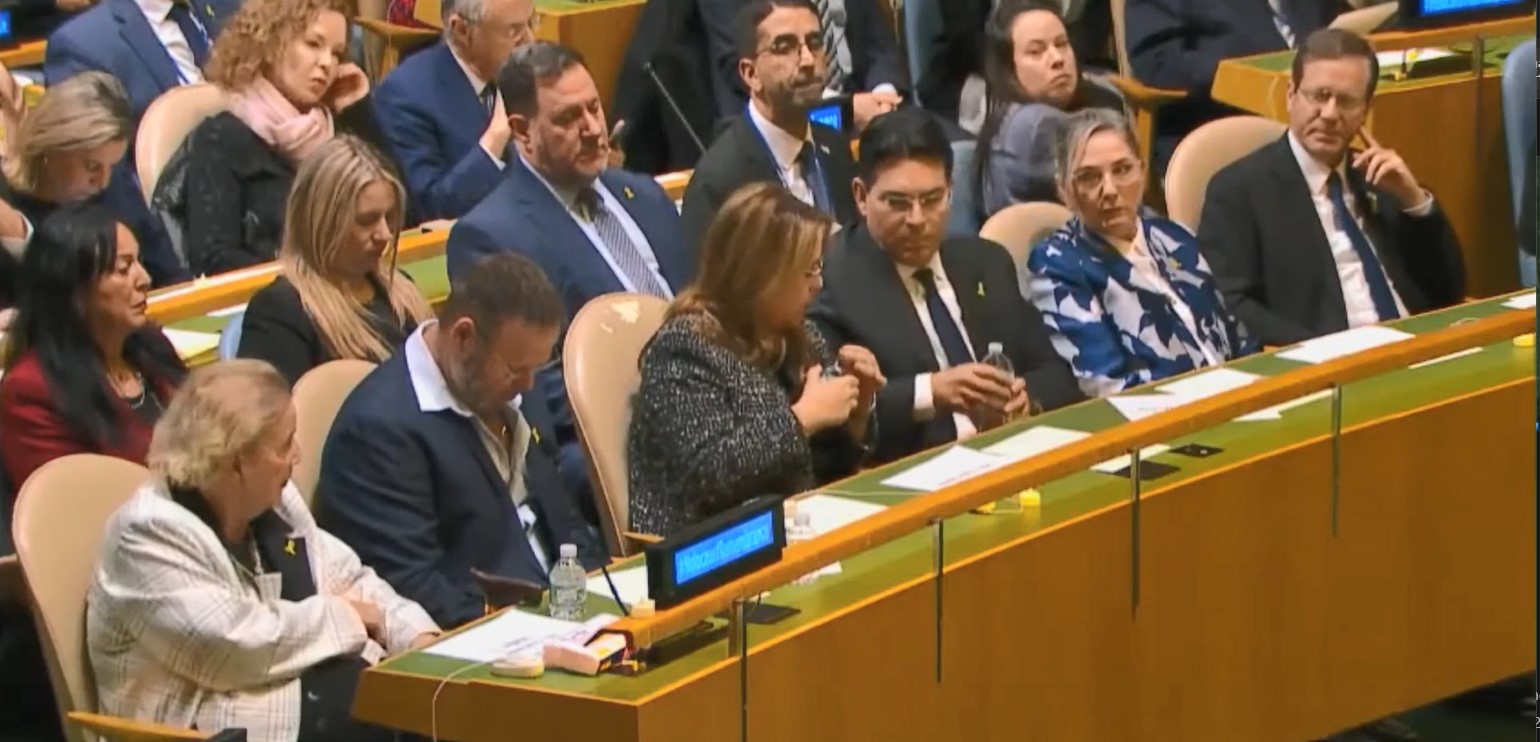 Danny Danon, Israel's permanent representative to the United Nations (Third from right)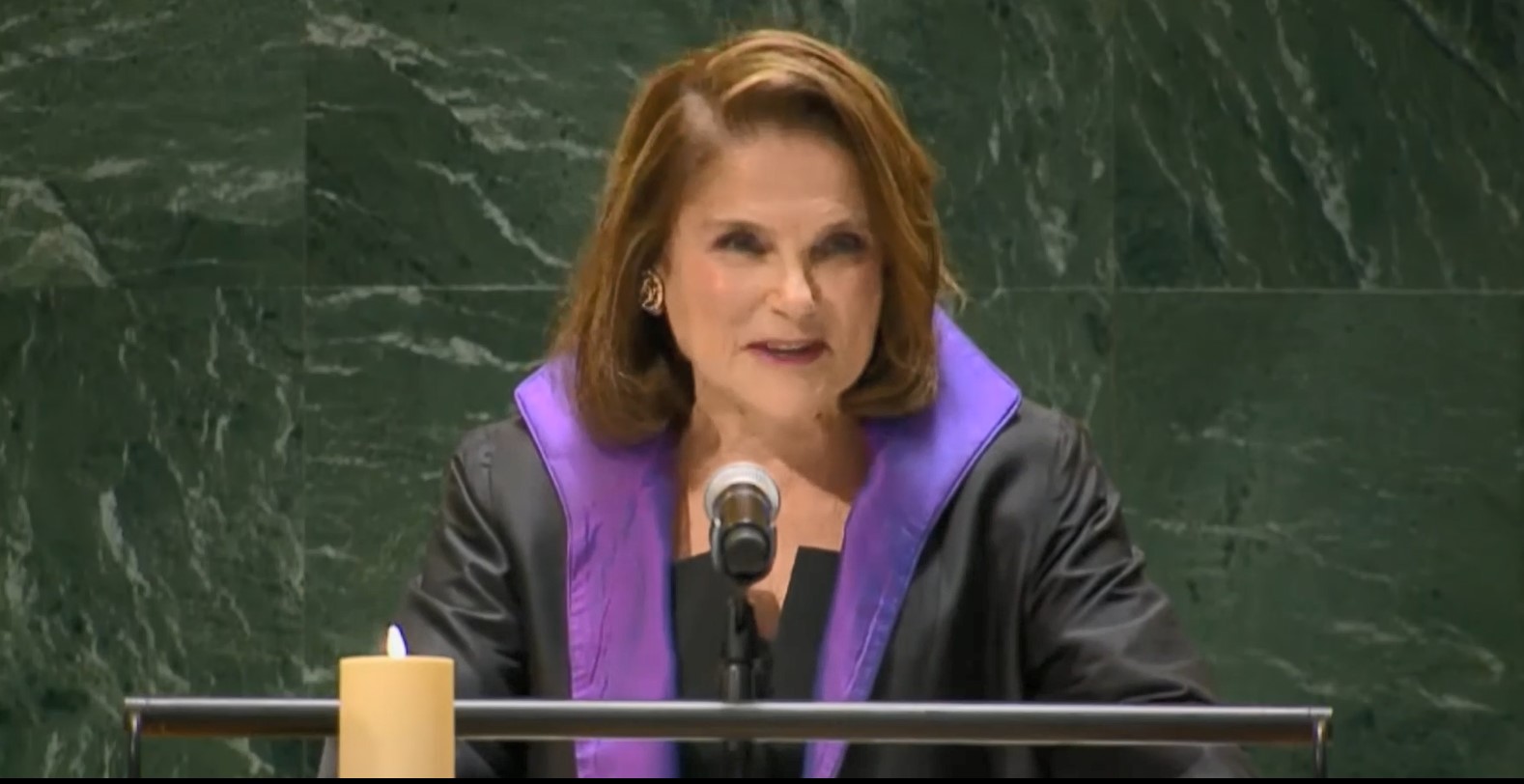
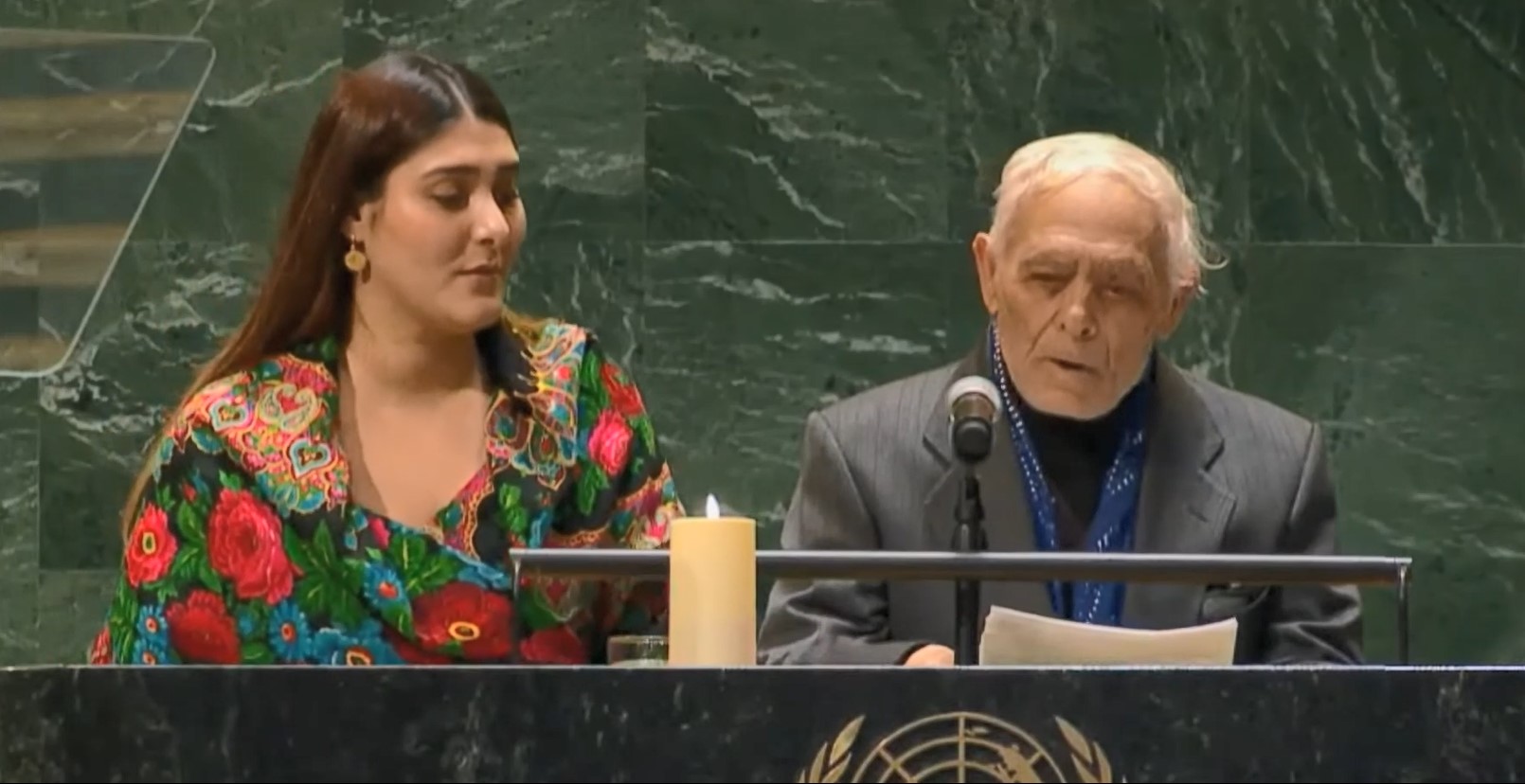 Mr. Dumitru MiclescuAccompanied by Ms. Izabela Tiberiade
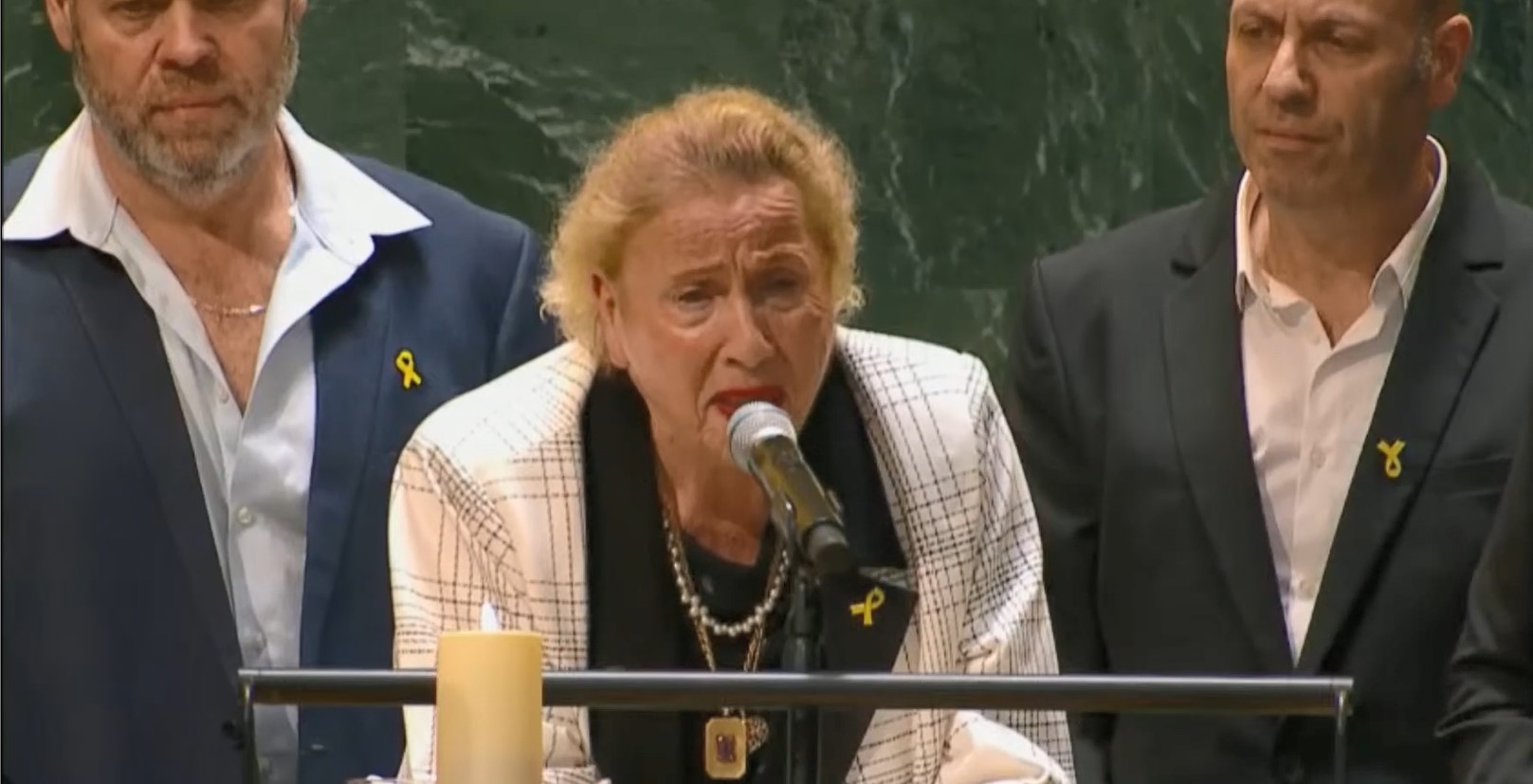 Ms. Marianne Muller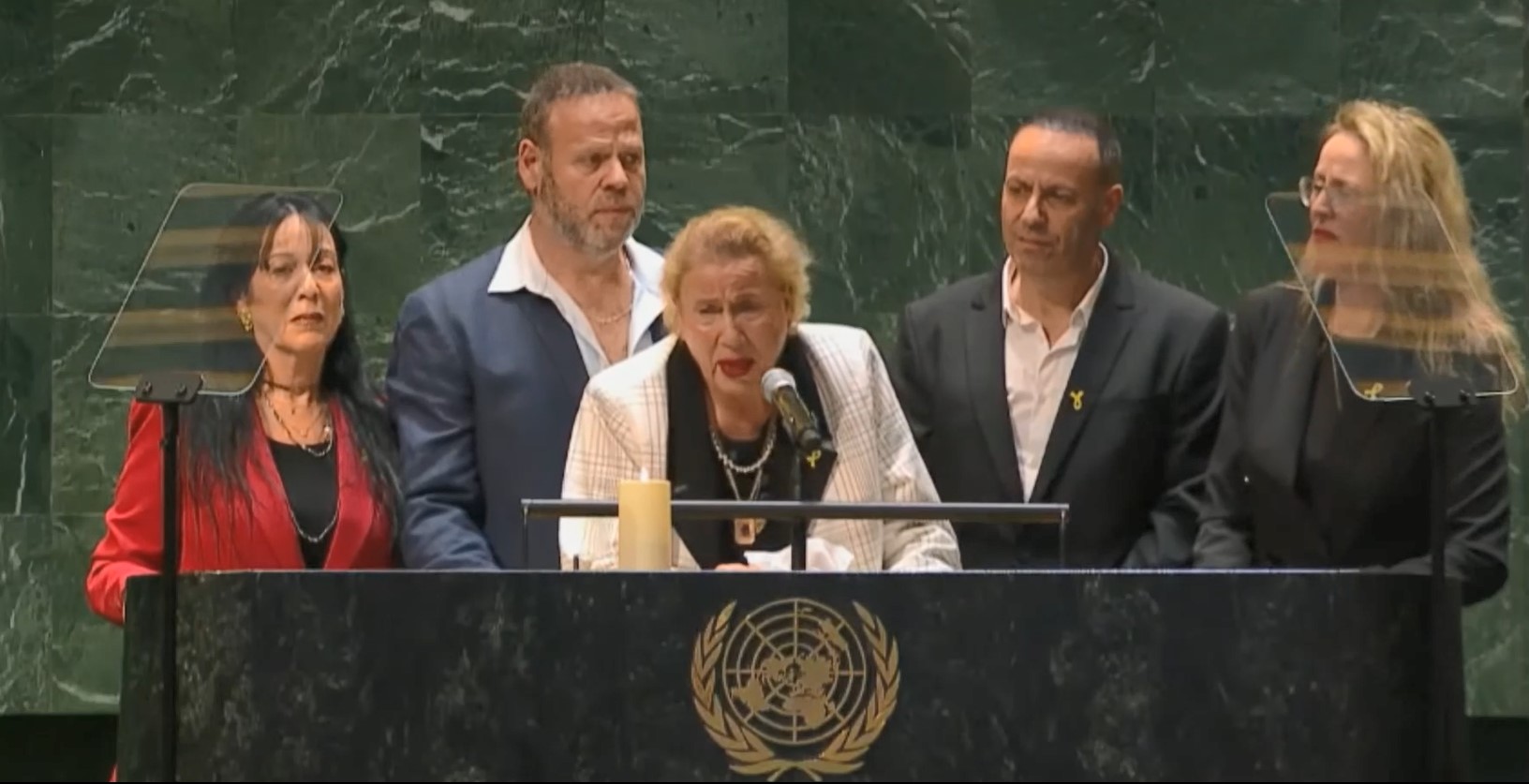
Listening to the Voices of Survivors
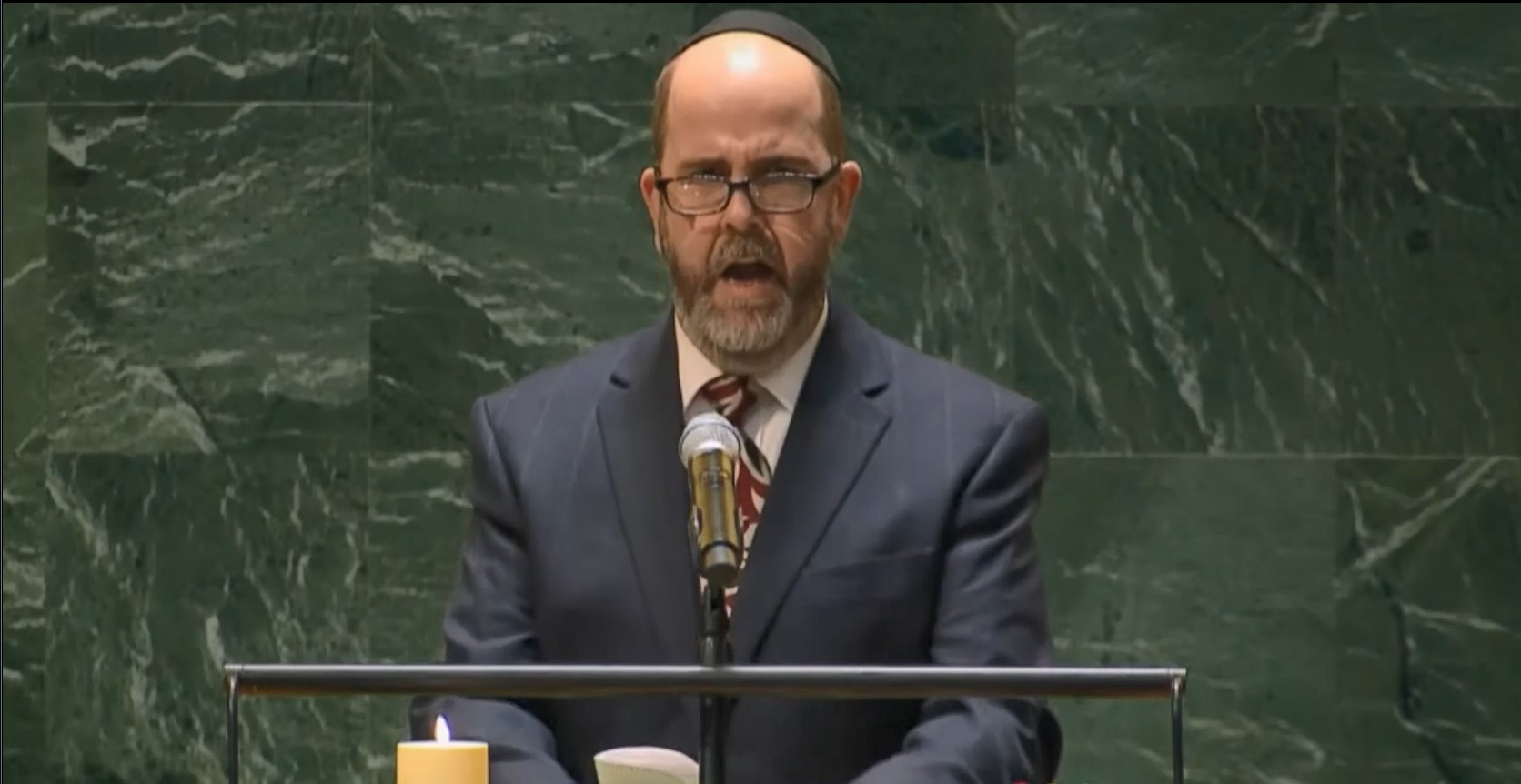
A core segment of the event was the testimonies of Holocaust survivors and guest speakers, whose accounts vividly brought to life one of history’s darkest chapters.
Survivor Dumitru Mihăilescu traveled from Budapest to deliver a solemn warning: the suffering of the Roma and Jewish people must never be forgotten. Another survivor, Marianne Müller, stood on stage with her descendants, sharing her family's story of tragedy and resilience. With unwavering resolve, she declared: "They are my answer to Hitler." This powerful statement not only conveyed her personal conviction but also symbolized the triumph of hope and life over hatred.
Speeches by Global Leaders
The UN Secretary-General and the President of the 79th UN General Assembly delivered important speeches, reaffirming the United Nations' commitment to preventing genocide and combating hate speech.
Israeli President Isaac Herzog made a particularly striking statement: "It is time to recognize that challenging our right to exist is not diplomacy—it is blatant antisemitism." His sharp remarks served as a stark reminder that antisemitism is not just a historical issue but remains a modern-day threat.
The Significance of the Commemoration
The commemoration was not only about remembering history but also about looking toward the future. Holocaust remembrance is more than a tribute to the past—it is a warning for generations to come.
Eighty years ago, the liberation of Auschwitz marked the end of one atrocity, yet the world has not fully rid itself of hatred and prejudice. The stories of Jewish, Roma, and other persecuted communities reveal that violations of human dignity and equality continue to manifest in different forms.
This UN commemoration serves as a crucial reminder that human rights and dignity must never be neglected or eroded under any pretext. The day stands as a wake-up call to the international community: history must not repeat itself. It is our collective responsibility to eliminate hatred, racism, and discrimination and ensure that the lessons of the past guide us toward a more just and humane future.
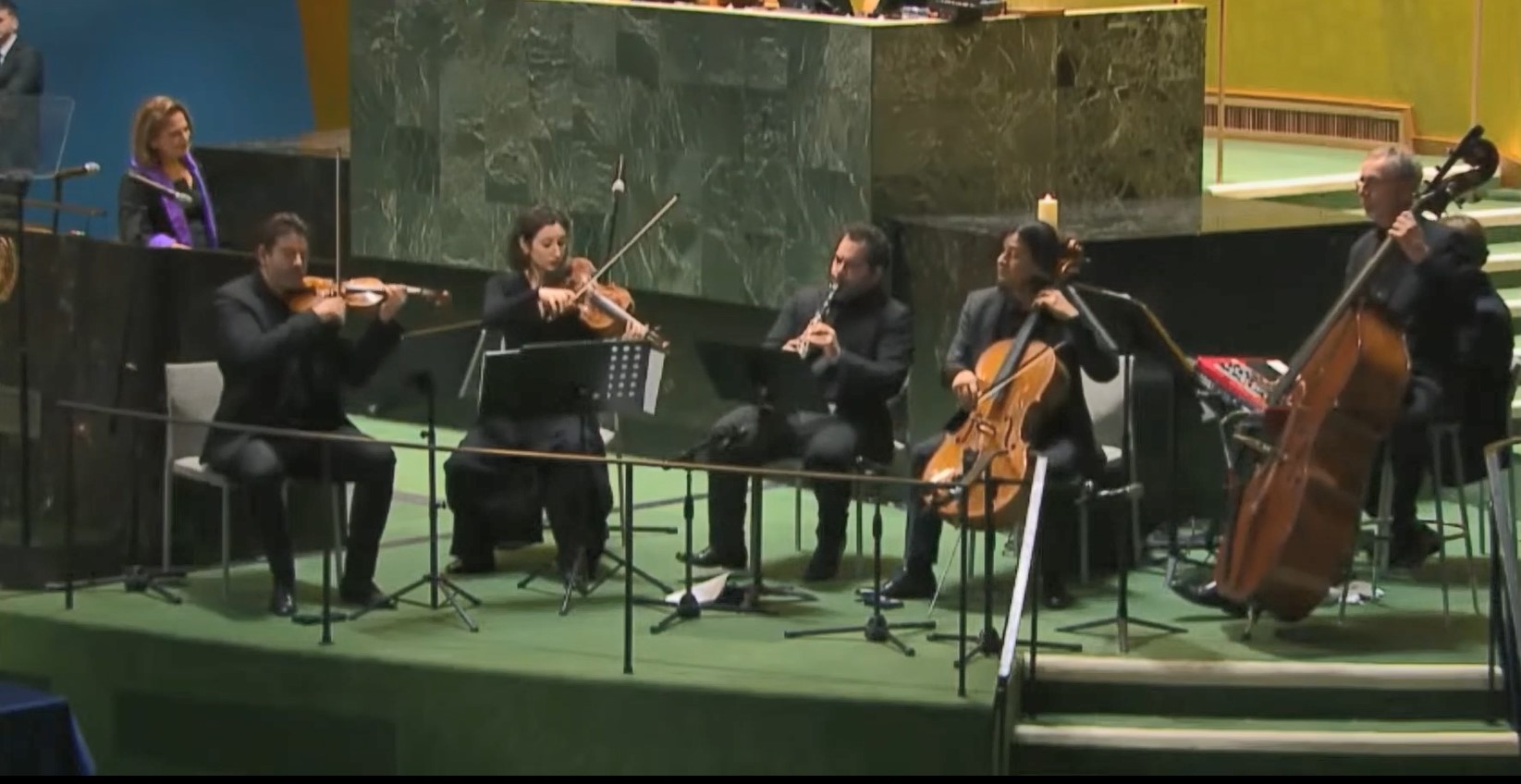 The Ministry of Foreign Affairs of Germany and the Permanent Mission of Germany to the United Nations for bringing Lebensmelodien to us. The Permanent Mission oflsrael to the United Nations in bringing Ms, Muller to us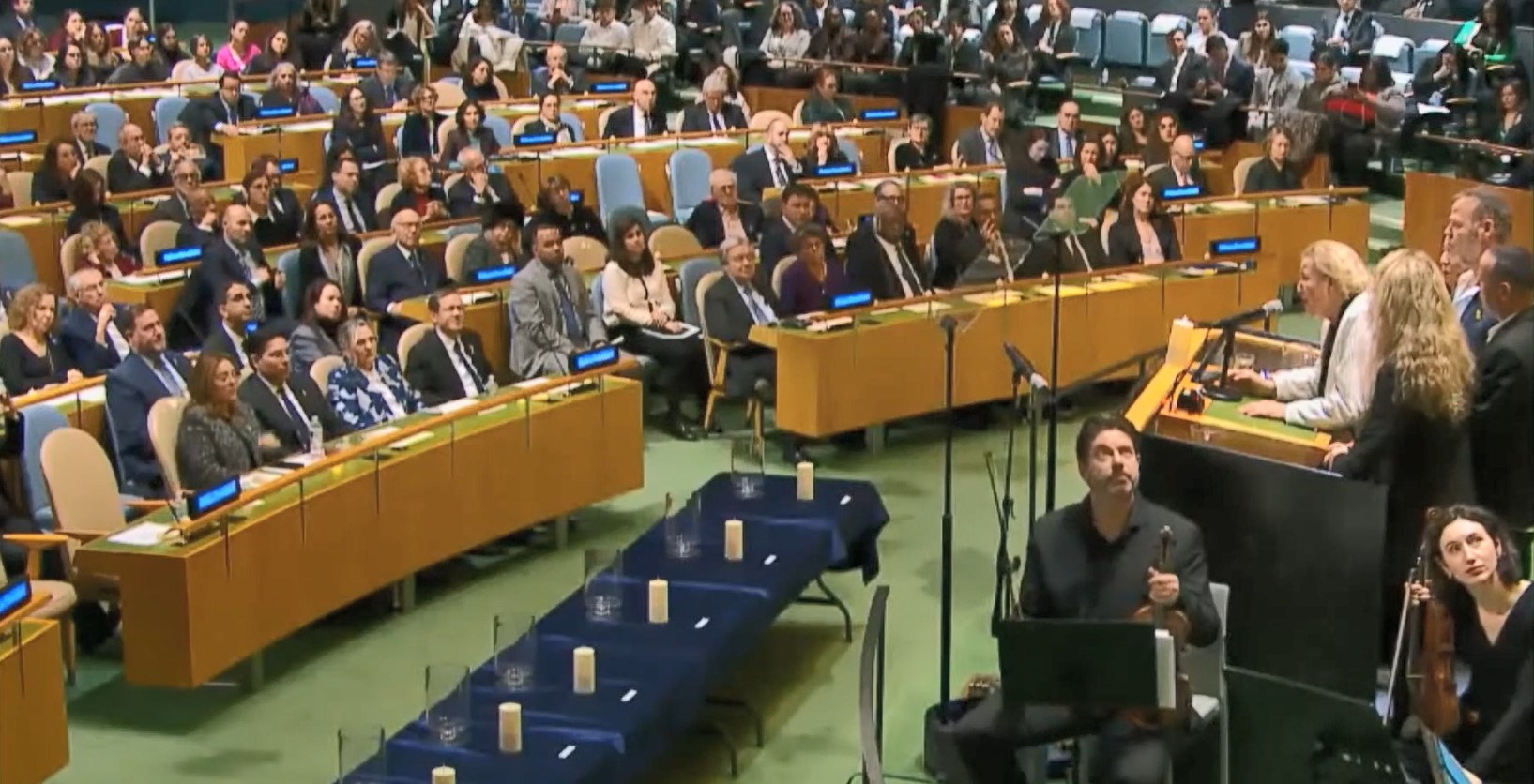
From Remembrance to Action This year’s Holocaust remembrance emphasized action—drawing lessons from history to defend peace and justice. Key measures include educating future generations about history, combating antisemitism and all forms of hate speech, and encouraging tangible efforts by the international community to protect human rights.
The 2025 commemoration is not only a retrospective of a somber history but also a reaffirmation of humanity’s commitment to dignity and human rights. In the face of present challenges, it is everyone’s shared responsibility to honor the past with sincere actions and safeguard the future with unwavering determination.


- Details
-
Category: English Media
-
Published: Wednesday, 22 January 2025 13:28
-
Written by Eager
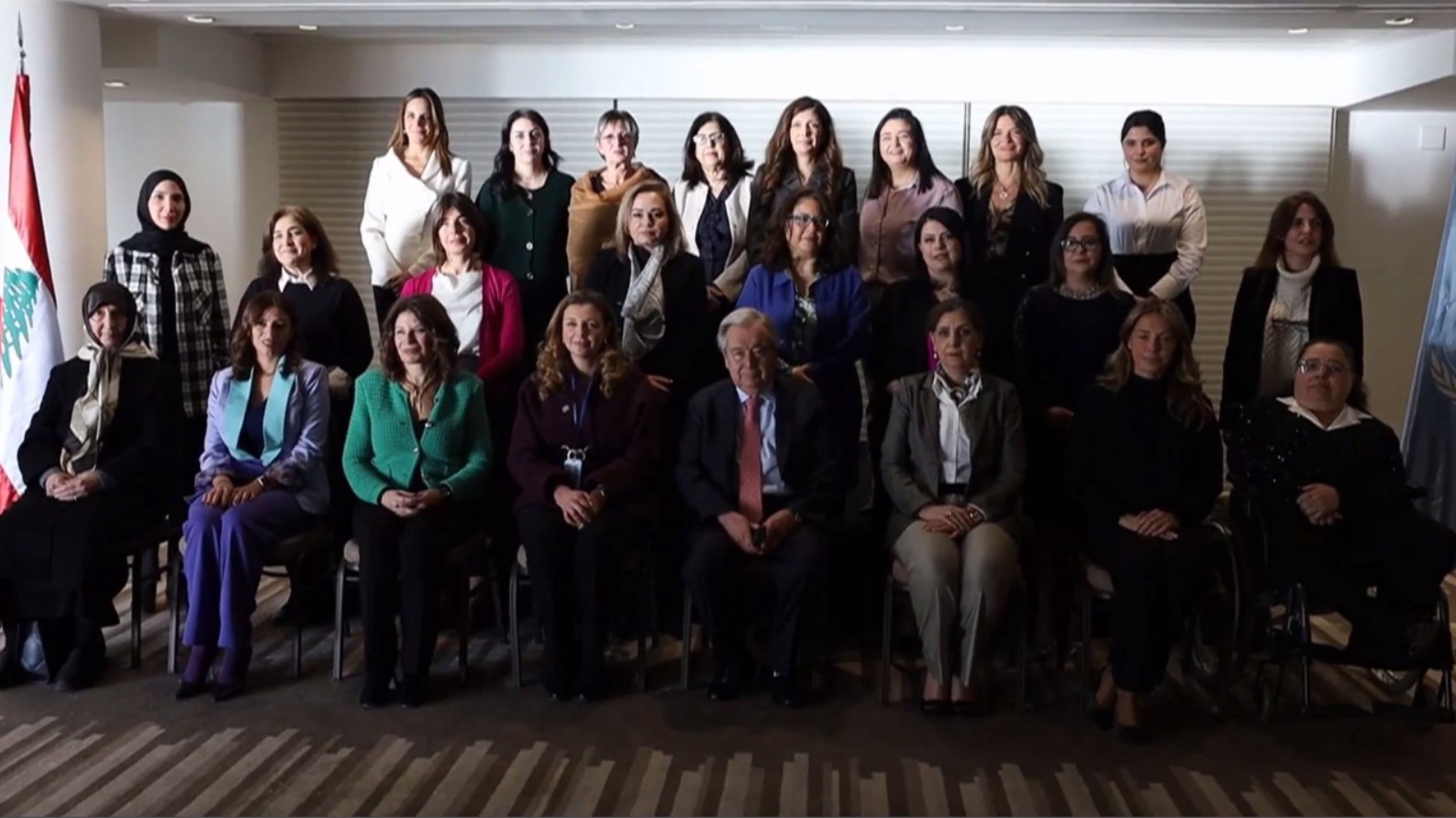
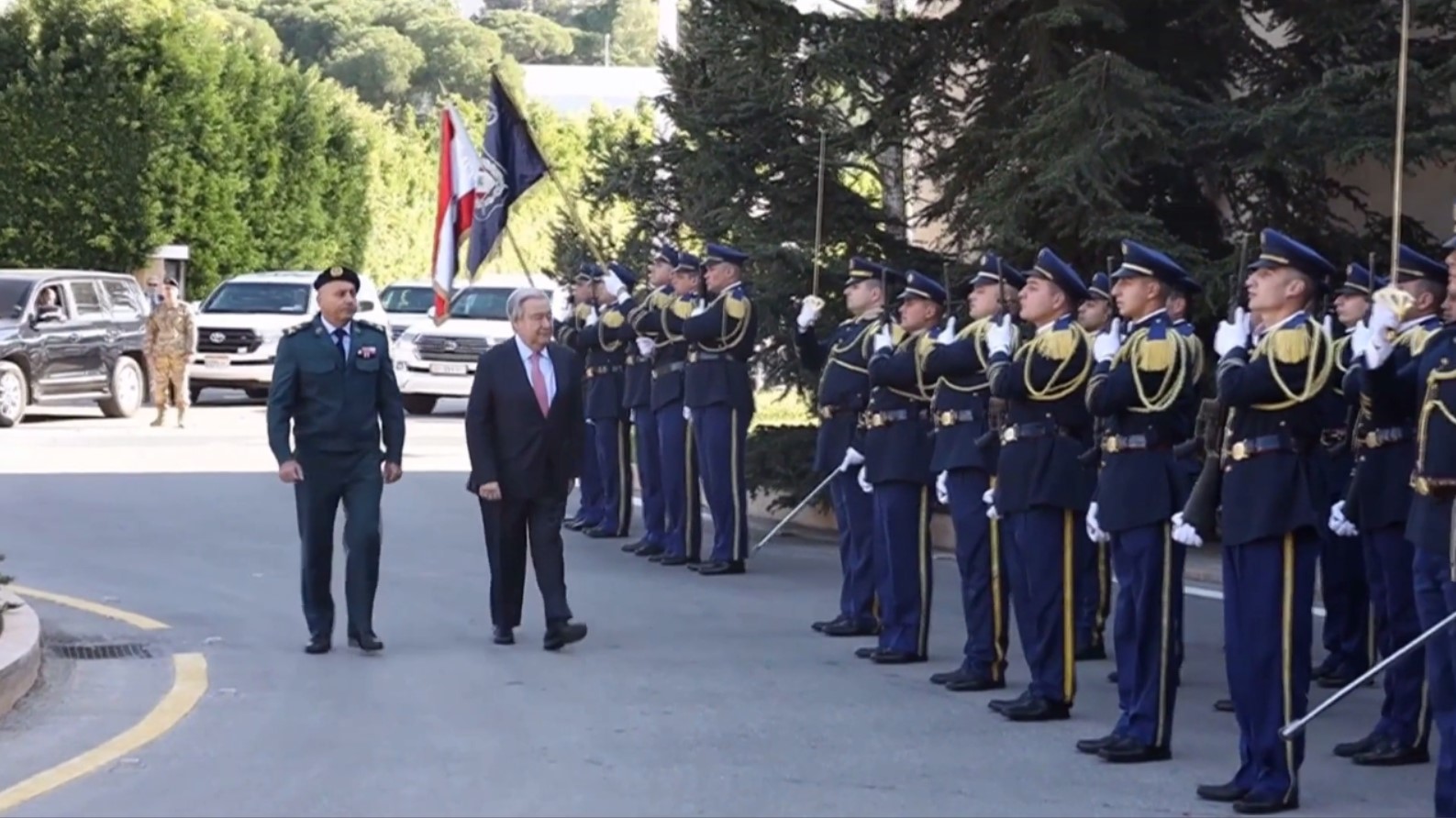
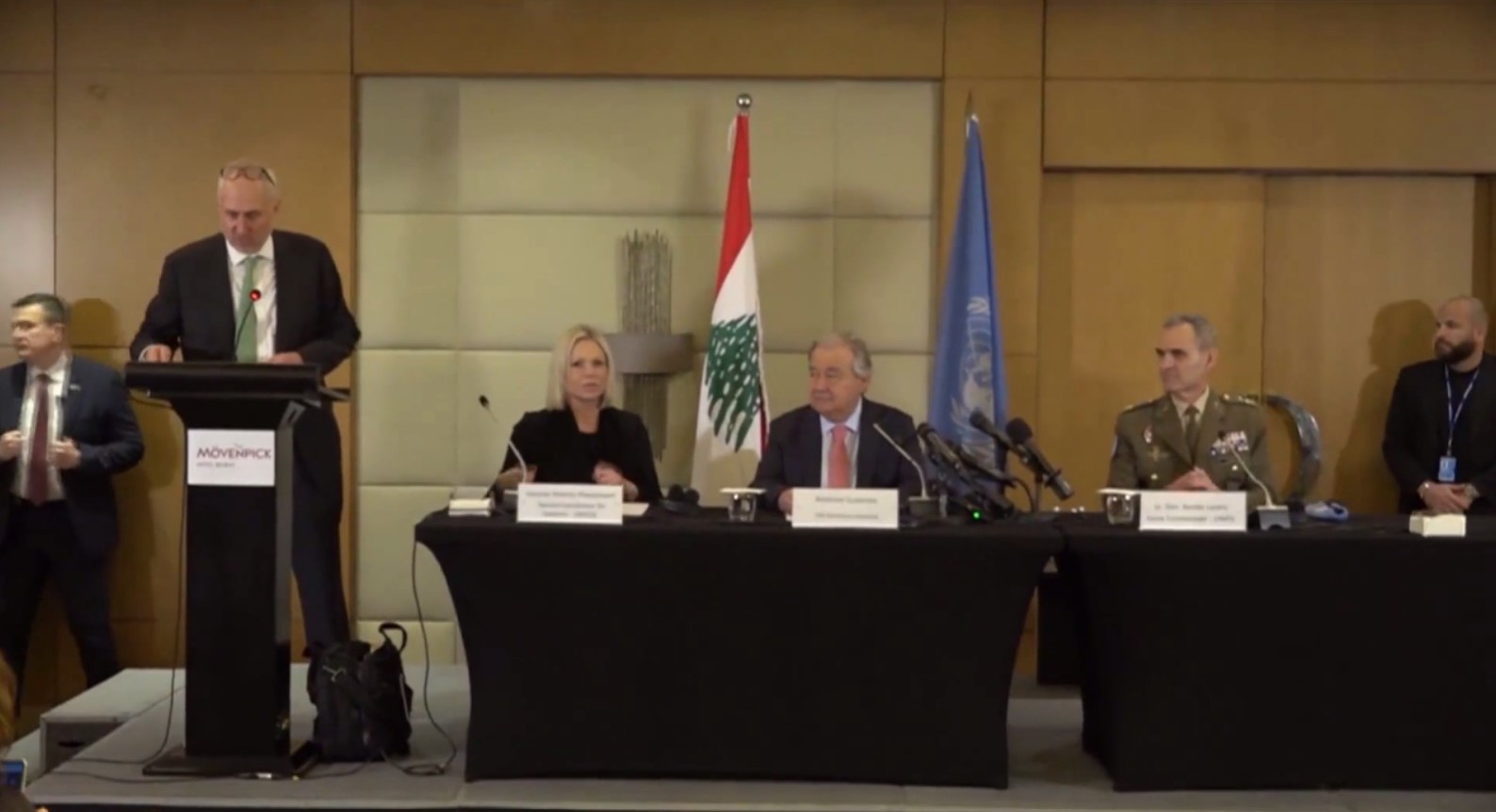
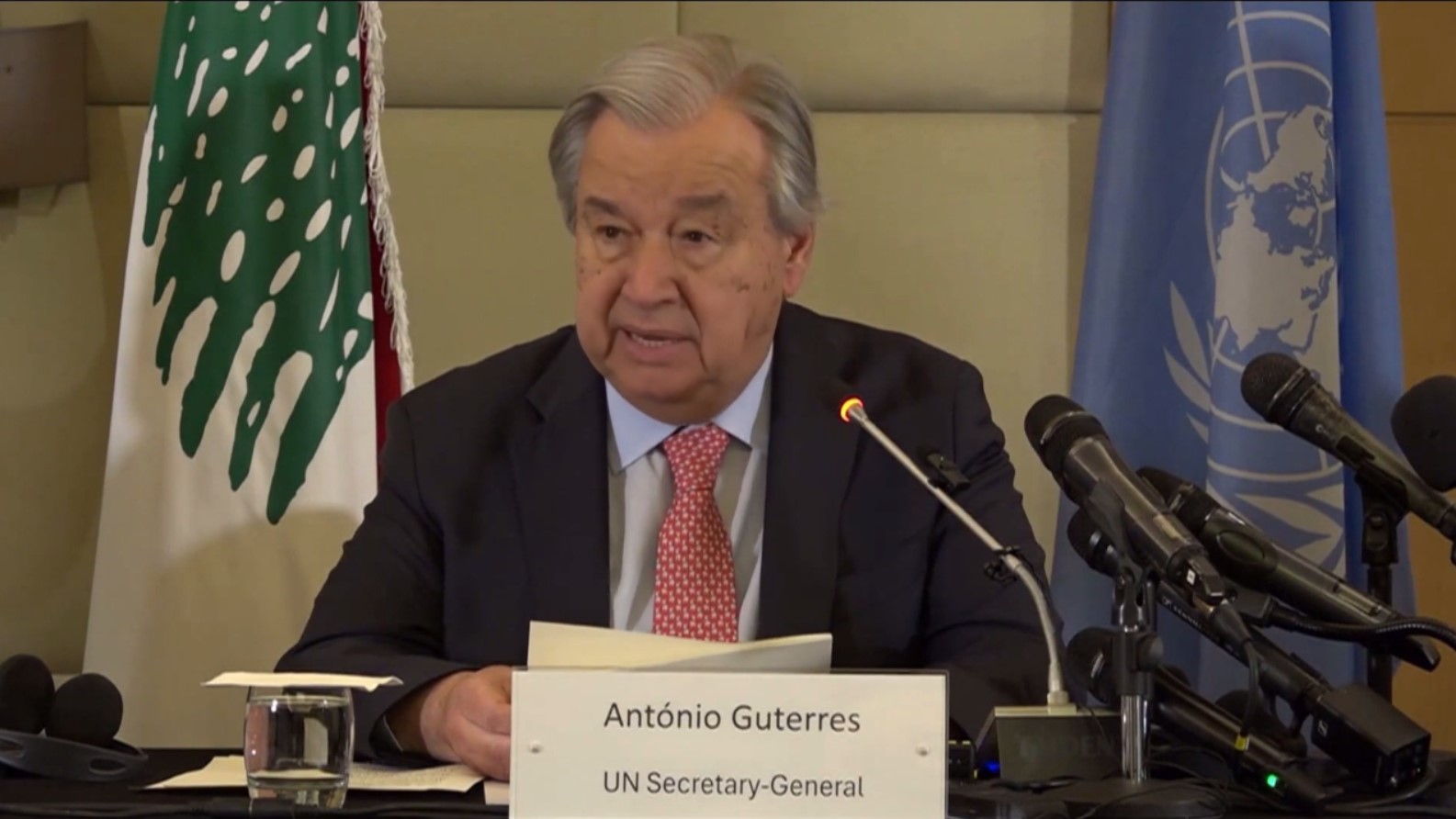
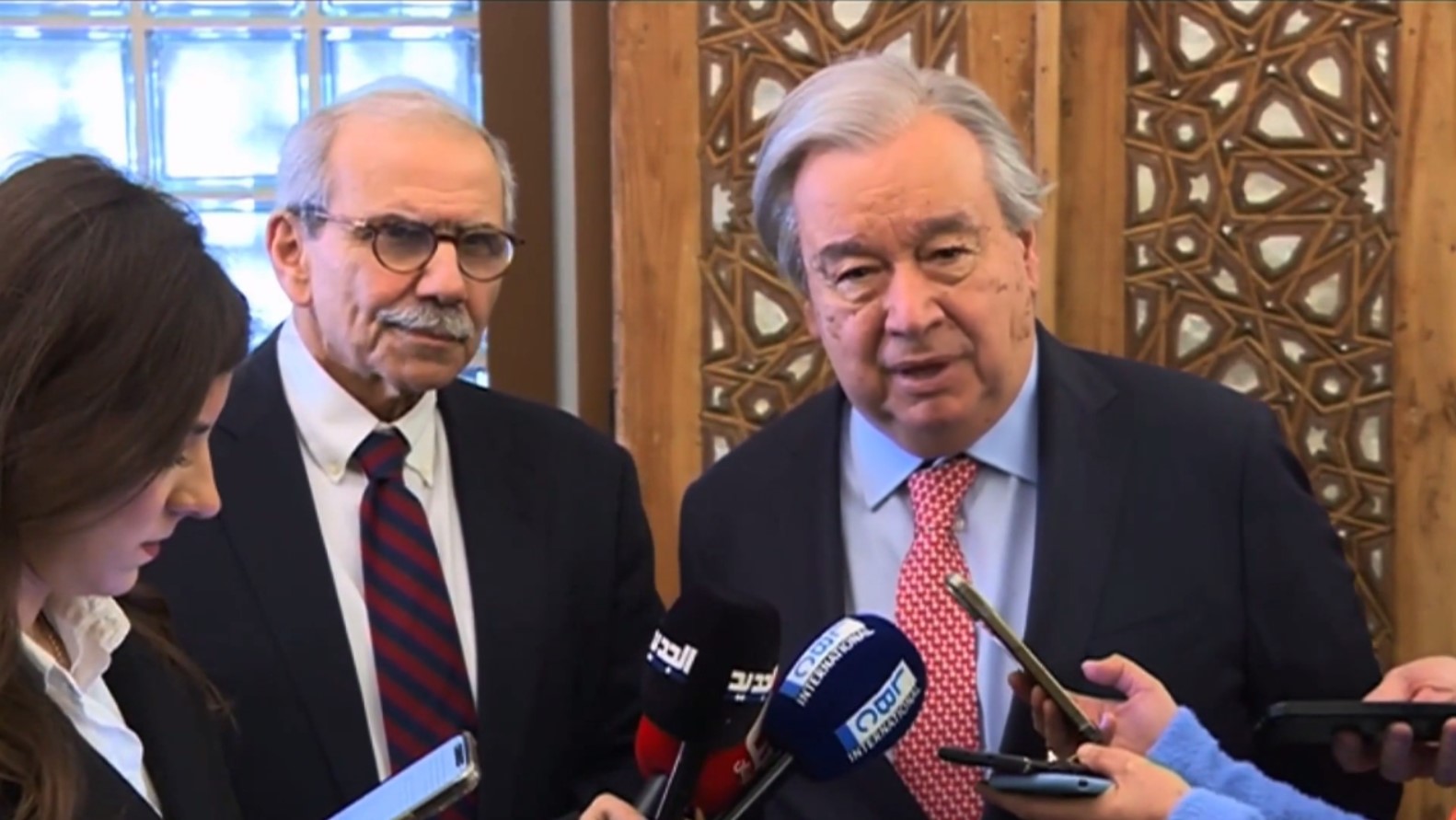
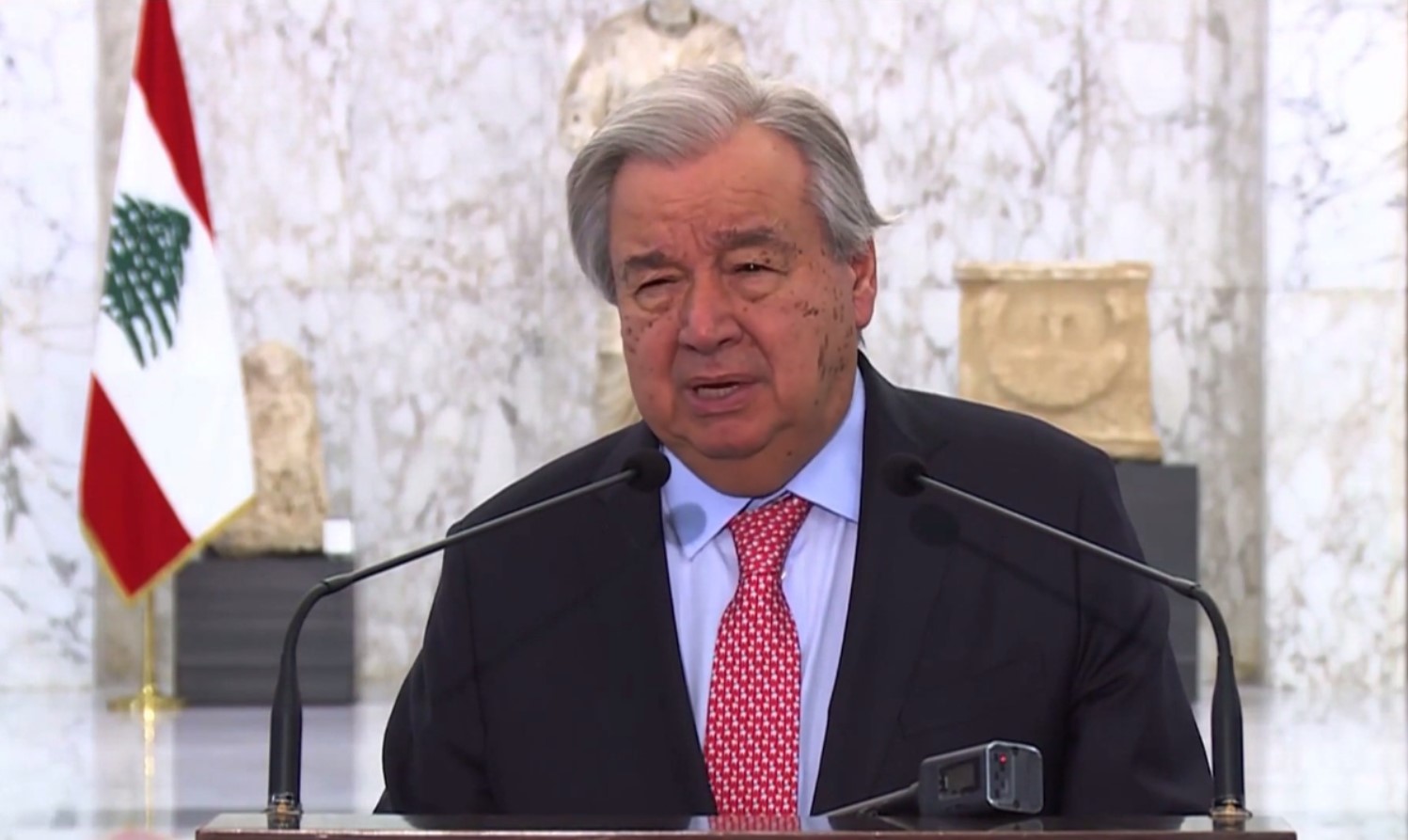
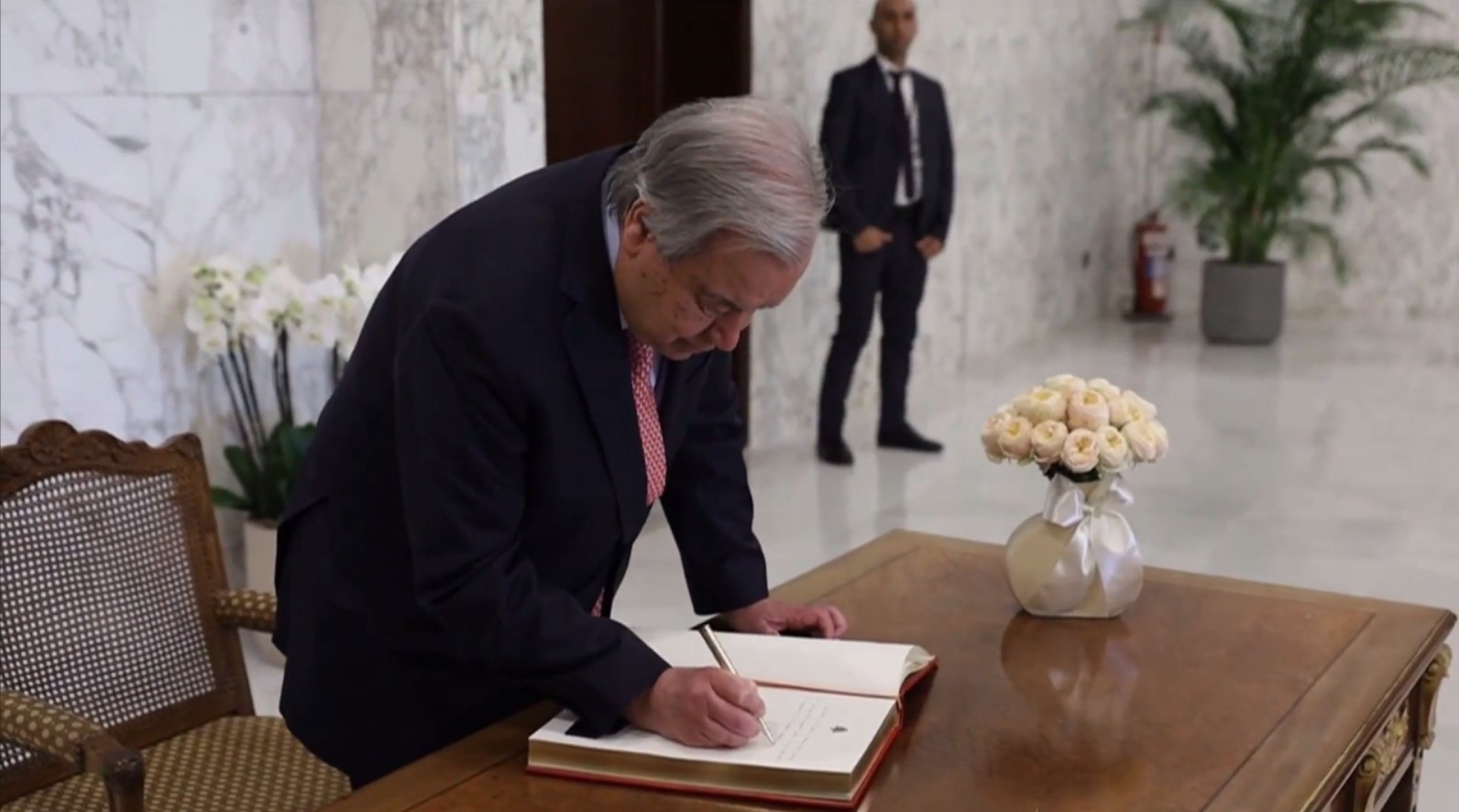
Celebrity Media Commentator: Recently, UN Secretary-General António Guterres delivered a series of important speeches during his visit to Lebanon, discussing the Middle East peace process. These speeches not only brought hope to Lebanon but also outlined the direction for the peace process in the region. Against the backdrop of global turmoil, the Middle East issue is closely linked to the Israeli-Palestinian ceasefire agreement, the Russia-Ukraine war, and the new U.S. administration led by Donald Trump, highlighting the importance and role of the UN in this era of multipolar challenges.
Loading player...
Middle East Peace and Global Power Shifts
On January 20, 2025, Donald Trump resumed the U.S. presidency, marking a new shift in American foreign policy. During his previous term, Trump adopted a harsh and unbalanced approach to Middle East issues, exacerbating the Israeli-Palestinian conflict and undermining regional stability. With the start of his second term, the direction of Middle East issues has become a focus of international attention.
Meanwhile, the Israeli-Palestinian ceasefire agreement has provided a temporary respite, but history has shown that such agreements are often fragile. During his visit, Guterres emphasized the importance of the withdrawal of Israeli forces and the deployment of Lebanese forces in the south, which is crucial for stabilizing the situation and part of the multilateral coordination logic behind the ceasefire agreement. However, achieving lasting peace in the Middle East requires stronger international coordination, not just temporary compromises.
On the other hand, the Russia-Ukraine war has added more uncertainty to global dynamics. This war has not only diverted international attention from Middle East issues but also led to energy price fluctuations, exacerbating the region's economic crisis. For Lebanon, which is heavily affected by fluctuations in the international energy market, this period is critical for its political and economic recovery. In this context, the role of the UN in mediation and support becomes even more significant.
Opportunities for Stability Amid Fragile Peace
Guterres described the ceasefire in southern Lebanon as "fragile but sustained," aptly summarizing the current state of the Middle East peace process. Lebanon's future is closely tied to the trajectory of the Israeli-Palestinian conflict, which also reflects regional and international balance. The gradual withdrawal of Israeli forces, the deployment of Lebanese forces, and international support for Lebanese sovereignty are the three fundamental pillars of peace in the region. However, military solutions alone are insufficient to achieve peace; they must be accompanied by economic reconstruction and enhanced social trust.
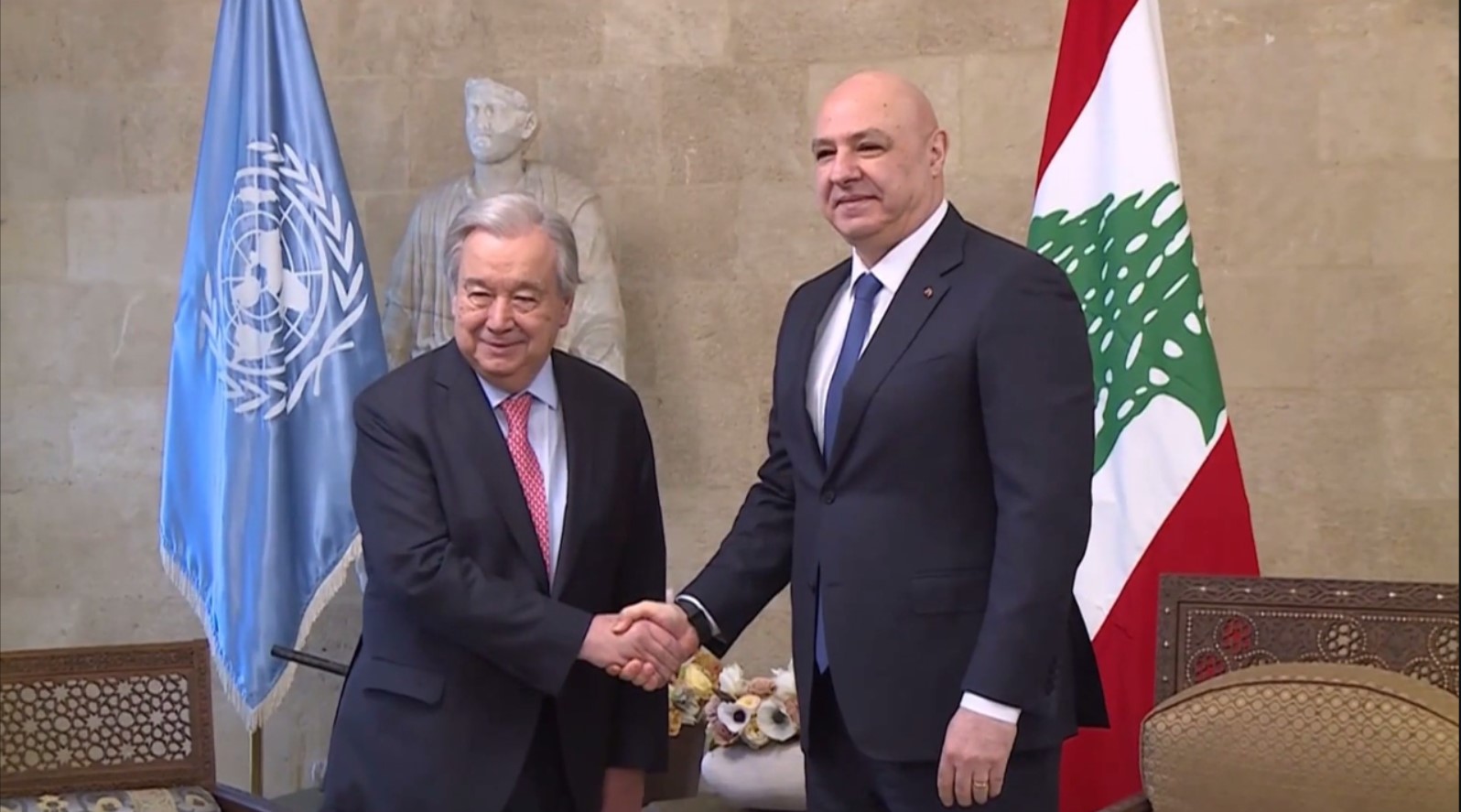
The election of a new president and the appointment of a new prime minister have brought hope for improved governance in Lebanon. However, as Guterres pointed out, "the future remains challenging." These challenges include rebuilding internal political systems, balancing responses to major power competition, and regional divisions. This balance not only determines Lebanon's future but also the stability of the entire Middle East.
The Role of the UN and the Future of Global Cooperation
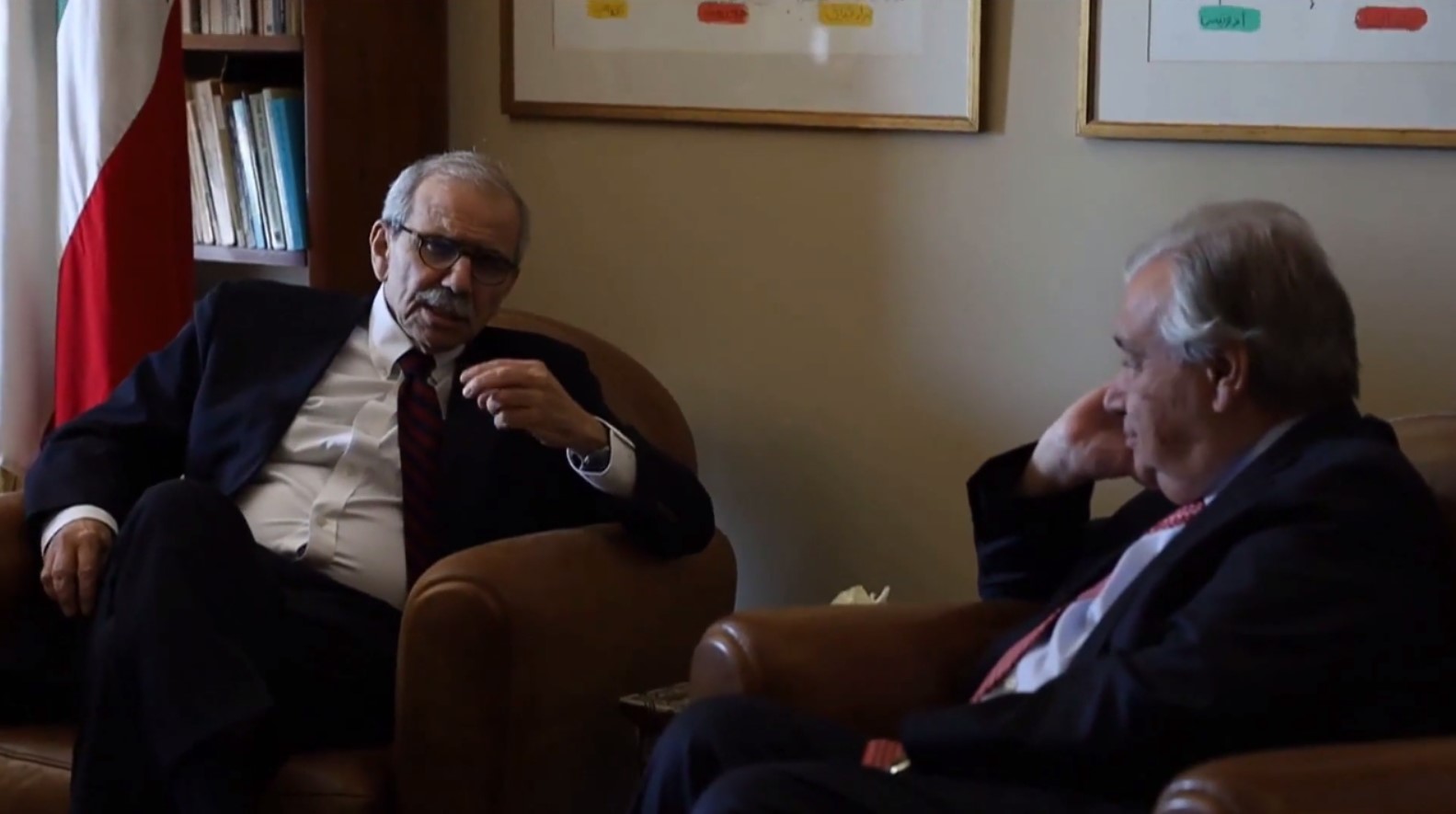
In an era of complex and multifaceted conflicts, the UN, as an important international organization, is playing an increasingly vital role. Whether coordinating multilateral negotiations on the Russia-Ukraine war or promoting peace in the Middle East, the UN faces dual pressures: on one hand, widening differences in member states' interests; on the other, limitations on the UN's ability to manage global affairs. Guterres's visit to Lebanon was not only a direct intervention for peace in the region but also a declaration that the UN remains a core pillar of international peace and security.
Furthermore, Guterres's support for the United Nations Relief and Works Agency for Palestine Refugees in the Near East (UNRWA) reflects the UN's moral commitment to protecting vulnerable populations. The long-neglected issue of Palestinian refugees remains an important part of Middle East peace. Supporting them demonstrates the importance of global cooperation—true peace cannot be achieved without protecting the rights of vulnerable groups.
From the Middle East to the World: The Shared Destiny of Peace
From the ceasefire in southern Lebanon to the complexity of the Israeli-Palestinian conflict, and the impact of the Russia-Ukraine war, the Middle East peace process has never been detached from globalization. Today, peace and conflict are not merely regional issues but reflections of power struggles on the international stage. Guterres's visit reminds us that hope for peace always exists, but achieving peace requires the joint efforts of all parties.
In the current situation, how the new U.S. administration addresses Middle East issues and whether the Russia-Ukraine war could escalate into a broader conflict will profoundly affect the Middle East's future. For the UN, its role as an international mediator must be based on strengthening multilateralism and advancing global cooperation toward peace.
History teaches us that peace is not achieved overnight. It requires compromise, cooperation, and patience. The Middle East, a land of immense potential, continues to nurture countless hopes despite enduring prolonged suffering. Against the backdrop of international commitment to dialogue and cooperation, the dawn of peace will illuminate this ancient and turbulent land. Lebanon's future will continue to witness the importance of global peace.